
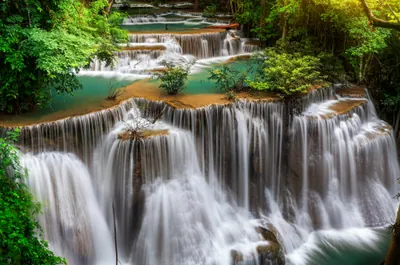


7 Days in Isan: The Real Thailand Road Trip
A week-long road trip through northeast Thailand (Khao Yai, Korat, Khon Kaen, Nong Khai, Loei, and the Mekong River). Temples, markets, zero tourists.
Facts checked Jun 2026
Duration
7 days
Pace
moderate
Best For
adventurers, culture seekers, food lovers, off-the-beaten-path
Budget
4,900–49,000 THB per person
Best Months
Nov, Dec, Jan, Feb
Trip Cost Breakdown
| Category | Budget | Mid-Range | Luxury |
|---|---|---|---|
| Flights | 900–1,500 THB (one-way Udon Thani → Bangkok) | 1,500–2,500 THB | 2,500–4,000 THB (flexible fares) |
| Accommodation | 1,800–3,000 THB (6 nights, guesthouses) | 5,000–9,000 THB | 12,000–24,000 THB |
| Food & Drink | 1,050–1,750 THB (Isan street food is the country's cheapest) | 2,800–4,200 THB | 5,600–8,400 THB |
| Activities & Tours | 500–1,200 THB (park fees, guide, boat, tastings) | 1,500–3,000 THB | 3,000–6,000 THB |
| Local Transport | 2,400–3,600 THB (car rental + fuel, split two ways) | 4,000–6,000 THB (car + fuel) | 9,000–18,000 THB (private car + driver) |
| Total Estimate | 4,900–49,000 THB per person | ||
Route Map
5 stops in travel order. Tap a pin for the destination guide.
Day-by-Day Itinerary
Tap each day for details, booking links, and tips.
1Bangkok to Khao Yai, Vineyards & Wildlife
korat
Bangkok to Khao Yai, Vineyards & Wildlife
korat

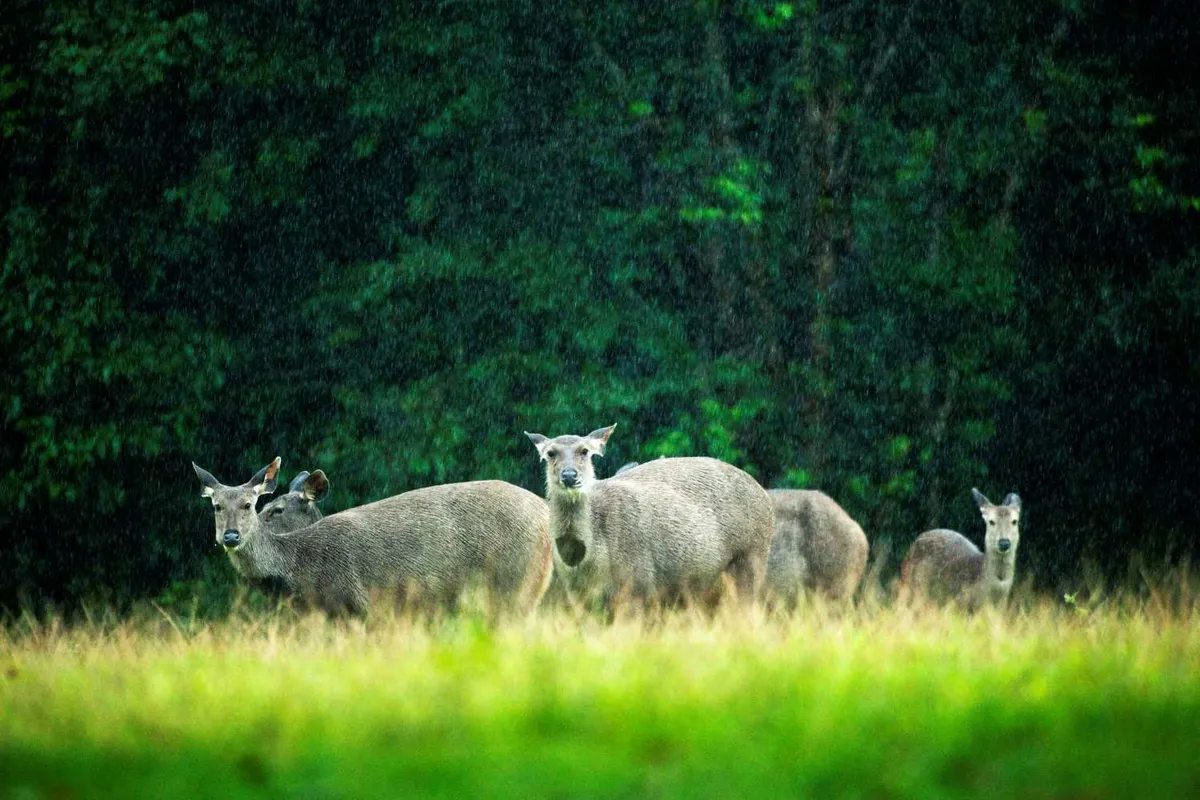
Drive 2.5 hours northeast from Bangkok to Khao Yai, Thailand's first national park and a UNESCO World Heritage Site. The road climbs from the flat central plains into forested mountains, and the temperature drops noticeably.
Khao Yai is one of the best wildlife parks in Southeast Asia. Wild elephants, gibbons, hornbills, and (rarely) wild tigers live in over 2,160 sq km of monsoon forest. Hire a park guide (1,000–2,000 THB for a half-day) for the best chance of spotting wildlife on the jungle trails. The Haew Narok waterfall (the largest in the park) is a 1 km hike from the road.
The area around Khao Yai has become Thailand's wine country. PB Valley Khao Yai Winery and GranMonte offer tastings and vineyard tours. Thai wine is a novelty, but vineyard rows set against forested hills make the stop worthwhile even if you skip the tasting. Tasting sessions from 200–500 THB.
Stay overnight near the park entrance. The road from Bangkok to Khao Yai is lined with quirky roadside attractions (giant dinosaur statues, a replica Hobbit village), a distinctly Isan brand of roadside entertainment.
Where to Stay
Khao Yai area (park entrance zone)
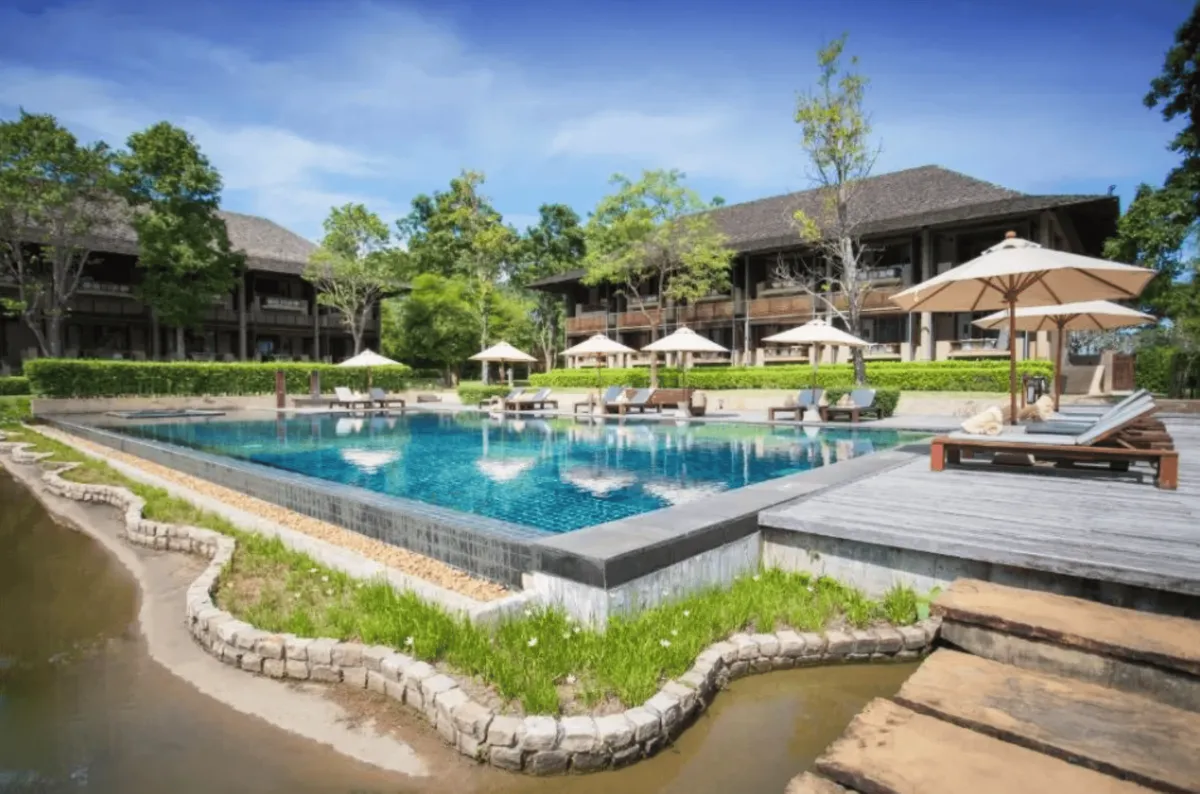
- BudgetOn hill VillageHillside resort off Thanarat Road with cooler air than the valley floor.
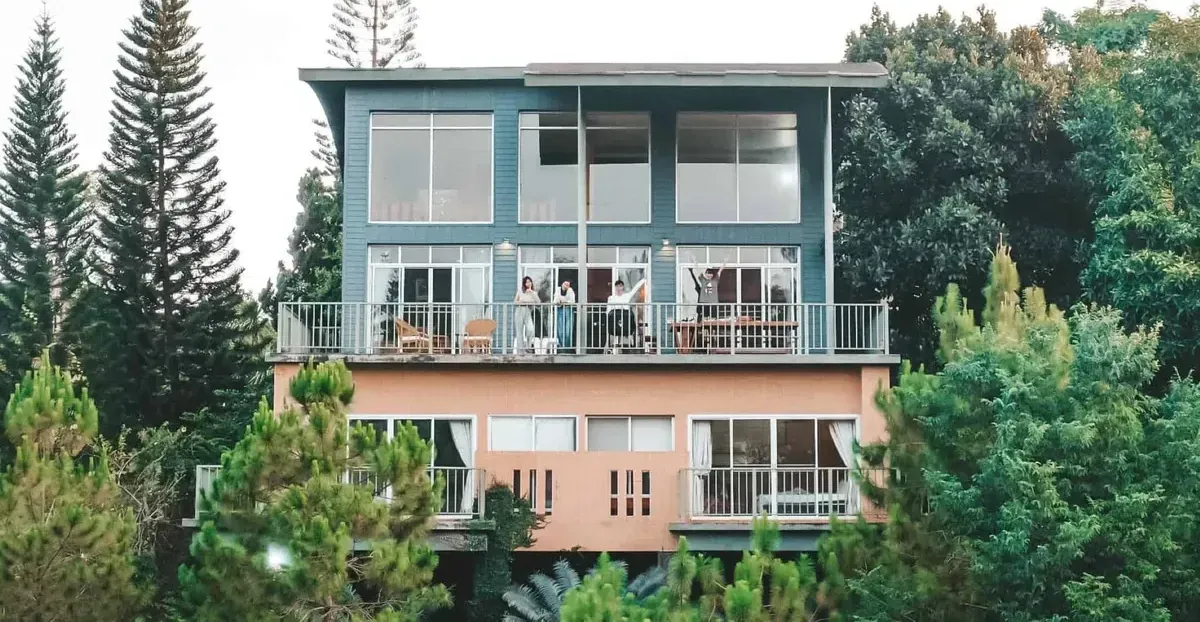
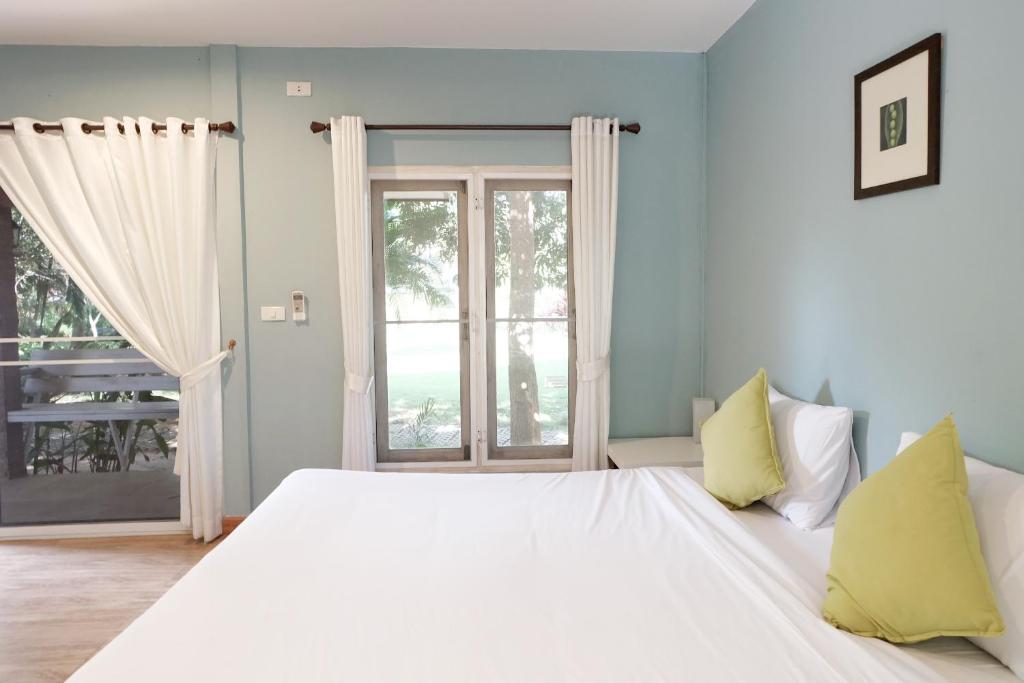 Mid-rangeKhao Yai CottageCottage-style resort directly on Thanarat Road, close to the park tour operators.
- LuxuryKirimaya Golf Resort & Spa5-star golf and spa resort on Thanarat Road.


from 500 THB
from 1,500 THB
from 4,000 THB
Book accommodation outside the park unless you want to camp. The resort strip along Thanarat Road has all price ranges.
2Korat (Nakhon Ratchasima), Gateway to Isan
korat
Korat (Nakhon Ratchasima), Gateway to Isan
korat

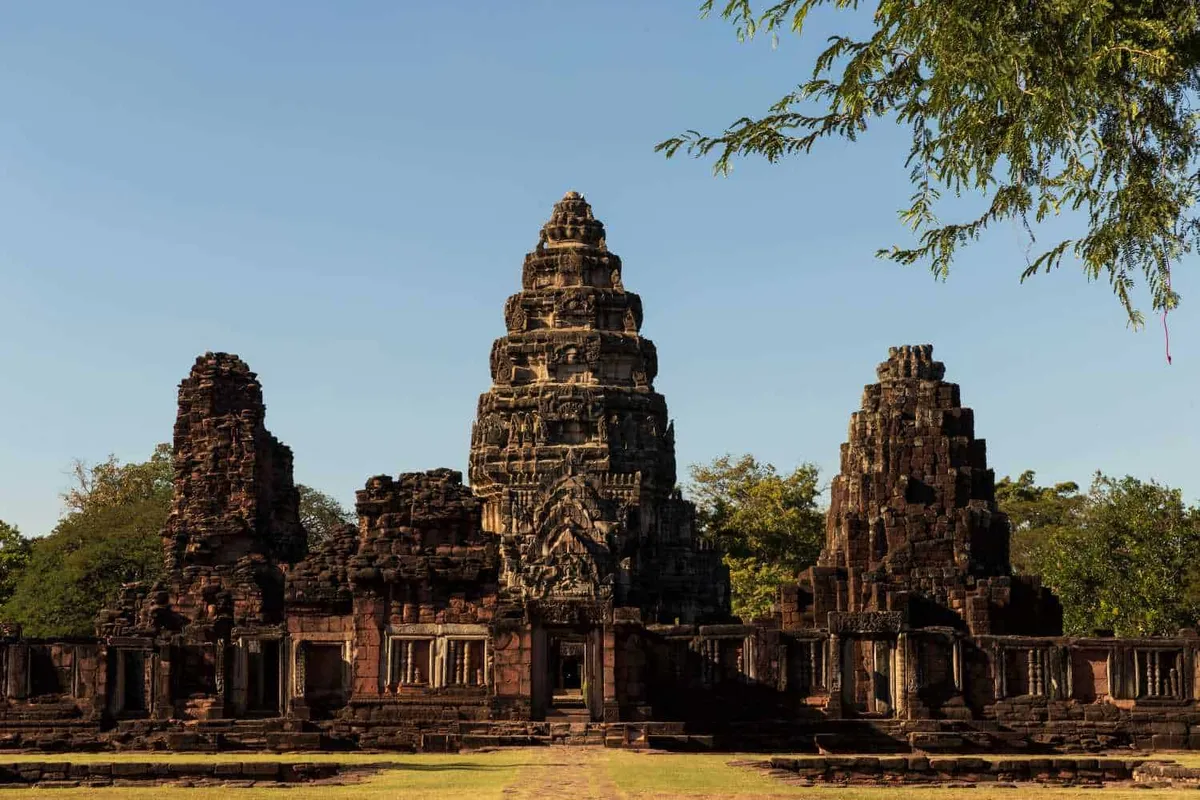
Drive 1.5 hours east to Korat, Isan's largest city and the gateway to the northeast. Korat is not a tourist city, which is exactly the point. This is where you start to feel the cultural shift from central Thailand to Isan. The food gets spicier, the music shifts to mor lam (Isan folk), and the pace slows.
Visit Phimai Historical Park (about 60 km northeast of Korat, 100 THB entry), a Khmer temple complex that predates Angkor Wat. The central sanctuary, Prasat Hin Phimai, is remarkably well-restored and connected to Angkor by an ancient road. Far fewer visitors than the Angkor complex in Cambodia.
Back in Korat, explore the night market near Thao Suranaree statue (Ya Mo), the city's heroine. The market is entirely local, no tourist stalls, no English menus. Try som tam Korat (Isan papaya salad, sweeter than the Bangkok version), and moo yor (Korat-style pork sausage). This is the food that Thais drive hours to eat.
Where to Stay
Korat city centre
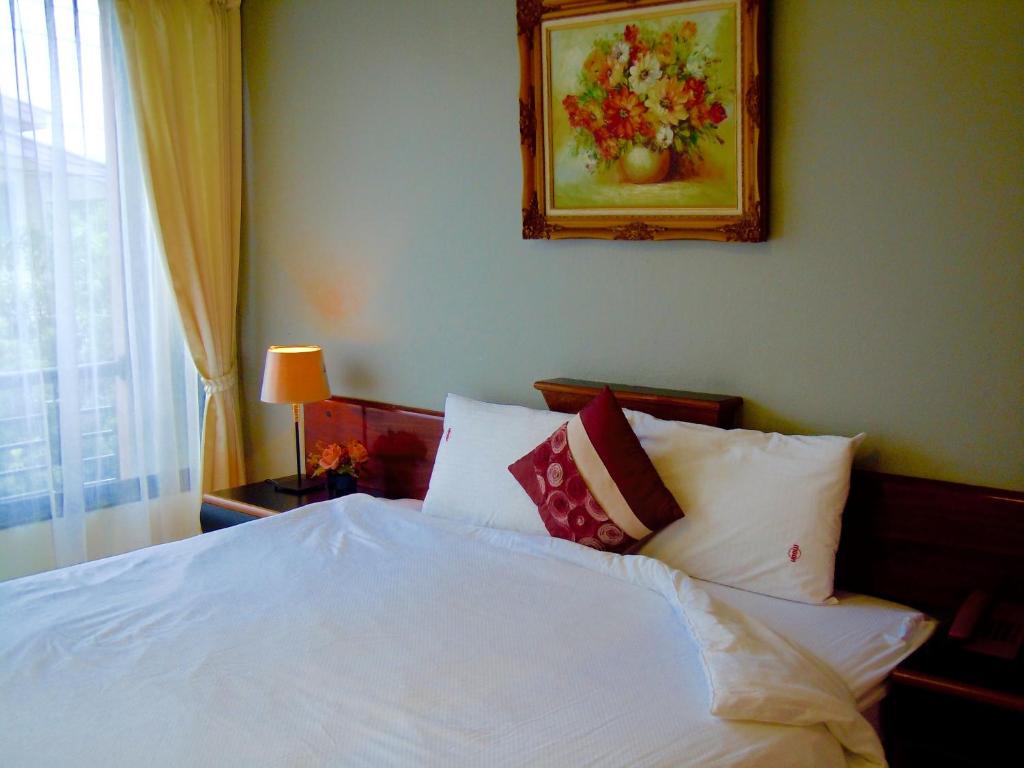 BudgetMoonlight HouseNo-frills inn on Jomsurangyard Road in the city centre, for spending on food and day trips rather than the room.
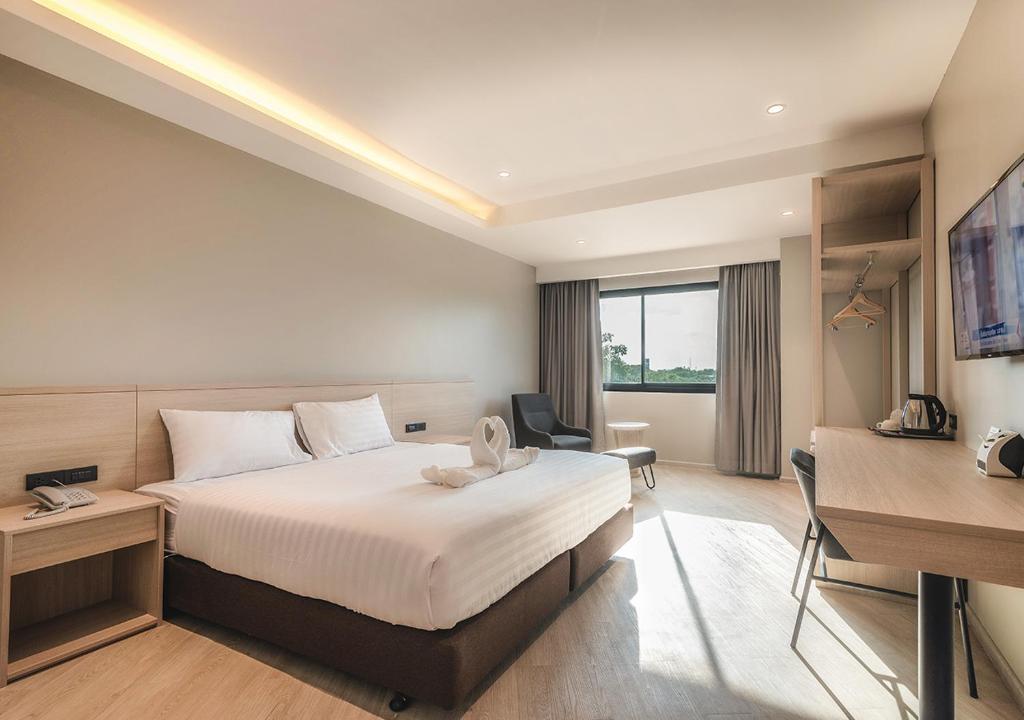 Mid-rangeThe Rich HotelCentral hotel on Chang Puek Road, a short drive from the Thao Suranaree Monument and near the bus terminal.
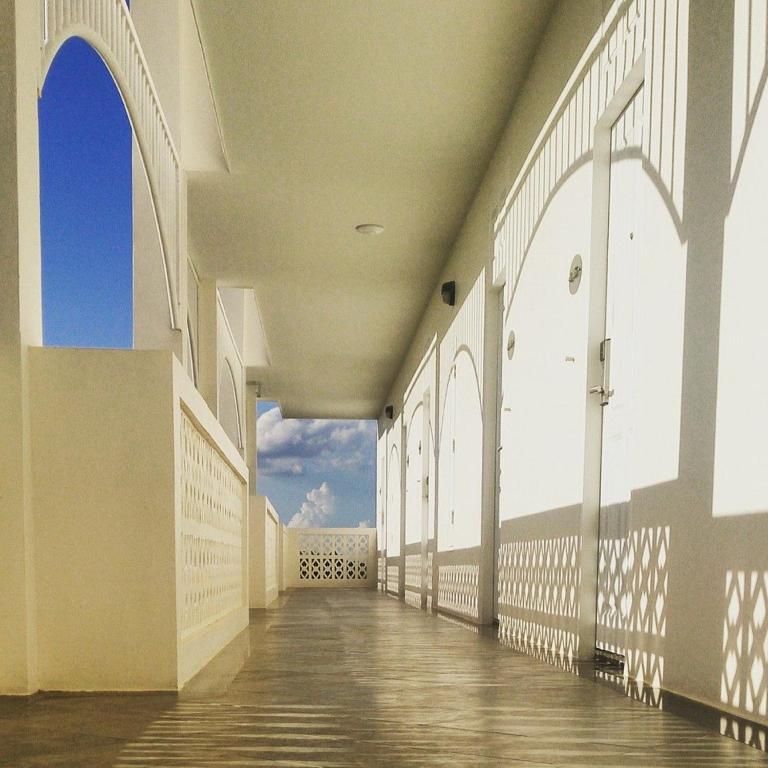 LuxuryKoranaree Courtyard Boutique Hotel4-star boutique hotel on Mittaphab Soi 8 with a garden, sun terrace and balcony rooms.
from 400 THB
from 1,000 THB
from 2,500 THB
3Khon Kaen, Isan's University City
khon kaen
Khon Kaen, Isan's University City
khon kaen

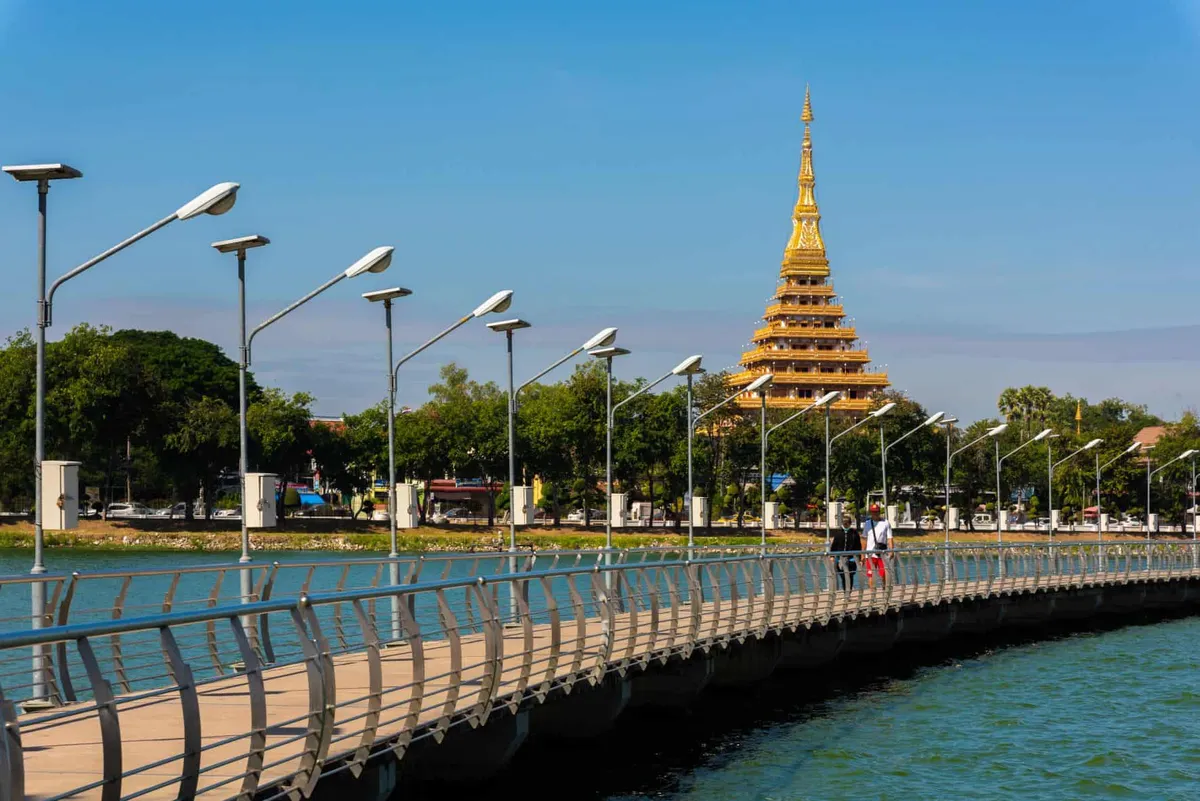
Drive 2.5 hours northeast to Khon Kaen, Isan's intellectual capital, home to one of Thailand's largest universities. The city has a surprisingly sophisticated food and cafe scene driven by the student population.
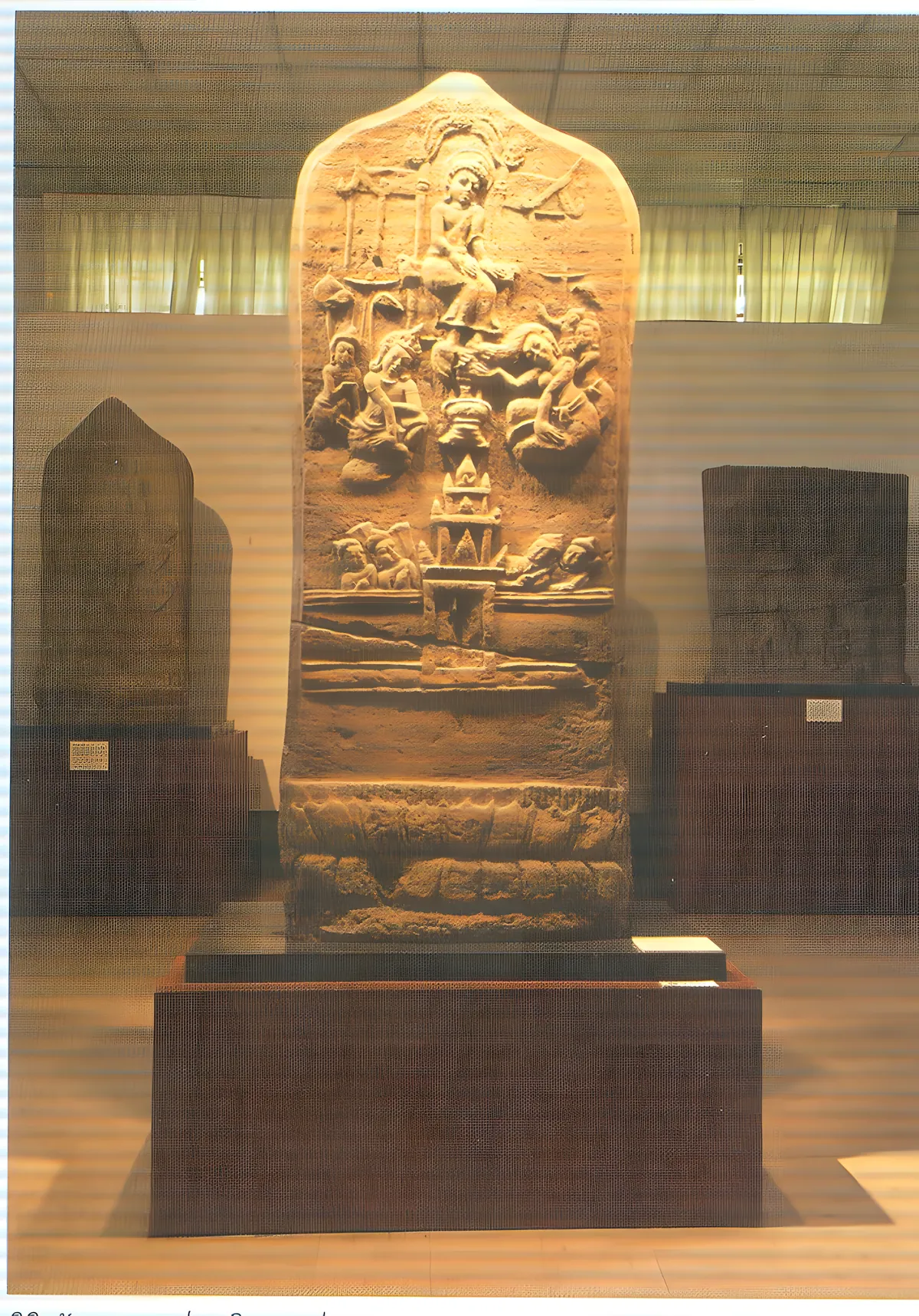
Visit the Khon Kaen National Museum (30 THB) for context on Isan's Dvaravati and Khmer history. The dinosaur museum at Phu Wiang (80 km west) is worth the detour if you are interested. Real dinosaur fossils were discovered here, and the museum does more with them than most small provincial collections manage.
Khon Kaen's Bueng Kaen Nakhon lake is the social heart of the city, locals jog, cycle, and eat around the perimeter in the evening. The food stalls along the lakeside serve the full Isan repertoire: larb (minced meat salad), nam tok (waterfall beef), gai yang (grilled chicken), and sticky rice. Everything is served with a basket of khao niao (sticky rice), the staple of Isan.
The local night market is one of the best in the region, entirely local, fiercely cheap, and the kind of place where 100 THB buys you a full meal.
Where to Stay
Khon Kaen city centre (near the lake)
- BudgetMai Thai Guest HouseFamily-run guesthouse with free parking, popular with road-trippers passing through.
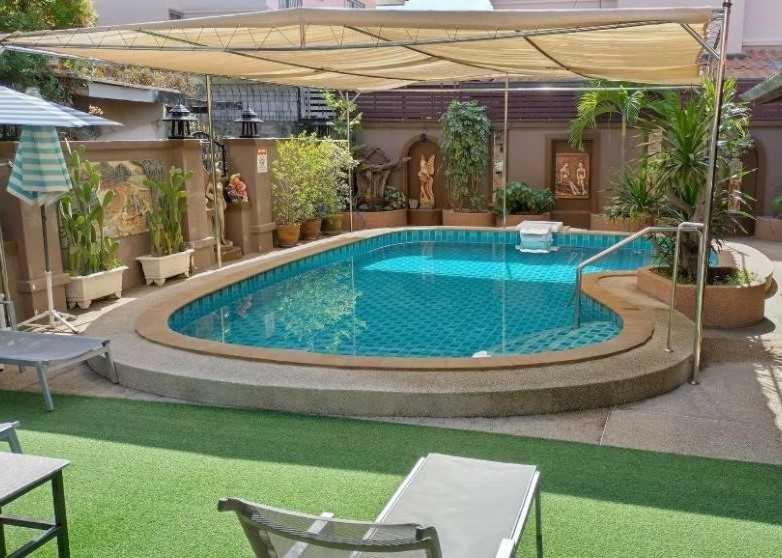
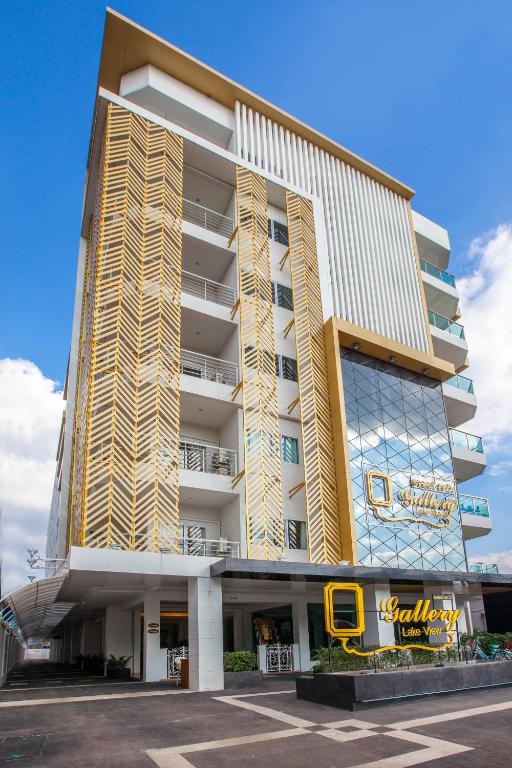
- Mid-rangeGallery Lake View Hotel4-star hotel with lake-view suites overlooking Bueng Kaen Nakhon.


from 350 THB
from 1,000 THB
from 2,000 THB
4Udon Thani & Nong Khai, The Mekong River
nong khai
Udon Thani & Nong Khai, The Mekong River
nong khai

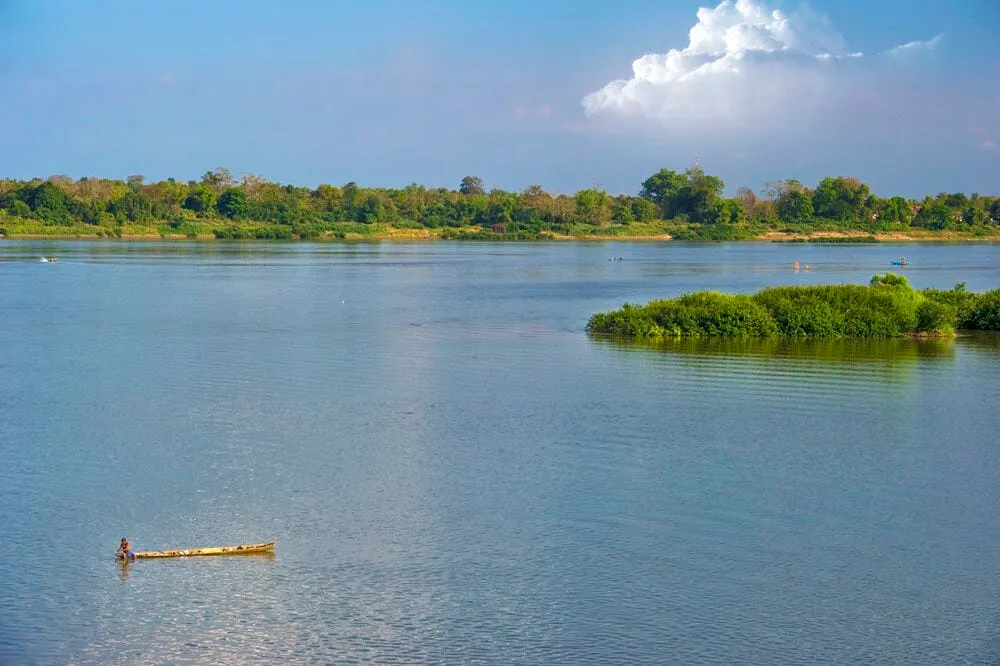
Drive 2 hours north to Udon Thani, then continue 1 hour to Nong Khai on the Mekong River. The border with Laos is just across the Friendship Bridge. You can see Vientiane from the Thai side.
In Udon Thani, visit the Ban Chiang Archaeological Site (UNESCO World Heritage, 150 THB), one of the most important prehistoric sites in Southeast Asia, with painted pottery dating back 5,000 years. The on-site museum is small but excellent.
Continue to Nong Khai and check into a Mekong-facing guesthouse. The riverfront promenade is the town's soul. Walk it at sunset when the sky turns pink over Laos and the Mekong flows wide and brown below. The Sala Kaew Ku sculpture park (40 THB) is 5 km east of town, a surreal collection of giant Hindu-Buddhist concrete statues built by a mystic. The 25-metre reclining Buddha and the wheel of life carving are the two pieces everyone photographs.
Dinner on the Mekong. Riverside restaurants serve Mekong fish, pla buk (giant catfish) and pla chon (snakehead), grilled or in tom yum. Eat with your feet almost in the river as the sun drops behind Laos.
Where to Stay
Nong Khai riverfront
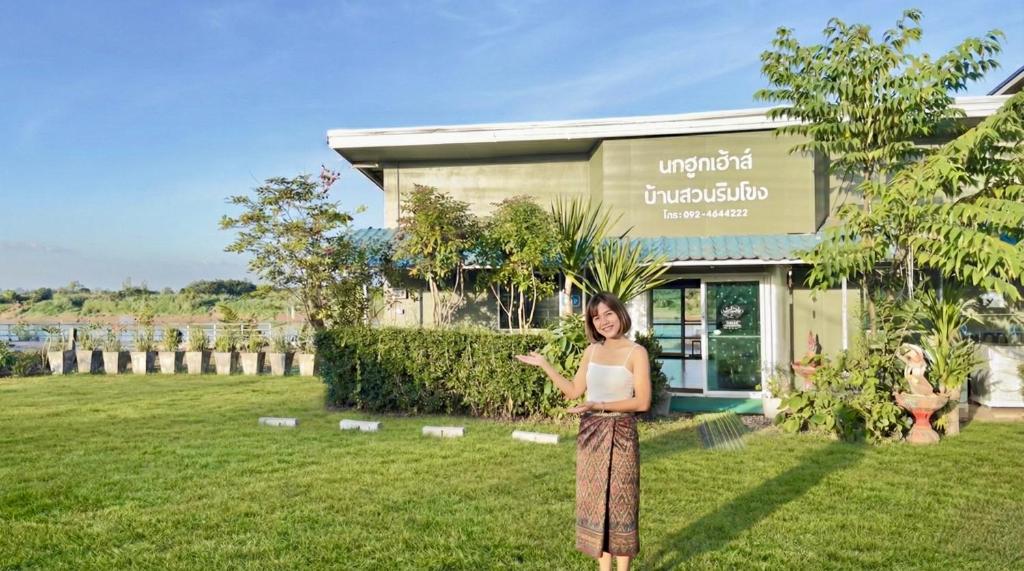
- BudgetNokhuuk's House RimkhongRiverside homestay in Tha Bo district with garden-view and river-view suites right on the Mekong.
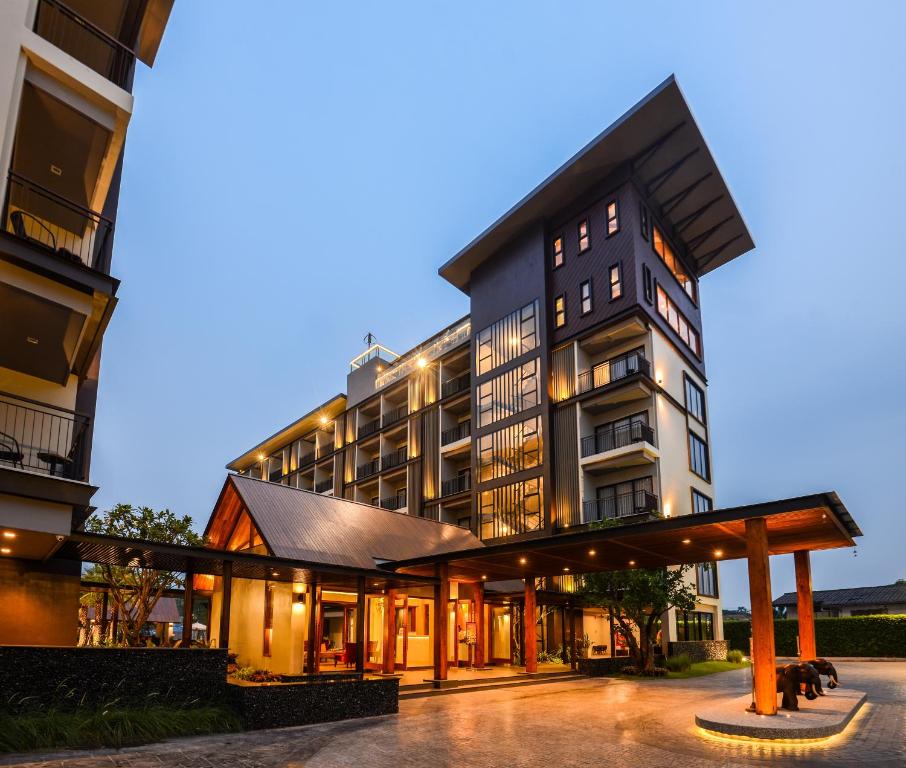
- Mid-rangeAmanta Hotel Nongkhai4-star hotel on Kaew Worawut Road, close to the riverside promenade and the Friendship Bridge.
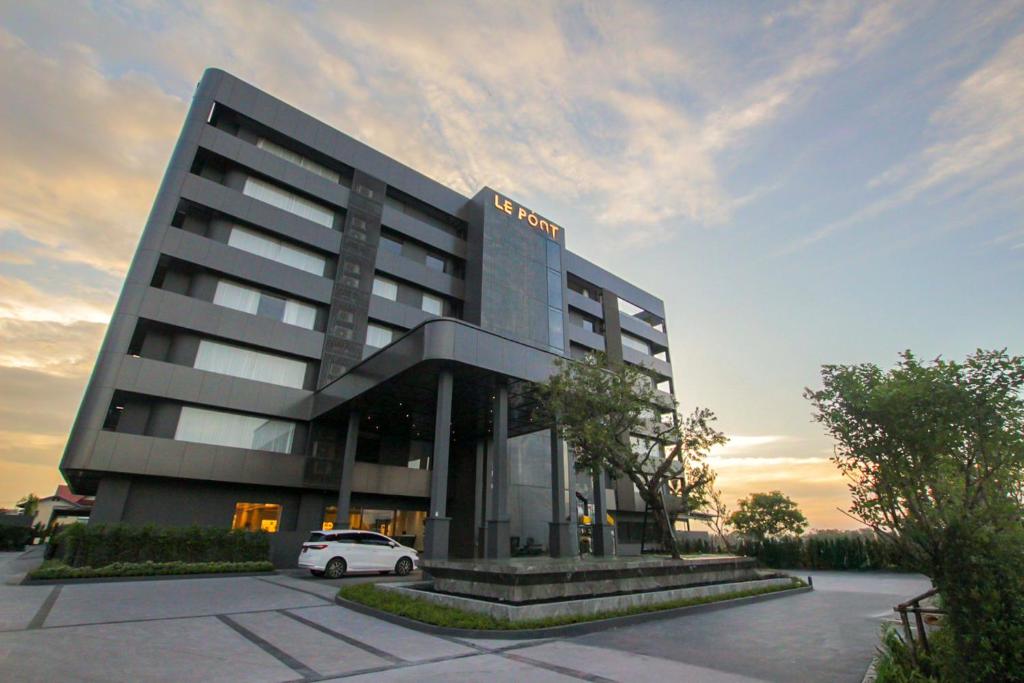
- LuxuryLePont Riverfront Resort NongkhaiRiver-view rooms and a Mekong-facing pool.


from 300 THB
from 800 THB
from 2,000 THB
Choose a Mekong-facing room. Watching sunrise over Laos from bed is worth the premium.
5Nong Khai to Loei, Mountains & Cool Air
loei
Nong Khai to Loei, Mountains & Cool Air
loei

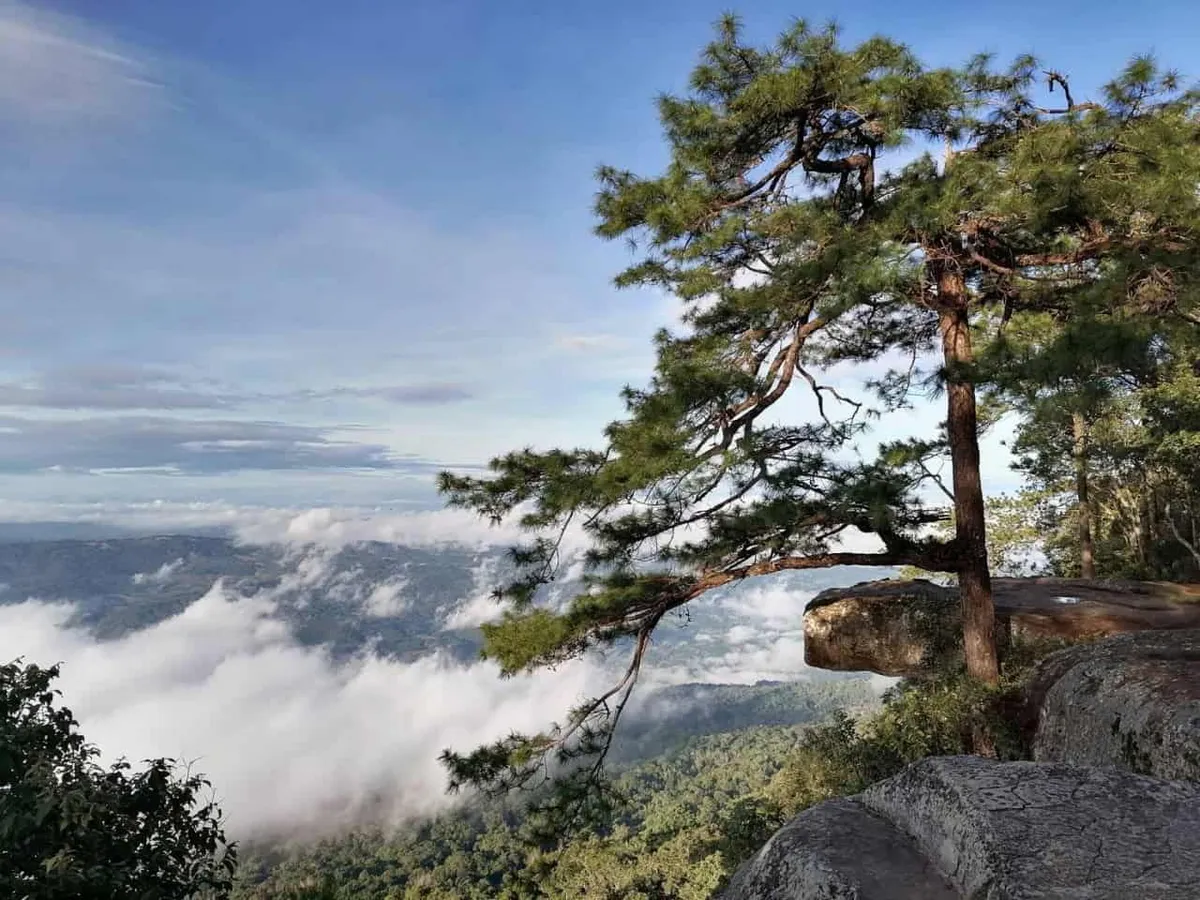
Drive 3 hours west along rural highways to Loei province, Isan's highland region. The landscape changes from flat rice paddies to forested mountains. Loei is one of the few places in Thailand that gets genuinely cold in December–January (temperatures can drop to 5°C).
Loei town is small and unremarkable, but the surrounding countryside is spectacular. If time allows, detour to Phu Kradueng National Park, a flat-topped mountain at 1,316m with a 9 km hike to the summit plateau. The views from the cliff edges are the best in Isan. Note: the park closes June–September.
Alternatively, head to Chiang Khan (50 km north of Loei), a charming wooden-shophouse town on the Mekong that has become a favourite weekend getaway for Thai travellers. The walking street along the river has craft shops, cafes, and food stalls in renovated teak houses. The morning alms-giving ceremony (6 AM) to monks walking through the mist-shrouded streets is a peaceful sight.
Stay in Chiang Khan for the best Mekong atmosphere. The boutique guesthouses in converted shophouses are atmospheric and affordable (500–1,500 THB).
Where to Stay
Chiang Khan, near Chai Kong Road
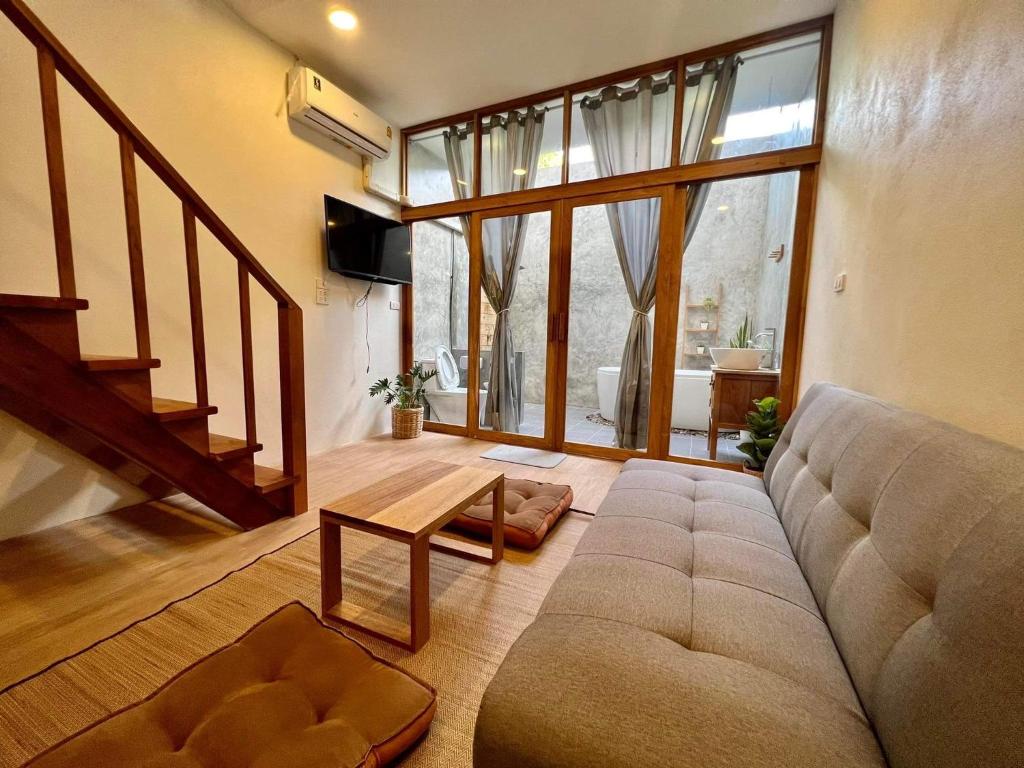 BudgetNabaiboonHomestay about 500 m from Chai Kong Road, among the closest stays to the walking street and the dawn alms round.
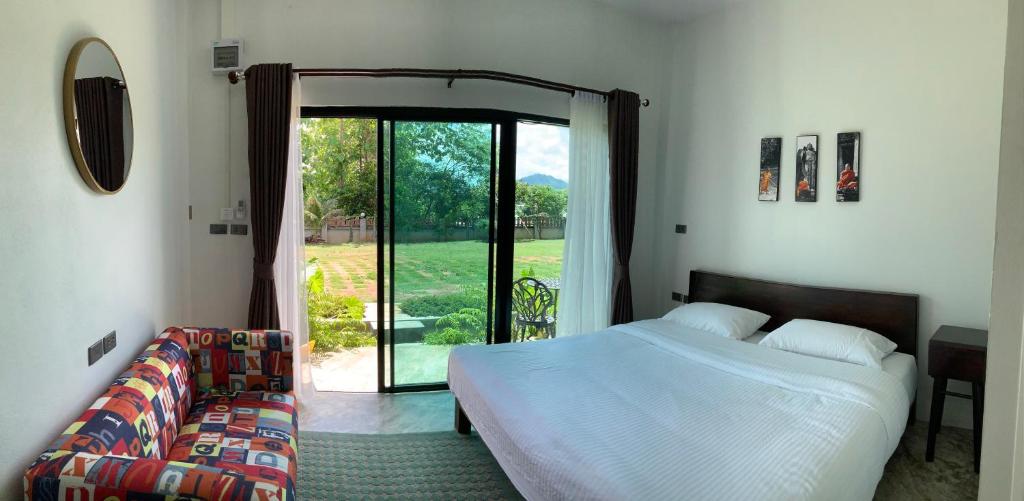 Mid-rangeSaythong boutique hotelBoutique hotel on a quieter side street, a short walk back from the evening crowds.
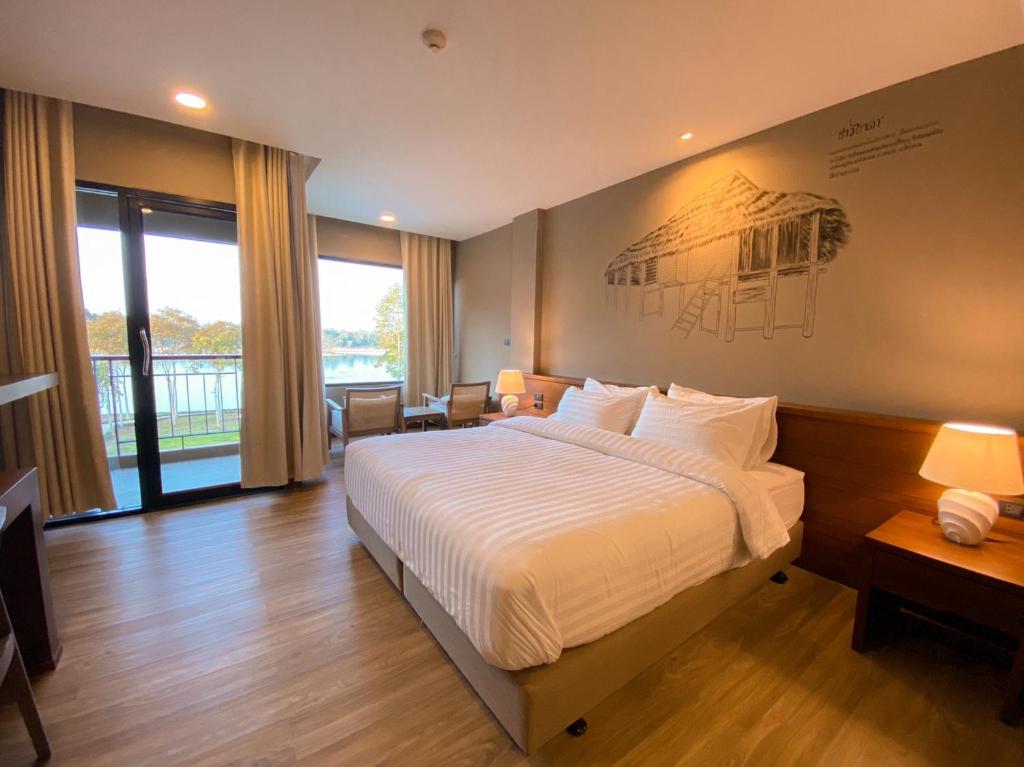 LuxuryRiver Tree ResortThe town's 4-star option, about 2 km from Chai Kong Road.
from 300 THB
from 800 THB
from 2,000 THB
Weekends and Thai holidays fill Chiang Khan with Thai visitors, so book ahead for those dates.
6Loei Highlands, Dan Sai & Phu Ruea, then Udon Thani
udon thani
Loei Highlands, Dan Sai & Phu Ruea, then Udon Thani
udon thani

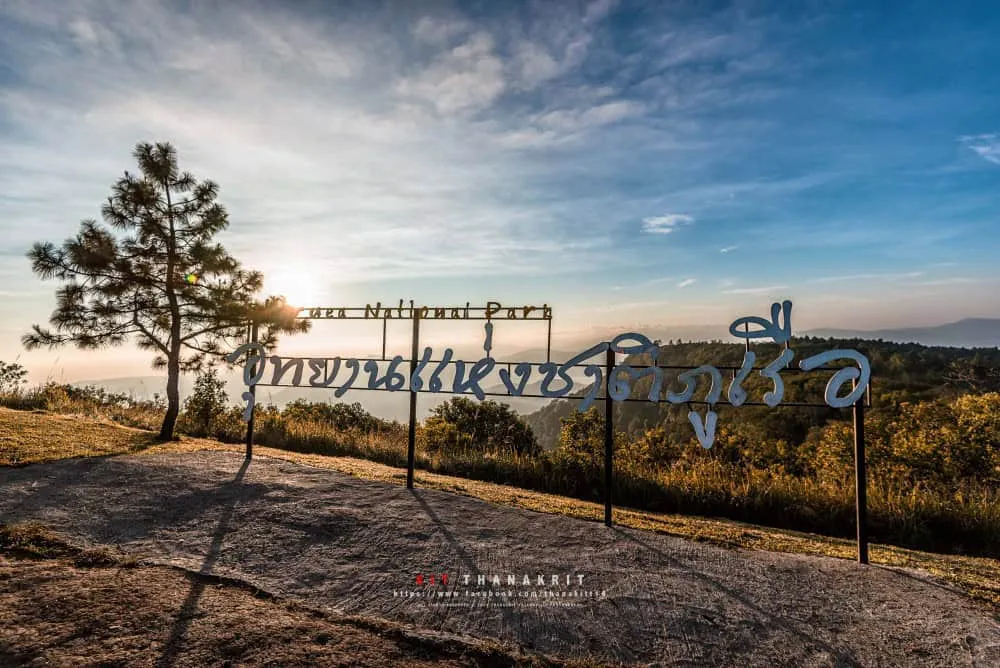
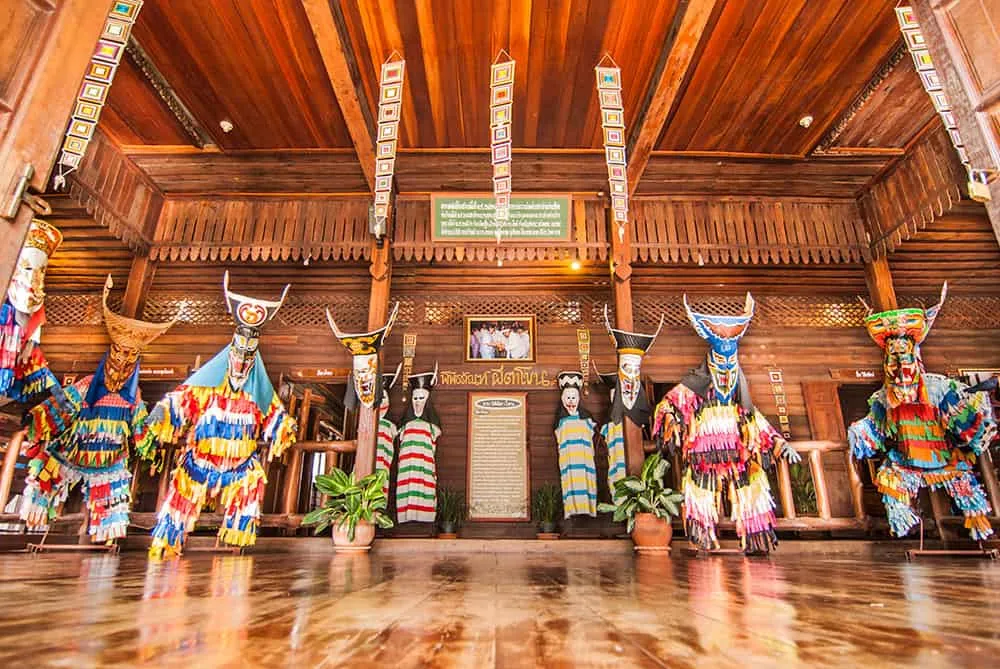
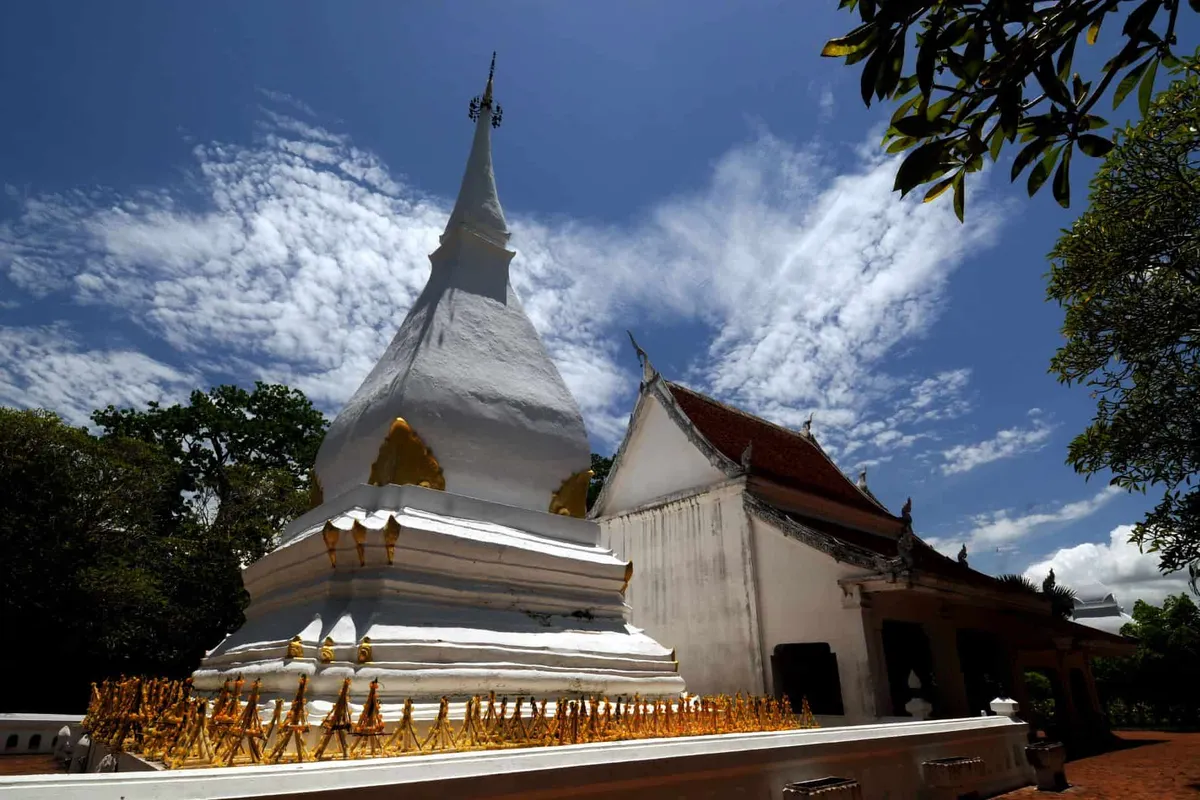
This is the biggest driving day of the trip, so leave Chiang Khan early. Head first to Dan Sai, home of the wild Phi Ta Khon ghost-mask festival. Even outside the June festival, the small museum explains the brightly painted spirit masks, and just above town Wat Neramit Wipatsana, a laterite temple on a forested hill, rewards the short climb with valley views. A few minutes away, Phra That Si Song Rak is a whitewashed Lao-style chedi raised in the 1560s to seal a peace pact between Ayutthaya and Lan Xang; it is still sacred to locals, so avoid red clothing near the stupa.
Climb next into Phu Ruea National Park, Isan's "Little Switzerland." The 1,365 m summit is an easy drive-then-stroll, and in December and January the air turns cold enough that Thais show up in fleeces they will never wear again anywhere else in the country. The nearby Chateau de Loei winery pours Thailand's original highland wine, a neat bookend to the Khao Yai vineyards where the trip began.
By mid-afternoon, point the car east for the two-hour drive down to Udon Thani, upper Isan's largest city and your base for tomorrow's finale and the flight home. Check in near the centre, then eat your way through the night market or the buzzing UD Town plaza. Udon has proper hotels and a lively cafe scene, a comfortable last stop after a week on rural roads.
Where to Stay
Udon Thani city centre
- BudgetDream Factory Hotel4-star hotel a short drive from the night market.
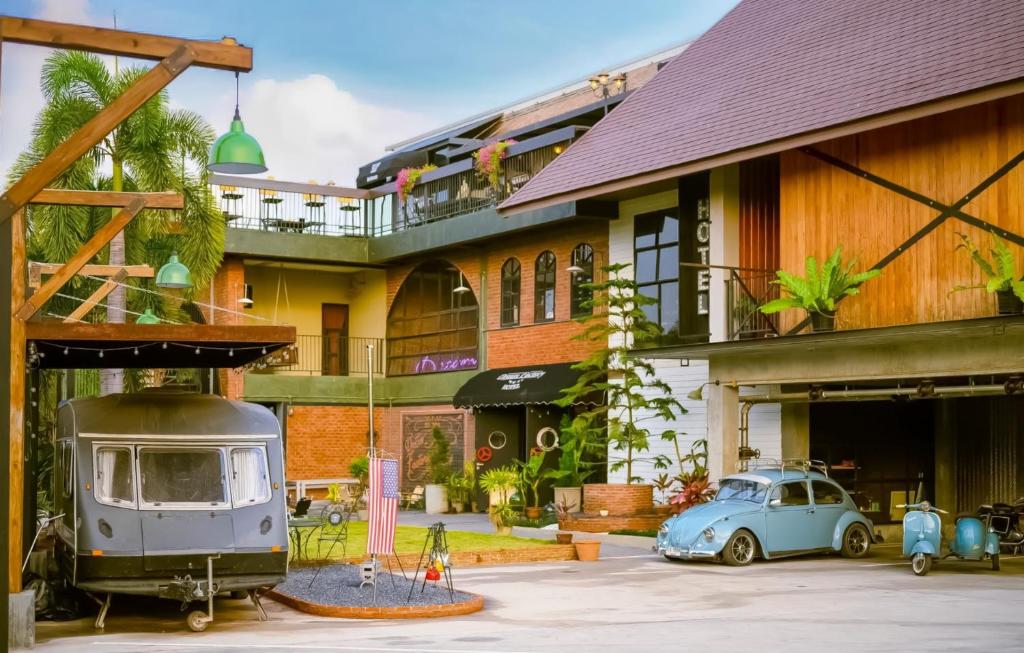
- Mid-rangeAmman Unique HotelHotel in the central Mak Khaeng area with free parking, an easy base for the airport run.
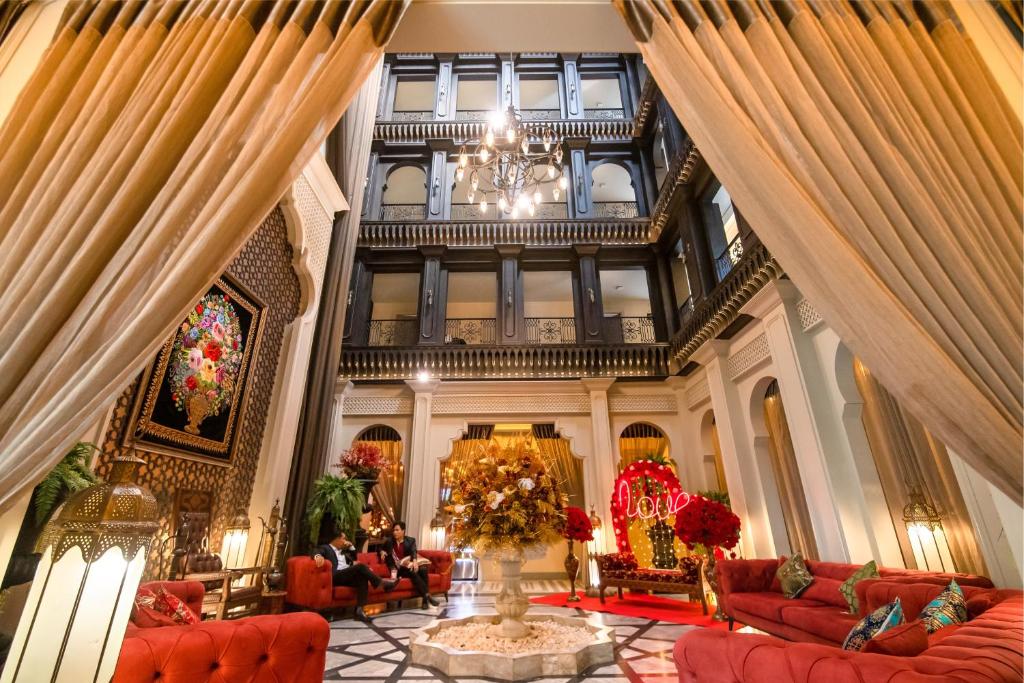
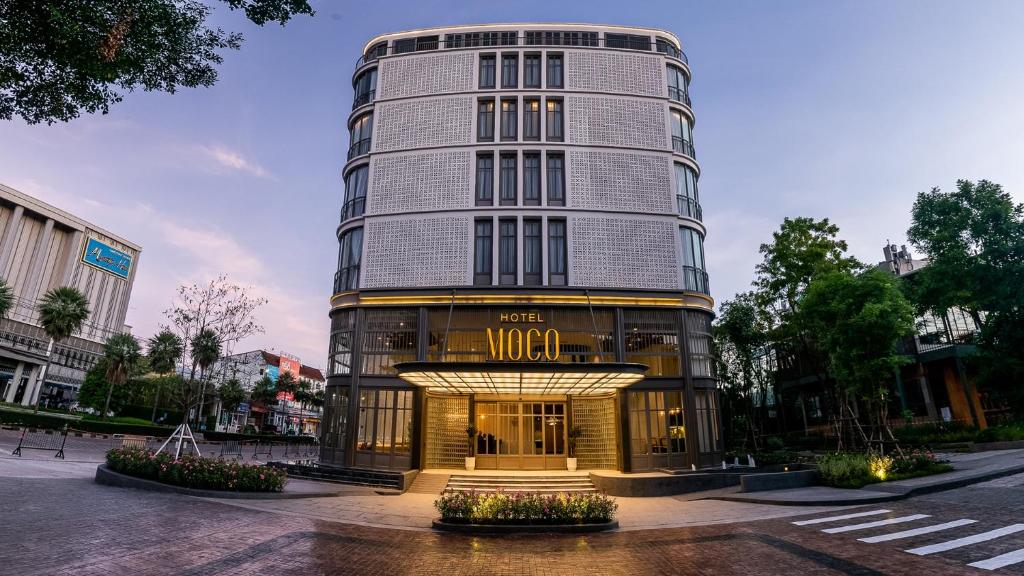
- LuxuryHotel MOCOBoutique 4-star on Thong Yai Road, a quiet street away from the main roads.


from 350 THB
from 1,000 THB
from 2,500 THB
Stay central for easy access to the night market and a short morning hop to the airport.
7Udon Thani, Red Lotus Sea Sunrise, Then Fly Home
udon thani
Udon Thani, Red Lotus Sea Sunrise, Then Fly Home
udon thani
Udon Thani (UTH) → Bangkok
Around ten daily flights on Thai AirAsia, Nok Air, Thai Lion, and Thai Vietjet. Book cool-season flights ahead and return the rental car at the airport.
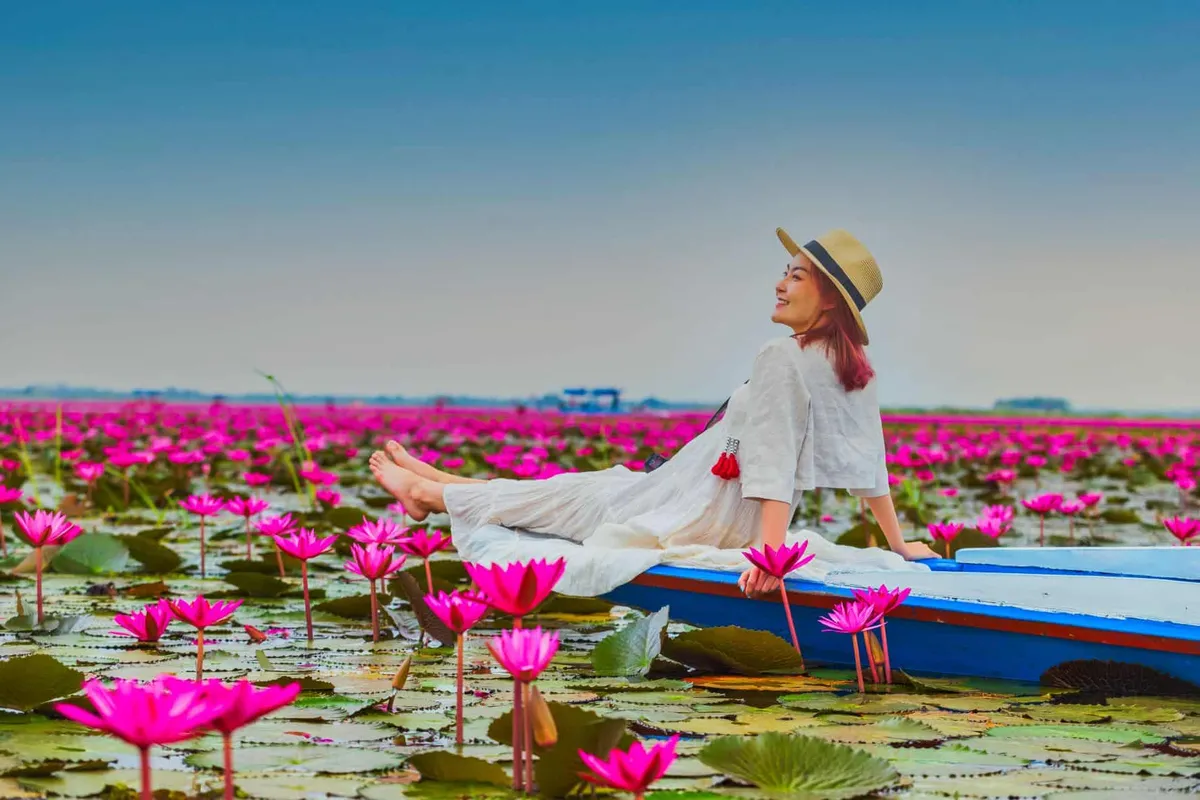
Set an early alarm for the trip's last and strangest sight. The Red Lotus Sea at Nong Han Kumphawapi, 45 minutes south of Udon, is at its best just after dawn: from roughly December to February the shallow lake vanishes under millions of pink water lilies, and longtail boatmen thread channels through the bloom for around 300 THB a boat. By 9 AM the flowers begin to close and the light flattens, so the early start is the whole point. Entry is free. The boat is the only cost. Outside the bloom season it is simply a lake, which is why this itinerary runs in the cool months.
Back in Udon Thani by late morning, there is time for a slower look at the city the trip has leaned on as a hub. Nong Prajak Park is where Udon walks, jogs, and eats; the City Pillar Shrine and the Chinese-Thai Sanjao Pu-Ya shrine reveal the town's Teochew roots; and UD Town or Central Udon handle any last shopping and air-conditioning before the flight.
Udon Thani International Airport (UTH) sits right in town with around ten daily flights to Bangkok, often under 1,000 THB booked ahead, and a little over an hour in the air. Drop the rental car at the airport counters, and that is a full week of the real Thailand: Khmer temples, the Mekong, cool mountains, and a lake of pink lilies to finish, all in the one-fifth of the country that tourists forget.
Insider Tip: With two or three extra days, swing through southern Isan on the way in or out for the Khmer masterpiece this loop skips, Phanom Rung, a mountaintop sandstone sanctuary near Buriram that rivals anything in Angkor, paired with the nearby Prasat Muang Tam. It fits best as a Korat-area detour early in the trip.
Where to Stay
Fly home from Udon Thani (or add a night if departing next morning)
Before You Go
Visa
Since 15 September 2026, passport holders from 60 listed countries get 30 days visa-free under the Royal Gazette framework (Mauritius & Seychelles 15 days). Check the current rule before travel. Longer stays need a visa such as the DTV (Destination Thailand Visa).
Currency
Thai Baht (THB). ATMs in every town. Credit cards accepted at hotels but cash needed for most restaurants and markets.
Connectivity
4G coverage good in towns. Patchy in national parks and rural areas.
Best eSIM for Thailand →Safety
Very safe. Isan sees few tourists, so scams are rare. Main risks: rural roads with no lighting at night (avoid driving after dark), and heat in the dry season.
Language
Thai, very little English outside hotels. Isan dialect (Lao-influenced) is the local language. Google Translate is essential. A few Thai phrases go a long way here.
Power
Type A, B and C sockets, 220V. Most hotels have universal outlets; one adapter covers the trip.
Why Isan
Isan is where 20 million Thais live and almost zero tourists go. The northeast plateau (bounded by the Mekong River to the north and east, mountains to the west) is Thailand’s cultural heartland. The food is the best in the country (Bangkok’s som tam, larb, and gai yang all originate here). The Khmer ruins rival Cambodia’s. The Mekong river towns are atmospheric. And the prices are 30-50% lower than tourist Thailand.
This itinerary requires a car (rent in Bangkok from 800 THB/day, see our car rental guide) or a willingness to use local buses and songthaews. The roads are good. English is scarce, which is part of the appeal.
Getting There
Flying straight to Korat (Nakhon Ratchasima) is not practical: it has no commercial airport. Drive from Bangkok (2.5–3 hours) or take a bus from Mo Chit terminal (3.5 hours, 200–350 THB). This loop ends at Udon Thani, whose airport is the busiest in upper Isan; Khon Kaen is the other main option. Both run daily Bangkok flights (about 1 hour, from 900 THB).
Best Time to Visit
November to February: cool, dry, comfortable for driving. December–January mornings in Loei can drop to 5–10°C. March–May is brutally hot (35–40°C). June–October brings rain and lush green landscapes but muddy national park trails.