




- Best time
- Nov–Feb (cool and dry)
- How long
- 1–2 nights as a base
- From Bangkok
- ~3–3.5 hrs by bus; longer by train
- Getting around
- Songthaew, tuk-tuk, taxi
Updated June 2026
Plan your trip
Recommended by us

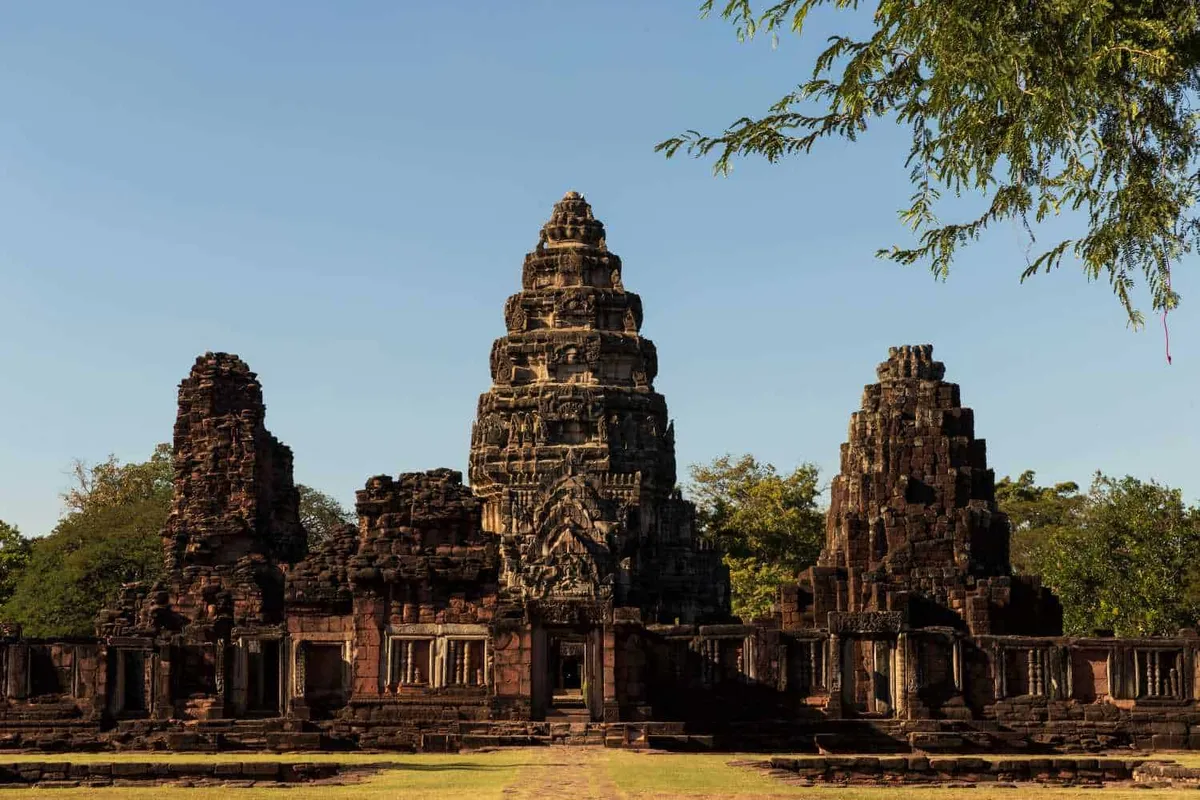
Phimai Historical Park
A Khmer temple complex predating Angkor Wat, 60km north of Korat: the scale and the sandstone workmanship are the real thing. Quieter and cheaper than crossing into Cambodia.

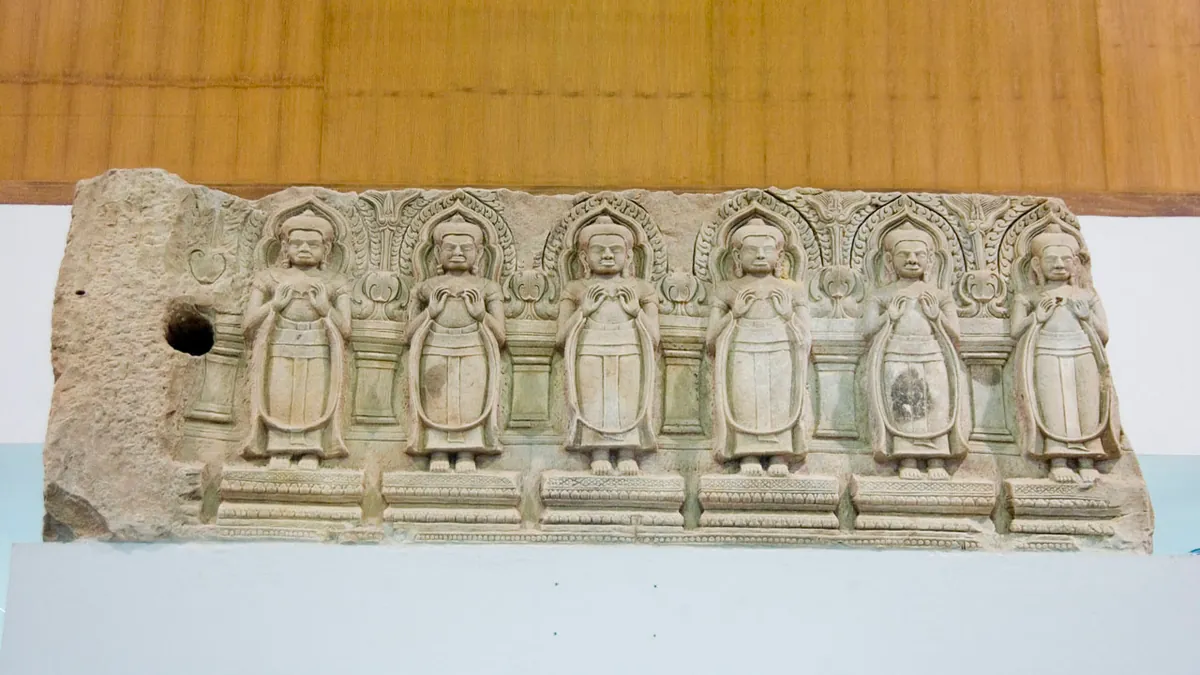
Phimai National Museum
The regional archaeology museum next to the historical park: a good 45 minutes for the Khmer lintels and the sandstone Jayavarman VII head before you walk the ruins.

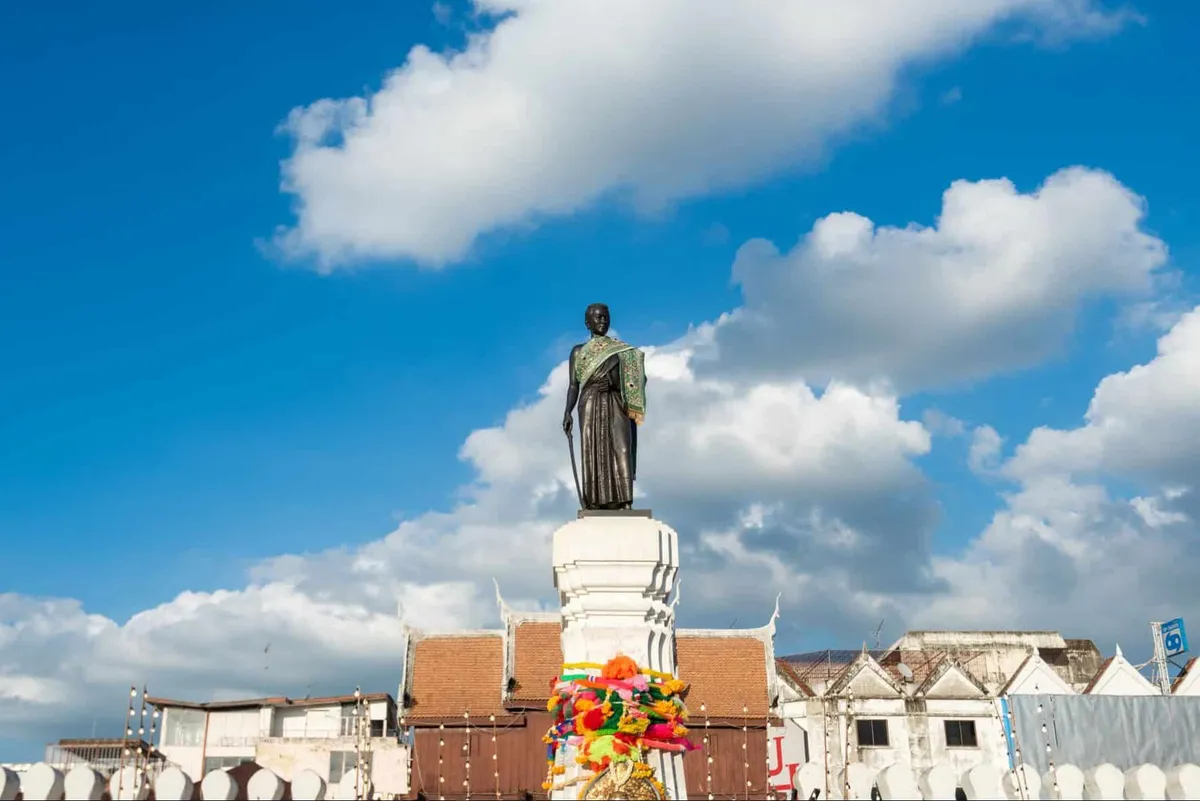
Thao Suranari Monument
The bronze statue of Korat's national heroine: Y'Mo, the woman who led local resistance against a Lao invasion in 1826. The square fills up for her annual March festival.

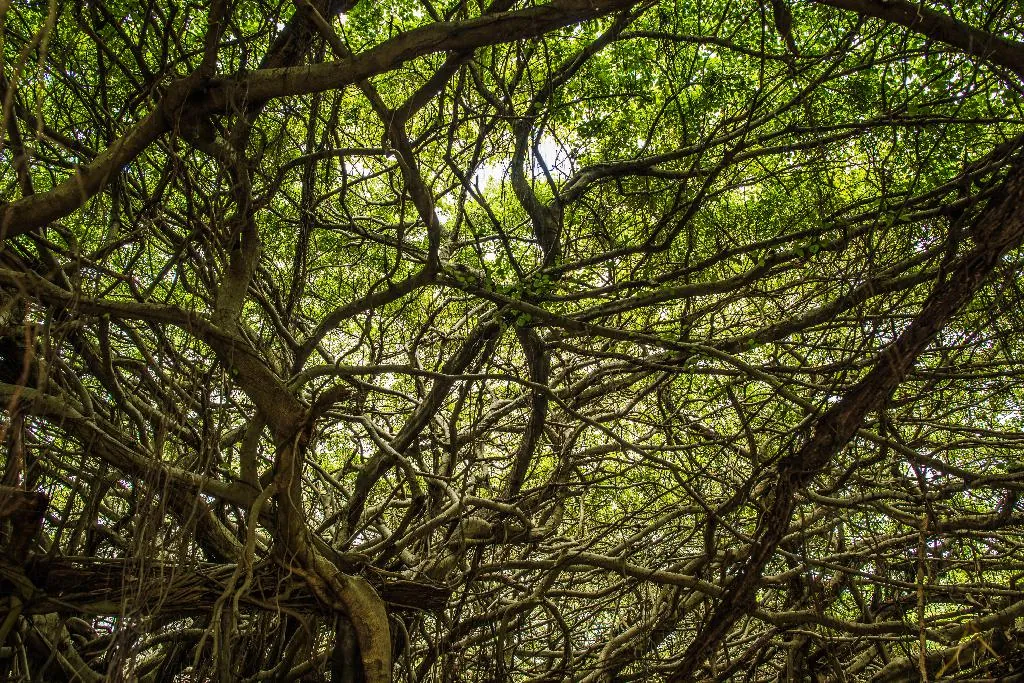
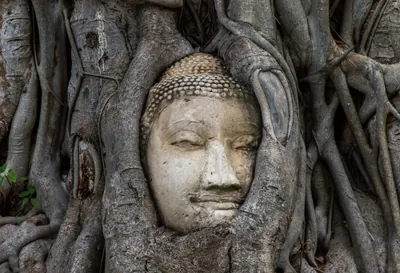
Sai Ngam Banyan Grove
A sprawling ancient banyan tree near Phimai that has grown into a small forest of its own: the aerial roots and the shade make it an easy stop on the way back to Korat.

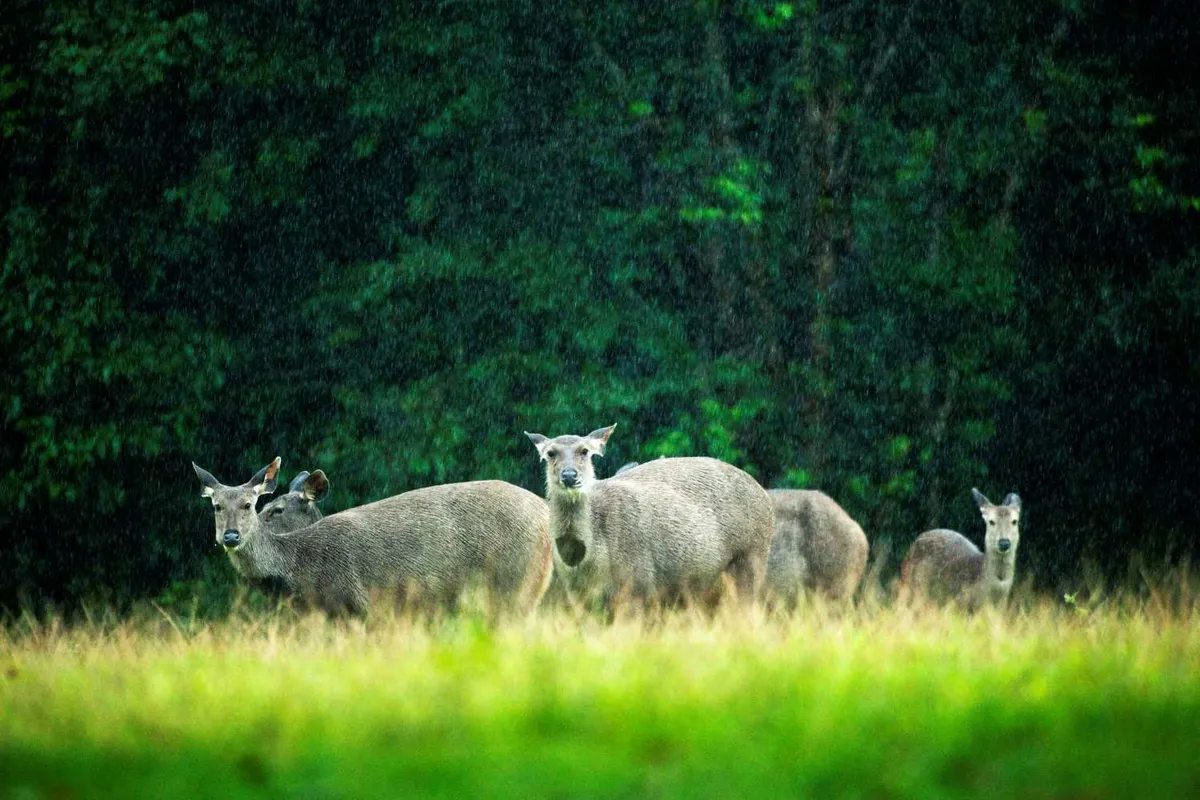
Get to Korat
Trains and buses run regularly from Bangkok: the bus from Mo Chit takes about 3.5 hours; the train is slower but more comfortable for the overnight option.

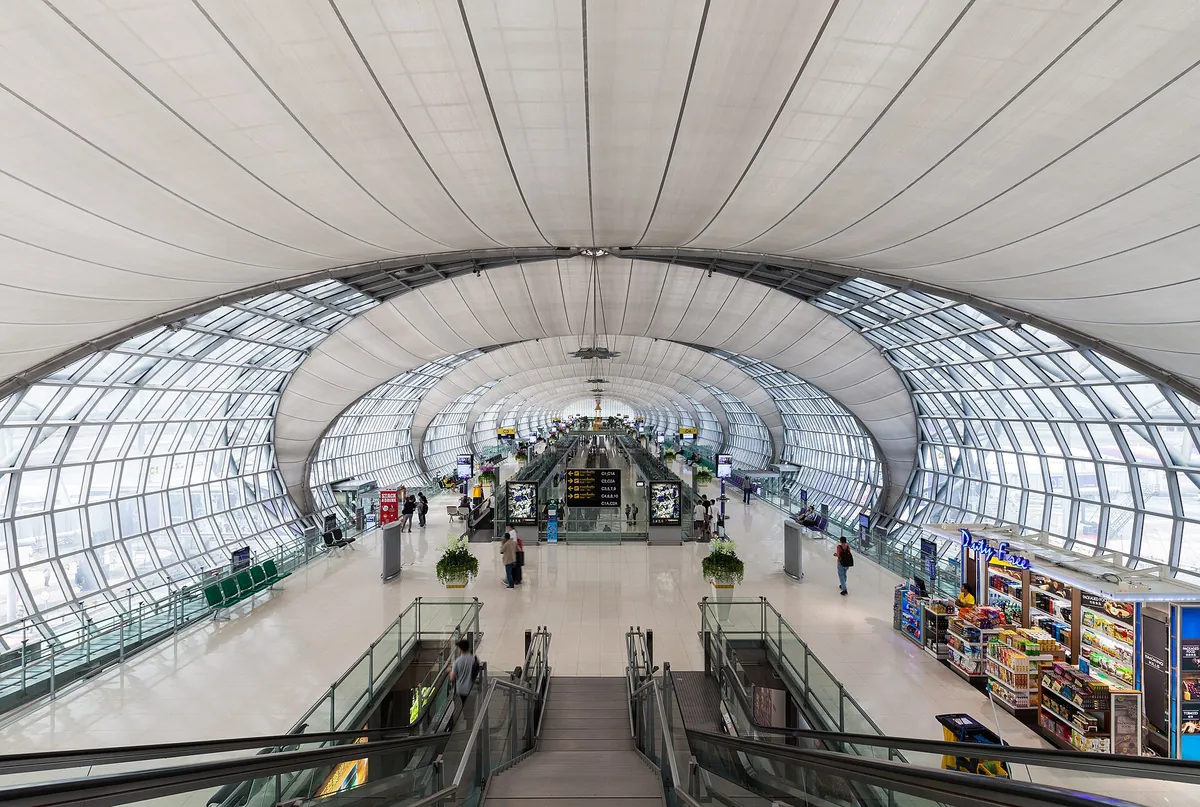
eSIM for Thailand
Land with data already working and skip the airport SIM queue. We tested six plans. Code THAIHOLIDAY saves 10%.

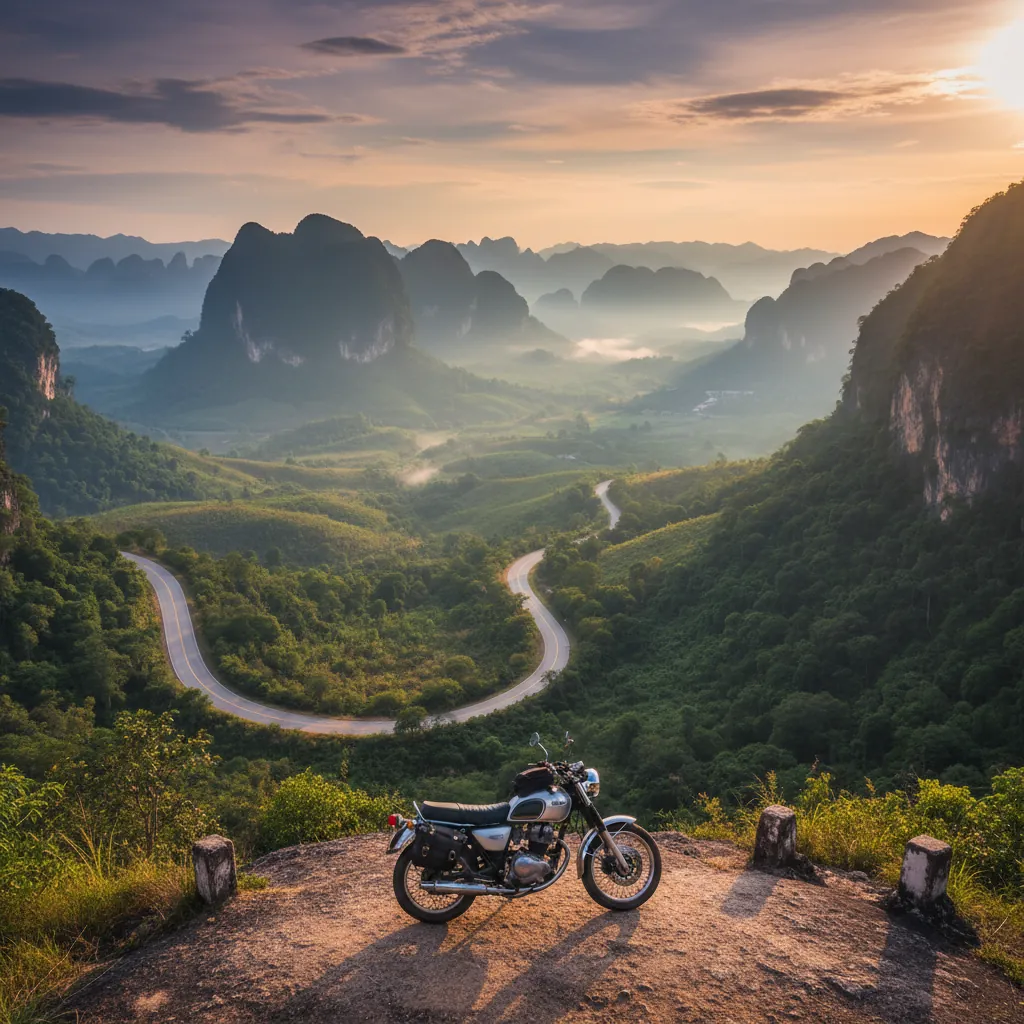
Travel insurance
Hiring a car or scooter to reach Khao Yai and Phimai is the practical way around: sort cover before you go, including the motorbike clause.
Getting to Korat (Nakhon Ratchasima)
Compare buses, trains, ferries, and flights to Korat.
Wats, shrines & spiritual sites
Temples in Korat (Nakhon Ratchasima)

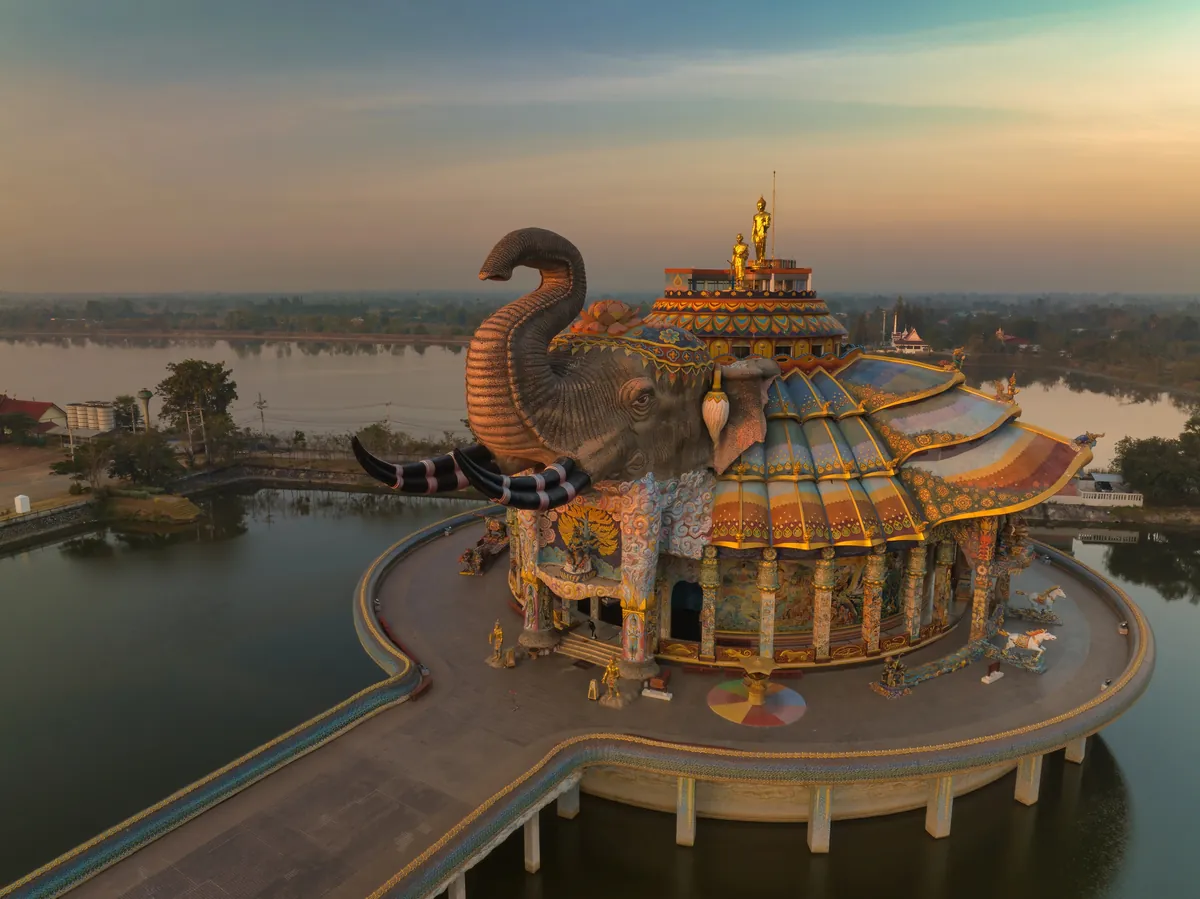
Ban Rai Temple (Wat Ban Rai)
วัดบ้านไร่

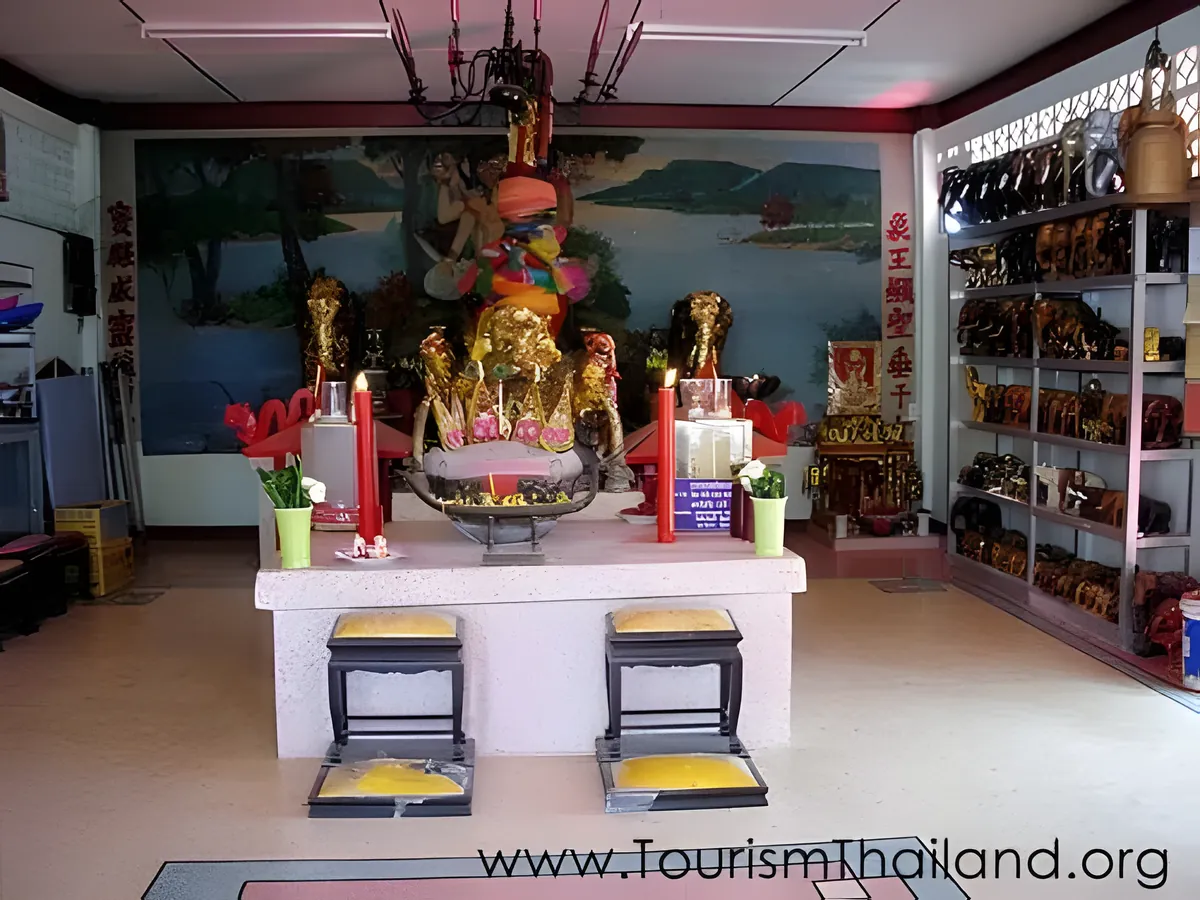
Chao Por Chang Puek Shrine
ศาลเจ้าพ่อช้างเผือก

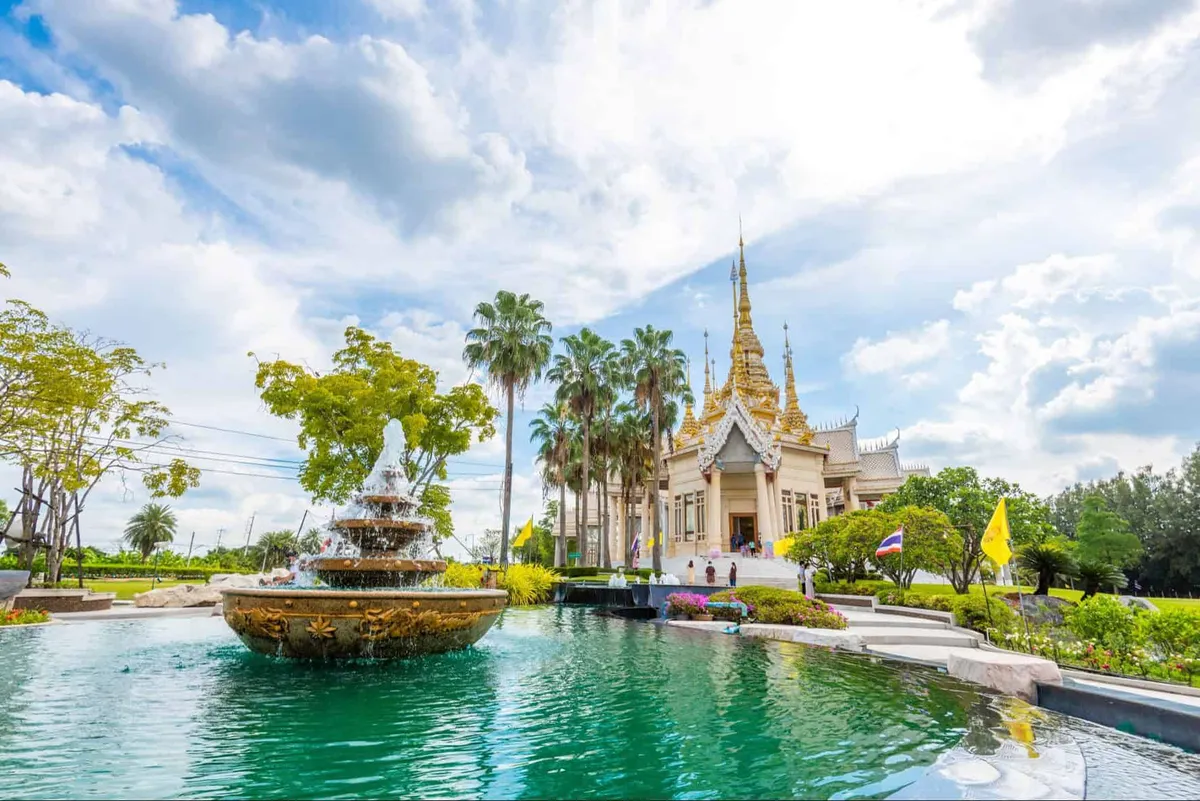
Lan Boon Mahavihara Park, Somdet Phra Phutthacharn (To Phromrangsi)
อุทยานลานบุญมหาวิหาร สมเด็จพระพุฒาจารย์ (โต พรหมรังสี)

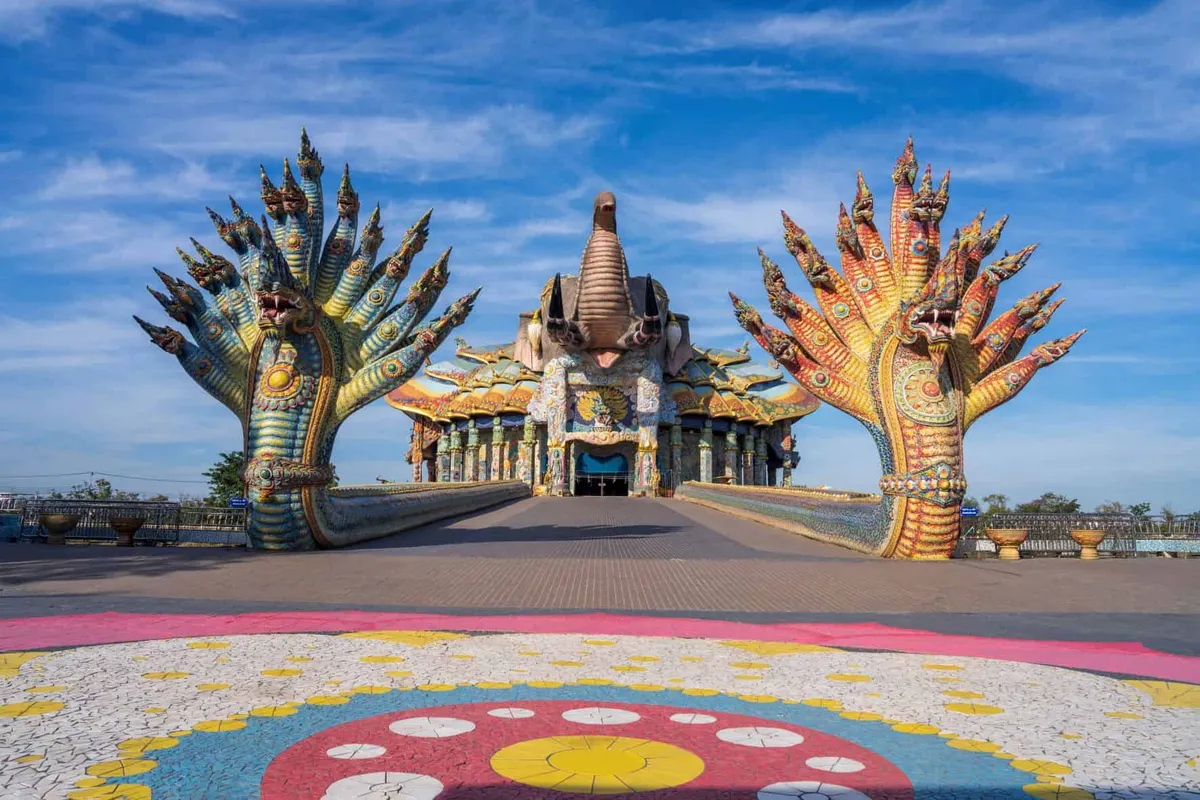
Luang Pho Koon Museum, Wat Ban Rai
พิพิธภัณฑ์หลวงพ่อคูณ วัดบ้านไร่

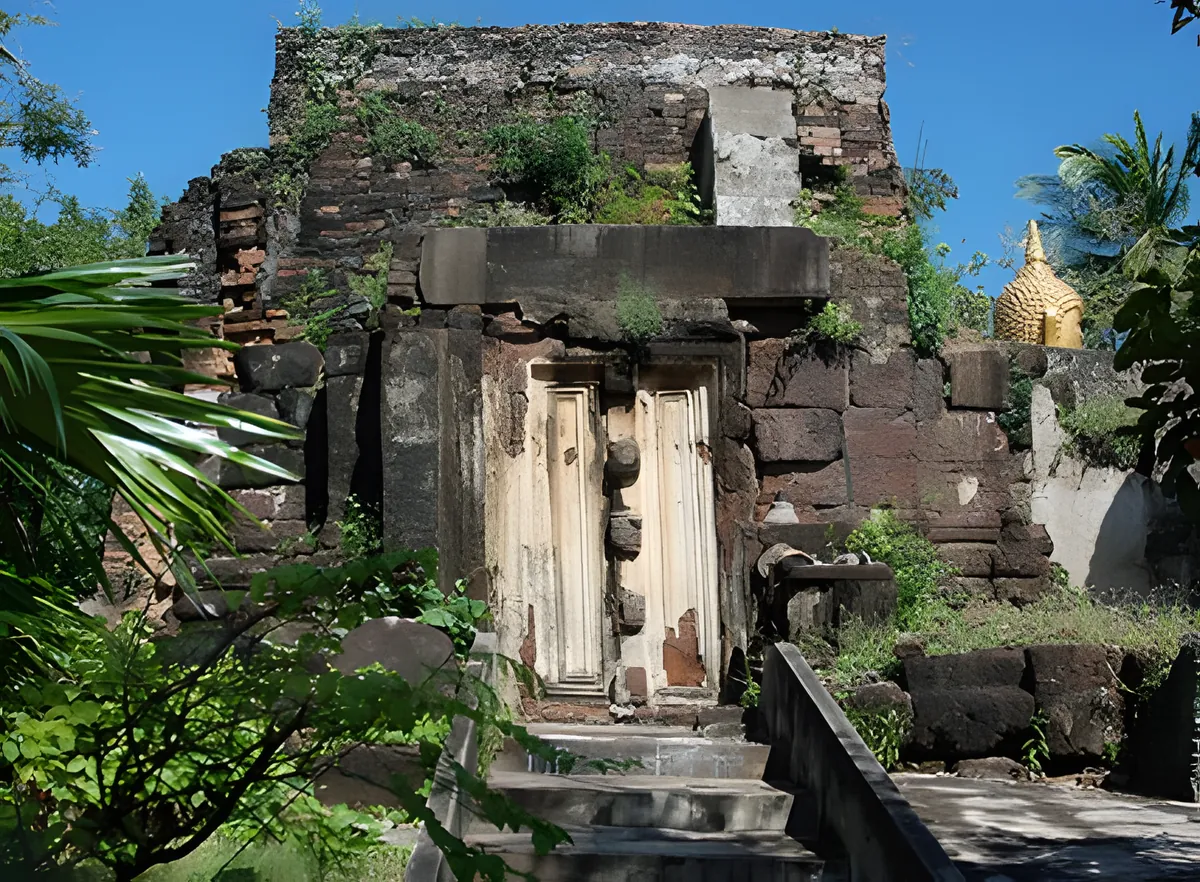
Prang Ban Si Da
ปรางค์บ้านสีดา

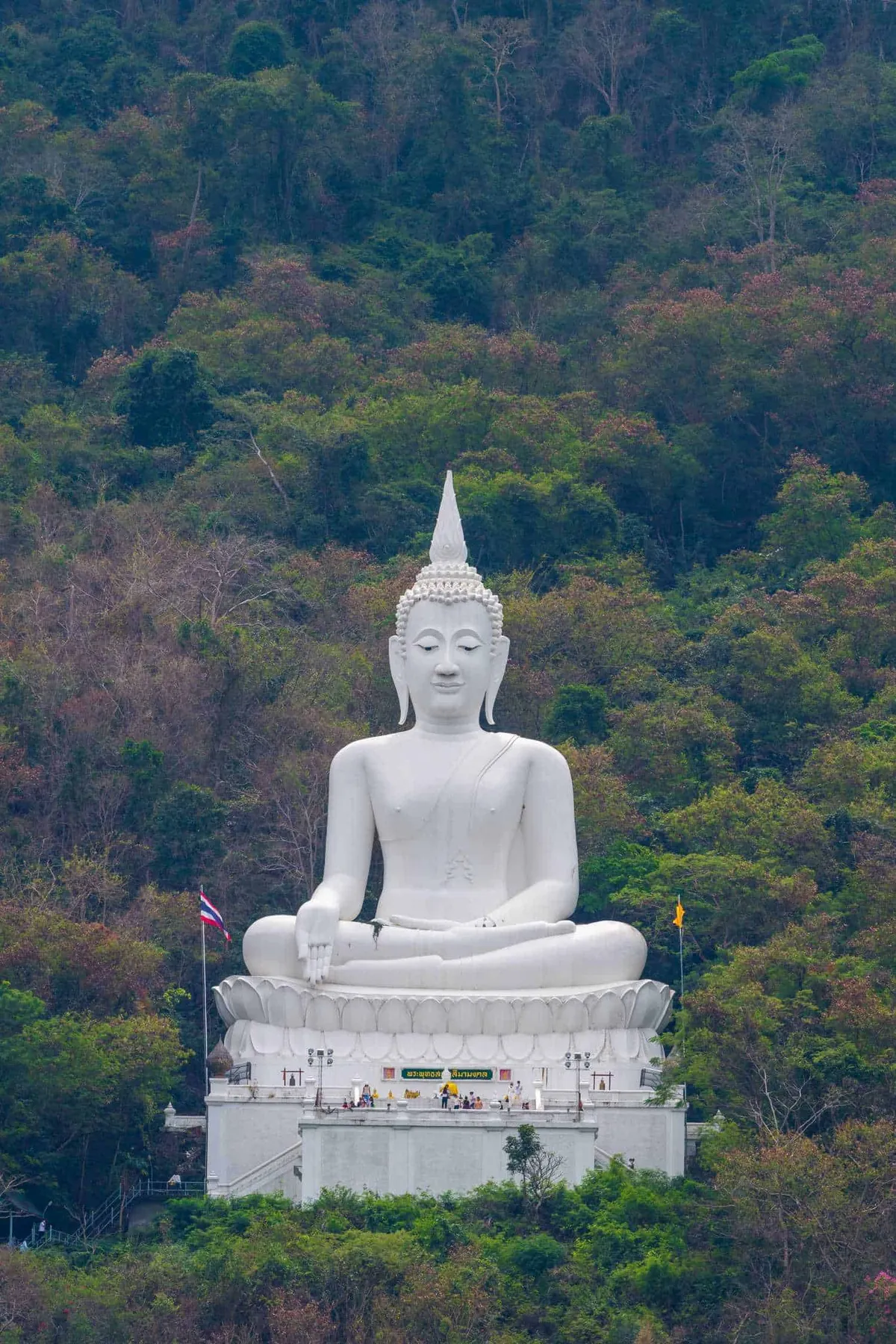
Thepphitak Phunnaram Temple
วัดเทพพิทักษ์ปุณณาราม (วัดพระขาว)

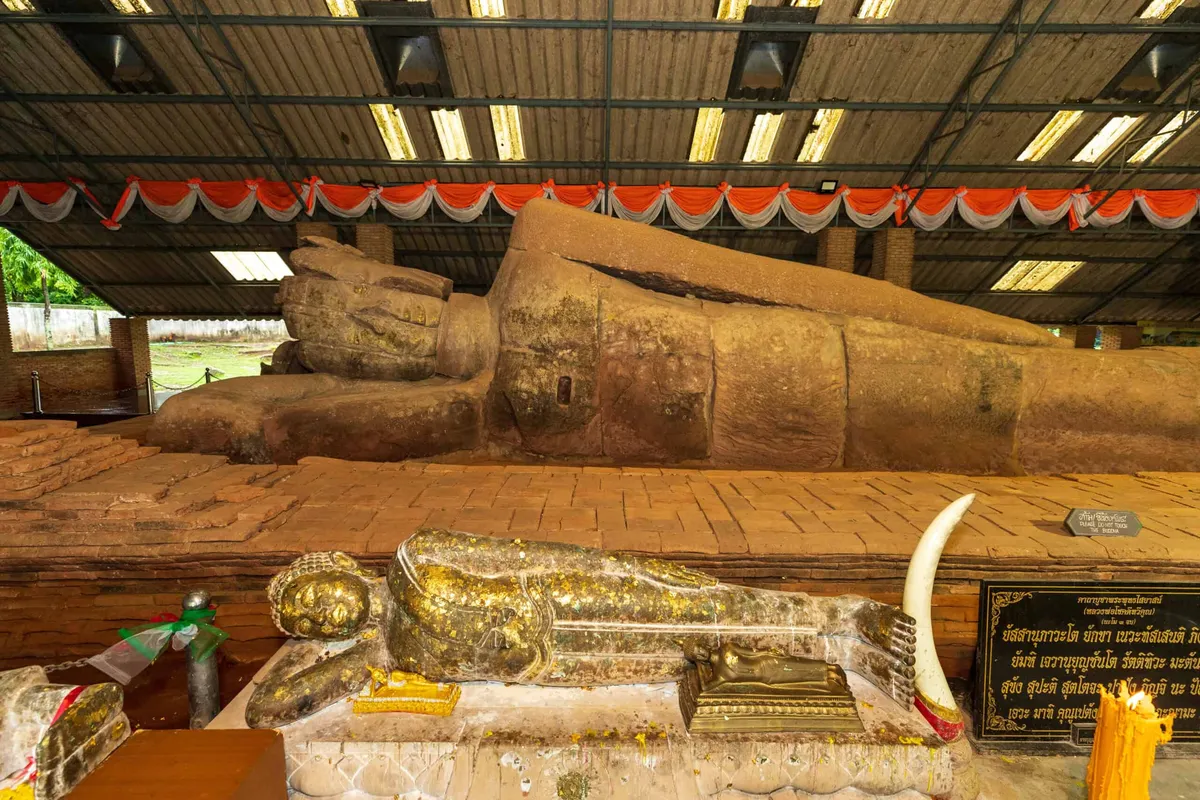
Wat Dhammachak Semaram
วัดธรรมจักรเสมาราม

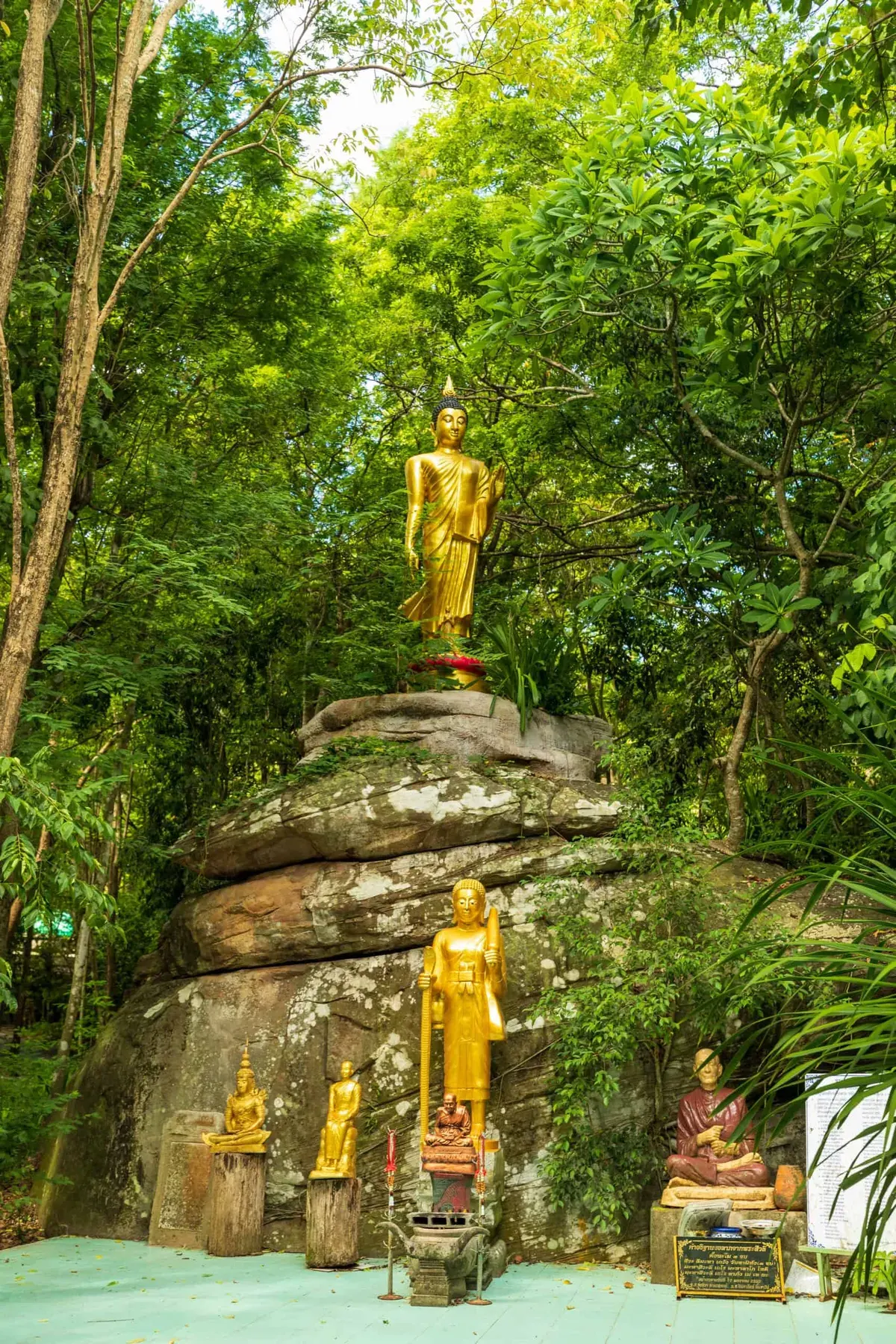
Wat Khao Chan Ngam (Wat Lertsuwat)
วัดเขาจันทน์งาม (วัดเลิศสวัสดิ์)

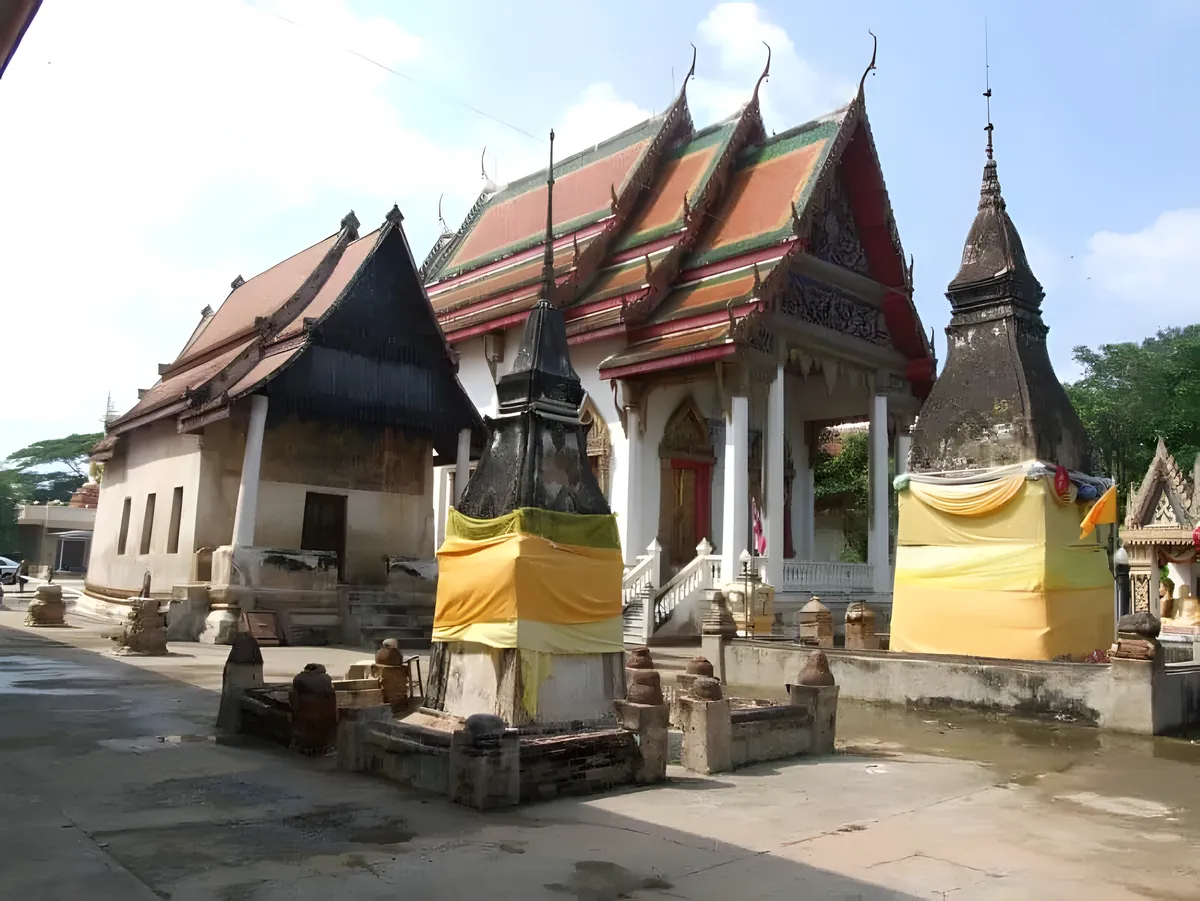
Wat Na Phra That
วัดหน้าพระธาตุ

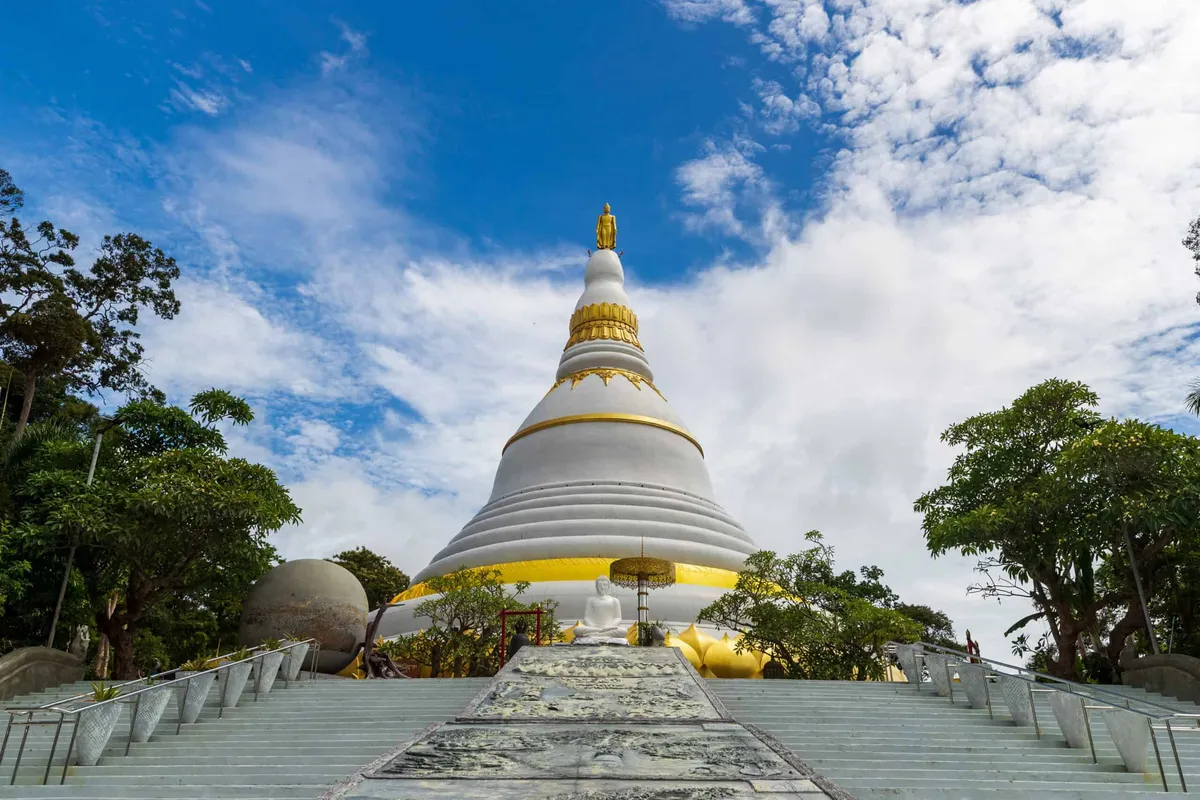
Wat Pa Phu Pha Sung
วัดป่าภูผาสูง

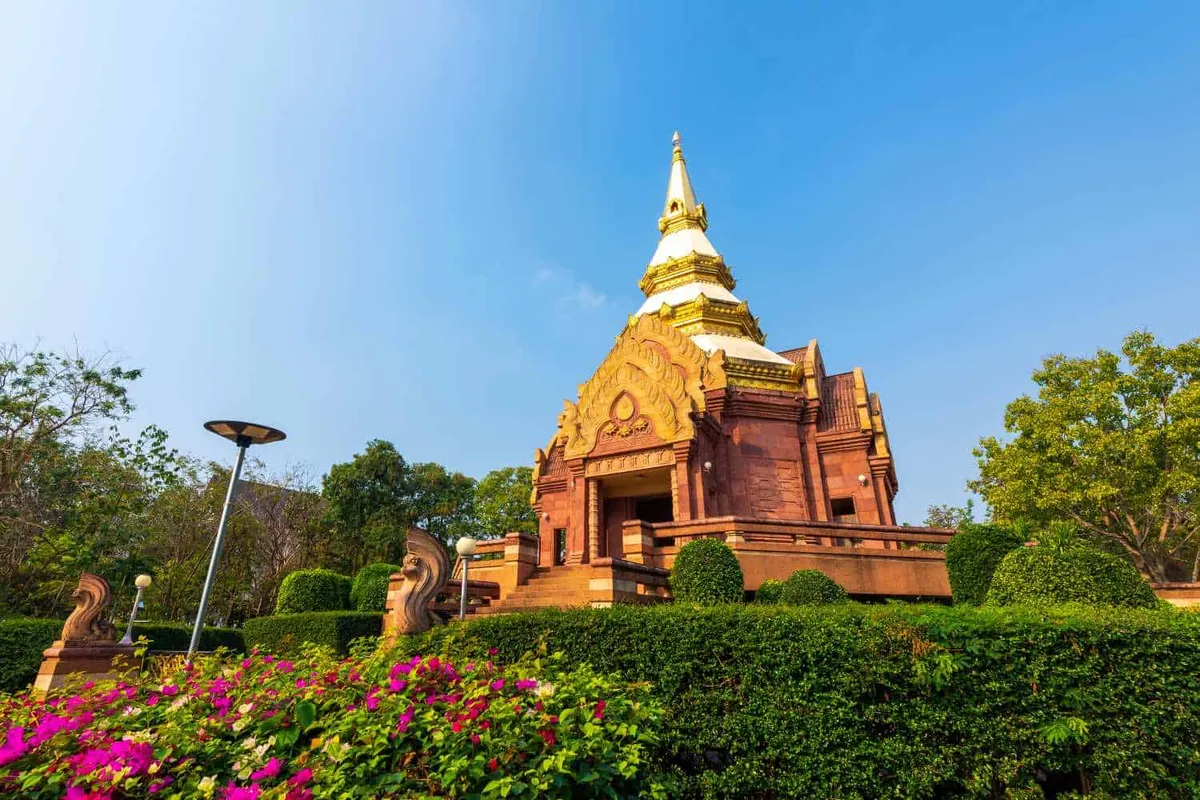
Wat Pa Salawan
วัดป่าสาลวัน

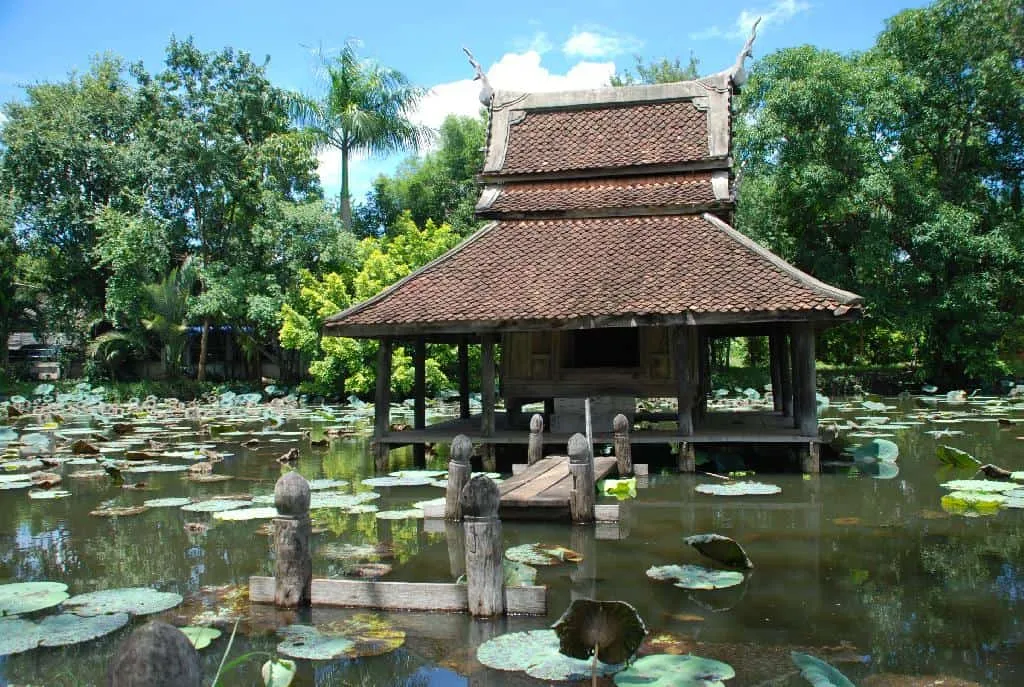
Wat Pathum Khongkha
วัดปทุมคงคา (นกออก)
Waterfalls, peaks, caves & parks
Nature & outdoors around Korat (Nakhon Ratchasima)

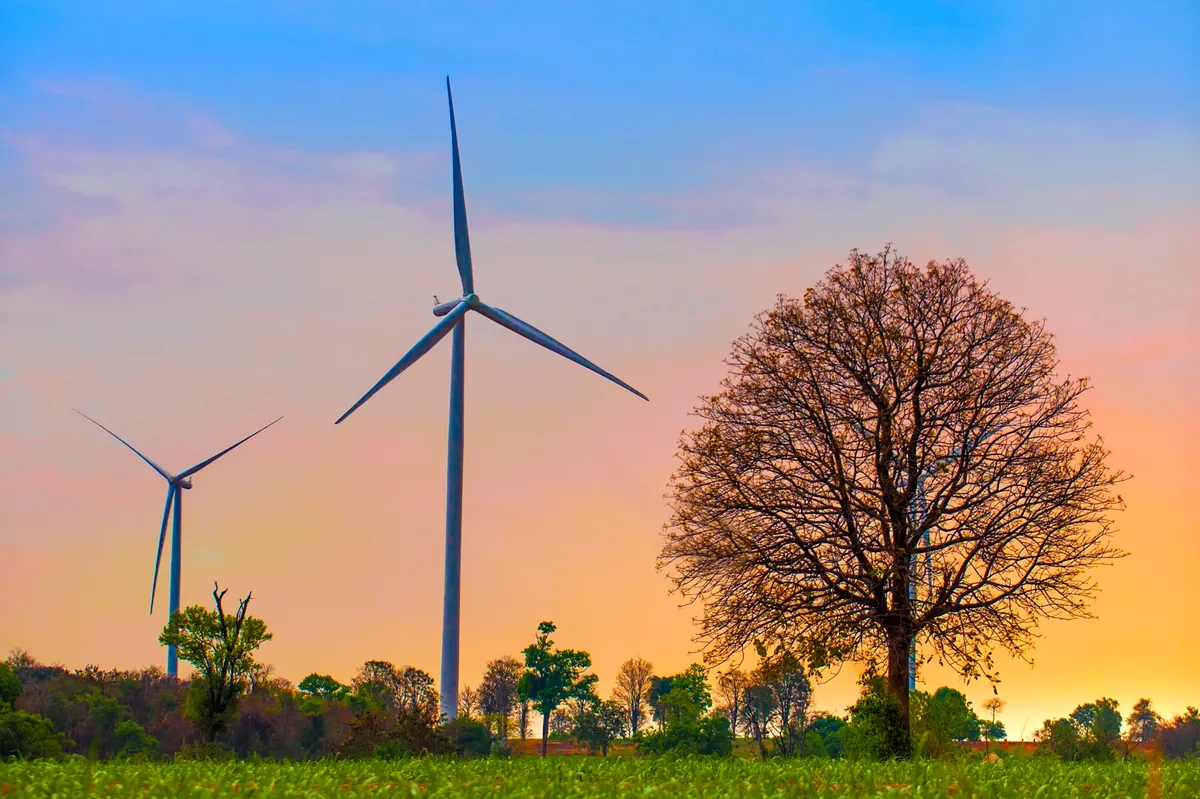
Huai Bong Windmill Field
ทุ่งกังหันลมห้วยบง

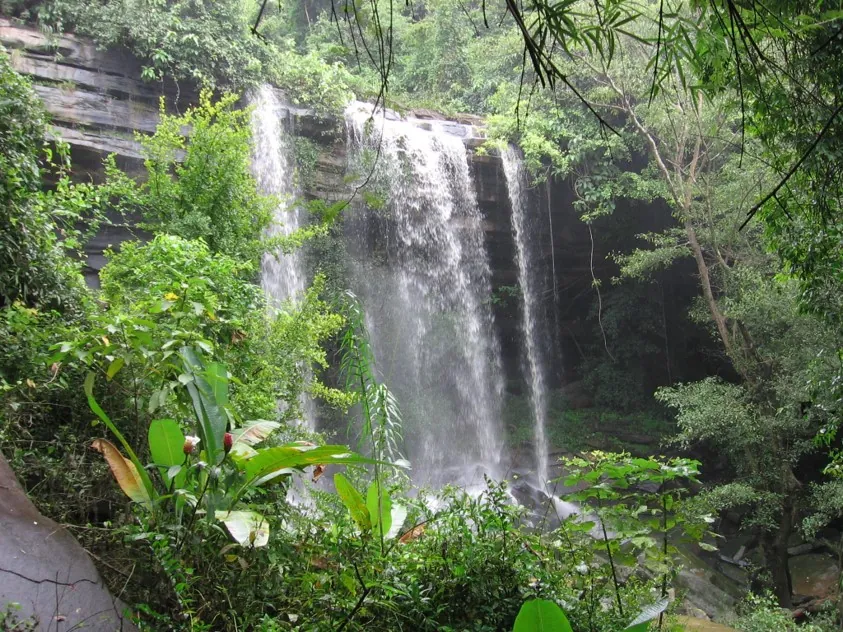
Huai Yai Waterfall
น้ำตกห้วยใหญ่

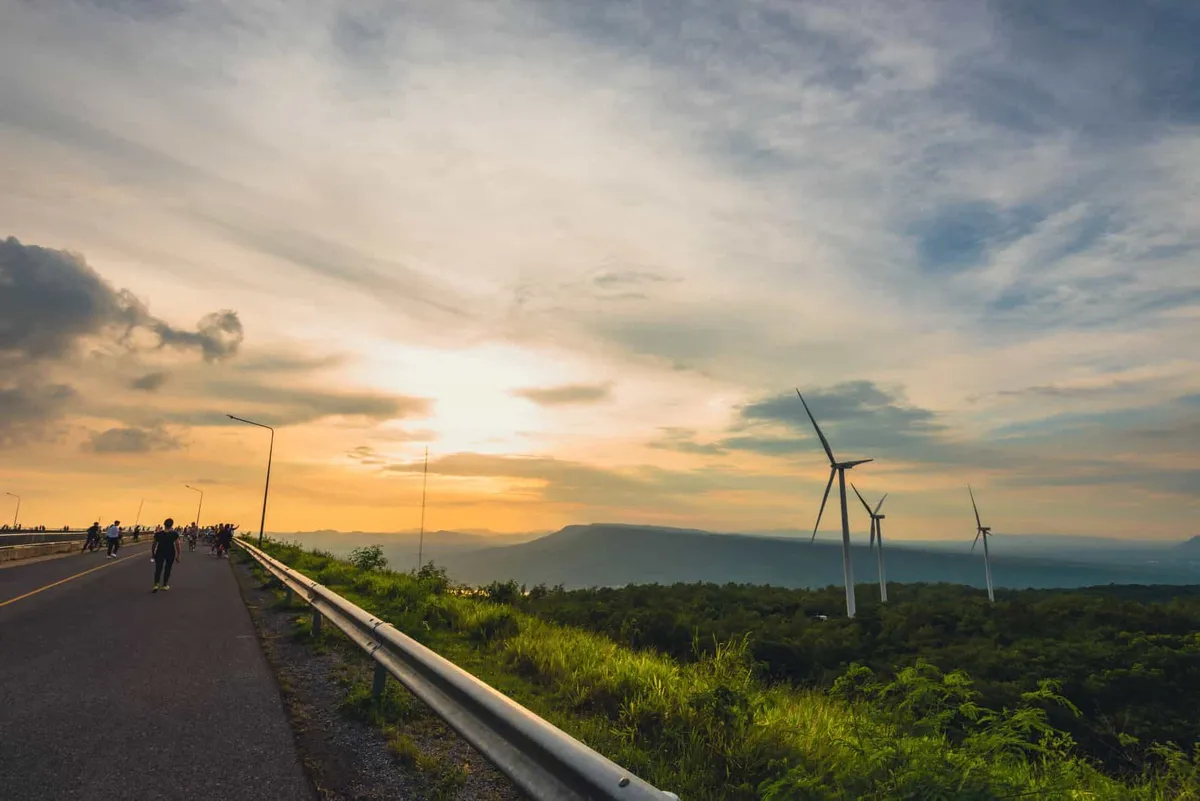
Khao Yai Tiang
เขายายเที่ยง

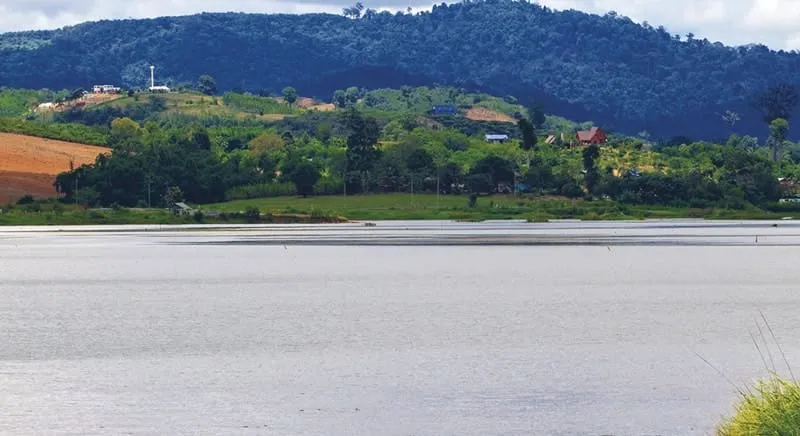
Lum Praplerng Dam
เขื่อนลำพระเพลิง

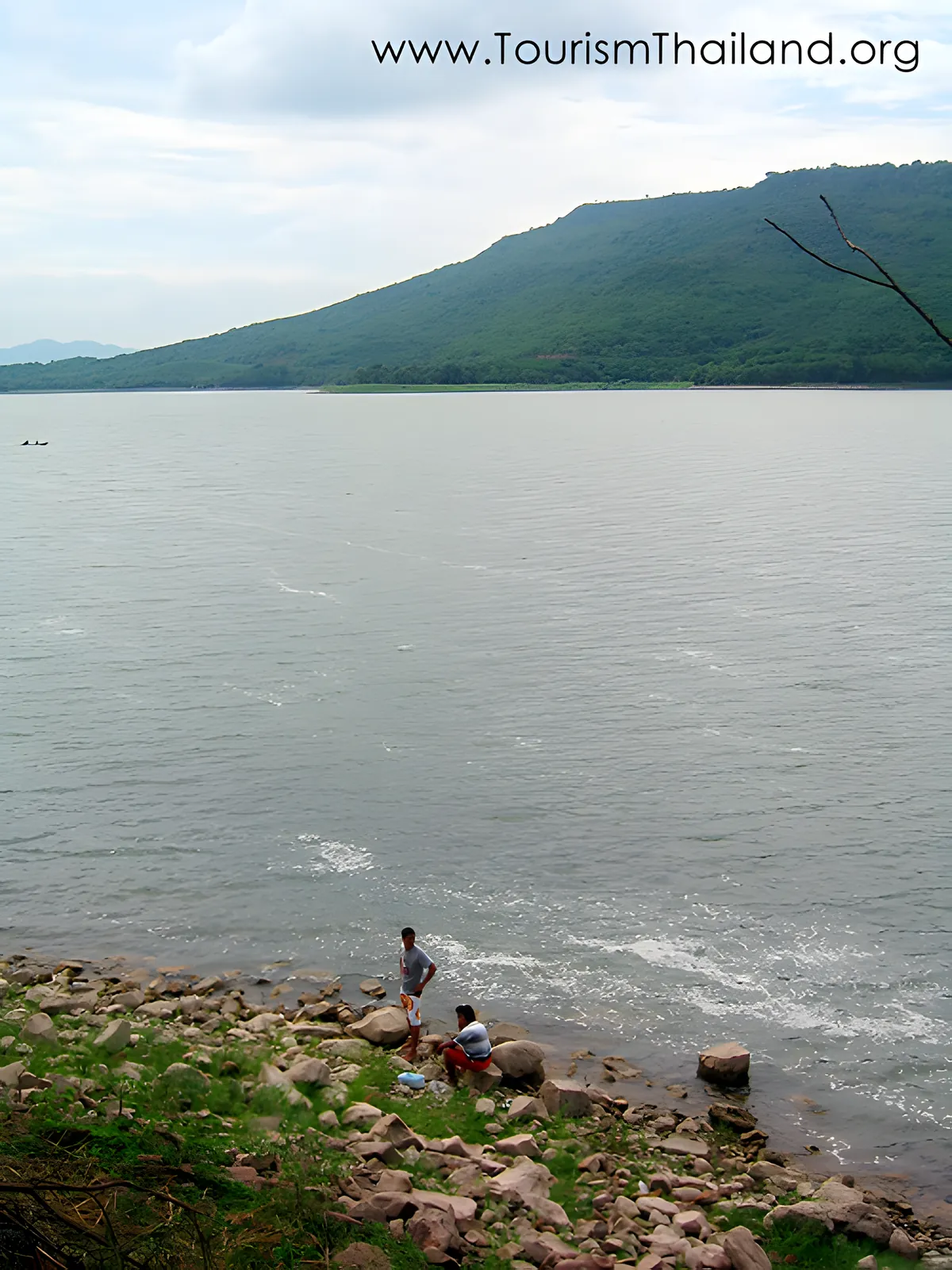
Lumtakong Dam
เขื่อนลำตะคอง

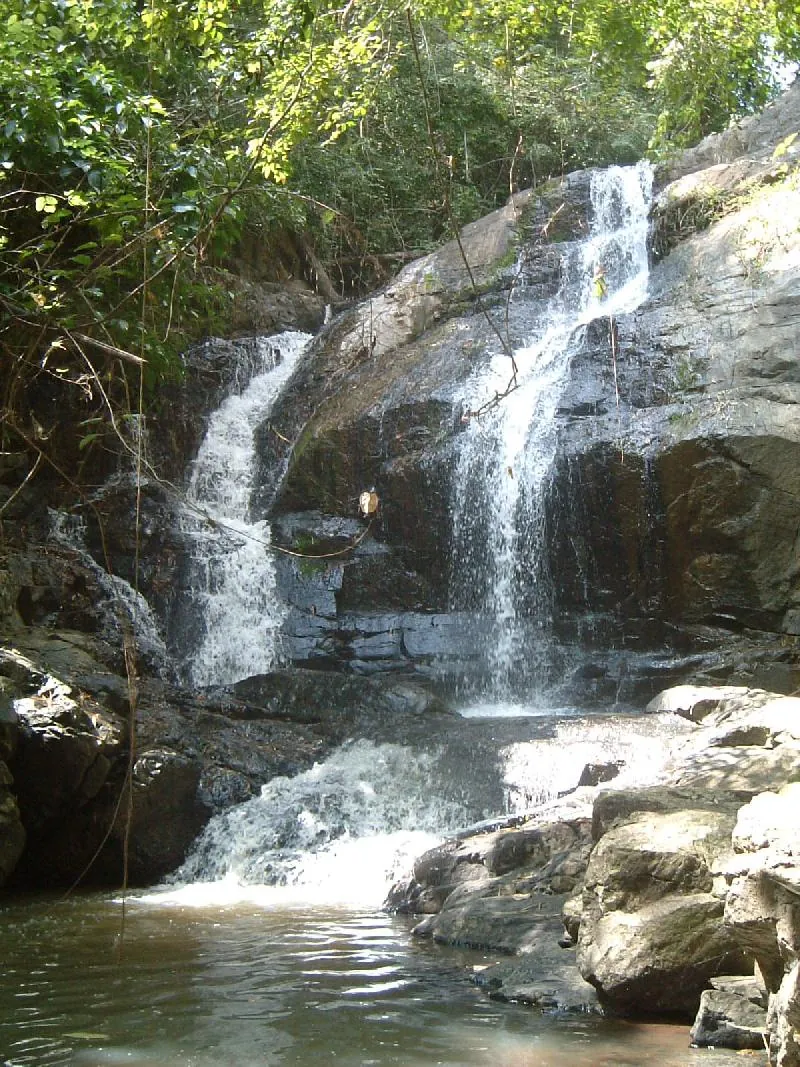
Namtok Suan Hom
น้ำตกสวนห้อม

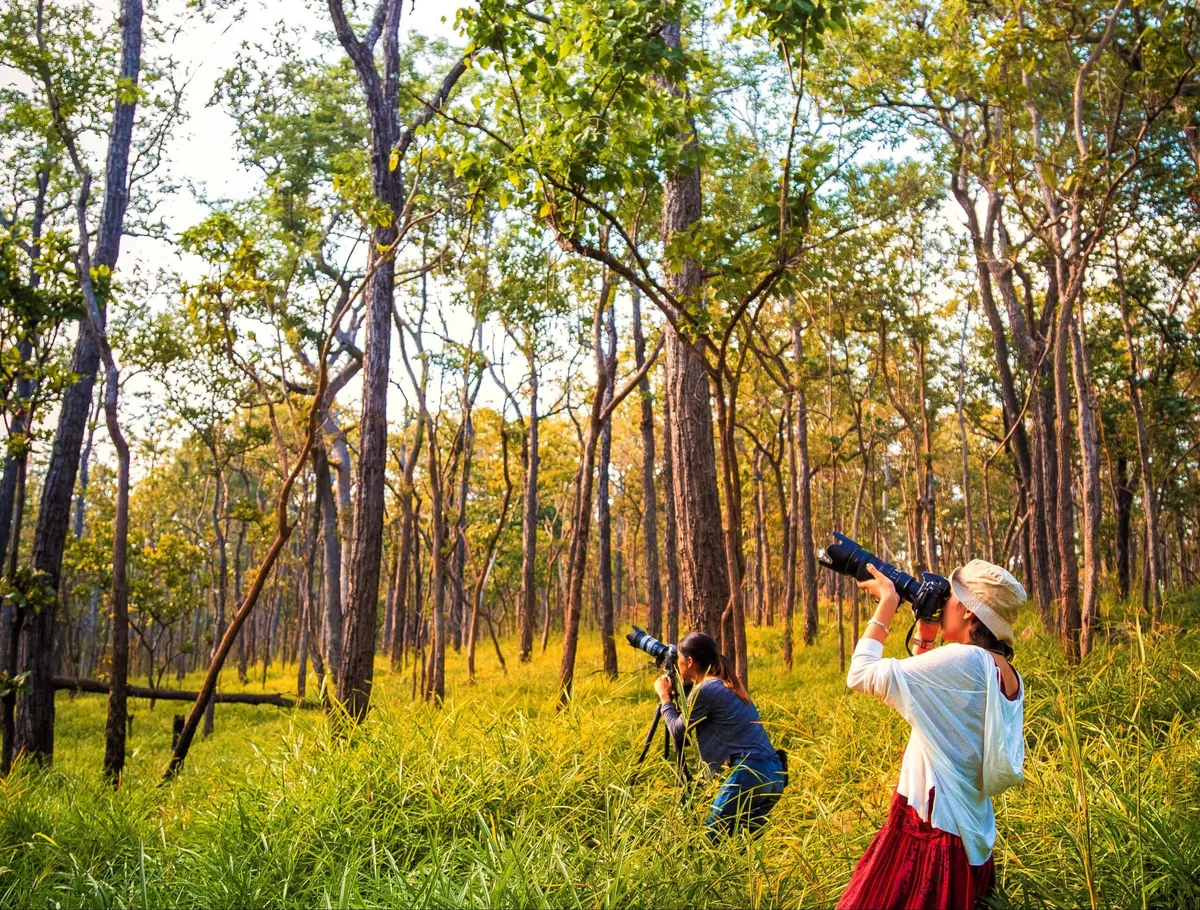
Sakaerat Environmental Research Station
สถานีวิจัยสิ่งแวดล้อม สะแกราช

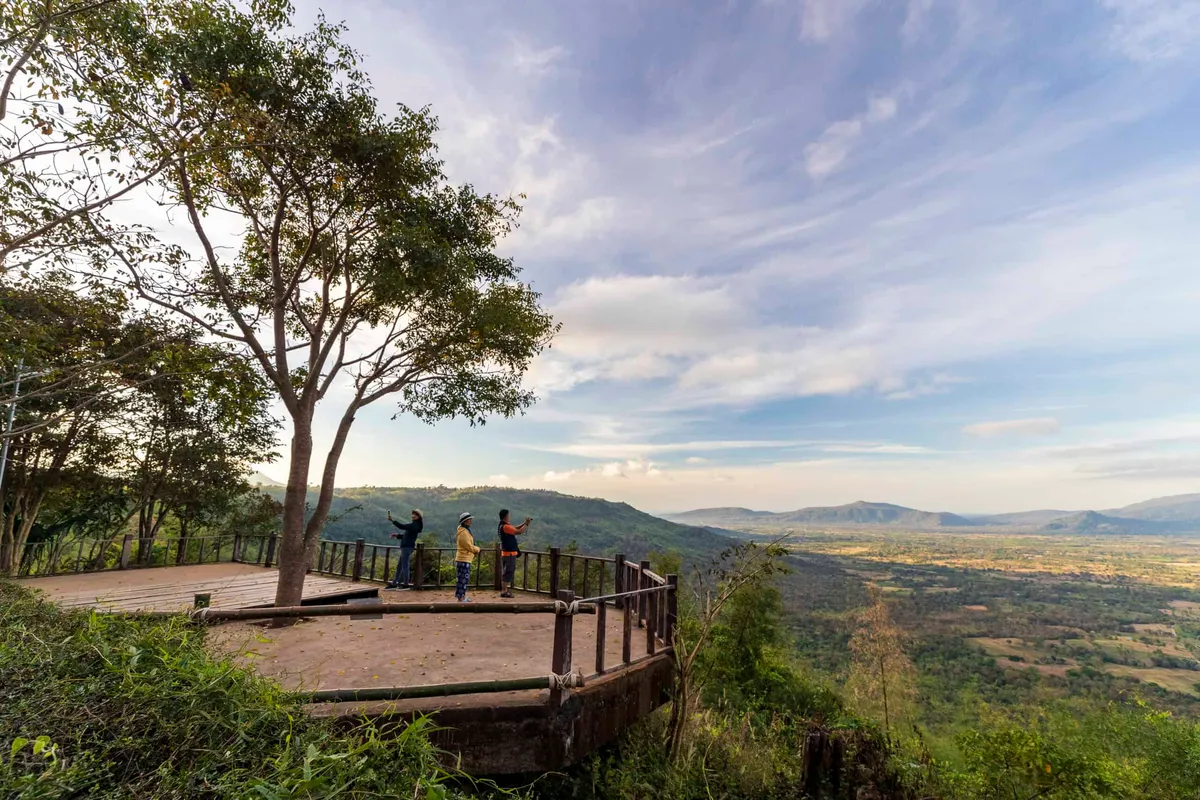
Thap Lan National Park
อุทยานแห่งชาติทับลาน

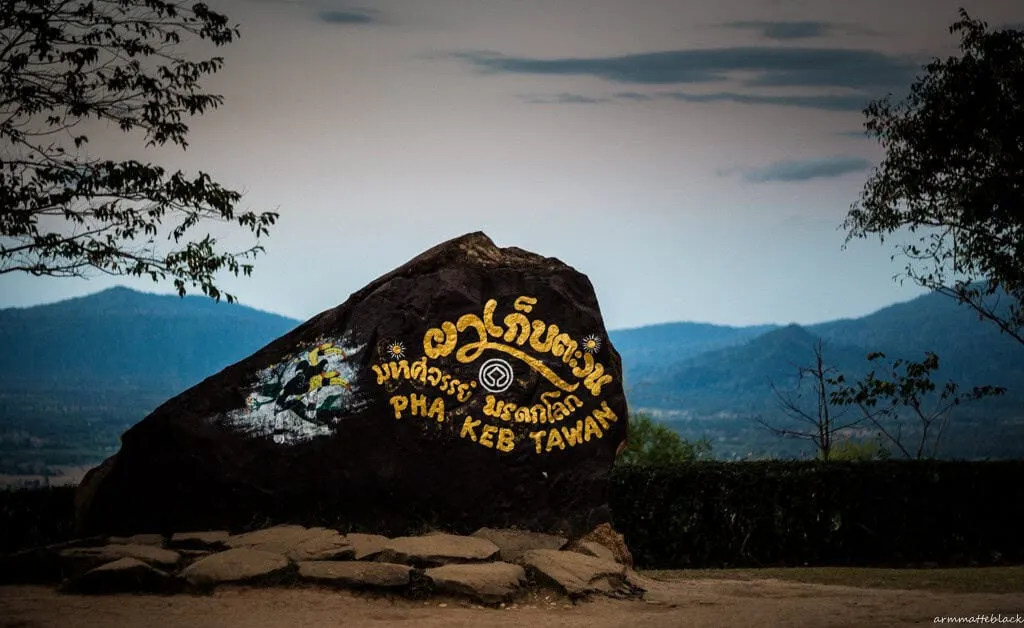
Thap Lan National Park Unit 11 Thai Samakkhi
อุทยานแห่งชาติทับลานที่ ทล. 11 ไทยสามัคคี

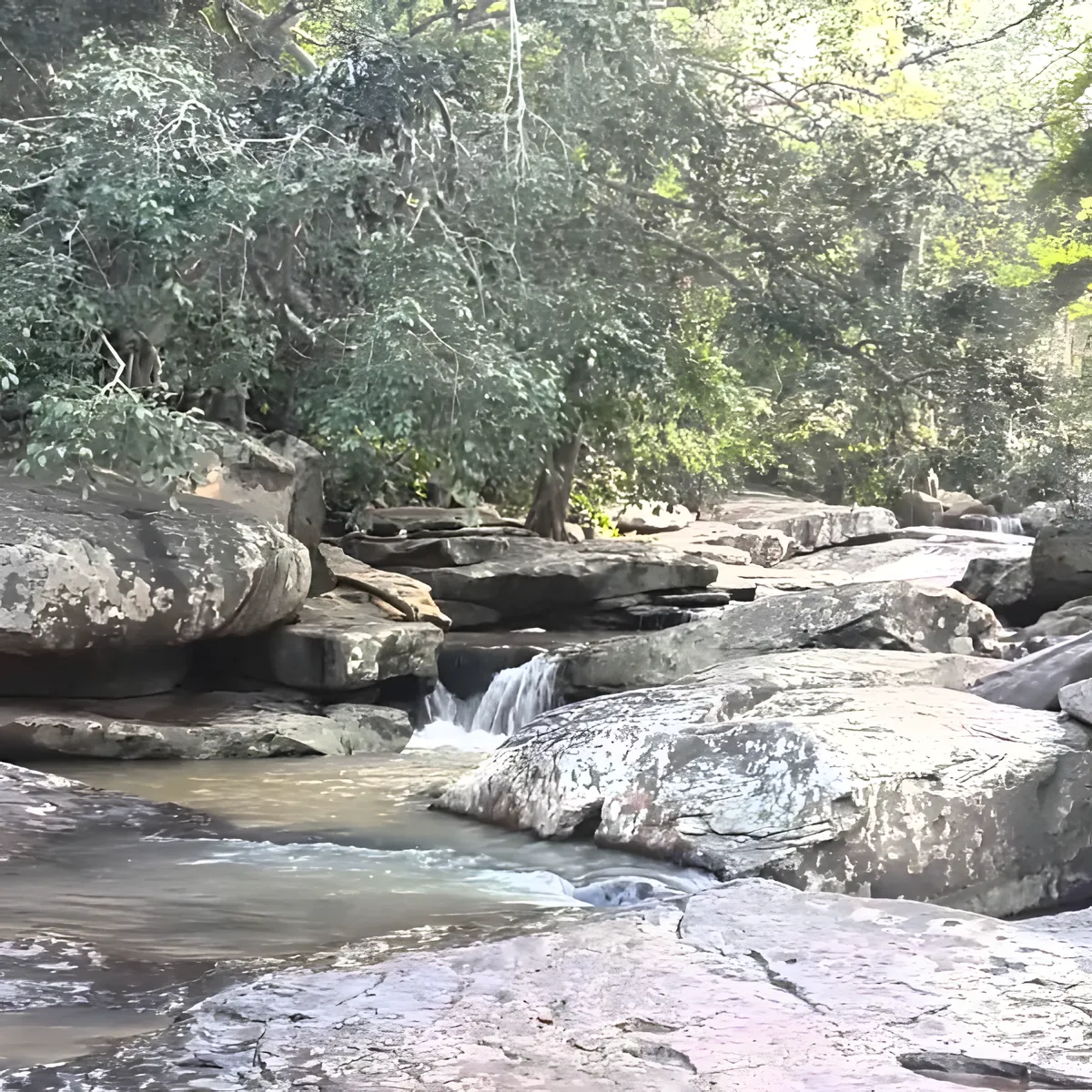
Wa Phukaew Waterfall
น้ำตกวะภูแก้ว
Museums, history & heritage
Museums & culture in Korat (Nakhon Ratchasima)

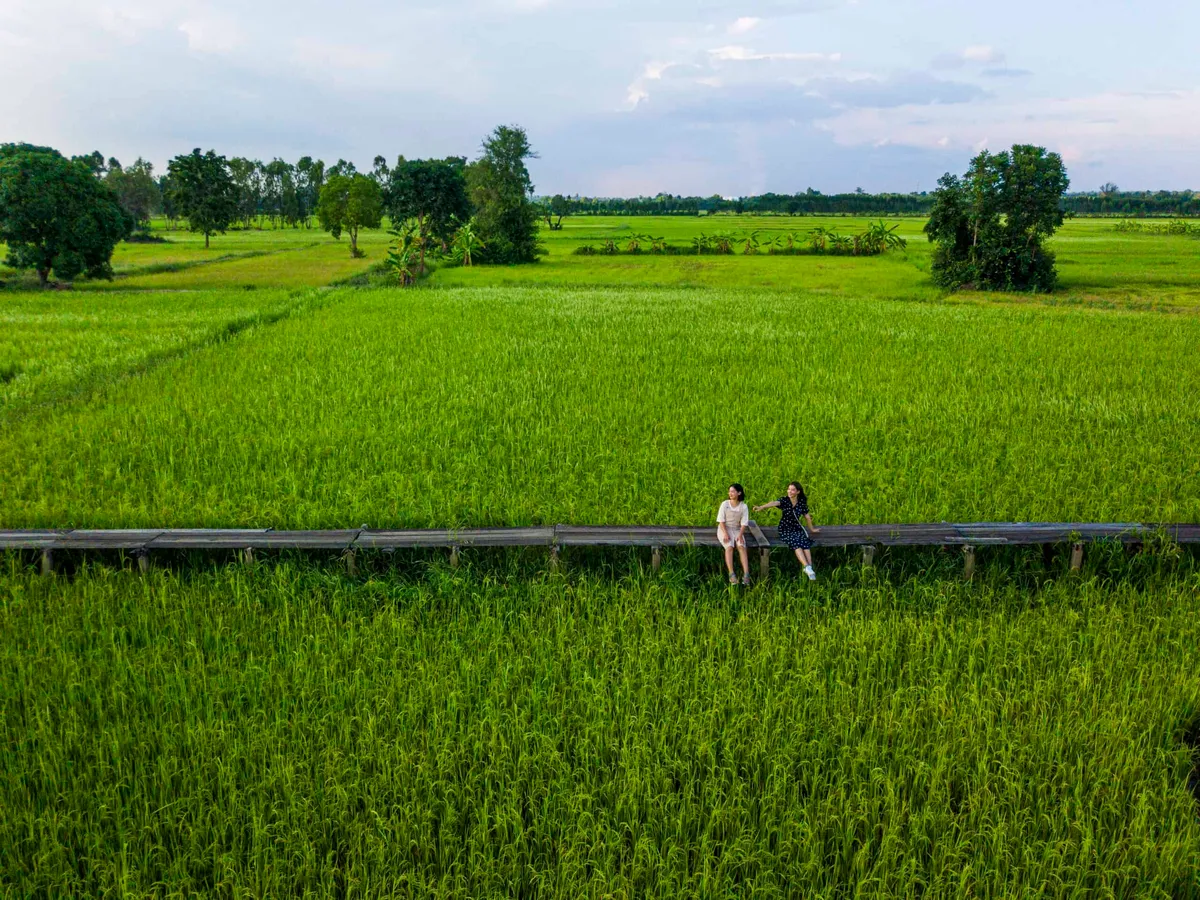
100-Year-Old Wooden Bridge
สะพานไม้ 100 ปี

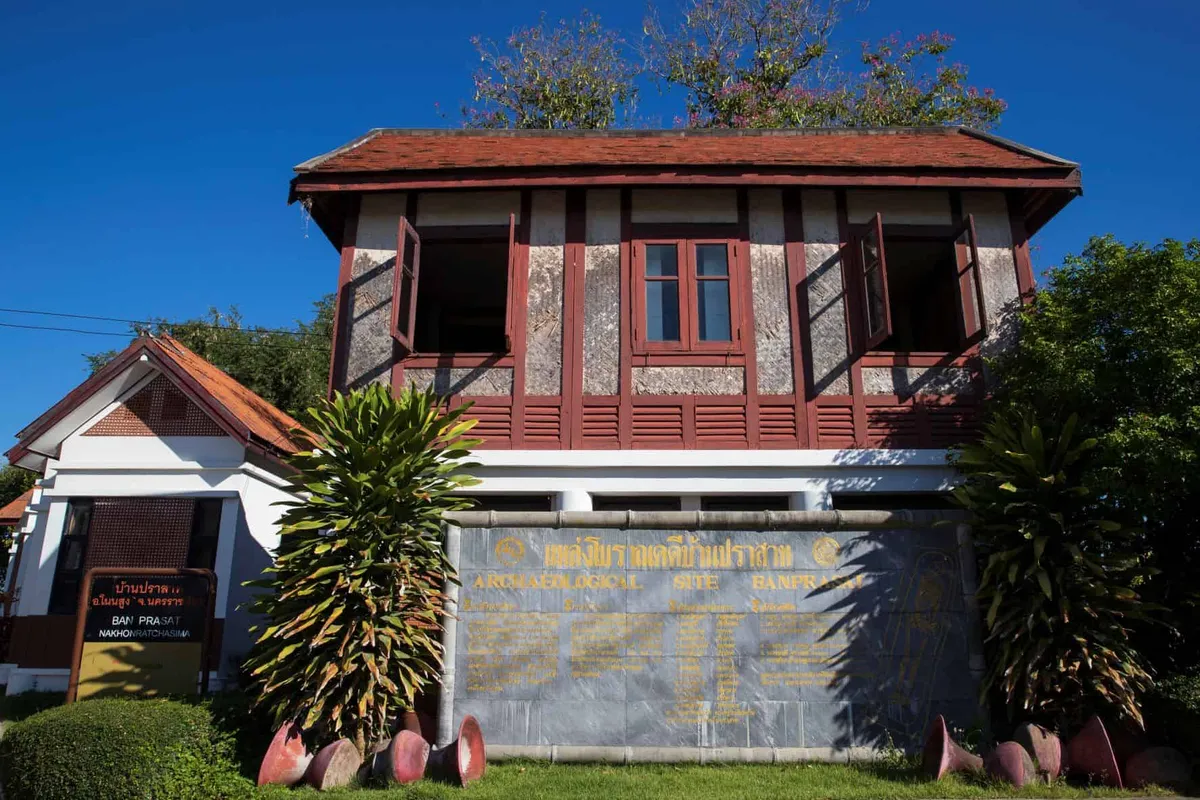
Ban Prasat Archaeological Site
แหล่งโบราณคดีบ้านปราสาท

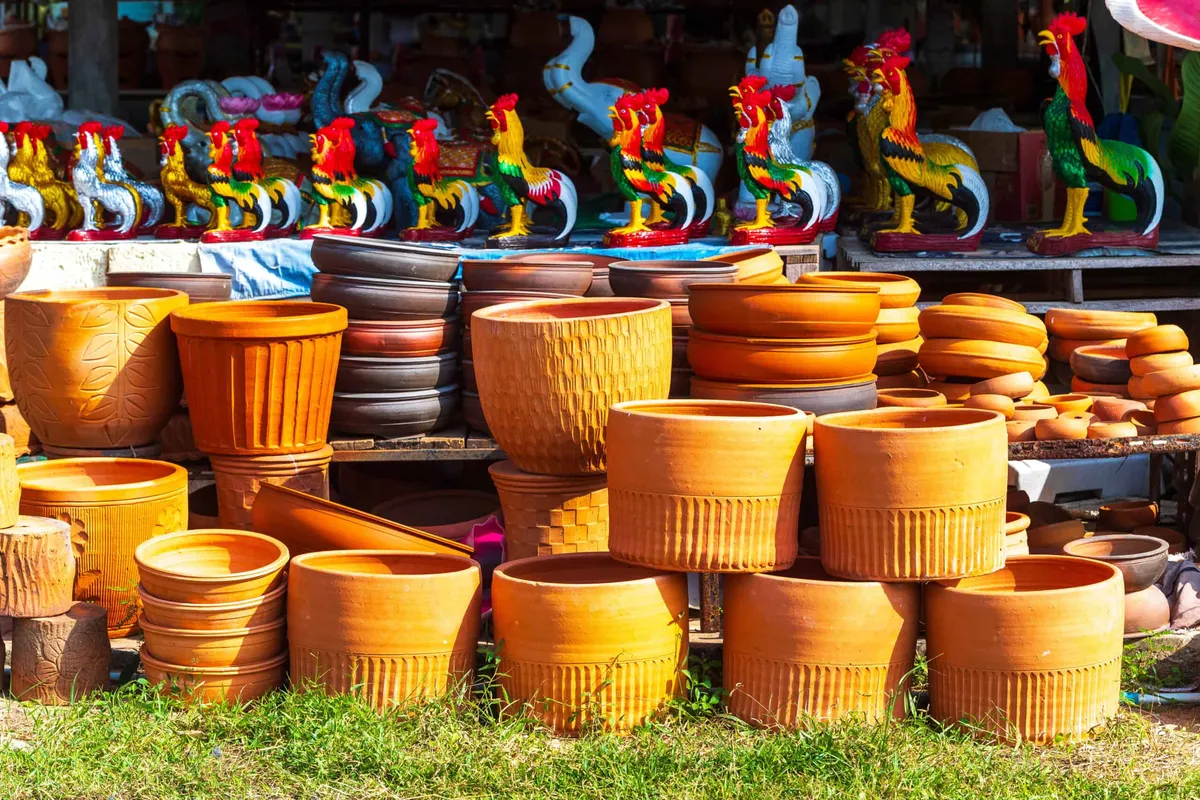
Dan Kwian Pottery Village
หมู่บ้านเครื่องปั้นดินเผาด่านเกวียน

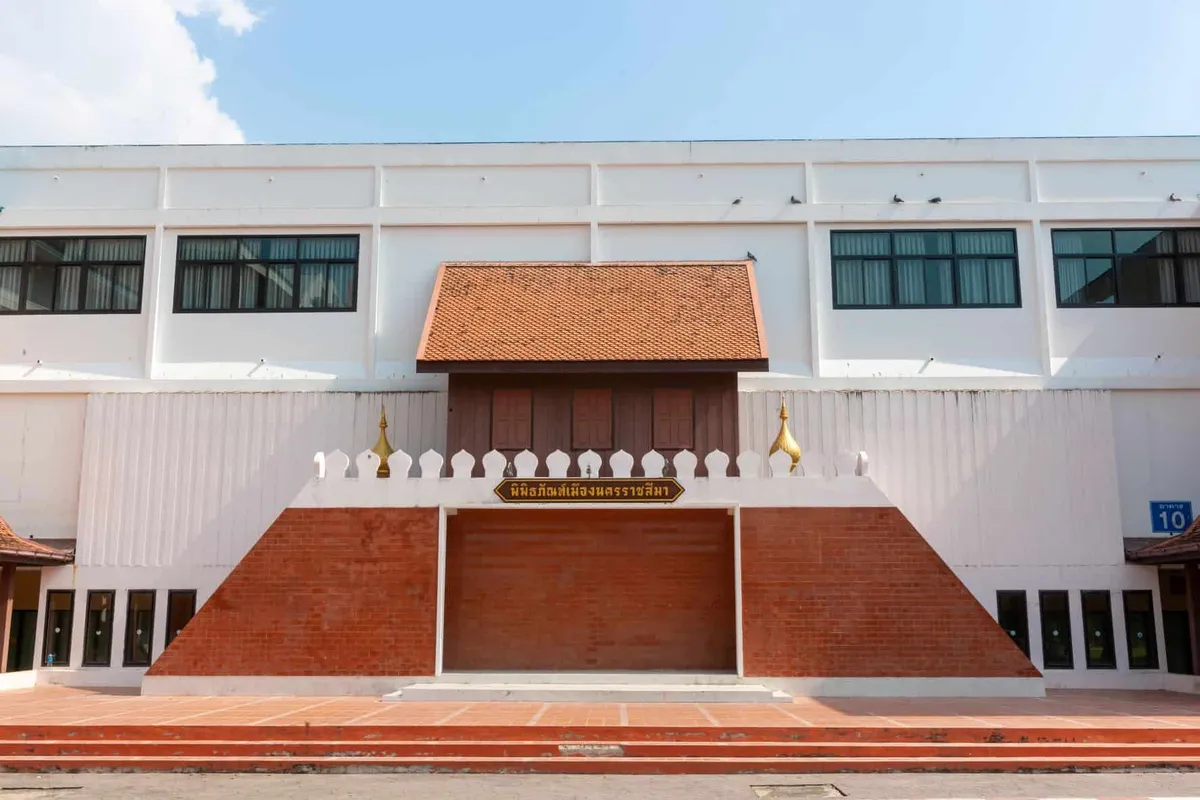
Nakhon Ratchasima City Museum
พิพิธภัณฑ์เมืองนครราชสีมา

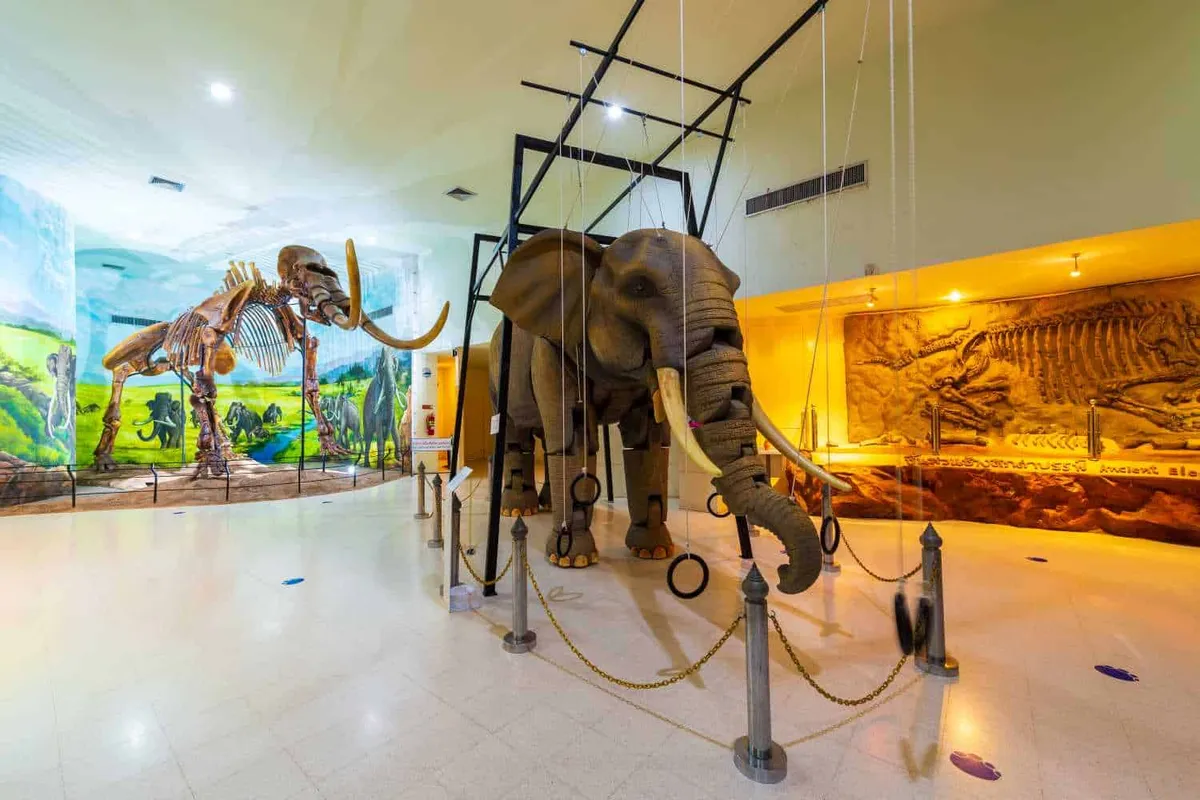
Petrified Wood Museum, Ancient Elephants, and Dinosaurs
พิพิธภัณฑ์ไม้กลายเป็นหิน ช้างดึกดำบรรพ์ และไดโนเสาร์

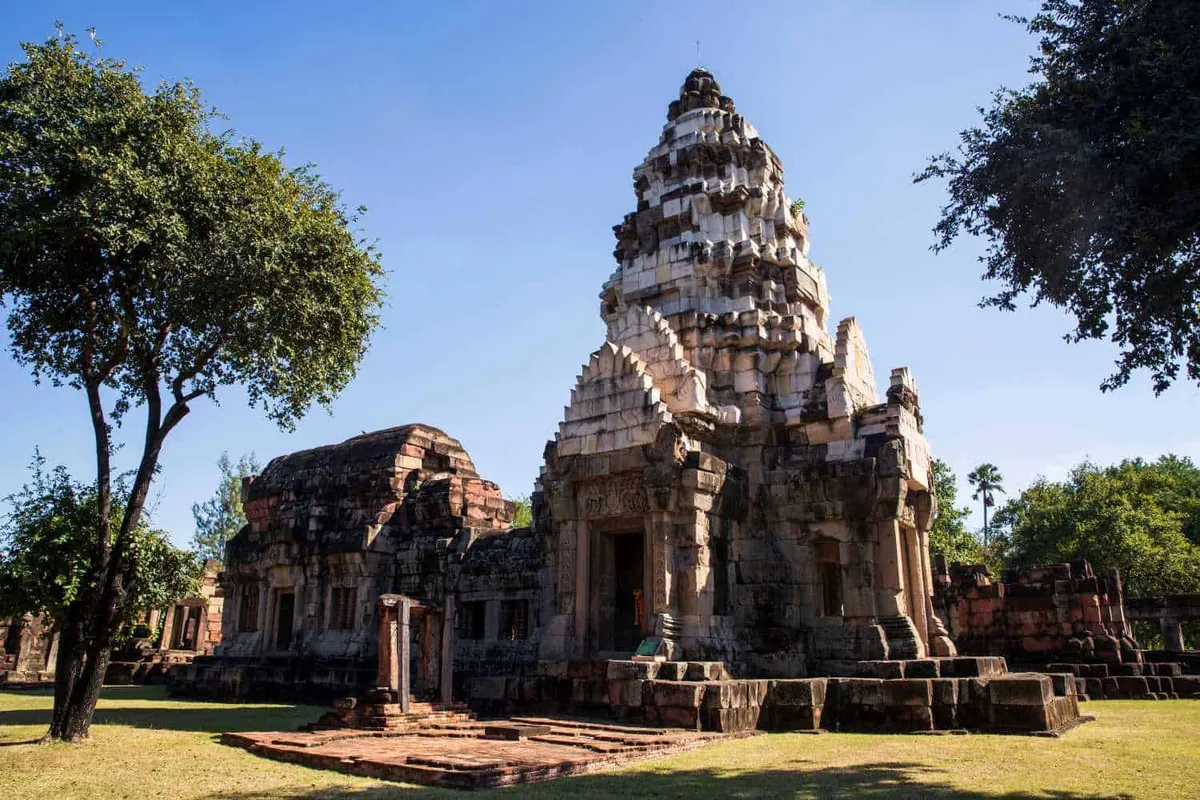
Phanomwan Ancient Castle
โบราณสถานปราสาทพนมวัน

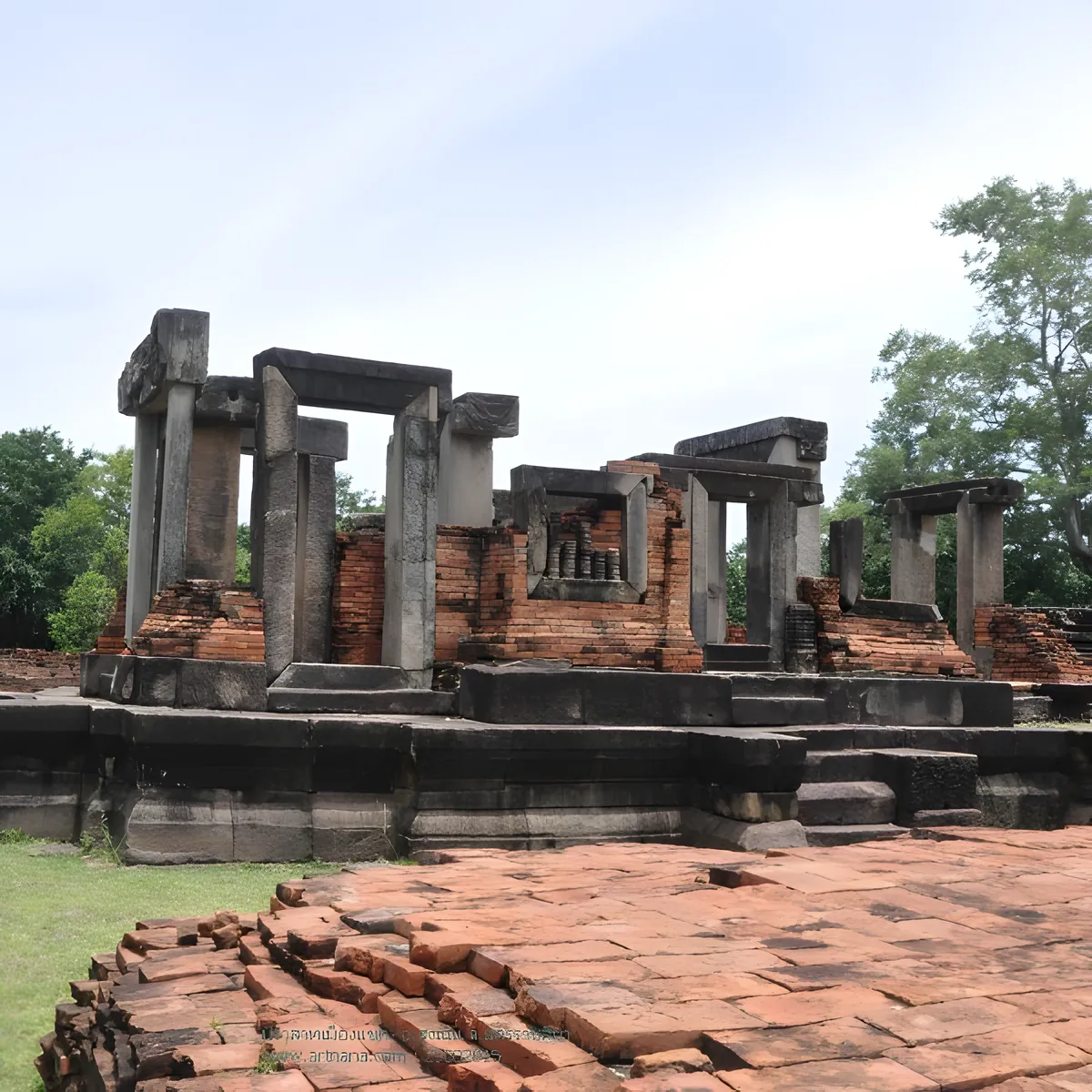
Prasat Mueang Kao
ปราสาทเมืองเก่า

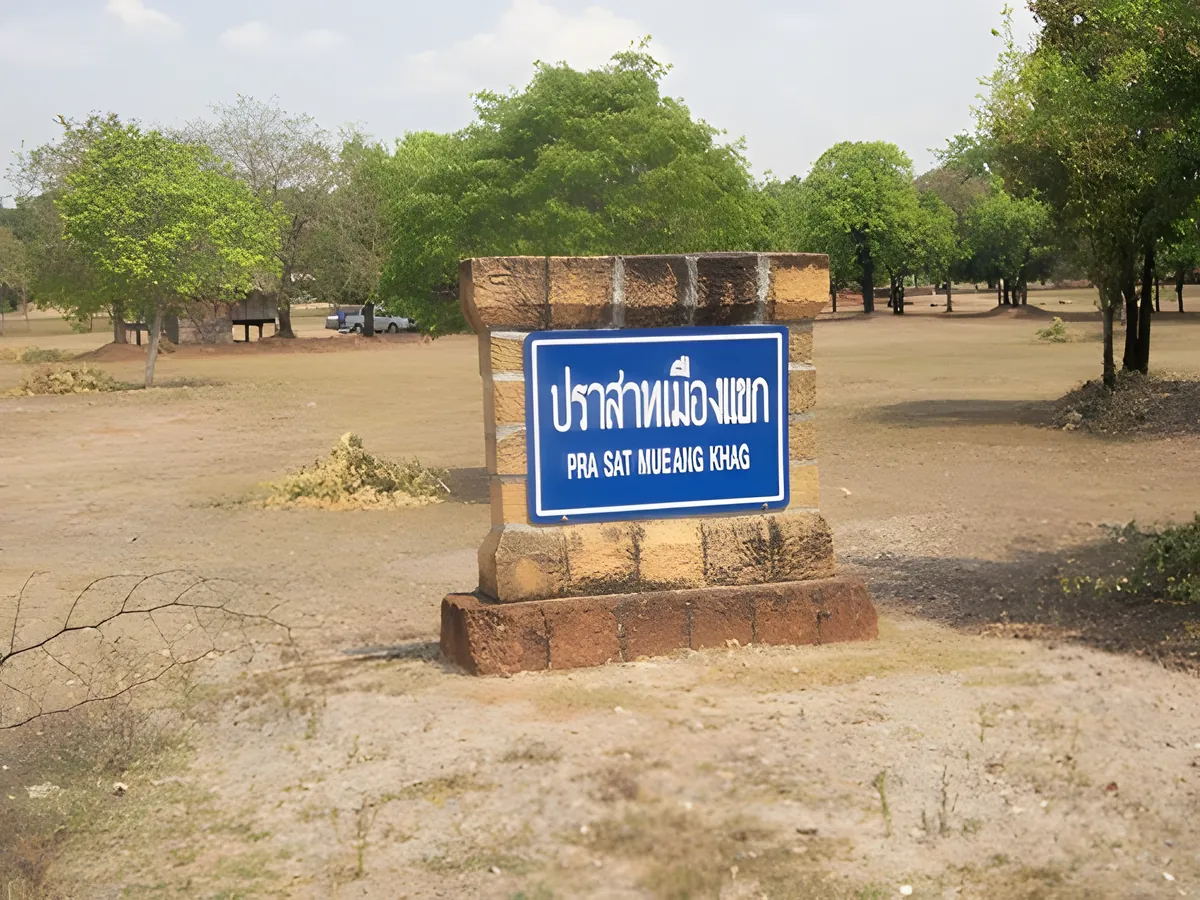
Prasat Mueang Khaek
ปราสาทเมืองแขก

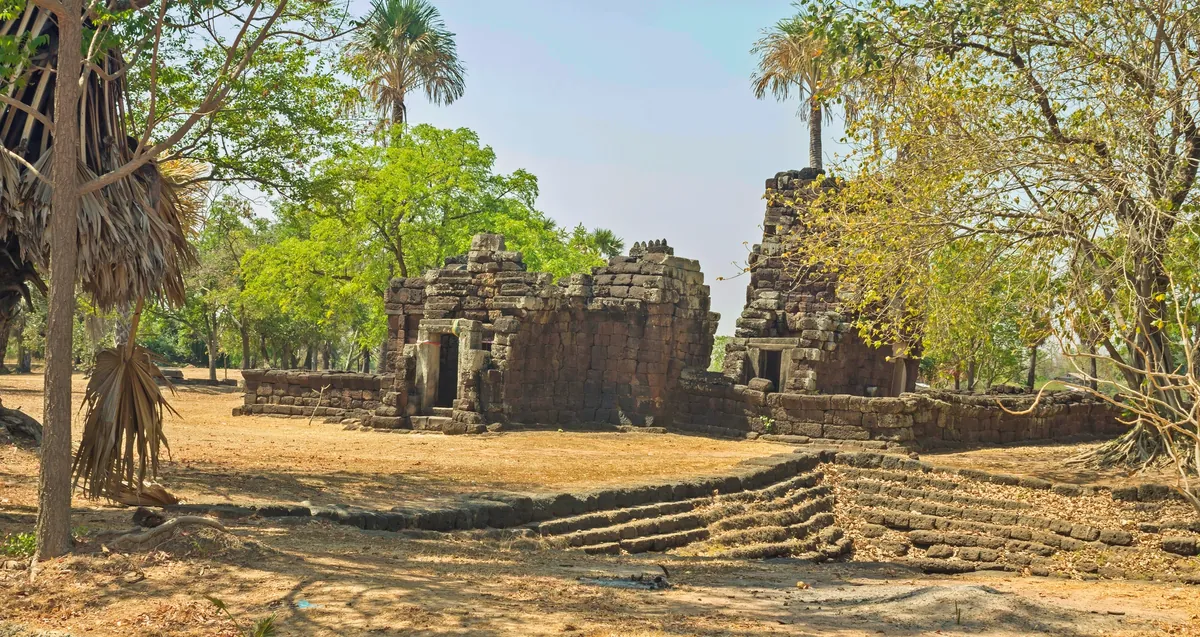
Prasat Nang Ram
ปราสาทนางรำ

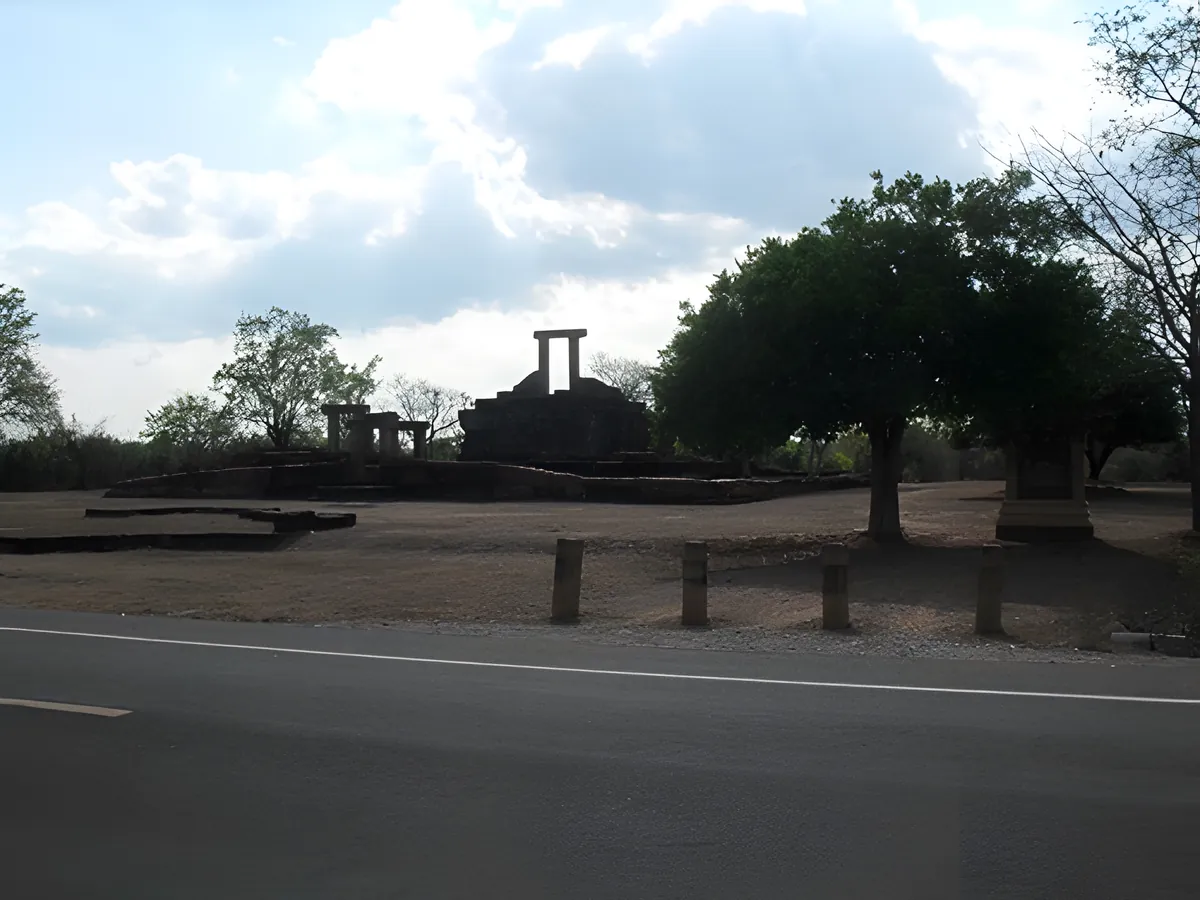
Prasat Non Ku
ปราสาทโนนกู่

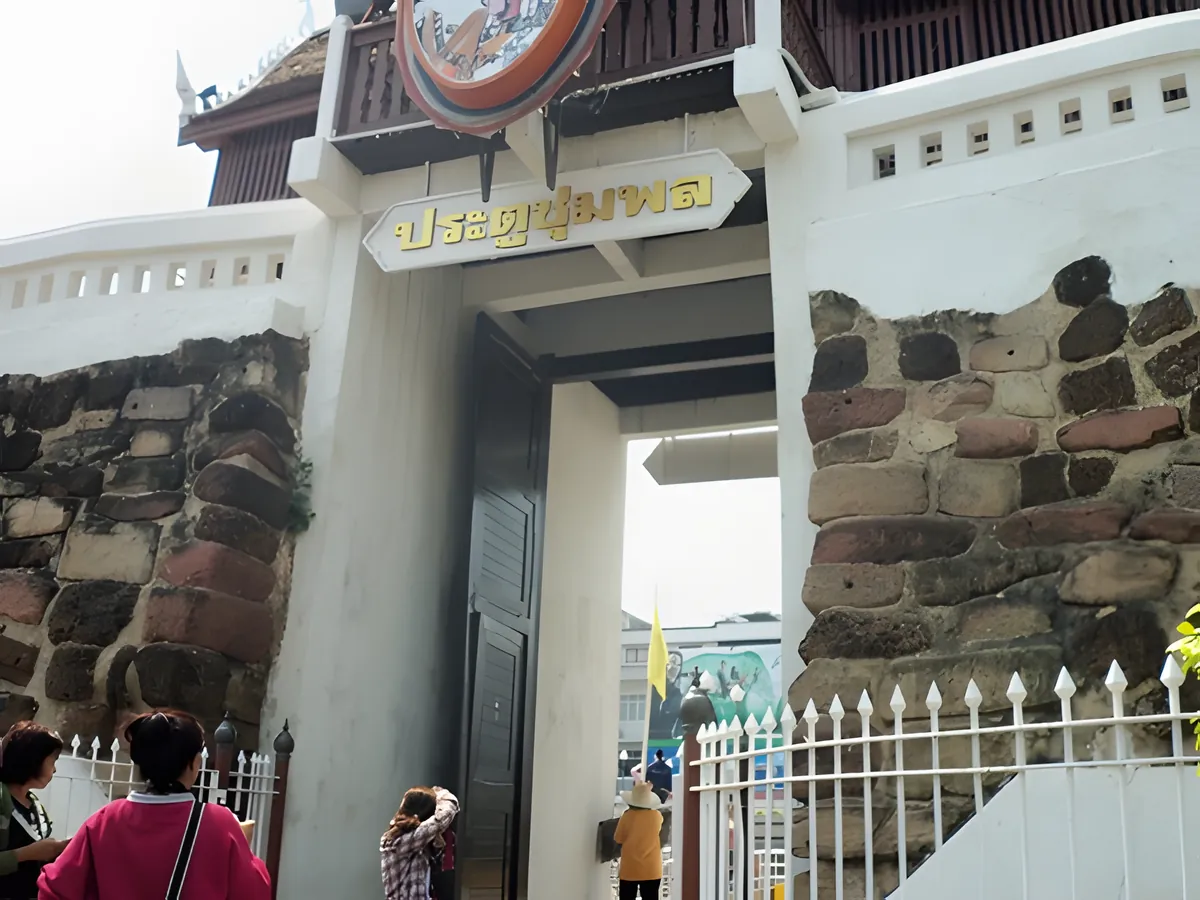
Pratu Chumphon
ประตูชุมพล

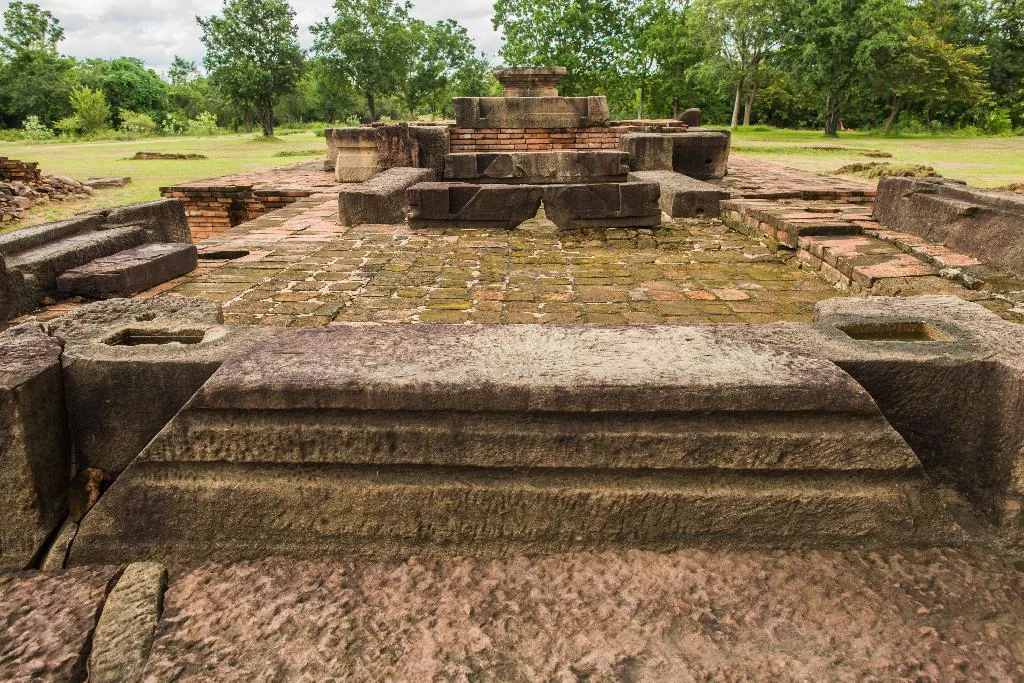
Sema Ancient Remains
โบราณสถานเมืองเสมา
Things to do on the map
Tap a pin for details. 40 places in Korat (Nakhon Ratchasima) plotted.
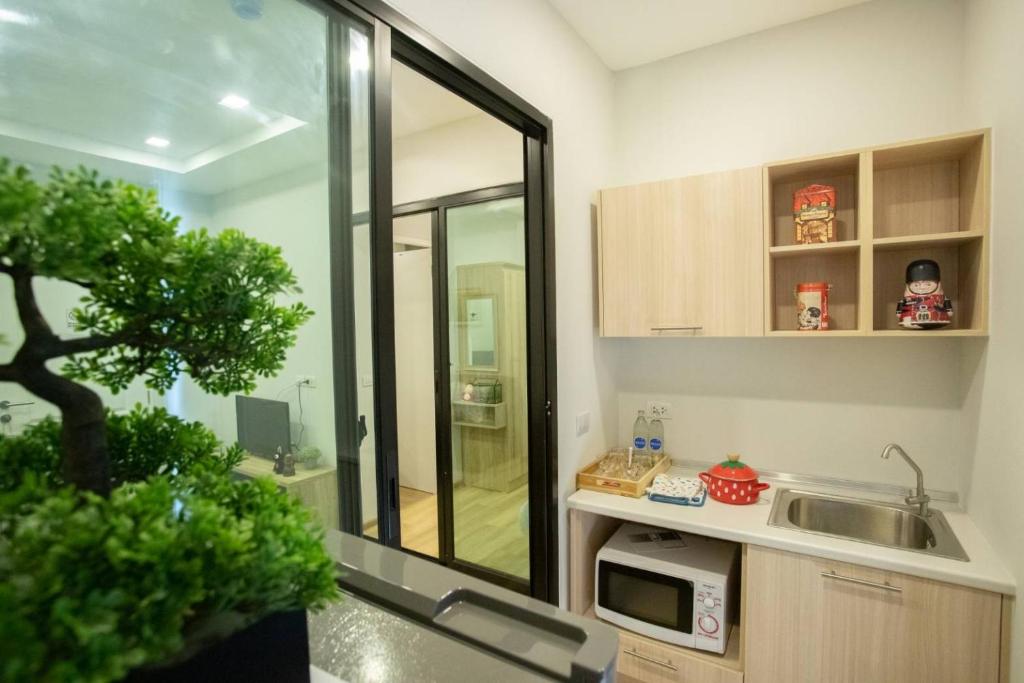
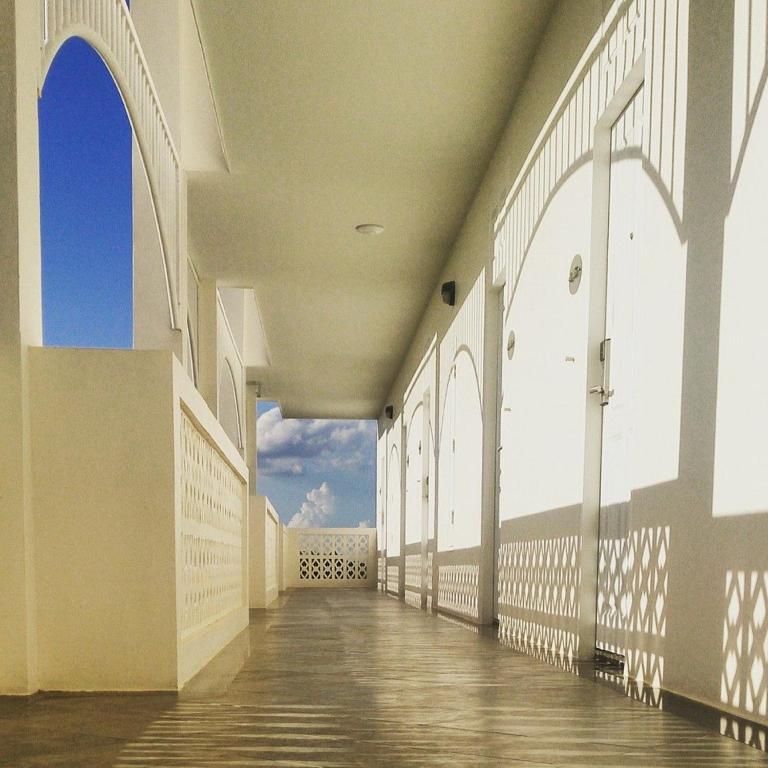
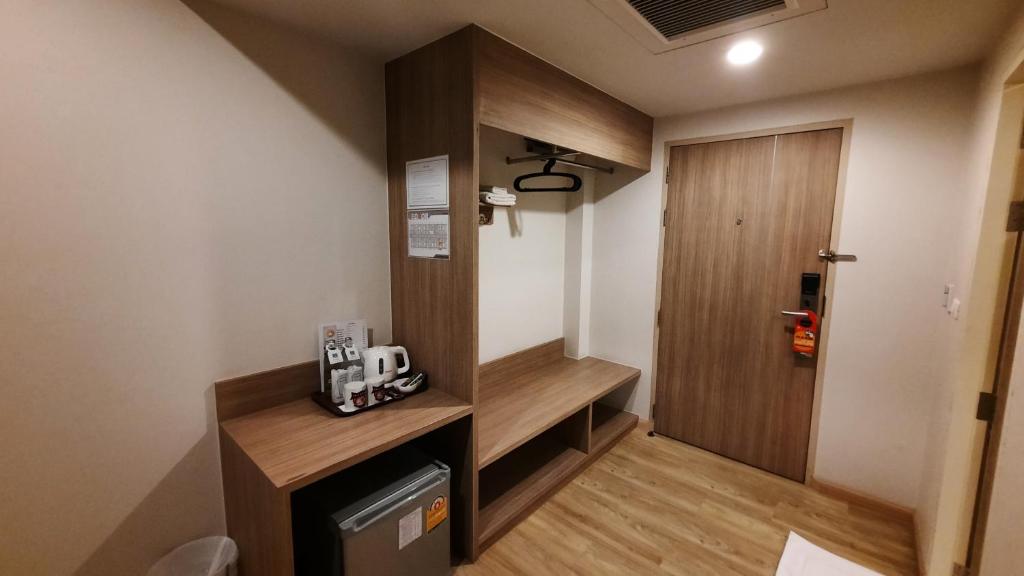
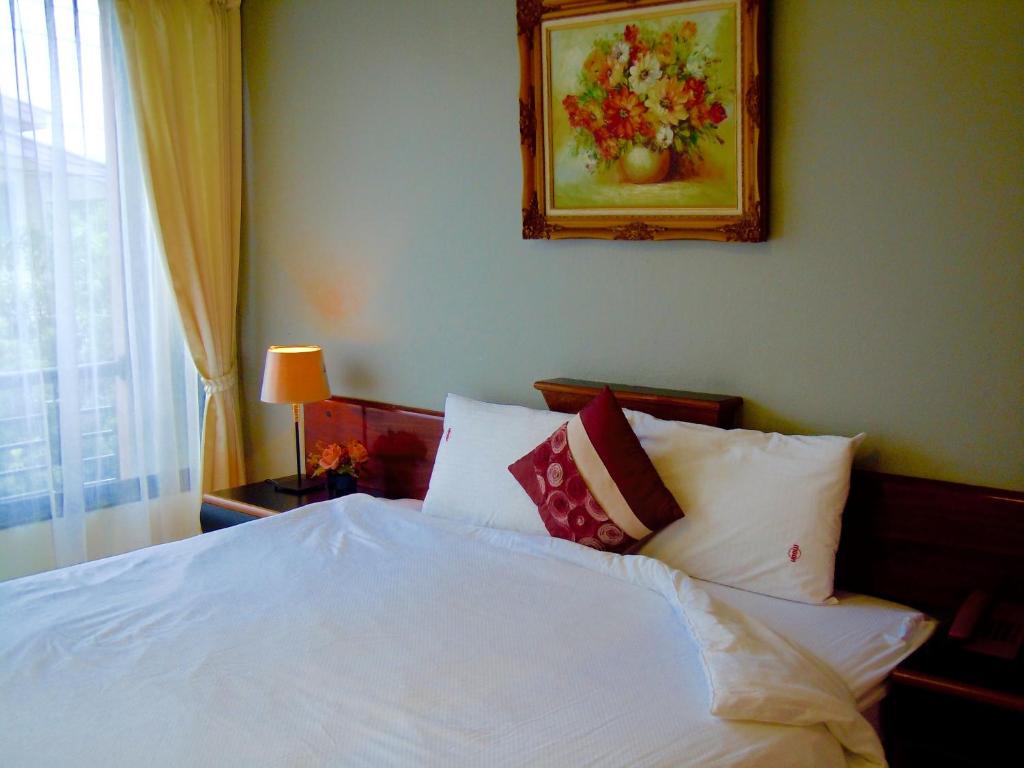
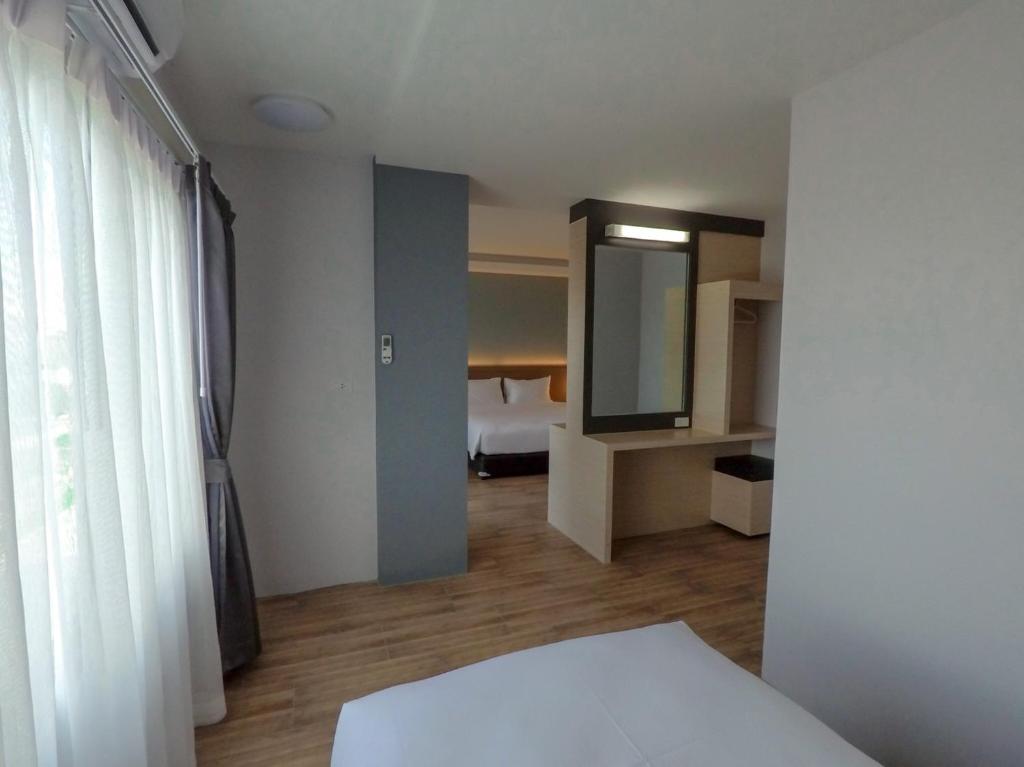
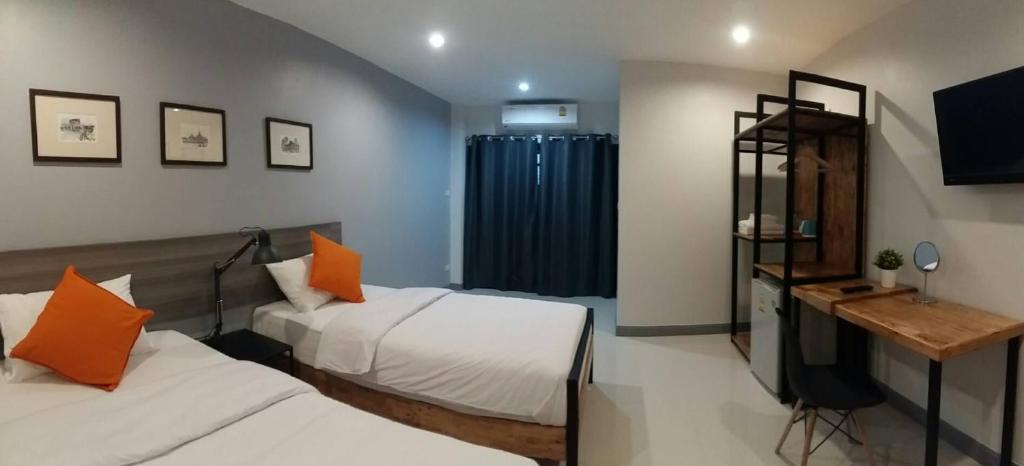
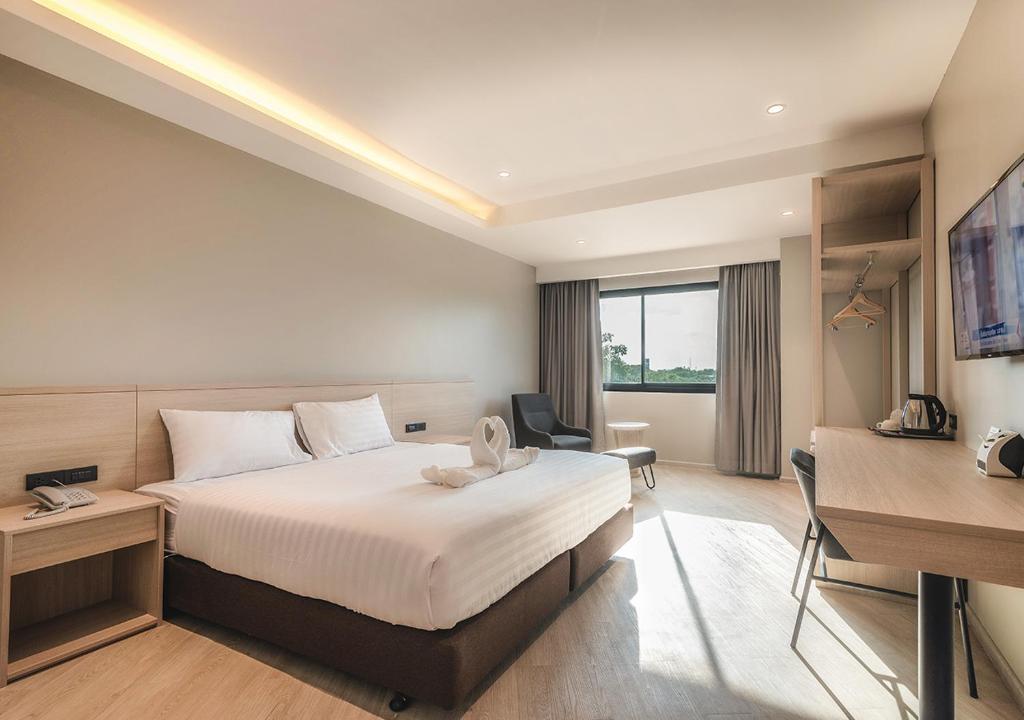
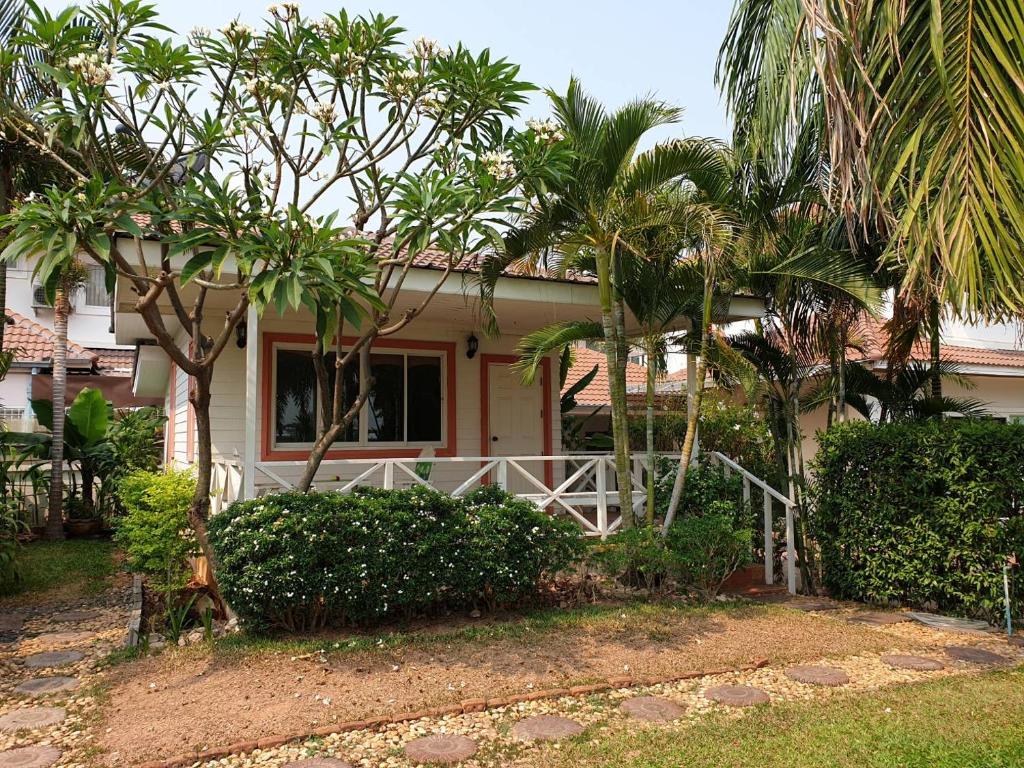
Where to stay in Korat (Nakhon Ratchasima)
When to go
Nov–Feb Cool, dry weather makes this the most comfortable time to explore Korat and day-trip to Khao Yai. Nights can be genuinely cold in December and January.
Mar–May Temperatures climb sharply. April regularly exceeds 38°C. Khao Yai's forests stay green but the heat makes any walking harder work.
Jun–Oct The wet season brings regular afternoon downpours. Khao Yai is lush and waterfalls are at their best, but dirt roads can become impassable and leeches are common on trails.
Itineraries Featuring Korat (Nakhon Ratchasima)

About Korat (Nakhon Ratchasima)
Last updated June 2026
Overview
Thailand’s northeastern gateway feels different from the beaches and temples most tourists know. Korat, officially called Nakhon Ratchasima, serves as the perfect base for exploring two distinct worlds: the authentic Isan culture of northeastern Thailand and the natural wonders of the nearby Khao Yai region. This lively provincial capital attracts travelers who want to experience the “real Thailand” – think night markets selling grilled insects, ancient Khmer ruins, and easy access to one of Thailand’s best national parks. You’ll find fewer tourists here than in Bangkok or Chiang Mai, which means more genuine interactions with locals and better prices for everything from street food to accommodation. Korat opens the first leg of our 7-day Isan road trip.
Top Things to Do
Korat works primarily as a base for exploring the wider region, with Khao Yai National Park the standout day trip. The city itself has local markets showcasing Isan specialties, temples reflecting the region’s blend of Thai and Khmer influences, and cultural sites that tell the story of this historically significant area. Night markets serve up some of Thailand’s best Isan street food: som tam, grilled meats, and sticky rice at prices far lower than you’d pay in Bangkok.
Where to Stay
Korat is a major provincial capital and a genuine transport hub, so accommodation ranges from budget guesthouses to mid-range business hotels. The city center offers the most convenience for local attractions, restaurants, and onward connections to Khao Yai and other Isan destinations. Business hotels here often provide good value, catering to both domestic travelers and tourists using the city as a regional base.
Getting There
Korat is one of the most accessible Isan cities from Bangkok. Buses from Bangkok’s Mo Chit Northern Bus Terminal take approximately 3–3.5 hours and are the most popular option. Train services connect Bangkok to Korat as well, though the journey takes longer. From Korat, buses and songthaews connect to Khao Yai and other Isan destinations.
Best Time to Visit
Northeastern Thailand experiences its coolest, driest weather from November to February, perfect for exploring outdoor attractions and the nearby Khao Yai region. March through May brings intense heat, while the rainy season runs June through October. The cool season offers the most comfortable conditions for sightseeing and regional travel.
Practical Tips
ATMs are widely available throughout the city center, and English signage becomes more common in tourist-oriented areas. Local transport typically includes songthaews (shared pickup trucks) and tuk-tuks for getting around the city. If visiting temples, dress respectfully with covered shoulders and long pants. Learning a few basic Thai phrases helps here more than in major tourist destinations, as English isn’t as commonly spoken. The city serves as an excellent place to stock up on supplies before heading to more remote regional attractions.
Insider Tip: Korat’s night markets offer some of Thailand’s best Isan cuisine at incredibly low prices. Try som tam (papaya salad), grilled meats, and sticky rice – the local versions here often taste better and cost less than what you’ll find in Bangkok’s touristy Isan restaurants.