




- Best time
- November to February
- How long
- 1–2 nights, or more for Laos
- From Bangkok
- 9 hrs by bus, 11–12 hrs by train
- Getting around
- Walkable centre; tuk-tuks for longer trips
Updated November 2026
Plan your trip
Recommended by us
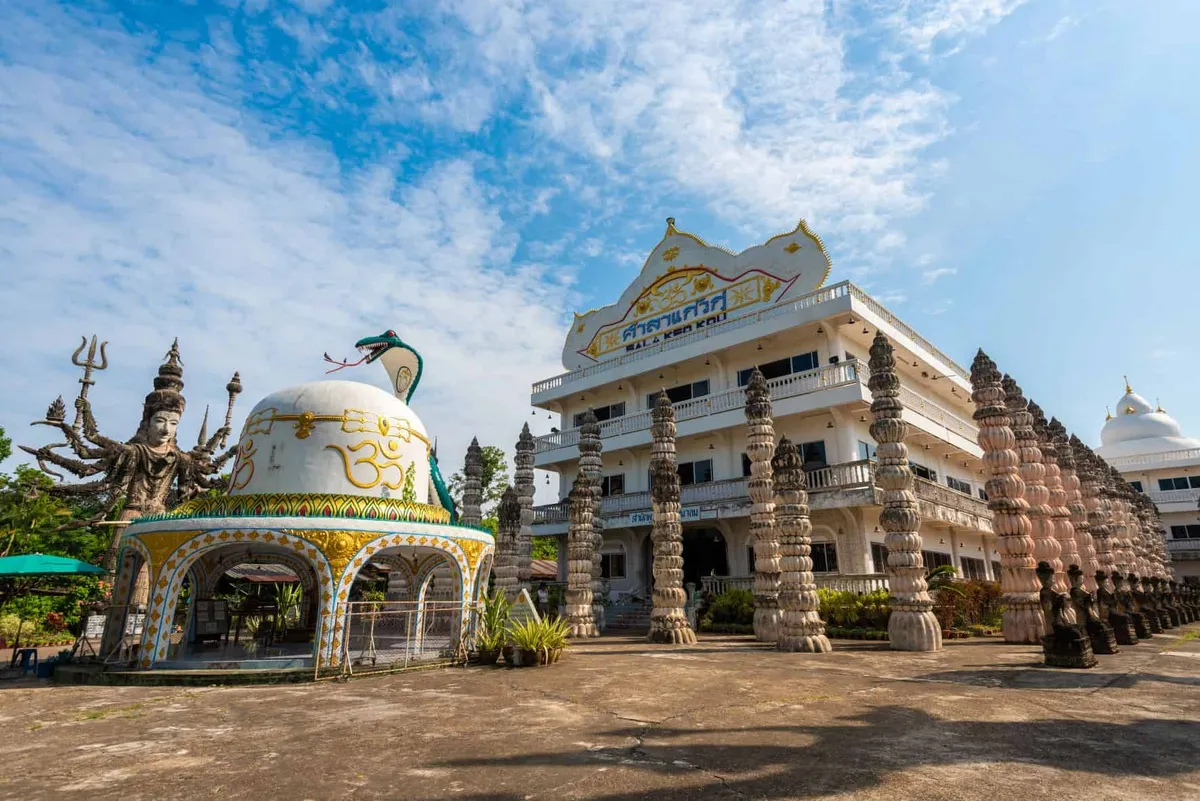
Sala Kaeo Ku (Wat Khaek)
A bizarre and absorbing park of giant concrete sculptures blending Hindu and Buddhist mythology, built by a mystic shaman. Nothing else in Thailand looks remotely like it. Allow at least an hour.

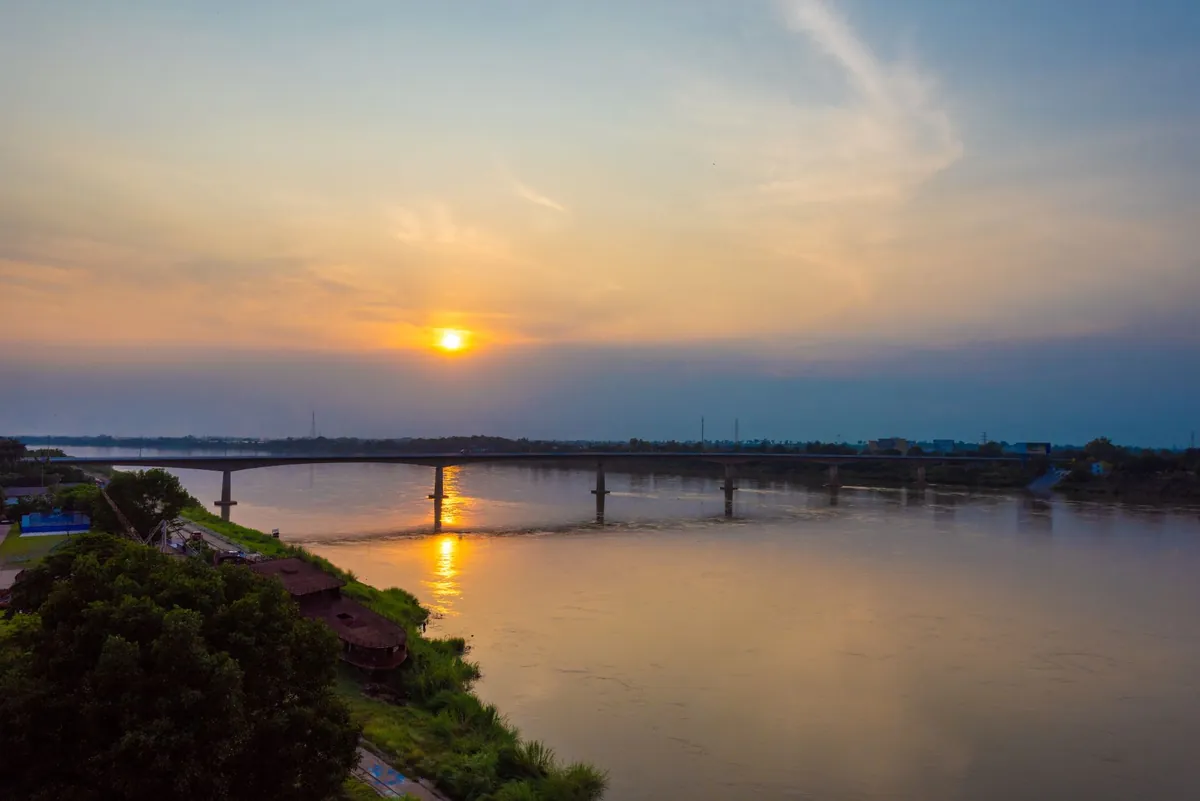
The 1st Thai – Lao Friendship Bridge
The first bridge linking Thailand and Laos across the Mekong: you can cross to Vientiane by train from here. Worth seeing at dusk when the river turns copper.

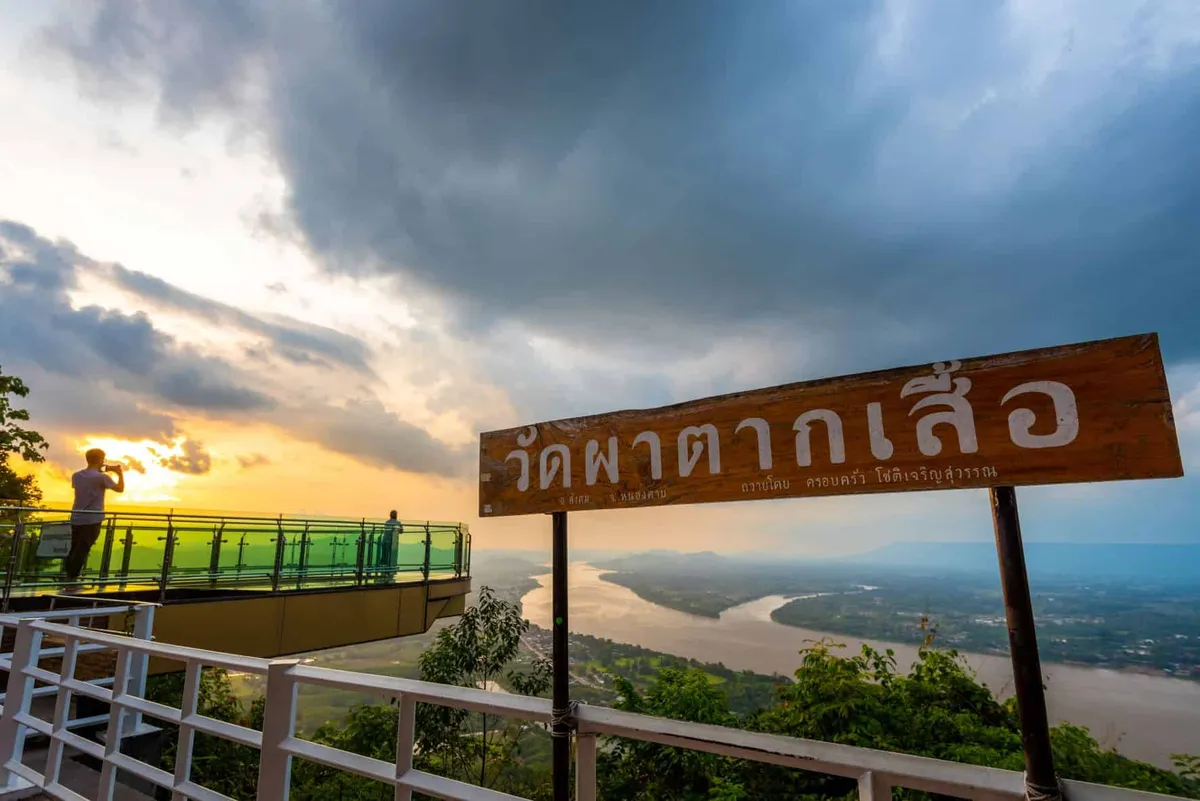
Wat Pha Tak Suea
A clifftop forest temple with a glass-floored walkway cantilevered over the Mekong. The view into Laos is the best in the province. Come early to avoid coach groups.

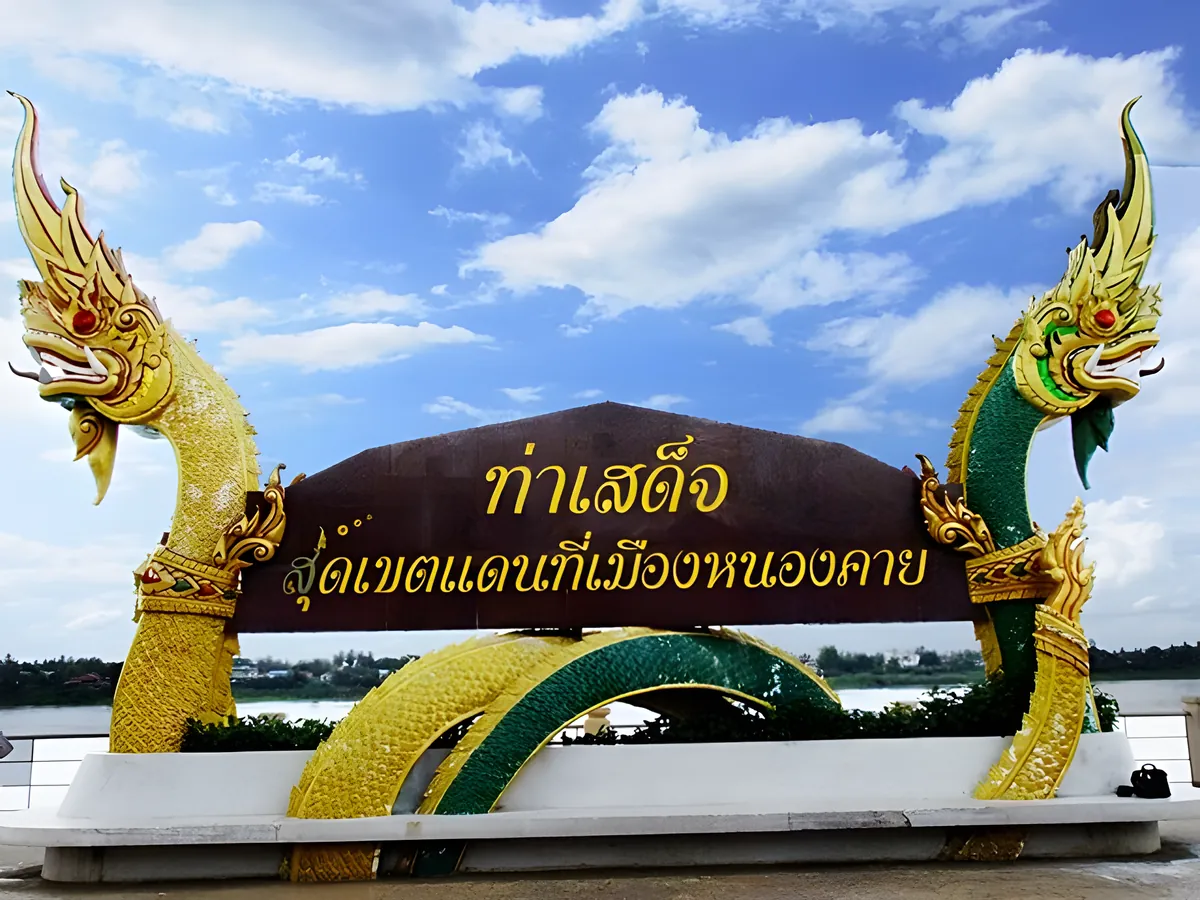
Ta Sadet Market
A Mekong-side market where Thai and Lao traders meet: Lao goods, local snacks, and river views. Mornings are busiest; many stalls pack up by noon.

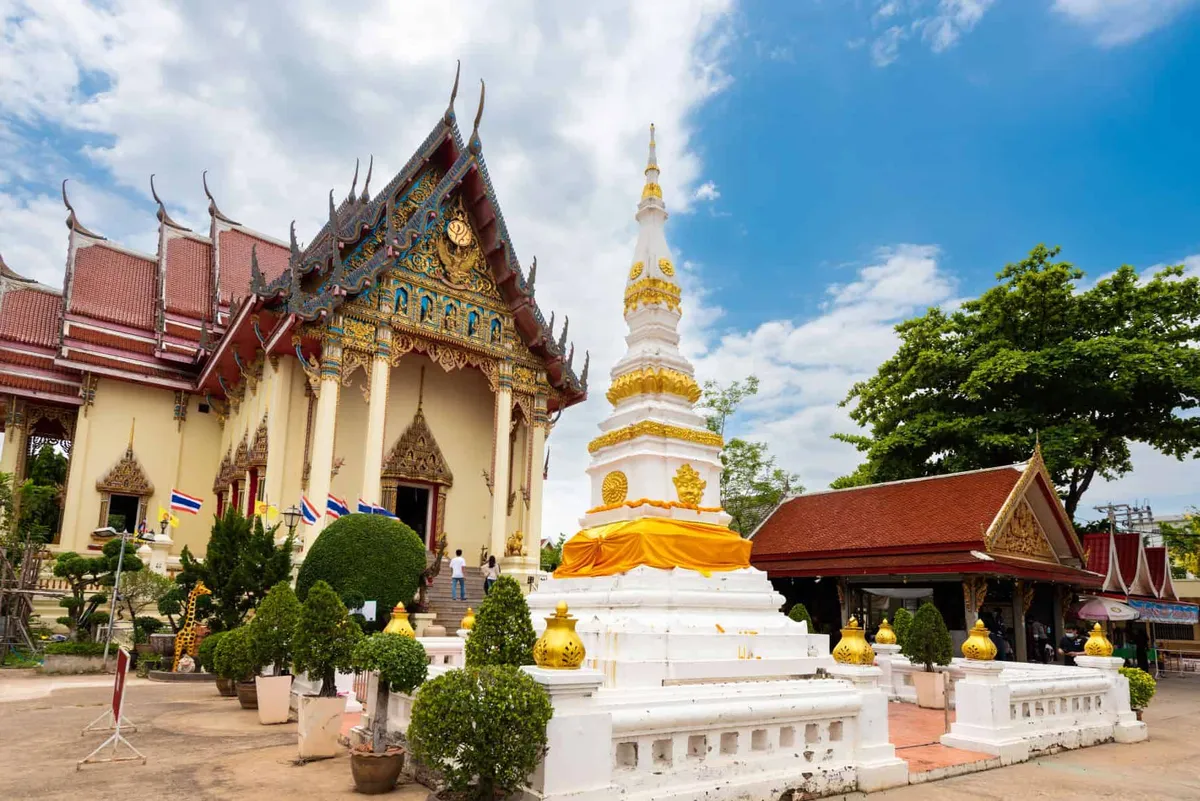
Wat Pho Chai
Nong Khai's most revered temple, housing the Phra Sai Buddha image, a gold statue with a legendary origin story and a lively annual festival in May.
Get to Nong Khai
The overnight sleeper train from Bangkok to Nong Khai takes about 11 hours. Book a lower berth and wake up by the Mekong. Buses are faster but less atmospheric.


eSIM for Thailand
Land with data already working and skip the airport SIM queue. We compared six providers. Code THAIHOLIDAY saves 10%.

Travel insurance
Sort cover before you go: if you're crossing into Laos, check your policy covers travel to neighbouring countries and has medical evacuation included.
Getting to Nong Khai
Compare buses, trains, ferries, and flights to Nong Khai.
Wats & shrines
Temples in Nong Khai

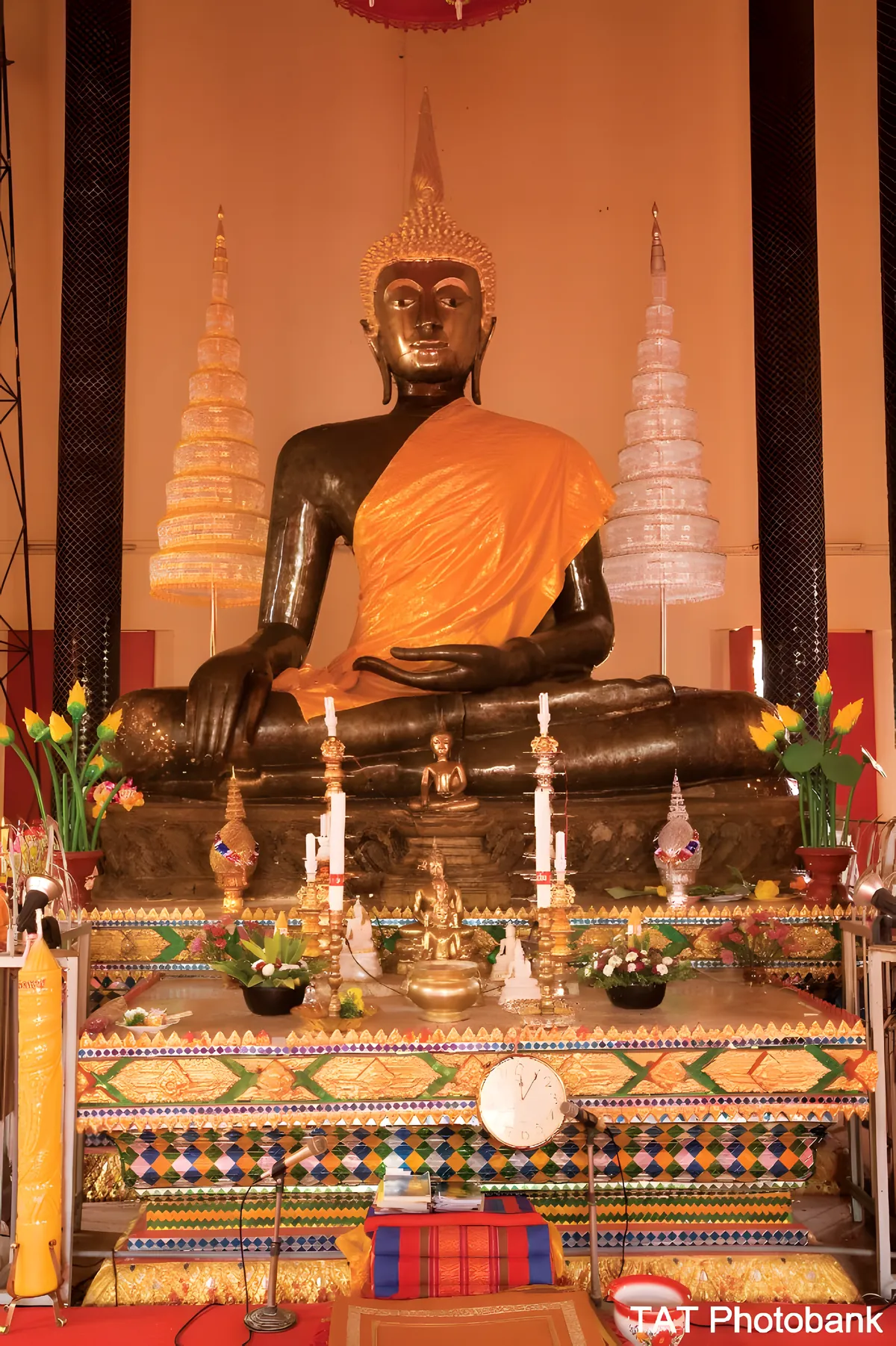
Luang Pho Phra Chao Ong Tue
หลวงพ่อพระเจ้าองค์ตื้อ

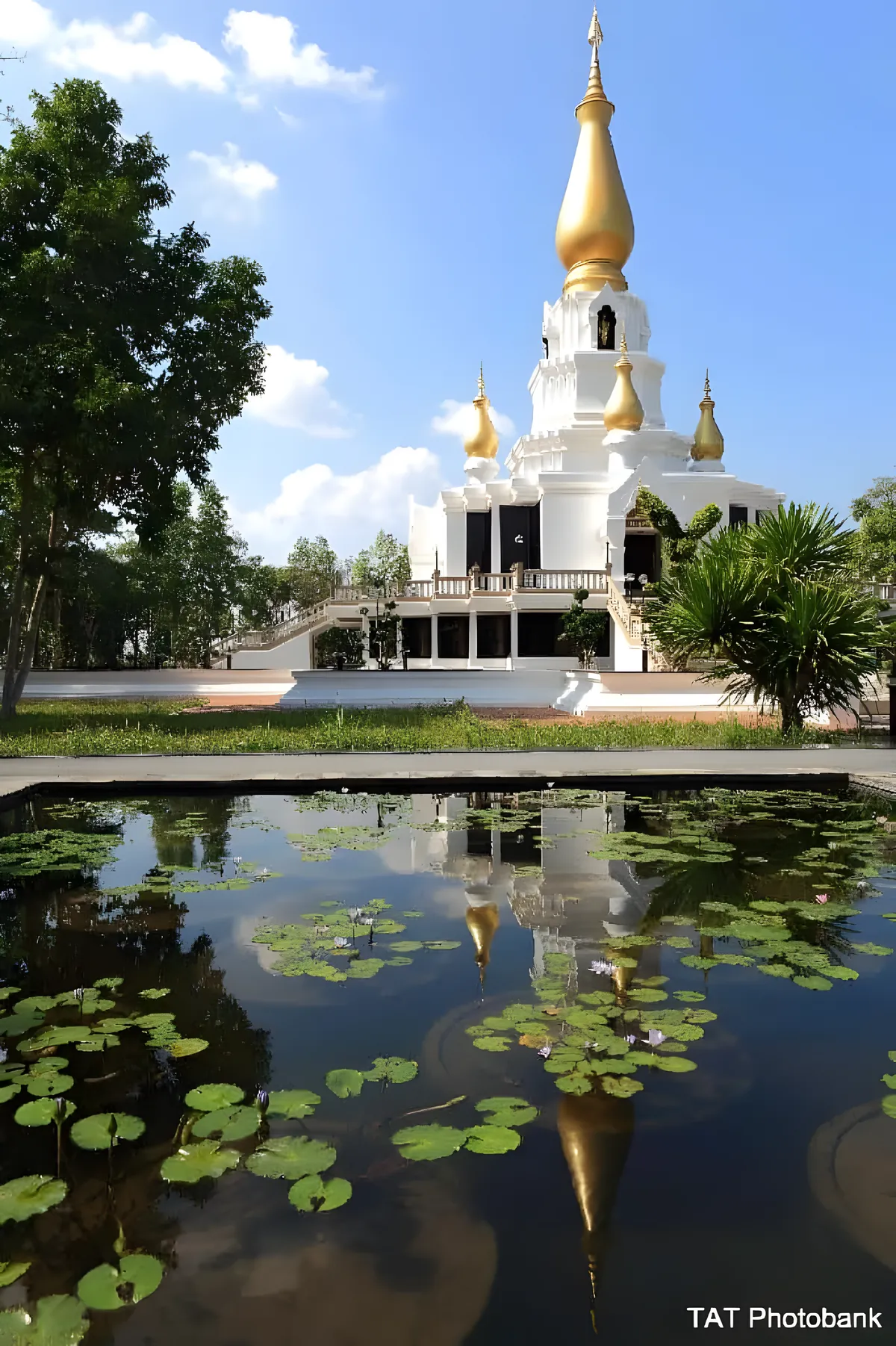
Phra Sutham Chedi, Wat Aranyabanphot
วัดอรัญบรรพต พระสุธรรมเจดีย์

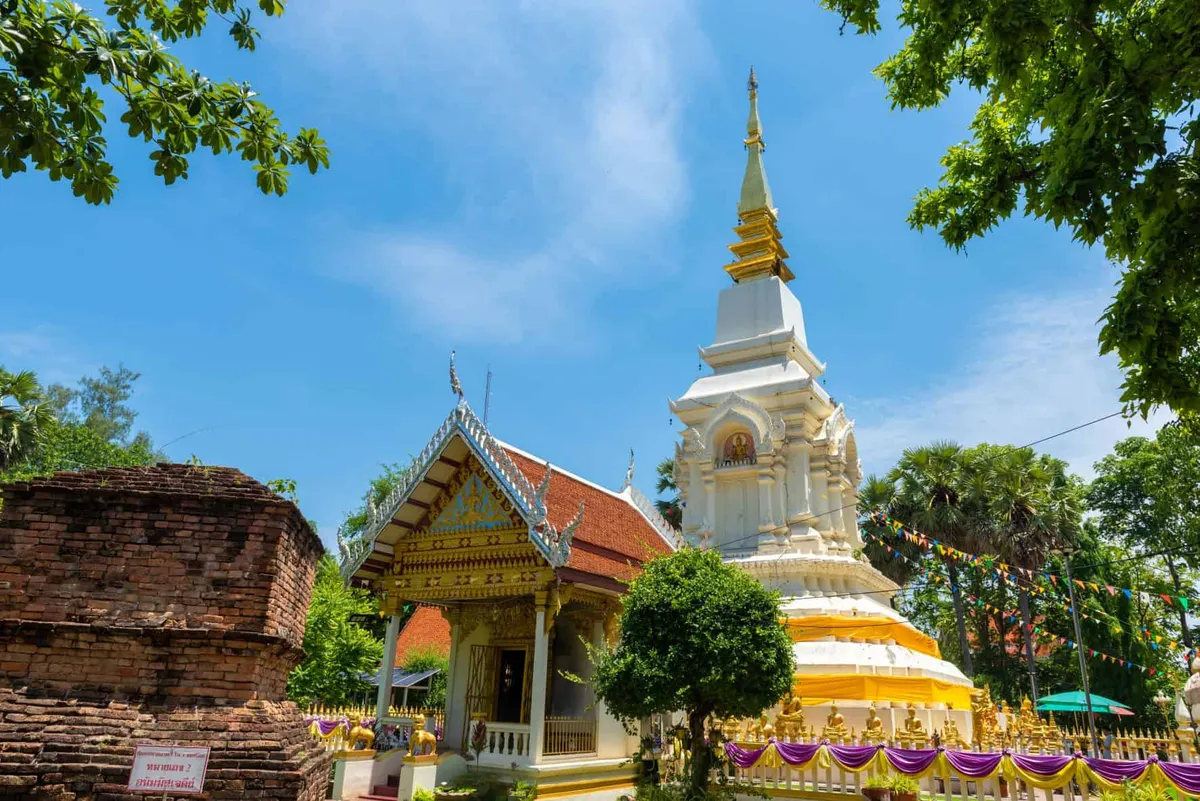
Phrathat Bang Phuan
พระธาตุบังพวน

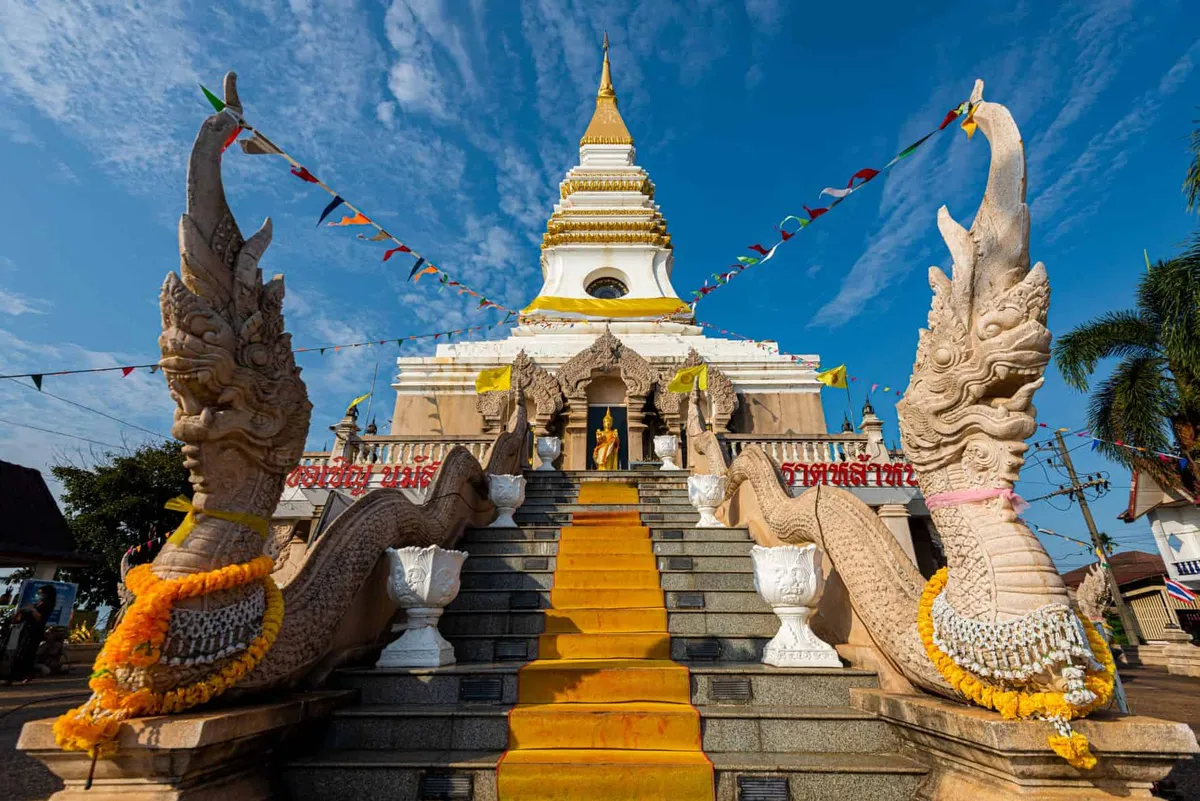
Phrathat La Nong
พระธาตุหล้าหนอง หรือพระธาตุกลางน้ำ


Wat Hin Mak Peng
วัดหินหมากเป้ง


Wat Thai
วัดไทย

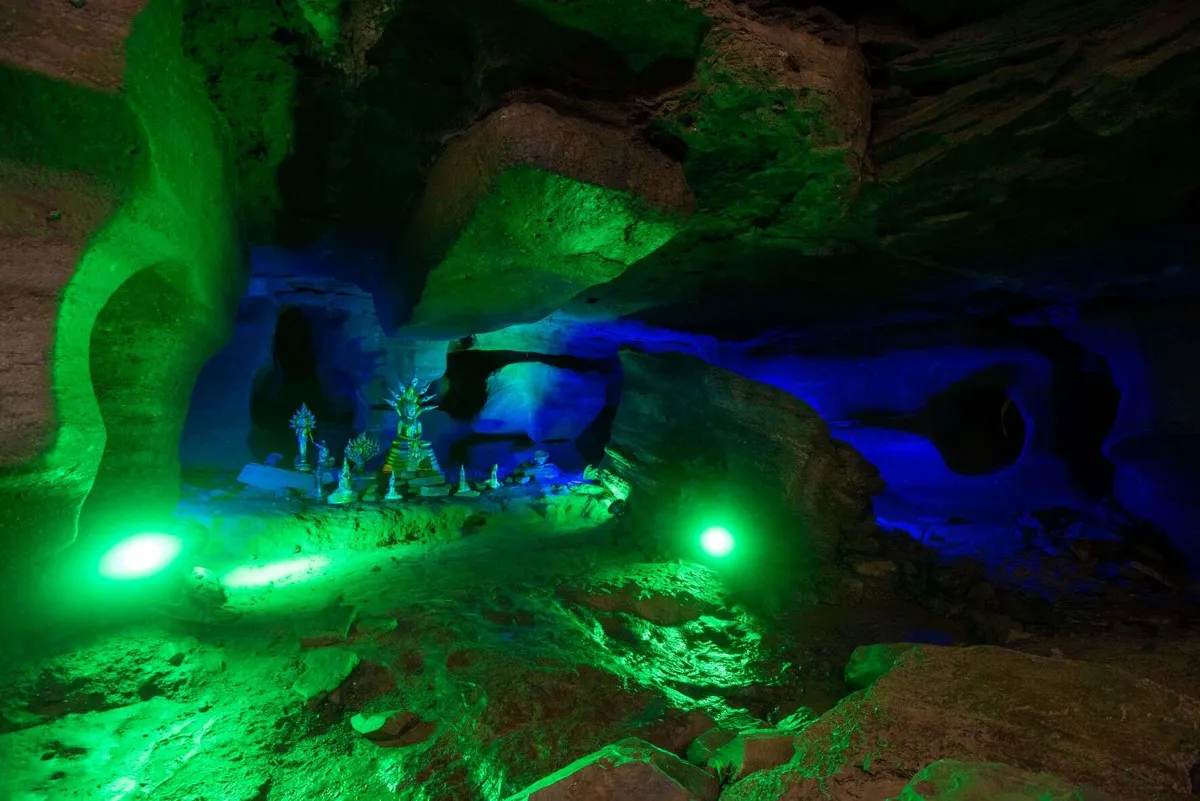
Wat Tham Si Mongkhon (Wat Tham Din Phiang)
วัดถ้ำศรีมงคล (ถ้ำดินเพียง)
Waterfalls & peaks
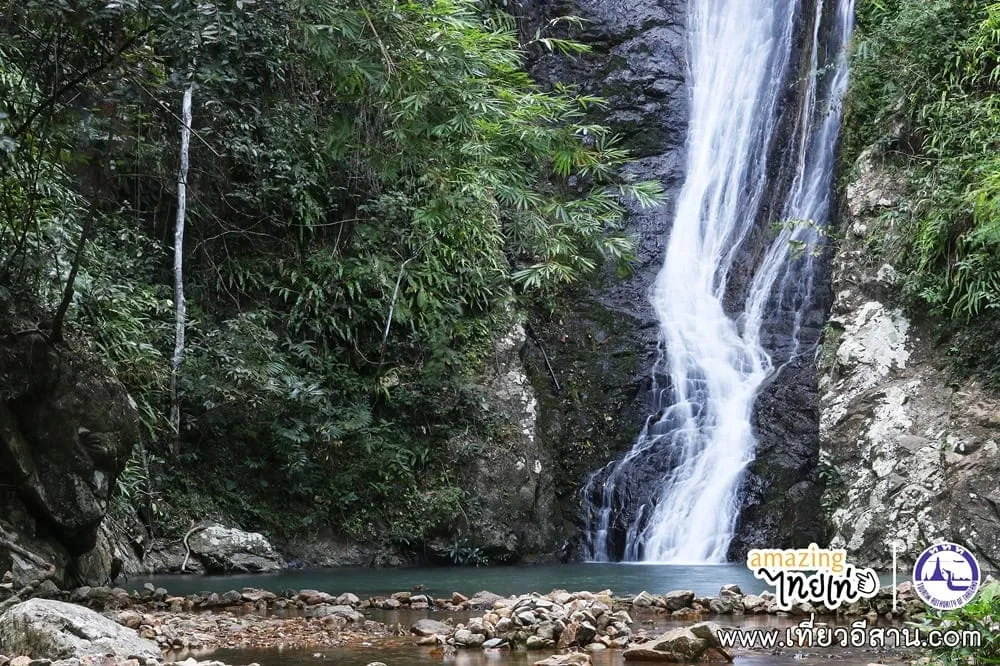
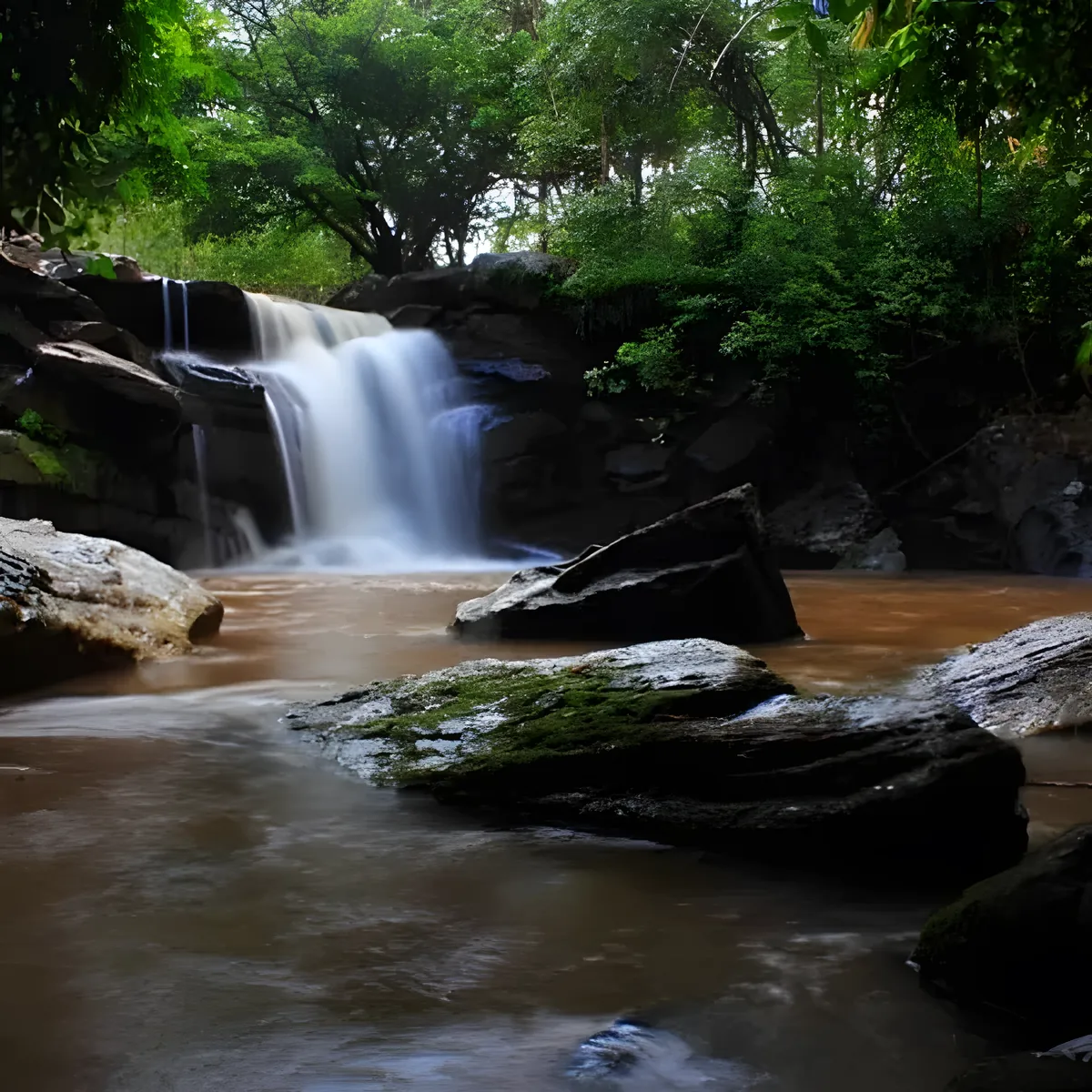
Nature & outdoors around Nong Khai







Things to do on the map
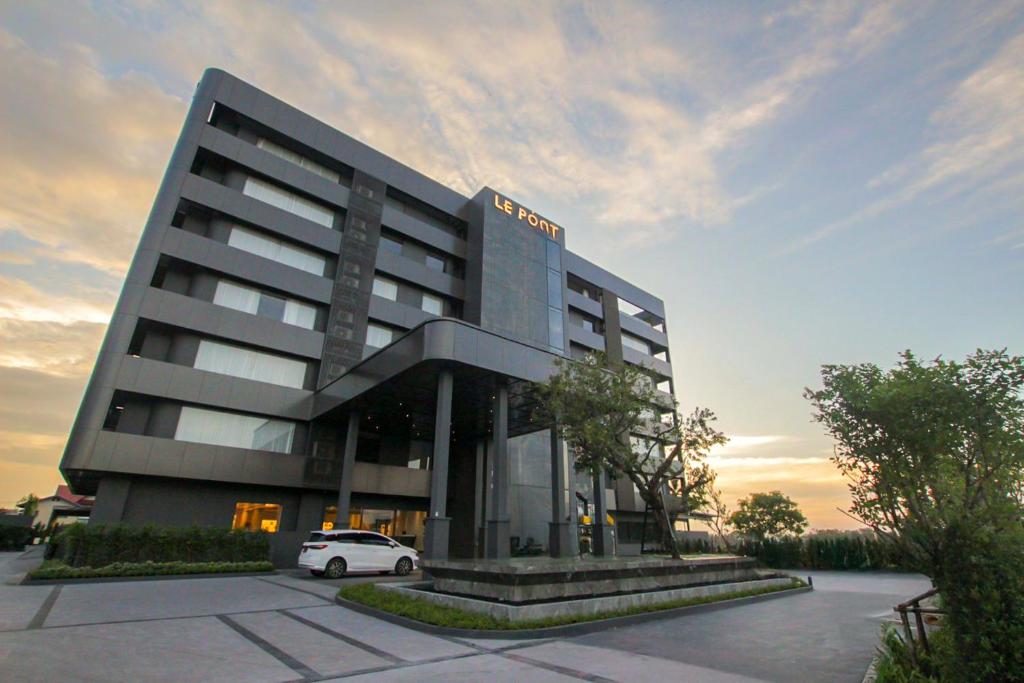
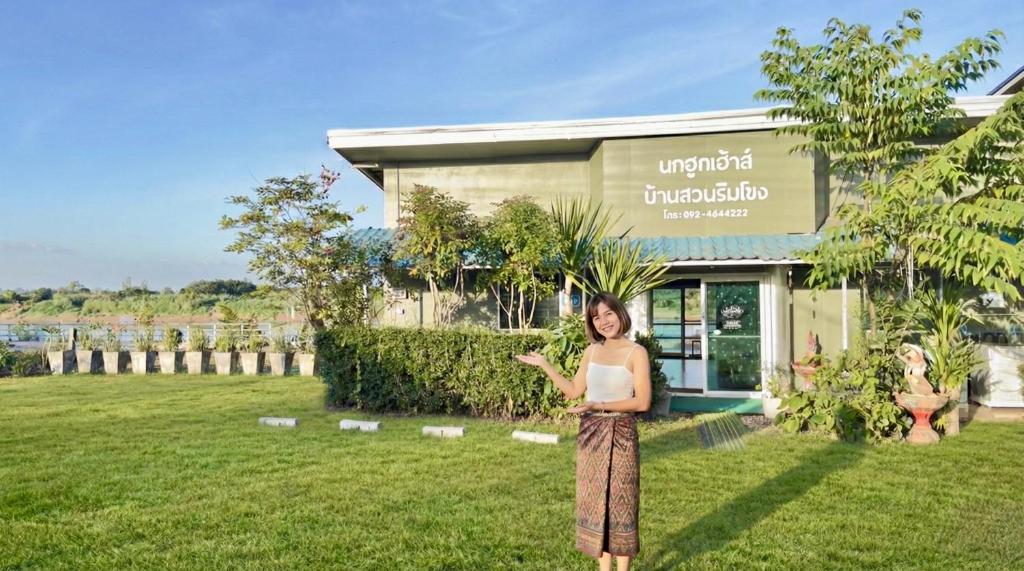
Where to stay in Nong Khai







When to go
Nov–Feb The cool dry season is the best time to visit. Temperatures are comfortable, skies are clear, and riverside walks are genuinely pleasant.
Mar–May Heat builds significantly through April and into May. Midday temperatures are high enough to make outdoor sightseeing uncomfortable, but crowds are thin and prices low.
Jun–Oct The rainy season brings humidity and regular downpours. The upside is the Mekong runs full and dramatic. The river looks its most powerful in September and October.
Events & Festivals
All events →Naga Fireball Festival
Oct 2027 · dates TBA
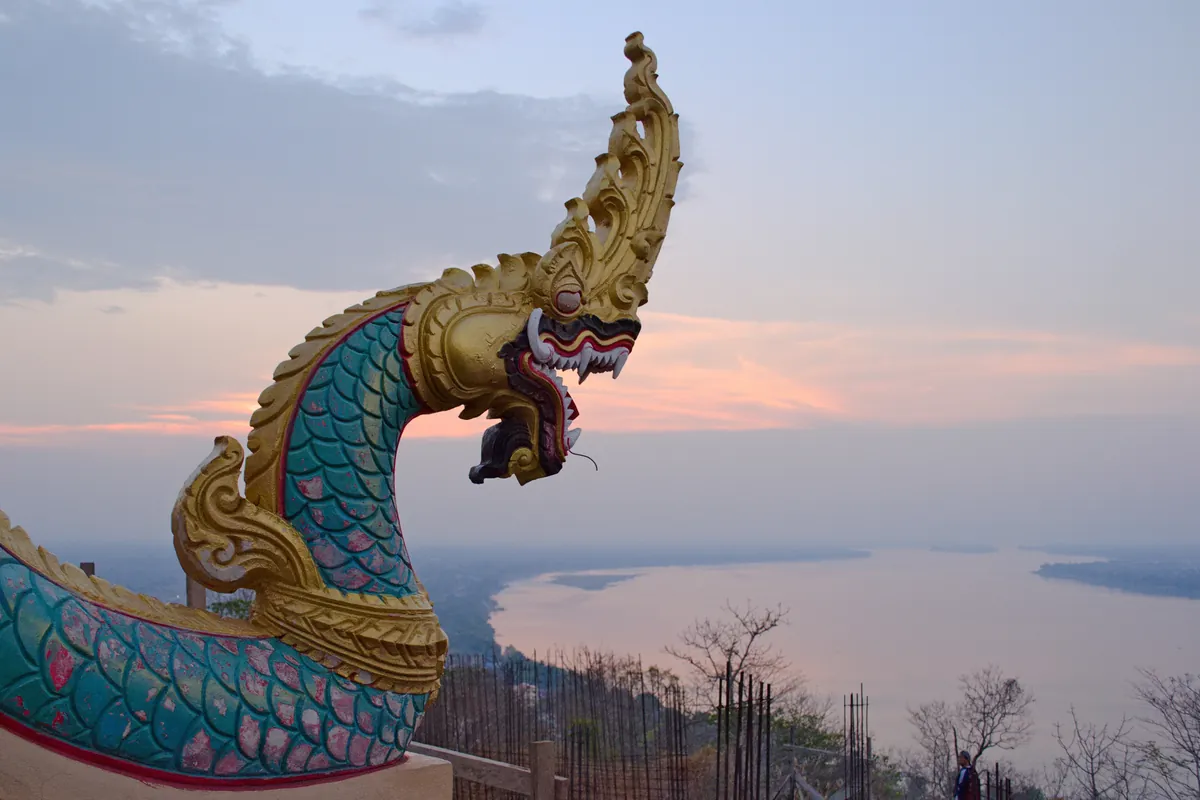
Naga Fireballs on the Mekong in Nong Khai: 316 counted over 26-27 October 2026, 2027 date TBA. Free to watch. Best spots in Phon Phisai and Rattanawapi.

Ok Phansa
Oct 2027 · dates TBA
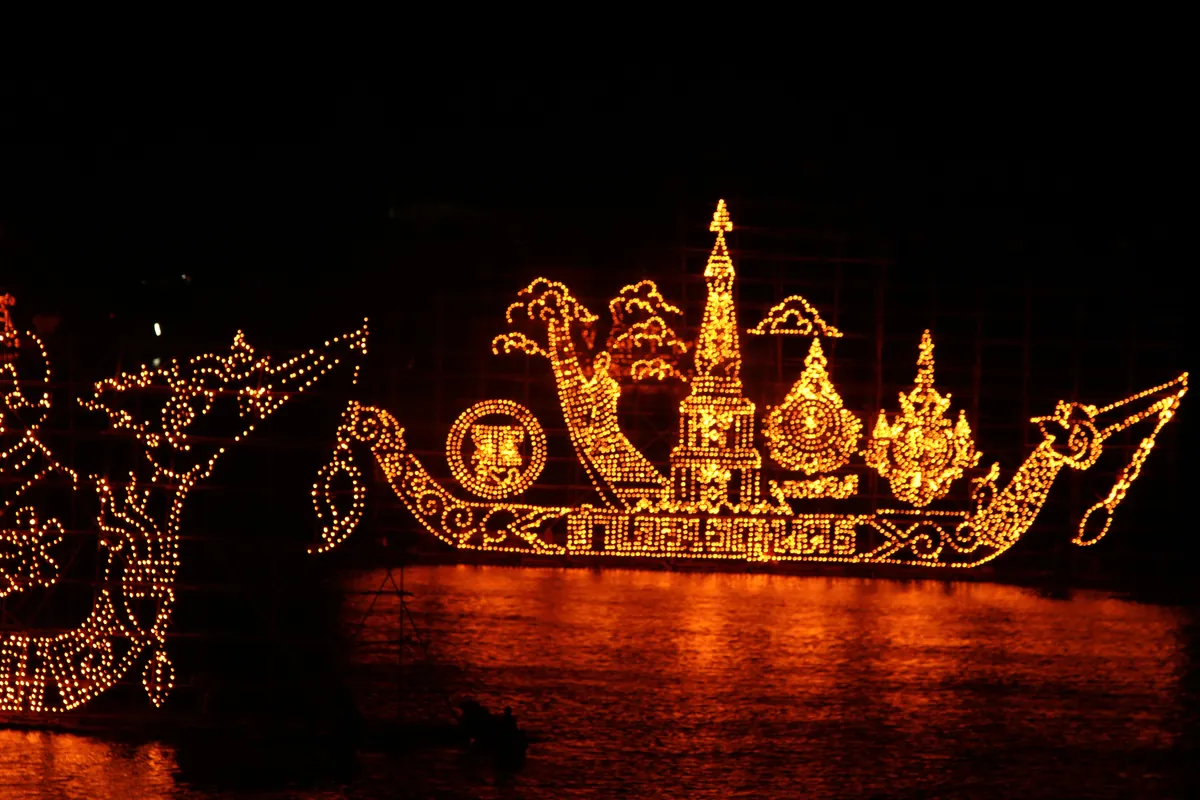
Ok Phansa 2026 fell on Monday 26 October: Nakhon Phanom's giant illuminated boats, temple merit-making, the alcohol sales ban and where to sleep. 2027 date TBA.

Itineraries Featuring Nong Khai


About Nong Khai
Last updated November 2026
This riverside town sits right on Thailand’s northeastern border with Laos, where the mighty Mekong River forms a natural boundary between countries. Nong Khai attracts travelers seeking Thai experiences without the crowds: think quiet riverside walks, local markets, and genuine cultural encounters. The town serves as both a gateway to Laos and a destination in its own right, drawing visitors who appreciate slower-paced travel and cross-border adventures. You’ll find backpackers heading to or from Vientiane, culture enthusiasts exploring Isan traditions, and travelers who simply enjoy the relaxed atmosphere of a working river town that hasn’t been overtaken by tourism.
Top Things to Do
Nong Khai’s appeal centers around its riverside setting and border town character. The Mekong River itself becomes your main attraction: long walks along the riverbank offer views across to Laos, especially beautiful at sunset. Sala Kaew Ku (Wat Khaek) is the most striking sight in the province: a sculpture park filled with enormous Hindu and Buddhist statues that feel unlike anything else in Thailand. The town’s location makes it ideal for day trips across the Thai-Lao Friendship Bridge to Vientiane, Laos’s capital, just 25 kilometers away. Local markets provide northeastern Thai (Isan) experiences, while the town’s temples reflect the region’s blend of Thai and Lao Buddhist traditions. The town’s compact size makes everything easily walkable.
Where to Stay
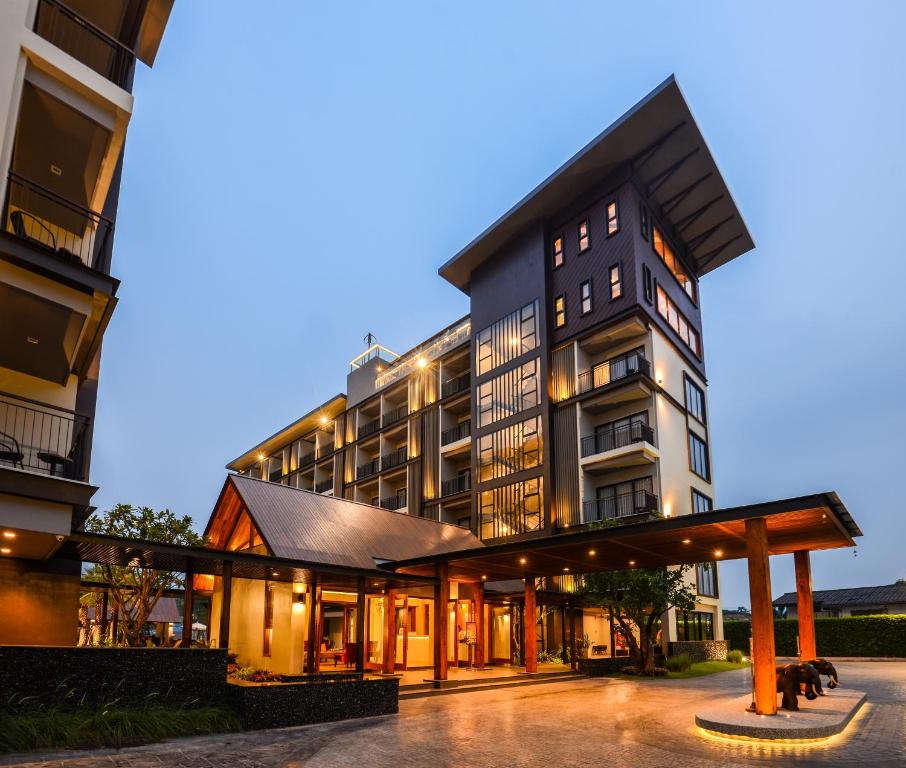
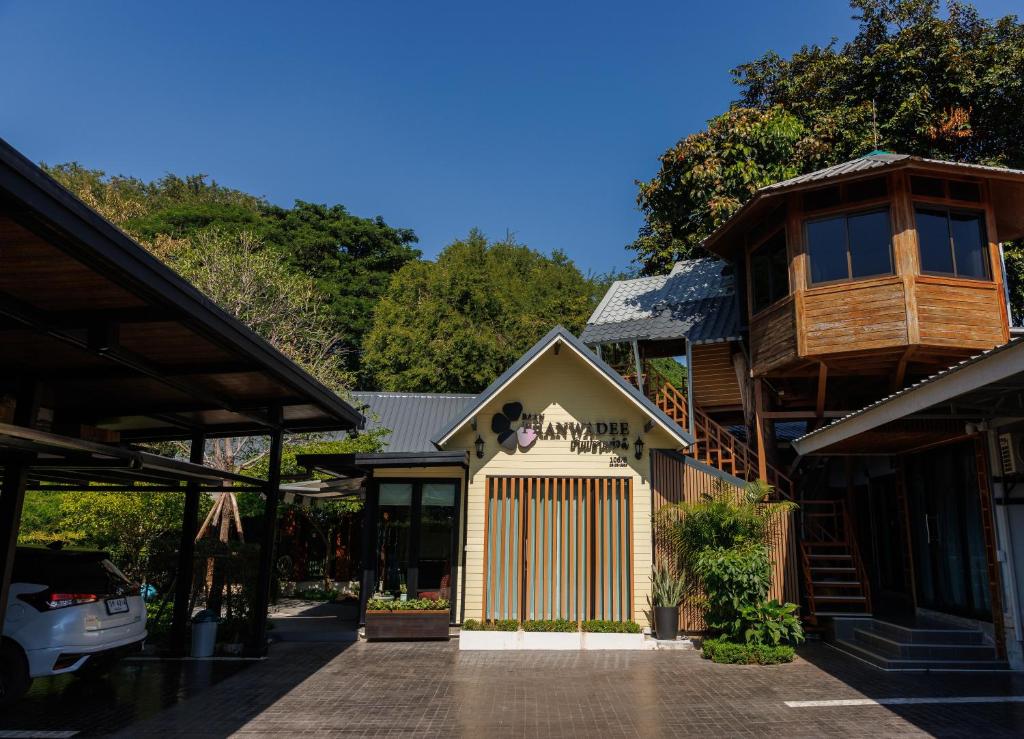
Nong Khai’s accommodation is mostly budget-friendly guesthouses and mid-range hotels that cater to border-crossing travelers and those exploring the region. Most properties cluster near the town center and riverfront area, putting you within walking distance of restaurants, markets, and river views. Expect simple, clean accommodations that focus on comfort and convenience rather than luxury. Many guesthouses cater specifically to backpackers and border-crossing travelers, while a few mid-range hotels serve visitors planning longer stays to explore the region.
Getting There
Nong Khai connects to Bangkok and other major Thai cities by bus and train. The train journey from Bangkok takes about 11-12 hours overnight, offering a scenic route through Thailand’s northeastern countryside. Buses provide faster connections, with VIP services completing the journey in about 9 hours. The town sits on a major highway, making road connections straightforward. Many visitors arrive here as part of overland routes between Thailand and Laos, using Nong Khai as either an entry or exit point. The nearest airport is in Udon Thani, about an hour away by bus or taxi.
Crossing the Friendship Bridge to Vientiane
You cannot walk across the Friendship Bridge. The sequence is the same every time: get your exit stamp at Thai immigration, buy a ticket for the shuttle bus that leaves from just past the Thai checkpoint, ride across the Mekong, then queue at the Lao side for a visa and an entry stamp. The bus ride itself takes about 10 minutes.
Most nationalities get a 30-day Lao visa on arrival. You need a passport with at least six months of validity and one passport photo, and the fee can be paid in US dollars, baht or kip. Get the photo in Nong Khai town before you go, because the border booths charge more and the queues there are longer. Taxi and tuk-tuk drivers on the Thai side quote high: figures of 500 to 1,000 baht for the ride across are common, and the shuttle bus costs a fraction of that.
If you would rather not queue at the booth, Laos accepts its eVisa at this bridge (listed by Lao immigration as Lao-Thai Friendship Bridge I) and at Khamsavath Railway Station, so one approval covers the road or the train. The Lao eVisa FAQ says applications are processed within three working days, the approval letter is valid for 60 days and the stay is 30 days (checked November 2026). The fee is non-refundable, so apply once your crossing date is fixed.
On the Lao side, Vientiane is about 20 km away, roughly 30 to 40 minutes by taxi or tuk-tuk. Agree the price before you get in. Spend or change your leftover kip before you come back, since it is worthless in Thailand.
The old shuttle train to Thanaleng stopped running on 19 July 2024. Rail passengers now use the through trains to Vientiane (Khamsavath) station, with immigration handled at the stations. For a day trip from Nong Khai, the bus is still the simpler choice.
Best Time to Visit
Isan’s cool season makes November through February ideal for visiting Nong Khai, when temperatures stay comfortable and rainfall remains minimal. March through May brings intense heat that can make riverside walks uncomfortable during midday hours. The rainy season runs June through October, though this can actually be pleasant for experiencing the Mekong at its fullest and most dramatic. Border crossings tend to be busiest during cool season months and around major holidays.
Practical Tips
ATMs are readily available throughout the town center, and most accept international cards. While English isn’t widely spoken compared to tourist hotspots, basic phrases help with local interactions. The town is easily navigable on foot, though tuk-tuks and songthaews provide transport for longer distances. If crossing to Laos, ensure your passport has adequate validity and check current visa requirements. The border crossing operates during set hours, so plan accordingly for day trips.
Insider Tip: Time your visit during the full moon for the best river atmosphere. Locals gather along the Mekong for evening activities, and the riverbank walk is at its best under a bright moon.