







Thailand’s Destination Thailand Visa (DTV) is a five-year, multiple-entry visa for remote workers, freelancers, eligible activity participants, and their dependants. Each entry permits up to 180 days, with one extension of up to 180 days available through Thai Immigration.
This guide covers exactly what you need to apply, what it costs, where to submit your application, and whether the DTV actually makes sense for your situation versus the other options.
Last checked: 11 October 2026 (ICT) against MFA DTV materials and Royal Thai Embassy pages (including London). Mission checklists differ. Ask your embassy directly about any requirement it does not publish. Cross-check arrival rules in our Thailand entry requirements guide.
From 31 August 2026, 00:00 Thailand time: Several Thai missions, including the Royal Thai Embassy in London, now require (1) proof you are a national or permanent resident of the territory that mission covers, and (2) a police / criminal record clearance certificate issued within six months of submission (for example an ACRO certificate in the UK; dependants under 16 may submit the primary holder’s certificate). The change is appearing mission by mission, so confirm the checklist for the embassy or consulate you will use. Core DTV terms are unchanged: roughly 500,000 THB financial evidence, 5-year multiple-entry validity, 180 + 180 days per entry, and no work for Thai companies or Thai clients.
-
Visa type: Destination Thailand Visa (DTV), multiple-entry, valid for 5 years
-
Stay per entry: 180 days, extendable once for another 180 days (360 total per entry)
-
Fee: Set in local currency by the embassy or e-Visa office; generally non-refundable
-
Financial evidence: Commonly equivalent to at least 500,000 THB; document rules vary by office
-
From 31 Aug 2026: Police/criminal clearance (issued within 6 months) is mandatory at missions that have adopted the change; apply only where you are a national or permanent resident of that mission’s territory
-
Health insurance: Check the application-office checklist and arrange suitable medical cover
-
Who qualifies: Remote workers / freelancers (workcation), listed soft-power activities (Muay Thai, cooking, sports, medical, seminars, music festivals), and eligible dependants. Confirm the embassy list
-
Key restriction: Cannot work for Thai companies or earn income from Thai clients
-
Apply at: Thai embassy/consulate responsible for your nationality/PR, or thaievisa.go.th
Quick answer
The DTV is most useful for people planning repeated or extended stays who can document remote work, freelance activity, or an eligible Thai activity. It is usually excessive for a short holiday. Requirements, local-currency fees, supporting documents, and extension evidence can differ by embassy and immigration office, so use the checklist issued by the office handling your application.
| Option | Best for | Typical stay pattern | Main tradeoff |
|---|---|---|---|
| DTV | Remote workers and eligible activity participants | Up to 180 days per entry on a multi-entry visa | Financial and activity evidence required |
| Visa exemption | Eligible short-stay visitors | Short tourism or business visit | Nationality rules can change |
| Tourist visa | Visitors who need a visa in advance | One tourism stay with possible extension | Less flexible for repeated long stays |
| Non-Immigrant visa | Work, study, retirement, or family purposes | Depends on category | More category-specific evidence |
| Thailand Privilege | Applicants who prefer a paid long-stay membership | Multi-year membership | High upfront cost |
How we picked these visa comparisons
Compare permitted purpose, stay length, repeat-entry needs, evidence burden, and total cost. The DTV should solve a real long-stay need; it is not automatically the best choice simply because it lasts five years.
How to choose
Use visa exemption or a tourist visa for a straightforward short visit. Consider the DTV for repeated remote-work or eligible activity stays, and use the relevant Non-Immigrant category when your purpose is Thai employment, study, retirement, or family residence.
What Is the DTV Visa?
The DTV was introduced by the Thai government in July 2024 as part of a push to attract long-stay visitors who spend money in Thailand but don’t take jobs from Thai workers. It replaced the patchwork approach where digital nomads were technically working illegally on tourist visas, something immigration largely ignored but never formally sanctioned.
The visa gives you 180 days per entry. You can extend once at a Thai Immigration Office for another 180 days, giving you up to 360 days of continuous stay. The visa itself is valid for 5 years with multiple entries, so you can leave and return to Thailand repeatedly without reapplying.
The central visa schedule lists 10,000 THB, while embassies charge locally set fees that can differ substantially. Check the amount and payment method published by the office processing your application.
Who the DTV Is Actually For
The DTV covers a broader range of people than most “digital nomad visas” in other countries. You qualify if you fit into any of these categories:
- Remote workers and freelancers: employed by or contracting for companies outside Thailand
- Digital nomads: running an online business that serves non-Thai clients
- Content creators: YouTubers, bloggers, photographers earning from platforms or international sponsors
- Muay Thai trainees: enrolled in a training program at a Thai gym
- Cooking course students: enrolled in a Thai cooking program (listed soft-power activity)
- People attending seminars, workshops, music festivals, or sports training: with proof matching the embassy checklist
- Medical tourists: undergoing extended treatment at Thai hospitals
- Yoga / wellness retreats: not listed on the central MFA DTV soft-power examples; only apply under this heading if your processing embassy explicitly accepts it
The common thread: you’re spending money in Thailand, not earning it from Thai sources. For a full overview of the digital nomad lifestyle in Thailand, including coworking spaces and cost of living, see our dedicated guide.
DTV Requirements: What You Actually Need
Here’s what Thai embassies require. Fair warning: requirements vary slightly between embassies, and some are stricter than others. This list covers what most embassies ask for.
Documents and financial evidence
All applicants need passport identification, a recent photograph, financial evidence equivalent to at least 500,000 THB, and documents for the selected DTV category. From 31 August 2026, missions that have adopted the new checklist also require proof of nationality or permanent residence in the territory that embassy or consulate covers (replacing a looser “current location” document at posts such as London), plus a police clearance / criminal record certificate issued within six months of submission. Exact passport validity, photo format, statement period, file size, flight evidence, and accepted proof of income still vary by application office.
Some offices accept bank statements, payslips, or sponsorship evidence. Do not treat an annual salary of 500,000 THB as a universal substitute for the financial threshold. Use the checklist published by the embassy or e-Visa office handling your application.
Health insurance is sensible for a long stay but is not listed in the central MFA DTV requirements. Only present it as a visa document when your processing office explicitly requests it.
Activity-Specific Proof
This is where it gets specific to your category:
For remote workers/freelancers:
- Employment contract or letter from your employer confirming remote work arrangement
- Freelance contracts with non-Thai clients
- Business registration documents (for business owners)
- Portfolio or website showing your work (some embassies accept this, others don’t)
For course/retreat attendees:
- Enrollment confirmation from the course provider
- Payment receipt for the course
- Course schedule and duration details
For Muay Thai trainees:
- Letter from the gym confirming your training program
- Payment receipt or training package details
How to Apply: Step by Step
You have two routes: apply in person at a Thai embassy or consulate, or apply online through the e-visa system.
Apply through the responsible office
Use the Thai e-Visa portal or the embassy or consulate responsible for your nationality or permanent residence. From 31 August 2026 many posts no longer accept “apply wherever is convenient” filings. Each office publishes its own fee, accepted payment method, supporting-document rules (including police clearance), and processing estimate. Do not choose an office based on online claims that it is easier or more flexible.
Apply well before travel and respond promptly if the office requests further evidence. Save the approval document for check-in and arrival.
DTV vs Other Thai Visa Options
Choosing the right visa depends on how long you want to stay and how much hassle you’re willing to deal with. Here’s how the options compare:
| Visa Type | Stay Duration | Cost | Multiple Entry | Extension | Best For |
|---|---|---|---|---|---|
| Visa Exemption | 30 days for 60 listed countries since 15 Sep 2026 (Mauritius & Seychelles 15 days) | Free | No | +30 days (1,900 THB) | Short holidays, quick trips |
| Tourist Visa (TR) | 60 days | 1,000 THB | Single, or multiple (METV) | +30 days (1,900 THB) | Planned holidays, 2-3 month stays |
| DTV | 180 days | Local embassy fee | Yes (5-year) | One extension up to 180 days | Remote workers, long stays |
| ED Visa | Depends on course and permission | Check current office fee | Depends on visa | Immigration rules apply | Eligible students |
| Thailand Privilege | 5-20 years | 650,000-5M THB | Yes | Membership benefit | High-budget long stays |
| Non-O (Retirement) | Depends on permission | Check current office fee | Depends on visa | Immigration rules apply | Eligible retirees 50+ |
One caveat on the exemption row: the Royal Gazette published on 31 August 2026 ends the 60-day measure from 15 September 2026. From that date most listed nationalities get 30 days (Mauritius and Seychelles 15 days), which makes the DTV or Tourist Visa relatively more attractive for one- to two-month stays. See the current status in our entry requirements guide.
For stays under 90 days, the visa exemption or Tourist Visa still makes more sense for many travellers (less paperwork, lower cost) but since 15 September a 30-day exemption no longer covers a six- to eight-week trip without an extension. Check our Thailand entry requirements guide for the full breakdown of all visa types and the TDAC digital arrival card process.
The DTV hits a sweet spot for anyone staying 3-12 months. The ED visa requires actual class attendance (Thai language, cooking, etc.) and the schools handle the visa. Thailand Privilege starts at 650,000 THB for Bronze, while the invitation-only Reserve tier is 5,000,000 THB. Bronze was due to close to new applicants on 30 September 2026; and agents report it was extended to 31 December 2026, but thailandprivilege.co.th shows no deadline, so confirm it is still on offer before you apply.
Common Rejection Reasons (and How to Avoid Them)
Visa fees are generally non-refundable, so use the checklist and fee published by the office handling your application.
Insufficient financial proof: Statement periods and balance-history rules vary. Submit the exact evidence and history requested by your processing office.
Vague proof of remote work: “I’m a freelancer” with no supporting documents will get rejected. Provide contracts, invoices, client emails, or an employment letter on company letterhead. The more specific, the better.
Insurance: The central MFA checklist does not state a DTV insurance threshold. Arrange suitable medical cover for the trip and follow any additional document request from your processing office.
Missing or outdated documents: Identity photographs, bank statements, and supporting letters must meet the processing office’s date and format rules. Use its current checklist.
Applying for the wrong category: If you say you’re attending a Muay Thai course but can’t provide enrollment proof, the application falls apart. Match your stated purpose to your documentation.
What “Proof of Remote Work” Actually Means
This is the question everyone asks, because it’s genuinely vague. Here’s what embassies actually accept in practice:
Strong evidence (almost always accepted):
- Employment letter from your company on official letterhead, stating you work remotely and will continue to do so from Thailand
- Active freelance contracts with non-Thai clients, showing your name and payment terms
- Business registration documents if you own a company outside Thailand
Moderate evidence (usually accepted, depends on embassy):
- Bank statements showing regular income deposits from international sources
- Tax returns showing self-employment or freelance income
- Invoices from the last 6-12 months with client details
Weak evidence (risky, may get rejected):
- Screenshots of your Upwork or Fiverr profile
- A website or portfolio with no proof of actual clients or income
- A letter you wrote yourself describing your work
The safest approach: combine an employment letter or contracts with bank statements showing regular income. This covers both “what you do” and “you can afford to be here.”
Tax Implications: The 180-Day Rule
If you stay in Thailand for 180 days or more in a calendar year, you become a Thai tax resident. Assessable foreign income earned from 1 January 2024 onward may be taxable when remitted to Thailand in the same or a later tax year, subject to exemptions and treaty relief.
What this means in practice:
- If you transfer your salary or freelance income to a Thai bank account while you’re a tax resident, it may be subject to Thai income tax
- Thailand has double tax agreements (DTAs) with over 60 countries, which can prevent double taxation
- The enforcement of this rule on foreign remote workers is still evolving, but it’s on the books
This is not tax advice. If you plan to stay 180+ days, consult a tax professional who understands both Thai tax law and your home country’s tax obligations. This is especially important for US, UK, and Australian citizens who have worldwide tax obligations regardless of where they live.
For managing your money while in Thailand, including bank accounts, ATM fees, and the best ways to transfer funds, see our money in Thailand guide.
Best Cities in Thailand for Digital Nomads
If you’re coming to Thailand on a DTV to work remotely, where you base yourself matters. Internet speed, coworking availability, cost of living, and lifestyle all vary significantly between cities.
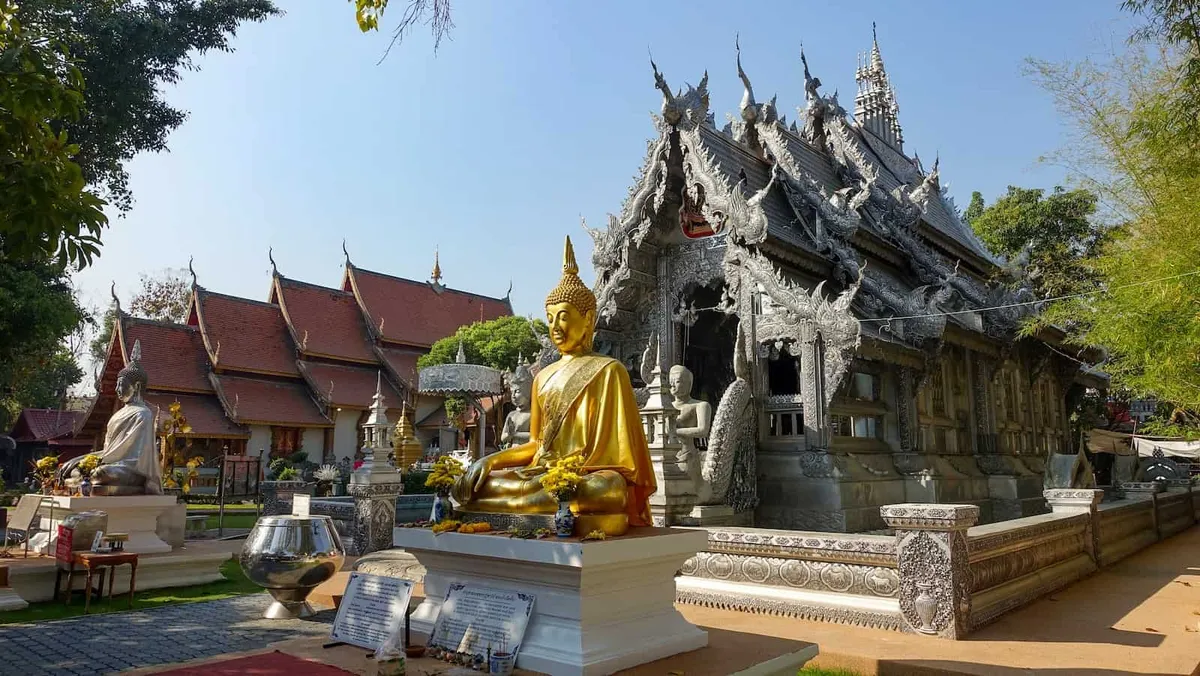
Chiang Mai
The original digital nomad hub in Southeast Asia, and still one of the best. Low cost of living (25,000-40,000 THB/month for a comfortable life), fast internet, dozens of coworking spaces, and a massive community of remote workers. The old city area and Nimman neighbourhood are the main nomad zones. Cooler weather than Bangkok, good coffee culture, and easy access to nature.
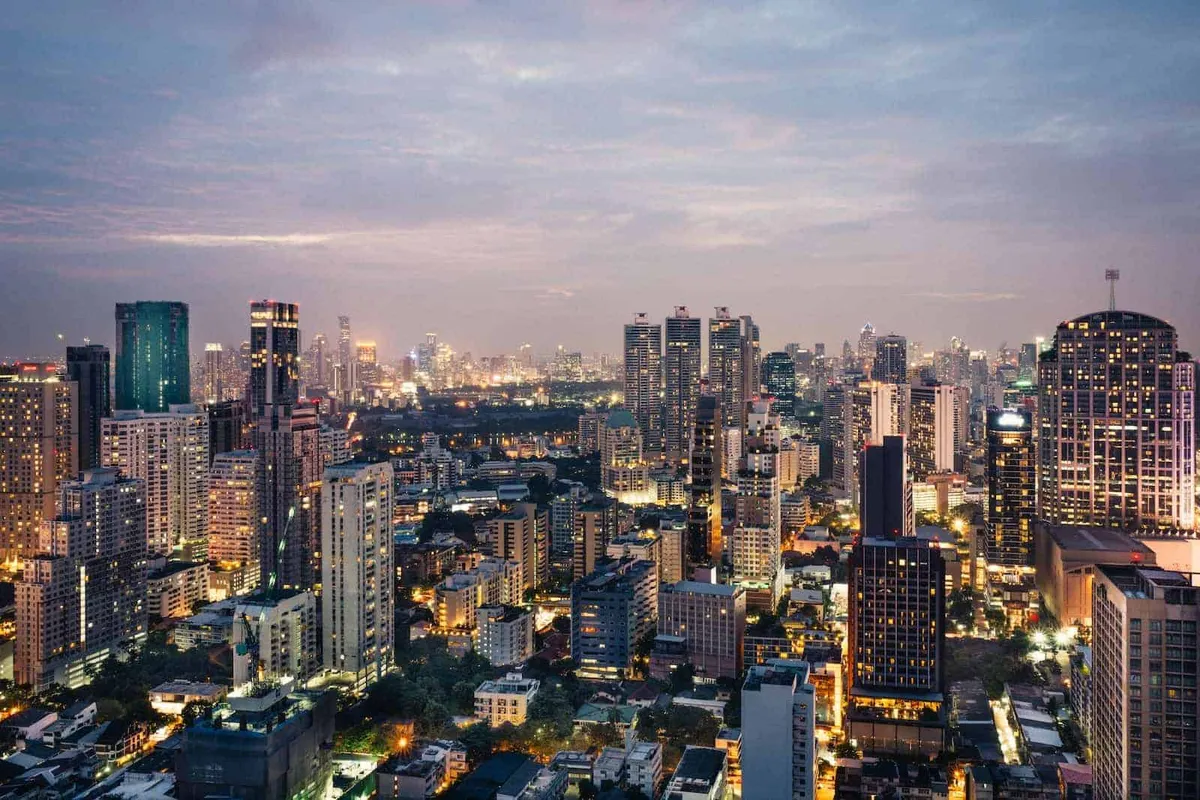
Bangkok
More expensive than Chiang Mai but offers everything a major city should: fast 5G coverage, top-tier coworking spaces (WeWork, Hubba, The Hive), and endless food and nightlife options. Silom, Sathorn, and Thonglor are popular with remote workers. Budget around 35,000-60,000 THB/month depending on your lifestyle.
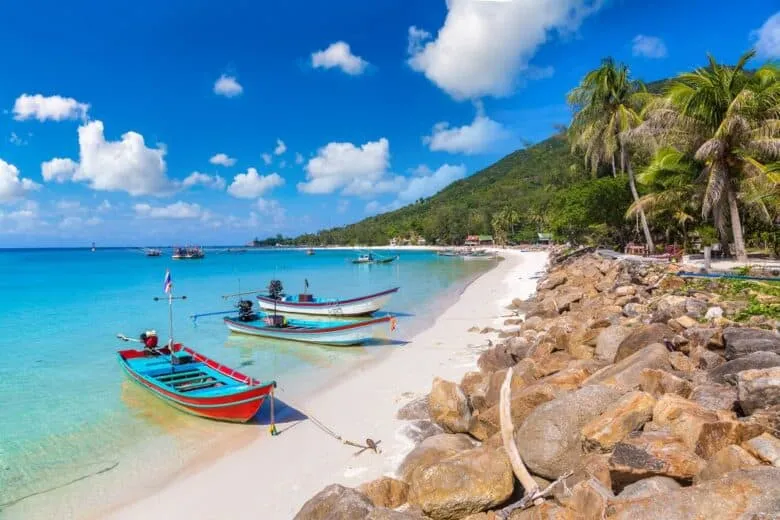
Koh Phangan
The island option. Smaller community but tight-knit, with a strong wellness and creative scene. Internet has improved significantly: fibre is available in most of the island now. Cost of living is moderate (30,000-45,000 THB/month). Best for people who want beach access and a slower pace. Several coworking spaces including Beachub and KoHub.

Koh Lanta
Quieter than Koh Phangan, with a more family-friendly vibe. KoHub coworking space is the hub of the nomad community here. The island has good internet, affordable accommodation, and excellent beaches without the party scene. Seasonal: many places close from May to October during the monsoon. Plan your timing.
For staying connected across all these locations, grab a Thai eSIM before you arrive: you’ll have 5G or strong 4G data from the moment you land, no SIM shop visit needed.
Practical Tips for DTV Applicants
Apply before you arrive in Thailand. You cannot convert a tourist visa or visa exemption to a DTV while inside Thailand. You must apply at a Thai embassy or consulate outside the country, or through the e-visa system before entry.
Start early. Use the processing estimate published by your application office and leave time for requests for further evidence.
Keep your proof of activity current. If you applied with a Muay Thai gym enrollment, immigration can technically ask to see proof you’re still training when you extend. In practice, this is rarely checked, but have something ready.
Extension: The DTV permits one extension of up to 180 days. Ask the immigration office handling the application for its current fee, document list, and processing time. Ensure your host’s TM30 residence notification is current before the appointment. See entry requirements.
Use a VPN for sensitive work. Thailand has fast, reliable internet, but if you’re handling client data or accessing company systems, a VPN adds a layer of security, especially on the cafe and hotel Wi-Fi you’ll inevitably use.
Don’t overstay. Thailand’s overstay penalties are strict: 500 THB per day (capped at 20,000 THB), plus potential bans of 1-10 years for serious overstays. Set a calendar reminder for your visa expiry and extension deadline.
Is the DTV Worth It?
For remote workers planning repeated or extended stays, the DTV can be useful. Compare the locally charged application fee and evidence burden with the shorter-stay options available for your passport.
The 5-year validity is the real value. If you plan to return to Thailand regularly, you have a re-entry visa ready to go for half a decade. No reapplying, no embassy visits, no uncertainty at immigration.
For shorter stays, check whether visa exemption or a Tourist Visa fits your passport and purpose. The paperwork and cost of the DTV don’t make sense for a quick trip.
For the full picture on entering Thailand (including the TDAC digital arrival card, the 15 September 2026 exemption change, TM30, and what to expect at immigration), read our complete Thailand entry requirements guide.