


Ban Rak Thai
บ้านรักไทย
Scenic Chinese village on the Myanmar border with tea houses and lakeside views.
- Best time
- Nov–Feb (cool season)
- From Bangkok
- Flight to Chiang Mai + long drive via Mae Hong Son (allow a full day)
- How long
- 1 night minimum (atmosphere is strongest at dawn and dusk)
- Getting around
- Motorbike or car from Mae Hong Son, no public transport to the village
Updated June 2026
Plan your trip
Recommended by us

Pang Ung
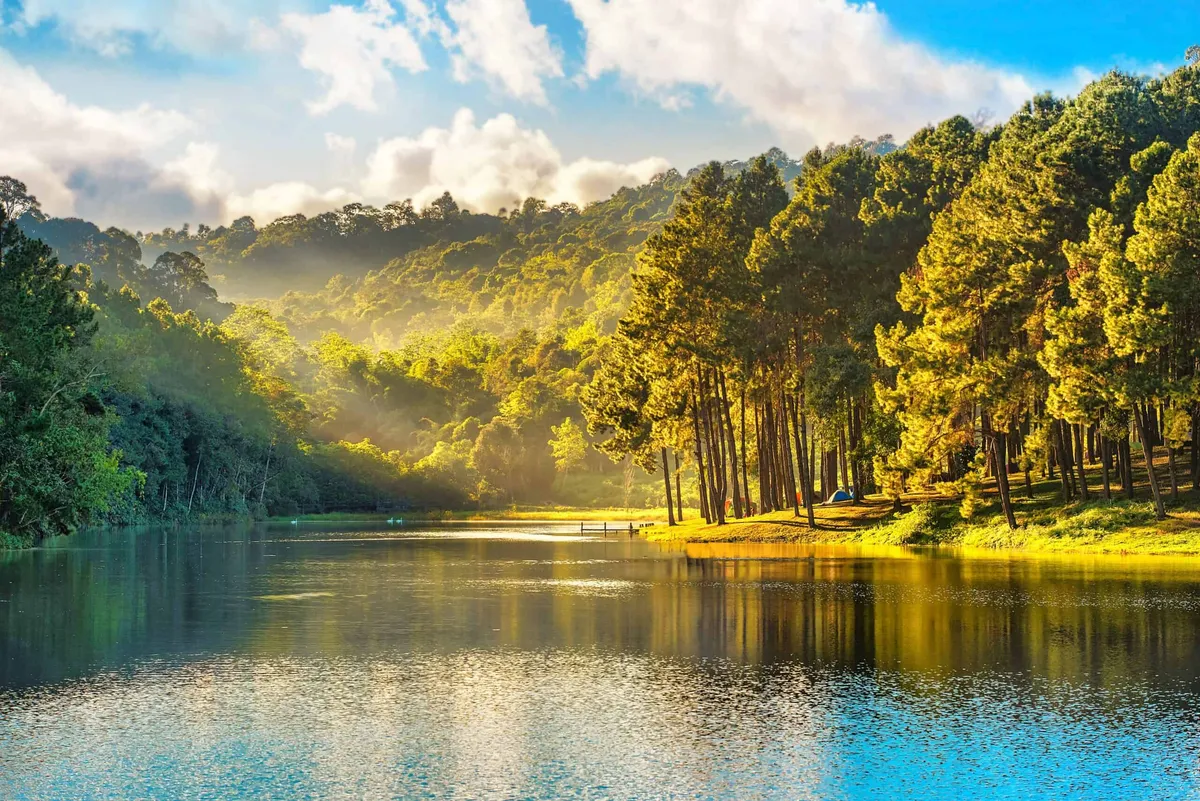
A misty reservoir ringed by pine forests, often called Thailand's 'Switzerland' by locals. The dawn mist over the water is best between November and February.

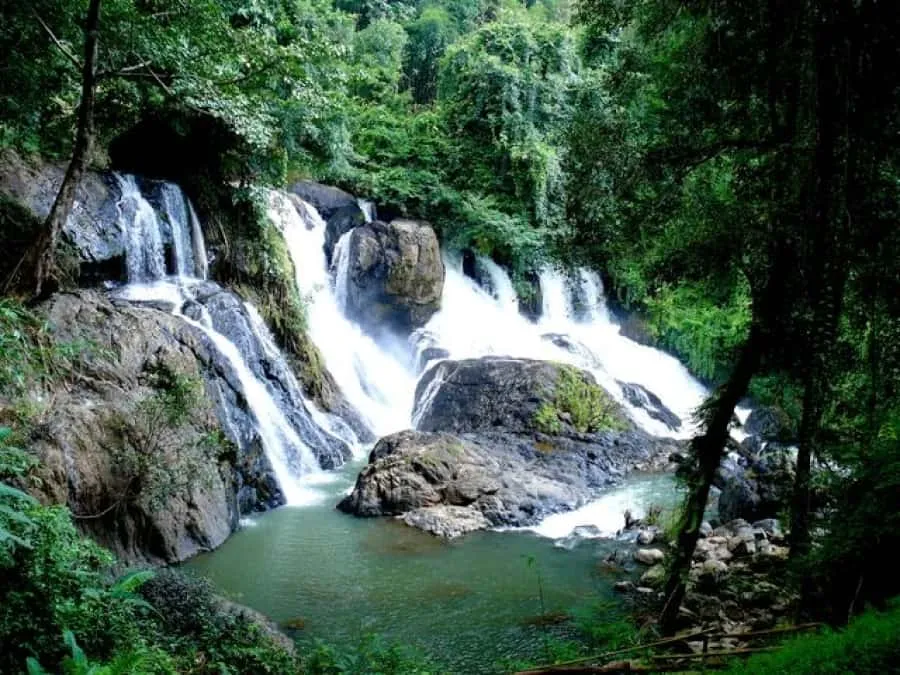
Tham Pla – Namtok Pha Suea NP
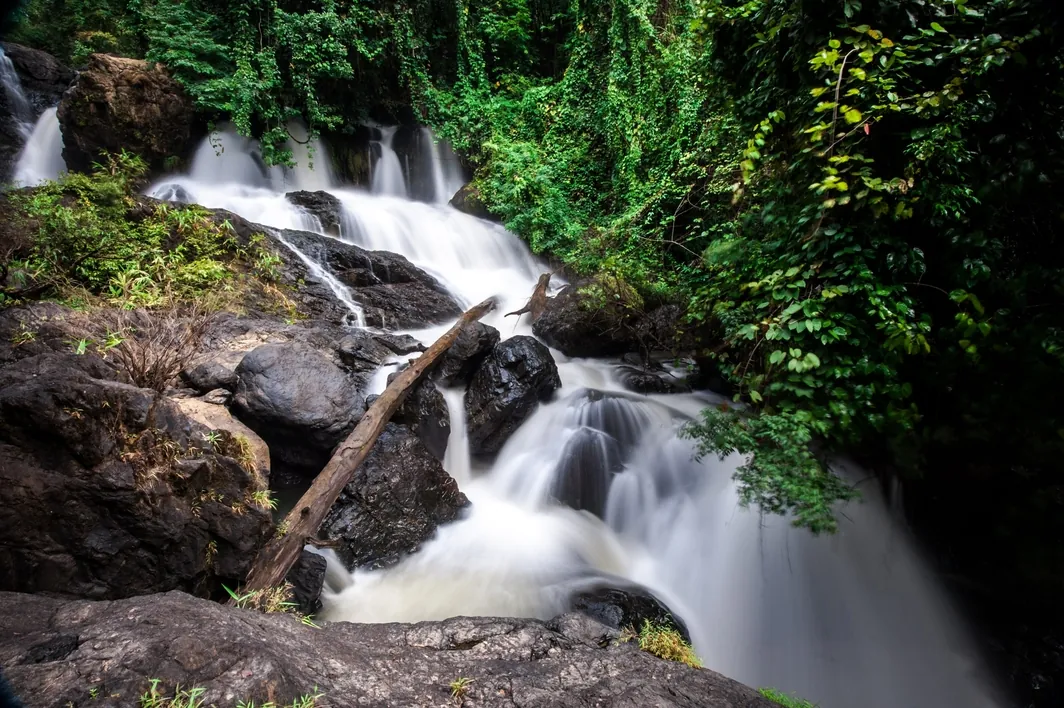
A national park with a sacred cave full of barbel fish that can't be caught, and a waterfall trail. The fish cave is a 10-minute walk from the car park.

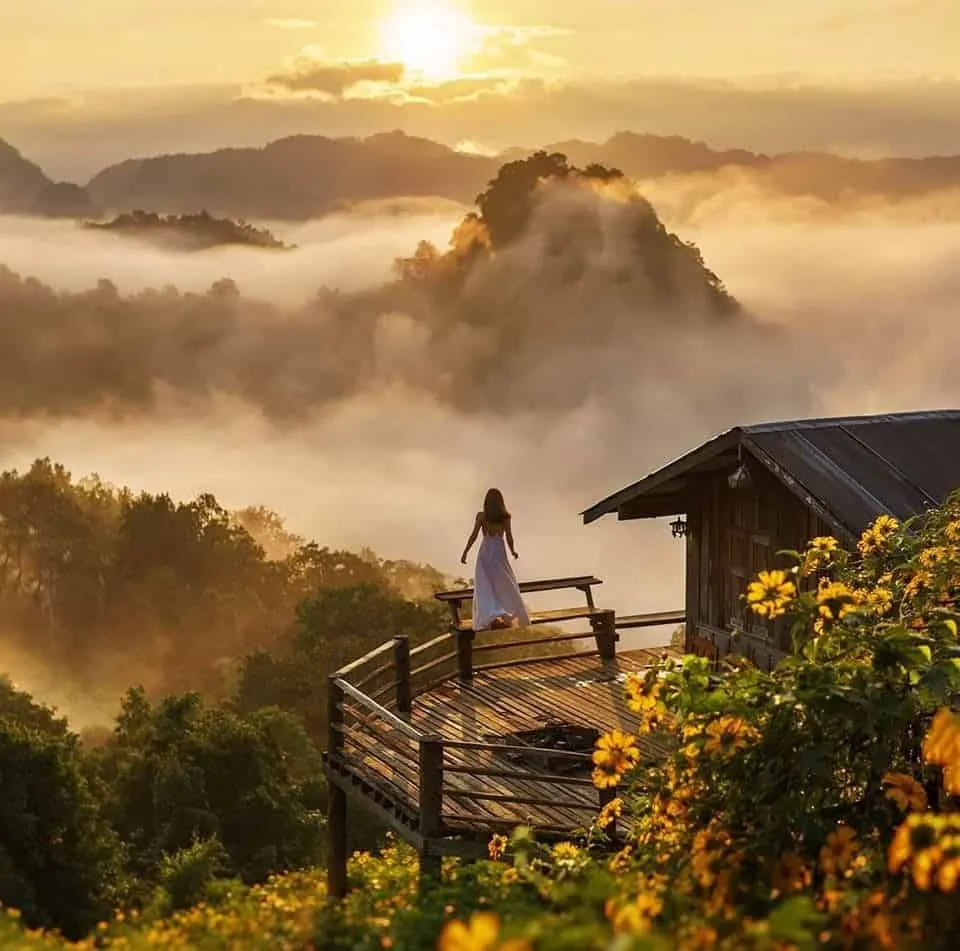
Ban Japo Lahu village
A Lahu hill-tribe village above the reservoir with views into Myanmar. Small homestay options available, a genuine off-grid stop if you're staying multiple days.

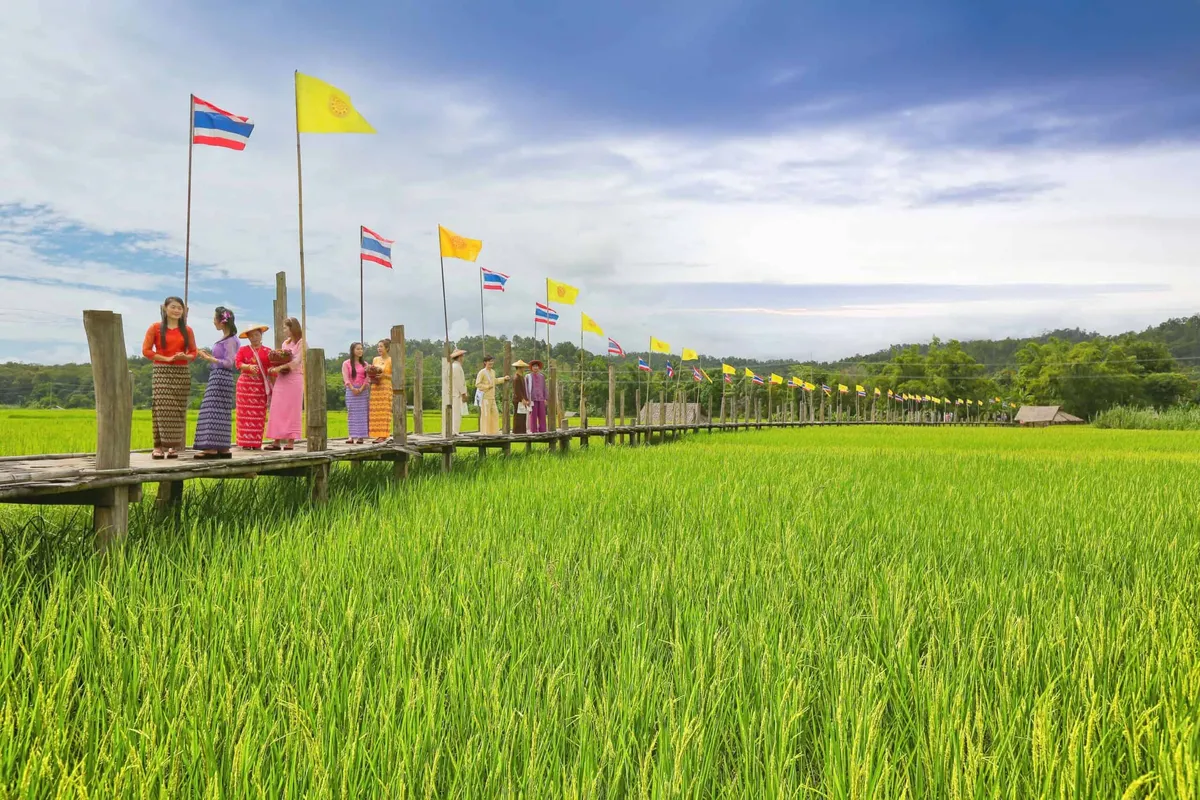
Su Tong Pe Bamboo Bridge
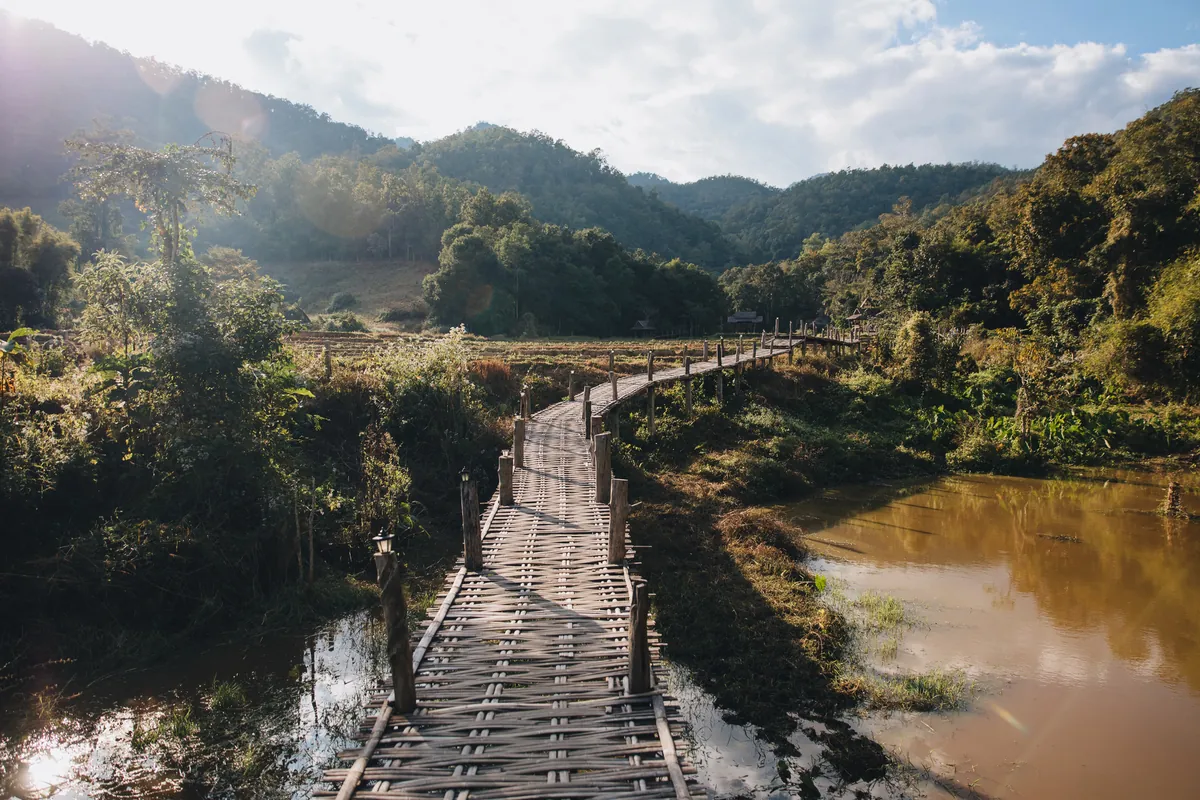
A 500-metre bamboo walkway across rice fields to a hilltop temple, one of the more photogenic walks in Mae Hong Son province. Best light is early morning.

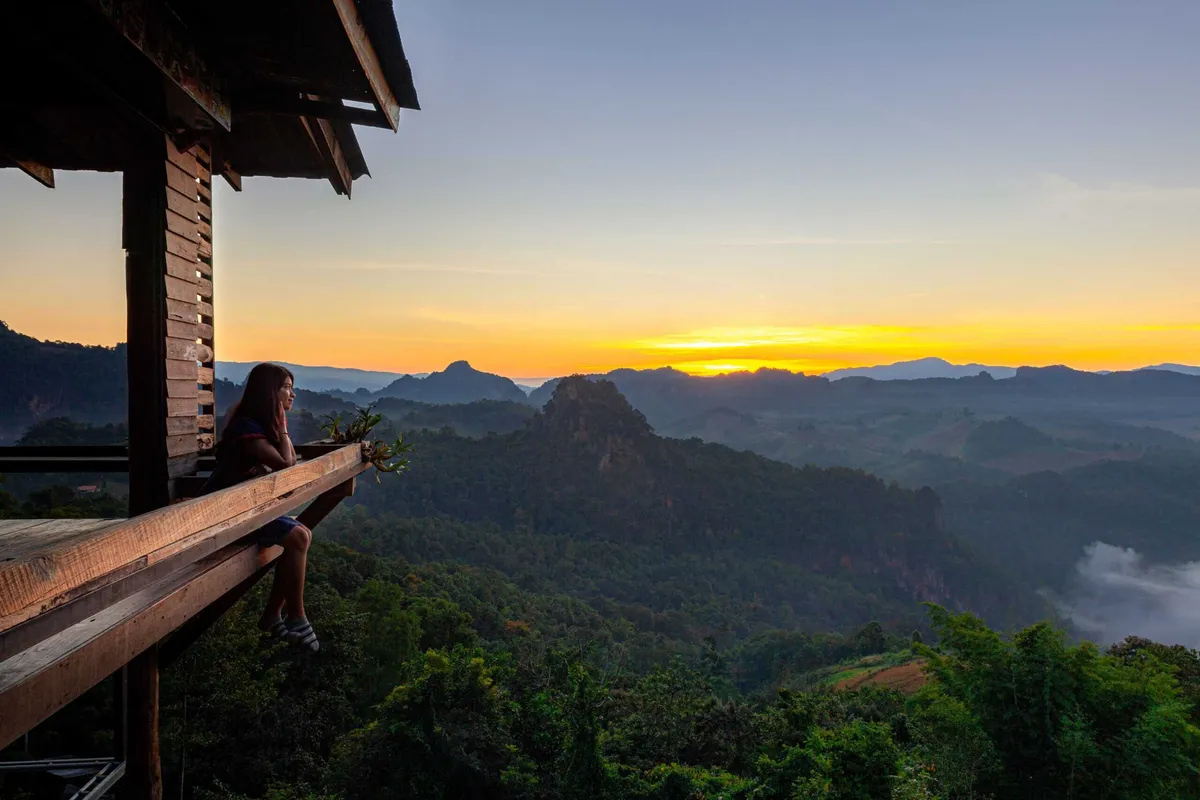
Get to Pai / Mae Hong Son
Fly into Mae Hong Son or Chiang Mai, then drive: Ban Rak Thai is about 45km north of Mae Hong Son on the road to the Myanmar border.

eSIM for Thailand
Land with data already working and skip the airport SIM queue. We tested six plans. Code THAIHOLIDAY saves 10%.

Travel insurance
Mountain roads and trekking into hill-tribe villages are the norm up here. Sort cover before you go and check it includes hiking.
Top sights & experiences
Things to do in Ban Rak Thai



Things to do on the map
Tap a pin for details. 6 places in Ban Rak Thai plotted.
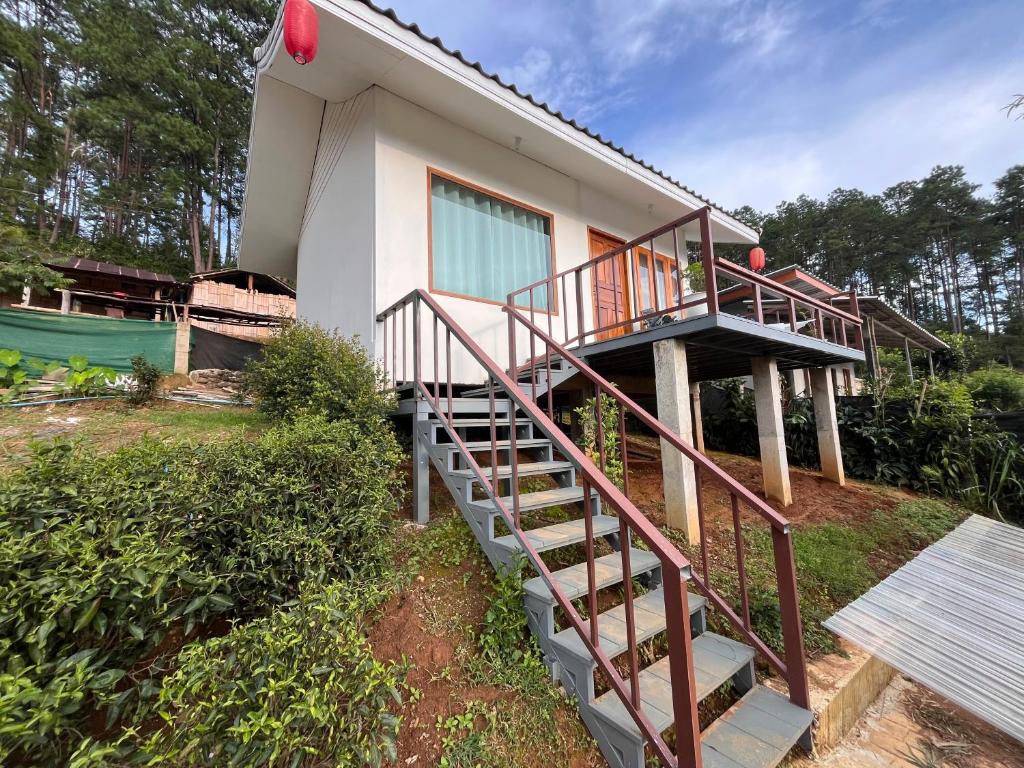
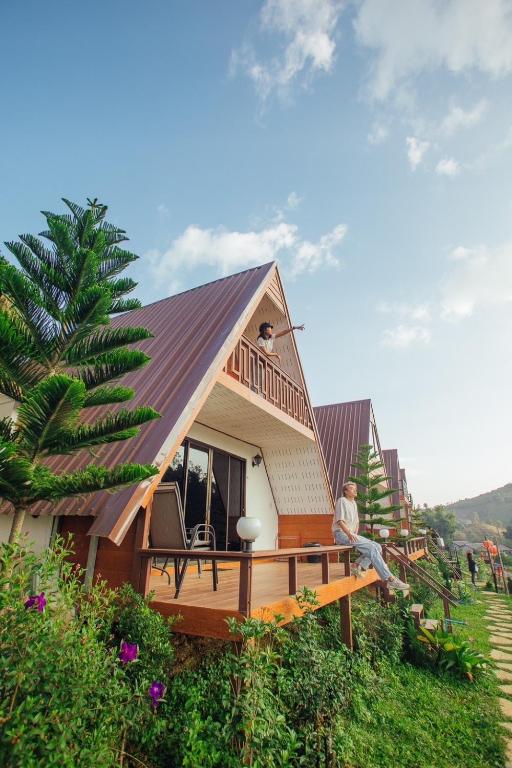
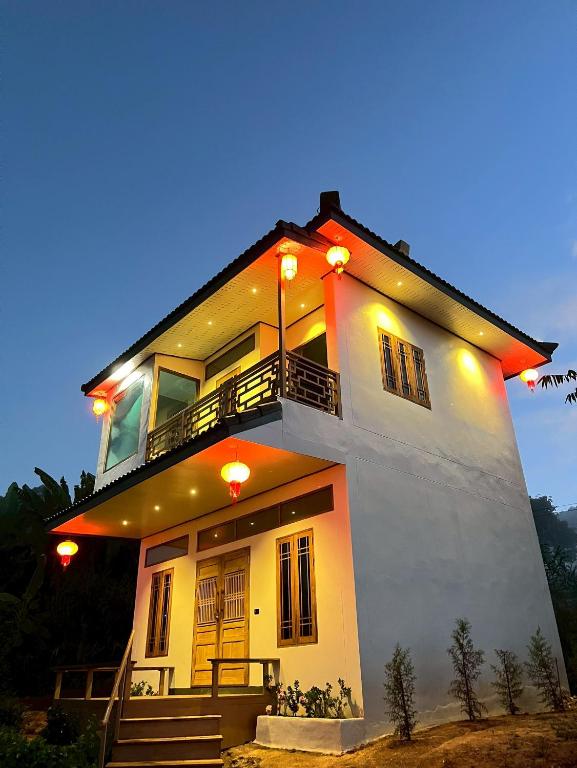
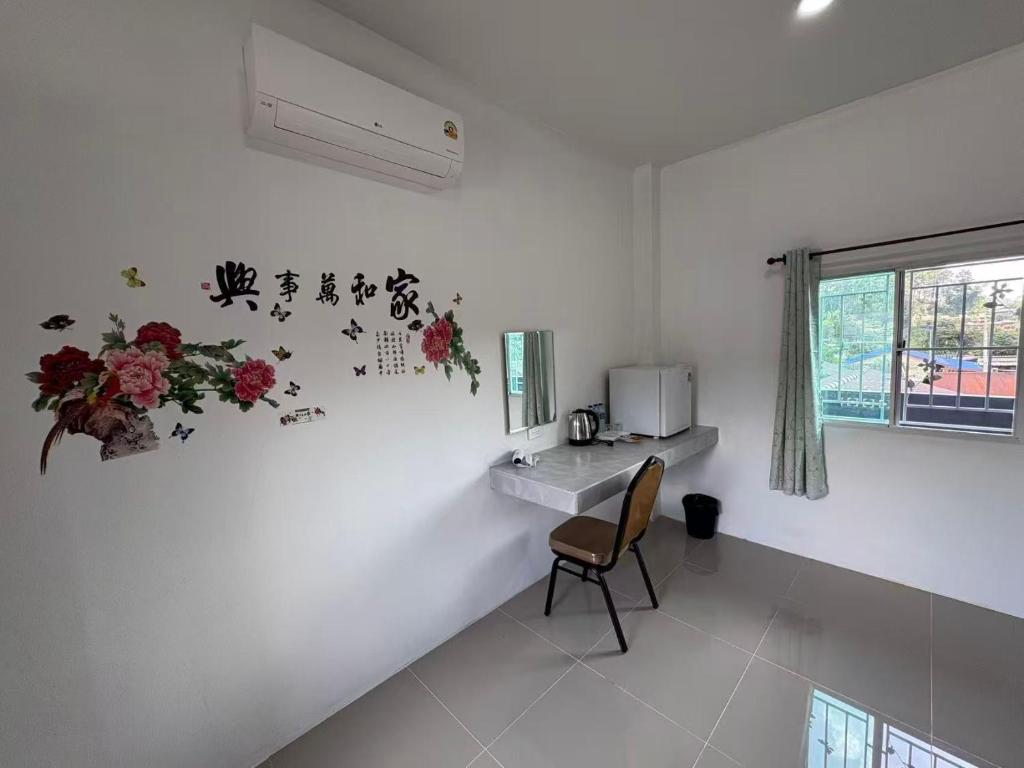
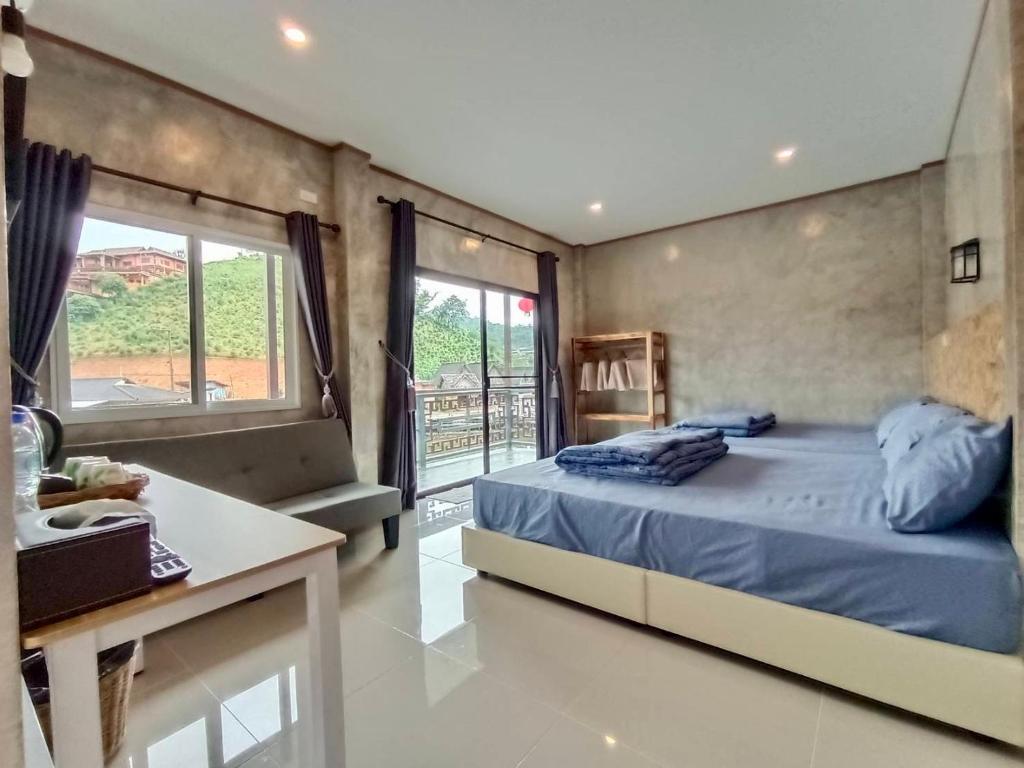
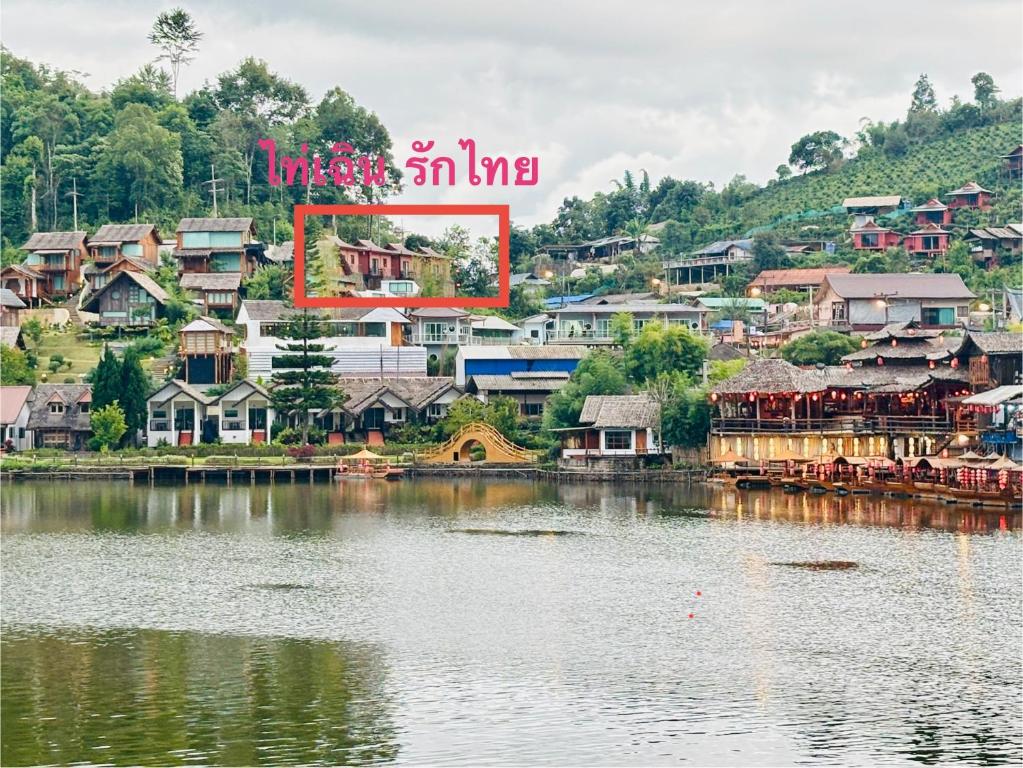
Where to stay in Ban Rak Thai
When to go
Nov–Feb Cold, misty mornings over the reservoir make this one of northern Thailand's most atmospheric villages in the cool season. Cherry blossoms arrive in late January and February. Weekday visits avoid the domestic tourist crowds that pack accommodation on long weekends.
Mar–Apr Crop burning in the hills on both sides of the Myanmar border sends heavy smoke across the valley. The misty lake turns hazy and grey. The tea houses are still open but the visual appeal, the whole point of the village, is largely lost.
May The haze clears with pre-monsoon rains but heat builds in the valley. Fewer visitors and lower prices. The tea gardens are active and the drive up from Mae Hong Son is manageable, though the final winding section deserves respect.
Jun–Oct The steep final road section becomes unpredictable in heavy rain. A motorbike is riskier; a car with decent tyres is safer. The lake and surrounding hills are lush, and the village empties of tourists, giving it an appealingly quiet quality.
More to explore around Mae Hong Son


About Ban Rak Thai
Last updated June 2026
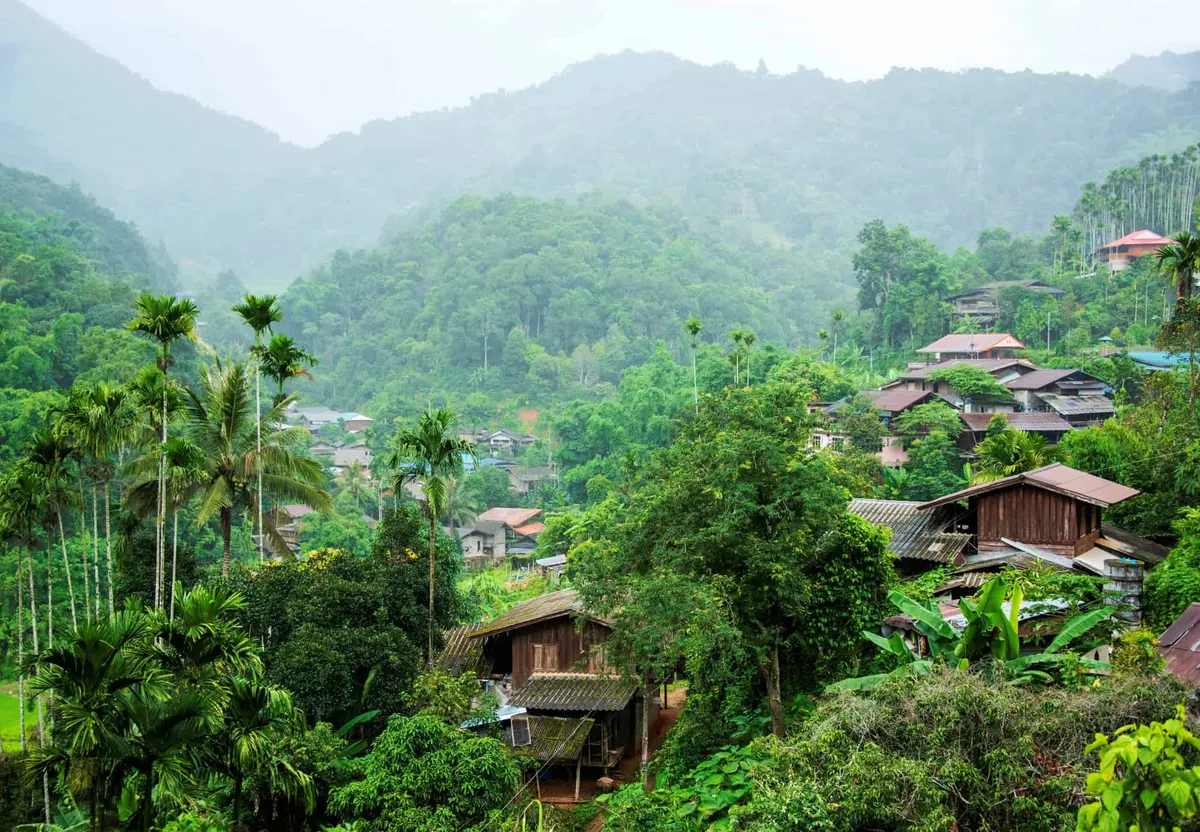
Ban Rak Thai (the name means “Thai-loving village”) is a former Chinese Nationalist (KMT) settlement near the Myanmar border, 45km north of Mae Hong Son. The village sits beside a reservoir ringed by tea plantations and misty mountains at altitude, and feels distinctly different from any other place in Thailand. Buildings are Chinese in style, residents speak Mandarin as a first language, and the tea houses serve oolong grown on the terraces above. The residents’ grandparents fled China after the 1949 Communist victory and settled here in the 1960s, part of a broader KMT diaspora across northern Thailand and Myanmar.
What to See & Do
Tea tasting at the lakeside tea houses is the central activity, and it’s genuinely the reason most visitors come. Locally grown oolong and jin xuan (milk oolong) run 40-60 baht per pot; aged pu-erh and other Yunnanese teas are also available at higher prices. Most tea houses on the reservoir edge will walk you through the basics of the cultivation process. Early mornings, before 9am on weekdays, give you the tea houses largely to yourself, with mist hanging over the water and the plantations slowly coming into view as the light builds.
Walking the shoreline takes about 20 minutes at a gentle pace. A Chinese memorial arch stands along the lakeside path, and the village cemetery reflects the community’s history with Chinese script on many of the older stones. The border with Myanmar’s Shan State is visible from the ridges above the village. Local guides can point out the exact boundary line and the settlements visible on the other side. It is not an open crossing, but the views are worth the climb.
The surrounding hills have trails through tea plantations and into Shan and Lisu hill tribe areas beyond the village. Several guesthouses arrange guided day treks; independent walking is possible but a guide adds context to what you’re seeing.
Himalayan cherry blossoms, wild sakura, flower across the hillsides in January and February, which is the most-visited period. The combination of pink blossom, mist and the lakeside setting draws significant numbers of Thai visitors during this window; weekday visits are noticeably quieter than weekends.
Getting There
From Mae Hong Son, take Route 1095 north then turn onto Route MS.4001. The full journey takes around 1.5 hours by motorbike or car. No public transport runs directly; rent a motorbike in Mae Hong Son (available from guesthouses near the town centre) or negotiate a private songthaew from the bus station. The road is paved throughout but steep and winding in the final section; manageable in dry conditions, less so after heavy rain.
There are no ATMs in Ban Rak Thai. Bring all the cash you need from Mae Hong Son. Most accommodation, tea houses and restaurants are cash only.
Best Time to Visit
November to February is cold, misty and the most photogenic season. January and February add cherry blossoms. Weekday mornings in this period hit the sweet spot: atmospheric conditions with manageable visitor numbers. Avoid Thai public holidays and long weekends when the village fills up and accommodation prices can double overnight.
Insider Tip: Stay overnight. Most visitors come for a few hours from Mae Hong Son and leave before evening. The village is at its best at dawn: mist over the lake, tea houses just opening, no tour groups yet. Basic lakeside rooms run 500-800 baht; book ahead for January and February.