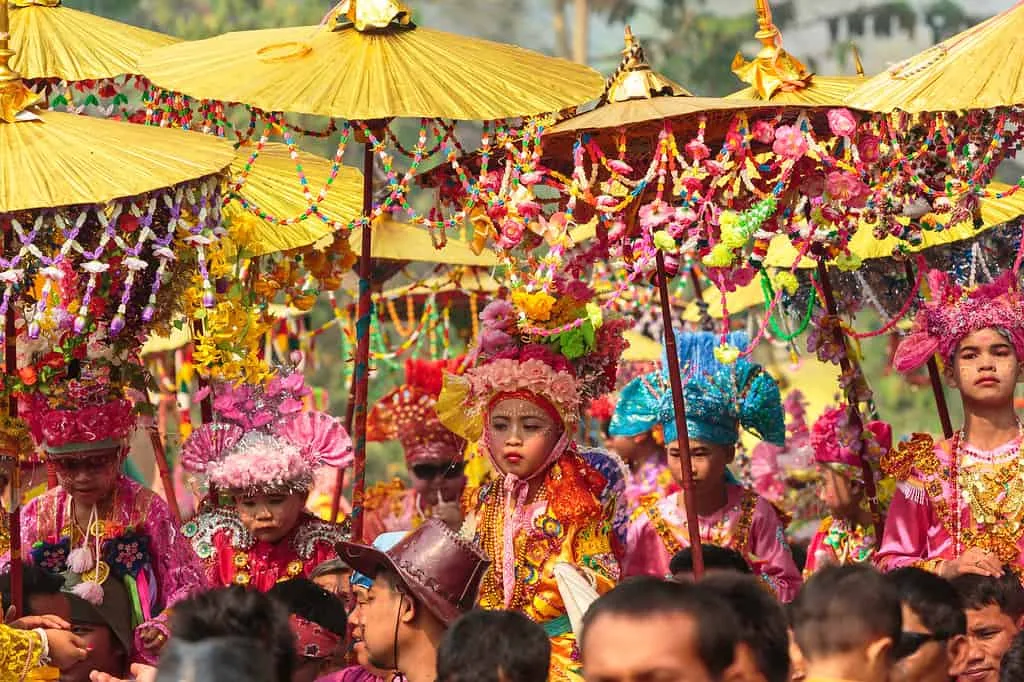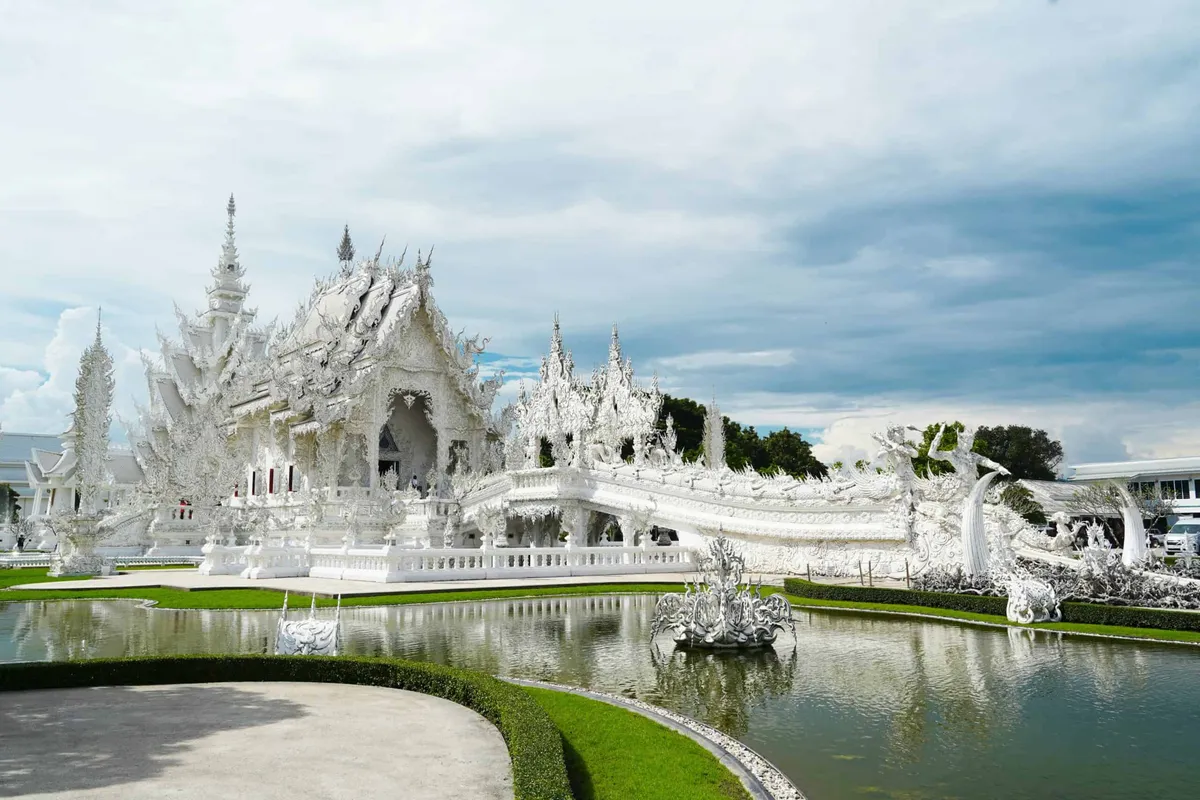







Chiang Rai province borders Myanmar and Laos at Thailand’s northernmost tip. Akha, Hmong, Karen, Lahu, Lisu, Iu Mien, and other ethnic communities live in the province, each with distinct languages, traditions, and histories. Pair any cultural day with temples and town logistics from /visit/chiang-rai/ and things to do in Chiang Rai, but treat villages as living communities, not checklist attractions.
Quick answer
Chiang Rai is one of the main places in northern Thailand where visitors can learn about Akha, Hmong, Karen, Lahu, Lisu, Iu Mien, and other ethnic communities. The best visits are small, locally guided, and respectful about photos, privacy, crafts, and money. Avoid exploitative “human zoo” framing, pressure photo stops, and tours that cannot explain where fees go.
| Best for | Visit style | Why it works | Main tradeoff |
|---|---|---|---|
| Cultural context | Local guide or community-led tour | Explains history, migration, craft, daily life | Costs more than a roadside stop |
| Handmade textiles and crafts | Direct village or market purchase | Money reaches makers more clearly | Quality and origin vary (ask) |
| Ethical day trip | Small-group village visit | Less intrusive than large photo stops | Needs research before booking |
| Learning without pressure | Museums and cultural centres | Easier for context first | Less personal than a guided visit |
How we picked these experiences
We focused on respect, local benefit, privacy, and whether the visit helps travellers understand communities rather than turning people into a photo stop. We do not rank villages as attractions.
How to choose (ethical checklist)
- Does the operator explain where fees go and whether local guides are paid directly?
- Are groups small, with time to ask questions without crowding homes?
- Is photography by consent only, including of children?
- Can you buy crafts directly from makers without pressure sales?
- Does the itinerary avoid staged costumes-for-tips or invasive home visits?
If any answer is vague, pick another operator or start with a museum / cultural centre instead.
History and diversity (brief, honest)
These communities do not share one migration story. Histories include older settlements divided by modern borders and later movement connected to conflict, livelihoods, and family ties across China, Laos, Myanmar, and Thailand.
Legal status varies. Many community members are Thai citizens; stateless or undocumented people can face restrictions on travel, work, education, and healthcare. Do not assume a person’s nationality or circumstances from ethnicity.
Communities around Chiang Rai are not a single culture. Textiles, embroidery, silverwork, basketry, clothing, and other crafts vary by community, subgroup, village, and family. Ask makers about materials, meaning, and origin rather than treating one craft as a fixed ethnic label. If you cannot verify where something was made, don’t buy it on the strength of an ethnic label.
Experiencing culture respectfully
Some communities and community-run projects receive visitors; others do not. Arrange access locally and never assume a village is open to tourism.
Practical respect:
- Ask before photographs; accept “no”
- Dress modestly; follow host guidance indoors
- Buy locally made crafts when you can verify makers
- Do not bargain aggressively on handmade work
- Skip any stop that feels staged, intrusive, or built only for tourist photos
Before booking, ask which communities are involved, how photography is handled, and where the visit fee goes. Tour routes and village access change. Confirm the current itinerary.
Conservation and support
Some organisations and community projects support education, healthcare, craft continuity, or land rights. If you want to contribute money beyond a craft purchase, choose groups with clear local relationships and transparent work.
Responsible visits start with consent, small groups, fair payment, and a guide who can explain context without turning communities into a spectacle. Related outdoor and cultural travel: hiking in Chiang Mai, hiking in Thailand (multi-day northern routes), Mae Hong Son, and /visit/chiang-mai/. Temple days in the same province: temples in Thailand (Wat Rong Khun) and etiquette via Thailand etiquette.
Booking Chiang Rai days
Compare route, group size, community involvement, and cancellation terms before booking. Prices and policies are product-specific and change. Check live product pages. Prefer operators that answer the ethical checklist above. Sightseeing tours that only cover the White Temple, Blue Temple, and Black House are not hill-tribe visits; do not conflate them.