



















Things to Do in Chiang Mai: Temples, Mountains, Markets & Food
Published 11 April 2026
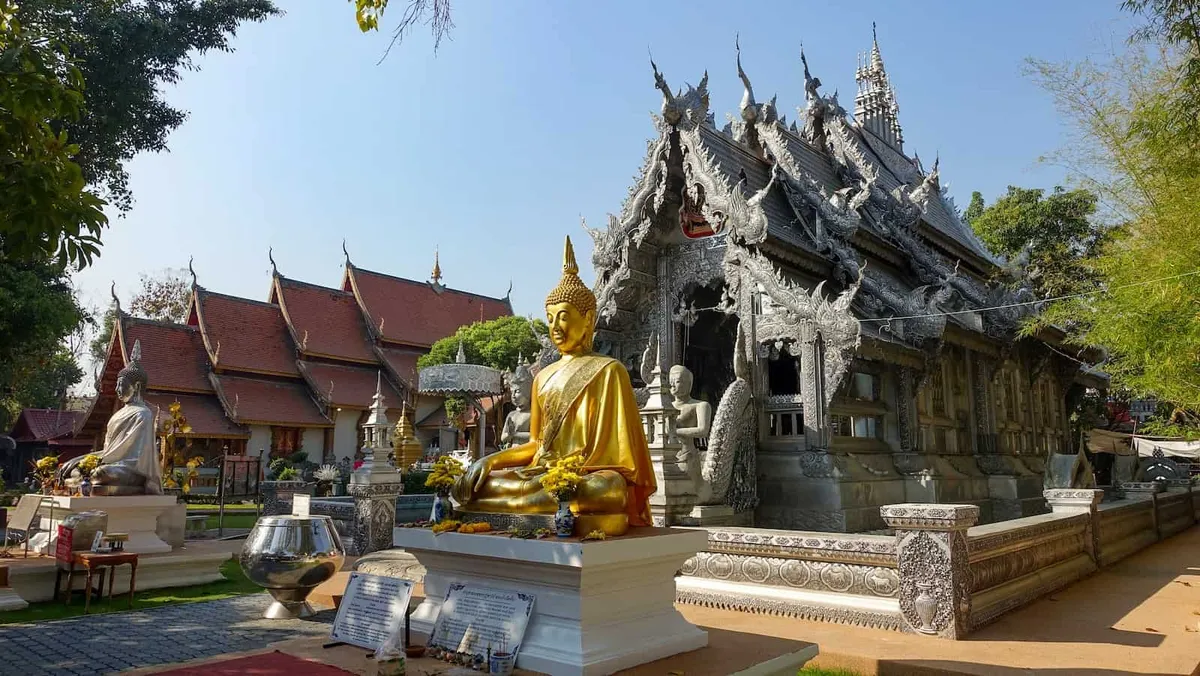
Chiang Mai is where most travellers fall in love with Thailand. Not the beach-and-party Thailand of the south, but the slow-paced, temple-studded, mountain-backed Thailand that has been drawing monks, artists, and wanderers for seven centuries. The Old City — a neat square bounded by an ancient moat — holds more than 30 Buddhist temples within walking distance. Beyond the moat, the city sprawls into night markets, modern cafes, and the forested slopes of Doi Suthep.
The food alone is worth the trip. Northern Thai cuisine (Lanna food) is distinct from the coconut-heavy curries of the south — think Khao Soi (curry noodles), Sai Oua (herbal sausage), and Kanom Jeen Nam Ngiao (rice noodles in tomato-pork broth). Chiang Mai also has the highest density of cooking classes in Thailand — a half-day class with market tour runs 900-1,500 THB.
Chiang Mai Highlights
-
Best temple: Wat Phra That Doi Suthep — golden chedi on the mountain, views over the entire city
-
Best food experience: Khao Soi at Khao Soi Khun Yai, then a cooking class at Thai Farm Cooking School
-
Best day trip: Doi Inthanon — Thailand’s highest peak, twin pagodas, waterfalls
-
Best market: Sunday Walking Street — the moat-to-moat stretch of Ratchadamnoen Road
-
Best for culture: Old City temple walk — Wat Chedi Luang, Wat Phra Singh, Wat Chiang Man
-
Peak season: November-February (cool and dry, 18-28°C)
Old City Temples
Chiang Mai’s Old City packs over 30 temples into a walkable 1.5 km square. You could see the highlights in a morning, but the pleasure is in taking your time — ducking through temple gates, watching monks in saffron robes, and letting the city reveal itself slowly.
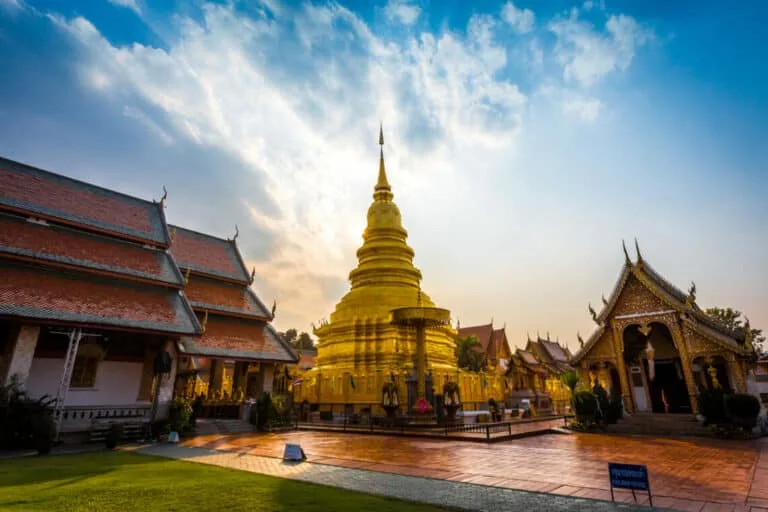
Wat Phra That Doi Suthep
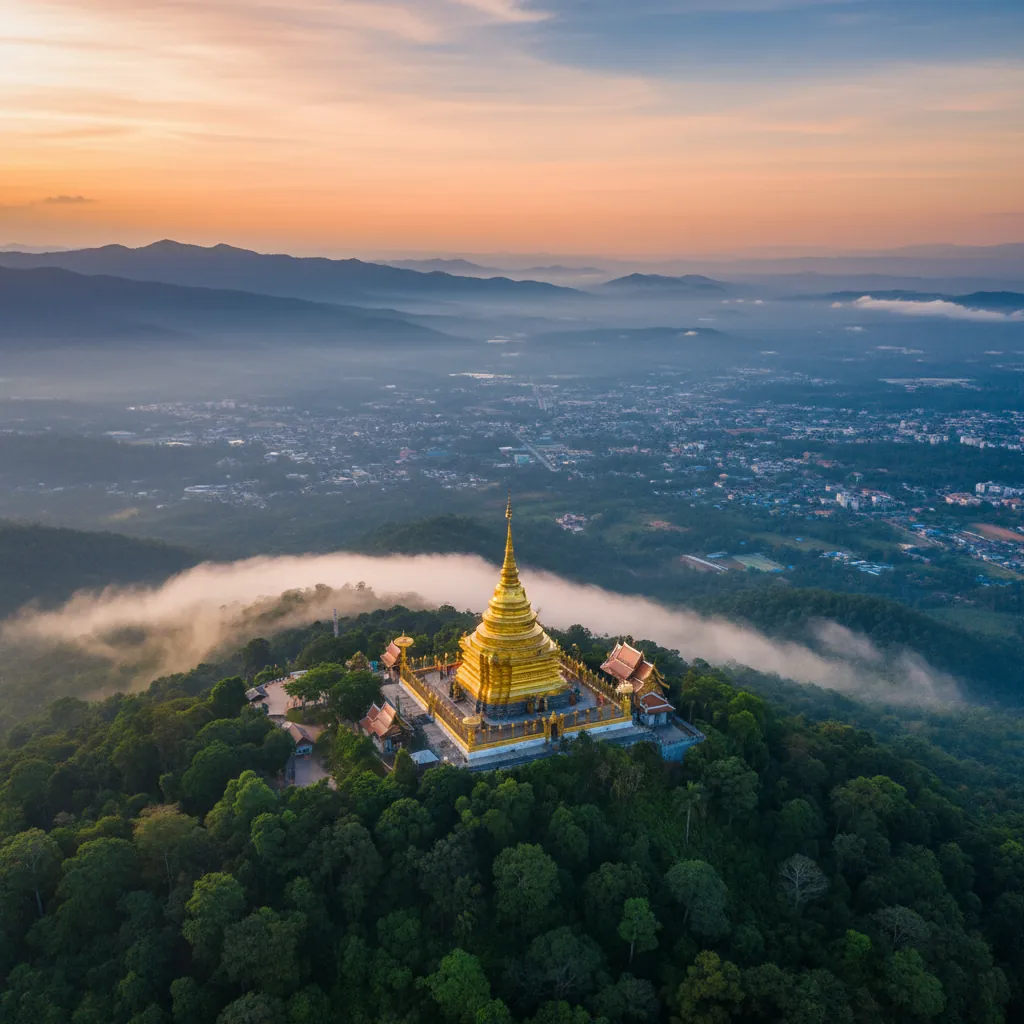
The most important temple in northern Thailand and Chiang Mai’s defining landmark. Perched at 1,076 metres on the slopes of Doi Suthep, the golden chedi gleams above the city. Climb the 306-step Naga staircase (or take the cable car) for panoramic views stretching to the rice paddies beyond the city limits. Visit at sunrise before the tour groups arrive, or at dusk when the chedi catches the last light. Entry: 30 THB. Songthaew from the Old City: 40-60 THB each way.
Wat Chedi Luang
The centrepiece of the Old City — a massive 15th-century chedi that was once the tallest structure in Lanna. An earthquake in 1545 toppled the upper section, and the ruin has been left partially unrestored, giving it a dramatic, weathered grandeur that polished temples lack. The Emerald Buddha (now in Bangkok’s Grand Palace) was housed here for 80 years. Free entry. The Monk Chat programme on the east side of the temple grounds lets you sit down with novice monks who want to practise their English — genuinely fascinating.
Wat Phra Singh
Home to the Phra Buddha Sihing, one of northern Thailand’s most revered Buddha images. The Lai Kham chapel that houses it is a masterpiece of Lanna architecture — teak pillars, gilded details, and 19th-century murals depicting daily life in old Chiang Mai. Entry: 40 THB.
Wat Chiang Man
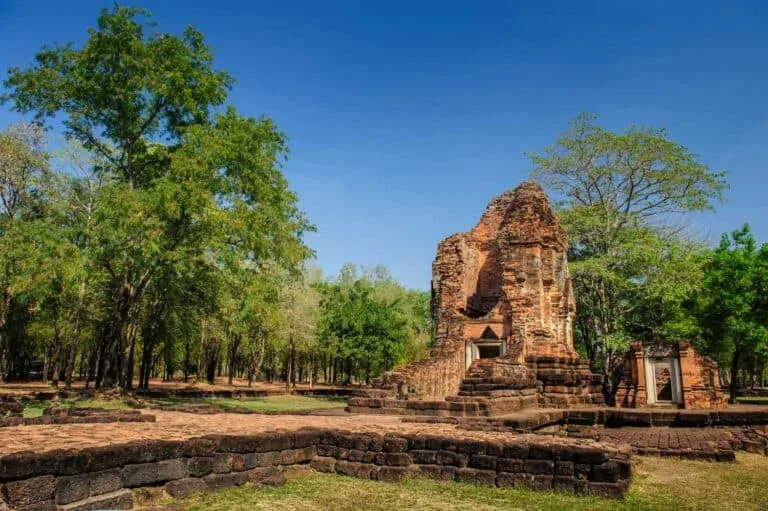
Chiang Mai’s oldest temple, built in 1297 by King Mangrai when he founded the city. The elephant-buttressed chedi is the highlight — 15 stone elephants ring the base. Less visited than Doi Suthep or Chedi Luang, which means you often have the courtyard to yourself.
Wat Suan Dok
Just outside the western gate. The temple grounds contain a striking collection of white chedis — royal family tombs set against the backdrop of Doi Suthep. Particularly photogenic at sunset. Meditation retreats are offered here (2-day courses, 1,500 THB).
Markets and Night Life
Sunday Walking Street (Ratchadamnoen Road)
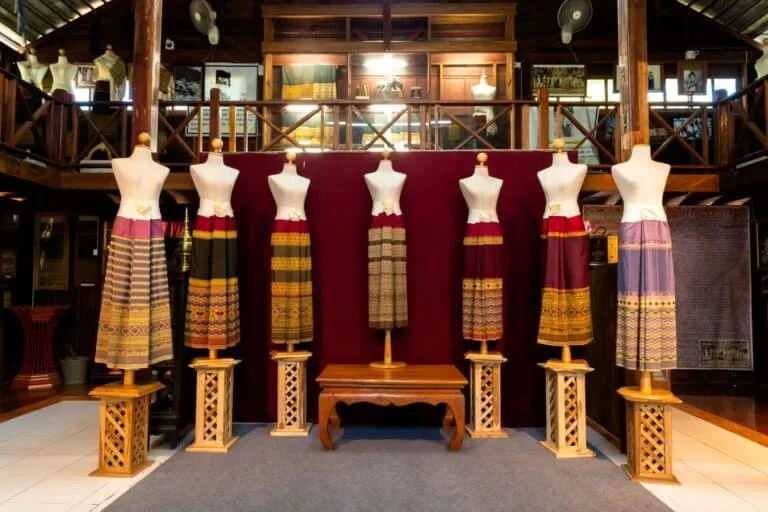
Chiang Mai’s best market and one of the top markets in Thailand. Every Sunday from 4 PM, Ratchadamnoen Road (from Tha Phae Gate to the western moat) transforms into a kilometre-long night market. Handmade crafts, Lanna textiles, woodcarvings from Baan Tawai, street food stalls, live music, and massage stations. Arrive before 5 PM to browse without the crush. The food is the real draw — look for Sai Oua, Khao Kha Moo, and mango sticky rice.
Saturday Walking Street (Wualai Road)
Same concept, different street — and arguably better for handicrafts. The silver shops on Wualai Road showcase Chiang Mai’s traditional silversmithing. Smaller and less crowded than Sunday. From 4 PM every Saturday.
Night Bazaar
The permanent night market on Chang Klan Road — open every evening, year-round. More touristy and commercial than the walking streets, but convenient if you are in Chiang Mai midweek. Haggling is expected. Good for leather goods, clothing, and souvenirs. The food court behind the main market has decent options at local prices.
Warorot Market (Kad Luang)
Chiang Mai’s oldest and most authentic market — where locals actually shop. Flowers, dried fruits, Lanna snacks, northern Thai spices, and textiles. The ground floor food section is excellent for Khao Soi and Kanom Jeen. Best in the morning. Near the Ping River.
Food Experiences
Khao Soi
The dish that defines Chiang Mai. Egg noodles in a rich yellow curry broth, topped with crispy fried noodles, pickled mustard greens, shallots, and lime. The best versions balance coconut richness with a gentle chilli kick.
Where to eat it:
- Khao Soi Khun Yai — consistently ranked among the best. Small, no-frills shophouse near Wat Ket. The chicken version is the classic
- Khao Soi Mae Sai — the rival. Slightly richer broth, more coconut-forward
- Khao Soi Lam Duan Fah Ham — popular with locals and travellers alike. Near Wat Fah Ham
Cooking Classes
Chiang Mai is the cooking class capital of Thailand. A half-day class typically includes a morning visit to a local market, followed by hands-on cooking of 4-5 dishes (Pad Thai, Green Curry, Tom Yum, Mango Sticky Rice, and a dish of your choice). Expect to pay 900-1,500 THB.
Top-rated schools:
- Thai Farm Cooking School — organic farm setting outside the city, includes market visit
- Mama Noi Cooking Class — small groups, personal attention
- Pantawan Cooking School — Old City location, convenient for short stays
Sai Oua (Northern Thai Sausage)
Pork sausage packed with lemongrass, galangal, kaffir lime leaves, and red chillies. Found at every market, but the best comes from vendors who grill it over charcoal. Try it at the Sunday Walking Street — look for the longest queue.
Nature and Day Trips
Doi Inthanon National Park
Thailand’s highest peak at 2,565 metres. The park is a full-day trip from Chiang Mai (90 minutes drive each way) and packs in misty cloud forest, waterfalls, hill-tribe villages, and the twin pagodas of Naphamethinidon and Naphaphonphumisiri — the most photographed structures in northern Thailand.
What to see:
- Twin Royal Pagodas — dedicated to the King and Queen, surrounded by manicured gardens with panoramic views
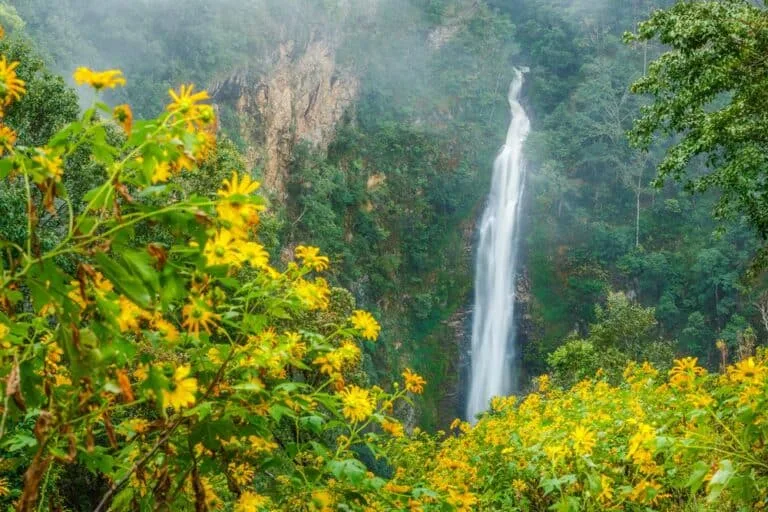
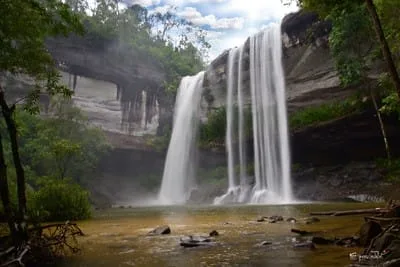
- Wachirathan Waterfall — the park’s most powerful waterfall, 70 metres high. Mist and spray drench the viewing platform
- Mae Klang Waterfall — gentler, tiered waterfall near the park entrance. Good for swimming
- Ang Ka Nature Trail — a boardwalk through moss-draped cloud forest at the summit. Otherworldly
- Hmong and Karen villages — the road up passes several hill-tribe communities selling coffee, textiles, and strawberries
Entry: 300 THB for foreigners. Hire a songthaew with driver from Chiang Mai (1,500-2,500 THB for a full day) or join a group tour (800-1,200 THB including lunch).
Elephant Sanctuaries
Chiang Mai is the centre of ethical elephant tourism in Thailand. Avoid any venue that offers riding — ethical sanctuaries focus on observation, feeding, and bathing.
Recommended sanctuaries:
- Elephant Nature Park — the original and most established ethical sanctuary. Founded by Lek Chailert. Half-day and full-day visits (2,500-5,500 THB). Book well in advance
- Elephant Jungle Sanctuary — multiple camps around Chiang Mai. Smaller groups. Half-day from 1,800 THB
- Patara Elephant Farm — one-elephant-per-visitor experience, more intimate but pricier
Watch out: Some operators market themselves as “sanctuaries” but still practise riding or use bullhooks. Check reviews carefully. If they offer elephant shows or riding, it is not a sanctuary.
Doi Suthep-Pui National Park
The mountain behind the city. Beyond the temple at Doi Suthep, the road continues to Bhubing Palace (the royal winter residence — gardens open to visitors, 50 THB) and into the park’s network of trails and waterfalls. The Monk’s Trail is a popular short hike from the base to the temple through forest (40 minutes, moderate).
Chiang Dao
An hour north of Chiang Mai, Chiang Dao offers the best hiking in northern Thailand. Doi Luang Chiang Dao (2,175m) is a dramatic limestone peak with challenging multi-day treks. The Chiang Dao Caves are a sprawling cave system with Buddha images. Far fewer tourists than Chiang Mai — perfect for a 2-3 day side trip. See our dedicated guide: Things to Do in Chiang Dao.
Activities
Muay Thai Training
Chiang Mai has dozens of Muay Thai gyms welcoming all levels — from absolute beginners to competitive fighters. A single session runs 300-500 THB. Weekly packages (5-6 sessions) cost 1,500-3,000 THB. Some gyms offer accommodation packages for training camps of 1-4 weeks.
Top gyms: Lanna Muay Thai, Chiangmai Muay Thai, Team Quest. For a broader overview, see our Muay Thai gyms guide.
Rock Climbing
Crazy Horse Buttress is Chiang Mai’s premier outdoor climbing destination — limestone cliffs with over 200 routes ranging from beginner (5a) to expert (8b+). Half-day guided climbing trips run 1,500-2,500 THB including equipment. For more climbing options, see our rock climbing guide.
Hiking
Beyond Doi Inthanon and Chiang Dao, northern Thailand offers some of the best trekking in the country. Multi-day treks through hill-tribe villages, bamboo forests, and mountain ridges depart from Chiang Mai daily. For a deep dive, see our hiking in Chiang Mai guide.
Zip-Lining
Flight of the Gibbon is the most established canopy zip-line course — 5 km of cables through old-growth rainforest east of the city. Includes hotel transfers and lunch (3,500-4,000 THB). Several other operators offer similar experiences at lower prices (1,500-2,500 THB).
Meditation Retreats
Chiang Mai is one of the top destinations in Thailand for meditation retreats. Wat Suan Dok offers 2-day introductions (1,500 THB). Wat Ram Poeng runs intensive Vipassana courses (10-26 days, donation-based). For a full list, see our meditation retreats guide or browse Chiang Mai retreats.
Getting Around Chiang Mai
Within the Old City: Walk. The moated square is 1.5 km across and flat. Most temples, cafes, and restaurants are within the moat or just outside it.
Beyond the Old City: Red songthaews (shared pickup trucks) cruise the main roads — flag one down, state your destination, and agree on a price (20-60 THB per person within the city). For fixed routes, songthaews to Doi Suthep leave from the north side of the moat.
Grab: Works well in Chiang Mai for both cars and motorbikes. Typically 40-80 THB within the city.
Motorbike rental: 150-250 THB/day for a 125cc scooter. Essential for day trips to Doi Inthanon, Chiang Dao, or the Samoeng Loop. An international driving permit with motorcycle endorsement is legally required. Make sure your travel insurance covers motorbike riding.
Car rental: Available from 800-1,500 THB/day. Useful for Doi Inthanon and longer day trips with a group. See our car rental guide.
From Bangkok: Flights from Suvarnabhumi or Don Mueang (1h 15min, from 1,200 THB). Overnight train (12-14 hours, sleeper berth from 800 THB — a Thailand classic). VIP bus (10 hours, from 500 THB). See our getting around Thailand guide.
Where to Stay
Chiang Mai has accommodation for every budget, from 200 THB guesthouses to luxury Lanna-style resorts. The best areas:
- Old City — walkable to temples, markets, and restaurants. Best for first-time visitors and short stays
- Nimmanhaemin Road (Nimman) — the modern, cafe-lined neighbourhood west of the Old City. Best for digital nomads, foodies, and longer stays
- Riverside (Charoen Rat area) — quieter, scenic Ping River setting. Good boutique hotels
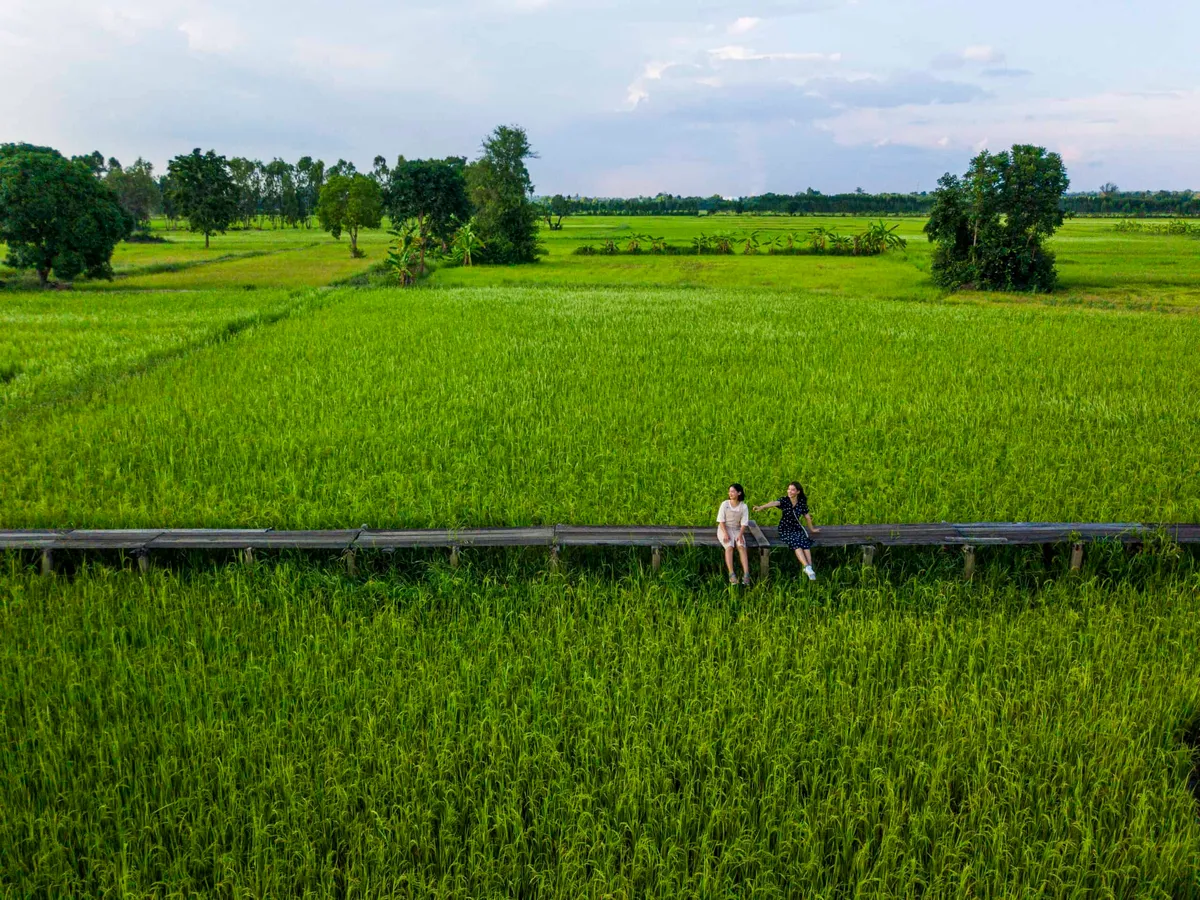
- Outside the city (Mae Rim, Doi Saket) — rice paddy views, jungle lodges, and resort retreats. Best for nature lovers with a car or motorbike
For specific recommendations, browse our Chiang Mai hotels or see our curated luxury hotels in Chiang Mai guide.
Best Time to Visit
| Season | Months | Weather | Crowds | Best For |
|---|---|---|---|---|
| Cool season | Nov-Feb | 18-28°C, dry, clear | High season | Temple visits, hiking, festivals |
| Hot season | Mar-May | 30-40°C, smoky (Mar-Apr) | Low | Budget hotels, fewer tourists |
| Green season | Jun-Oct | 25-33°C, afternoon rain | Low-medium | Lush landscapes, waterfalls, deals |
The burning season warning: March and April bring agricultural burning and forest fires across northern Thailand, pushing Chiang Mai’s air quality to hazardous levels. The AQI regularly exceeds 200 (vs. a healthy <50). If you have respiratory issues, avoid these months entirely. If you must visit, stay indoors during smoke peaks and wear an N95 mask outdoors.
Festival season: Yi Peng Lantern Festival (November) and Loy Krathong fall in the same week — thousands of paper lanterns released into the sky over Chiang Mai is one of the most photographed moments in Thailand. Songkran (13-15 April) turns the moat area into the country’s biggest water fight.
Before You Visit
Make sure you have an eSIM for Thailand set up before your flight — you will want data for maps and Grab the moment you land at Chiang Mai airport. Check the latest Thailand entry requirements for visa information, and consider travel insurance if you plan to ride a motorbike or do adventure activities. For a full pre-departure checklist, see our Thailand packing list.
Frequently Asked Questions
How many days do you need in Chiang Mai?
Three days covers the Old City temples, a cooking class, and Doi Suthep. Five days lets you add Doi Inthanon, an elephant sanctuary, and a day trip to Chiang Rai. A week or more suits digital nomads, Muay Thai trainees, and anyone wanting to explore the surrounding mountains at a slower pace.
Is Chiang Mai worth visiting in 2026?
Yes. Chiang Mai remains one of Southeast Asia's best-value destinations — 300+ temples, food that rivals Bangkok, a growing cafe and co-working scene, and the northern mountains on your doorstep. The burning season (March-April) is the only period to avoid due to air quality.
What is the best month to visit Chiang Mai?
November to February is peak season — cool, dry weather (18-28°C), clear skies, and festival season (Yi Peng and Loy Krathong in November). Avoid March-April when agricultural burning causes serious air pollution.
Is Chiang Mai safe for solo travellers?
Very safe. The Old City is walkable, locals are welcoming, and the backpacker infrastructure is well-established. Normal precautions apply: lock your valuables, don't ride motorbikes without experience, and stick to well-lit areas at night.
How do I get from Bangkok to Chiang Mai?
Fly (1 hour 15 minutes, from 1,200 THB one-way on AirAsia or Nok Air), take the overnight train (12-14 hours, from 800 THB for a sleeper berth — a classic Thailand experience), or the VIP bus (10 hours, from 500 THB). The train is the most scenic and comfortable overnight option.