







San Kamphaeng
สันกำแพง
Famous for handicrafts, hot springs, and the Bo Sang umbrella village.
- Best time
- Nov–Feb (cool season)
- From Bangkok
- Flight to Chiang Mai + 30min east on Route 1006
- How long
- Half-day to full day
- Getting around
- Motorbike or rental car; songthaews cover Bo Sang but not the hot springs or outlying factories
Updated June 2026
Plan your trip
Recommended by us

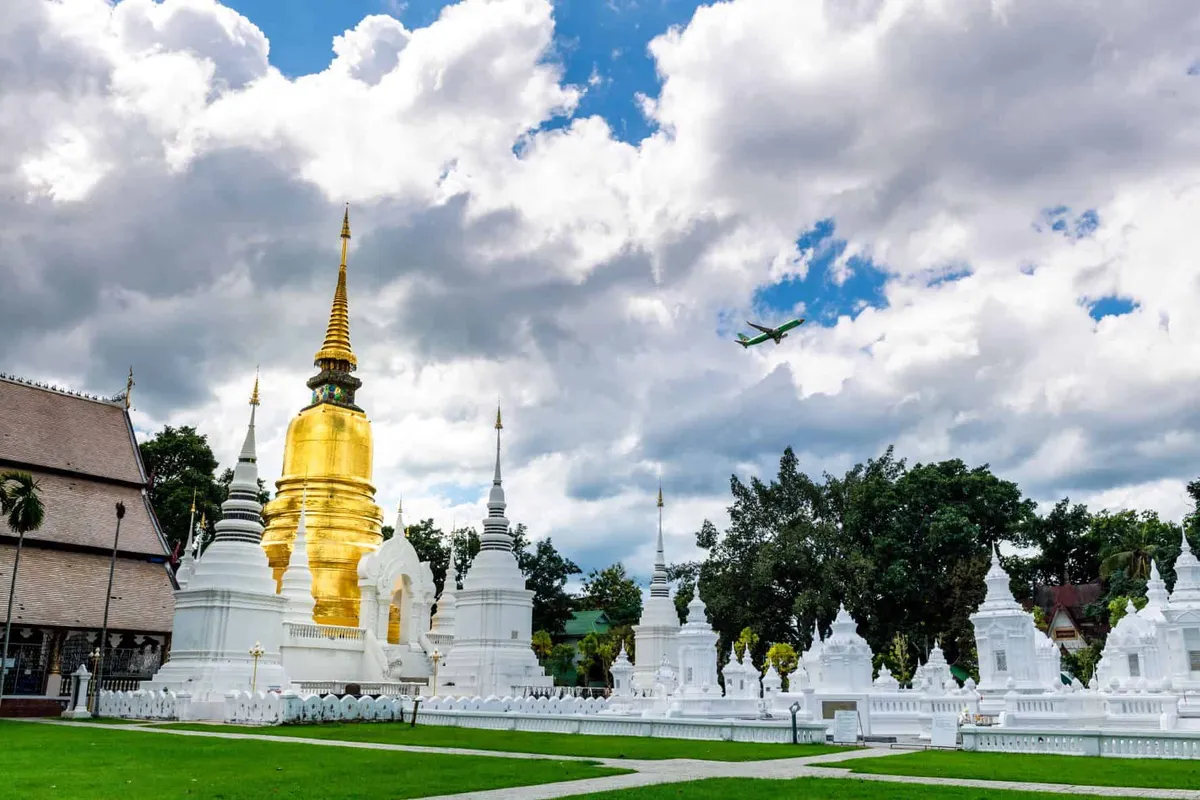
Wat Suandok
A large temple complex west of the Chiang Mai old city, with a forest of white chedis holding ashes of the Lanna royal family. Quieter than Chedi Luang, and monks host free dharma talks on Monday, Wednesday, and Friday evenings.

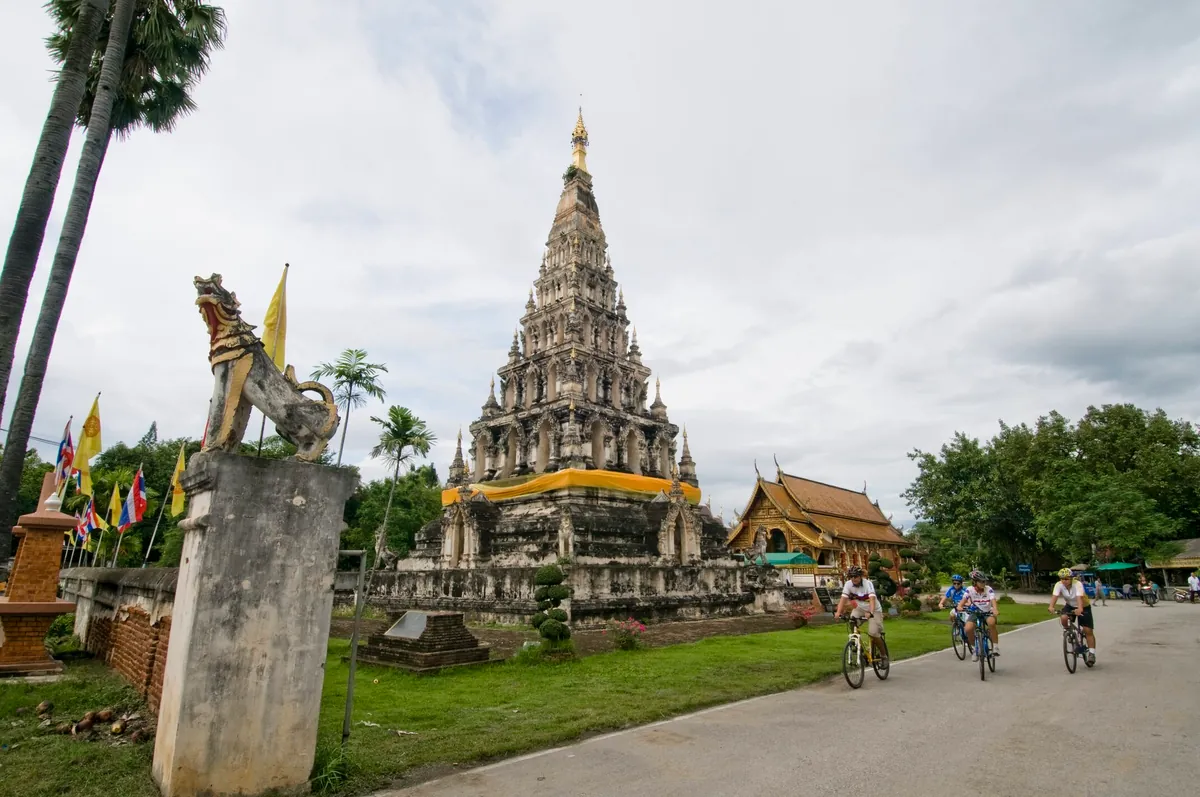
Wiang Kum Kam
The buried city that predates Chiang Mai, Mengrai's original capital, abandoned when the river flooded. Explore by samlor (cycle rickshaw) with a guide; over 30 temple ruins spread across rice fields.

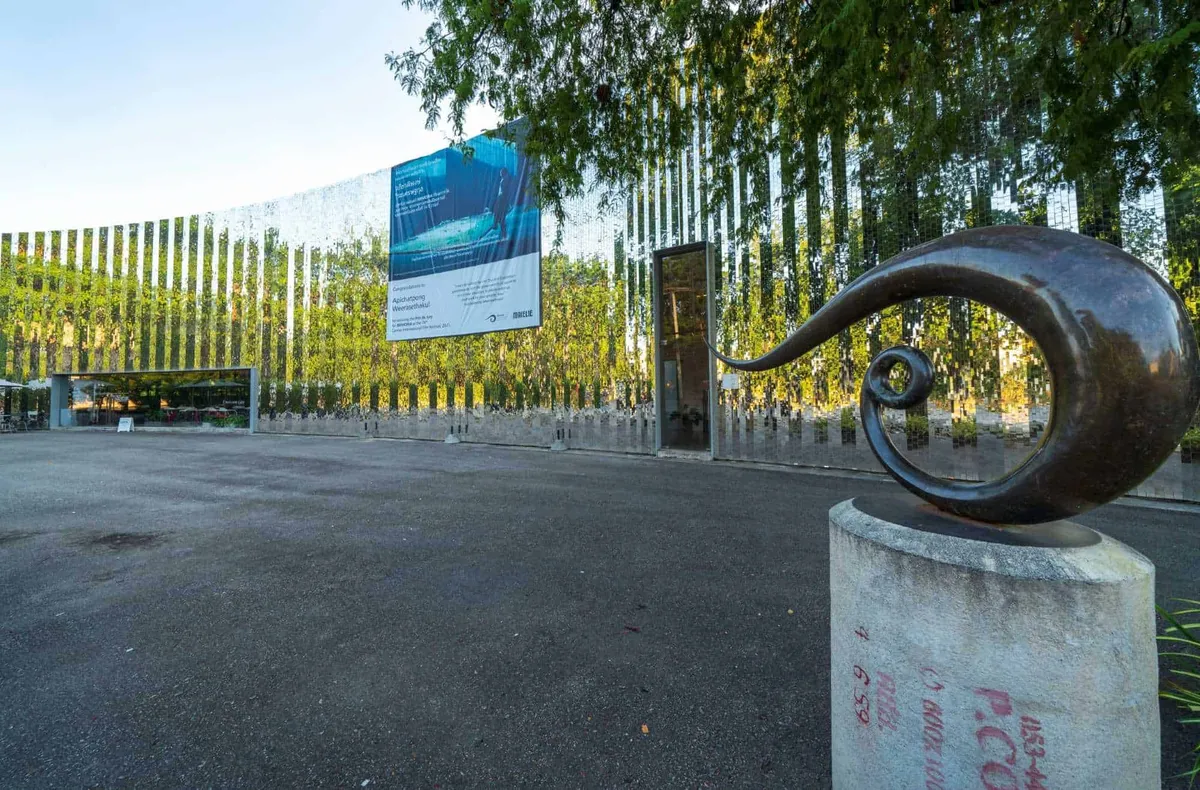
MAIIAM Contemporary Art Museum
The best contemporary art space in northern Thailand: a converted building east of the city on the San Kamphaeng road, with serious rotating shows and a permanent collection of Thai and Southeast Asian work.

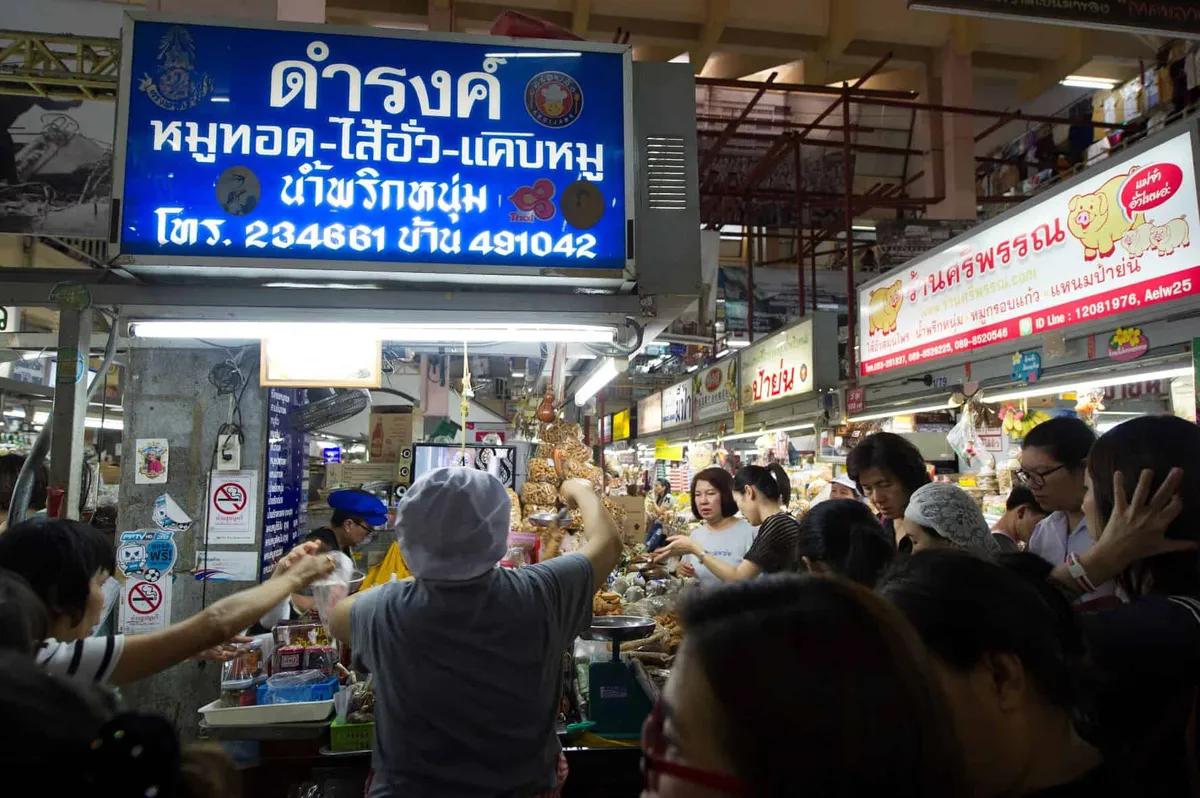
Warorot Market
Chiang Mai's oldest covered market, used by locals not tourists: three floors of textiles, dried goods, and northern Thai food. Come hungry; the ground floor food stalls open at 6am.

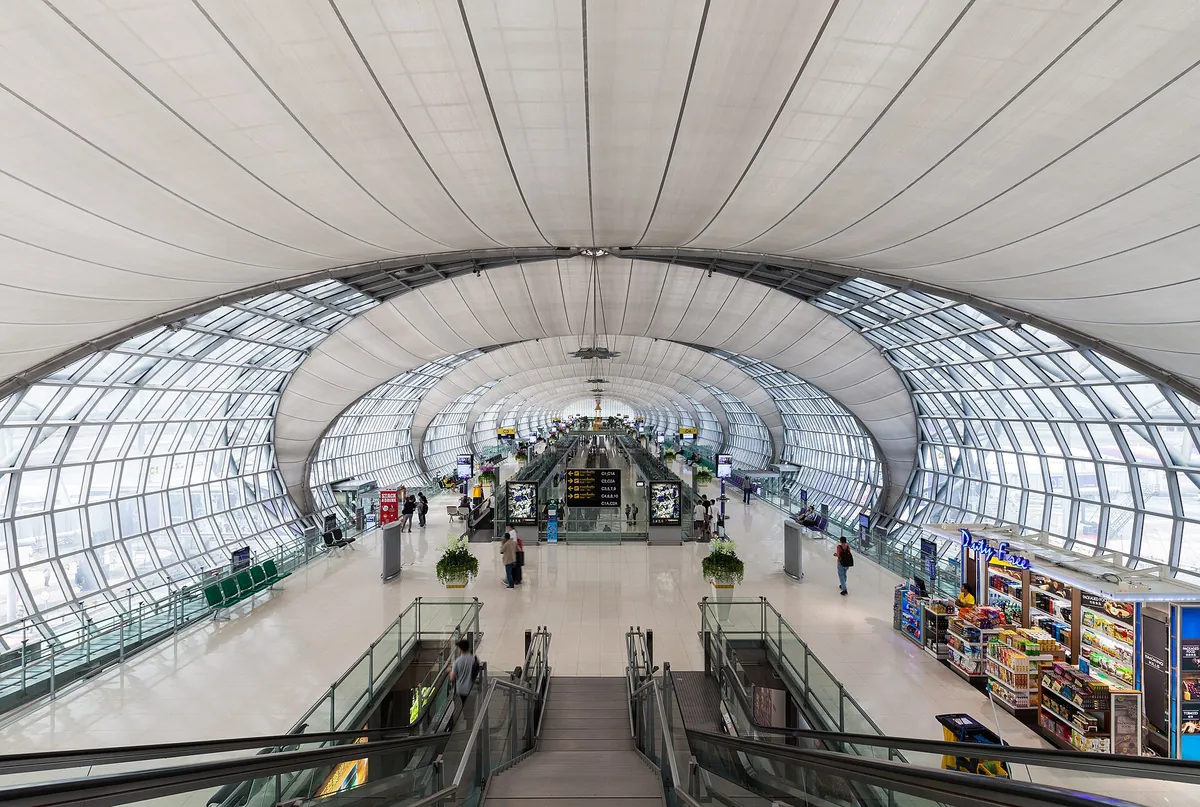
Get to Chiang Mai
The overnight sleeper train from Bangkok is the enjoyable way up; flying takes 1h15. San Kamphaeng is about 13km east of Chiang Mai city, a short songthaew ride or hire car.

eSIM for Thailand
Land with data already working and skip the airport SIM queue. We tested six plans. Code THAIHOLIDAY saves 10%.

Travel insurance
Motorbikes and mountain roads around Chiang Mai. Sort cover before you go and check the motorbike clause; most cheap policies exclude it.
Top sights & experiences
Things to do in San Kamphaeng

Ban Chang Nak
บ้านจ๊างนัก


Blue Sky Paramotor Chiangmai
บลูสกายพารามอเตอร์เชียงใหม่
Bo Sang Umbrella Village
บ่อสร้าง

FlyingBird Paramotor
พารามอเตอร์เชียงใหม่ ฟลายอิ้งเบิร์ด

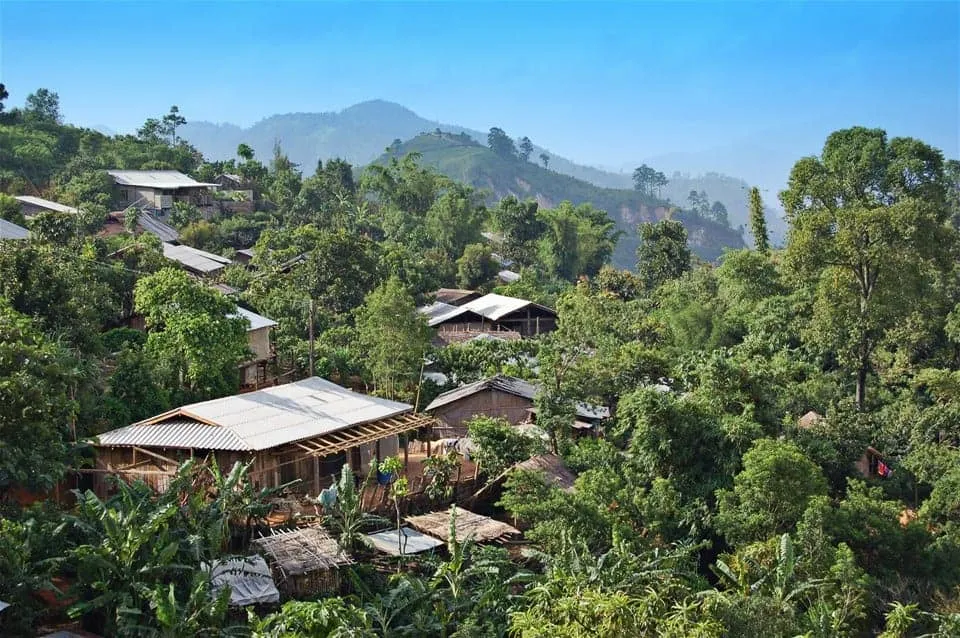
Mae Kampong Village
หมู่บ้านแม่กำปอง

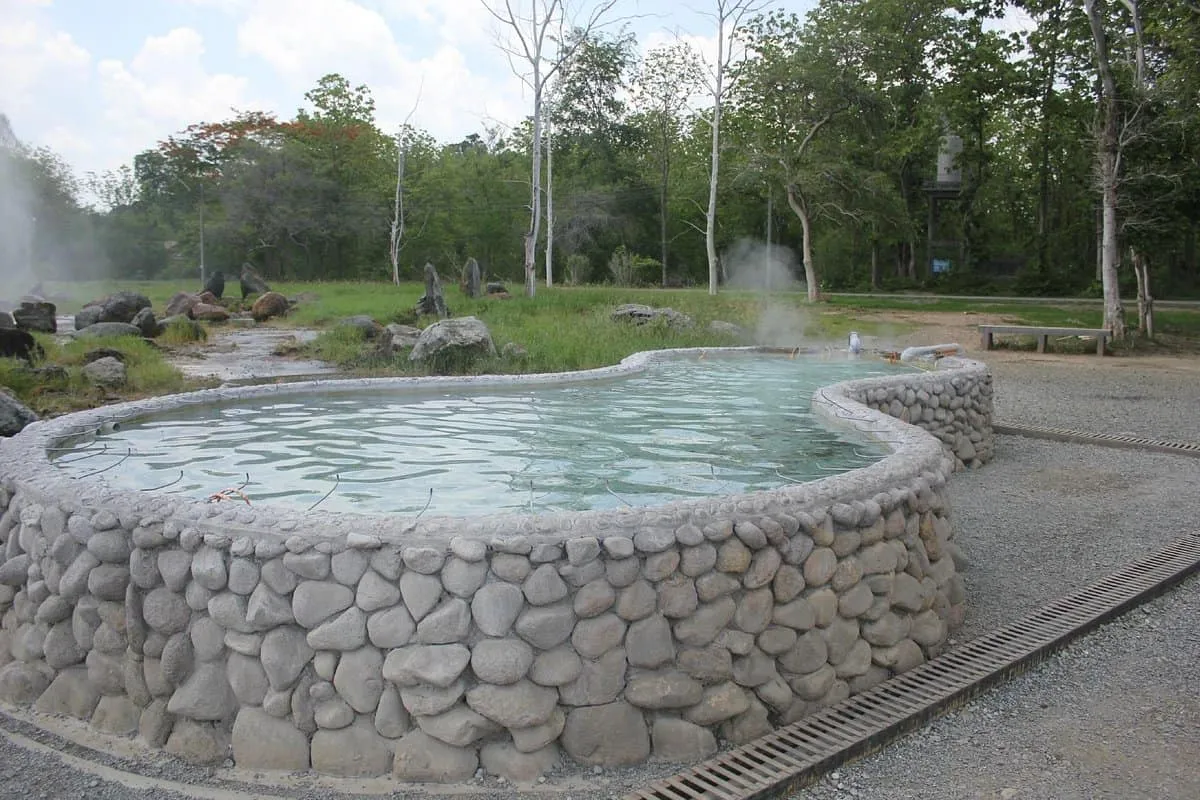
San Kamphaeng Hot Springs
น้ำพุร้อนสันกำแพง

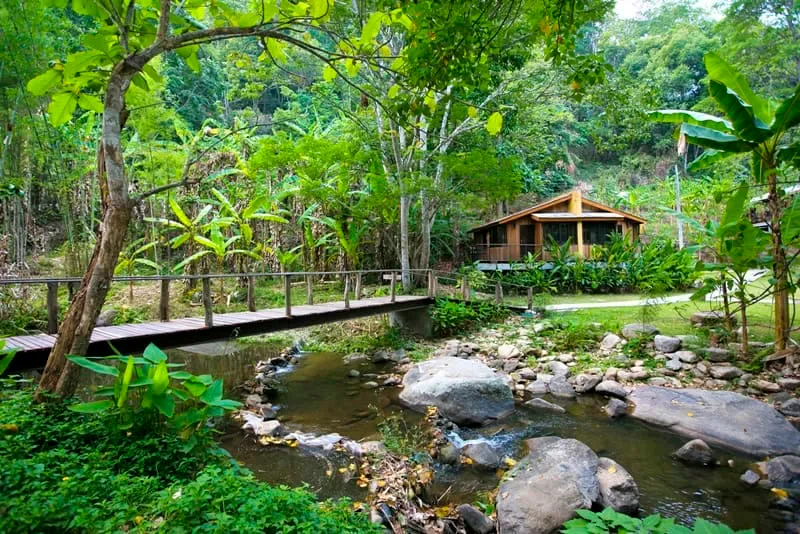
Teen Tok Royal Project Development Center
ศูนย์พัฒนาโครงการหลวงตีนตก

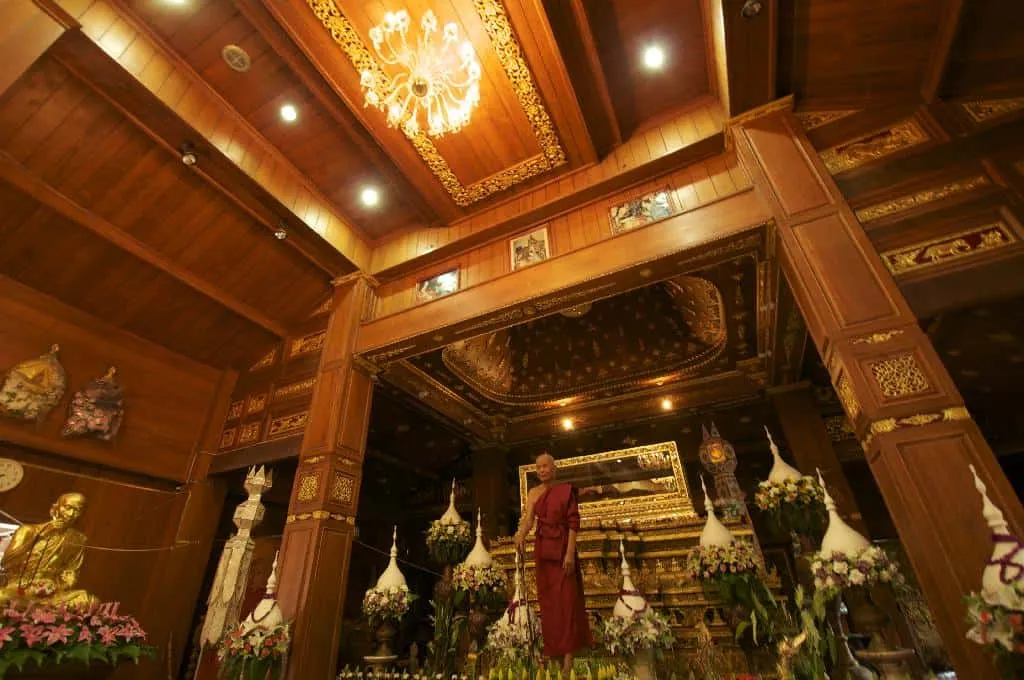
Wat Pa Tueng
วัดป่าตึง
Things to do on the map
Tap a pin for details. 9 places in San Kamphaeng plotted.
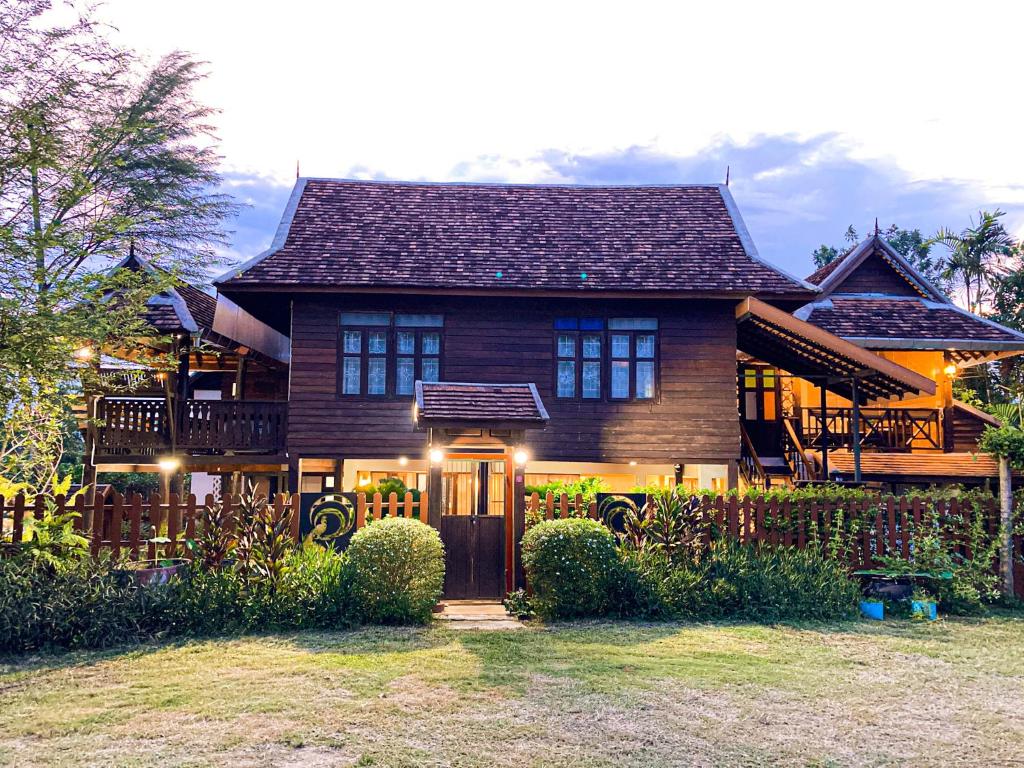
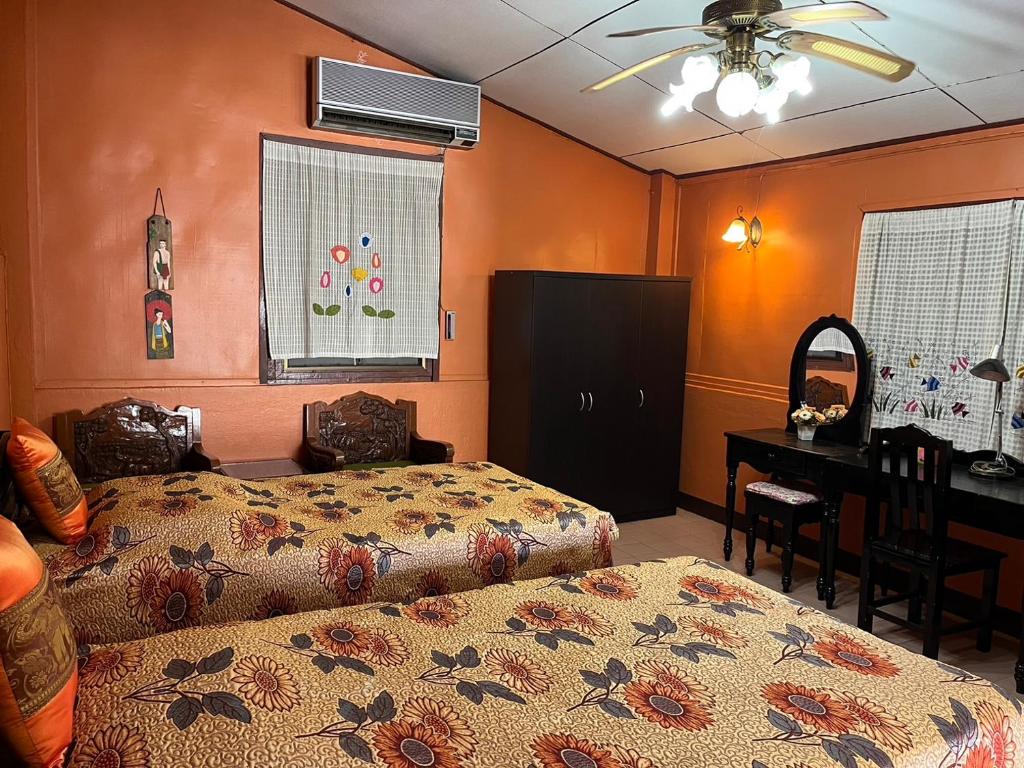
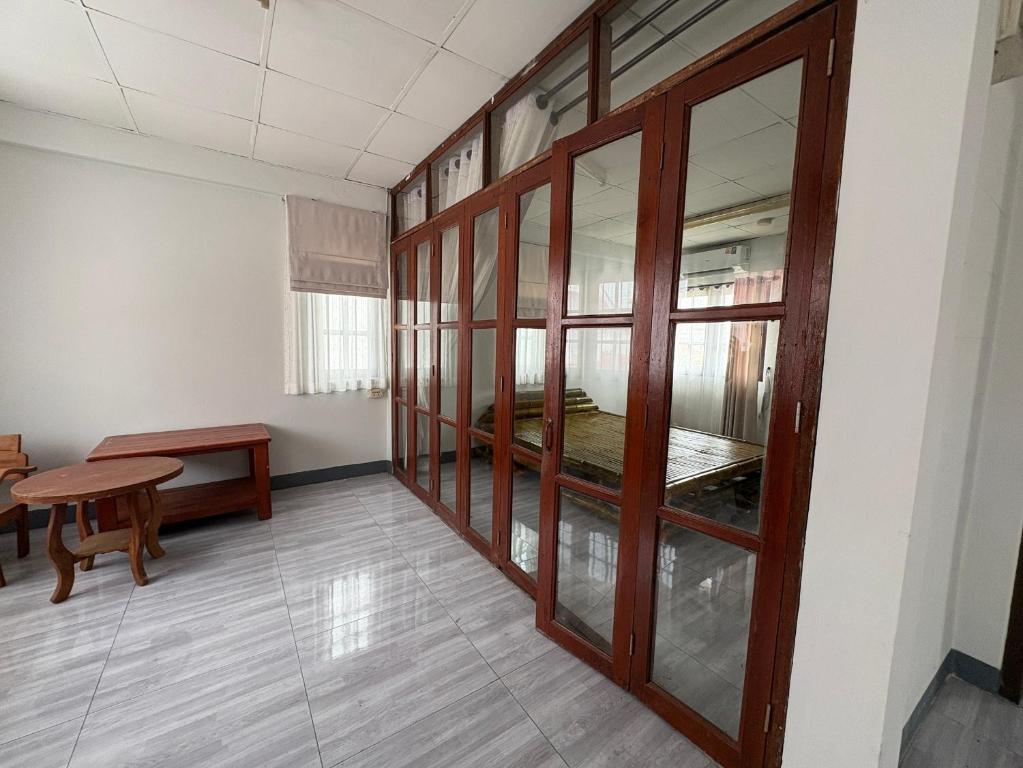
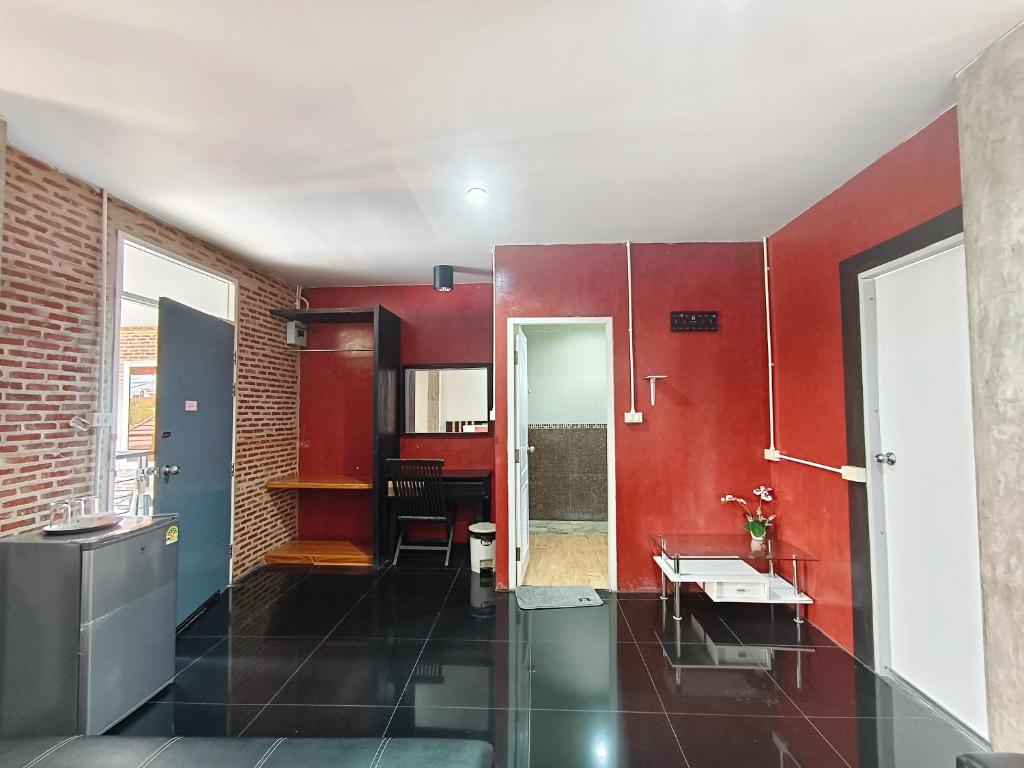
Where to stay in San Kamphaeng
Also nearby
Tours in Chiang Mai

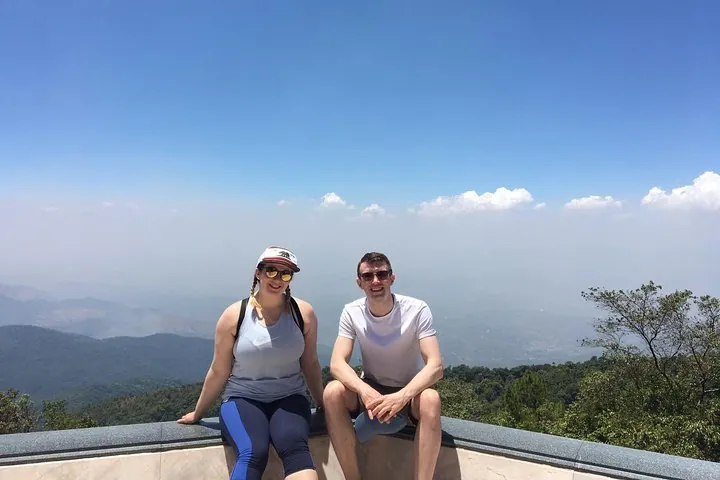
1 Day Private Tour Doi Inthanon And Phachor Canyon

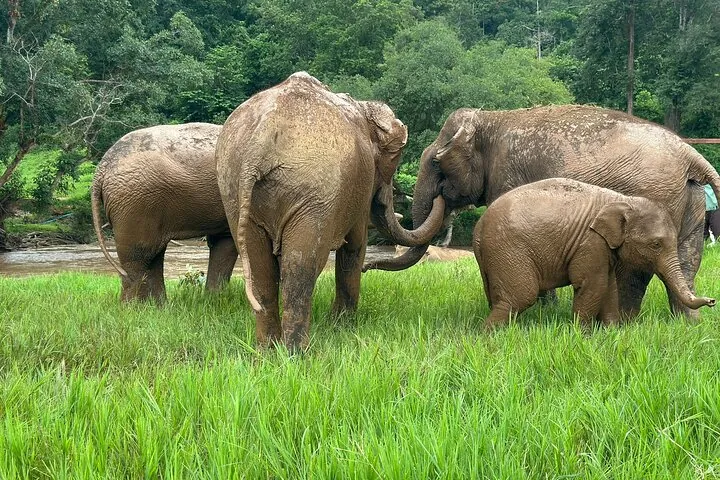
4 in 1 Elephants Long Neck Rafting and Sticky Waterfall Tour

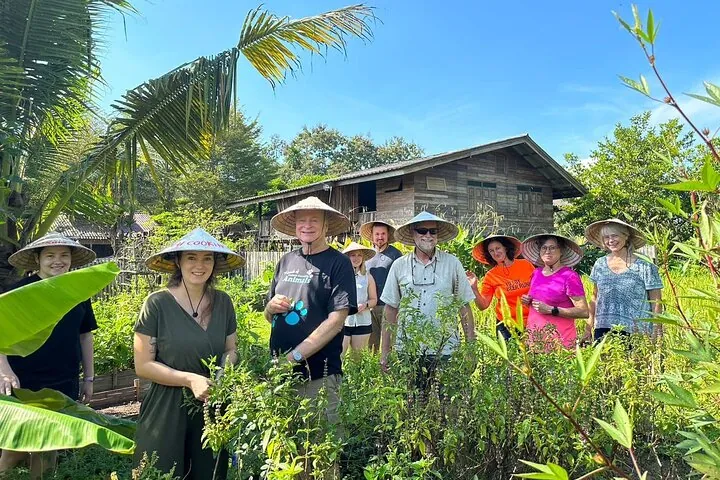
Authentic Thai Cooking Class and Farm Visit in Chiang Mai


Benny's Home Cooking Chiang Mai

Care Pride Elephants: Full-Day Tour Experience

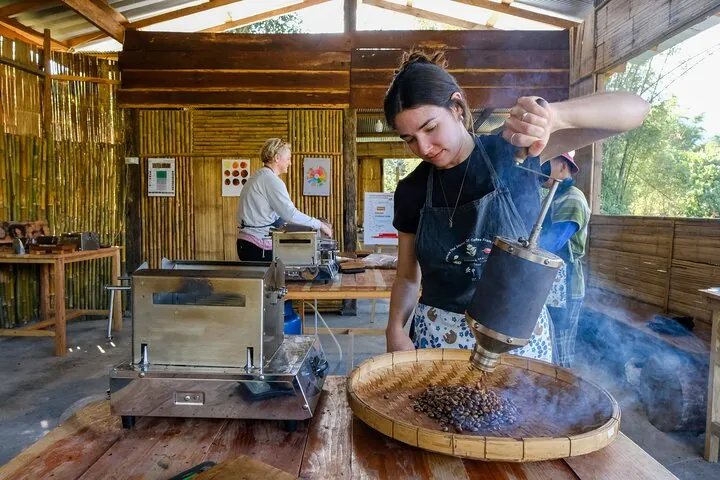
Chiang Mai 4WD Hilltribe Coffee: Jungle Trek, Roast & Brew.


Chiang Mai Elephant Sanctuary, Rafting & Waterfall Tour

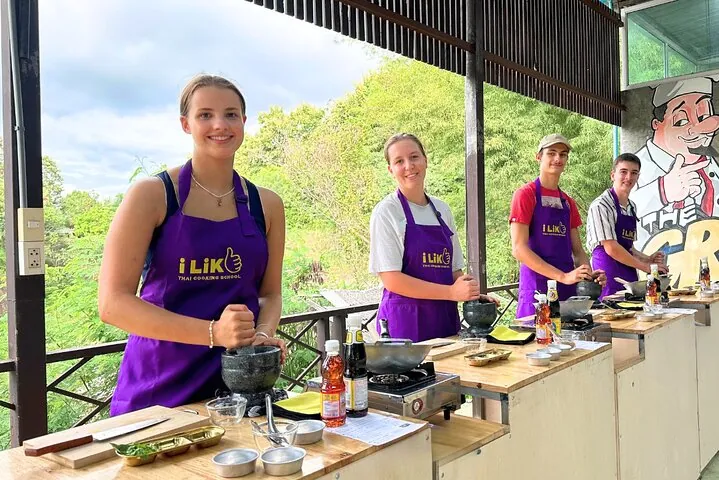
Chiang Mai Cooking Class at Grand Canyon with Market Tour

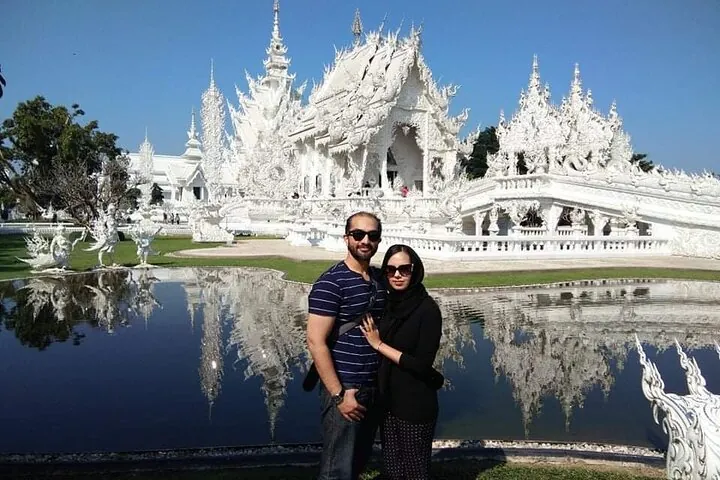
Chiang Rai Temples: Private Tour from Chiang Mai

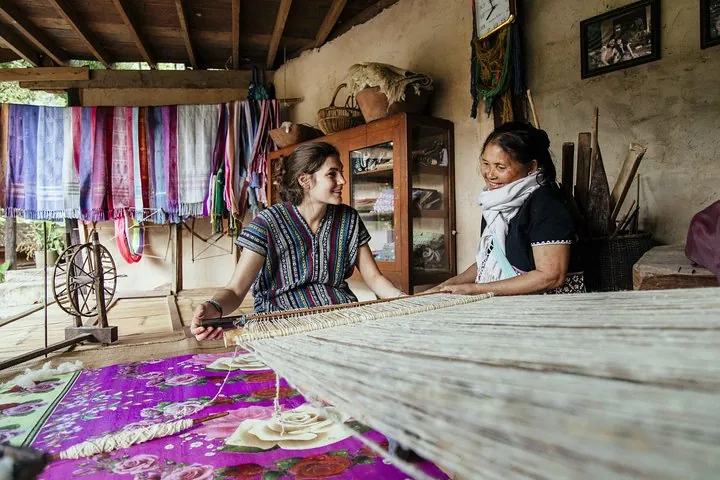
City Escape: Doi Inthanon & Karen Village Private Day Trip

Doi Inthanon Private Tour with Trek & Lunch from Chiang Mai

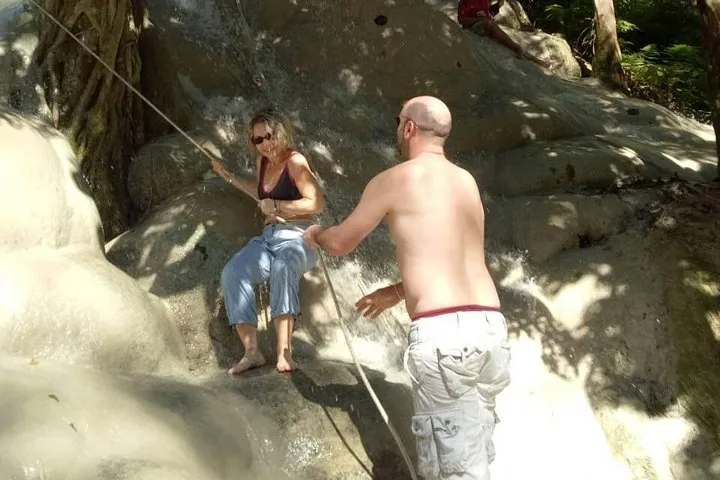
Doi Suthep Temple and Bau Thong Waterfalls Private Tour
When to go
Nov–Feb The most comfortable driving weather for the Route 1006 workshop crawl. January's Umbrella Festival draws big crowds to Bo Sang. The hot springs are especially appealing on cool evenings, a natural end to a day of handicraft browsing.
Mar–Apr Burning-season haze drifts across the Chiang Mai plain, but it barely matters here. The handicraft factories, silk workshops, and hot springs are all indoors or under cover. One of the few northern destinations where smoke season is largely irrelevant.
May Hot and quiet. The showrooms are uncrowded and negotiating prices becomes easier. The hot springs remain worthwhile; outdoor sightseeing is minimal anyway, so the heat is less of an issue than elsewhere.
Jun–Oct Rain doesn't affect the covered workshops, umbrella-painting sessions, or hot springs at all. A practical choice for wet-season travellers who want substance over scenery. Accommodation prices are at their lowest.
More to explore around Chiang Mai



About San Kamphaeng
Last updated June 2026
San Kamphaeng is a district 13km east of Chiang Mai, known throughout Thailand as the centre of the city’s handicraft industry. The road from Chiang Mai to San Kamphaeng (Route 1006) is lined with workshops, showrooms and factories (silk, celadon, lacquerware, silverwork, carved wood and umbrellas) all operating as both production facilities and showrooms. Most are open to visitors during working hours, with free tours of the production process as standard.
What to See & Do
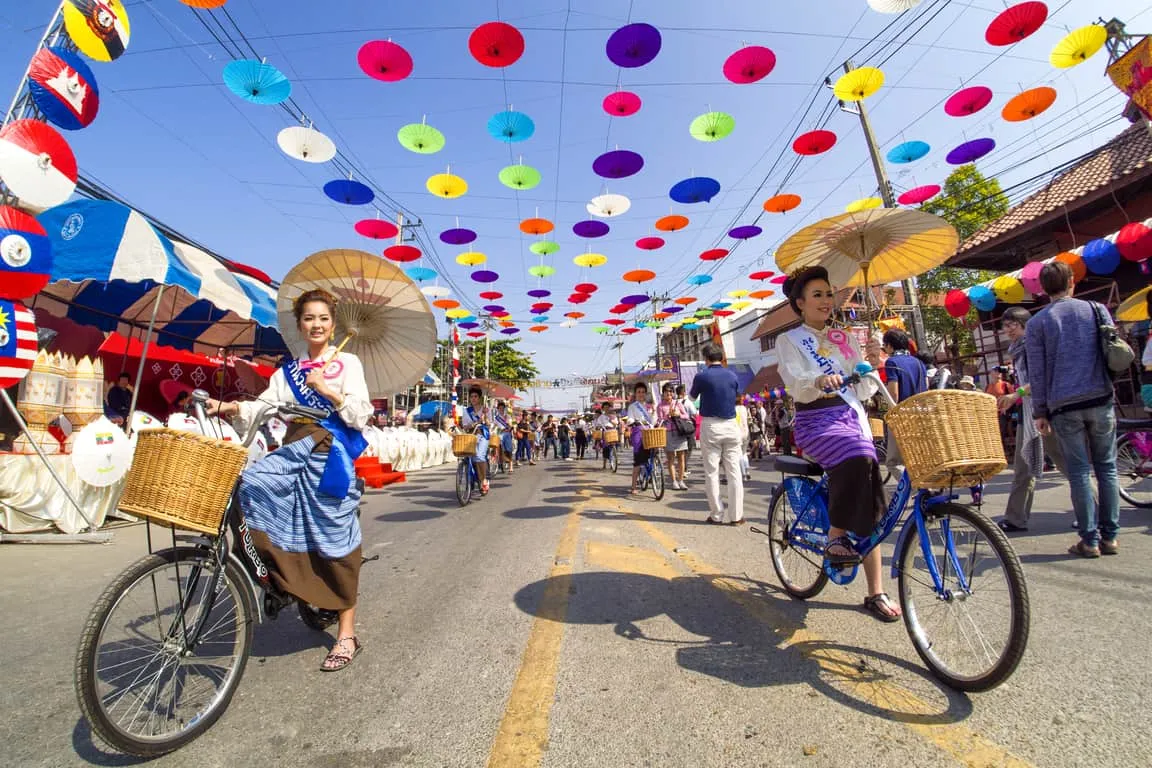
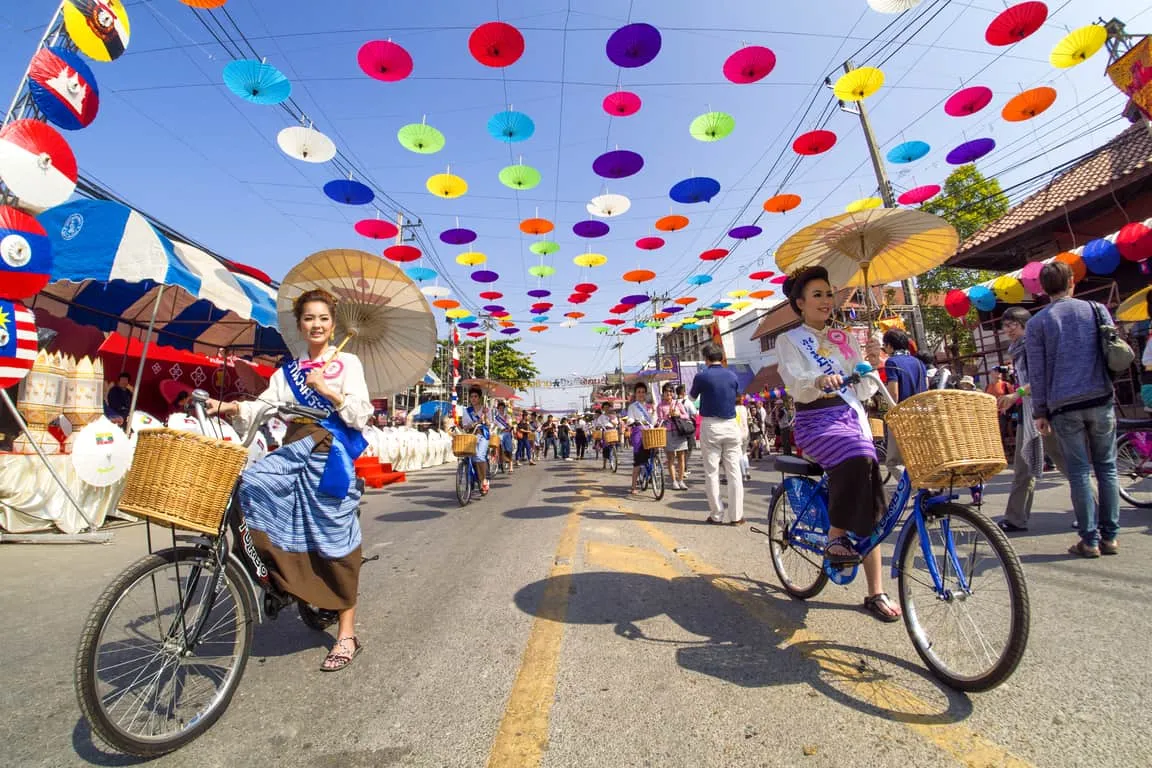
The Bo Sang Umbrella Village, about 10km east of Chiang Mai, is the best-known attraction on the route. Traditional umbrellas here are made from bamboo frames with saa paper stretched over them, a material produced from mulberry bark. You can watch artisans hand-painting the parasols at their benches, choose from an enormous range of colours and patterns, and buy direct. Custom orders are possible. The annual Bo Sang Umbrella Festival (usually the third weekend of January) turns the main street into an open-air gallery with decorated facades and craft stalls across the village.
Further east, Baan Celadon and Siam Celadon are the best-known celadon producers in northern Thailand, making the distinctive crackle-glazed green ceramics that have become a Chiang Mai signature. Both factories offer free tours covering the full process: hand-shaping, glazing and kiln-firing. If you’re buying, the further you travel from the city along Route 1006, the better the prices tend to get.
San Kamphaeng Hot Springs are 36km east of Chiang Mai: about 50 minutes by motorbike from the city. The site has soaking pools cooled from the 100°C source water, private tub hire and egg-boiling stations. The springs are a popular final stop on a handicraft road day trip. Arrive on a weekday for quieter pools; weekend afternoons fill up with Chiang Mai day-trippers.
The district also has 19 temples worth exploring if you’re on a motorbike with time. Most are working community temples rather than tourist sites, which makes them noticeably less crowded than the Chiang Mai old city wats.
Getting There
Songthaews from near Warorot Market in Chiang Mai run to the San Kamphaeng area for 30-40 baht. By motorbike or car on Route 1006, the workshops start appearing about 8km east of the city and continue for several kilometres before you reach Bo Sang. Motorbike rental in Chiang Mai is the most practical option: public transport doesn’t reach the hot springs or the further factories.
Best Time to Visit
November to February is cool and comfortable for the drive. January brings the Umbrella Festival. The handicraft shops operate year-round regardless of weather; the hot springs are equally popular in the dry cool season.
Insider Tip: Negotiate at the factory showrooms: prices are flexible, especially for multiple pieces or larger items. Shops closer to the city mark up more for the tourist trade; the factories further along the road are generally better value and the production areas are more active midweek.