



Fang
ฝาง
Starting point for some of the best hill tribe treks and beautiful national park adventures
- Best time
- Nov–Feb (cool season)
- From Bangkok
- Flight to Chiang Mai + 3h drive via Route 107
- How long
- 1–2 nights
- Getting around
- Own car or motorbike essential. Songthaews don't reliably reach hot springs or Doi Ang Khang
Updated June 2026
Plan your trip
Recommended by us

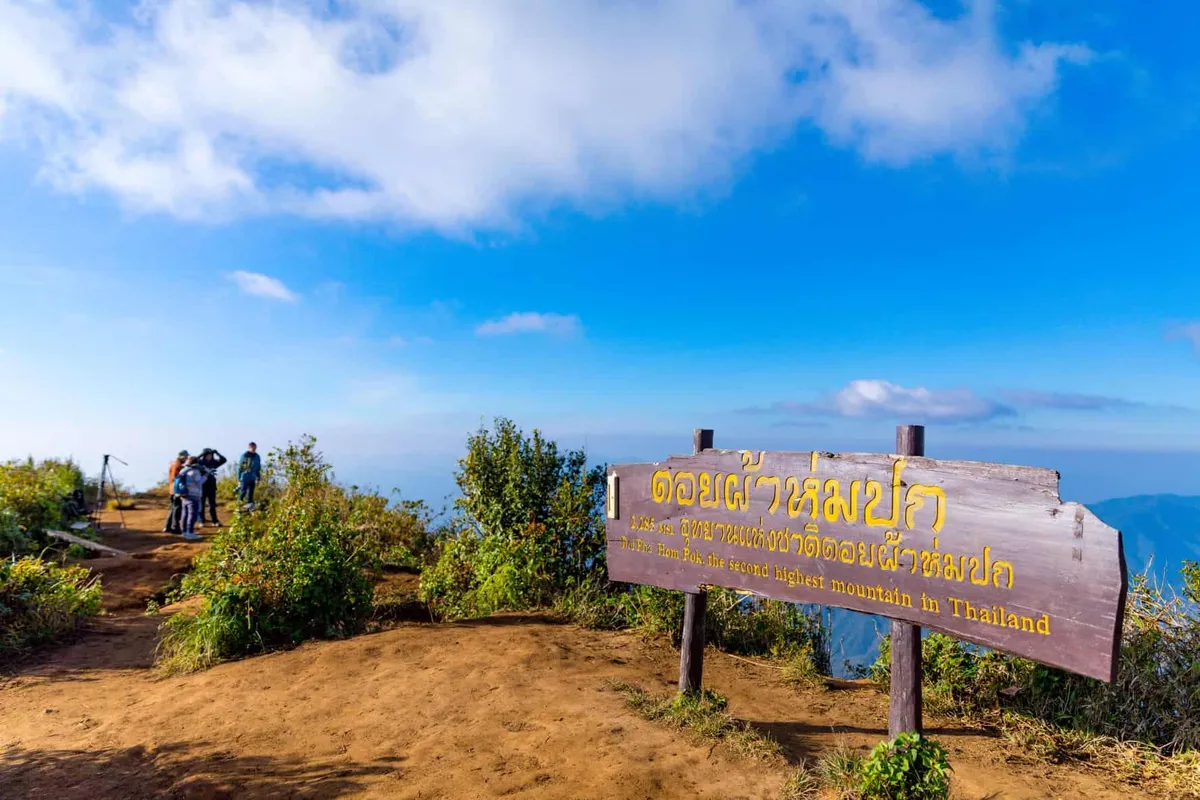
Doi Pha Hom Pok National Park
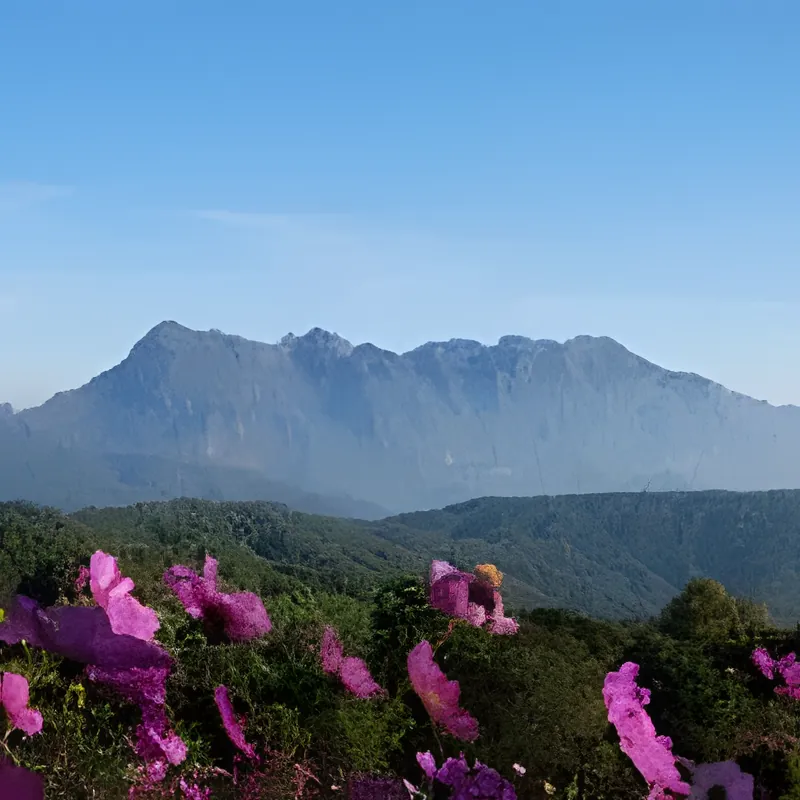
Thailand's second-highest peak and a national park covering cloud forest and hill-tribe villages. The summit trail is best attempted November–February when the air is clear and frost isn't unusual.

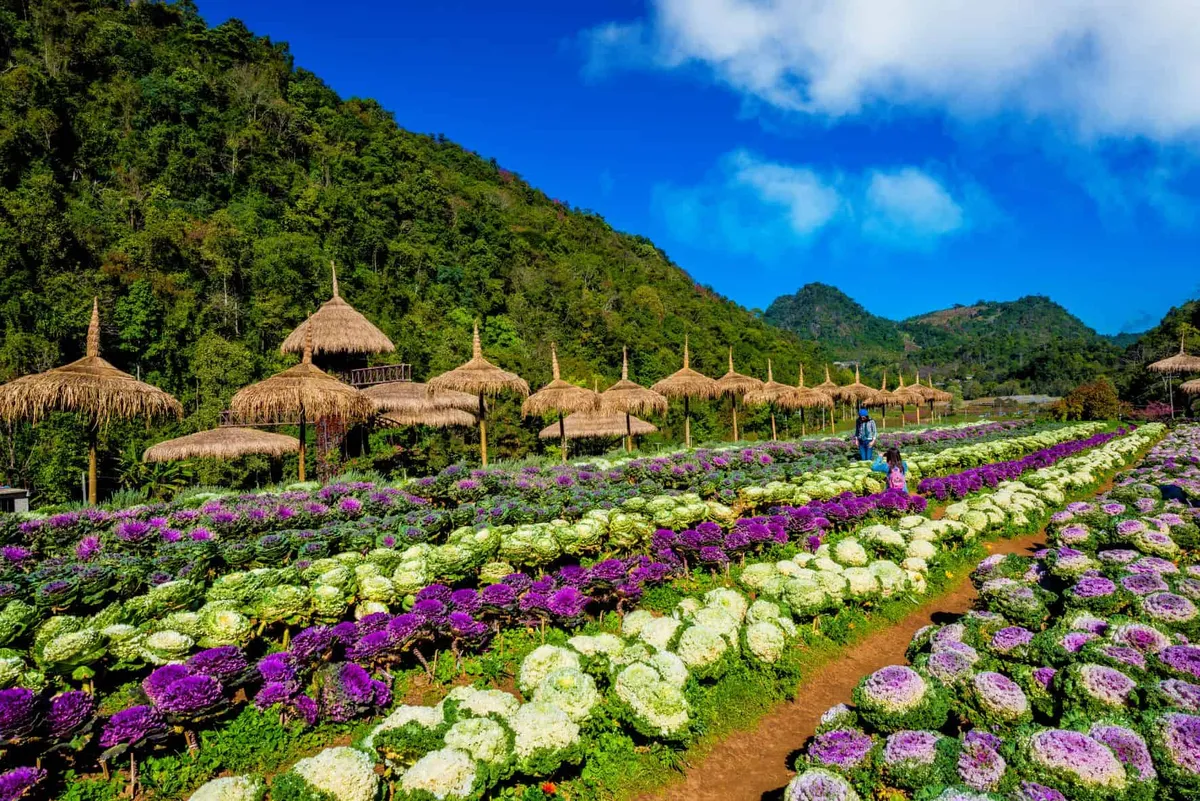
Royal Agricultural Station Angkhang
A working royal research station on the Myanmar border that replaced opium with strawberries, roses, and temperate-climate crops. The gardens are the reason most people make the drive up.

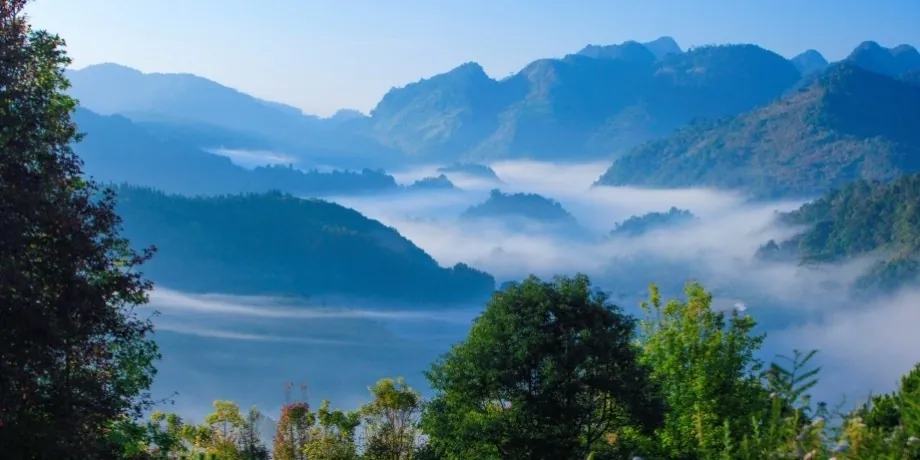
Doi Ang Khang
The plateau sits above 1,400m and stays cool enough for a blanket at night. Come in winter for the flower fields; the viewpoints over the valley are best at dawn before mist burns off.

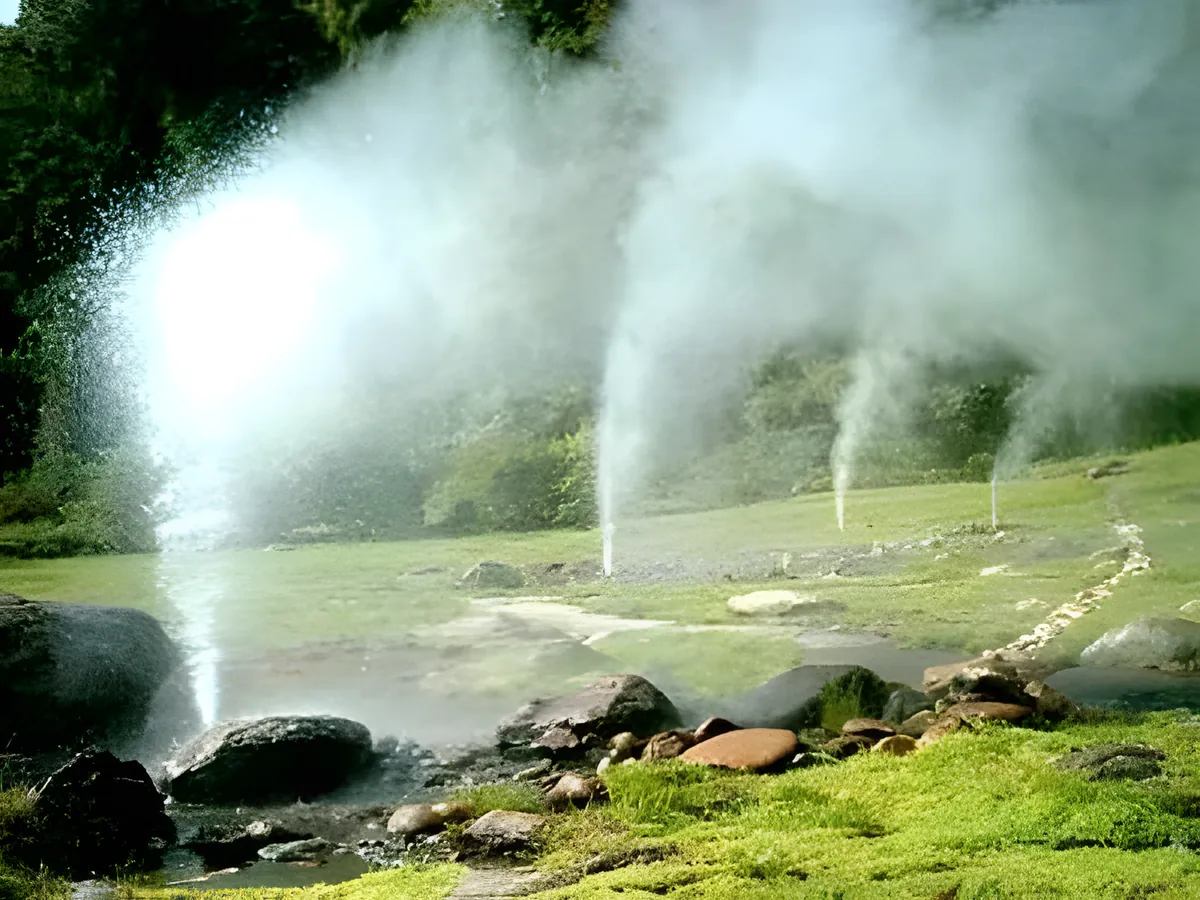
Fang Hot Springs
Geothermal vents that locals use for boiling eggs. There are also soaking pools nearby. An easy stop on the way out of town toward Doi Pha Hom Pok.

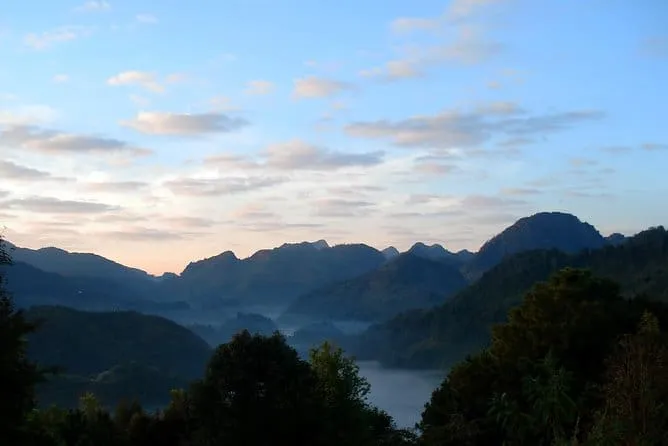
Get to Fang
Fly or take the overnight sleeper to Chiang Mai, then a shared minivan north to Fang, around 3–4 hours on winding mountain roads.

eSIM for Thailand
Land with data already working and skip the airport SIM queue. We tested six plans. Code THAIHOLIDAY saves 10%.

Travel insurance
Mountain trails and hill-tribe trekking in a remote border region. Sort cover before you go. Check that trekking and motorbike riding are included.
Top sights & experiences
Things to do in Fang








Things to do on the map
Tap a pin for details. 11 places in Fang plotted.
Where to stay in Fang

Also nearby
Tours in Chiang Mai

1 Day Private Tour Doi Inthanon And Phachor Canyon

4 in 1 Elephants Long Neck Rafting and Sticky Waterfall Tour

Authentic Thai Cooking Class and Farm Visit in Chiang Mai


Benny's Home Cooking Chiang Mai

Care Pride Elephants: Full-Day Tour Experience

Chiang Mai 4WD Hilltribe Coffee: Jungle Trek, Roast & Brew.

Chiang Mai Elephant Sanctuary, Rafting & Waterfall Tour

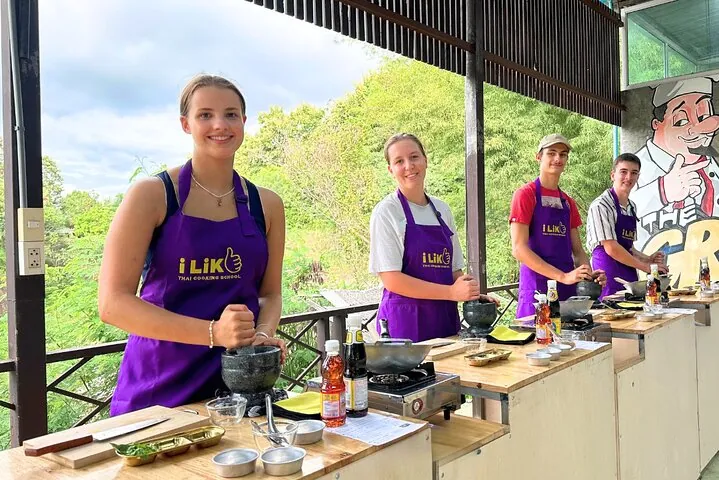
Chiang Mai Cooking Class at Grand Canyon with Market Tour

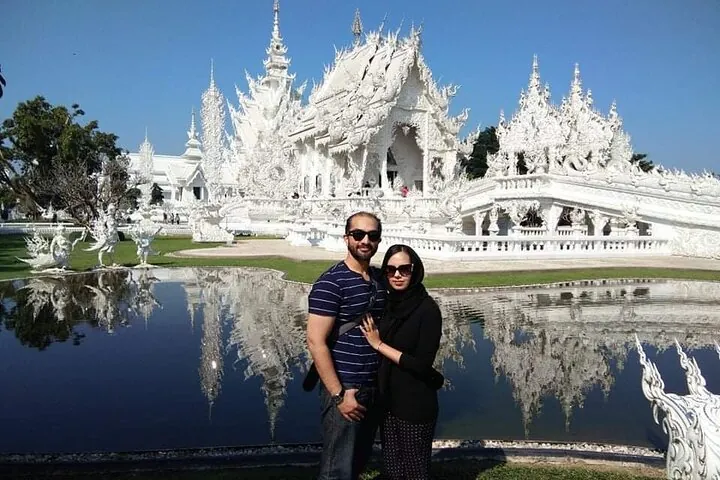
Chiang Rai Temples: Private Tour from Chiang Mai

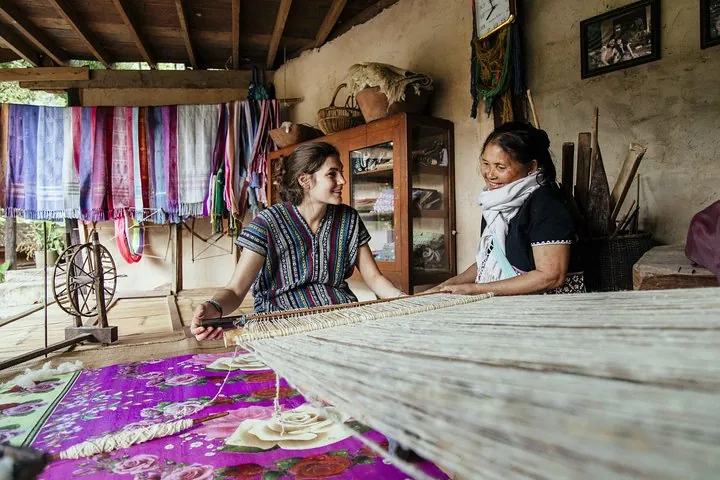
City Escape: Doi Inthanon & Karen Village Private Day Trip

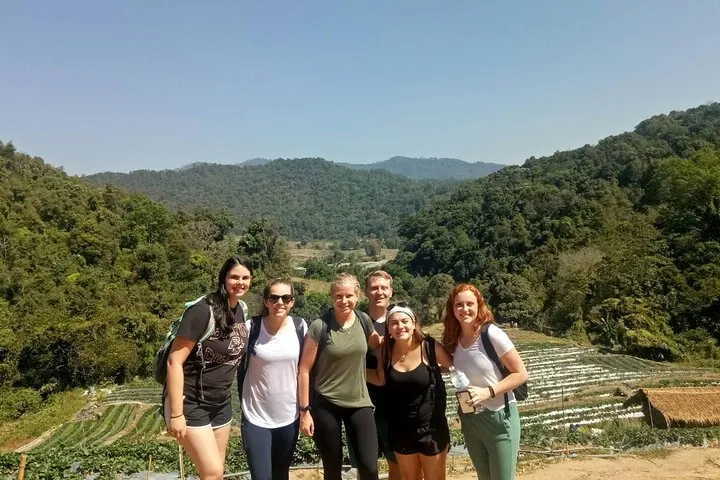
Doi Inthanon Private Tour with Trek & Lunch from Chiang Mai

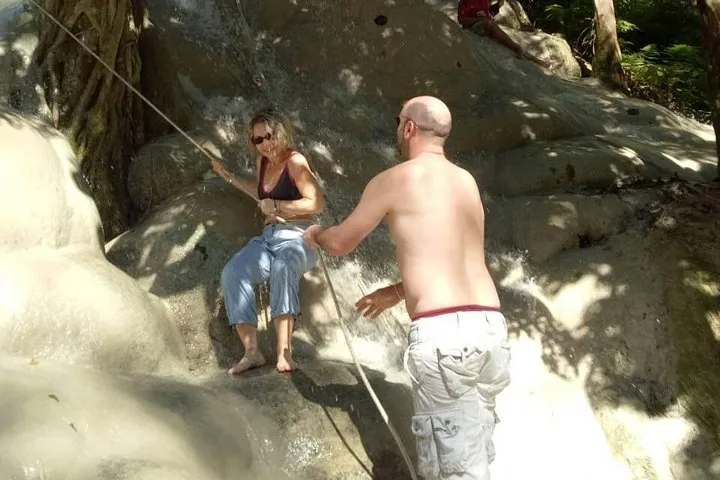
Doi Suthep Temple and Bau Thong Waterfalls Private Tour
When to go
Nov–Feb Cool, clear weather makes this the ideal window for Fang Hot Springs and the drive up to Doi Ang Khang. Cold nights at altitude. Bring a warm layer. The valley roads are dry and the mountain scenery at its sharpest.
Mar–Apr Agricultural burning blankets the Fang basin and surrounding hills in haze. Air quality drops noticeably. The Doi Ang Khang views that draw visitors can vanish entirely. March is the worst; April improves slightly as rains approach.
May Rising temperatures and the tail end of haze season. The hot springs remain appealing but midday heat makes touring uncomfortable. Worth considering for those who want to avoid peak-season crowds and prices.
Jun–Oct Monsoon rains keep the surrounding orchards and hills vivid green. The road to Doi Ang Khang can become treacherous. Own transport essential and 4WD advisable for the mountain sections. Hot springs visits stay enjoyable whatever the weather.
More to explore around Chiang Mai



About Fang
Last updated June 2026
Fang is a small town about 150km north of Chiang Mai, in a valley near the Myanmar border. It’s a practical base rather than a destination in itself (agricultural, low-key, and almost entirely off the international tourist circuit) but the surrounding mountains and national parks make it worth two or three days if you want to get clear of Chiang Mai’s crowds.
What to See & Do
Fang Hot Springs (Pong Nam Ron Fang) sits within Doi Pha Hom Pok National Park and is the most-visited single attraction in the area. The spring field has over 50 outlets spread across roughly 10 rai, with source water reaching 80-100°C. Facilities include soaking pools cooled to comfortable temperatures, private enclosed tubs for hire (50-200 baht per hour), a steamed sauna, Thai massage and egg-boiling stations. Entry fees run around 200 baht for foreign adults. The park is popular with Thai families at weekends.
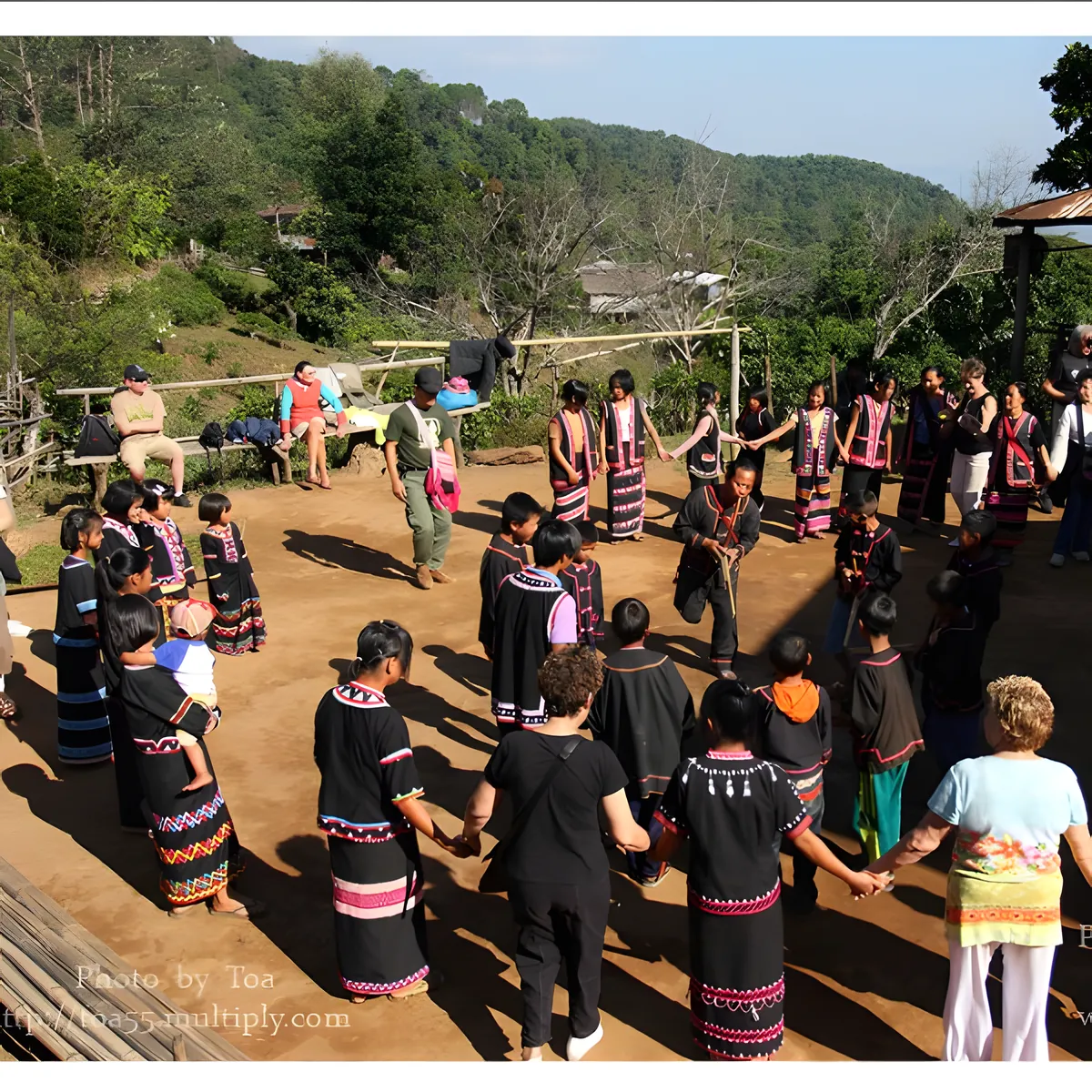
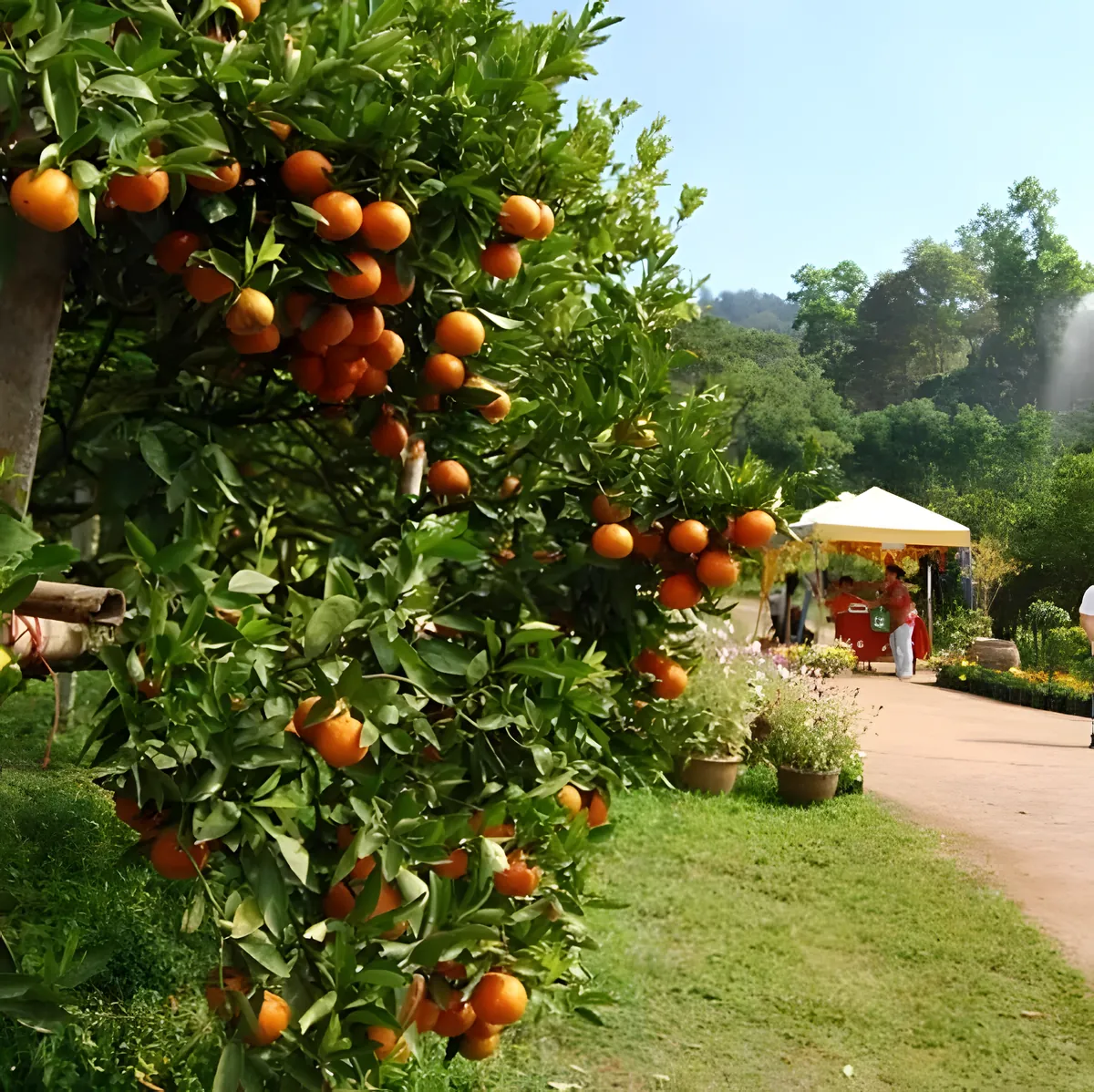
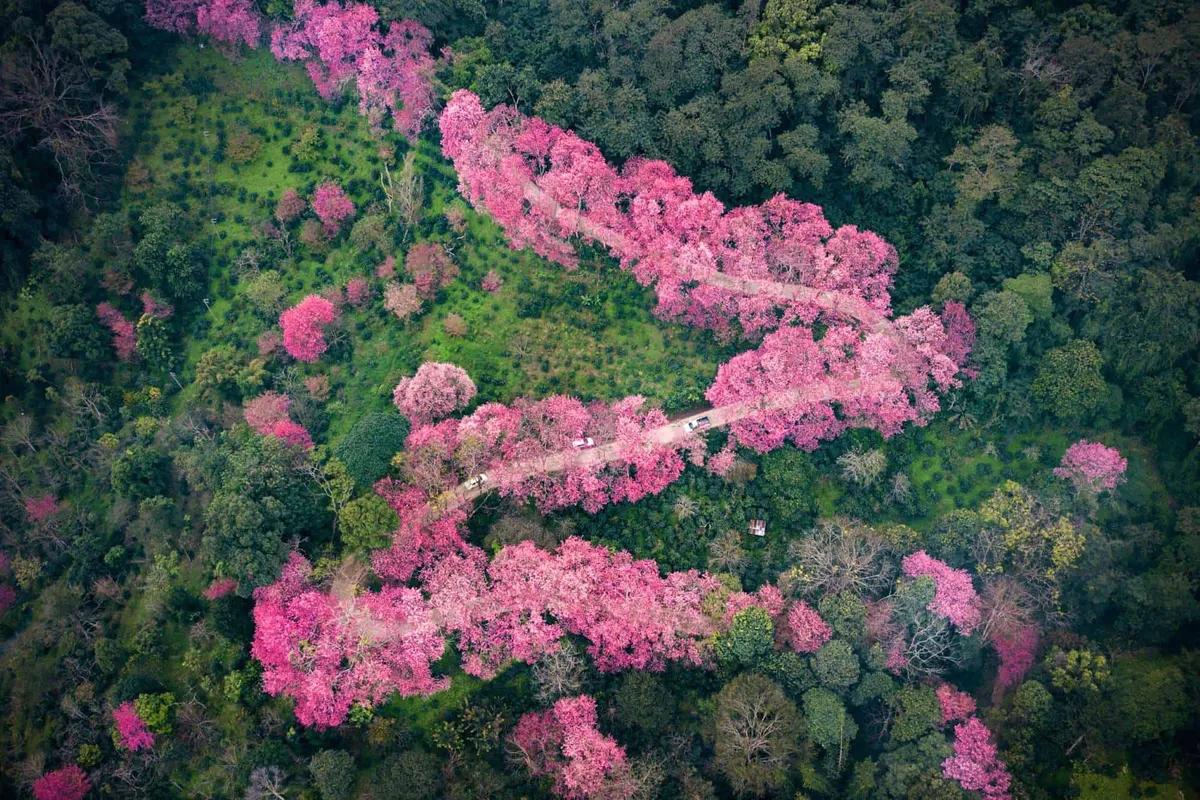
Doi Ang Khang, 25km north of town on a winding mountain road, is a Royal Agricultural Research Station at about 1,400m elevation. Temperatures here drop to near-freezing in December, low enough to grow strawberries, stone fruits and ornamental flowers not found elsewhere in Thailand. Himalayan cherry blossoms flower in January and February and draw Thai day-trippers from across the north. Hill tribe communities (Lahu, Akha and Palong) occupy the surrounding ridges, and several guesthouses in Fang organise guided day treks. The research station accommodation on-site is also open to visitors (book in advance during high season).
The town of Fang itself has a working market where street stalls serve northern Thai food: khao soi, sai ua pork sausage, grilled meats with sticky rice. Produce from the Royal Project farms is available near the Doi Ang Khang entrance: fresh strawberries in season, Royal Project coffee and tea year-round.
Getting There
Minibuses from Chiang Mai’s Arcade Bus Terminal run directly to Fang in around 2.5-3.5 hours for 120-180 baht. Driving yourself on Route 107 via Chiang Dao takes a similar time and gives you the flexibility to stop along the way. Having your own wheels matters here: Fang Hot Springs and Doi Ang Khang are both outside town, and songthaews to the national park aren’t reliable.
Insider Tip: Combine Fang with a stop in Chiang Dao, roughly halfway along the route from Chiang Mai. The cave temple (Tham Chiang Dao) and the Doi Chiang Dao Nature Reserve are both worth at least two hours and break the drive into manageable sections.