





Wildlife & Nature in Thailand
36 tours across 12 destinations
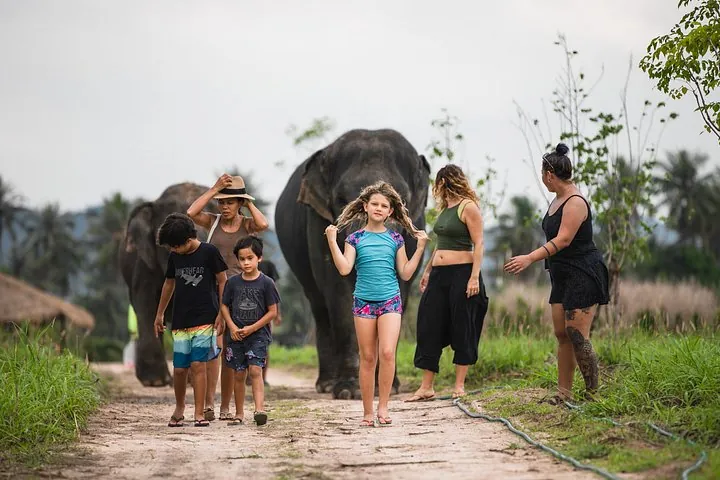
Thailand's nature tours lean heavily on ethical elephant experiences and national park visits. Rideable elephants are the old model; the current best practice is observation-only sanctuaries where elephants walk freely, feed, and bathe without tourists on their backs. Elephant Nature Park (Chiang Mai) and Phuket Elephant Sanctuary are the most established ethical operators. For parks, Doi Inthanon (Chiang Mai), Khao Sok (Surat Thani), Khao Yai (Nakhon Ratchasima), and Erawan (Kanchanaburi) each offer something distinct: cloud forest, rainforest lake, leopard-cat habitat, and seven-tier waterfall, respectively.
1 tours in Pattaya
Showing 1 to 1

Wildlife & Nature in Thailand: FAQ
Is elephant riding still offered?
Avoid any tour that markets elephant riding. All the operators listed on this site are observation-only or bathing-and-feeding: no howdahs, no circus tricks. Ride offerings often hide poor welfare standards.
Are national park entry fees included?
Usually not. Expect 100-400 THB extra for foreign entry. Khao Yai is 400 THB, Erawan 300 THB, Khao Sok 300 THB. Bring cash: some gates don't accept cards.
Best time of year for jungle trekking?
November to February: cooler, drier, easier going. March-May gets hot (35°C+ with humidity). Green season (June-October) is beautiful (full waterfalls, fewer tourists) but leeches, mud, and leech socks come with it.
What wildlife can I expect to see?
Realistically: gibbons and macaques, hornbills, butterflies, monitor lizards. Larger mammals (elephants, gaur) hide at the sound of a tour group. Wild cats (leopards, clouded leopards) exist but you will not see them on a day tour. Night safaris in Khao Yai give the best wildlife odds.