







3 Days in Chiang Mai: Temples, Doi Suthep & Elephants
Three days in Chiang Mai's Old City temples, the Doi Suthep climb, and a choice of elephant sanctuary, cooking class, or Doi Inthanon.
Facts checked Sept 2026
Duration
3 days
Pace
moderate
Best For
culture lovers, food lovers, nature lovers, first-time visitors
Budget
2,400–24,000 THB per person
Best Months
Nov, Dec, Jan, Feb
Trip Cost Breakdown
| Category | Budget | Mid-Range | Luxury |
|---|---|---|---|
| Accommodation | 600–900 THB (3 nights) | 3,600–7,500 THB | 12,000–24,000 THB |
| Food & Drink | 450–750 THB (3 days) | 1,200–2,400 THB | 3,600+ THB |
| Activities & Tours | 500–1,500 THB (temples + songthaew) | 1,500–3,500 THB (elephant sanctuary or cooking class) | 3,500–6,000 THB (private guide/driver) |
| Local Transport | 200–400 THB (songthaew, Grab) | 500–1,000 THB | 1,500+ THB (private car with driver) |
| Total Estimate | 2,400–24,000 THB per person | ||
Day-by-Day Itinerary
Tap each day for details, booking links, and tips.
1Old City Temples, Tha Phae Gate & Night Bazaar
chiang mai
Old City Temples, Tha Phae Gate & Night Bazaar
chiang mai

Land at Chiang Mai International Airport and take a Grab or metered taxi into the Old City, 15 minutes and roughly 100-150 THB depending on traffic. Drop your bags and start at Tha Phae Gate, the rebuilt brick gateway on the eastern wall where locals feed pigeons in the late afternoon. The Old City is a walkable square, about 1.5 km per side, bounded by a moat on all four sides, so it is genuinely hard to get lost.
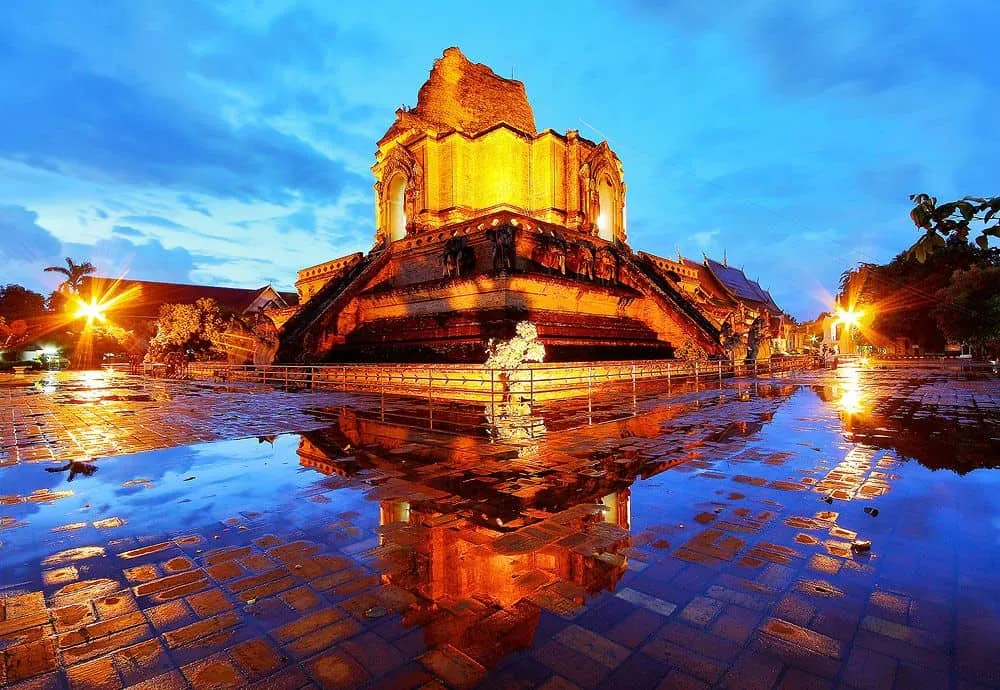
Spend the rest of the afternoon on foot between temples. Wat Chedi Luang holds the unfinished 14th-century chedi, partially collapsed since a 1545 earthquake and now standing 42m of its original 60m; entry runs 40-50 THB and it is open daily 06:00-18:00. A 10-minute walk away, Wat Phra Singh houses the Phra Singh Buddha and the mural-filled Viharn Lai Kham (around 40 THB, daily 06:00-20:00, main viharns 08:00-17:00). Cover your shoulders and knees at both.
If your visit falls on a Saturday, detour south of the moat to Wualai Road's Saturday Walking Street (17:00-22:00, free) for silverwork and Lanna handicrafts. On a Sunday, Ratchadamnoen Road's Sunday Walking Street runs the length of the Old City from 16:00, free entry, and is the bigger of the two markets. Neither runs on weeknights, so plan your Old City evening around them if the dates line up.
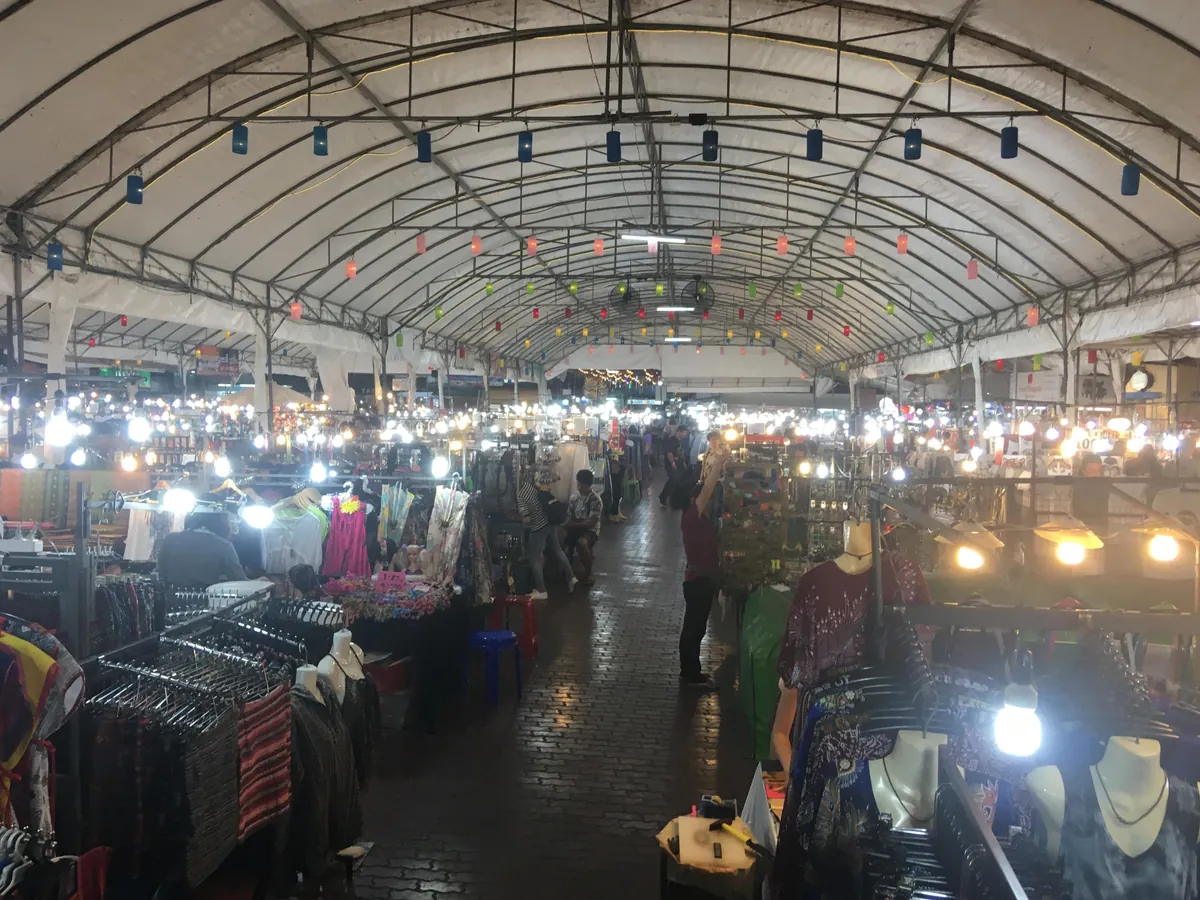
Insider Tip: No walking street tonight? Head to the Night Bazaar on Chang Klan Road instead, open nightly 18:00-24:00 with free entry (Muay Thai bouts inside run 600-1,000 THB). Finish with khao soi, the coconut curry noodle soup that is Chiang Mai's signature dish; Huen Phen on Ratchamankha Road has served northern Thai home cooking since the 1950s and is a short walk from Wat Phra Singh.
Where to Eat
Where to Stay
Old City (inside the moat)
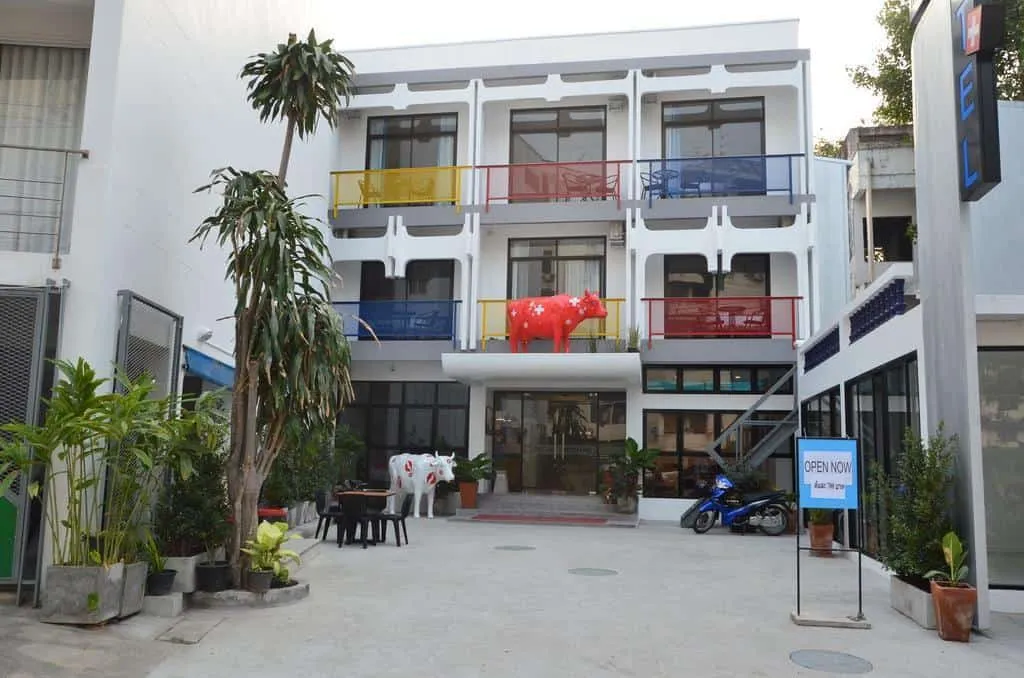
- BudgetHotel MonthaA no-frills 3-star base on Loi Kroh Road, walking distance to both the Old City temples and the Night Bazaar.
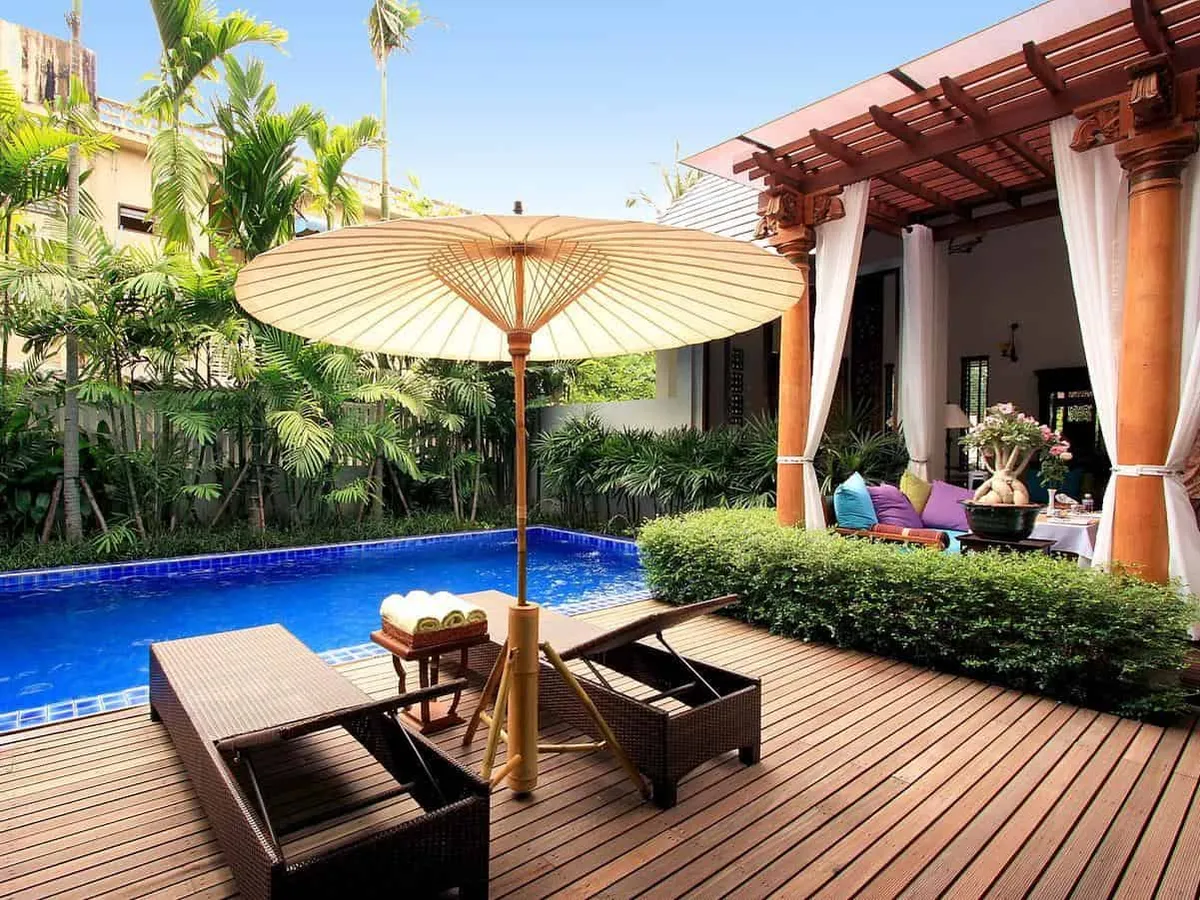
- Mid-rangeBaan Klang Wiang HotelSits right at Chiang Mai Gate, a quieter soi at the edge of the walls with on-site parking.
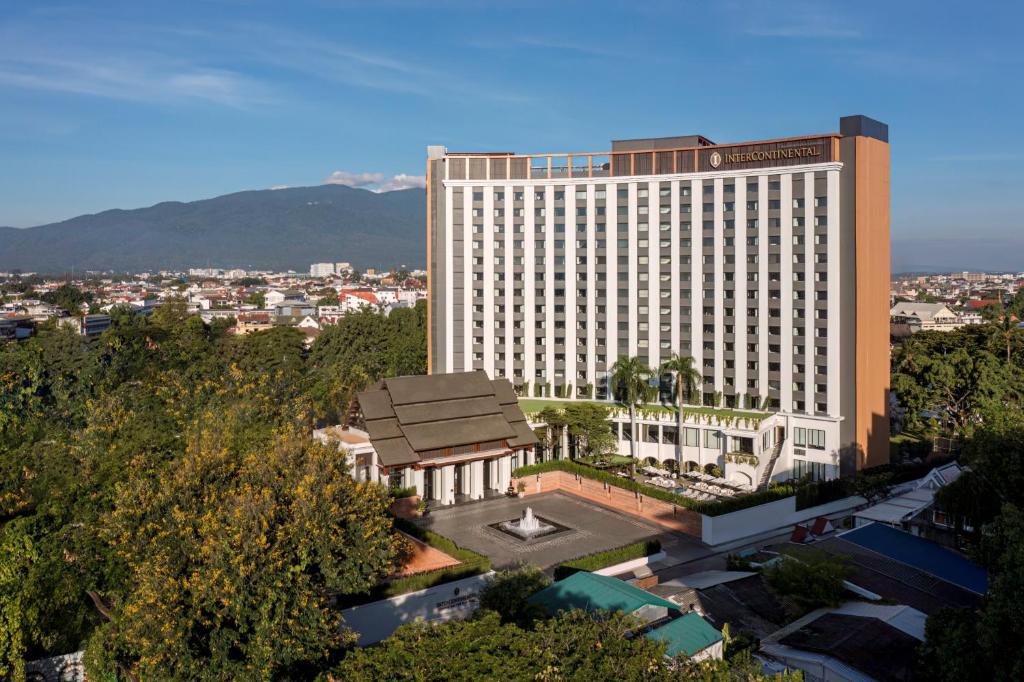
- LuxuryInterContinental Chiang Mai The Mae PingA 5-star flag in the historic district, walking distance from Tha Phae Gate, the Night Bazaar and the Sunday Walking Street.


from 900 THB
from 1,200 THB
from 8,500 THB
2Doi Suthep, Wat Pha Lat & Nimman Evening
chiang mai
Doi Suthep, Wat Pha Lat & Nimman Evening
chiang mai

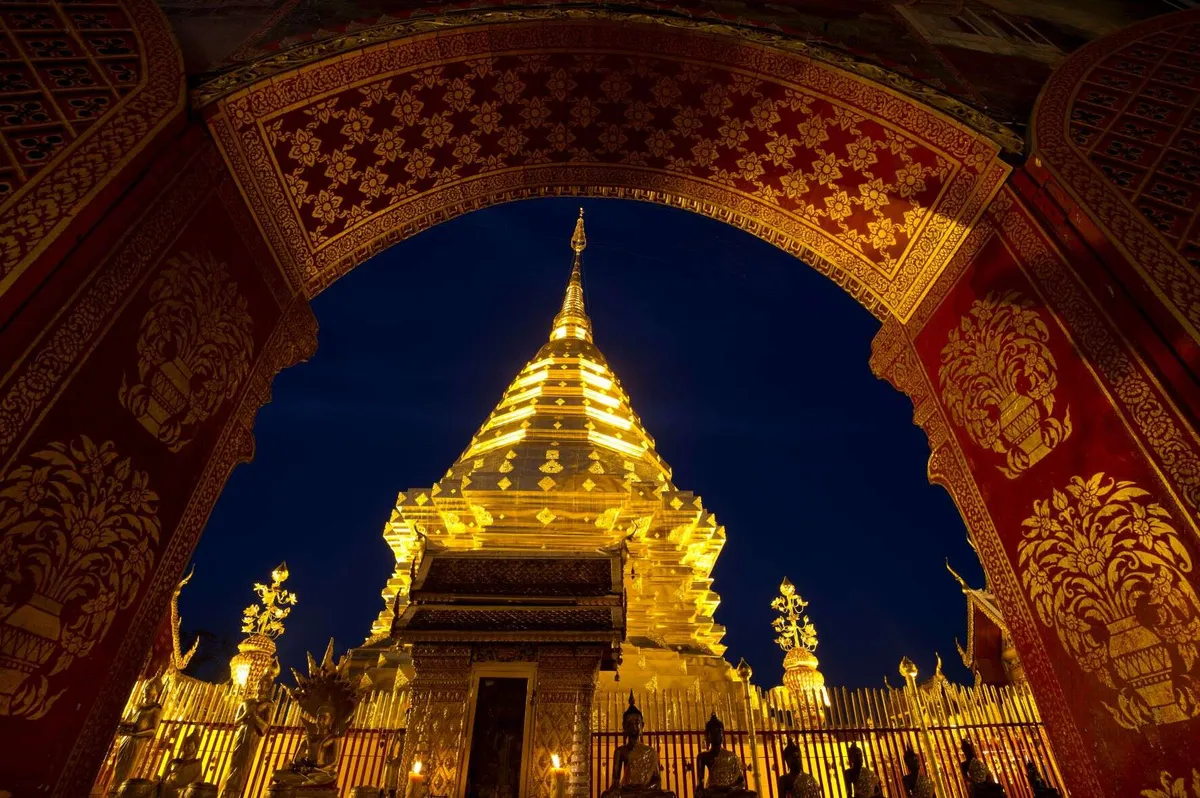
Get moving early. Red songthaews gather near Chang Puak Gate from around 6am and charge roughly 50 THB per person for the climb up Doi Suthep. At the top, 306 naga-flanked steps (or a funicular, 20 THB, for anyone who'd rather skip them) lead to Wat Phra That Doi Suthep, Chiang Mai's most sacred temple at 1,073m elevation. Entry is 30 THB for adults, open daily 05:00-21:00. Arrive before 8am and the gold-plated chedi is still quiet, with the city spread out below through the morning haze.
Insider Tip: If you'd rather walk up than ride, the Monk's Trail starts behind Wat Pha Lat off Suthep Road and climbs through forest to a small forest temple with a waterfall running through its grounds, then continues to Doi Suthep itself. It's a steep 3-4 hour hike one way, best started by 7am before the heat sets in; a guided version (with a songthaew back down) is easier to arrange through a half-day Doi Suthep and Wat Pha Lat tour.
Head back into the Old City by early afternoon and rest through the hottest hours, then walk or Grab across to Nimmanhaemin Road, Chiang Mai's tree-lined creative district of independent coffee shops, design stores and weekend pop-up markets (free to wander). It's a different pace to the Old City: fewer temples, more specialty coffee and craft beer, and a heavier concentration of the city's digital-nomad crowd.
Stay for dinner in Nimman rather than heading back. The sois around Nimmanhaemin Soi 1 and Soi 7 are dense with small restaurants and bars that stay open past 10pm, a contrast to the earlier-closing Old City.
Recommended Tours
Where to Stay
Same hotel
3Choose Your Day: Elephants, Cooking Class, or Doi Inthanon
chiang mai
Choose Your Day: Elephants, Cooking Class, or Doi Inthanon
chiang mai


Your last full day is a choice, and all three options run as half or full-day trips from the Old City, so pick based on what you haven't done elsewhere in Thailand. Book any of them a day ahead through your hotel or online; none of them run up without advance reservation.
Ethical elephant sanctuary: Choose observation-only, no riding, no bathing shows. Elephant Nature Park in Mae Taeng is the best-known option, open daily 08:00-17:00 with advance booking required (roughly 2,500-3,500 THB for a half or full day, including transfers and lunch). Smaller half-day options such as this half-day elephant sanctuary observation and waterfall tour run 6-7 hours with hotel pickup.
Thai cooking class: A market visit followed by hands-on cooking is the better pick if you'd rather take a skill home than tick off a sight. Classes typically run 4 hours and cover pad thai, a curry, and mango sticky rice; a half-day morning cooking class with market tour is a solid, well-reviewed example.
Doi Inthanon: Thailand's highest peak at 2,565m, roughly 90 minutes from the city, with the twin royal chedis, the Kew Mae Pan cloud-forest trail, and a Karen hill tribe village en route. Entry is 300 THB for adults, and the park is open daily 05:00-18:00; expect it to be 10-15°C cooler than the city, so bring a layer. A full-day Doi Inthanon tour covers transport, entry, and lunch.
Whichever you pick, you'll be back in the Old City by early evening for a final khao soi or a last pass through whichever market is running that night before your onward flight or bus.
Recommended Tours
Where to Stay
Same hotel, or onward travel
Before You Go
Visa
Since 15 September 2026, passport holders from 60 listed countries get 30 days visa-free under the Royal Gazette framework (Mauritius & Seychelles 15 days). Check the current rule before travel. Longer stays need a visa such as the DTV (Destination Thailand Visa).
Currency
Thai Baht (THB). Thai ATMs charge foreign cards a flat fee on every withdrawal, so take out larger sums less often. Cards work at hotels and malls; carry cash for street food, markets and local transport.
Weather & Timing
Burning season runs roughly February to April, when farmers across the north clear fields and smoke haze can push Chiang Mai's air quality into unhealthy ranges for weeks at a time. Check the AQI before booking outdoor days in this window, and consider swapping the Doi Inthanon option for the cooking class or elephant sanctuary if the haze is bad.
Connectivity
Get a Thai eSIM before you fly, or a SIM at the airport from AIS or TrueMove. 4G/5G coverage is good everywhere except remote mountains and open sea.
Best eSIM for Thailand →Safety
Thailand is safe for tourists. The main risks are scooter accidents (wear a helmet), petty theft in crowded areas and heat. Drink bottled water and travel with insurance.
Language
Thai. English is widely understood in tourist areas. Learn 'sawadee krap/ka' (hello), 'khob khun' (thank you) and 'mai pet' (not spicy). Google Translate works well.
Power
Type A, B and C sockets, 220V. Most hotels have universal outlets; one adapter covers the trip.
Chiang Mai rewards a slower pace than most first-time visitors give it. Three days is enough to walk the Old City’s temples properly, climb Doi Suthep at a civilised hour, and still have a full day left for whichever activity actually suits you: elephants, a cooking class, or a run up to Thailand’s highest mountain. Unlike Bangkok, distances here are short. Most of what matters on days 1 and 2 sits inside or just outside a walled square you can cross on foot in under 30 minutes.
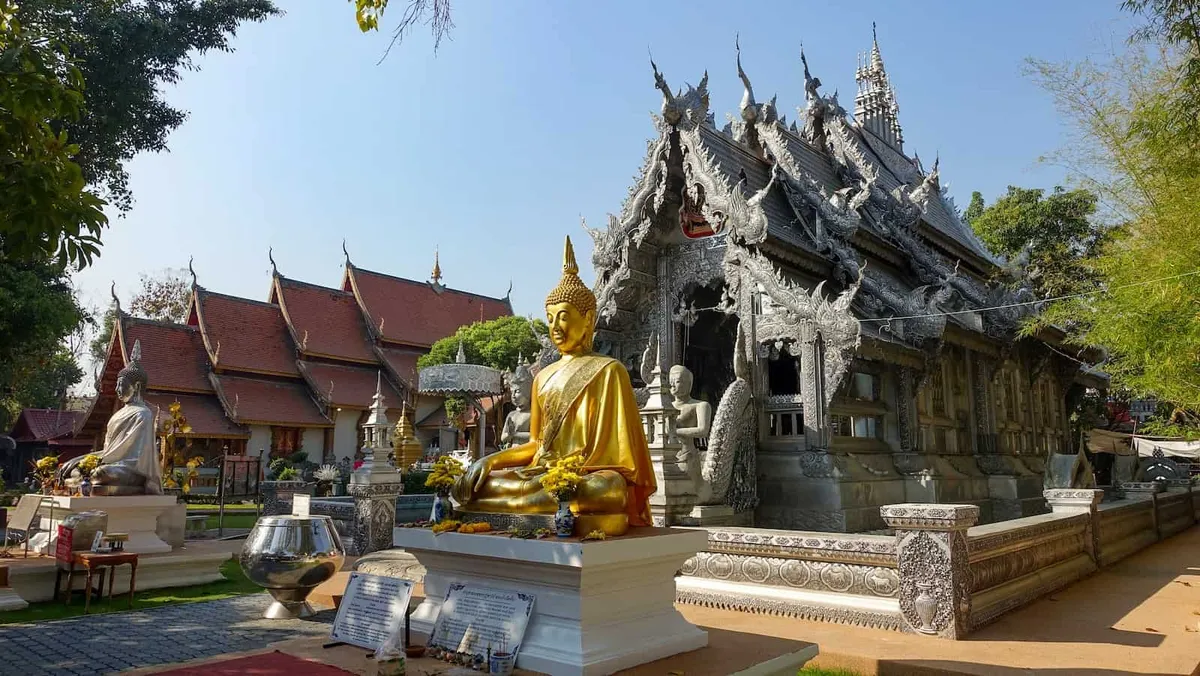
The city splits naturally into old and new. Inside the moat, narrow sois hold more than 30 temples, and the pace slows to match the heat: locals sit out front of shophouses in the afternoon, and monks in saffron robes cross the street between wats. Outside the walls, Nimmanhaemin Road and the university district feel like a different city entirely, closer in spirit to a small design-conscious neighbourhood in Bangkok than to the temple town a ten-minute drive away.
Where to Stay
Old City (inside the moat) puts you within walking distance of Wat Chedi Luang, Wat Phra Singh, and Tha Phae Gate, and it’s where most first-timers should base themselves. It gets busy and touristy around the main gates, but the back sois are quiet. Nimman, west of the Old City, is the better pick if you want specialty coffee, craft beer, and a younger, more design-led scene over temples on your doorstep; it’s a 10-15 minute Grab ride from the Old City rather than a walk. Riverside, along the Ping River east of the centre, trades walkability for quiet, and suits a longer stay more than a 3-night one. For this itinerary, book Old City and use Grab or a songthaew for the Nimman evening on day 2.
Getting Around
Grab works throughout the city for point-to-point trips and is the easiest option if you don’t want to negotiate a fare. Songthaews (shared red truck taxis) run fixed routes and short hops for roughly 30-50 THB per person, flagged down like a taxi rather than boarded at a stop. Scooter rental is common among longer-stay visitors, but for three days focused on the Old City, Doi Suthep, and one day trip, you don’t need one, and Chiang Mai’s traffic and inconsistent lane discipline catch out a lot of first-time riders.
When to Go
November through February is the best window: daytime temperatures around 25-30°C, cool nights, and clear air. This is also high season, so book accommodation and the elephant sanctuary ahead. March through April is burning season, when smoke haze from agricultural burning across the north can sit over the valley for weeks; check the air quality index before committing to an outdoor-heavy day like Doi Inthanon in this period. If your dates fall around the November full moon, check the Yi Peng Lantern Festival dates, Chiang Mai’s lantern-release festival that draws visitors from across the country and fills hotels well in advance.
Adding a Fourth Day
If you have a fourth day, two options extend naturally from this itinerary. A Chiang Rai day trip covers the White Temple, Blue Temple, and Black House Museum, roughly 3 hours each way by minivan or car, so it’s a long day rather than an overnight. Alternatively, do a second of the three day-3 options instead of choosing just one; the elephant sanctuary, cooking class, and Doi Inthanon don’t overlap in timing, so pairing two across days 3 and 4 works cleanly. For a longer regional trip, see the 7-day Northern Thailand itinerary, which adds Pai and Chiang Rai to this same Chiang Mai base.
Food to Plan Around
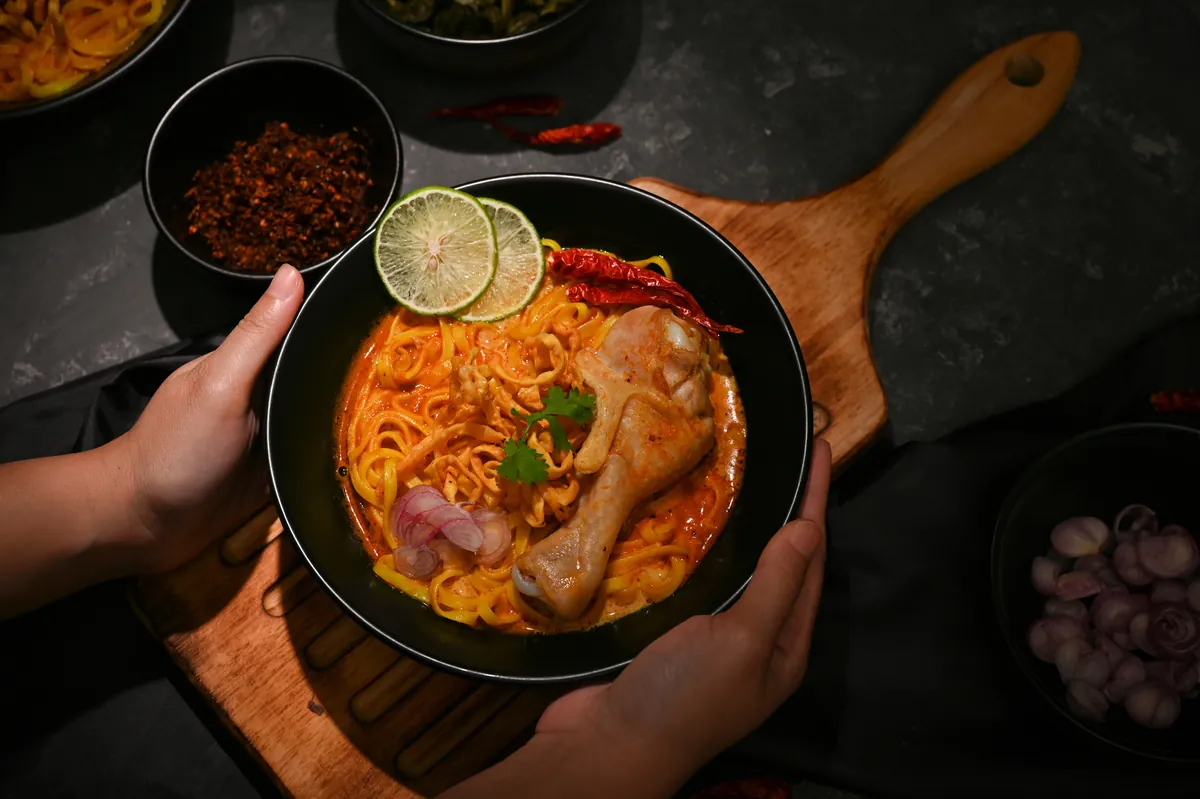
Khao soi is the dish everyone comes for: egg noodles in a coconut curry broth, topped with crispy fried noodles and served with pickled mustard greens and a lime wedge. Beyond that, look for sai oua (a herbal grilled sausage, heavier on lemongrass and kaffir lime than its central Thai counterparts) and nam prik noom, a green chilli dip eaten with sticky rice and raw vegetables. None of these travel well outside the north, so this is the place to eat them. Old City restaurants and the Night Bazaar’s food stalls both do reasonable versions; expect to pay 50-150 THB for a full portion at a sit-down local restaurant.
Frequently Asked Questions
Is 3 days enough for Chiang Mai?
Do I need to book the elephant sanctuary in advance?
What is burning season and should I avoid it?
Which walking street market is better, Saturday or Sunday?
Can I skip the naga staircase at Doi Suthep?
How do I get around Chiang Mai without a scooter?
Places Featured in This Itinerary




Tours Used in This Itinerary

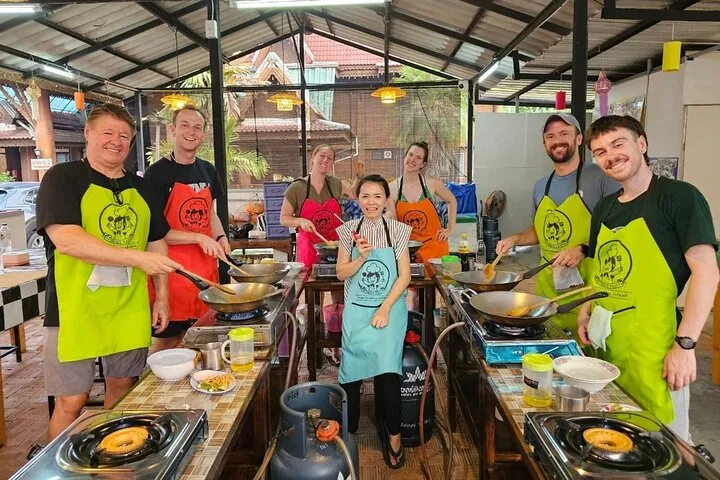
Half Day Morning Cooking Class with Market Tour in Chiang Mai

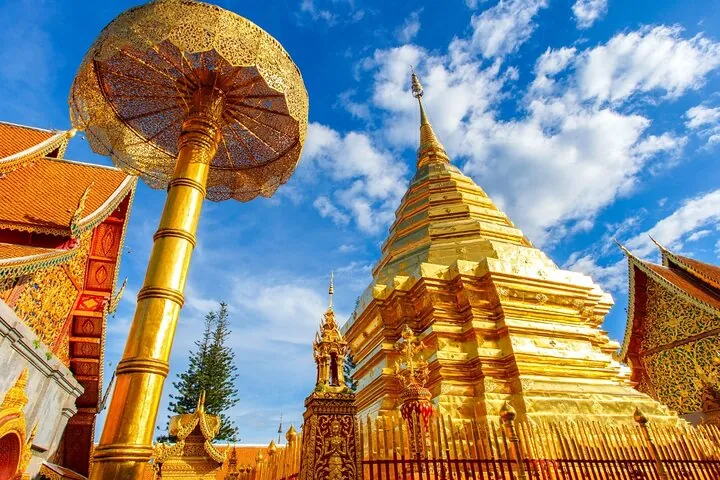
Chiang Mai Doi Suthep Temple and Wat Pha Lat Hike

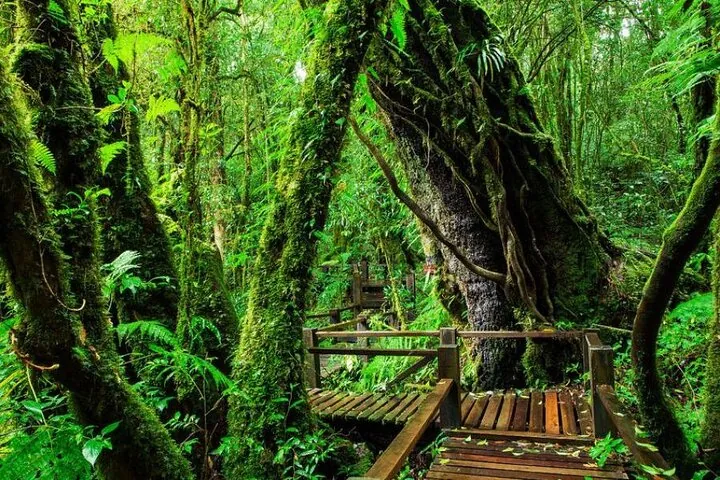
Chiang Mai - Doi Inthanon Full day Tour