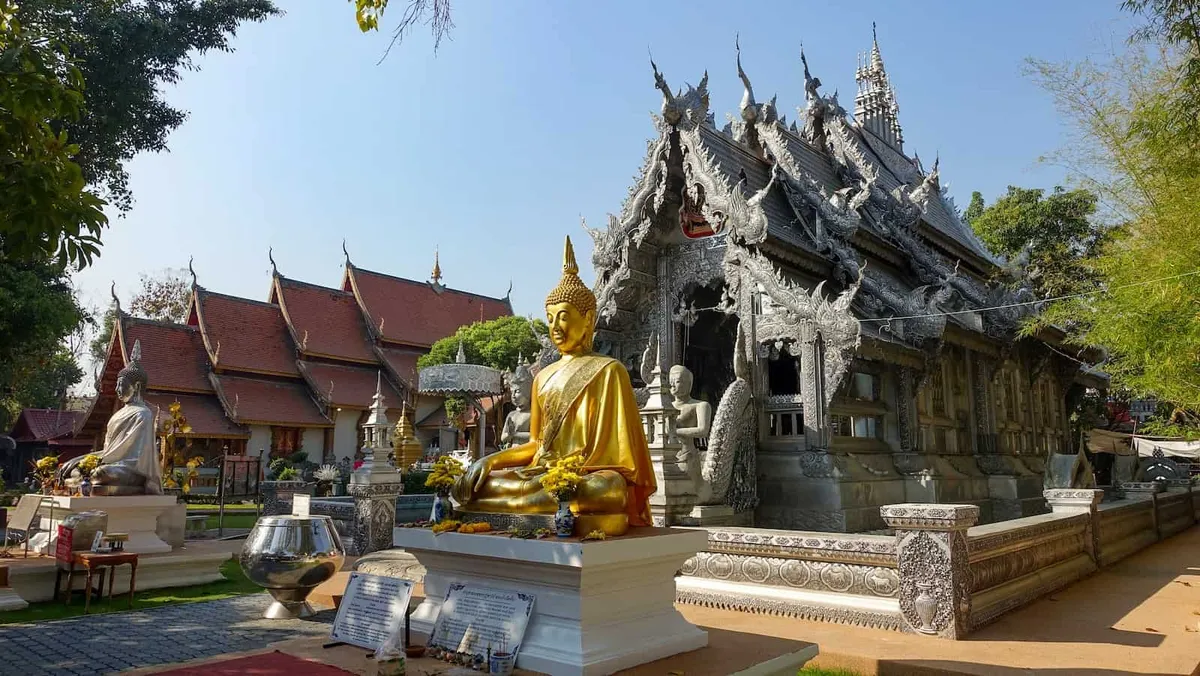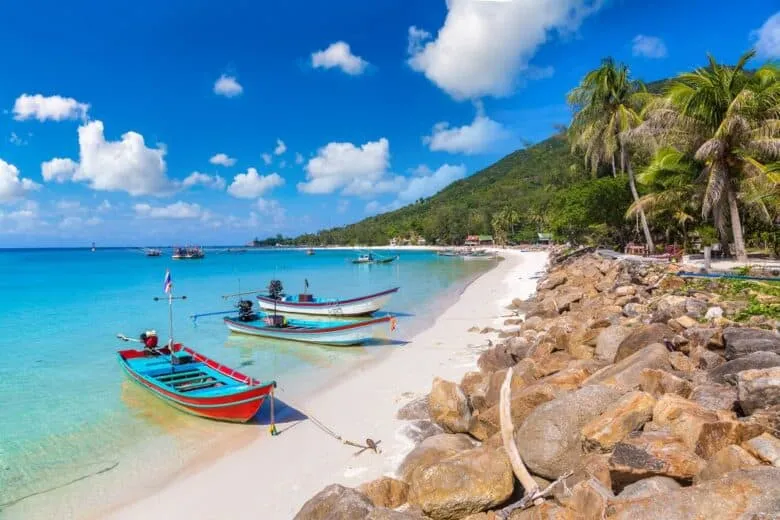















Northern Thailand works best as a 7–14 day overland trip built around Chiang Mai, with Chiang Rai, Pai, Sukhothai or Nan added selectively. The common mistake is treating every mountain town as a quick side trip. Roads are slow, the region is larger than it looks, and a neat line on the map can still consume most of a day.
This guide uses a 17-province northern grouping that includes the lower-north historical cities around Sukhothai and Phitsanulok. That matters for planning: the route is not only Chiang Mai, Chiang Rai and Pai. Old capitals, teak towns and quieter provincial centres make a stronger second trip than another lap of the same three stops.
Northern Thailand at a glance
| If you want… | Start with | Add if time allows |
|---|---|---|
| An easy first northern trip | Chiang Mai | Chiang Rai or Pai |
| Temples and early Thai history | Sukhothai | Lampang and Phrae |
| A mountain road trip | Mae Hong Son | Pai and Ban Rak Thai |
| Fewer visitor crowds | Nan | Phayao or Phrae |
| Food and markets | Chiang Mai | Lampang and Chiang Rai |
The table is deliberately selective. Combining Chiang Mai, Pai, Chiang Rai and Sukhothai in seven days creates a transport itinerary, not a northern holiday.
How the North changes from city to city
Chiang Mai is the practical anchor. The old city, night markets and cooking schools can fill several days before you use it as a base for Doi Inthanon National Park, Mae Rim or Chiang Dao. It also has the widest range of tours and accommodation in the region. The downside is predictable: traffic, visitor crowds around the headline temples and a café scene that can feel detached from the surrounding province.
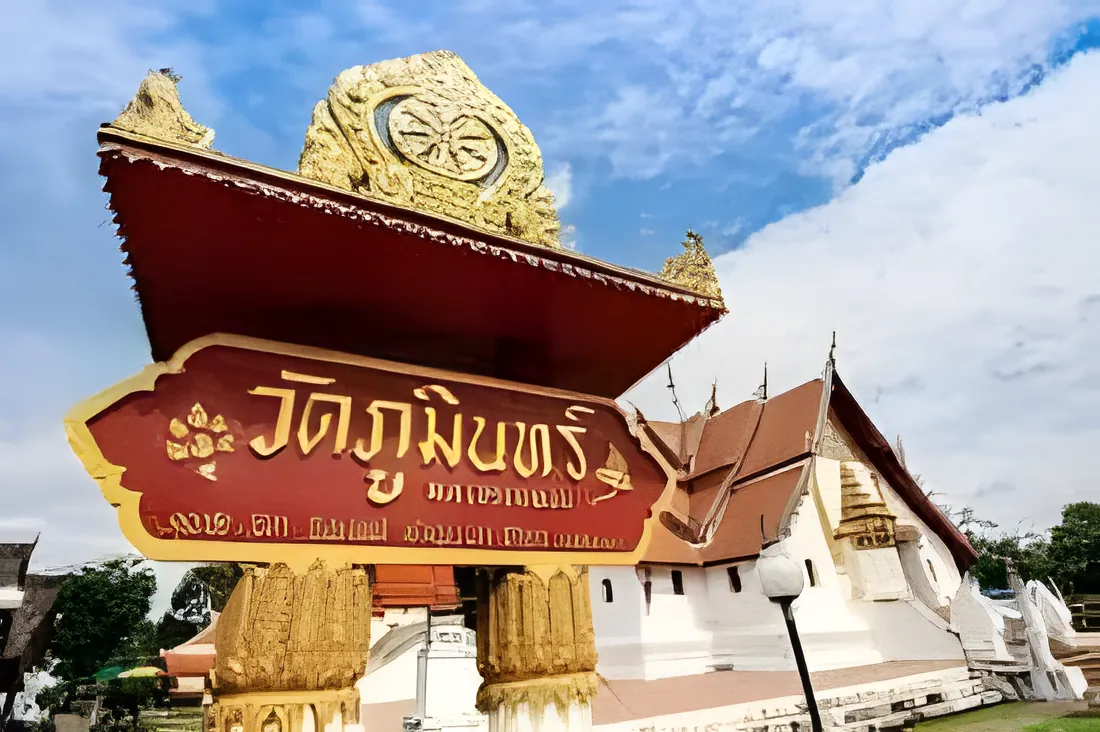
Chiang Rai is not a smaller copy of Chiang Mai. Its strongest sights are spread outside the centre, including Wat Rong Khun, Doi Tung and mountain viewpoints further east. Two nights gives you one full touring day; three makes the city feel less like a temple shuttle stop.
Pai suits a slower pause between mountain drives. The centre is walkable, but waterfalls, hot springs and viewpoints sit outside town. The road from Chiang Mai is famously winding, so anyone prone to motion sickness should take that journey seriously. Pai is also no longer a remote village. Expect a compact tourism town with plenty of cafés, bars and organised activities.
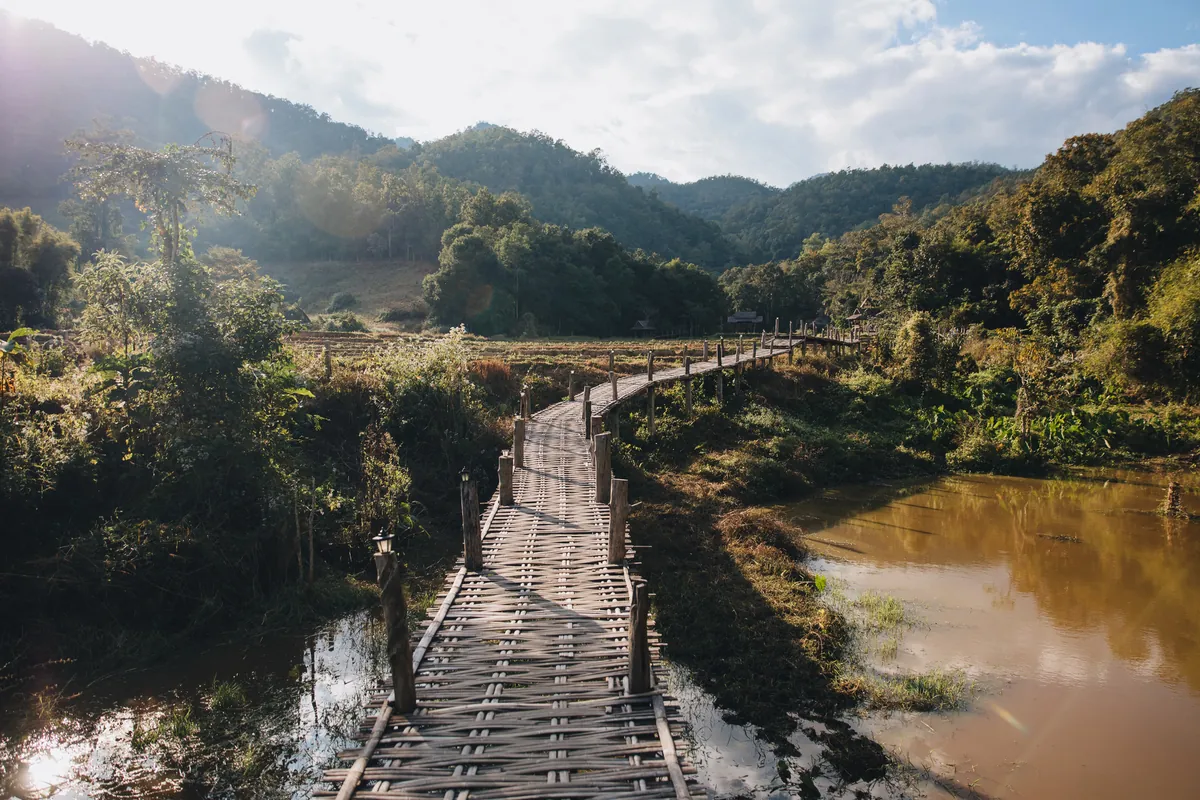
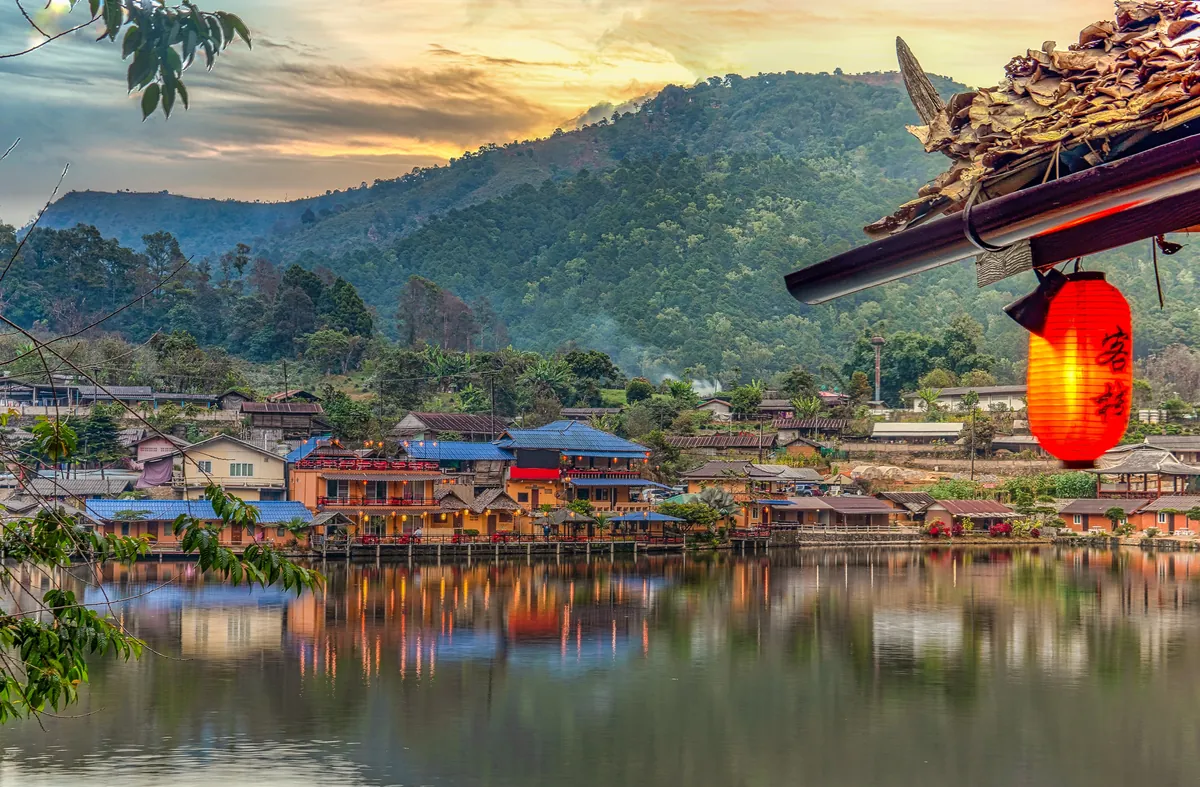
Further west, Mae Hong Son changes the pace again. The Mae Hong Son Loop covers roughly 600 kilometres and deserves four to five days at an absolute minimum; seven is better if you want to stop rather than collect road signs. Tham Lod Cave and Ban Rak Thai make sense as part of that loop, not as frantic returns from Chiang Mai.
Sukhothai and the lower North
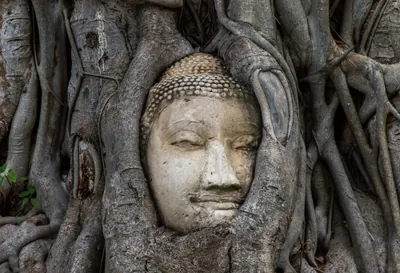
Sukhothai belongs in the northern conversation even though it feels different from the Lanna cities. Sukhothai Historical Park is a broad landscape of temple ruins, ponds and old city walls rather than a single monument. Cycling early gives the place room to breathe before the heat builds.
Lampang, Lamphun, Phrae and Nan form a useful alternative route for travellers who have already seen Chiang Mai. Lampang has teak architecture and an old river quarter; Phrae brings indigo cloth and traditional houses; Nan has a tight historic centre backed by long mountain roads. Public transport reaches all three, though a car makes the countryside much easier.
Insider Tip: If you have 10 days, choose one side of the region. Run Chiang Mai–Pai–Mae Hong Son in the west, or Chiang Mai–Lampang–Phrae–Nan in the east. Crossing between both wastes the day you thought you had saved.
When to visit Northern Thailand
November to February is the comfortable window. Mornings in the hills can feel genuinely cool, skies are usually clearer and walking around temple cities is easier. December and the New Year period are busy, particularly in Chiang Mai and Pai, so book the fixed parts of the route first.
Late February through April is the difficult stretch. Agricultural burning and forest fires affect air quality across the north, with March often the worst month. The exact start and severity vary each year; a calendar alone cannot tell you whether the air will be acceptable.
May to October turns the countryside green. Rain usually arrives in bursts rather than occupying every hour, but mountain roads can be slower and trails muddier. This is a good season for Nan, Phrae and temple-focused trips if you can move plans around a wet afternoon.
Watch out: Do not treat a hotel’s “mountain view” photograph as evidence of clear air in March. Check live AQI readings for the actual city shortly before the free-cancellation deadline.
Food worth travelling north for
Northern food is milder and more herb-led than the Isan dishes many visitors already know. Khao soi is the famous bowl: curry broth, noodles, pickled mustard greens and a crisp noodle crown. Chiang Mai’s street-food guide covers the useful market stops rather than pretending one shop owns the dish.
Look beyond khao soi. Sai oua sausage carries lemongrass, kaffir lime leaf and spice; nam ngiao is a tomato-rich noodle broth associated with Tai Yai and northern kitchens; gaeng hung lay is a slow pork curry without coconut milk. Markets are the easiest classroom. Order sticky rice, point at one unfamiliar dish and add more only after you understand the heat level.
Building a Northern Thailand route
A seven-day first route should stay simple: four or five nights in Chiang Mai, then two or three in Chiang Rai or Pai. Our seven-day Northern Thailand itinerary uses Chiang Mai, Pai and Chiang Rai, but it is a moderate pace rather than a relaxed one.
With 10–14 days, add Sukhothai before Chiang Mai or commit to the Mae Hong Son Loop after it. Trains work well for the Bangkok-to-lower-north and Bangkok-to-Chiang-Mai spine; buses and minivans handle most lateral routes. The general getting around Thailand guide explains when rail is useful and when the bus network wins.
Flights are sensible when the North is one section of a wider Thailand trip. They are less useful for hopping between neighbouring northern stops, where airport transfers and waiting can erase the apparent saving.
9Verdict: Build the first northern trip around Chiang Mai and one contrasting stop. Add a second route only when you have 10 days or more, and avoid late smoke season unless you can change regions at short notice. Rating: 9/10