





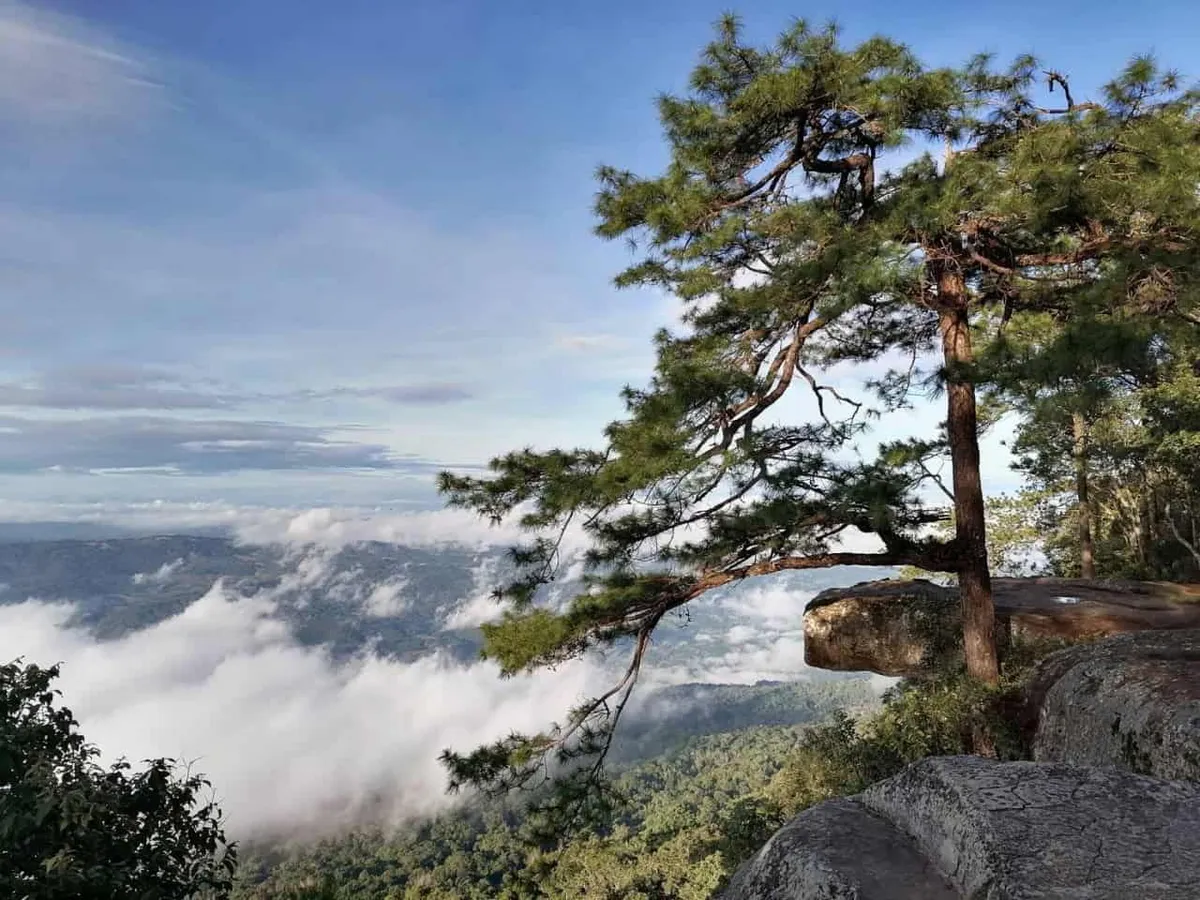


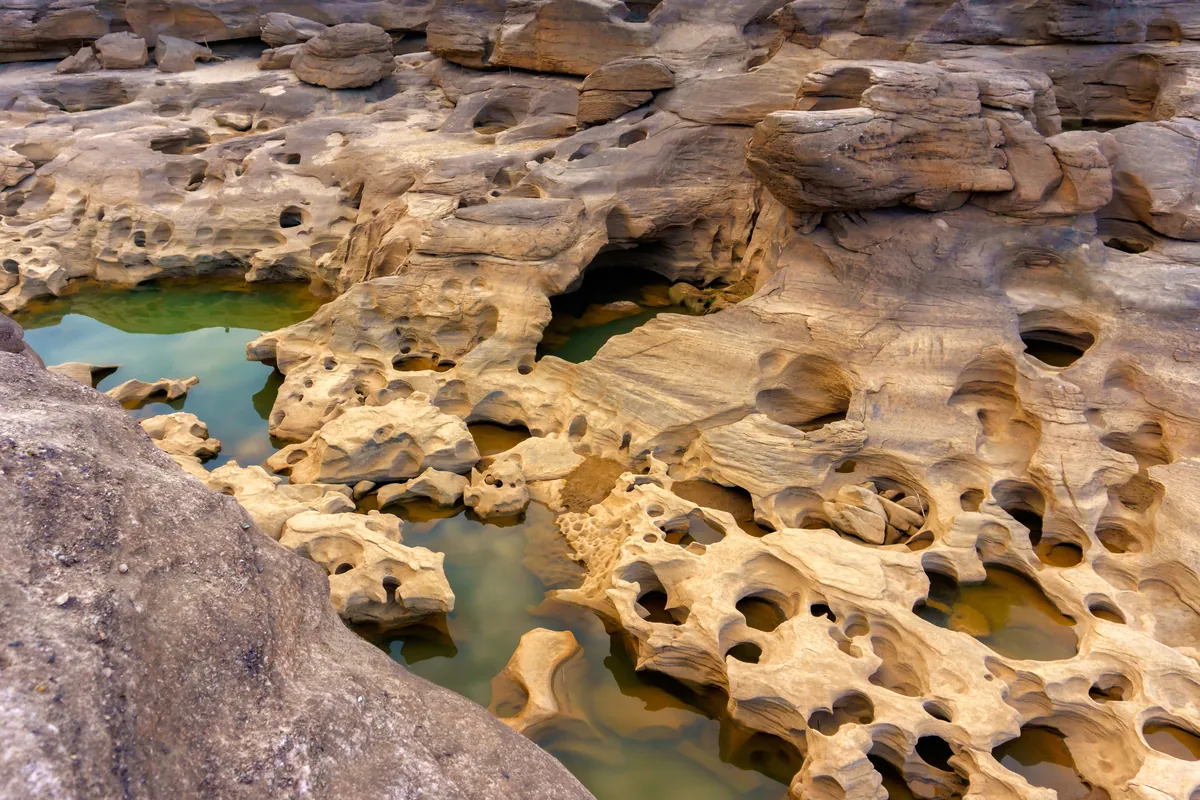

Isan is best approached as one focused 7–14 day route through Thailand’s northeast, not as a quick sweep across all 20 provinces. Pick the Mekong, the Khmer-temple corridor or the western mountains. Each has enough distance and character to stand alone.
The spelling varies. “Isan” and “Isaan” mean the same region, and you will see both on signs, menus and English maps. More important is dropping the idea that the northeast exists to perform a more “real” version of Thailand. These are working cities, farming provinces and border economies with their own languages, music, food and travel rhythms.
Isan at a glance
| Route | Best bases | What defines it |
|---|---|---|
| Khmer history | Korat, Buriram, Ubon Ratchathani | Sandstone sanctuaries, old cities and long plateau roads |
| Upper Mekong | Udon Thani, Nong Khai, Bueng Kan | River promenades, temples and routes along the Lao border |
| Middle Mekong | Nakhon Phanom, Mukdahan | River towns, Vietnamese influence and slower overland travel |
| Western Isan | Loei, Khon Kaen | Mountains, university-city food and cool-season drives |
| Festival trip | Ubon, Yasothon, Loei, Nong Khai | Candle carving, rockets, masks and Buddhist calendar events |
Seven days is enough for one line in that table. Combining the upper Mekong, Buriram and Ubon in the same week creates punishing transfers and very little time after sunset.
The easiest first base: Khon Kaen
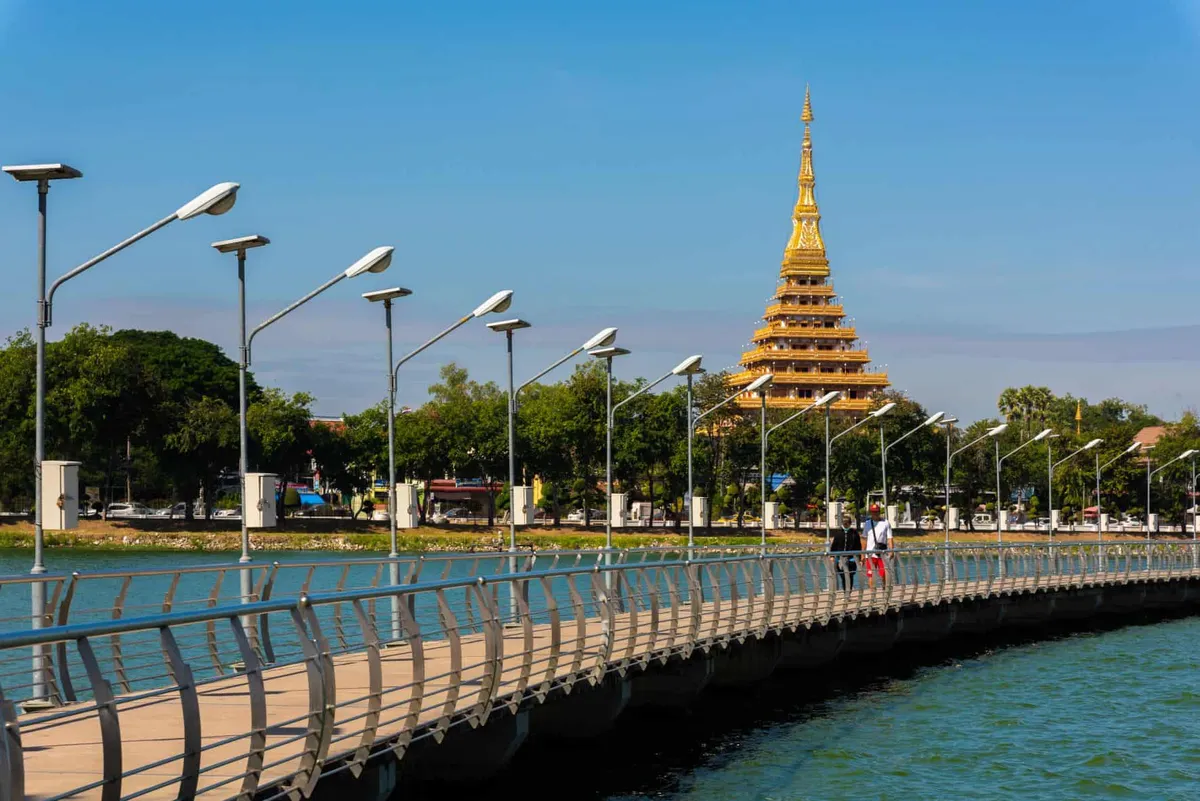
Khon Kaen is the soft landing. The university keeps the city young, there is a deep food scene around its markets, and transport connections reach north towards Udon Thani or east towards Kalasin and Roi Et. Bueng Kaen Nakhon lake gives the centre a useful evening circuit when the daytime heat begins to drop.
The city is not packed with conventional headline sights. That is part of the point. Use two nights to eat, reset and choose the next leg rather than expecting a Bangkok-style attraction list. Silk villages and rural temples sit outside the urban core, where a driver or car starts earning its keep.
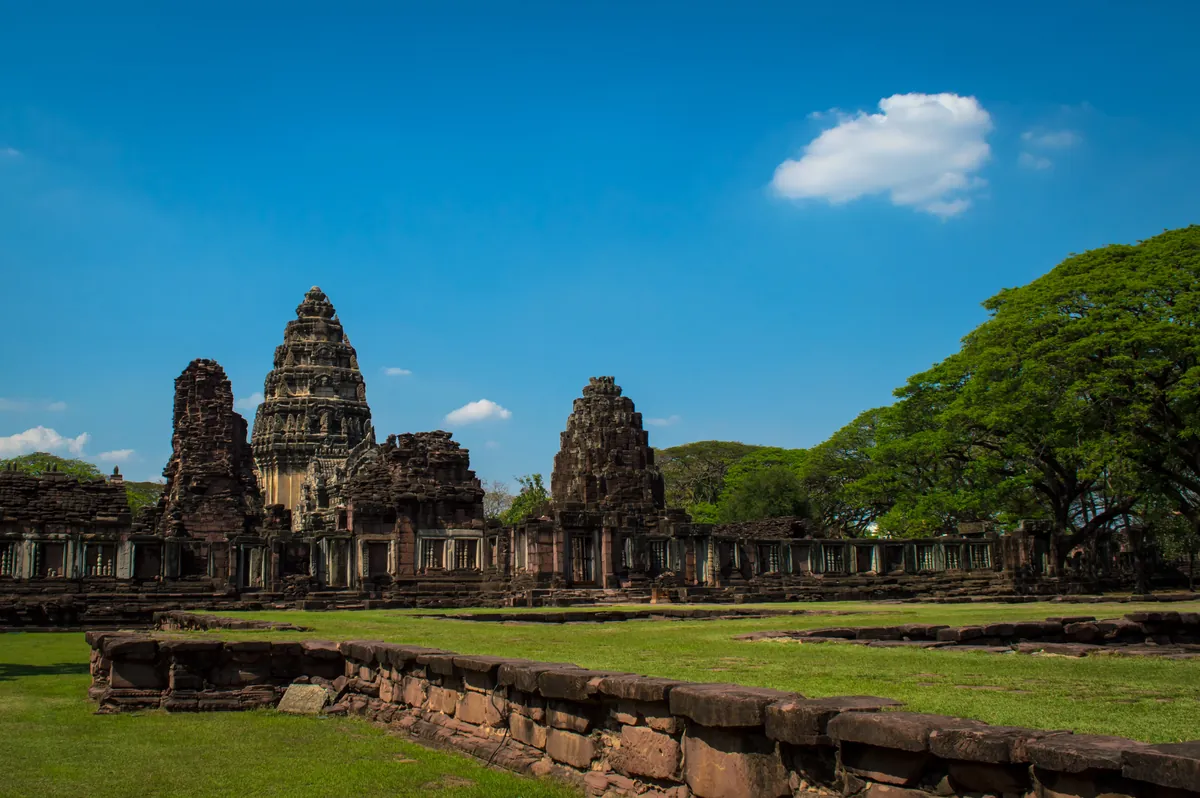
Korat, Nakhon Ratchasima, is the other practical gateway. Trains and buses arrive from Bangkok, and Phimai Historical Park makes an achievable cultural day. Korat also sets up a route east to Buriram without forcing a return to the capital.
Khmer ruins without racing to the border
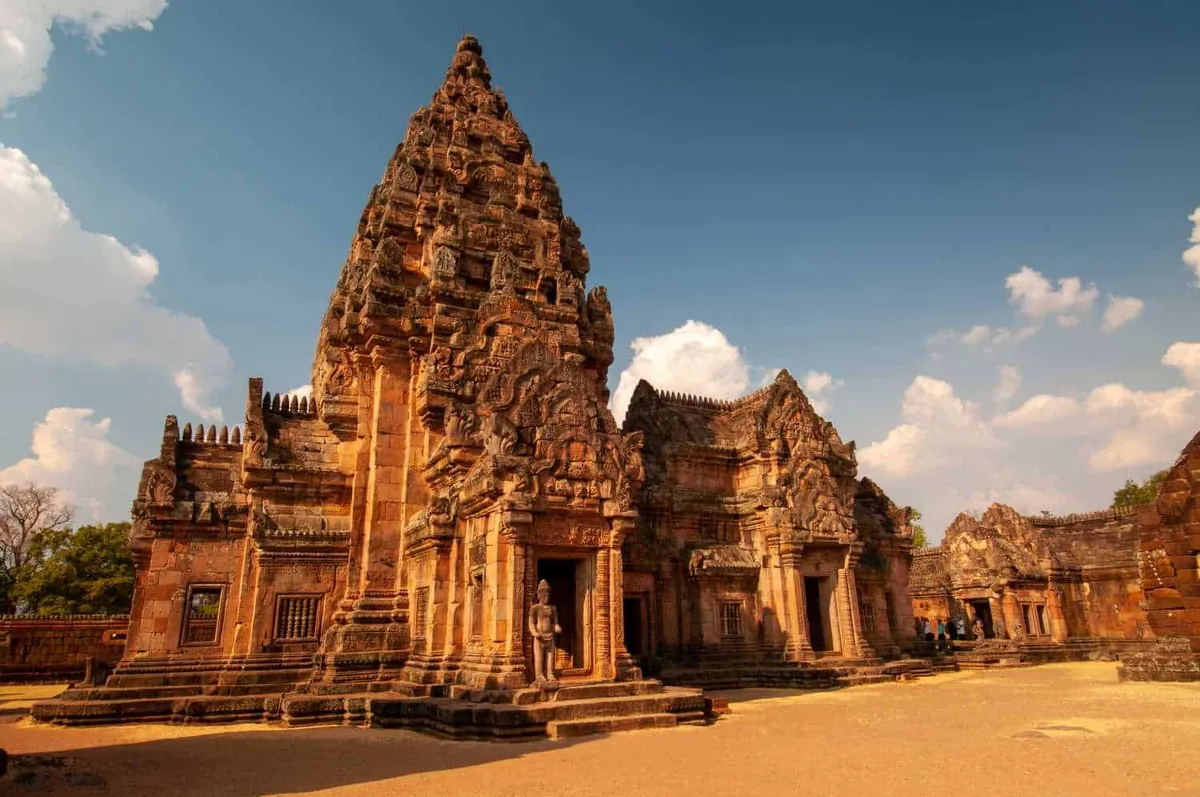
Phanom Rung Historical Park is Isan’s strongest Khmer-period site: a sandstone sanctuary aligned along the rim of an extinct volcano in Buriram province. Pair it with Muang Tam rather than rushing back to Bangkok after one photograph. Staying in Buriram also gives you the city’s modern counterpoint: football and motorsport beside older rural communities.
Phimai lies in the opposite direction, northeast of Korat, and works better at the start of a route. Ubon Ratchathani then anchors the far east, with forest monasteries and Pha Taem National Park around Khong Chiam.
Border conditions can change quickly. As of July 2026, UK travel advice warns against travel close to parts of the Thailand–Cambodia border, and affected crossings and border sites may close. Check current government travel advice before building a route around Si Sa Ket or any frontier temple.
Watch out: Old travel articles often describe cross-border temple day trips as routine. Do not rely on them. Check the current border status, local closures and your insurance before departure.
Following the Mekong
Nong Khai is the most accessible river stop. The promenade runs along the Mekong opposite Laos, while trains connect the city with Bangkok through Udon Thani. Two nights is enough for the centre; add more if you are continuing east rather than simply crossing the Friendship Bridge.
Beyond Nong Khai, the river route stretches through Bueng Kan, Nakhon Phanom and Mukdahan. These places are not interchangeable. Nakhon Phanom has a handsome riverfront and strong Vietnamese-Thai influence; Mukdahan is a trading city tied to the Second Friendship Bridge; Bueng Kan opens access to wetlands, forest and long rural drives.
Public buses connect the provincial capitals, but timetables thin out once you chase viewpoints, caves and temples away from town. A car turns this into a flexible river journey. Without one, choose two bases and arrange local drivers for the rural days.
Insider Tip: Treat sunset as part of the itinerary. Mekong cities are at their best when the heat leaves the pavement, food stalls open and the riverfront becomes the evening meeting place.
Isan food: familiar dishes in their home region
You may already know Isan food. Som tam (green papaya salad), larb, grilled chicken and sticky rice have travelled across Thailand and far beyond it. The difference in Isan is depth: more regional variations, more fermented flavours and a better chance to see how the dishes fit together at one table.
Order communally. Sticky rice is the anchor, grilled meat brings smoke and fat, salad brings acid and chilli, and a soup resets the palate. Ask for less chilli if needed, but do not expect every kitchen to interpret that request identically. The heat can arrive fast.
Khon Kaen and Udon Thani are the easiest cities for a broad restaurant choice. Smaller towns reward market eating, especially early morning and after dusk. Look for gai yang turning over charcoal, baskets of sticky rice and herb-heavy sausages rather than hunting for one internet-famous shop.
Festivals that justify the journey
Isan’s festival calendar can shape an entire route. Ubon Ratchathani’s Candle Festival fills the city with carved wax floats around the start of Buddhist Lent. Yasothon’s Bun Bang Fai rocket festival marks the approach of the rains with home-built rockets and village competition.
Loei’s Phi Ta Khon brings tall painted masks and processions to Dan Sai, while the Naga Fireballs draw crowds to the Mekong around Nong Khai at the end of Buddhist Lent. Dates move with lunar calendars or local announcements, and accommodation can disappear quickly once they are confirmed.
When to go and how to move
November to February is the easiest period. Days are drier, evenings can cool down and long temple visits are less punishing. March to May is fiercely hot across the plateau; if you travel then, move early and leave the middle of the day for lunch or transit.
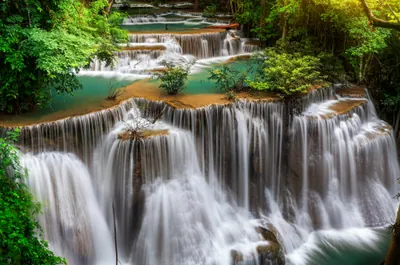
Rain from roughly May or June into October changes the colour of the region. Rice fields turn green and waterfalls strengthen, but rural roads and outdoor schedules need slack. The wet season can be rewarding if you are comfortable changing a day’s order.
Trains form two useful spines from Bangkok: one towards Korat and Ubon, another towards Khon Kaen, Udon Thani and Nong Khai. Buses fill the gaps between provinces. Our seven-day Isan itinerary is a starting framework, though a self-drive route will always reach more rural sites than the same week on public transport.
9Verdict: Isan rewards travellers who choose one corridor, eat locally and leave room for unplanned stops. A week works; two weeks turns the northeast from a detour into a coherent trip. Rating: 9/10