


















Southern Thailand is easiest to plan by coast: use 7–14 days for the Andaman side or the lower Gulf, then cross the peninsula only if your trip is long enough. Phuket and Koh Samui look close on a national map. In practice, changing coasts turns into a substantial travel day.
The region covers 14 provinces and far more than resort islands. Phuket, Krabi and Samui carry most international recognition, but mainland cities, Muslim communities, Chinese-Thai trading towns and forested interior districts give the peninsula much of its character. A good route leaves room for at least one place where the beach is not the whole story.
Southern Thailand at a glance
| Travel decision | Strong starting point | Honest tradeoff |
|---|---|---|
| Easiest first island base | Phuket | Busy roads and heavily developed beach towns |
| Limestone and longtails | Krabi | Ao Nang is practical rather than peaceful |
| Slower Andaman stay | Koh Lanta | Beaches are spread out; transport helps |
| Gulf resorts and wellness | Koh Samui | Higher transport costs and uneven taxi pricing |
| Diving-focused trip | Koh Tao | Ferry conditions matter, especially near flight days |
| Small far-south island | Koh Lipe | The journey is long and peak-season space is limited |
| Culture beyond the islands | Nakhon Si Thammarat or Songkhla | Less tourist infrastructure and fewer packaged tours |
The biggest planning error is choosing an island first and checking its weather second. The Andaman and lower Gulf do not share one neat monsoon calendar.
Andaman Coast: Phuket, Krabi and the western islands
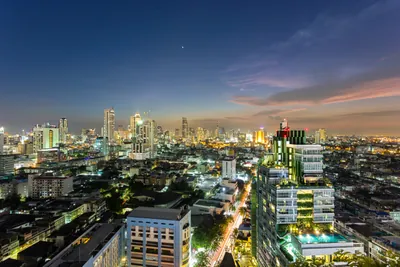
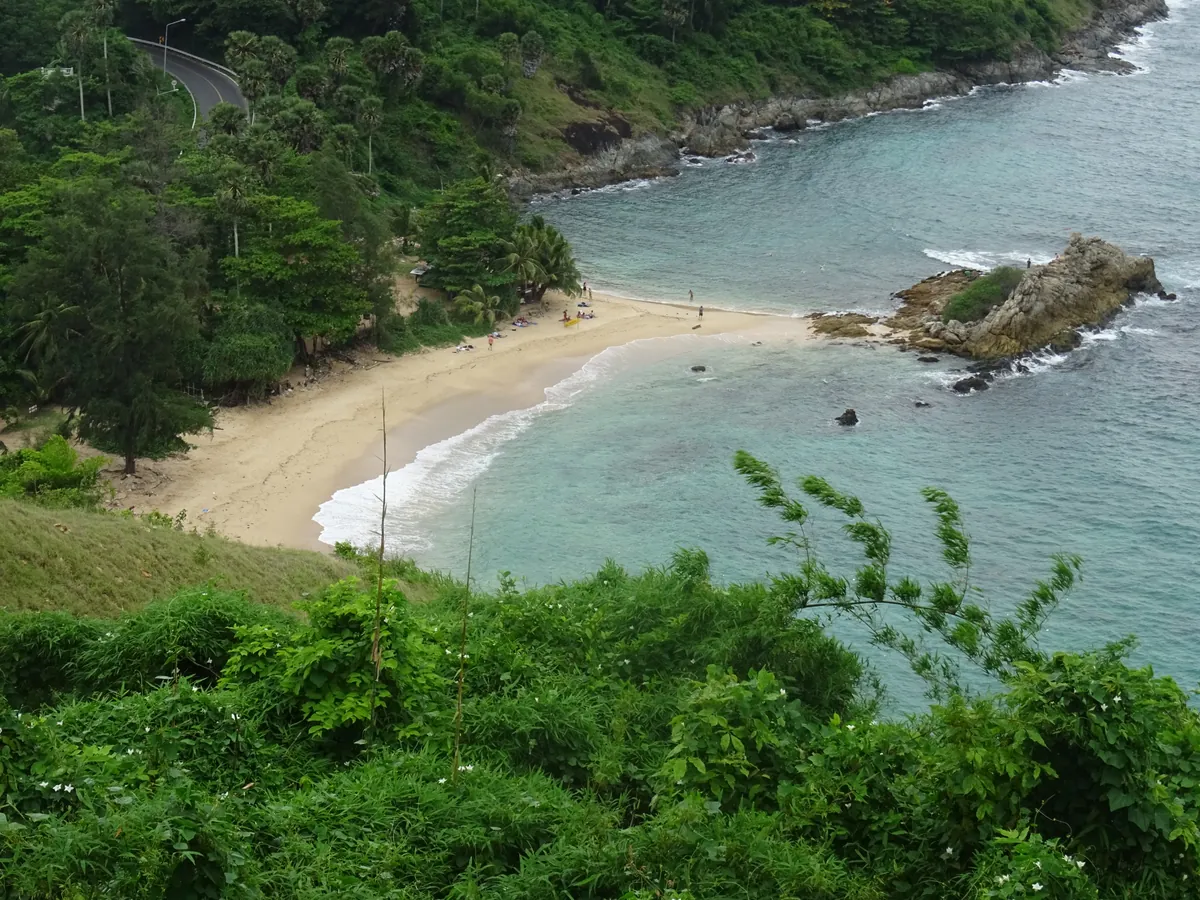
Phuket is the logistical heavyweight. Its airport, accommodation range and tour network make it easy to assemble a first southern trip, while Phuket Old Town, Rawai and the quieter northern beaches prevent the island from being reduced to Patong. The cost is traffic and development. Journeys between beaches can take far longer than the map suggests.
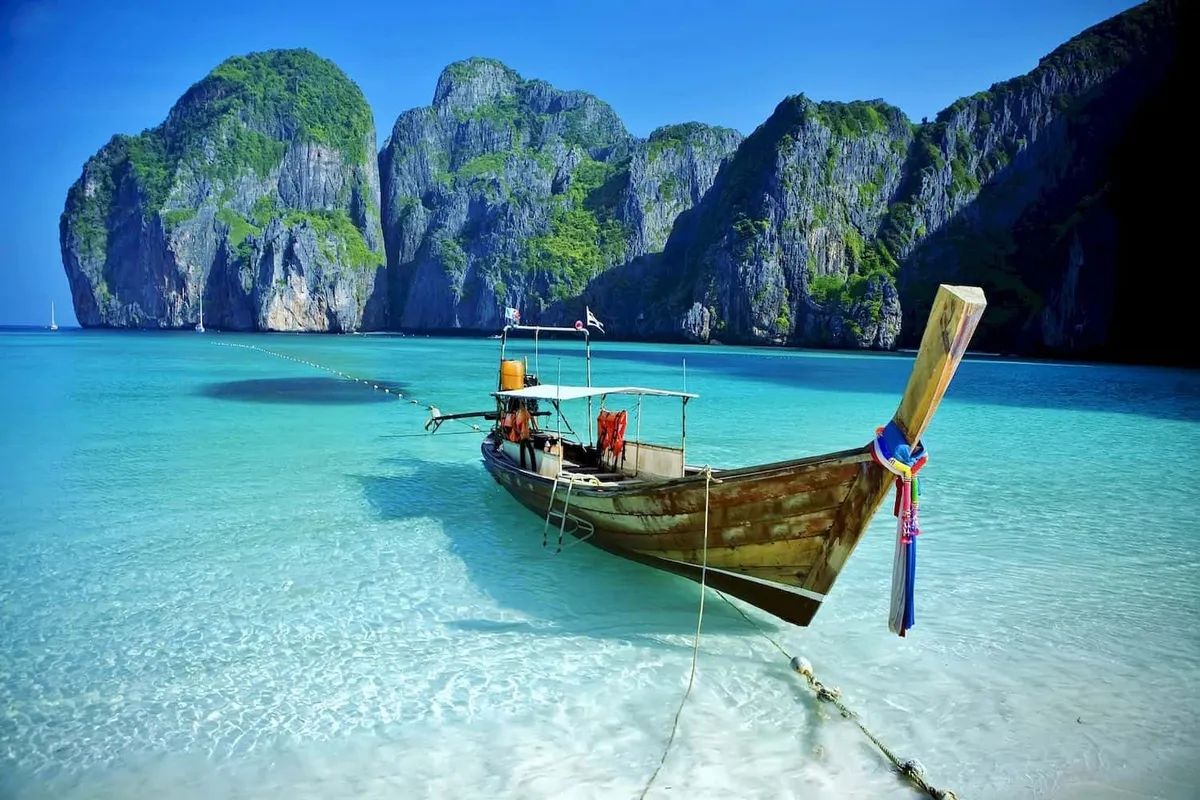
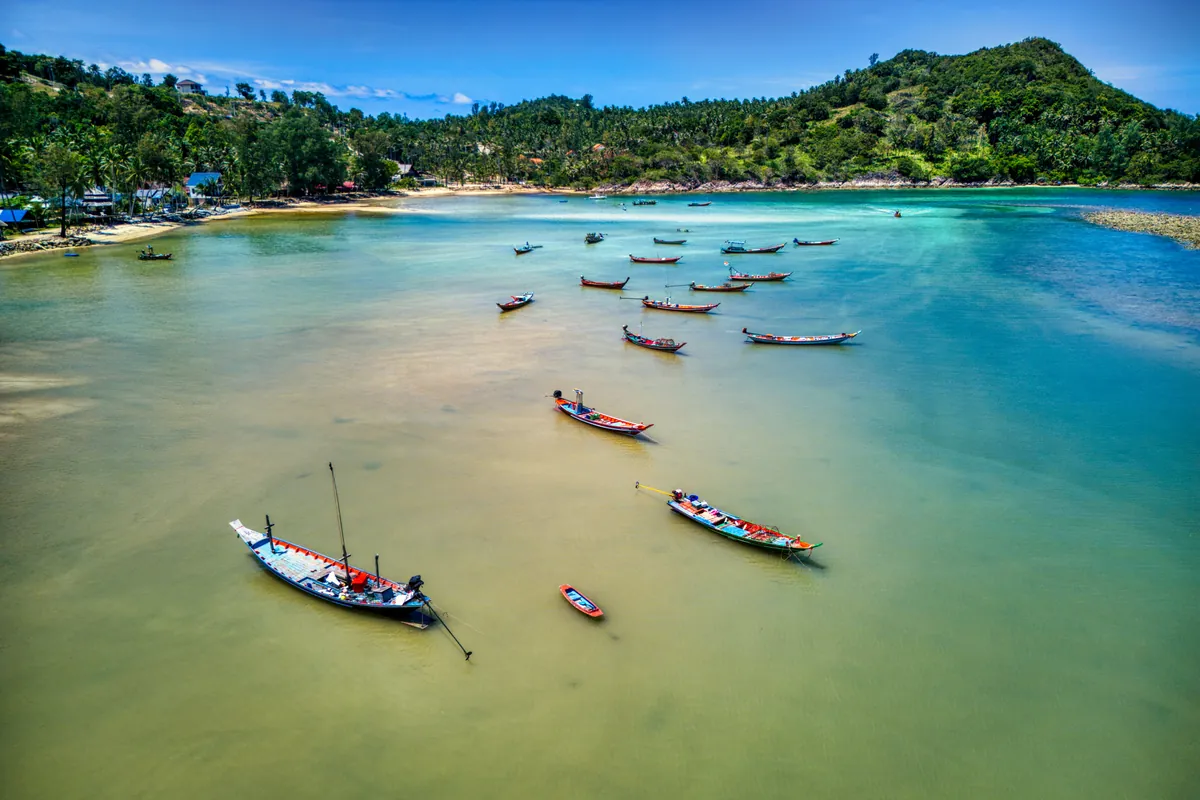
Krabi feels more legible. Ao Nang is the transport-and-restaurant base, Railay is reached by longtail boat, and Krabi Town works for markets and onward buses. The province’s limestone towers give the coast its visual identity, from Railay’s cliffs to the islands offshore.
South of Krabi, Koh Lanta rewards a longer stay. It is not a tiny island where everything sits around one pier; beaches run down the west coast and the quieter south takes time to reach. Four nights gives you a beach day, an island or snorkelling day and room to explore beyond the resort strip.
Trang and Satun take the route further south. Koh Muk, Koh Kradan and Koh Ngai suit a slower island sequence, while Koh Lipe sits much further down near the Tarutao archipelago. Lipe is compact once you arrive; reaching it is the commitment.
Insider Tip: Do not book Phuket, Phi Phi, Krabi and Koh Lanta as four equal stops in seven days. Use Phuket or Krabi as the gateway, choose one island stay, and keep the fourth place as a day trip.
When the Andaman works best
November to April is the usual reliable window for Phuket, Krabi, Khao Lak, Koh Lanta and the Trang–Satun islands. Seas are generally calmer and the smaller island routes run more frequently. December through February brings the most demand, so flexibility falls as prices rise.
May to October is the southwest-monsoon period. It does not rain all day every day, but rough seas can cancel boats and red-flag beaches. Mainland bases such as Phuket, Krabi and Khao Lak remain workable because there are road-based alternatives. Small-island itineraries become less dependable.
Watch out: A ferry ticket is not a weather guarantee. Keep at least one night between an exposed island crossing and a long-haul flight during unsettled months.
Gulf Coast: Koh Samui, Koh Phangan and Koh Tao
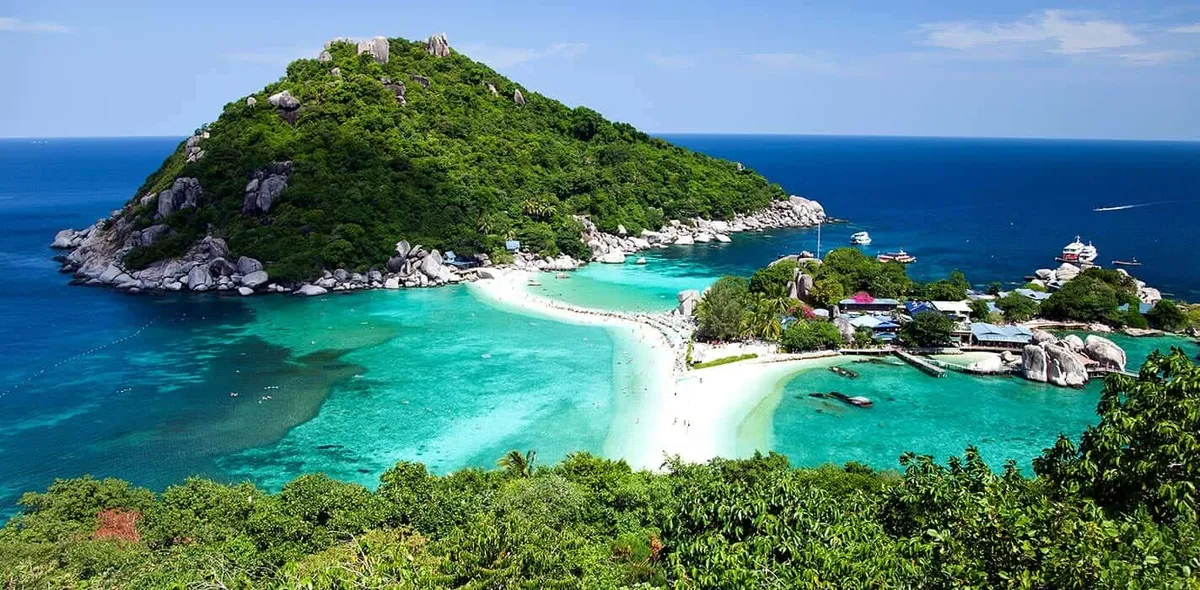
Koh Samui is the main Gulf hub. It has its own airport, large resorts, family beaches and a substantial wellness sector. Chaweng supplies nightlife; Bophut and Mae Nam slow the pace; the south and west coasts feel more residential. The island is large enough that choosing the right area matters as much as choosing Samui itself.
Koh Phangan should not be reduced to Haad Rin. The Full Moon Party is a major monthly event, but Sri Thanu, Chaloklum and the northeast beaches attract very different trips. Roads cross steep interior hills, so moving between a quiet cove and the party can be more involved than expected.
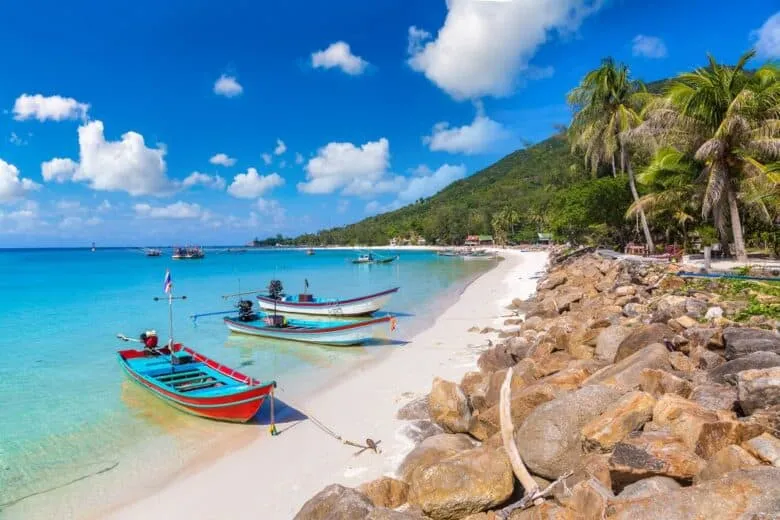
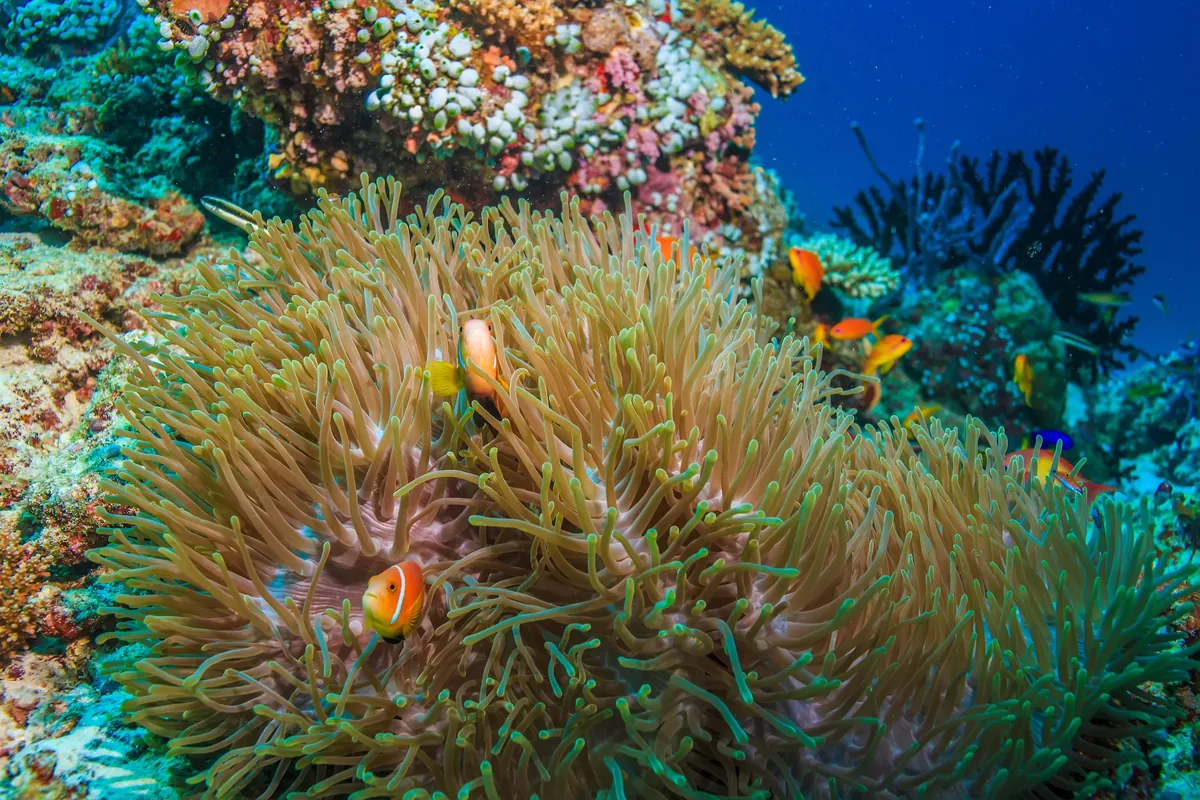
Koh Tao is the diving specialist. Training and day boats set the daily rhythm, with Sairee as the social centre and smaller bays around the island for quieter stays. The island is compact, but poor road choices and a tight flight connection after the ferry can undo that convenience.
The lower Gulf’s seasonal pattern differs from the Andaman. Samui, Phangan and Tao often have useful beach weather through parts of the Andaman wet season, then face their own rougher and wetter stretch around October to December. January to September is the broad planning window, but short-term forecasts still matter.
Our 10-day Gulf Islands itinerary links all three islands. With less time, choose Samui plus one neighbour. Samui and Phangan make the easier resort-and-beach pairing; Phangan and Tao suit a more active ferry-and-diving trip.
Andaman or Gulf: the quick decision
Choose the Andaman when limestone scenery, Phuket’s flight network, Krabi longtails or a Lanta-style road trip matter most. Choose the Gulf when your dates fall in the western monsoon, you want the Samui–Phangan–Tao chain, or wellness and diving are the trip’s centre.
Food should influence the choice less than people think. Both coasts serve southern curries, seafood and roti, though individual provinces have distinct dishes and communities. Krabi’s restaurant guide is useful on the west; the Koh Samui food guide covers markets and local cooking on the Gulf side.
Lower South: cities, food and a different cultural landscape
Nakhon Si Thammarat is one of southern Thailand’s major cultural cities, anchored by temples, craft traditions and access to Khanom on the Gulf. Songkhla brings an old port quarter, lake geography and a food culture shaped by Thai, Chinese and Malay influences. Hat Yai, although not yet one of our destination hubs, is the south’s major commercial and transport centre.
Travel further towards Pattani, Yala and Narathiwat requires a separate safety decision. As of July 2026, UK guidance advises against all but essential travel to those three provinces and parts of southern Songkhla. Advice differs by nationality and can change, so check your own government’s current Thailand travel advice and confirm insurance coverage before planning the lower-border provinces.
This section of the peninsula is not an island-hopping add-on. Distances, security conditions and cultural context deserve their own research and time.
Southern food beyond generic beach menus
Southern cooking leans hard into chilli, turmeric, seafood and preserved ingredients. Gaeng som is a sharp, hot curry rather than the sweeter central version many visitors expect. Kua kling is dry-fried minced meat loaded with spice; khanom jeen noodles arrive with curries, herbs and vegetables; roti and rice dishes show the Malay-Muslim influence further south.
Markets reveal more than resort strips. Phuket Town, Krabi Town, Nakhon Si Thammarat, Songkhla and Hat Yai all make stronger eating bases than an isolated beach road. Order one fiery dish with rice, vegetables and something grilled rather than building a table of four competing curries.
Building the route
For seven days on the Andaman, combine Phuket or Krabi with one island. Our 10-day Southern Islands itinerary uses Phuket, Phi Phi and Krabi; swapping Phi Phi for Koh Lanta produces a slower version.
For seven days on the Gulf, use Samui plus Phangan or Tao. Ten days allows all three without making every third morning a checkout. If you want both coasts, allow 10–14 days and treat the transfer as a real travel day rather than a beach day with a bus attached.
Airports at Phuket, Krabi, Surat Thani, Samui and Hat Yai create several entry points. Ferries complete the island legs, while buses and minivans connect mainland hubs. Check the best time to visit Thailand before locking the coast, then use the transport guide to decide whether the flight saving is worth another transfer.
9Verdict: Choose one coast for a week, two coasts for two weeks, and let the seasonal pattern decide between them. The south becomes simpler as soon as you stop treating every island as interchangeable. Rating: 9/10