




Songkla Old Town
ย่านเมืองเก่าสงขลา
Songkhla Old Town is a heritage quarter of Sino-Portuguese shophouses spread across three streets — Nakhon Nok, Nakhon Nai, and Nang Ngam — a few blocks back from the Songkhla Lake shoreline in Mueang Songkhla district. It’s free to walk, open at all hours as a public district, and best covered on foot in 1.5-2 hours.
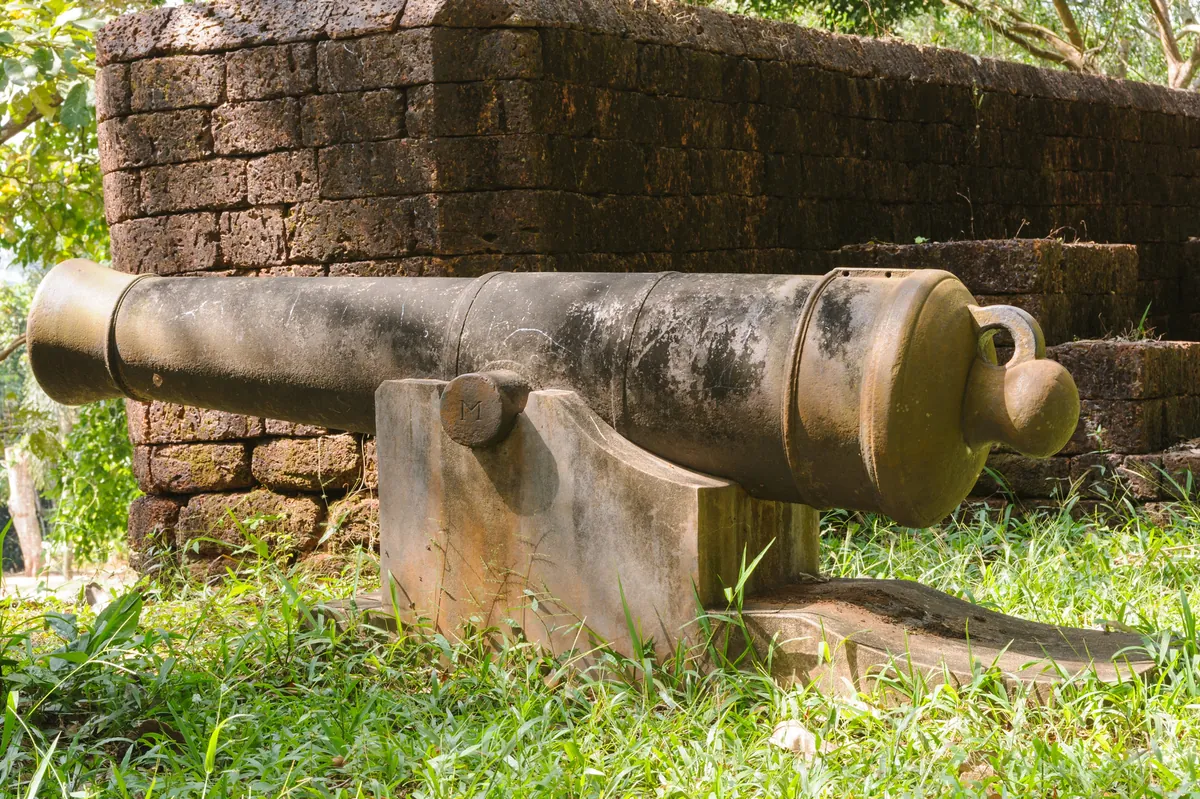
The district grew up over 200 years as Songkhla’s trading heart, when Chinese, Muslim, and Thai communities settled side by side along the lake and left a mixed architectural record still visible today: shophouse facades with Sino-Portuguese plasterwork, ornate window frames, and column capitals that blend Chinese and European decorative styles. A walk typically starts near the old Songkhla city gate on Nakhon Nok Road, which runs along the lake — the road ends at Hap Ho Hin, a red-painted former rice mill that once handled the town’s grain trade and now hosts rotating local-history exhibitions rather than milling anything. From there, Nakhon Nai and Nang Ngam Roads carry the walk deeper into the old commercial district.
Nang Ngam Road is the old town’s best-known street, and its name has a specific, slightly odd origin: it was called Soi Kao Hlong until an old-fashioned hairdressing salon named “Nang Ngam” (beautiful lady) became such a fixture that the street took the salon’s name instead of its original one. Today the road mixes decades-old noodle and rice shops with newer cafes, and it’s the easiest stretch to find Songkhla’s harder-to-track-down desserts — tofu puffs, cylindrical rice-flour pastries, and other sweets sold from stalls that have operated for generations rather than storefronts built for tourists.
Street art is the other reason to walk slowly here: murals painted directly onto shophouse walls along several of the side sois depict scenes from the town’s mixed community — a coffeehouse gathering, children in the dress of the town’s three main ethnic groups, a Chinese opera singer, a street coffee cart. None of it is signposted as a formal “art trail,” so the murals reward wandering off the three main roads rather than following a fixed route.
Insider Tip: Go in the late afternoon, roughly two hours before sunset — the shophouse facades catch better light for photos, the day’s heat has eased, and the food stalls are in full swing for an early dinner.
Watch out: Most of the old town’s charm is in unmarked details — a mural down a side soi, a decades-old shop with no sign in English — so a slower, planless walk works better here than trying to tick off a checklist of named sights.
- Entry: Free, always open (public streets)
- Core streets: Nakhon Nok, Nakhon Nai, Nang Ngam Roads
- Walking time: 1.5-2 hours at a browsing pace
- Landmark: Hap Ho Hin, a former rice mill turned exhibition space
- Best light: Late afternoon, roughly 2 hours before sunset
Getting There
Songkhla Old Town sits in central Mueang Songkhla, within walking distance of Songkhla Lake and the old city wall. It’s a flat, compact district — arrive by car or songthaew and park near the city gate, then explore on foot. Pair it with the Songkhla National Museum a short walk away for more context on the town’s trading history.
Location & Directions
Mueang Songkhla, Songkhla
Songkhla, Thailand
Show your taxi or Grab driver
ย่านเมืองเก่าสงขลา
Frequently Asked Questions
Is Songkhla Old Town free to visit?
What are the three main streets of the old town?
How long does it take to walk Songkhla Old Town?
What is Hap Ho Hin?
Why is Nang Ngam Road called that?
What should I eat while walking the old town?
Spotted something out of date or incorrect? Let us know
Stay Near Songkla Old Town
Live prices for places closest to Songkla Old Town — tap a pin to compare.