
Makha Bucha Day 2027: Thailand's Candlelit Temple Procession


DepositPhotos (standard license)
On this page
Makha Bucha 2027 falls on 21 February, a Thai public holiday with a nationwide 24-hour ban on alcohol sales (shops, bars, and most restaurants stop serving). It is one of Thailand’s most sacred Buddhist holidays, marking the day when 1,250 monks spontaneously gathered to hear the Buddha preach without prior arrangement. The event, known as Caturangasannipata, is considered one of the most remarkable moments in Buddhist history. The date is set by the full moon of the third lunar month.
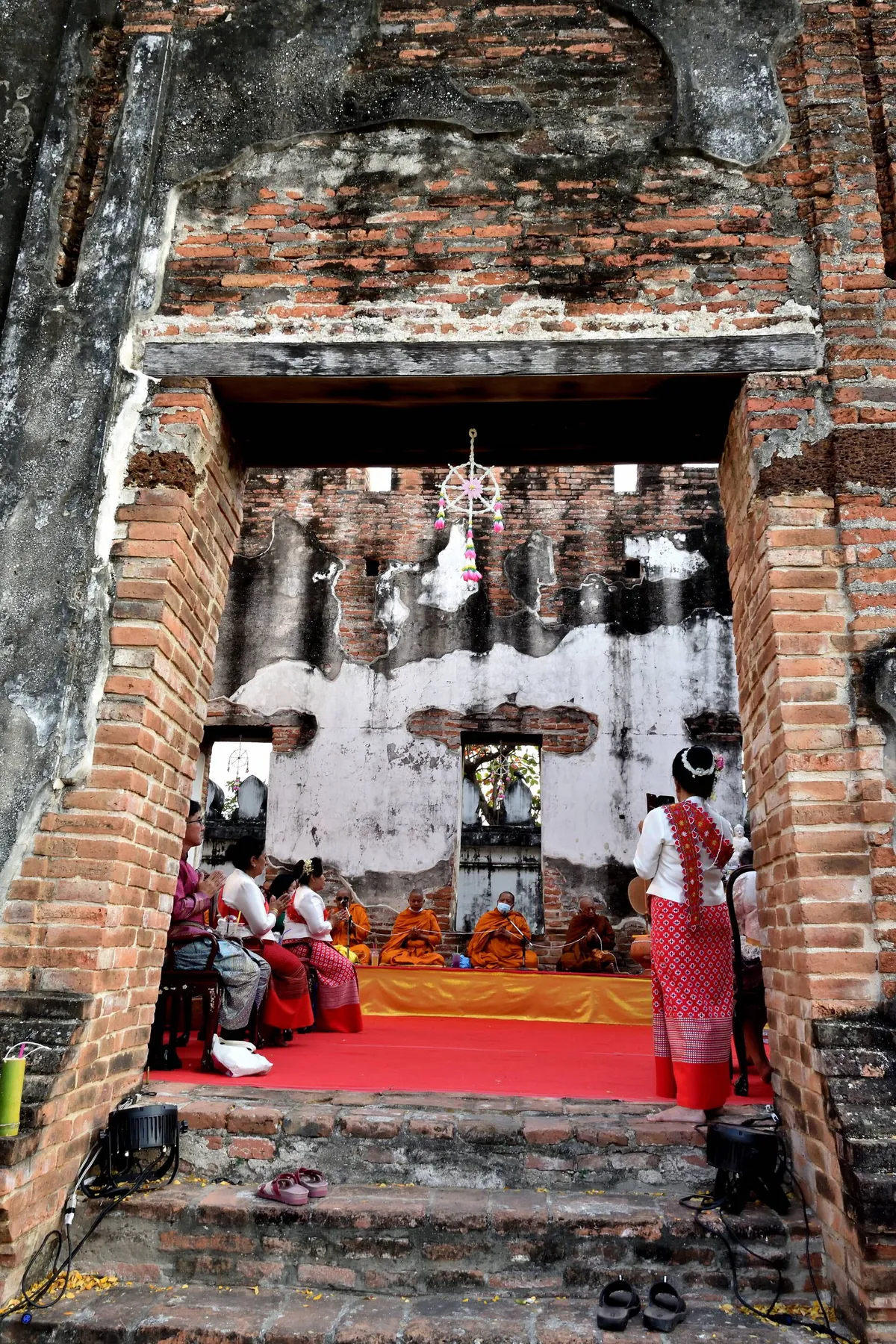
The highlight for visitors is the evening wien thien ceremony, a candlelit triple circumambulation of the temple’s main chapel. Thais of all ages carry flowers, incense sticks, and a lit candle, walking clockwise three times around the ubosot in silence. The effect is mesmerising: hundreds of flickering flames moving slowly in the darkness while monks chant inside. Major temples like Wat Phra Kaew in Bangkok, Wat Phra Singh in Chiang Mai, and Wat Mahathat in Sukhothai draw the largest crowds, but even the smallest village temple holds the ceremony.
During the day, devout Buddhists observe the five precepts, visit temples to make merit, and listen to sermons about the significance of the occasion. Government offices and banks are closed. Alcohol sales are banned nationwide for 24 hours, a detail that catches many tourists off guard. Convenience stores, supermarkets and ordinary bars and restaurants will not sell alcohol on this day; since the May 2025 reforms the official exceptions are licensed hotels, international-airport terminals, licensed entertainment venues, similar venues in designated tourist areas, and designated national or international events.
If you want to witness wien thien, arrive at your chosen temple by 7 PM. Dress modestly: shoulders and knees covered, white clothing appreciated but not required. Wat Benchamabophit (the Marble Temple) in Bangkok offers one of the most atmospheric ceremonies, with monks walking through the temple grounds by candlelight. No ticket or reservation is needed; simply join the procession and follow the crowd.
- Date: 21 February 2027 (full moon, third lunar month)
- Public holiday: Yes. 21 Feb 2027 is a Sunday, so Monday 22 Feb is the substitution holiday for banks and government offices
- Alcohol: Nationwide ban for 24 hours; licensed hotels, airport terminals and licensed entertainment venues exempt
- Wien thien timing: Typically starts around 7–8 PM at most temples
- Entry fee: Free at all temples
- Dress code: Shoulders and knees covered; remove shoes before temple buildings
What Makha Bucha Commemorates
The day marks one of the defining events of early Buddhism. Nine months after the Buddha attained enlightenment, 1,250 monks gathered at Veluvana Monastery without being summoned. Each had been individually ordained by the Buddha himself, and each arrived on the same day by coincidence. This gathering, called the Fourfold Assembly, is considered miraculous. On that day, the Buddha delivered the Ovada-Patimokkha, a summary of Buddhist principles that remains central to Theravada practice today.
Thais regard Makha Bucha as a day to renew their commitment to the three pillars of Buddhism: the Buddha, the Dhamma (his teachings), and the Sangha (the community of monks). Morning almsgiving is especially generous: monks at major temples may receive more food than they can carry. Listening to a Dhamma talk at the temple is standard for devout Thais, and many take the day to sit in meditation rather than work.
The Wien Thien Procession: What to Expect
The wien thien (also written wian thian) is the moment most travellers come to see. As the sun sets, temple grounds fill with families, school groups, and elderly devotees. Candle sets (usually a lit candle, three incense sticks, and a flower (often a lotus bud)) are sold or handed out at the temple entrance for a small donation, typically 20–40 THB.
The procession begins when monks lead the crowd out of the main hall. Everyone walks in the same direction, clockwise, circling the ubosot three times. The circles represent the Three Jewels: the Buddha, the Dhamma, and the Sangha. Conversation stops. The only sounds are footsteps, low chanting from the monks, and the occasional flicker of wind against candles.
At large city temples the procession can last 30–40 minutes. At village temples it may be over in ten. The atmosphere is meditative rather than theatrical. This is a genuine religious act, not a performance staged for tourists.
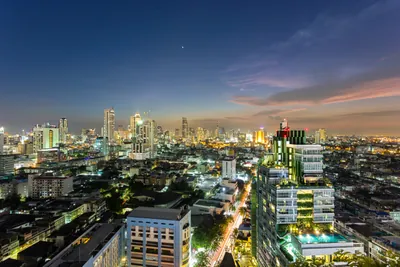
Insider Tip: If you’re in Bangkok, Wat Saket (the Golden Mount) holds a smaller, quieter ceremony than the major royal temples. The hilltop location means you watch the candlelit procession against the Bangkok skyline at night. Arrive by 6:30 PM to find a good spot on the stairs.
Witnessing It Respectfully
Photography is generally tolerated at Thai Buddhist ceremonies, but read the atmosphere before raising a camera. During the silent walking procession, a phone torch or flash is intrusive. Step back from the main path if you want to photograph. Let worshippers pass rather than weaving through the crowd. Monks in many temples prohibit photos inside the ordination hall.
The best viewing position for the wien thien is standing just outside the procession path. From there you can see the full column of lights as it rounds the corner of the chapel. If you want to participate rather than observe, pick up a candle set at the entrance and join the back of the crowd when the procession starts.
Watch out: February evenings in Bangkok and central Thailand are cool by Thai standards (around 22–26°C) but temple grounds can feel chilly after dark if you are standing still for an hour. Bring a light layer.
The Alcohol Ban: What It Means in Practice
The nationwide alcohol prohibition on Makha Bucha Day is enforced broadly. 7-Eleven and Family Mart will not sell beer. Supermarkets remove alcohol from sale. Since the May 2025 reforms, licensed hotels, international-airport terminals, licensed entertainment venues, similar venues in designated tourist areas, and designated national or international events are exempt; ordinary standalone bars and restaurants remain covered by the ban, and the vast majority comply. Plan around it rather than against it. The ban runs midnight to midnight.