






Doi Sakat
ดอยสกาด
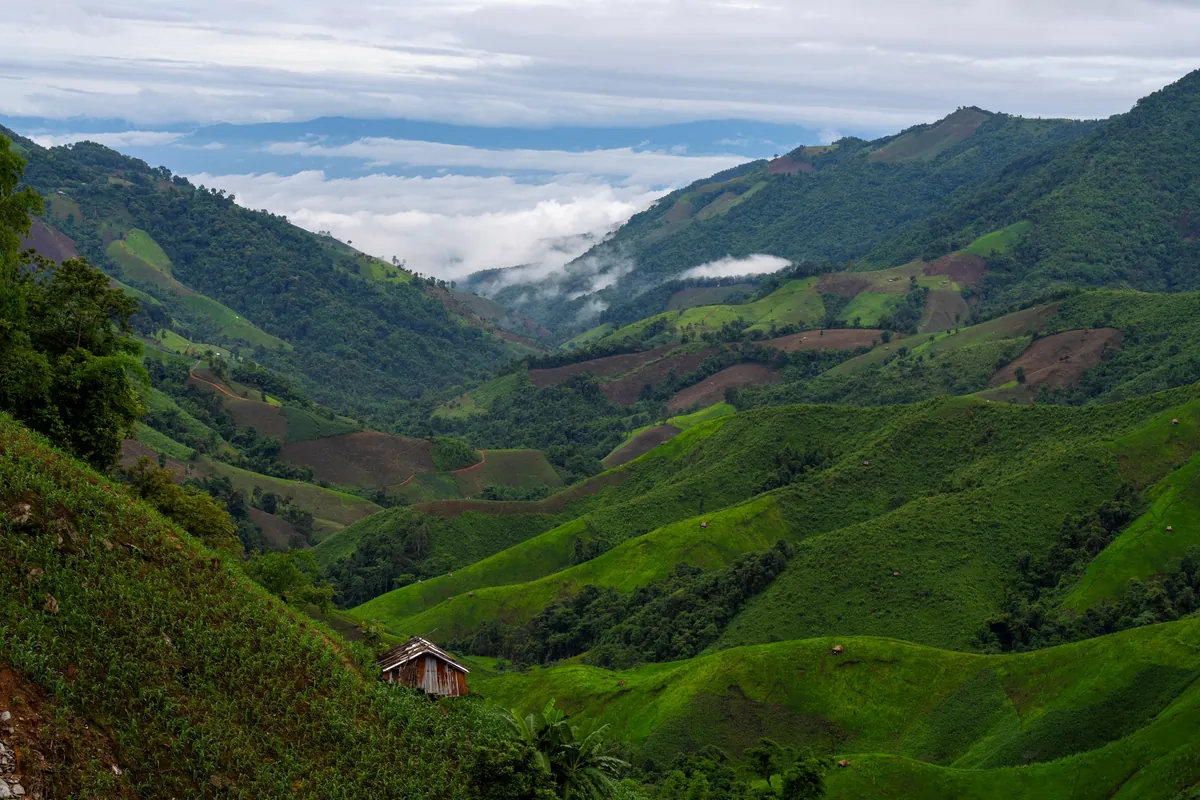
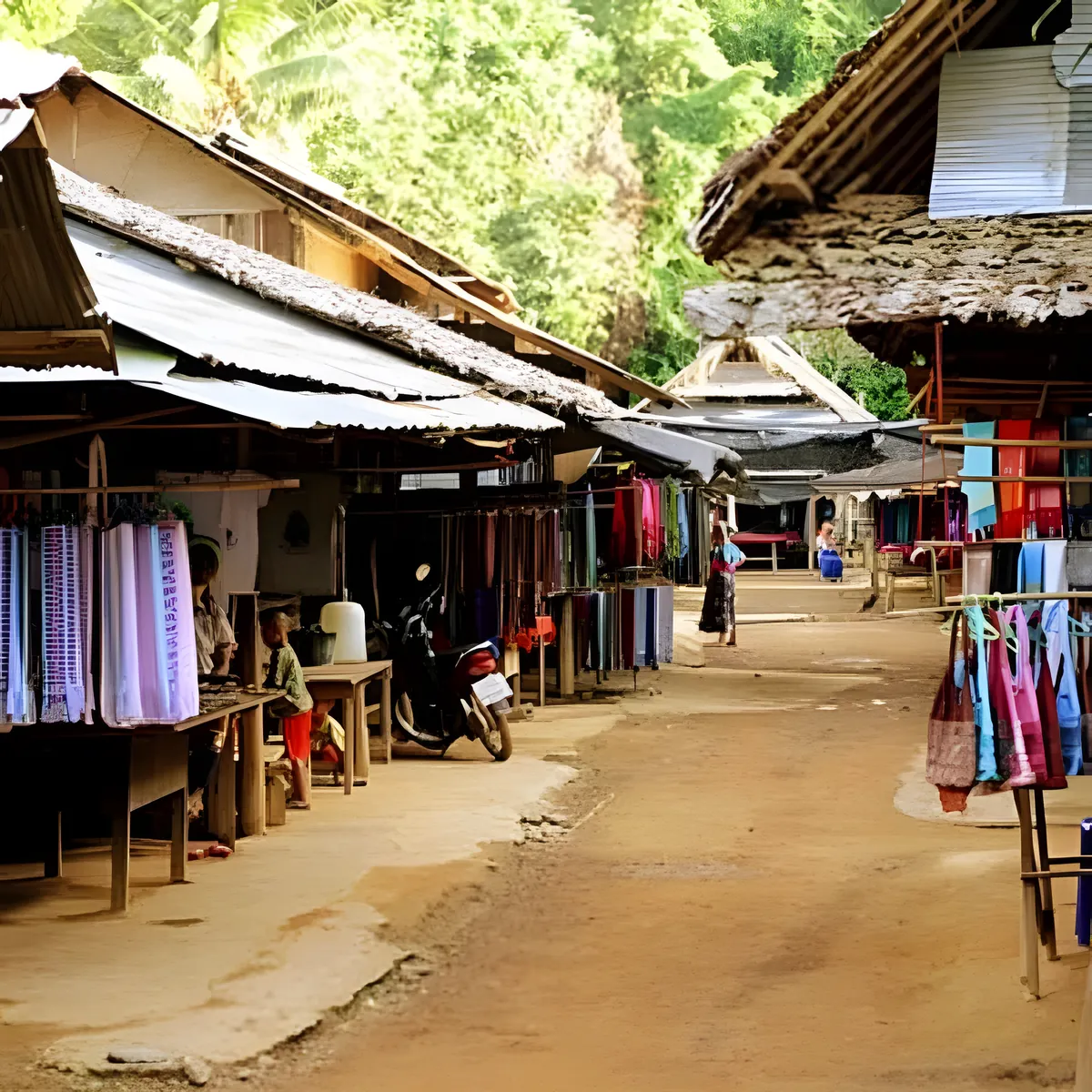
Doi Sakat is a Lua hill-tribe farming village in Sakat subdistrict, Pua district, Nan, about 22 km up a paved but winding mountain road from Pua town, roughly 35 minutes by car. Villagers grow miang (fermented tea leaf), makhwaen (a Sichuan pepper relative used in northern Thai cooking), and (increasingly) specialty coffee, with a handful of homestays and hillside cafés built around the mountain and mist views. Entry is free; there are no set opening hours since it’s a lived-in village, not a ticketed site.
The tea and makhwaen plantations grow unevenly under the shade of large trees rather than in tidy rows, since much of the Assam-cultivar tea self-seeds and grows wild alongside what’s deliberately planted. A handful of named cafés anchor the village’s tourism: Sakad Coffee, near the base of the climb, roasts its own beans grown on the mountain; Ban Jak Kaphatthan is a large wooden house partway up that doubles as a homestay and coffee stop. At least one village kitchen grinds miang tea leaf into a broth for noodle soup, a dish specific to this stretch of Nan and not something you’ll find on a typical northern Thai menu.
Insider Tip: Ask for the miang-leaf noodle soup at a village kitchen rather than sticking to coffee. The fermented tea leaf gives the broth a mild, faintly smoky bitterness distinct to Doi Sakat.
Doi Sakat sits on the same massif as Doi Phu Kha National Park, a short distance further up the range, and shares its cool-season draw: mornings turn genuinely cold from November to February, when the valley below often fills with mist by sunrise. Staying overnight at one of the village homestays is the only reliable way to catch it: day-trippers arriving after 9am usually miss the mist entirely.
Watch out: The access road is paved the whole way but narrow and switchbacked in sections. Drive it in daylight if you’re not used to mountain roads, and take it slowly after rain.
Book a homestay in advance if you want to overnight in the village and share the community’s daily rhythm, and ask permission before photographing people: Doi Sakat is a working village, not a display.
- Location: Sakat subdistrict, Pua district: about 22 km / 35 min from Pua town
- People: Lua hill-tribe farming community
- Crops: Miang (fermented tea leaf), makhwaen, and a growing specialty-coffee scene
- Where to stay: Homestays and café-guesthouses (Sakad Coffee, Ban Jak Kaphatthan)
- Entry: Free, no set hours
Location & Directions
Pua, Nan
Nan, Thailand
Show your taxi or Grab driver
ดอยสกาด
Frequently Asked Questions
How far is Doi Sakat from Pua town?
What is Doi Sakat known for?
Can I stay overnight?
Is there an entry fee?
When's the best time to visit?
Spotted something out of date or incorrect? Let us know
Stay Near Doi Sakat
Live prices for places closest to Doi Sakat: tap a pin to compare.