









- Best time
- Nov to Feb
- How long
- 3–4 days minimum
- From Bangkok
- Direct flights to Nan Nakhon Airport (NNT) via Don Mueang
- Getting around
- Motorbike or hired car
Updated June 2026
Plan your trip
Recommended by us

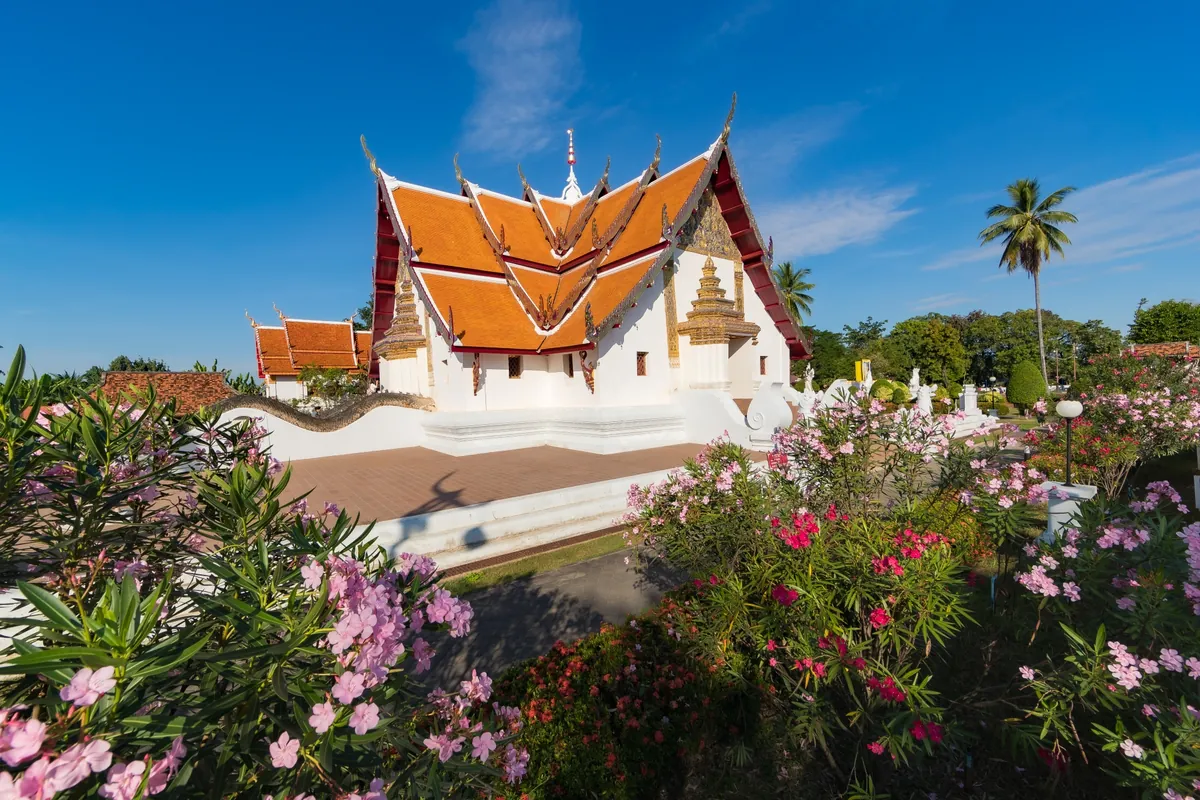
Wat Phumin
Nan's most famous temple, known for its 1596 cruciform ubosot and the murals inside depicting 19th-century Tai Lue life. The images are expressive and oddly intimate. Allow 45 minutes.


Sao Din Na Noi
Dozens of earth pillars rising from an eroded basin: Nan's version of the Phrae earth columns but quieter. Best in morning light when the clay glows orange.

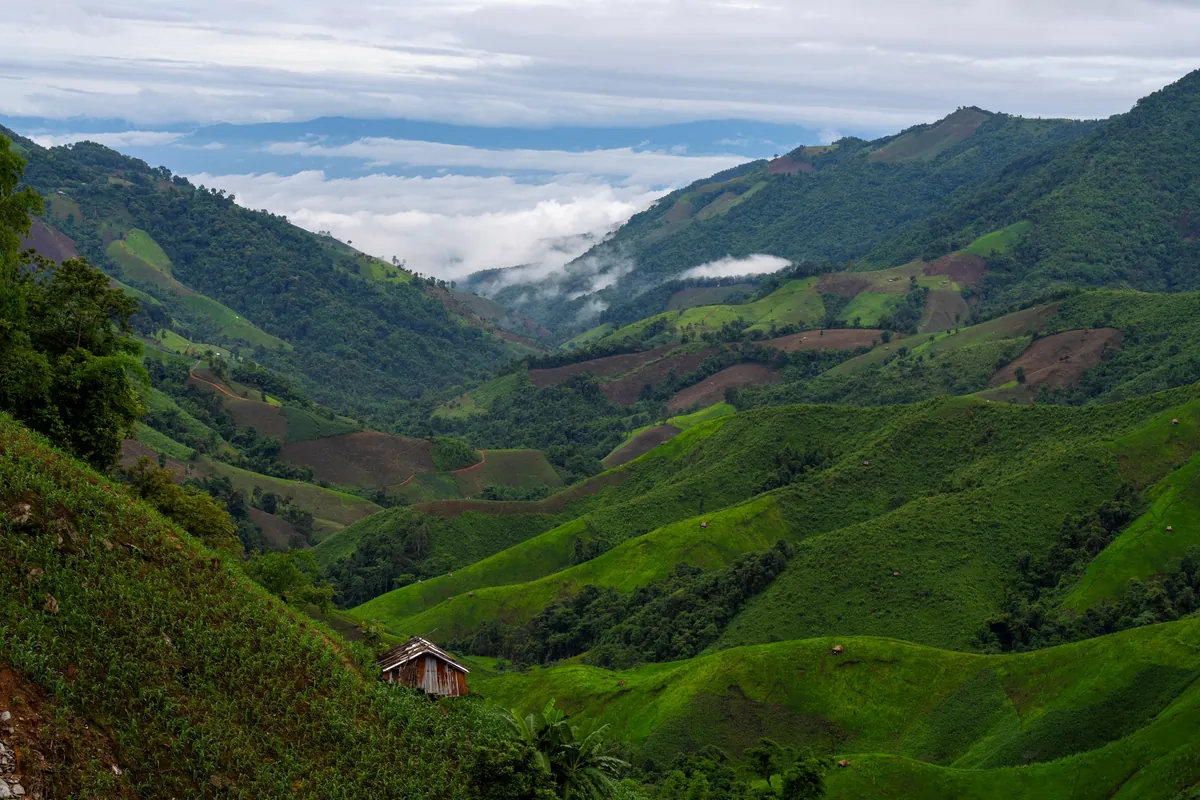
Doi Phu Kha National Park
Remote highland park in Nan's north, home to the rare Chomphu Phu Kha tree that flowers pink in February. Cool enough at altitude to need a jacket at night.

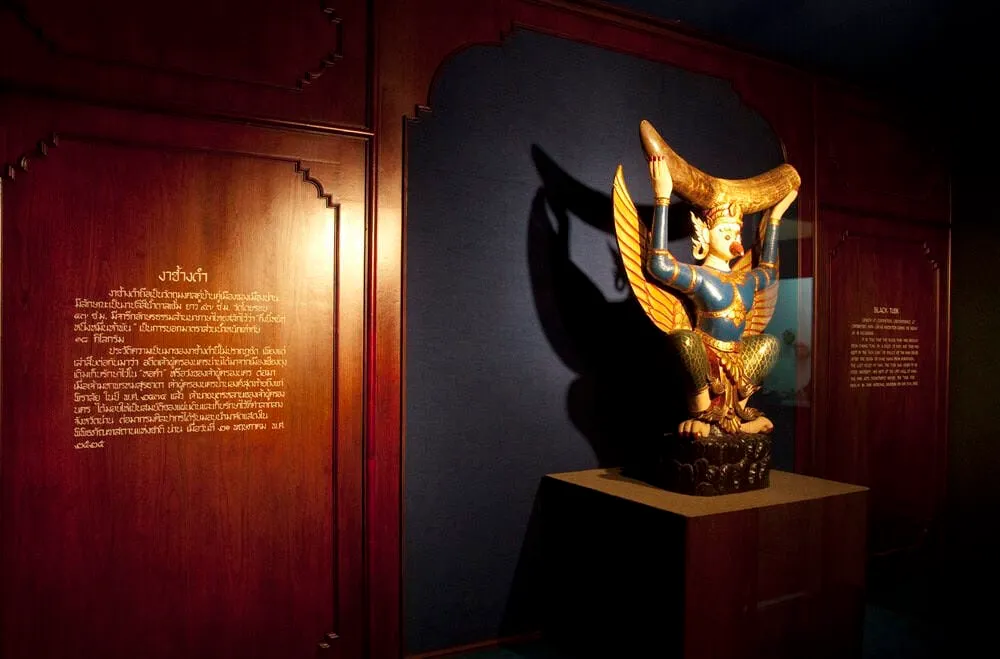
National Museum of Nan
A former palace housing Nan's collection: the prized piece is a rare black elephant tusk. Small but well-curated; an hour here sets the province in context.

Get to Nan
Nan has a small airport with flights from Bangkok (1h10). The road from Chiang Mai via Phrae is a beautiful 3-hour drive if you're already in the north.


eSIM for Thailand
Land with data already working and skip the airport SIM queue. We tested six plans. Code THAIHOLIDAY saves 10%.


Travel insurance
Nan's mountain roads and national park trails reward the prepared traveller. Sort cover before you go, especially if you're planning to rent a motorbike.
Getting to Nan
Compare buses, trains, ferries, and flights to Nan.
Wats, shrines & spiritual sites
Temples in Nan

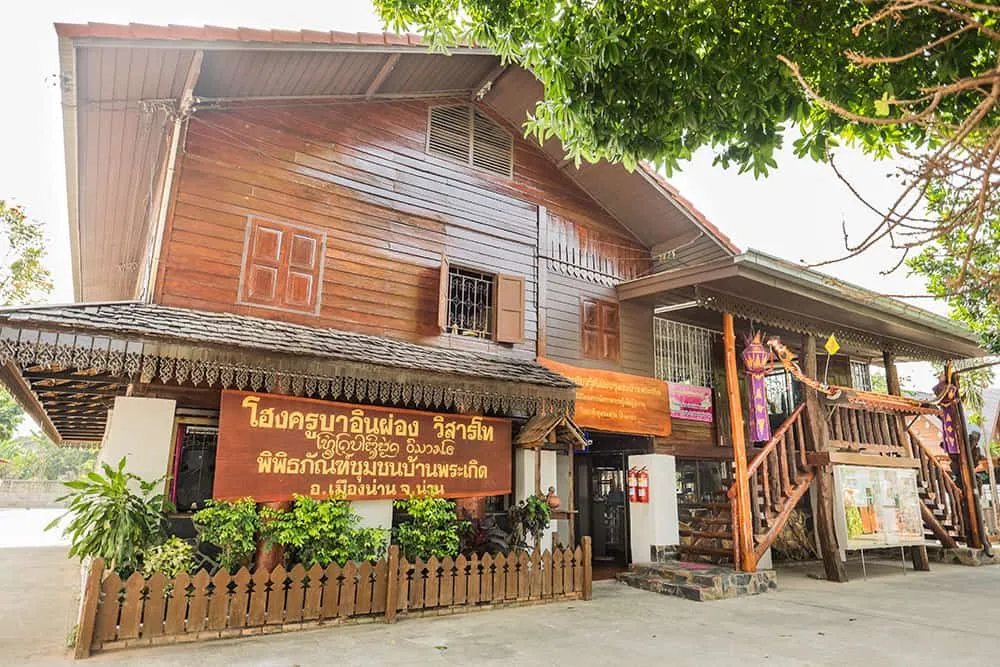
Ban Phra Koet Community Museum
พิพิธภัณฑ์ชุมชนบ้านพระเกิด

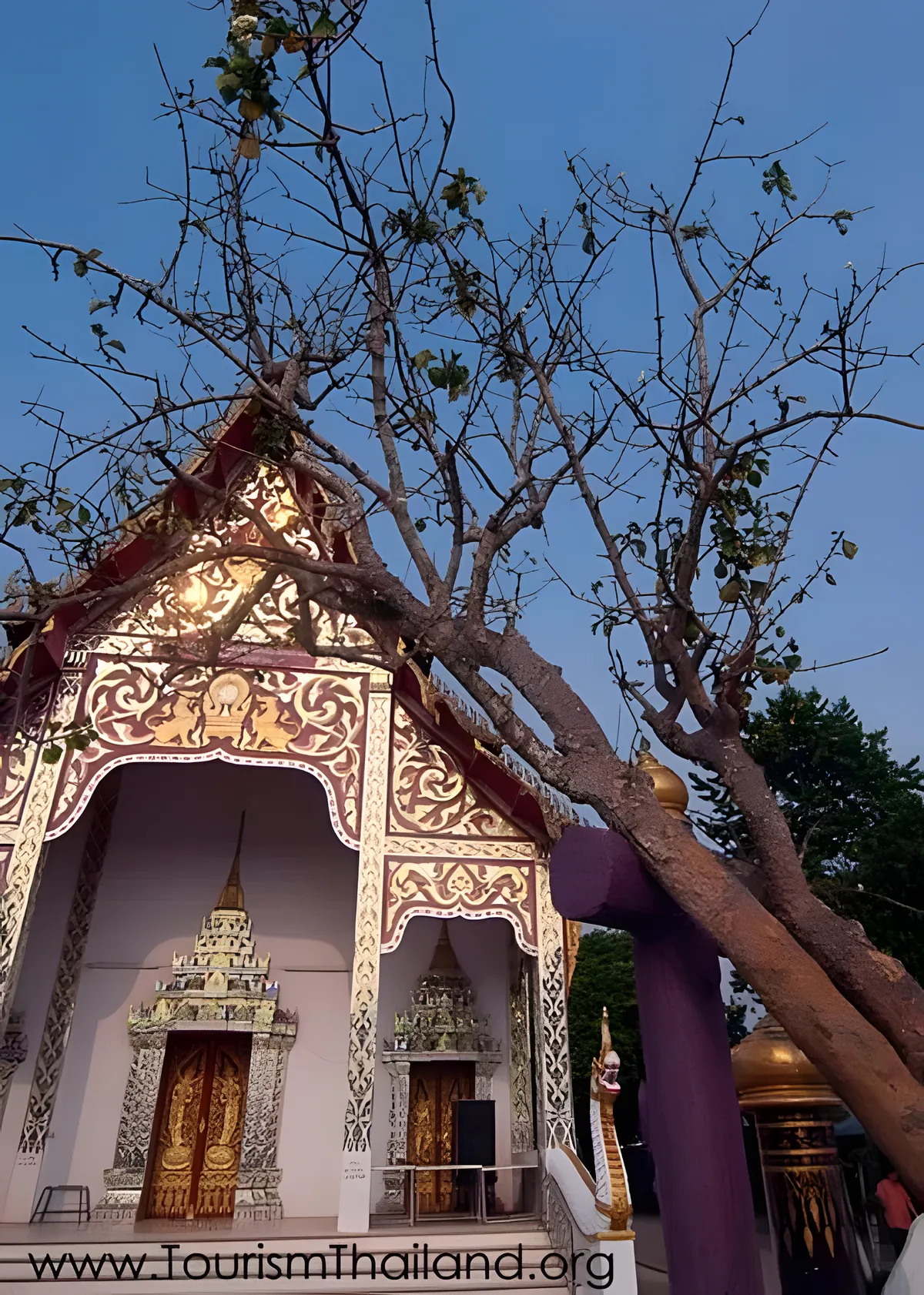
Dik Diem Tree at Wat Prang
ต้นดิกเดียม วัดปรางค์

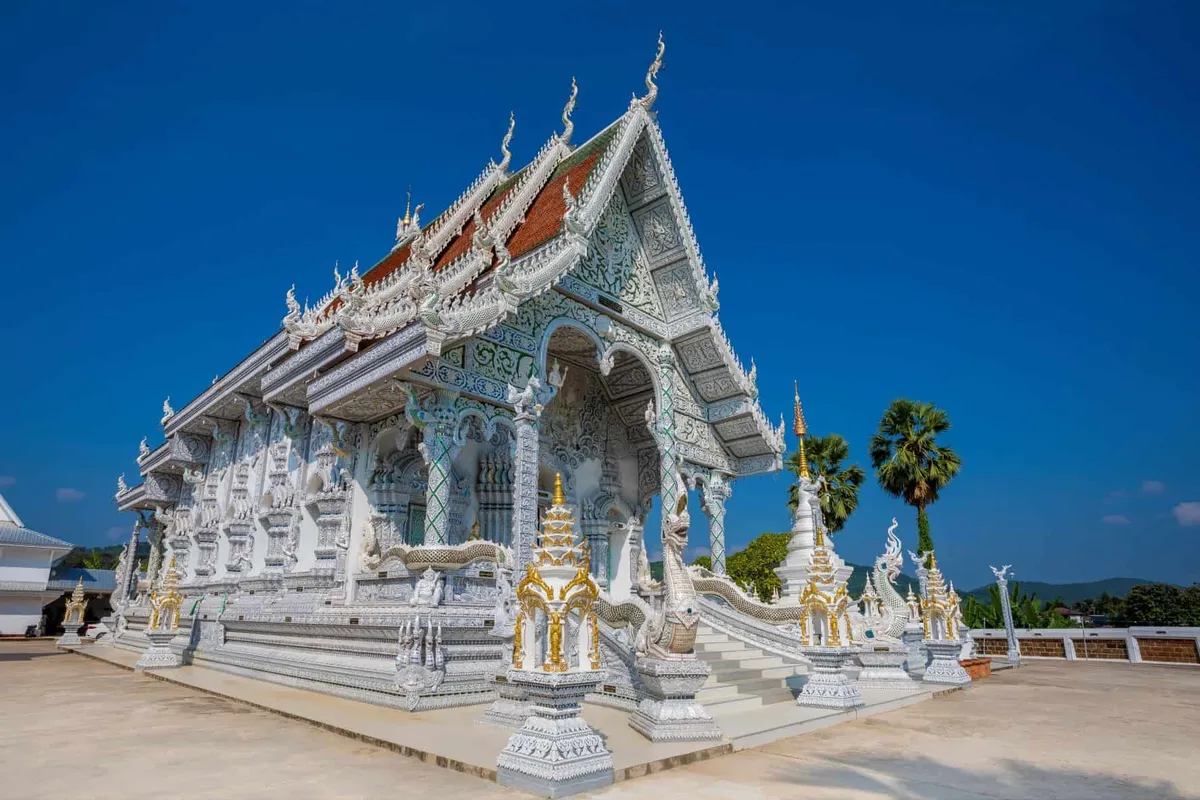
Wat Bo Kaeo
วัดบ่อแก้ว

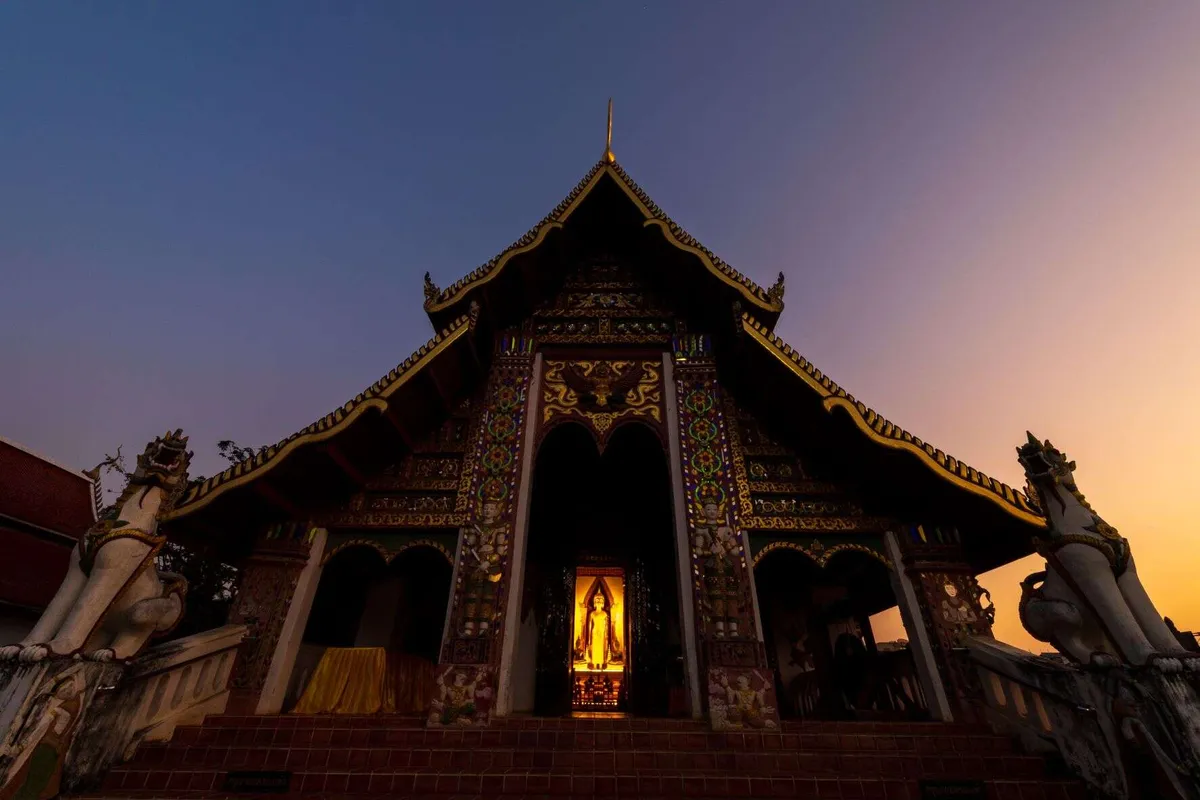
Wat Bunyuen
วัดบุญยืน พระอารามหลวง

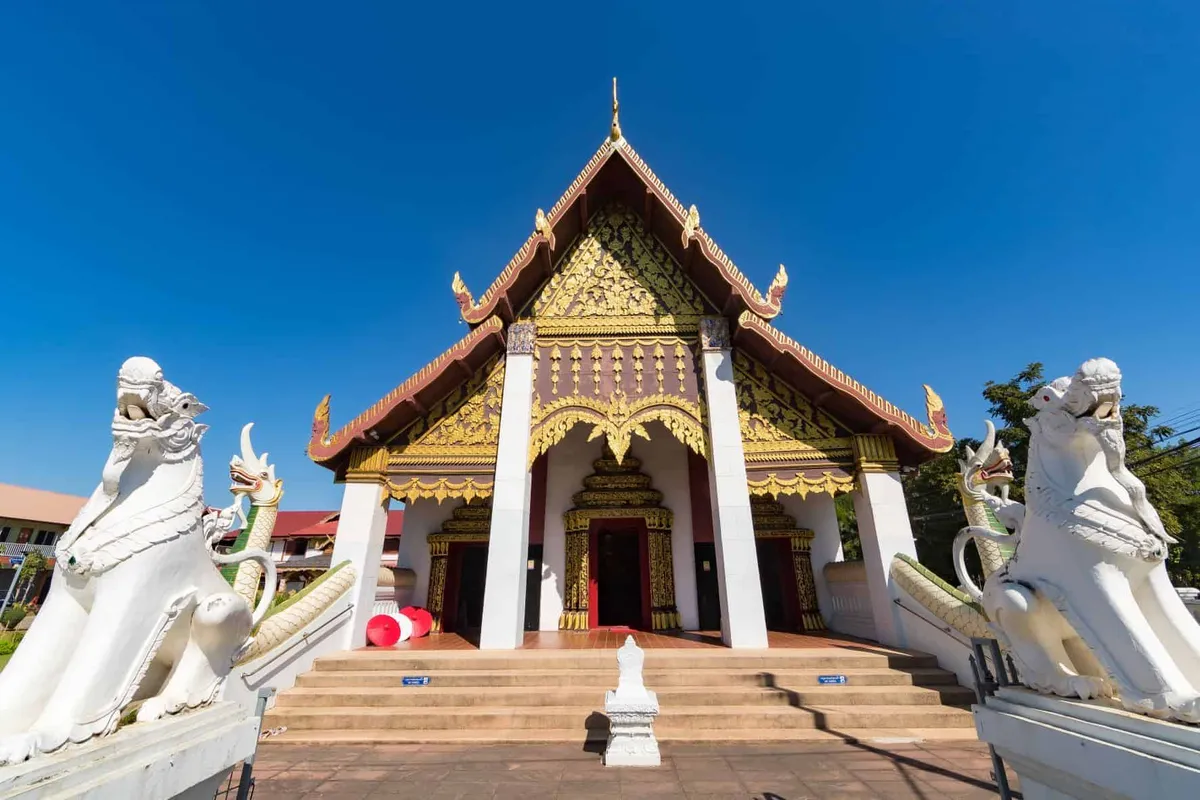
Wat Hua Khuang
วัดหัวข่วง

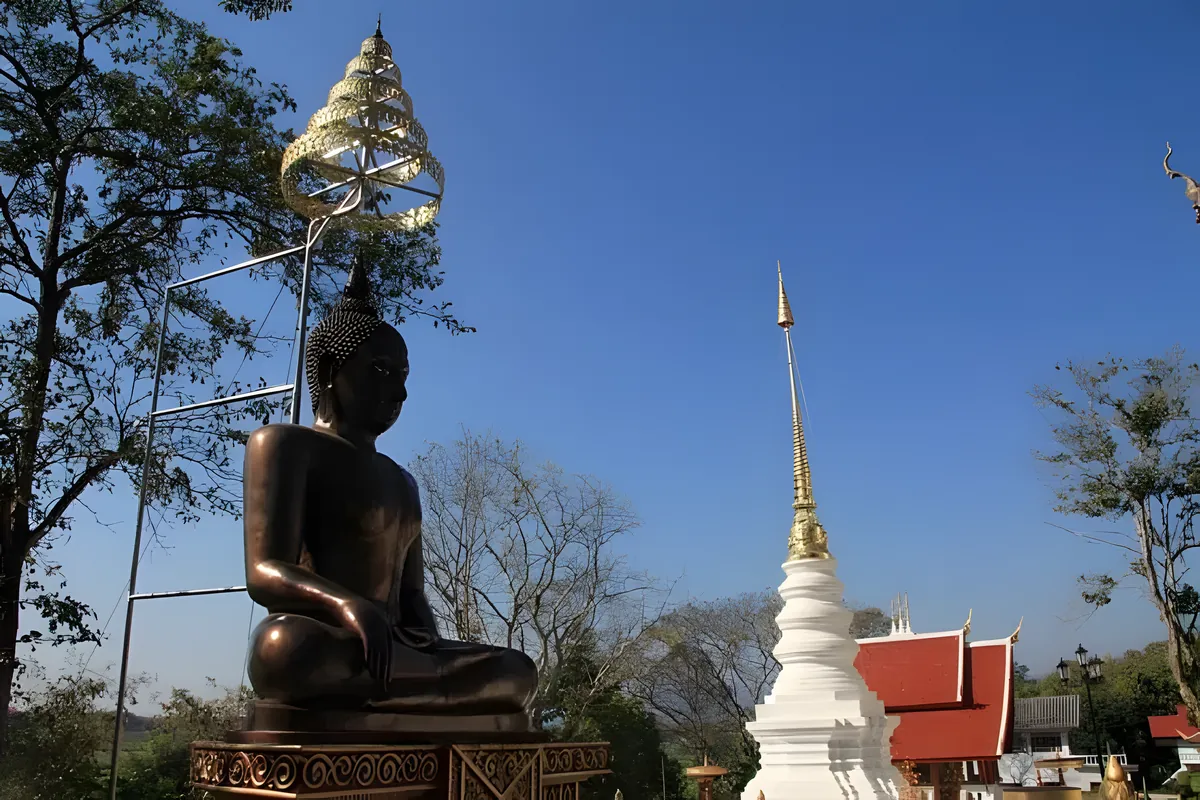
Wat Klang
วัดกลาง

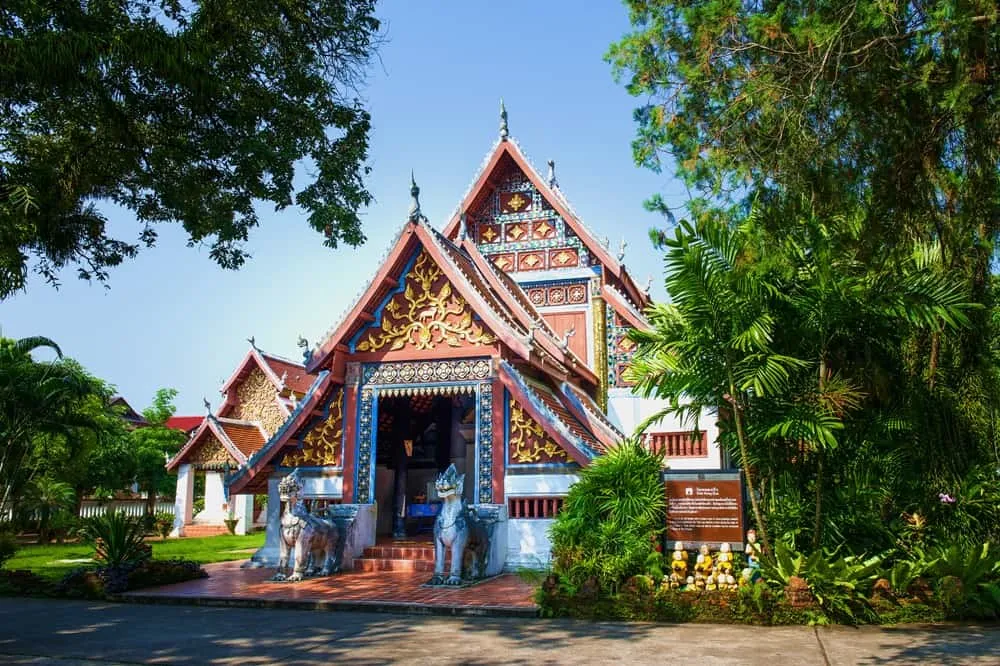
Wat Nong Bua
วัดหนองบัว

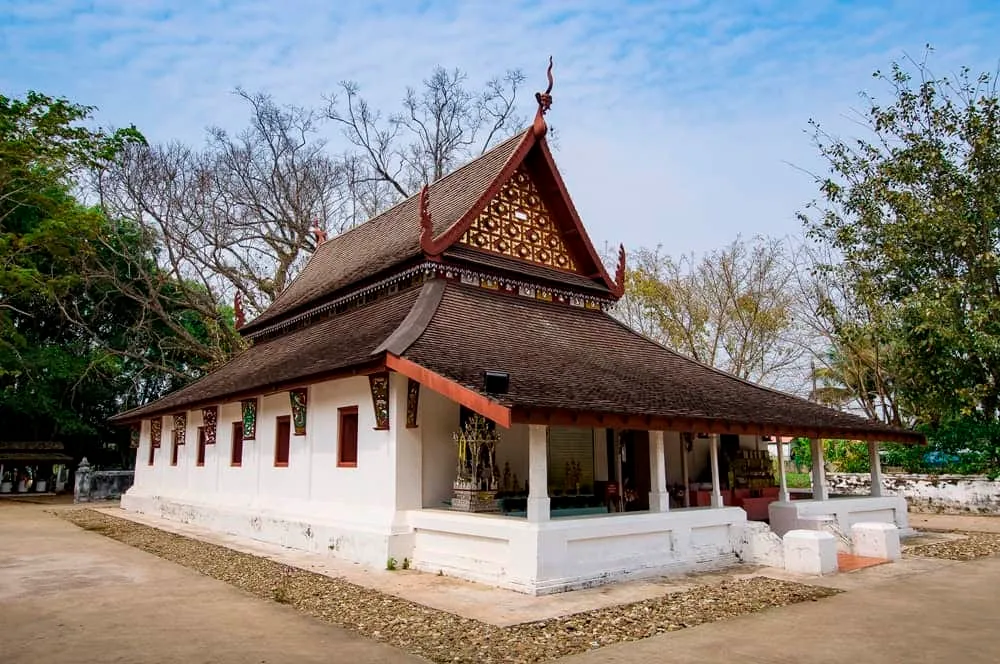
Wat Nong Daeng
วัดหนองแดง

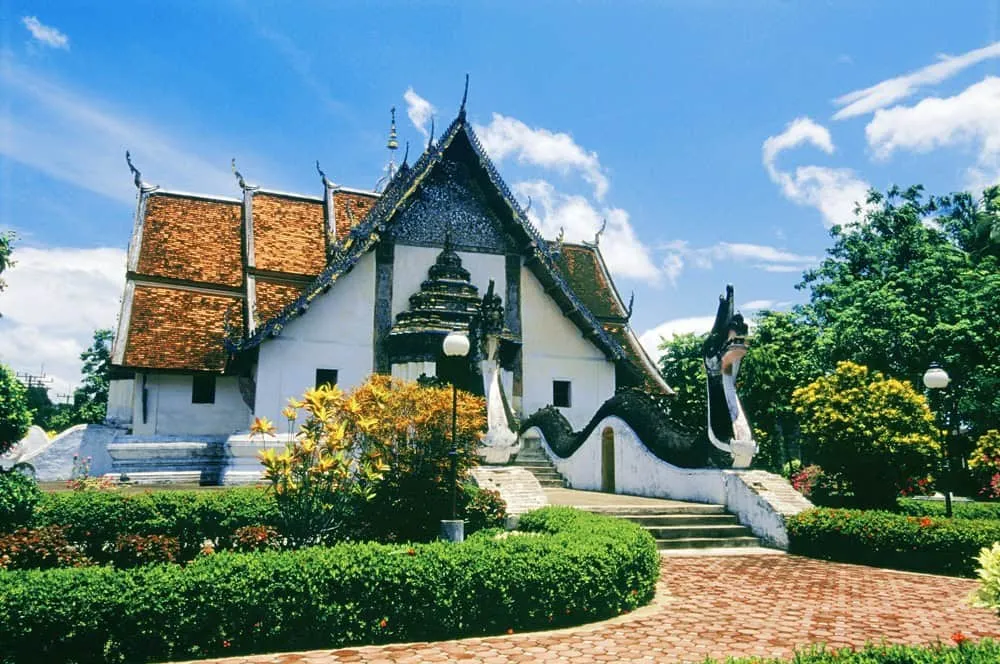
Wat Phayawat
วัดพญาวัด

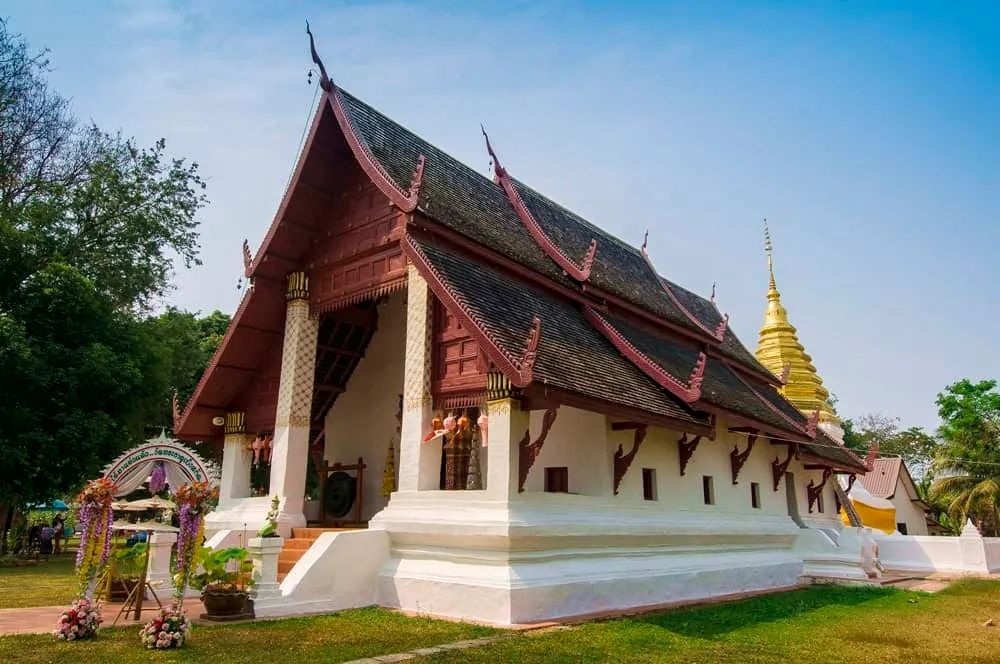
Wat Phrathat Beng Sakat
วัดพระธาตุเบ็งสกัด

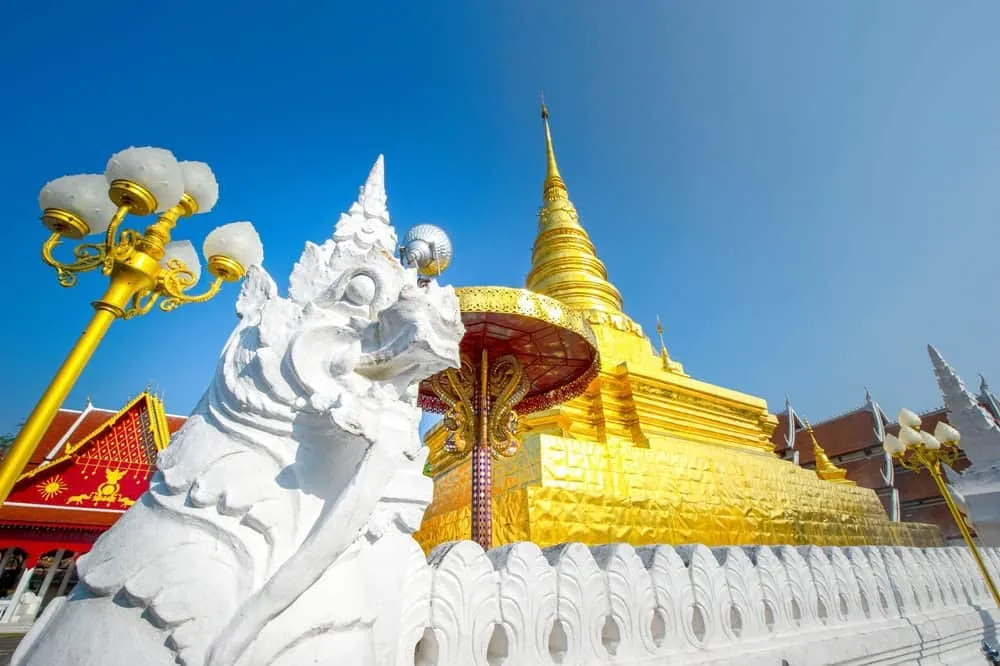
Wat Phrathat Chae Haeng
วัดพระธาตุแช่แห้ง

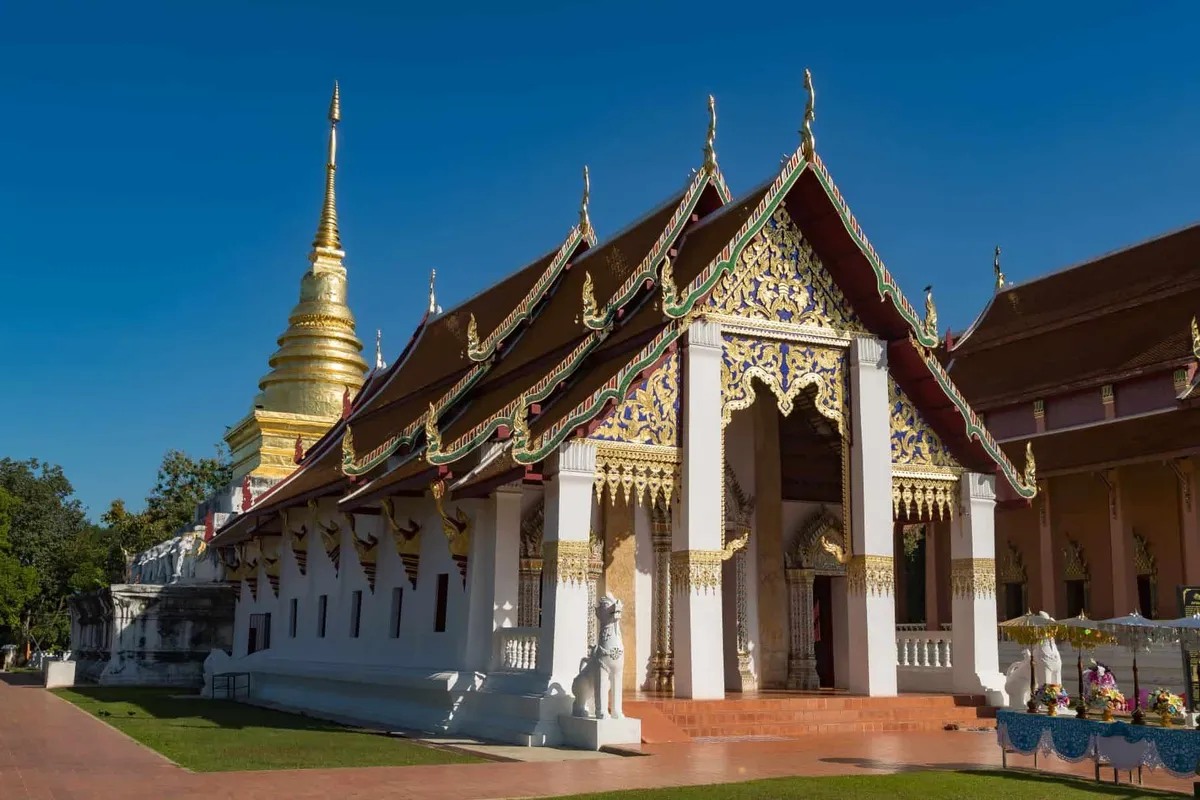
Wat Phrathat Chang Kham Worawihan
วัดพระธาตุช้างค้ำวรวิหาร
Waterfalls, peaks, caves & parks
Nature & outdoors around Nan

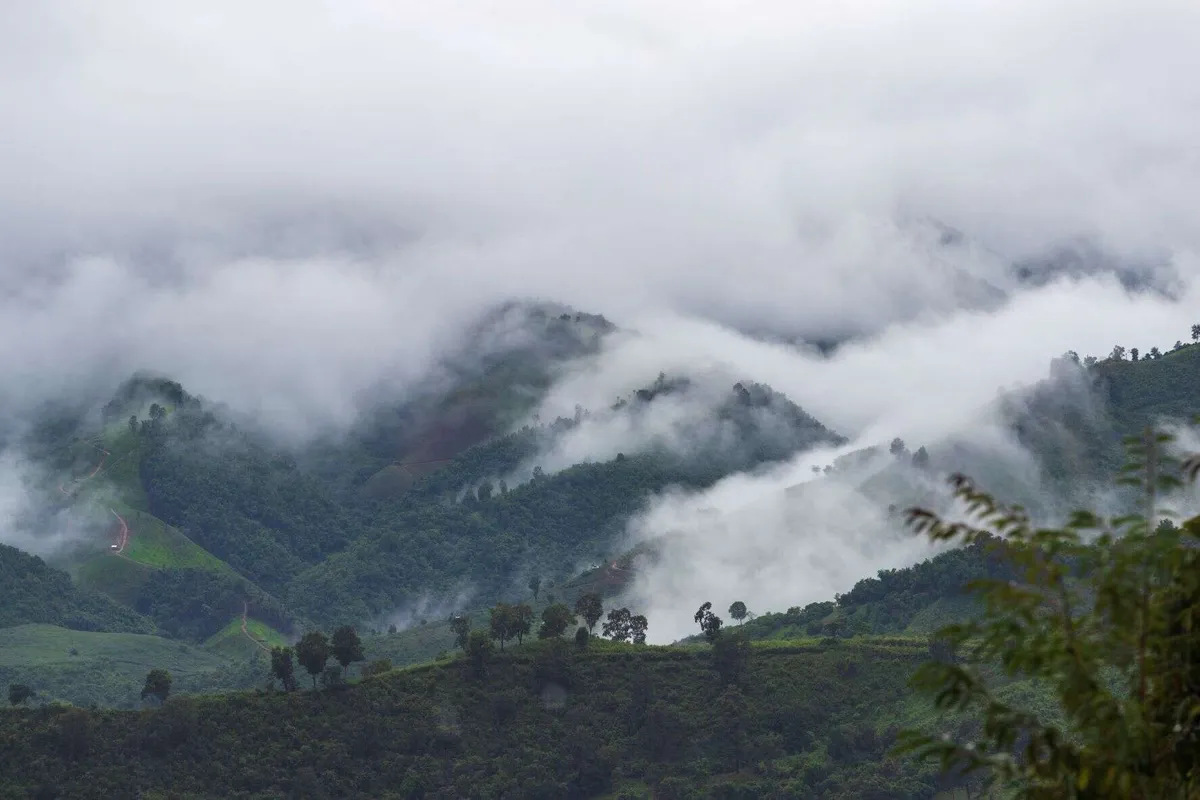
Doi Sakat
ดอยสกาด

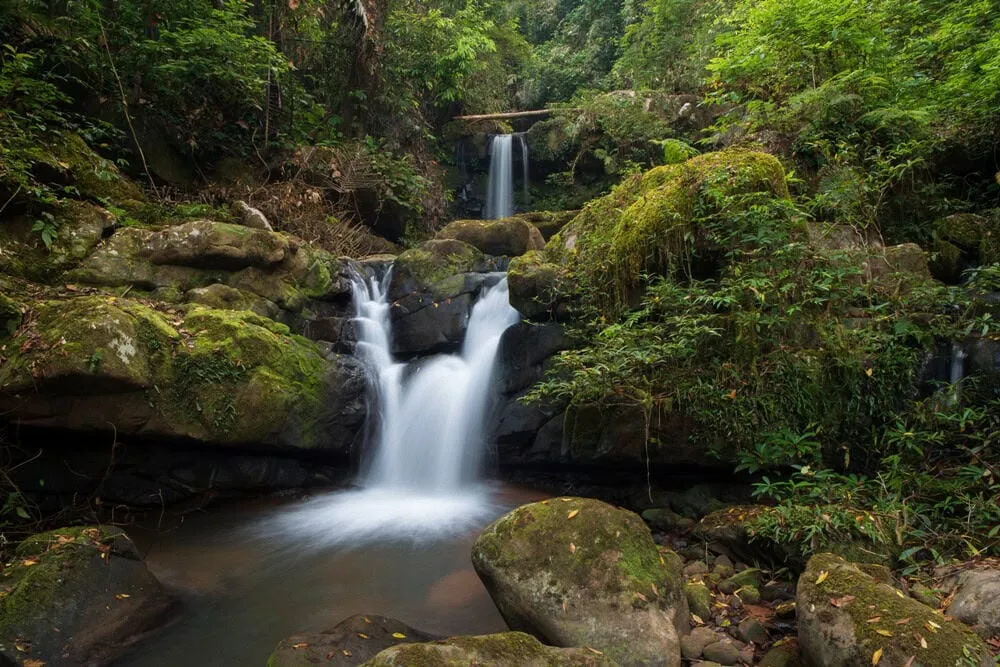
Khun Nan National Park
อุทยานแห่งชาติขุนน่าน

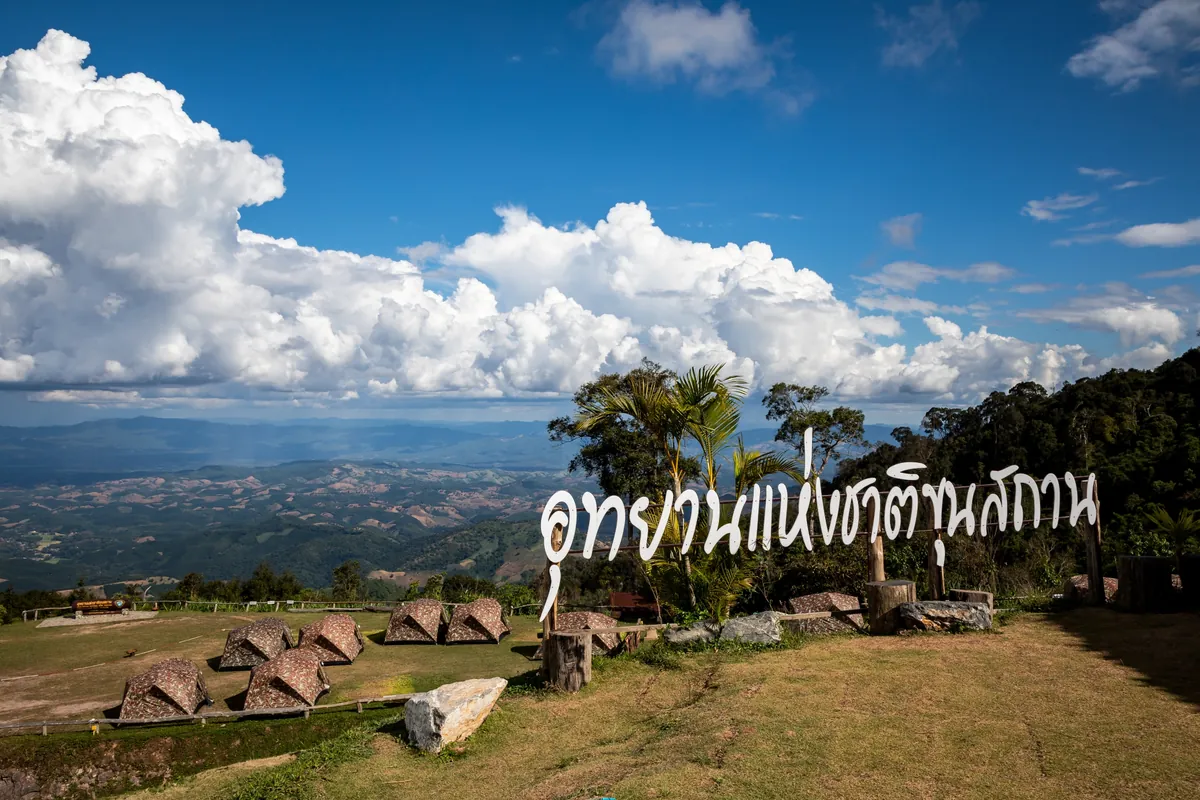
Khun Sathan National Park
อุทยานแห่งชาติขุนสถาน

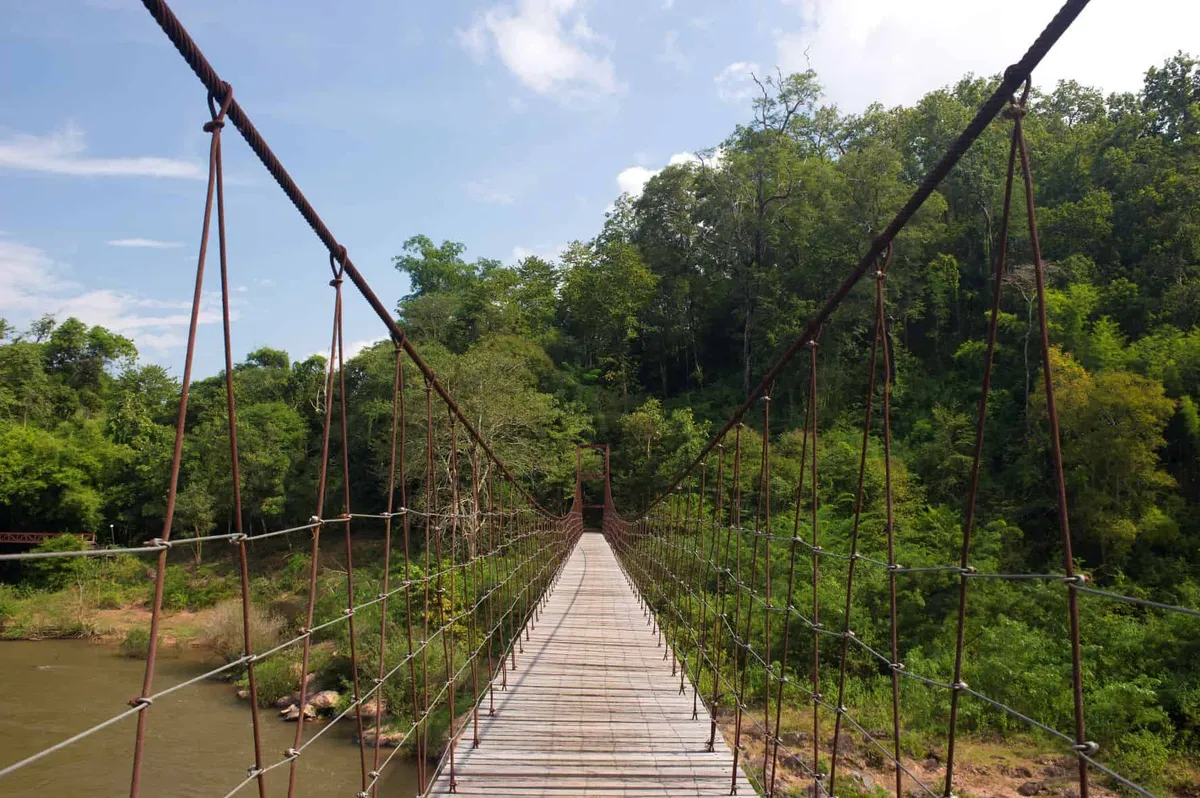
Mae Charim National Park
อุทยานแห่งชาติแม่จริม

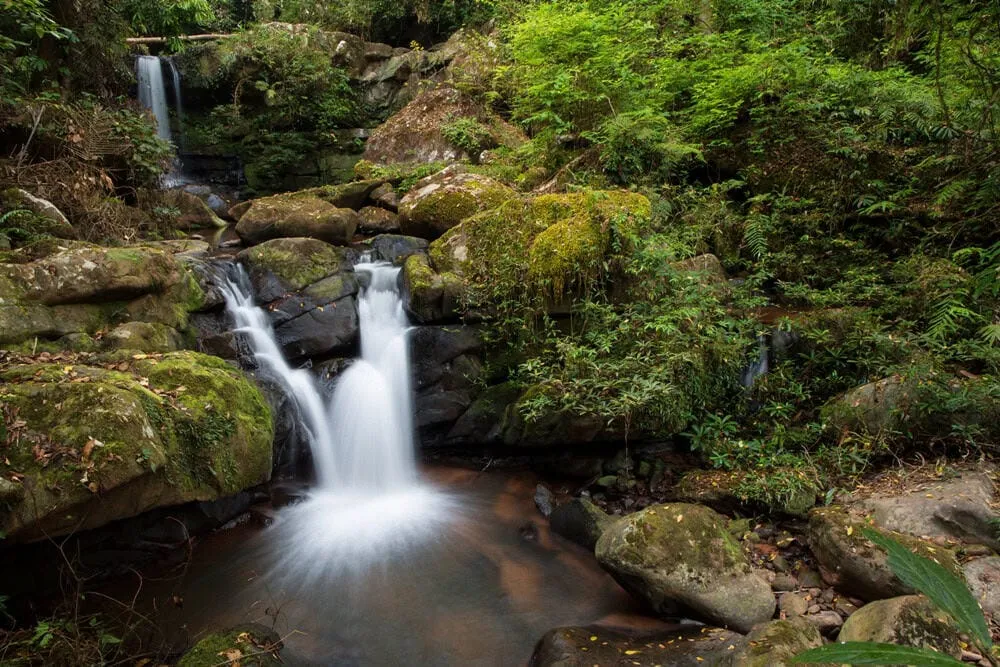
Namtok Sapan
น้ำตกสะปัน

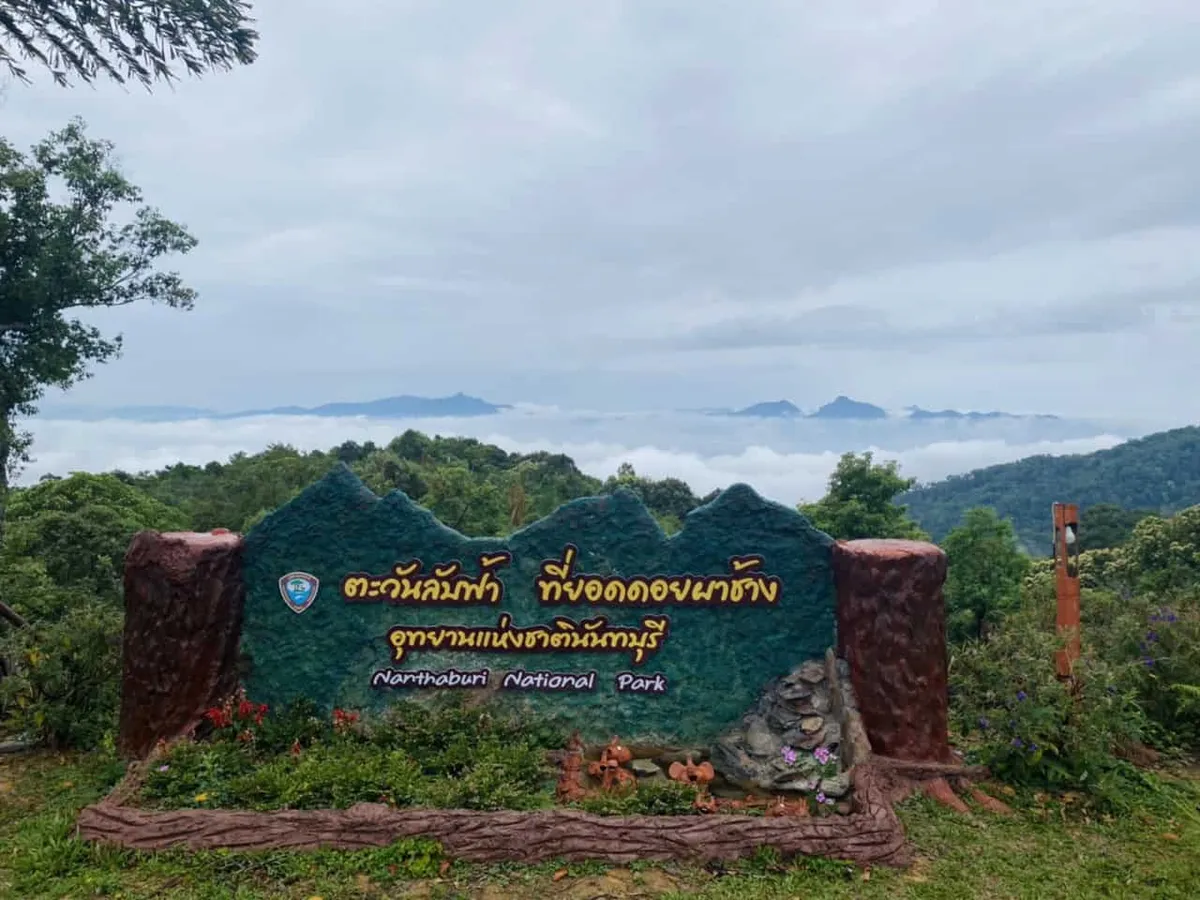
Nanthaburi National Park
อุทยานแห่งชาตินันทบุรี

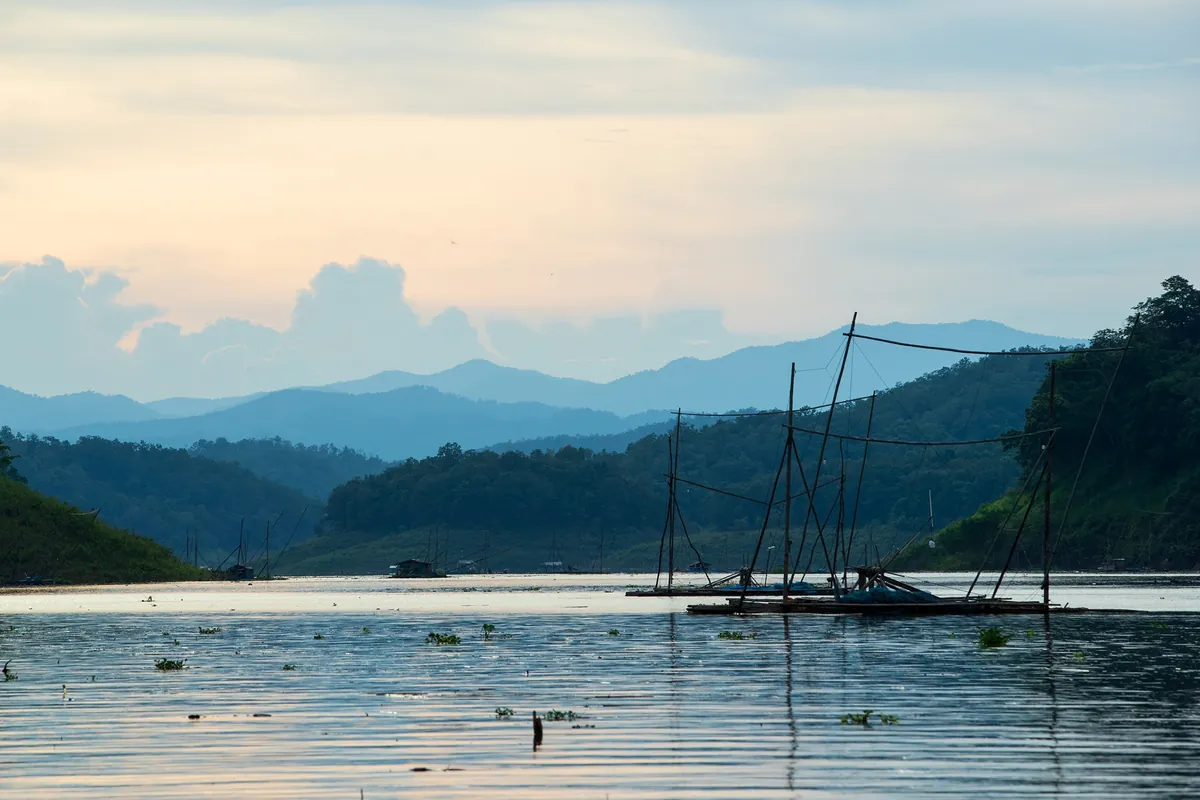
Paknai Fisherman Village
หมู่บ้านประมงปากนาย

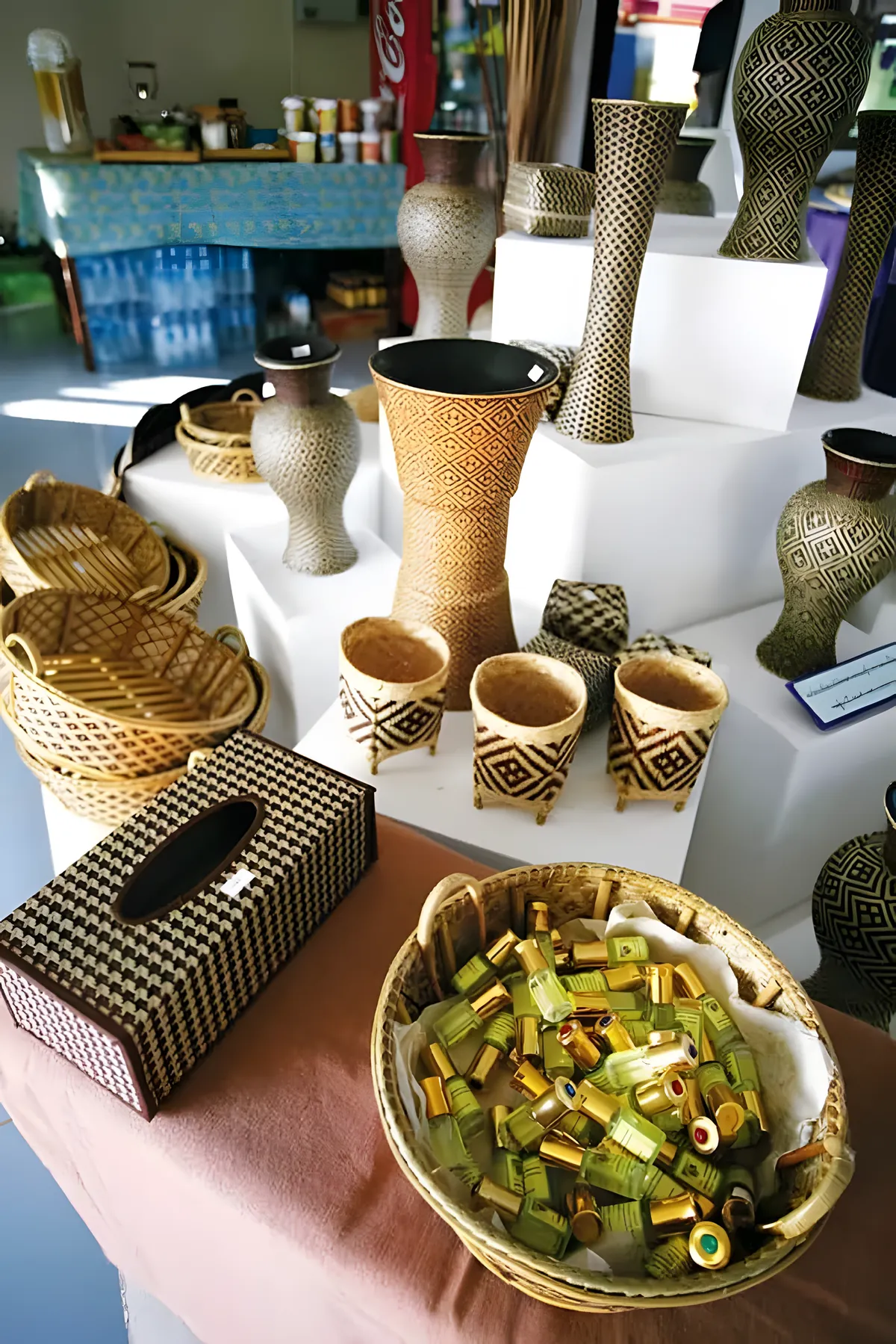
Phu Fa Development Centre
ศูนย์ภูฟ้าพัฒนา

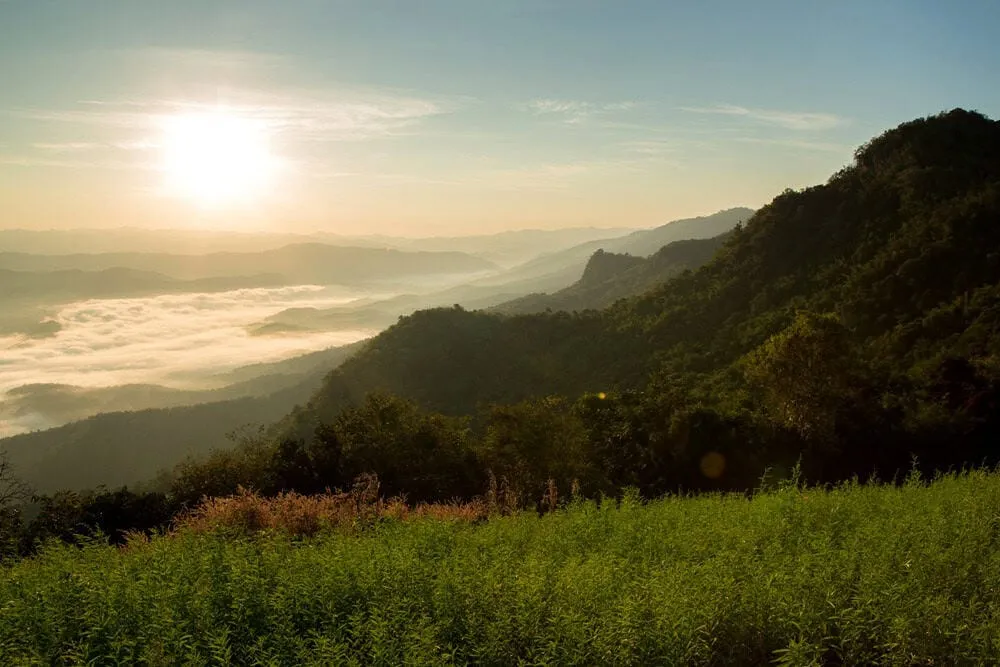
Si Nan National Park
อุทยานแห่งชาติศรีน่าน

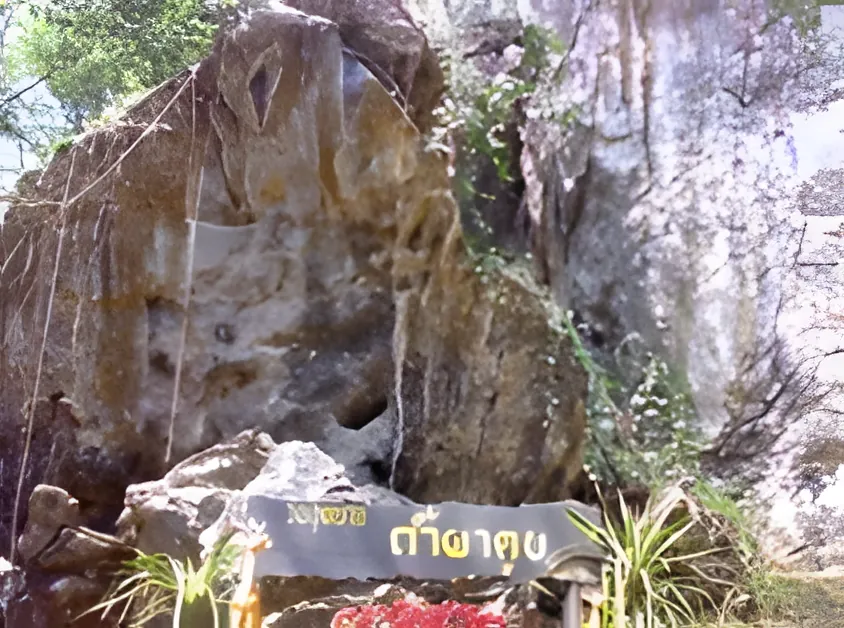
Tham Pha Tup Forest Park
วนอุทยานถ้ำผาตูบ

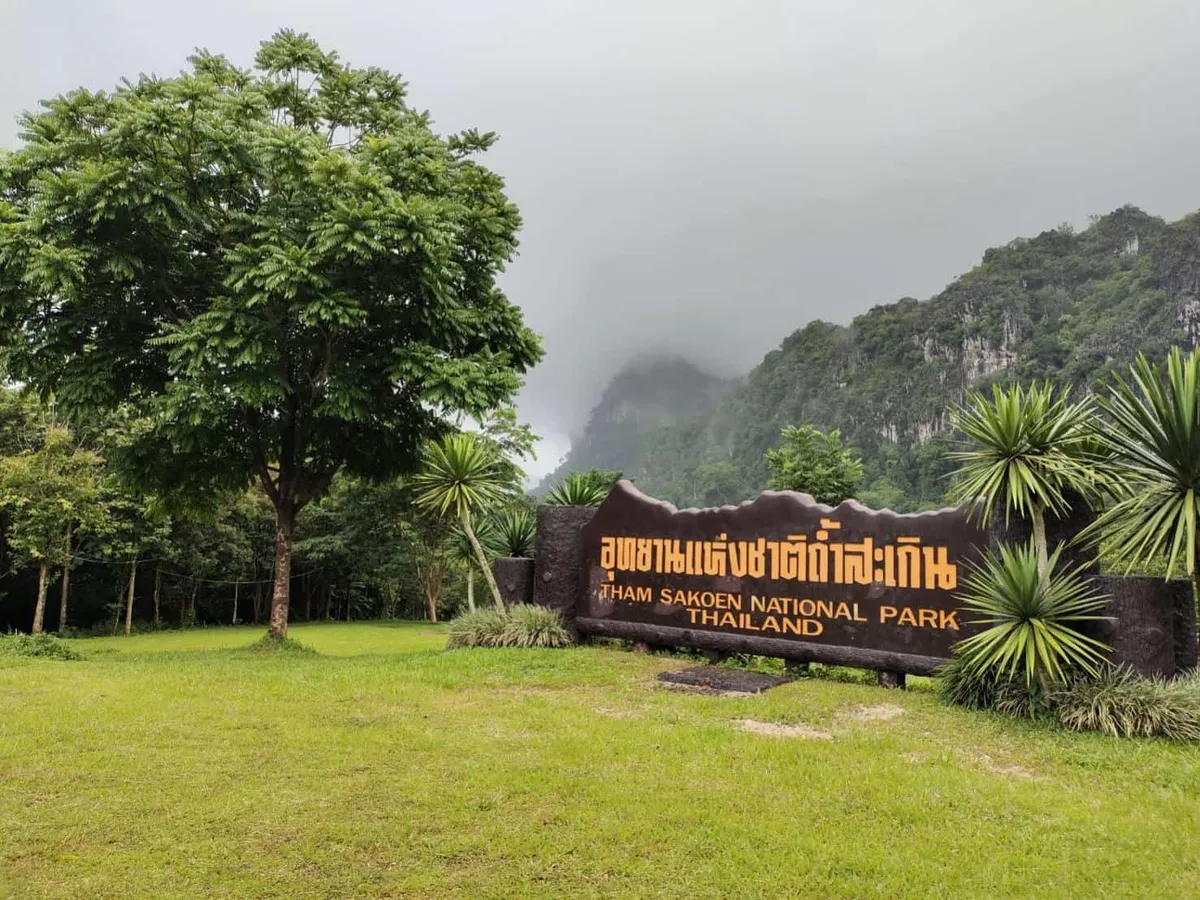
Tham Sa Koen National Park
อุทยานแห่งชาติถ้ำสะเกิน

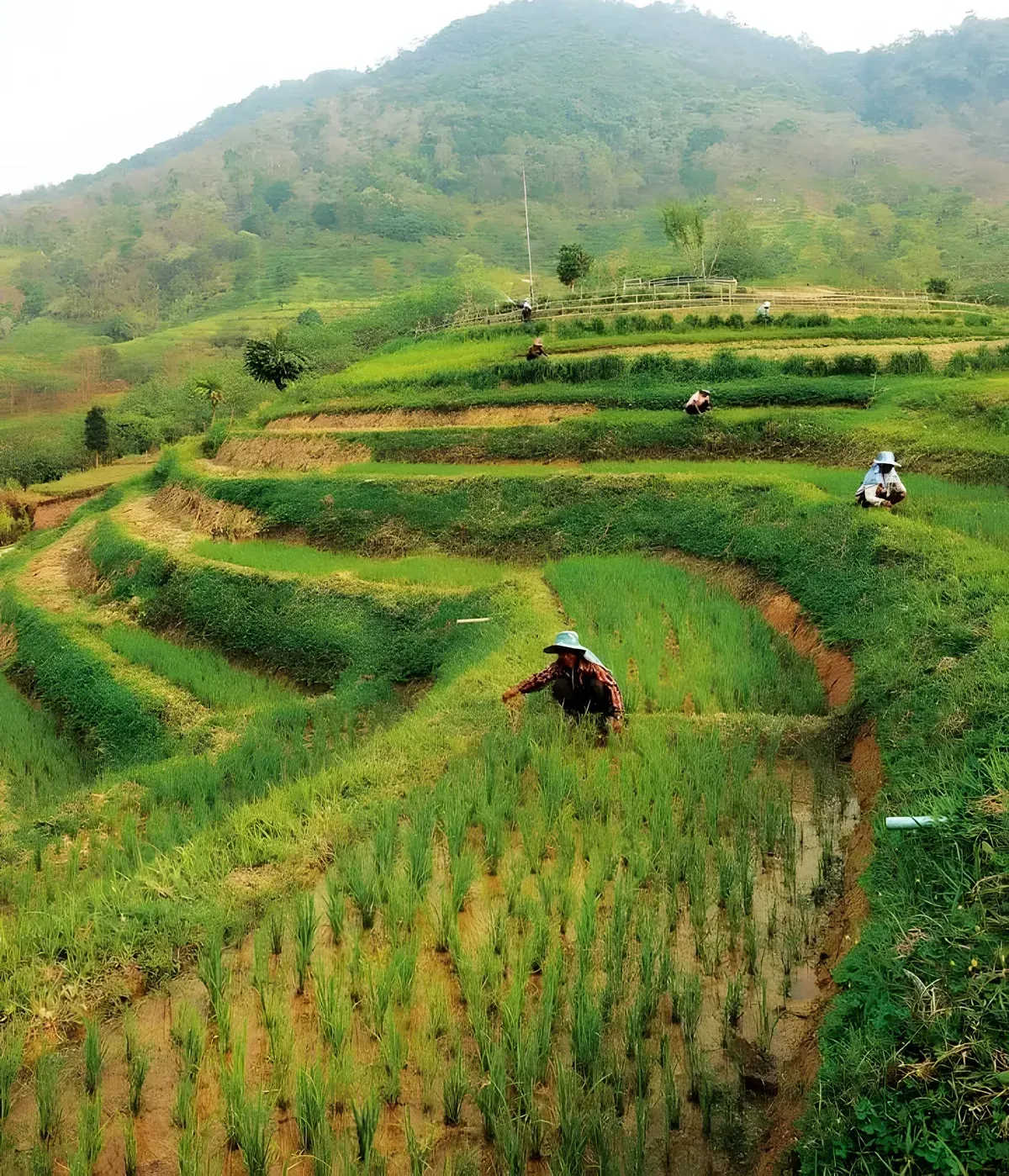
The Royal Project Phu Phayak, Nan Province
สถานีพัฒนาการเกษตรที่สูงตามพระราชดำริภูพยัคฆ์
Museums, history & heritage
Museums & culture in Nan

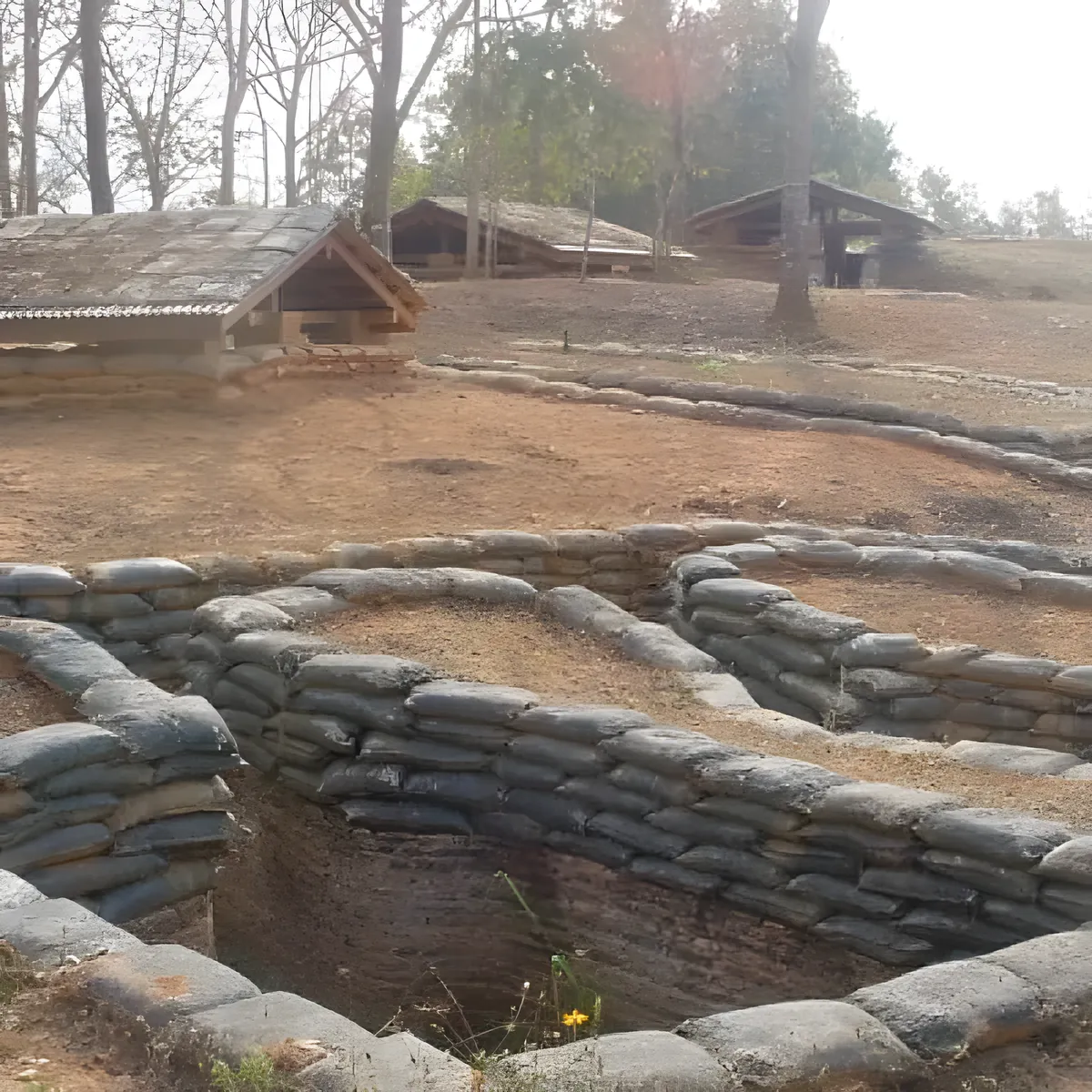
Ban Huai Kon Kao Battlefield Memorial
อนุสรณ์สถานยุทธภูมิบ้านห้วยโก๋นเก่า

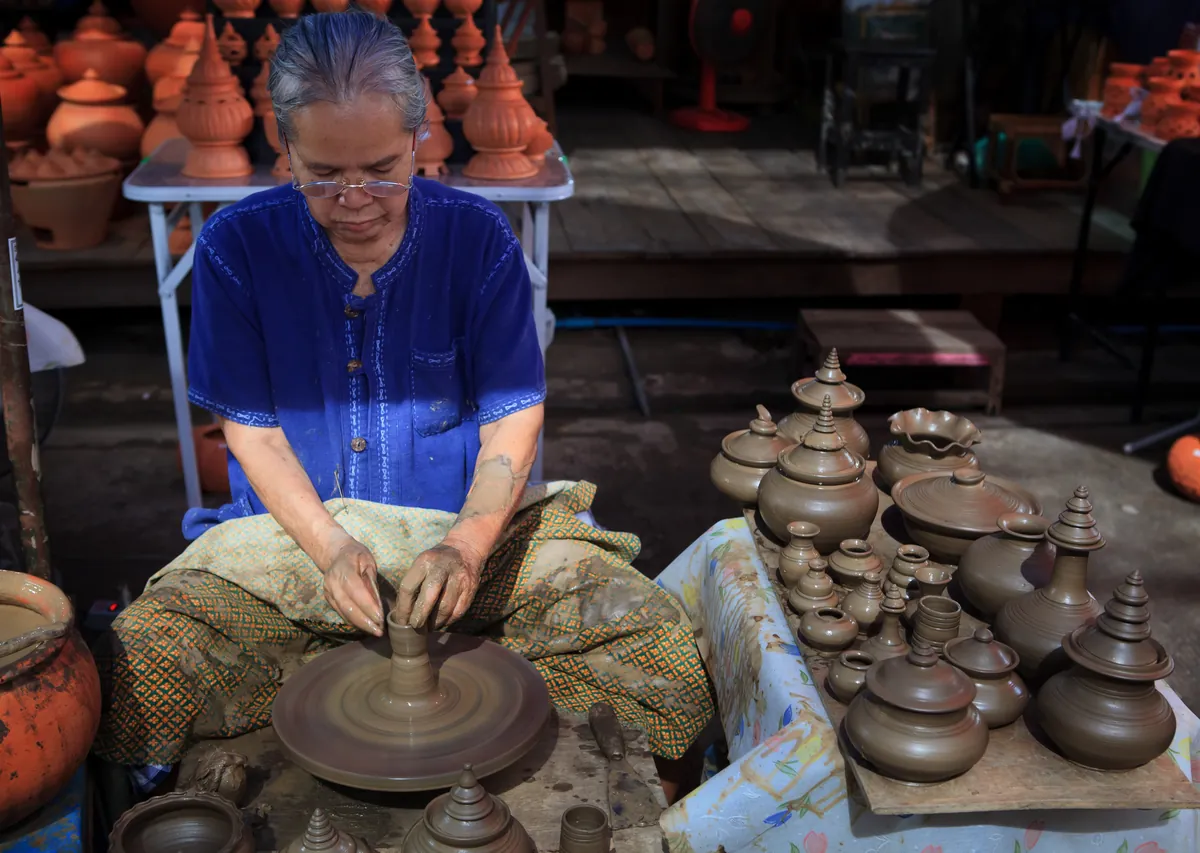
Bo Suak Ancient Porcelain and Kiln Site
แหล่งเตาเผาและเครื่องเคลือบบ้านบ่อสวก

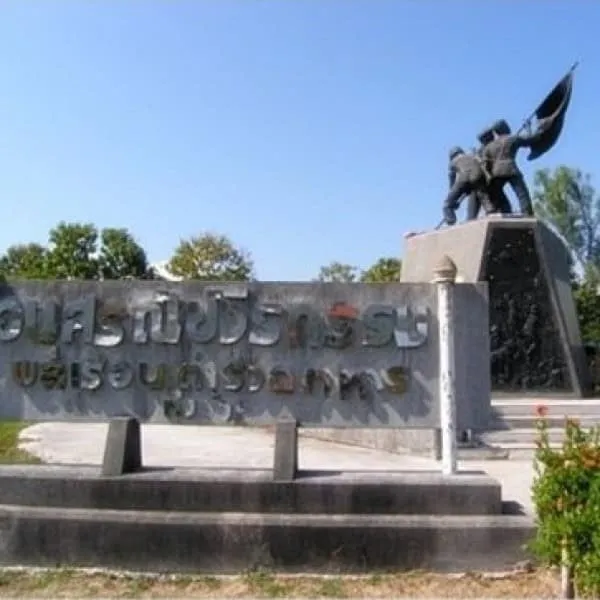
Civil Police Soldier Monument
อนุสาวรีย์วีรกรรม พลเรือน ตำรวจ ทหาร และพิพิธภัณฑ์ทหารทุ่งช้าง

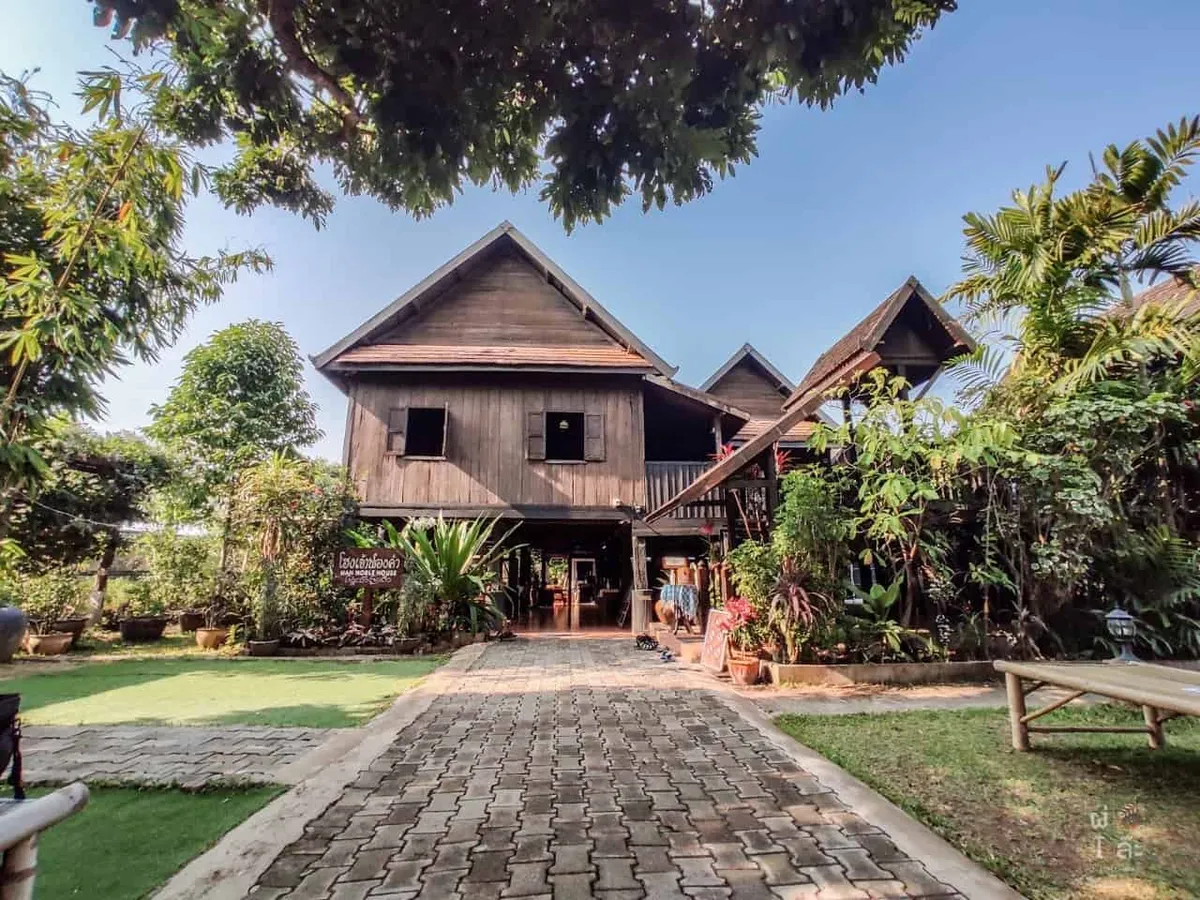
Hong Chao Fong Kham
โฮงเจ้าฟองคำ

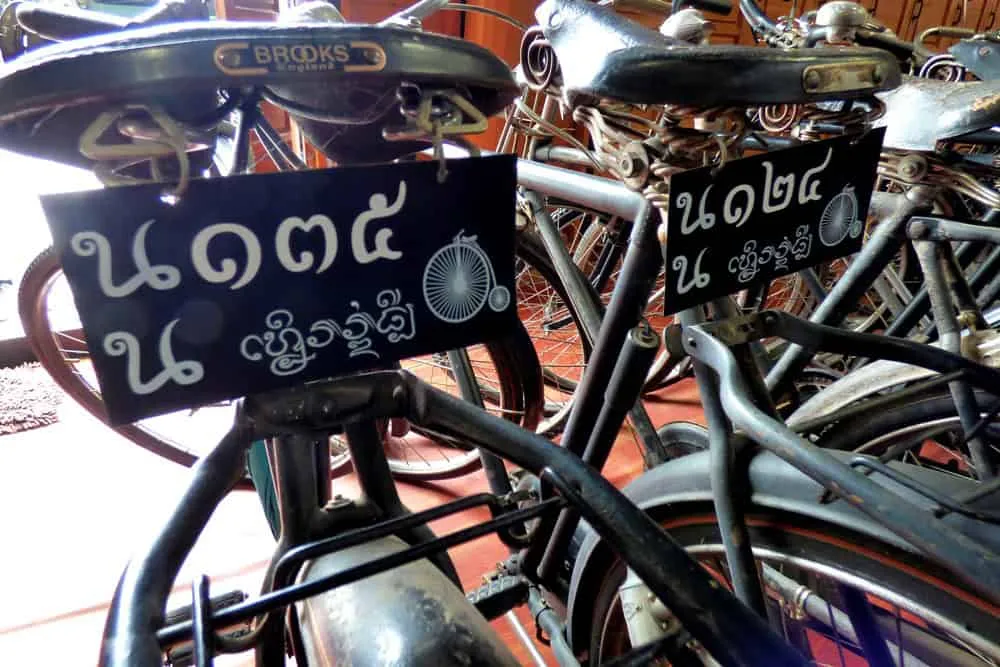
House of Bicycles
เฮือนรถถีบ

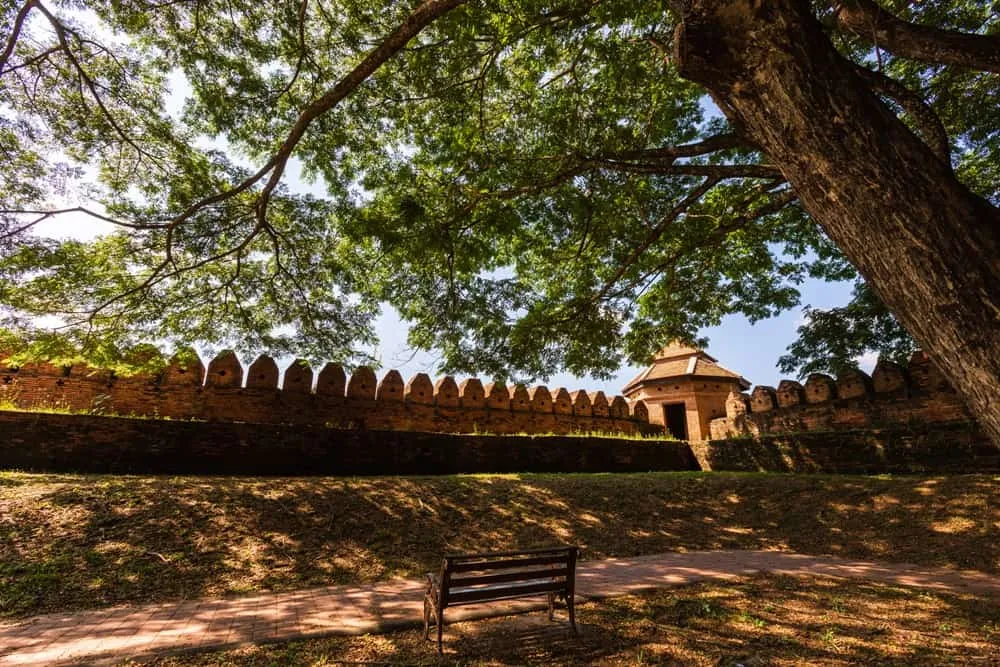
Nan City Wall
กำแพงเมืองน่าน


Nan Riverside Art Gallery
หอศิลป์ริมน่าน

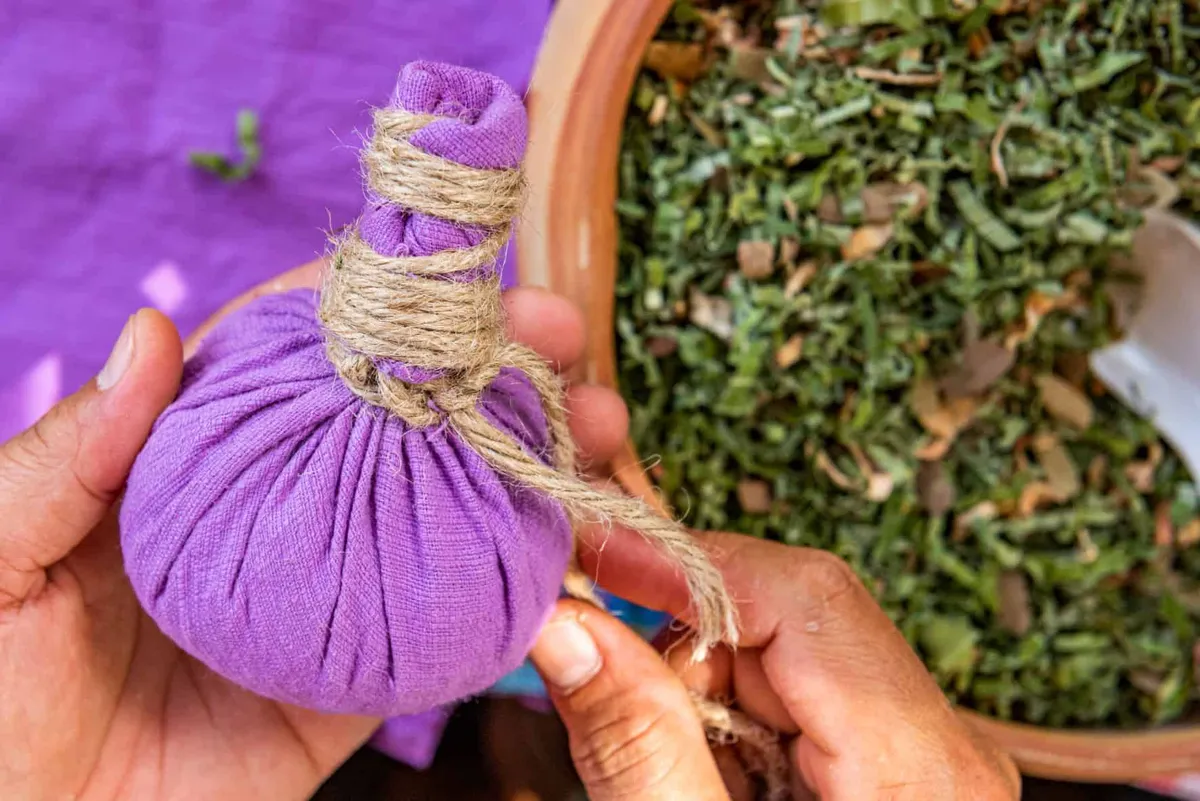
Tambon Bo Suak Community
ชุมชนตำบลบ่อสวก

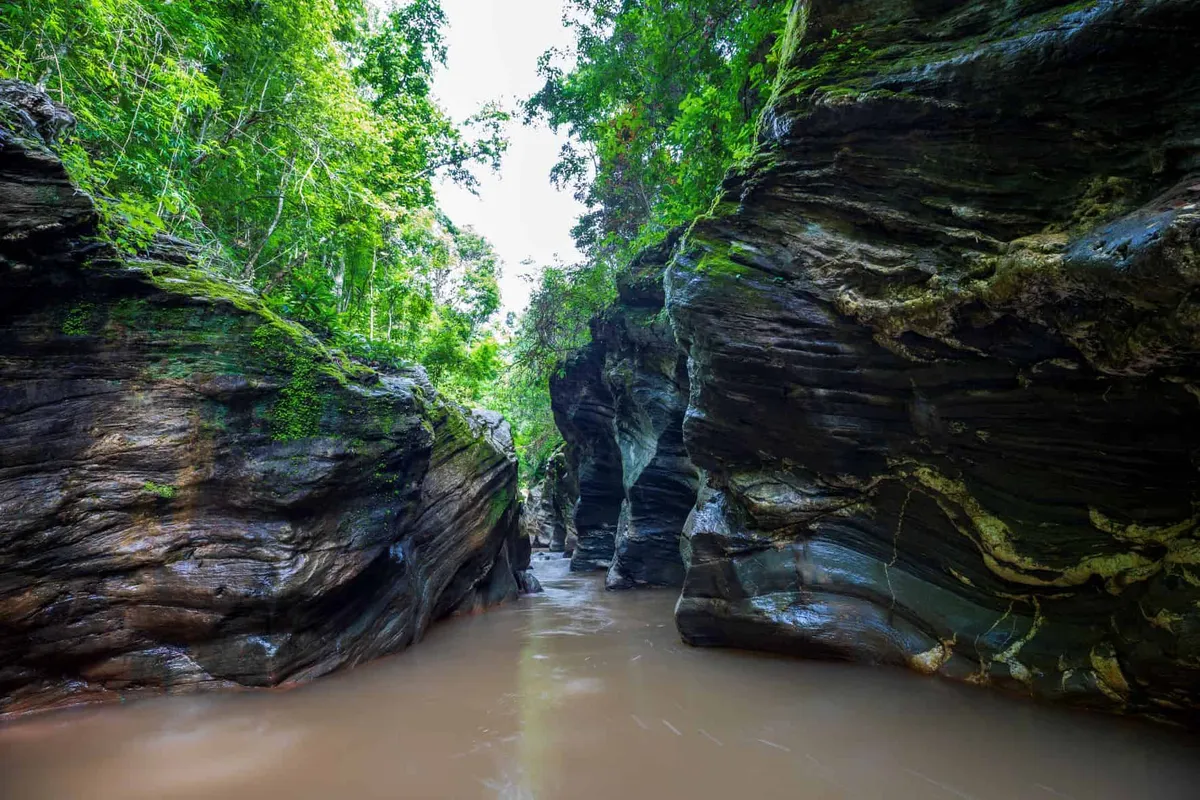
Wang Sila Laeng
วังศิลาแลง

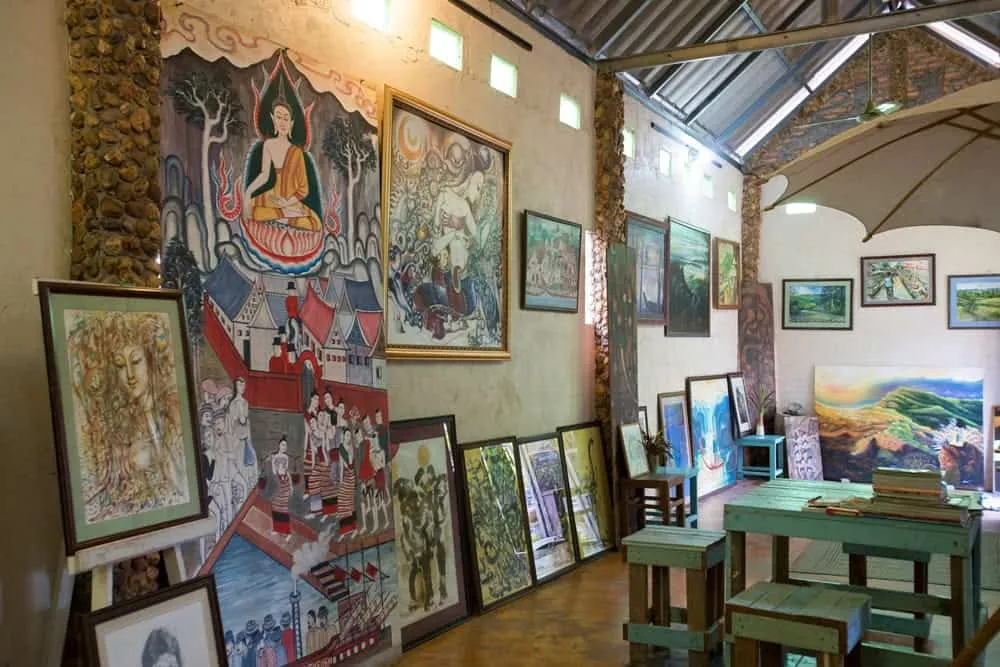
Wildside Art Gallery
หอศิลป์พิงพฤกษ์
Things to do on the map
Tap a pin for details. 40 places in Nan plotted.
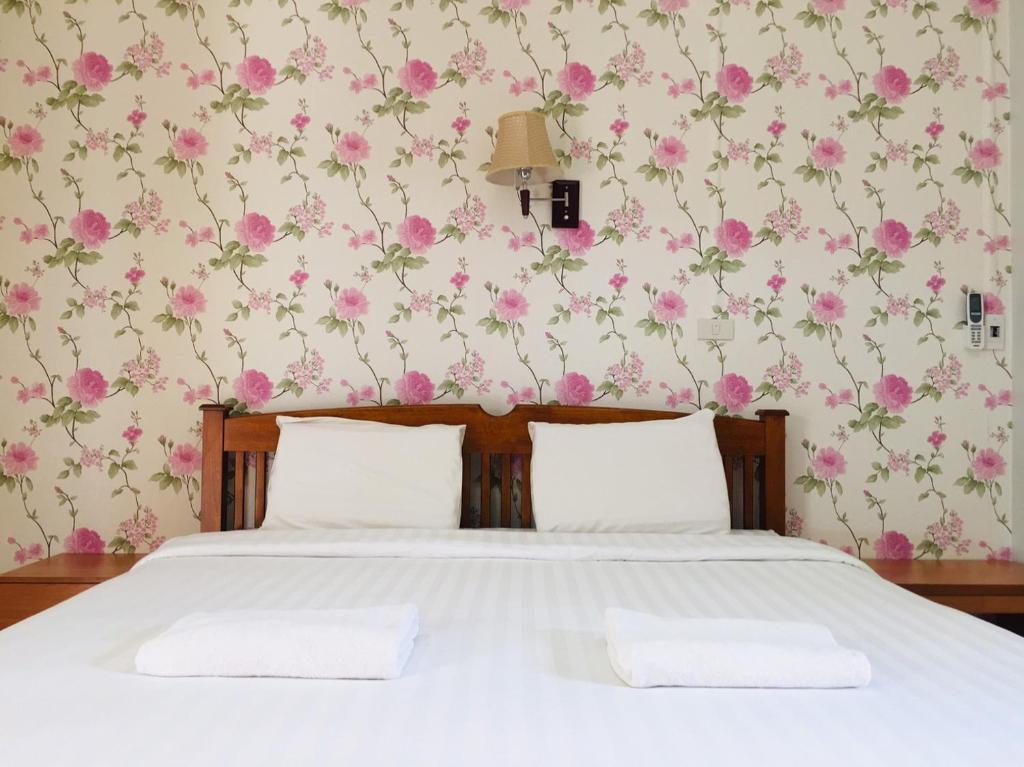
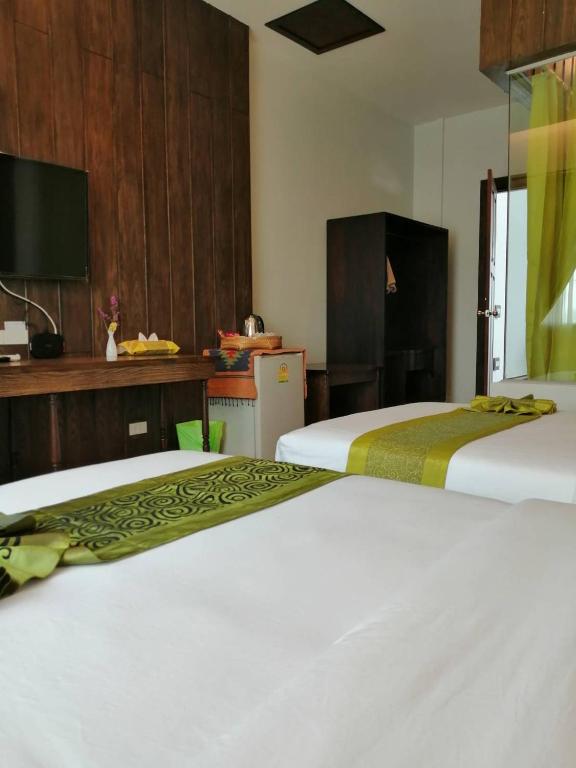
Where to stay in Nan






When to go
Nov–Feb Cool, clear weather and low humidity make this the best time to trek and visit temples. Evenings can be cold. Bring a light jacket.
Mar–Apr Agricultural burning across northern Thailand fills valleys with haze. Air quality can be poor, especially in March. Visibility in the mountains drops sharply.
Jun–Oct Heavy monsoon rains turn the landscape green but make mountain roads slippery and some village tracks impassable. Crowds are minimal.
About Nan
Last updated June 2026
Nan: Northern Thailand’s Authentic Mountain Escape
Forget the well-trodden paths of Chiang Mai and Chiang Rai. Nan remains one of northern Thailand’s most authentic destinations. This remote mountain province draws travelers seeking genuine cultural experiences, ancient temple architecture, and encounters with traditional hill tribes. You won’t find crowds or tourist traps here. Instead, Nan offers a slower pace where you can explore centuries-old temples, trek through unspoiled mountain landscapes, and witness traditional ways of life that have remained largely unchanged. The province sits in northern Thailand’s mountainous region, sharing borders with Laos, which adds a distinct cultural flavor influenced by Lao traditions. This is perfect territory for independent travelers, culture enthusiasts, and anyone wanting to experience Thailand beyond the typical tourist circuit.
What You’ll Do Here
Nan’s 51 attractions cover ancient temples, mountain trekking routes, and hill tribe villages. The province borders Laos, which shapes its architectural styles and cultural practices: you’ll encounter temple designs and local traditions that blend Thai and Lao influences in ways not found elsewhere in the north. Local festivals and traditional ceremonies take place throughout the year, with the cool season months best for temple visits and longer treks into the mountains.
Where to Sleep
Nan’s remote character and cultural tourism focus mean accommodation runs to budget guesthouses, mid-range hotels, and a handful of boutique properties. The offering is more limited than major tourist centers, which typically means more personal service. The FAQs note that credit cards are accepted at some hotels in Nan town, but cash is essential for markets and rural areas.
Getting to Nan
Nan Nakhon Airport (NNT) receives multiple daily flights from Bangkok Don Mueang on Nok Air and Thai AirAsia, making the province more accessible than its remote reputation suggests. Buses from Chiang Mai are also an option, taking several hours through winding mountain roads, and government services connect Nan to other northern provinces. Renting a car or motorbike gives you more flexibility to explore the mountainous countryside at your own pace, but be prepared for challenging mountain driving conditions.
When to Visit
Northern Thailand’s cool season from November through February offers the most comfortable weather for exploring Nan’s temples and trekking in the mountains. Temperatures drop significantly during these months, sometimes requiring light jackets in the evenings. March through May brings hot, dry weather before the rainy season arrives in June. The monsoon period runs from June through October, bringing heavy rains that can make mountain roads challenging but also turn the landscape lush and green.
Getting Around
ATMs are available in Nan town but can be scarce in remote villages, so carry cash when venturing into rural areas. English isn’t widely spoken outside of hotels and tour operators. Having translation apps or basic Thai phrases helps enormously. Local songthaews (shared trucks) connect villages, though schedules run on local time. Renting a motorbike gives you independence but requires confidence on mountain roads.
Insider Tip: Many of Nan’s hill tribe villages maintain traditional customs and may have specific protocols for visitors. Always ask permission before photographing people, and consider hiring local guides who can facilitate respectful cultural exchanges while ensuring you don’t inadvertently offend community traditions.