




Thailand protects more than 150 national parks, and the gap between the famous few and the rest is wide. The parks below cover rainforest, waterfalls, limestone islands, wildlife areas, and the country’s highest mountain. Fees for foreigners are higher than Thai prices, and seasonal closures can change access to trails, islands, and campsites.
Quick answer
Start with Khao Sok National Park if it matches your route, then compare Doi Inthanon National Park and Erawan National Park by season, travel time, and crowd level. Use this as a shortlist, not a fixed itinerary; skip anything that adds a long transfer for a small payoff.
| Best for | Pick | Why it belongs | Main tradeoff |
|---|---|---|---|
| Best first pick | Khao Sok National Park | Strongest planning anchor | Check travel time, season, and opening days before you commit |
| Best alternative | Doi Inthanon National Park | Good second option when it fits your route | Check travel time, season, and opening days before you commit |
| Best different pace | Erawan National Park | Different pace from the obvious pick | Check travel time, season, and opening days before you commit |
| Good fit when nearby | Khao Yai National Park | Worth adding when nearby | Check travel time, season, and opening days before you commit |
| Good fit when nearby | Similan Islands National Park | Worth adding when nearby | Check travel time, season, and opening days before you commit |
How we picked these stops
The shortlist draws on the national parks this guide covers in depth, weighed by what shapes a park day in practice: entry fees, how hard the park is to reach, trail and wildlife variety, and seasonal closures. Park fees and opening months change — use the list to narrow the choice, then confirm current rules on the park’s official channels before committing a day to the drive.
Khao Sok National Park
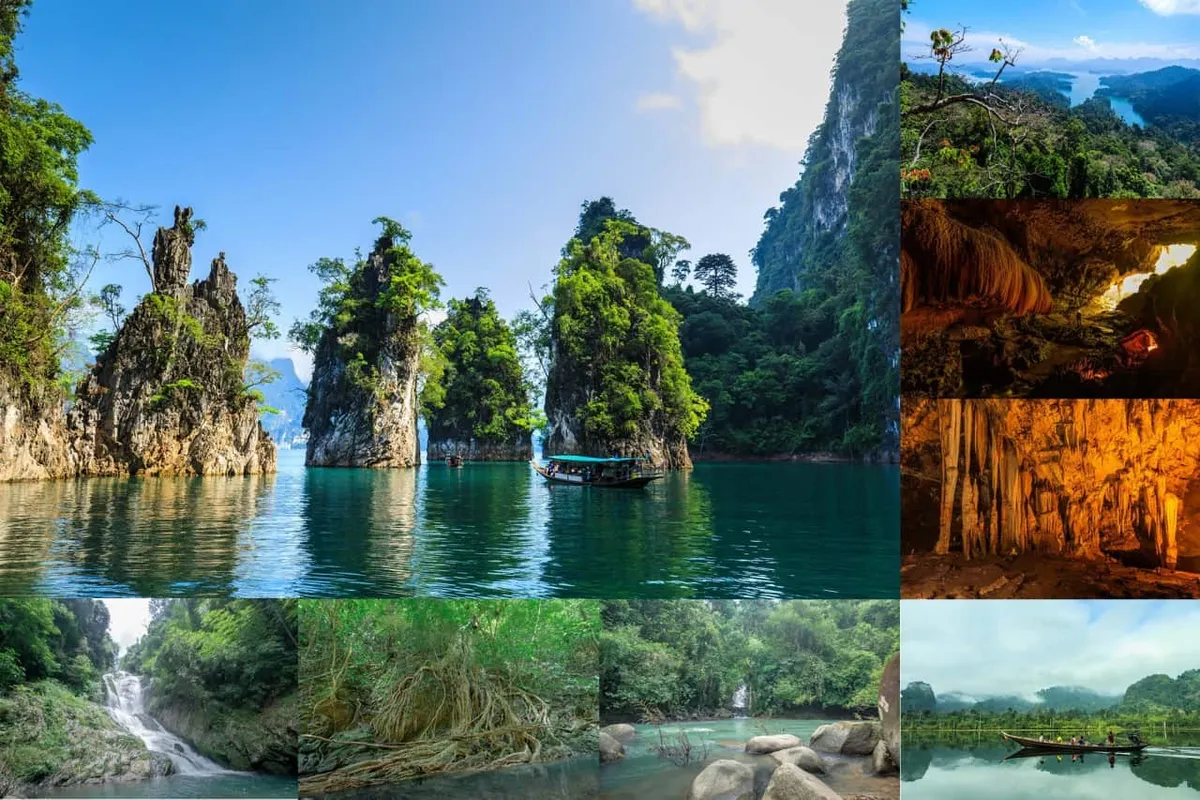
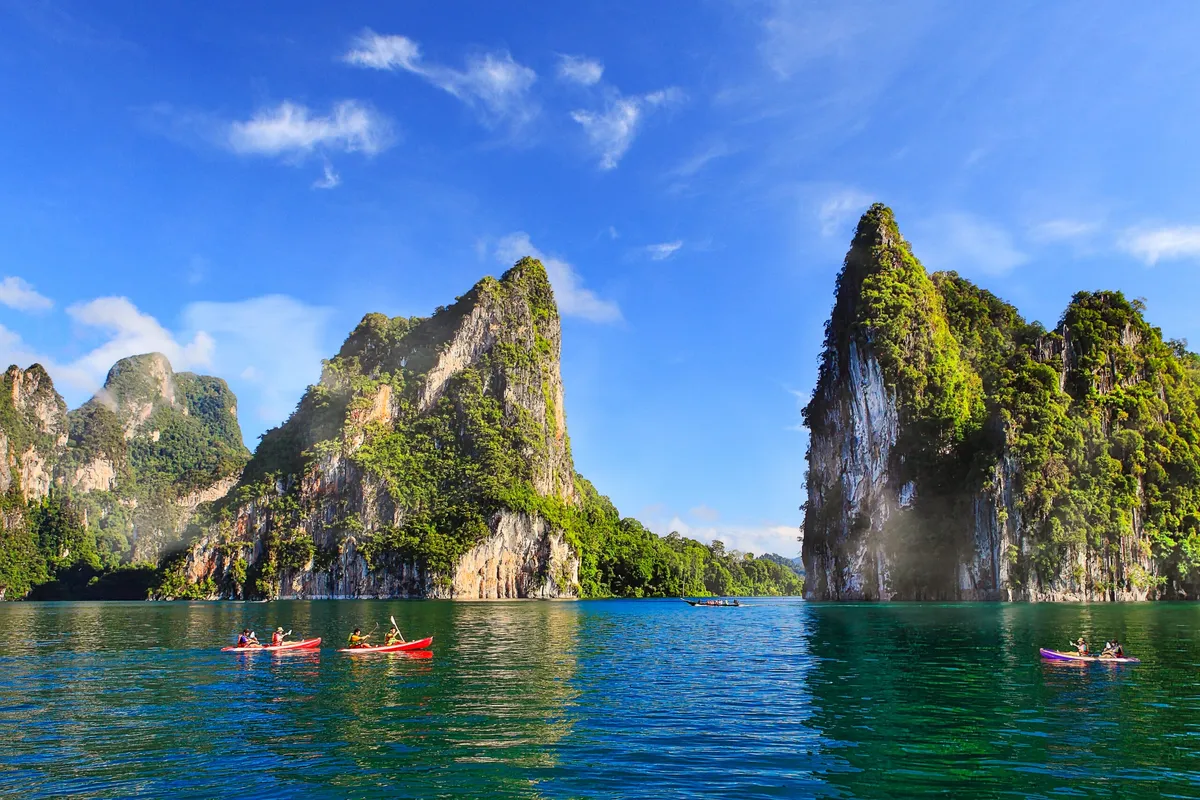
Khao Sok in Surat Thani protects one of the oldest evergreen rainforests on earth, and its centrepiece is Cheow Lan Lake — a reservoir ringed by limestone cliffs where you sleep in floating raft houses and wake to gibbon calls. Day trips run from the pier, but a night on the water is the reason to come. The dry months (December to April) give the calmest lake and clearest trails; the wet season turns the jungle louder and greener but floods some paths. Foreigner entry is 300 THB, and most visitors base themselves in the village outside the main entrance.
Doi Inthanon National Park
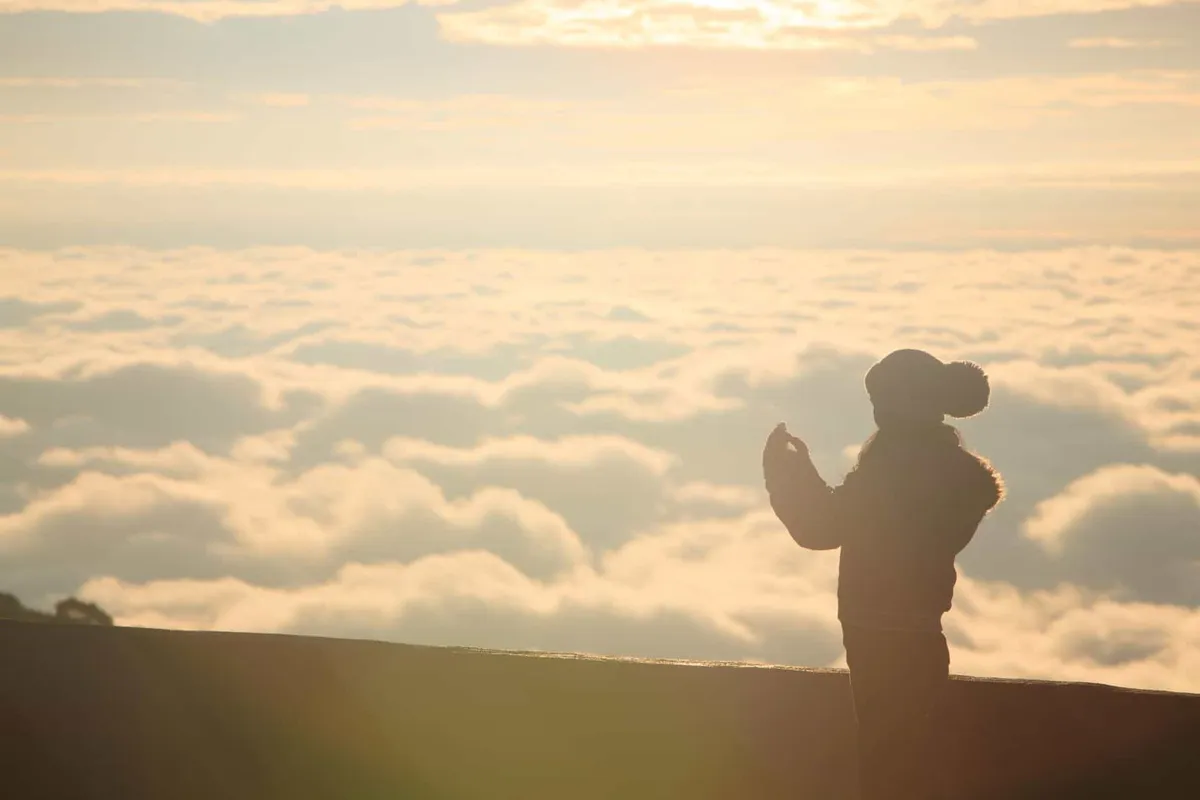
Doi Inthanon, an hour and a half south-west of Chiang Mai, holds the highest point in Thailand at 2,565 metres. The summit sits in cool cloud forest, and the twin royal pagodas of Naphamethinidon and Naphaphonphumisiri stand just below it with formal gardens and valley views. Bring a layer: the summit can be cold enough for frost on winter mornings. Entry is 300 THB.
Erawan National Park
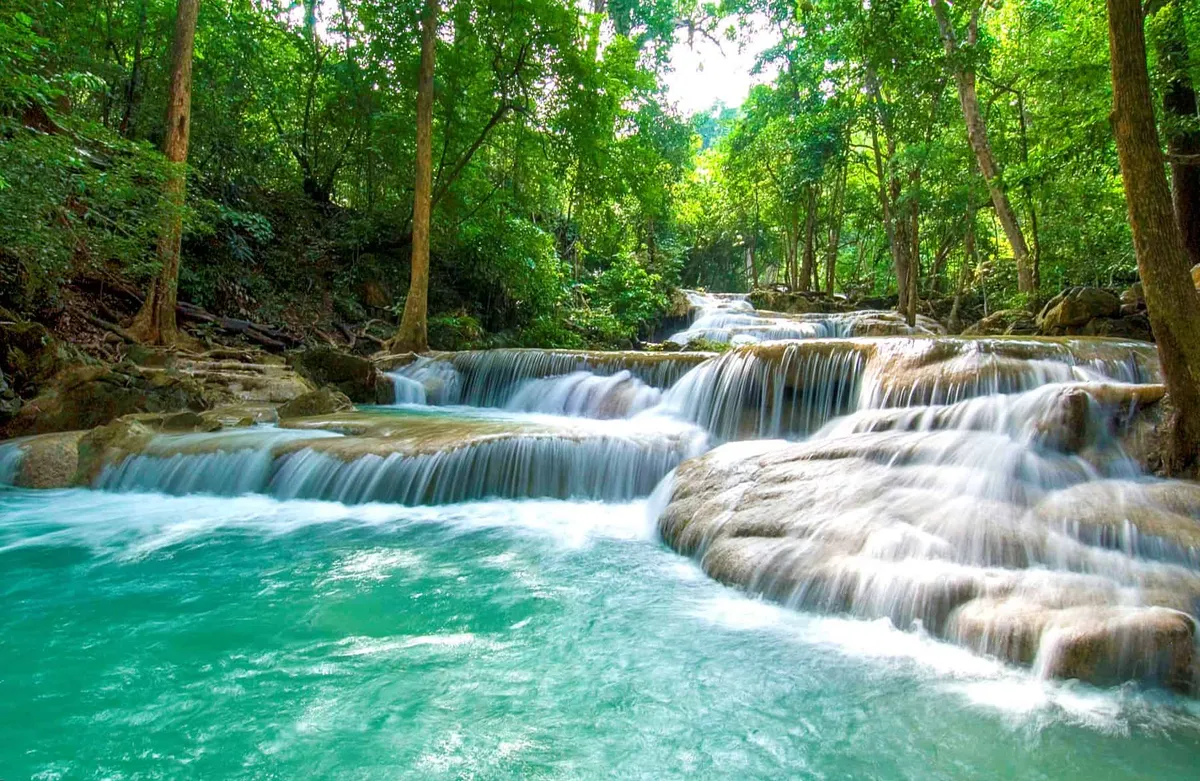
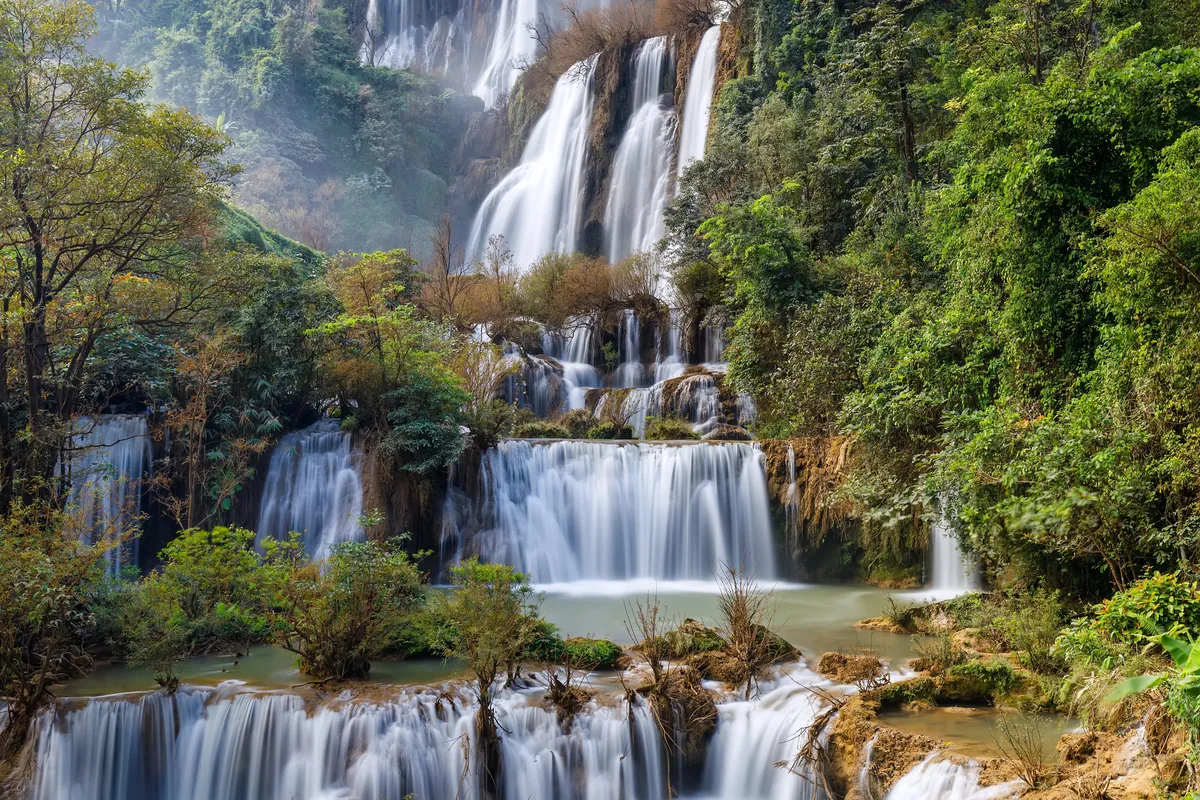
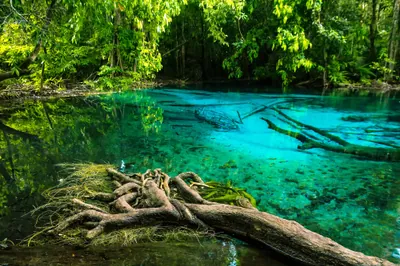
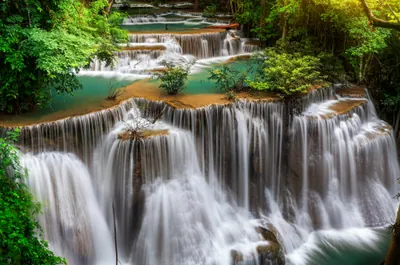
Erawan, in Kanchanaburi, is built around a seven-tier waterfall of emerald pools that step up through the forest, and unlike most Thai falls you are allowed to swim in them. Small fish nibble at your feet in the lower pools; the upper tiers thin out the crowds because the climb deters day-trippers. Go on a weekday and arrive early, because by late morning the lower pools fill with families. The falls run year-round but are fullest from July onward. Entry is 300 THB.
Khao Yai National Park
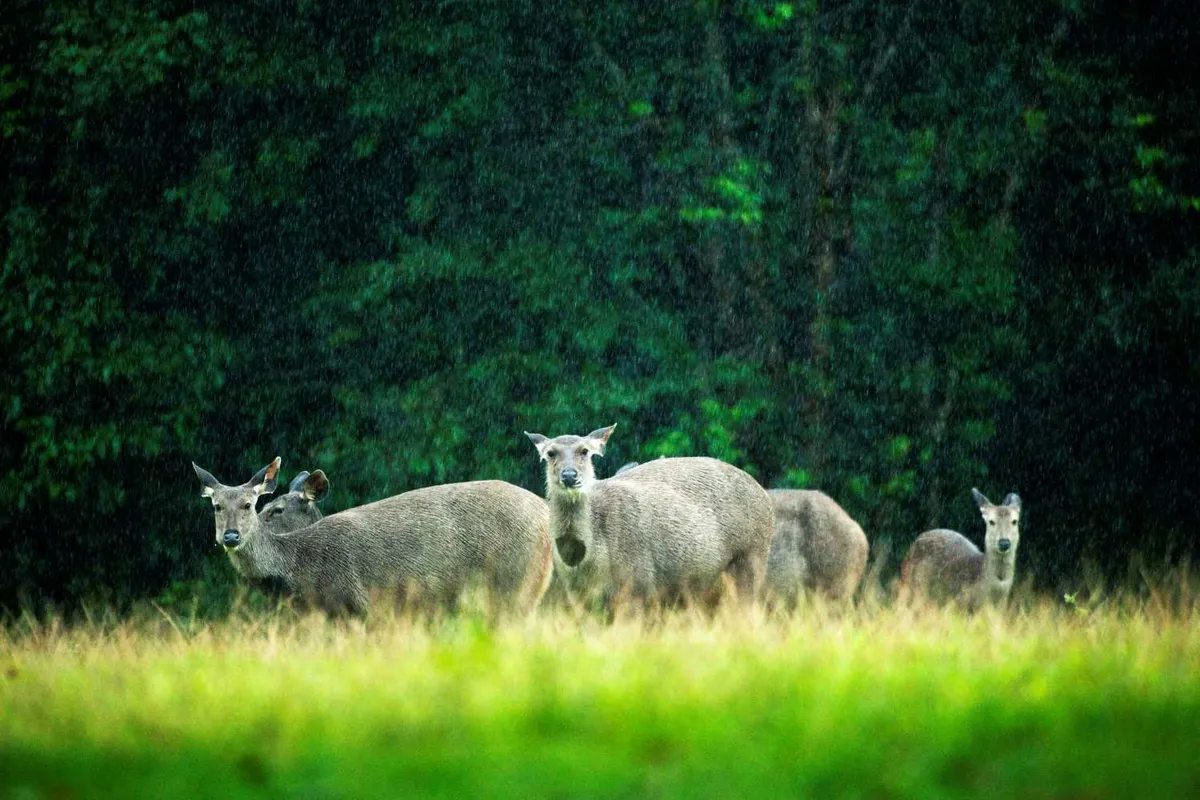
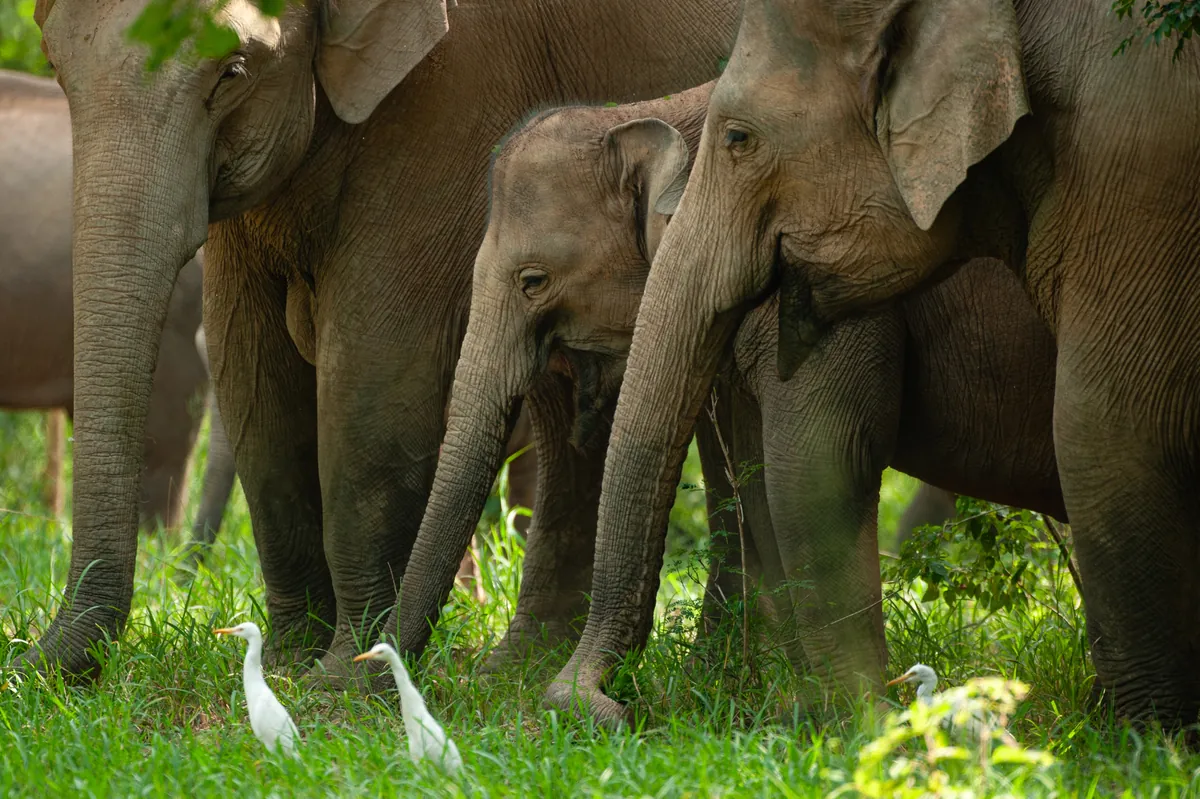
Khao Yai was Thailand’s first national park and is now part of a UNESCO World Heritage forest complex. It is a practical wildlife option from Bangkok, with possible sightings of elephants, gibbons, and hornbills, but sightings are never guaranteed. A car or tour helps because the park is large and public transport stops at the gate. Foreigner entry is 400 THB.
Similan Islands National Park
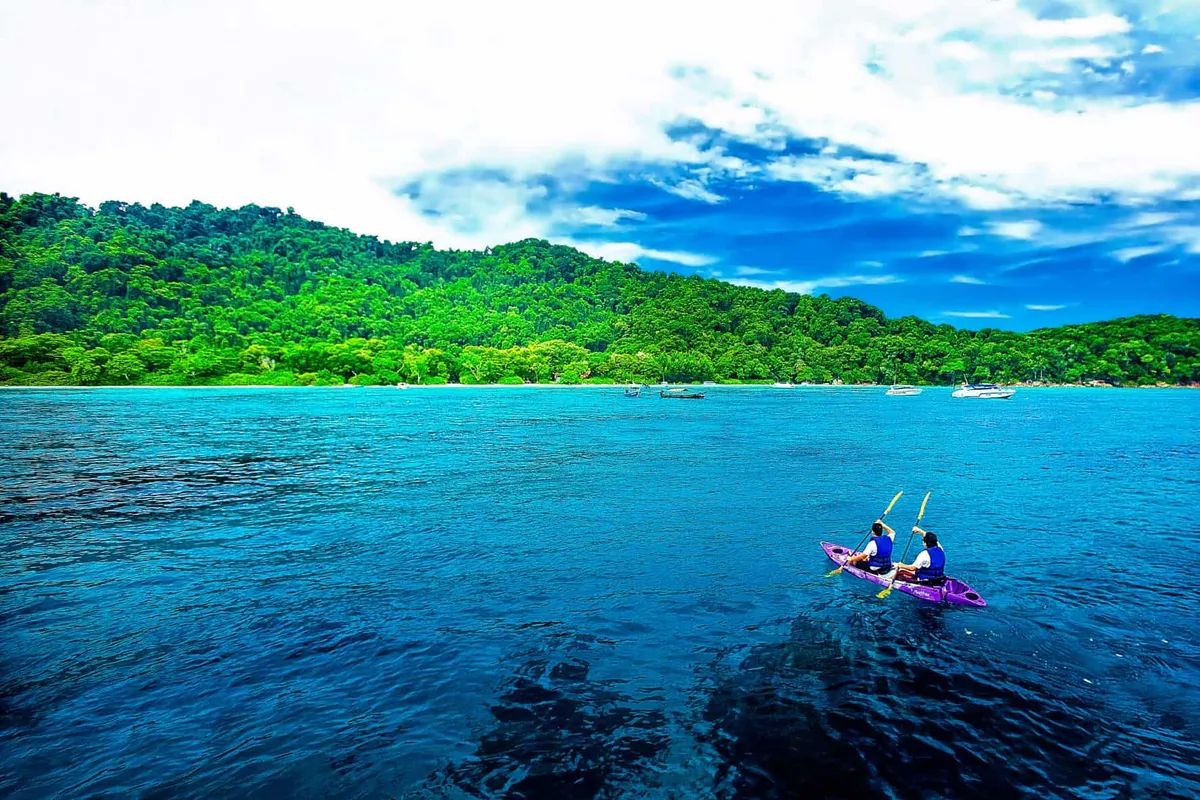
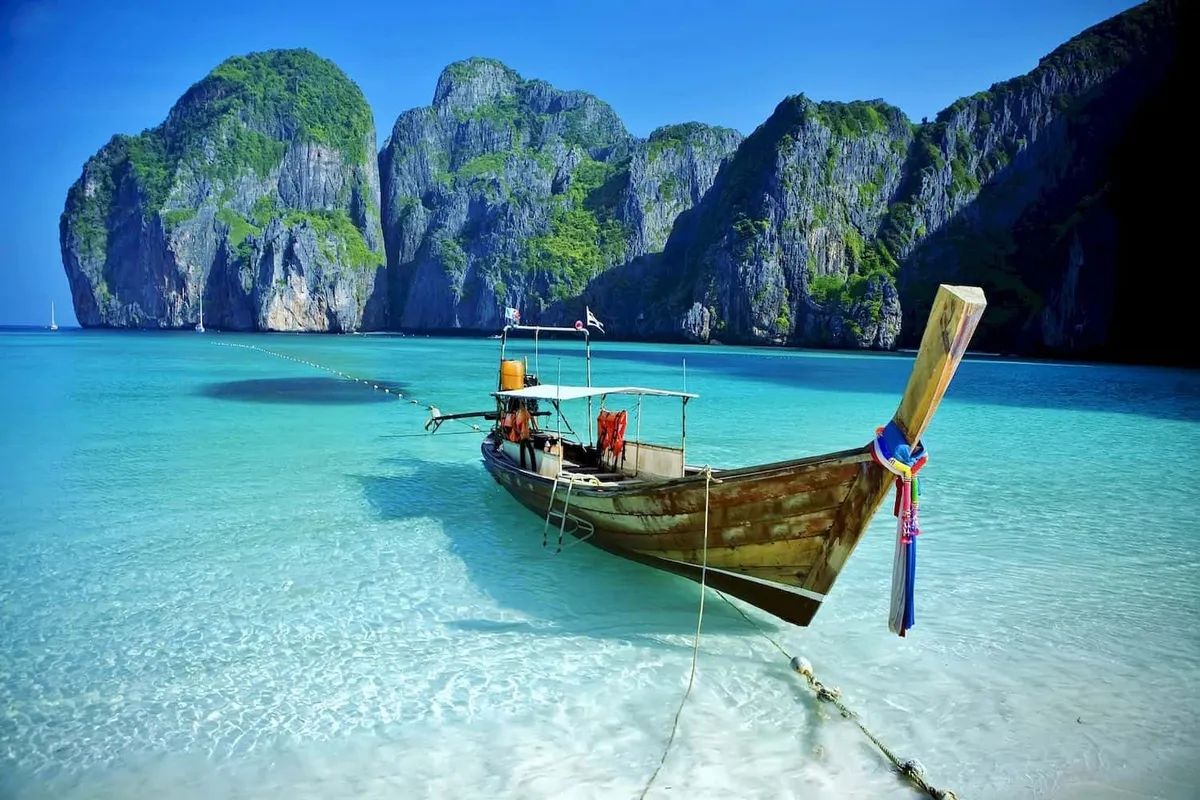
The Similans comprise eleven granite islands off Phang Nga. Underwater visibility varies with weather and sea conditions, even during the open season. The park accepts visitors from 15 October to 15 May and does not permit overnight stays on the islands, so visits are day trips from the mainland. Foreign adult entry is 500 THB.
Ang Thong
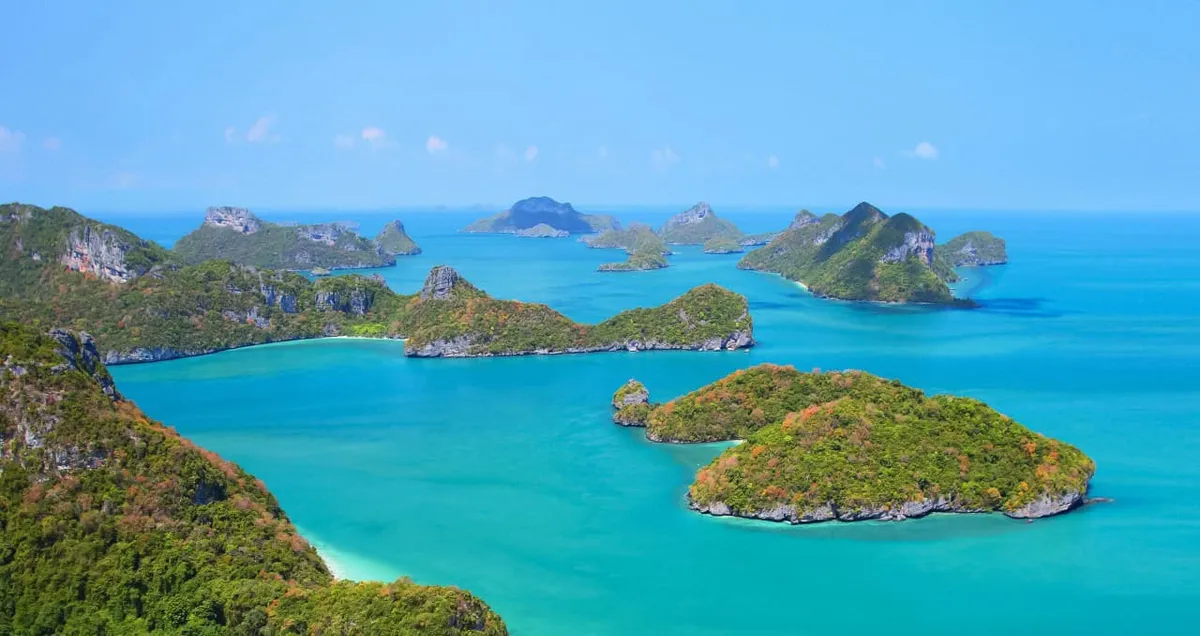
Ang Thong is a group of 42 limestone islands in the Gulf, reached on day trips from Koh Samui or Koh Phangan. Emerald Lake (Talay Nai) is a saltwater lagoon ringed by cliffs and reached by a short, steep climb. Kayaking, snorkelling, and viewpoint hikes fill a day, but rough Gulf weather can disrupt access from October to December.
Ao Phang Nga National Park
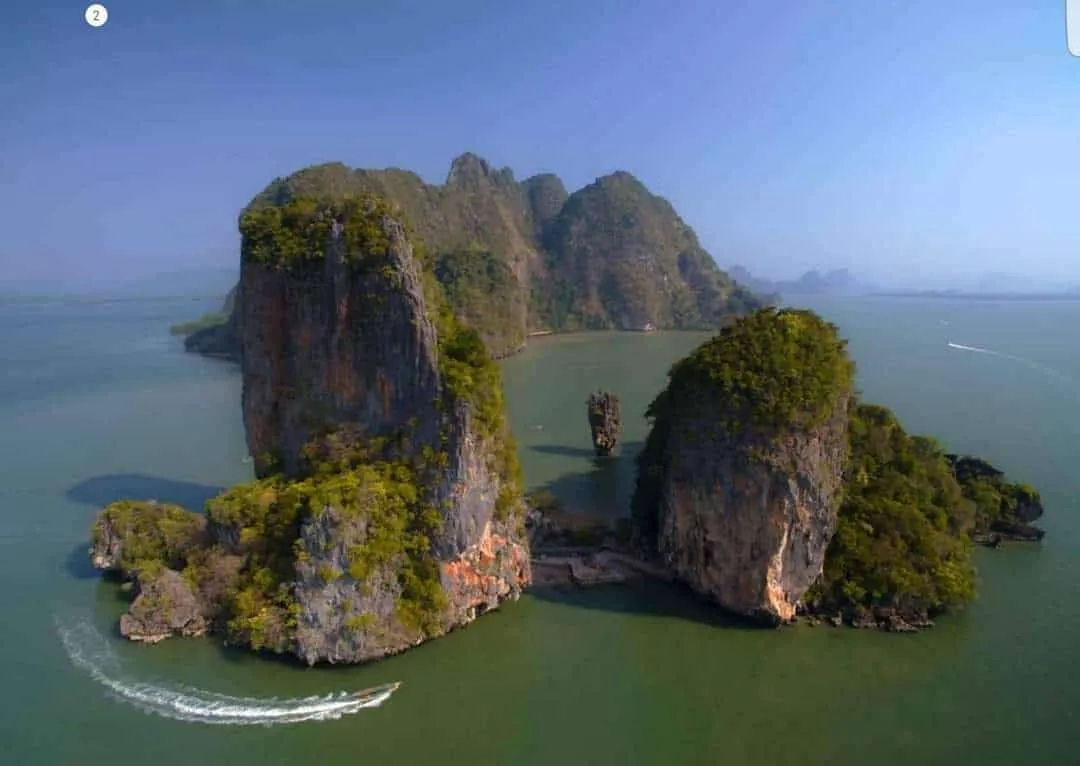
Ao Phang Nga is the bay of vertical limestone karsts north-east of Phuket, best known for Khao Phing Kan — “James Bond Island” from The Man with the Golden Gun. The honest way to see it is by sea kayak through the tidal sea caves and mangrove channels rather than fighting the crowds at the famous rock itself. Tours leave from Phuket and Krabi. The water is calmest in the dry season, and the mangroves are worth the trip even when the headline island is busy.
Khao Sam Roi Yot National Park
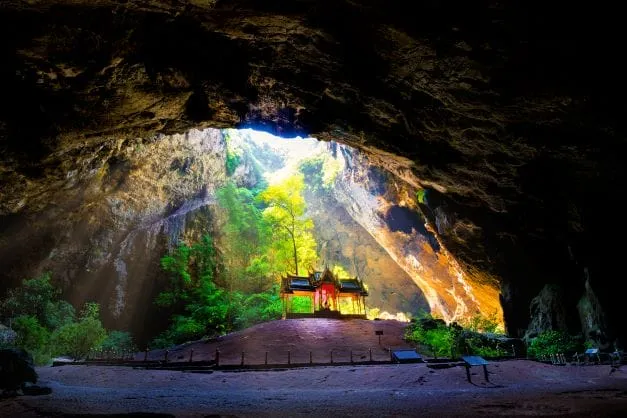
Khao Sam Roi Yot — “the mountain of three hundred peaks” — sits on the coast near Hua Hin and pairs limestone hills with freshwater marshes that draw migratory birds in the cool season. Its standout is Phraya Nakhon Cave, where a royal pavilion stands under a collapsed cavern roof and, for about an hour mid-morning, a shaft of sunlight lands directly on it. The walk in is short but steep. It makes an easy day trip from Hua Hin or Pranburi.
Doi Suthep–Pui National Park
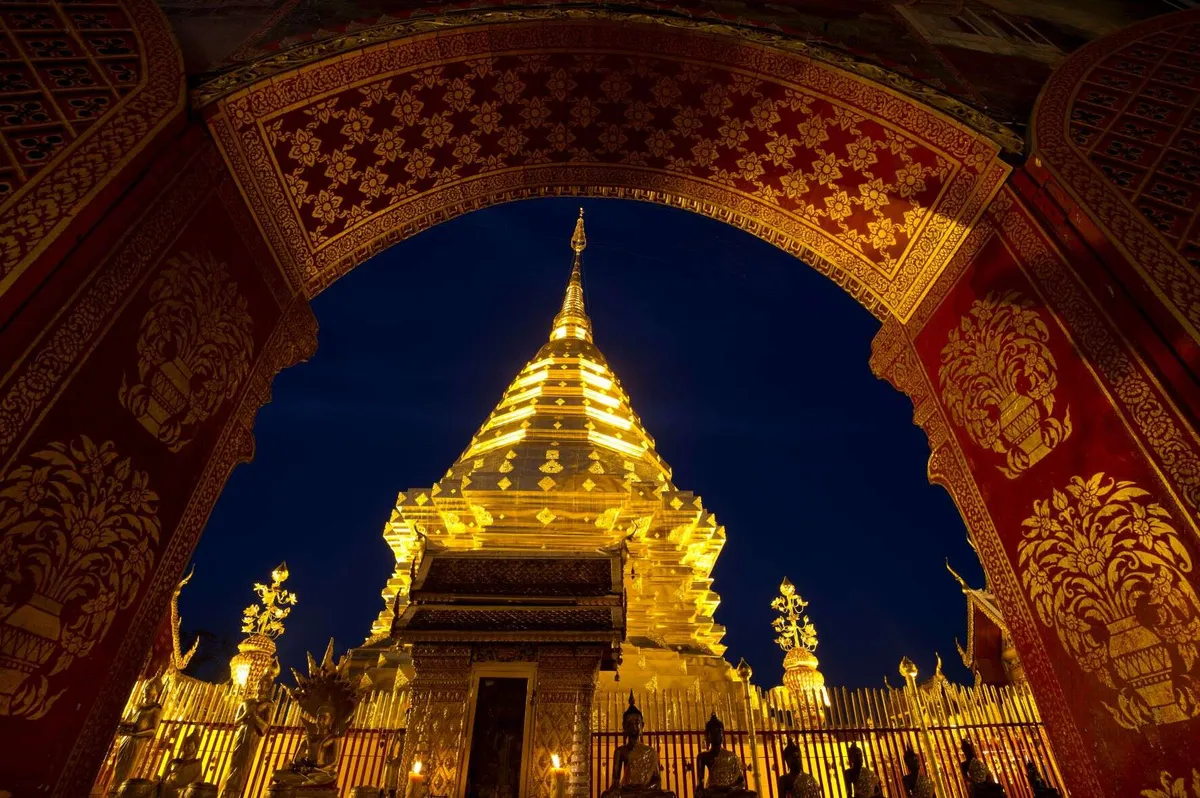
The forested range on Chiang Mai’s western edge holds one of the city’s best-known landmarks, Wat Phra That Doi Suthep, along with the Bhubing royal gardens and the higher summit of Doi Pui. You can combine the temple with short walks or a drive higher into the park. Mornings are usually clearer; smoke and haze often reduce visibility later in the dry season.
Kaeng Krachan National Park
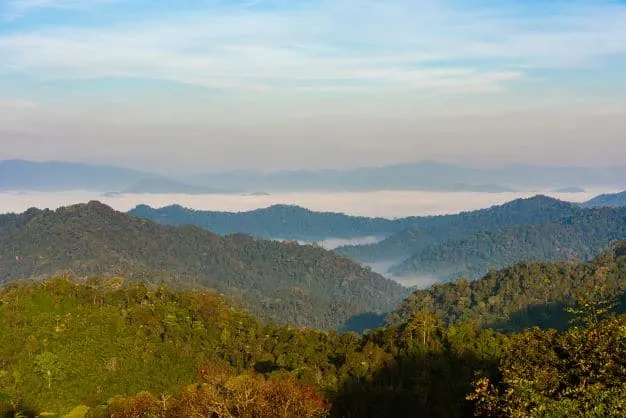
Kaeng Krachan, inland from Phetchaburi and Hua Hin, is Thailand’s largest national park and another UNESCO-listed forest, known among naturalists for its birdlife and its early-morning sea of mist seen from the Phanoen Thung viewpoint. Access is more restricted than the headline parks — sections require permits and the upper road runs on a one-way timed system — but that is exactly why the wildlife holds. The Pala-U waterfall on its eastern edge is an easy add-on from Hua Hin.
How to choose what to do first
Choose by time of day, weather, and transport first. Thailand rewards early starts, and the best-looking stop on a map can be the wrong one if it puts you in midday heat or cross-town traffic.