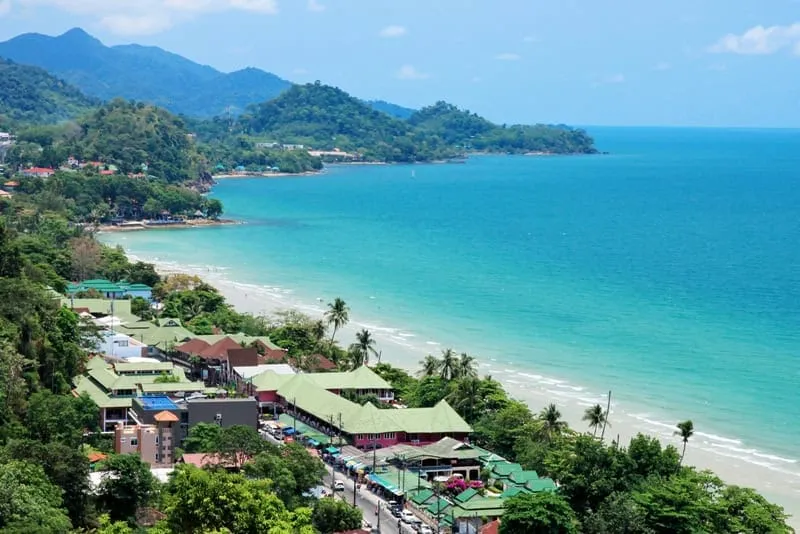







Thailand’s waterfalls are highly seasonal: the same fall that carries heavy water in October can be a trickle in April. Time your visit for the green season or the months just after, wear shoes with grip, and check closures before travelling to remote sites. These eleven cover swimmable tiers, roadside stops, and full-day forest trips.
Quick answer
Start with Kanchanaburi if it matches your route, then compare Thi Lo Su, Tak and Khao Yai by season, travel time, and crowd level. Use this as a shortlist, not a fixed itinerary; skip anything that adds a long transfer for a small payoff.
| Best for | Pick | Why it belongs | Main tradeoff |
|---|---|---|---|
| Best first pick | Kanchanaburi | Strongest planning anchor | Check travel time, season, and opening days before you commit |
| Best alternative | Thi Lo Su, Tak | Good second option when it fits your route | Check travel time, season, and opening days before you commit |
| Best different pace | Khao Yai | Different pace from the obvious pick | Check travel time, season, and opening days before you commit |
| Good fit when nearby | Wachirathan, Doi Inthanon | Worth adding when nearby | Check travel time, season, and opening days before you commit |
| Good fit when nearby | Mae Ya, Doi Inthanon | Worth adding when nearby | Check travel time, season, and opening days before you commit |
How we picked these stops
We prioritised waterfalls that give you a clear reason to make the journey: safe swimming, an unusual landscape, reliable seasonal flow, or a route that works with a wider Thailand trip. Access, trail conditions, crowd levels, and wet-season closures matter as much as the view.
Park fees and access rules can change. Check the relevant park or sanctuary notice before travelling, especially for remote falls and during the rainy season.
Kanchanaburi
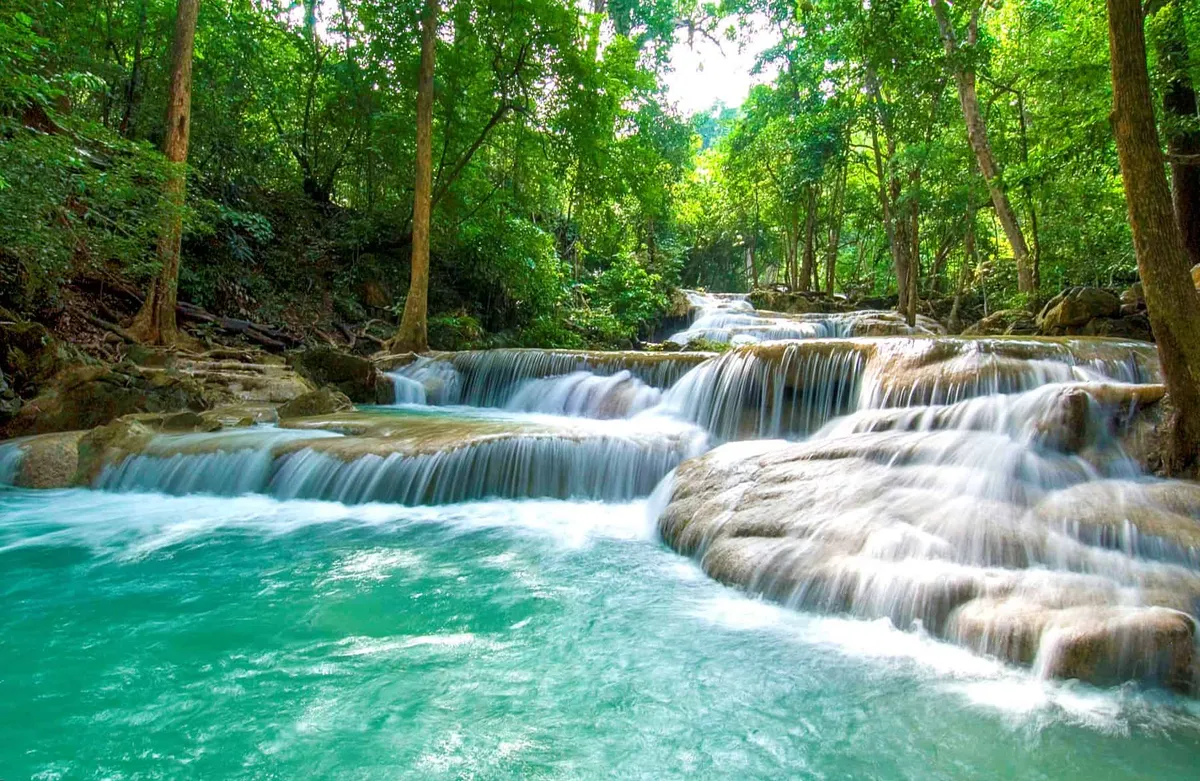
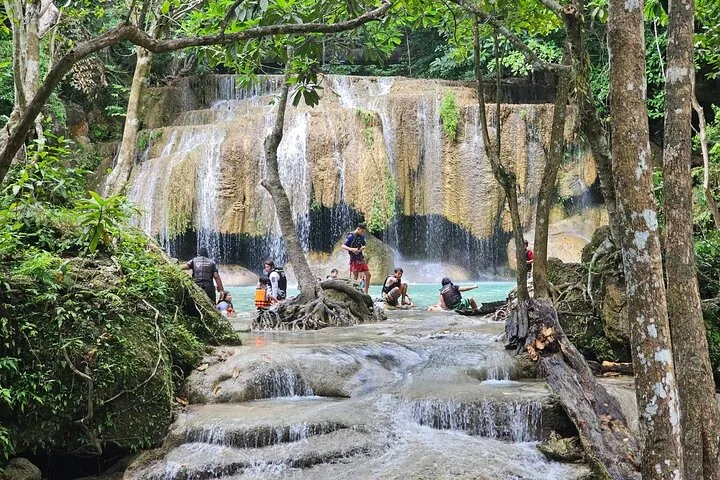
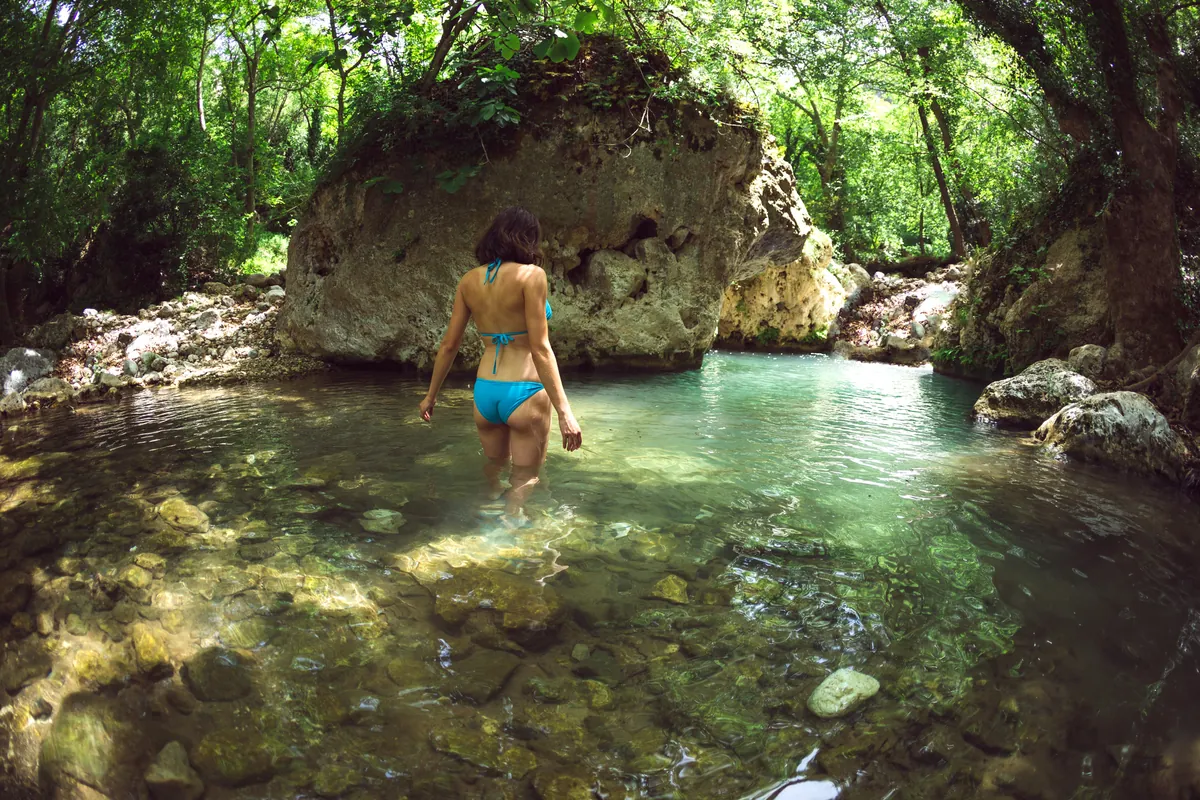
Erawan is the one most people picture: seven tiers of turquoise pools stepping up through the forest in Erawan National Park, and you are allowed to swim. Small fish nibble your feet in the lower pools, while the steeper upper tiers shed the crowds. Arrive early on a weekday and bring water shoes for the slick limestone. It runs year-round but is fullest from July. Foreigner entry is 300 THB.
Thi Lo Su, Tak
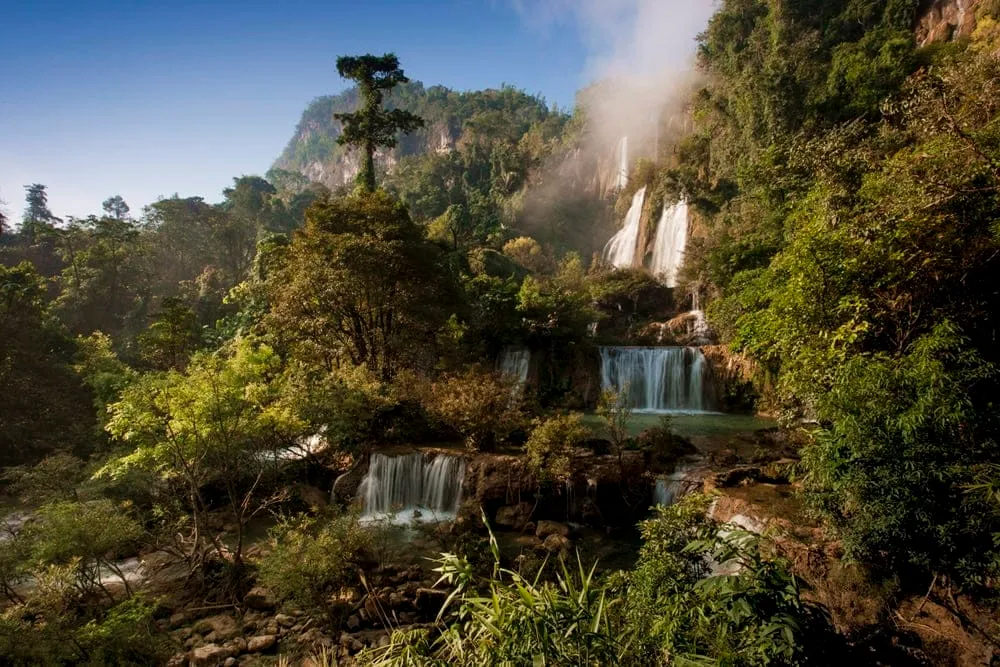
Thi Lo Su is widely described as Thailand’s largest waterfall, although published measurements vary; government descriptions often cite roughly 300 metres high and 500 metres wide. It sits inside Umphang Wildlife Sanctuary and requires a long journey from Mae Sot followed by local transport and a walk. The waterfall and access route close seasonally during the wettest months, commonly June through September, so confirm the sanctuary’s current notice before setting out.
Khao Yai
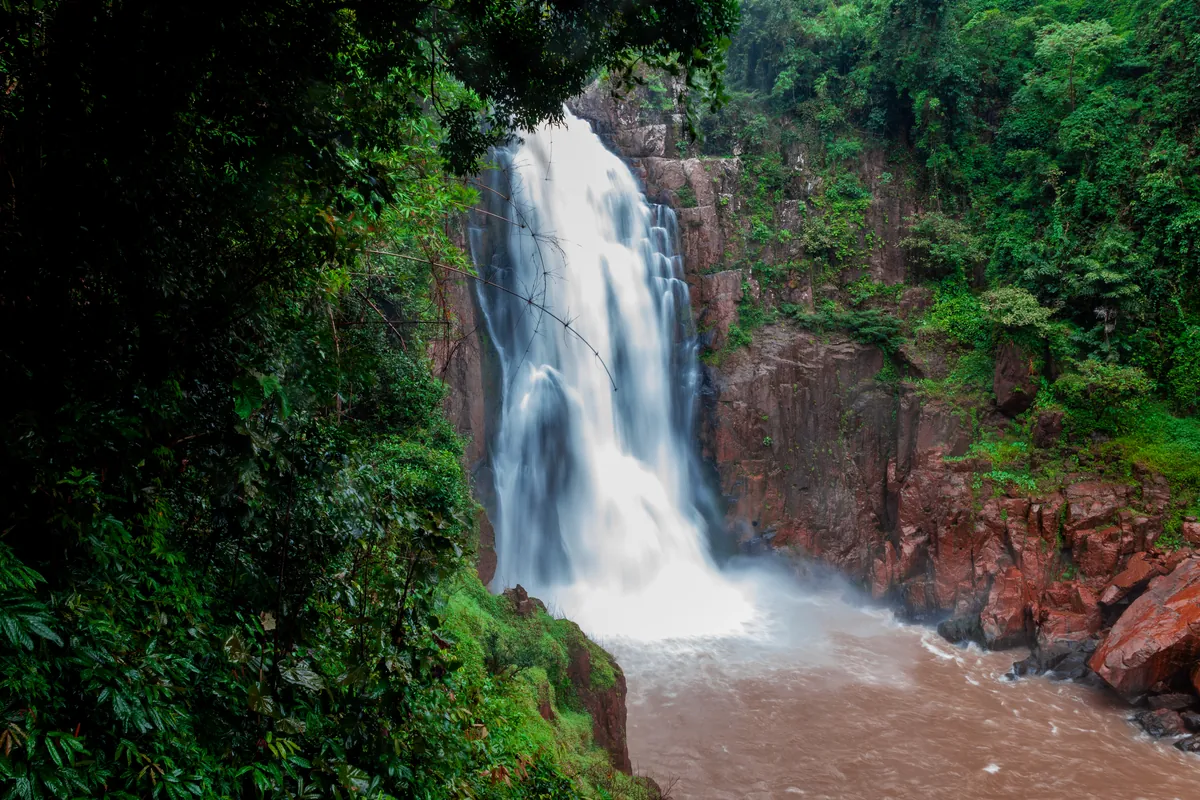
Khao Yai National Park holds two contrasting falls. Haew Narok is the park’s tallest, dropping in stages through dense forest; the viewpoint deck is a short walk from the road. Haew Suwat, lower and wider, appeared in The Beach, but swimming in the pool is prohibited. Check the park’s current entrance fee and any temporary trail restrictions at the gate.
Wachirathan, Doi Inthanon
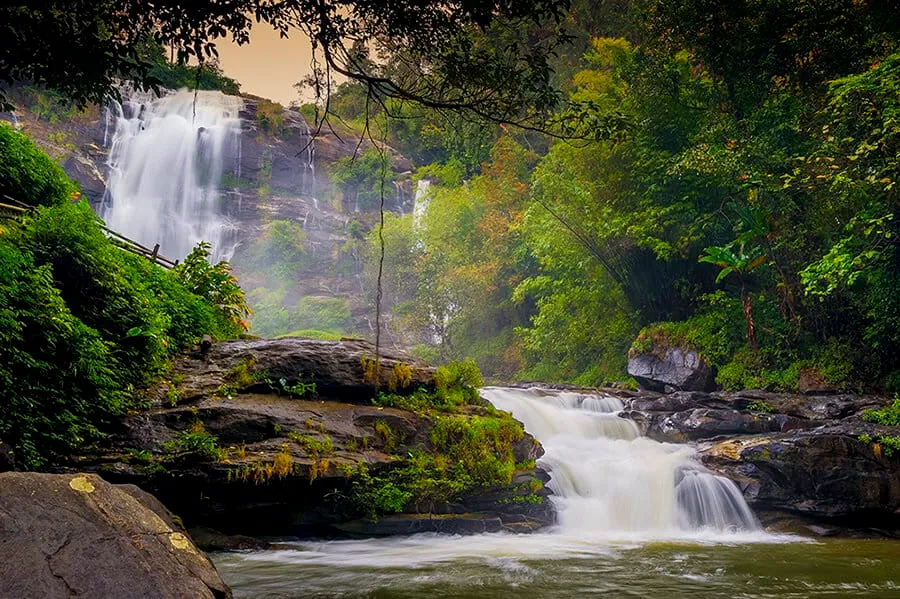
Wachirathan is a roadside waterfall on the climb up Doi Inthanon, with spray reaching the viewing platform when the flow is high. Water runs year-round, but volume changes by season and is strongest during the rains. It is inside Doi Inthanon National Park, so check the current park fee before visiting.
Mae Ya, Doi Inthanon
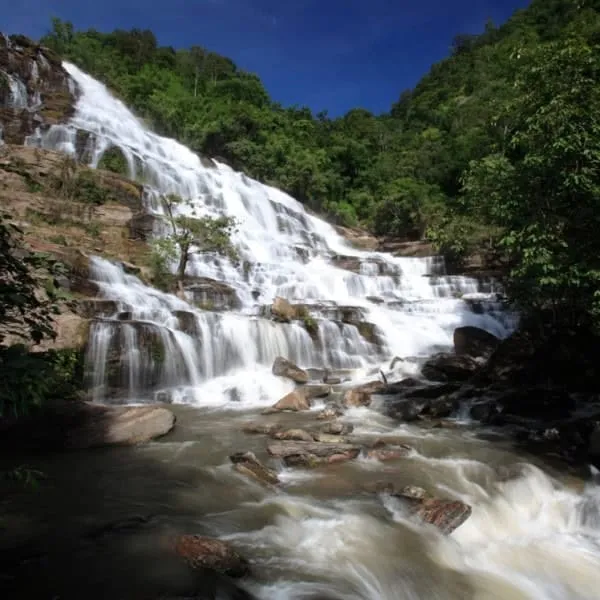
Also on Doi Inthanon but reached by a separate road near the base, Mae Ya is one of the tallest and widest tiered falls in the country, fanning down a stepped rock face for over 200 metres. It is far quieter than Wachirathan because it requires a deliberate detour. The short walk from the car park is easy, and the wide pebble bank at the bottom is a good picnic spot when the water is high.
Huay Mae Khamin, Kanchanaburi
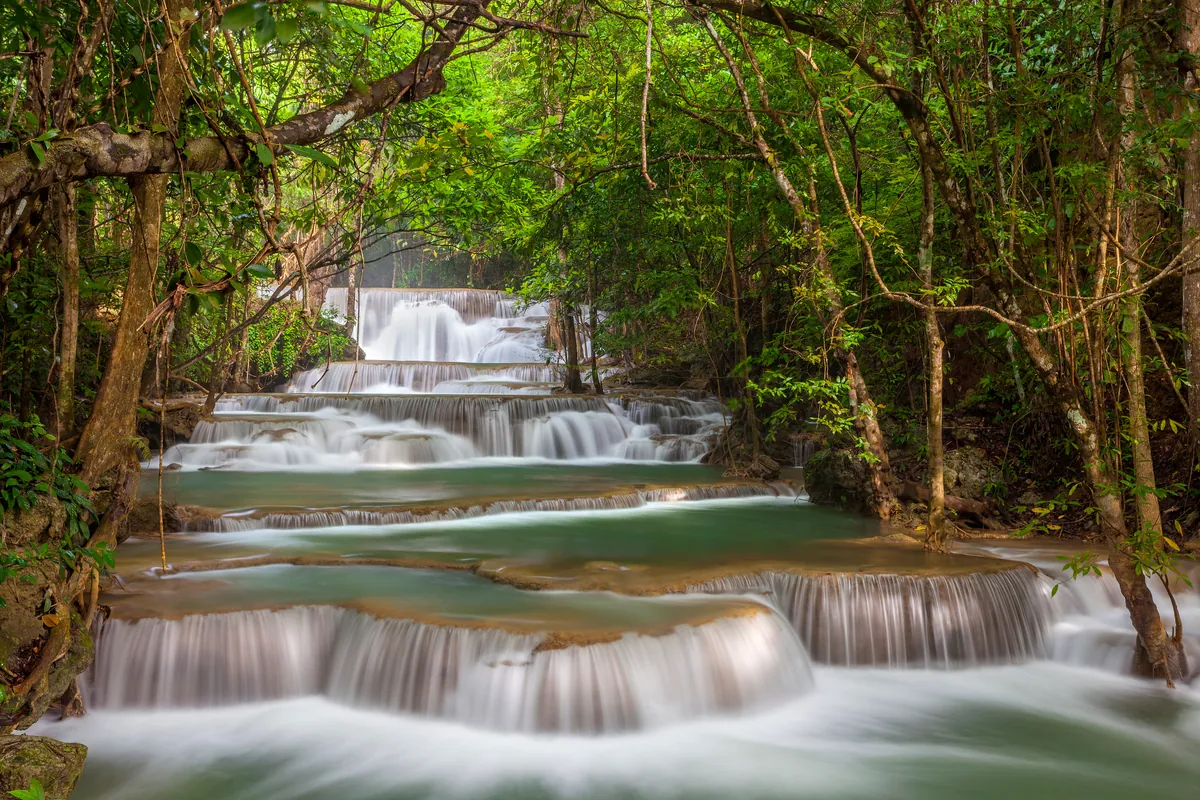
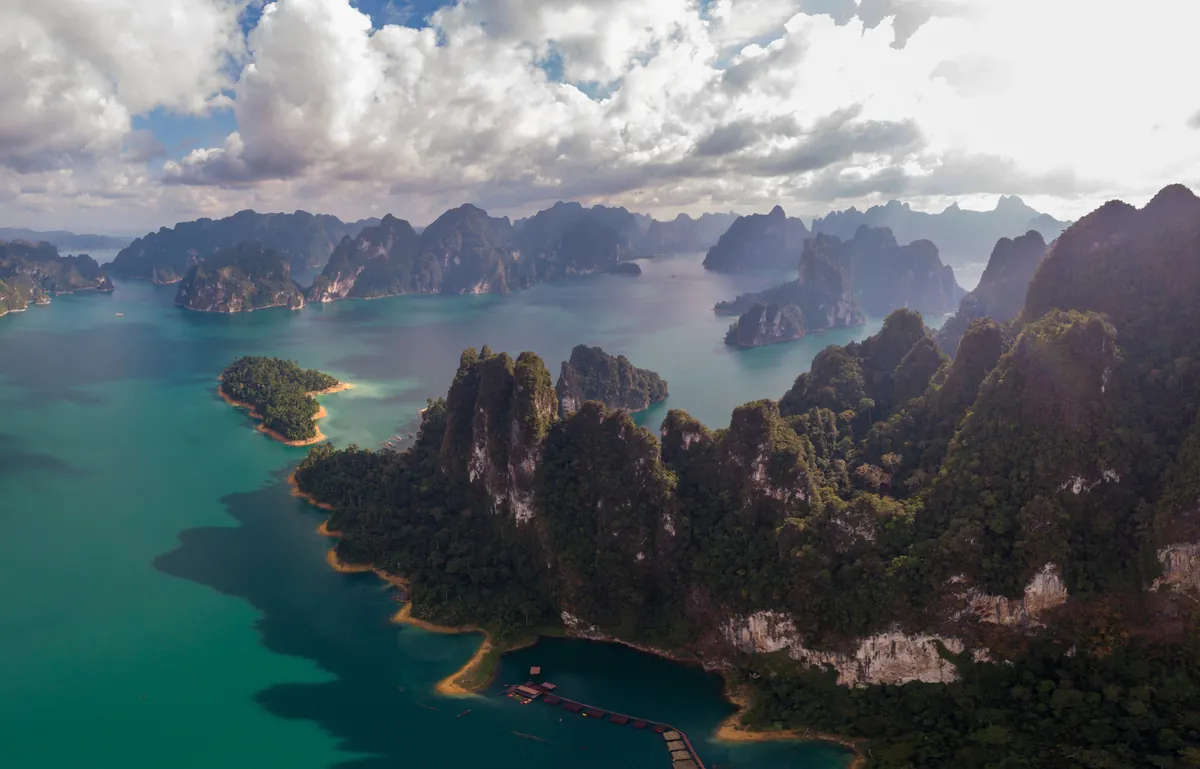
Huay Mae Khamin is what Erawan was twenty years ago — a seven-tier run of blue-green pools on the far side of Srinakarin Lake, with a fraction of the visitors. The remoteness (a long drive or a boat across the reservoir) keeps it quiet, and the swimming is excellent. Combine it with a night in a lakeside raft house. It is best in and after the wet season when the pools are deepest.
Koh Samui
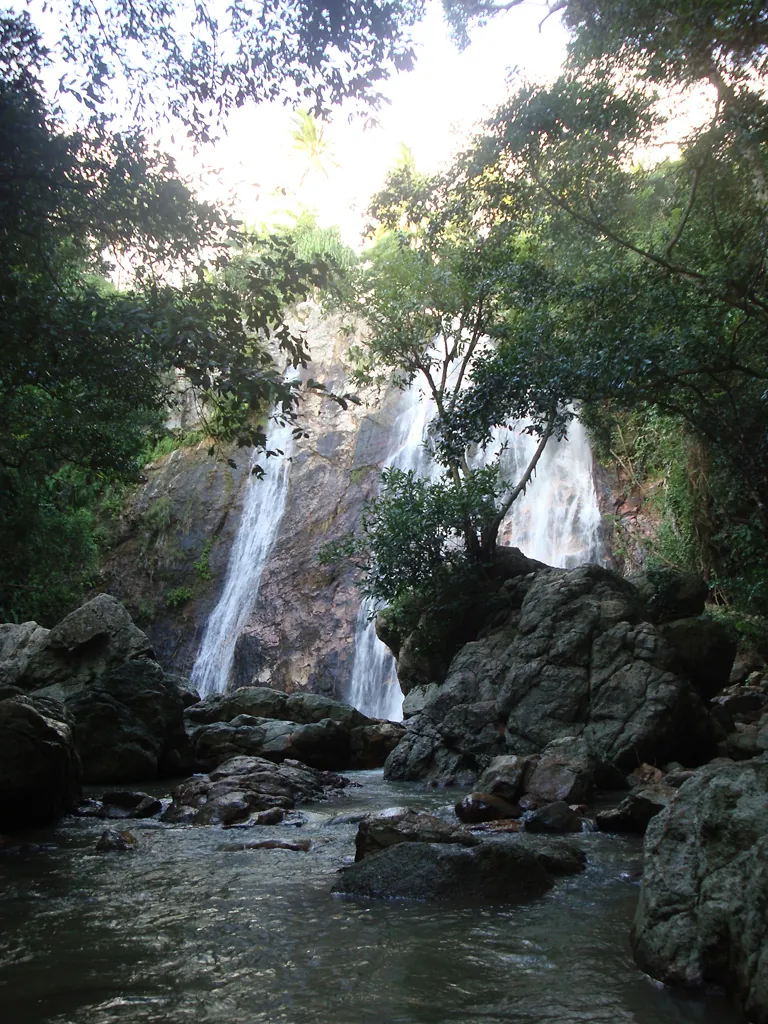
Na Muang 1 and 2 are the reason to leave the beach on Koh Samui. Na Muang 1 is a short walk from the road with a purple-rock pool you can swim in; Na Muang 2 is taller and needs a steeper jungle hike (or the much-touted, skippable elephant and “safari” add-ons). Go after rain for real volume — in the dry season they can underwhelm. They make a half-day inland trip from Chaweng or Lamai.
Chiang Mai
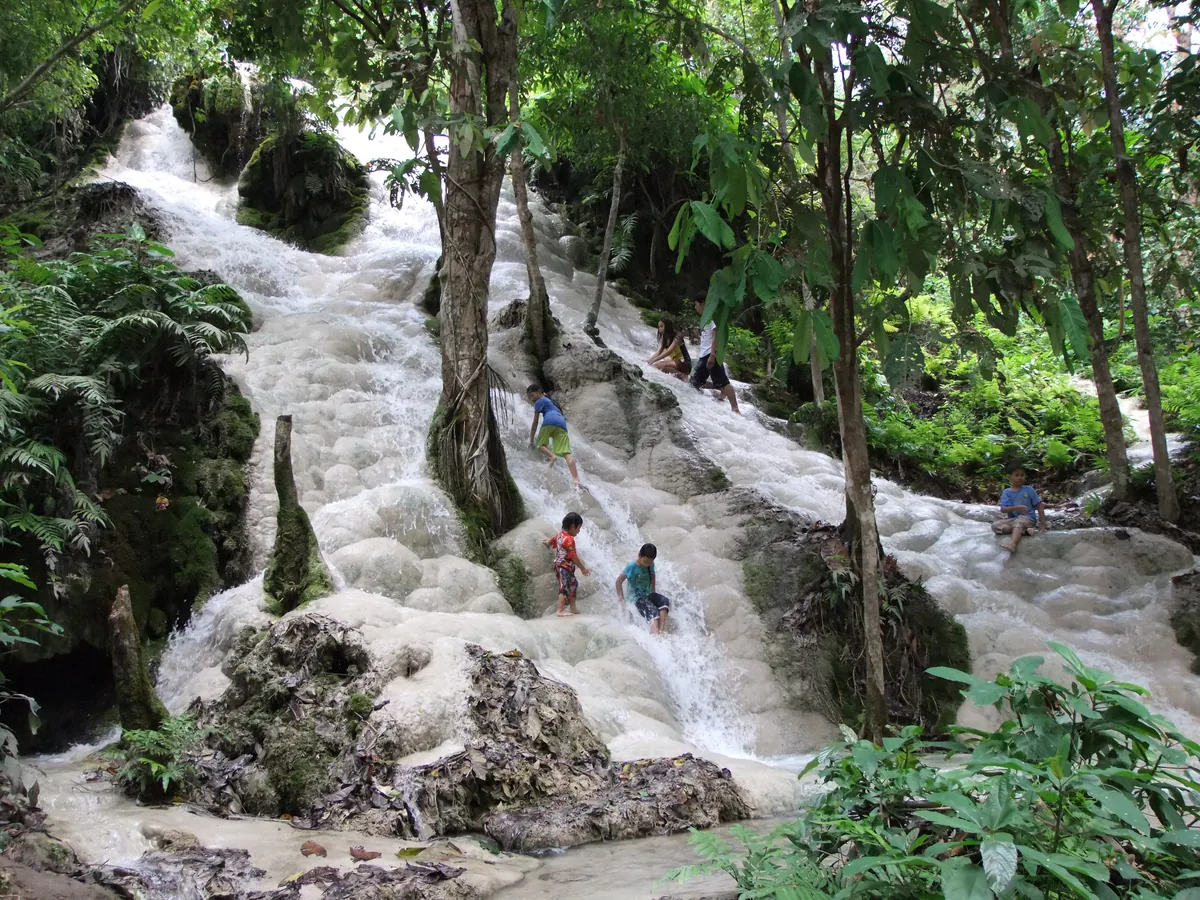
Bua Tong, north of Chiang Mai, is the waterfall people climb rather than simply view. Mineral deposits give much of the limestone a grippy texture, but wet patches and steeper sections still need care. Wear secure footwear, use the provided handlines where available, and follow any one-way or closed-section signs on the day.
Pala-U Waterfall
Pala-U sits on the edge of Kaeng Krachan National Park, inland from Hua Hin. The forest is known for butterflies, with the main viewing period generally running from mid-April into June or July rather than the cool season. The lower tiers are the easiest to reach; check trail access before continuing higher.
Mae Sa Waterfall
The ten-tier Mae Sa fall, in the Mae Rim valley 30 minutes from Chiang Mai, is the city’s most accessible cascade — a streamside path links the tiers, several with shallow pools for a paddle. It is busy at weekends with local families, so come on a weekday morning. The surrounding Mae Sa valley packs in gardens and viewpoints, making the falls one stop on a wider loop north of the city.
Sai Yok Yai, Kanchanaburi
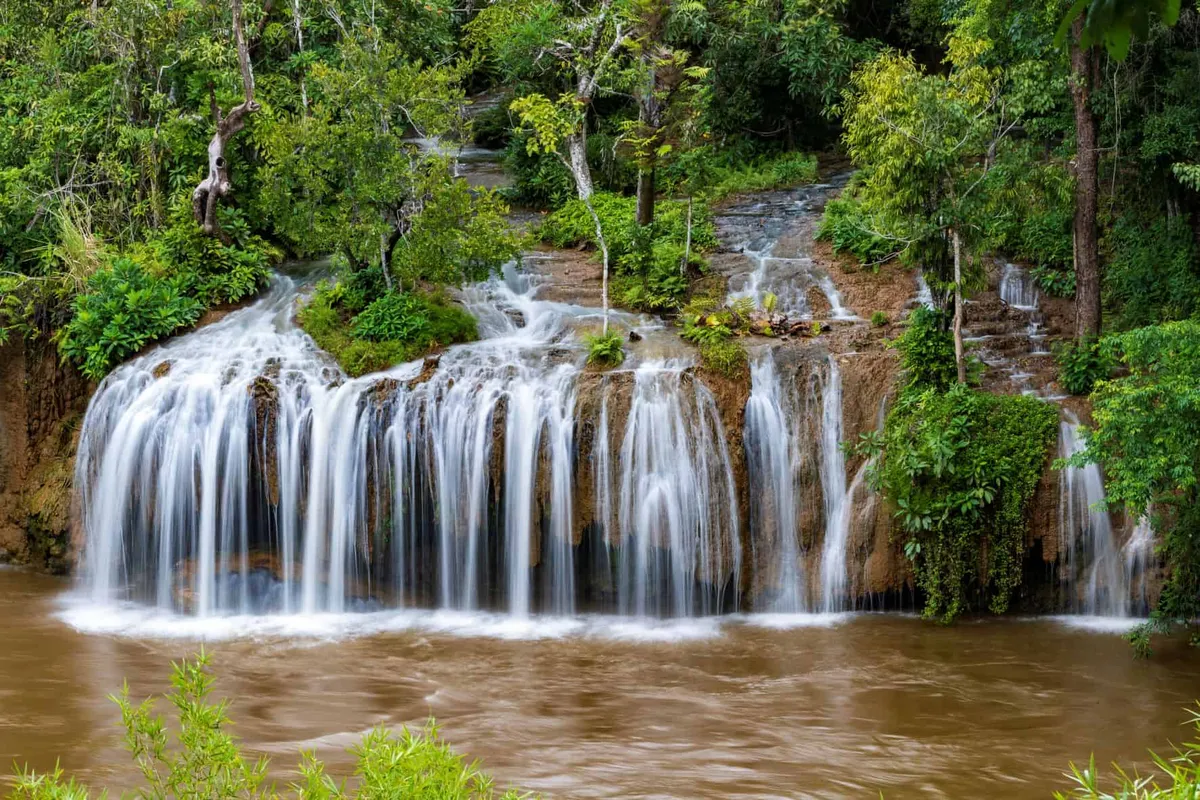
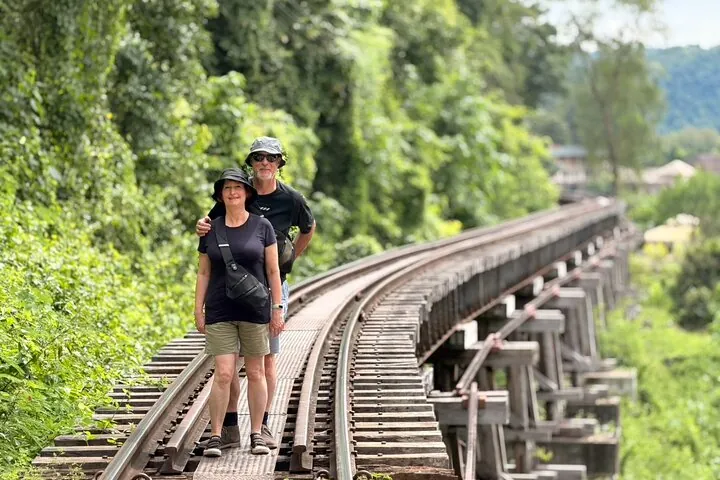
Sai Yok Yai is unusual: a wide, low waterfall that drops straight into the Kwai Noi River, best seen from the swaying suspension bridge above it or from a longtail boat. It anchors Sai Yok National Park on the historic Death Railway route west of Kanchanaburi, and you can stay in raft houses moored within earshot of the water. Fullest in the wet season, when the river runs high and brown.
How to choose what to do first
Choose by time of day, weather, and transport first. Thailand rewards early starts, and the best-looking stop on a map can be the wrong one if it puts you in midday heat or cross-town traffic.

![Erawan Waterfall and Kanchanaburi Private Tour [Optional Luxury]](https://images.thaiholidayguide.com/images/tours/erawan-waterfall-and-kanchanaburi-private-tour-optional-luxury.webp)