

Shrine of God of Lampang
ศาลเจ้าพ่อหลักเมือง
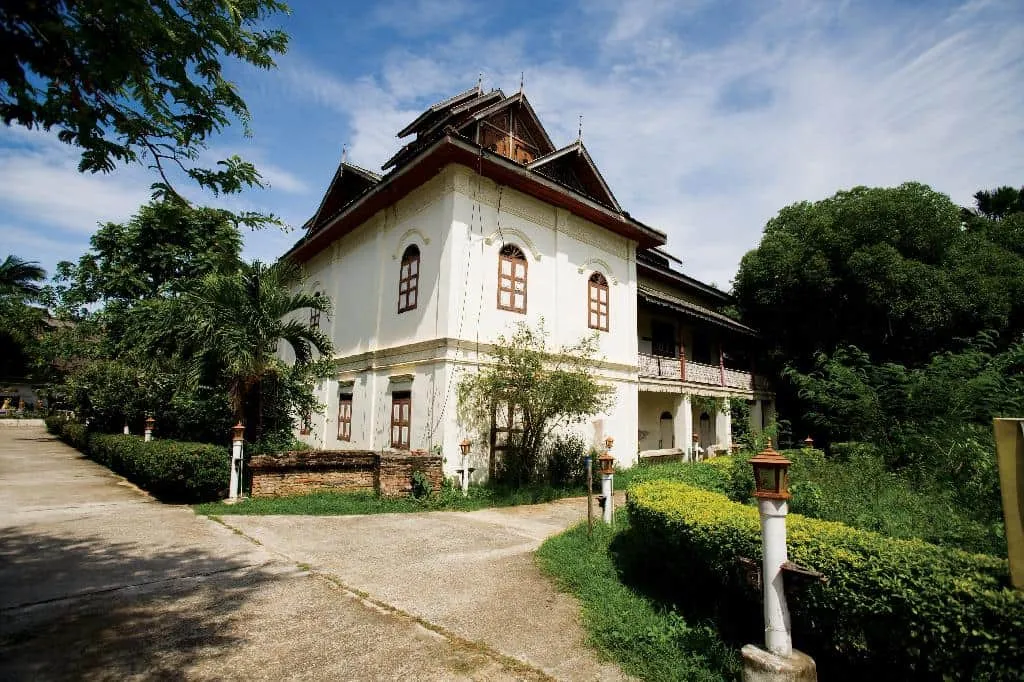
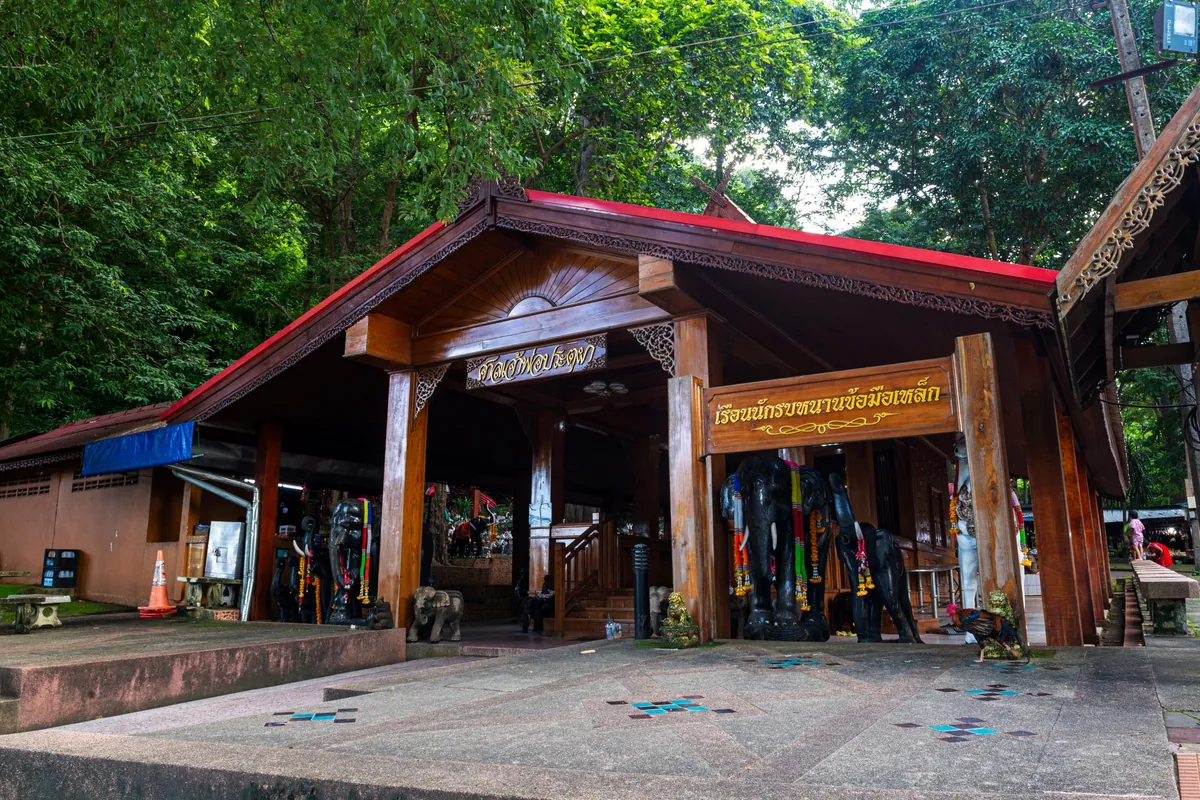
San Chao Pho Lak Mueang (the Shrine of God of Lampang) is the city’s lak mueang, or city pillar shrine: a Thai animist and Brahmanist tradition, not a Chinese temple, despite what the English name suggests. It stands in Hua Wiang in front of the old provincial hall building, which today houses the Lampang Museum, and it’s free to enter: sign the guestbook at the gate and you’re in.
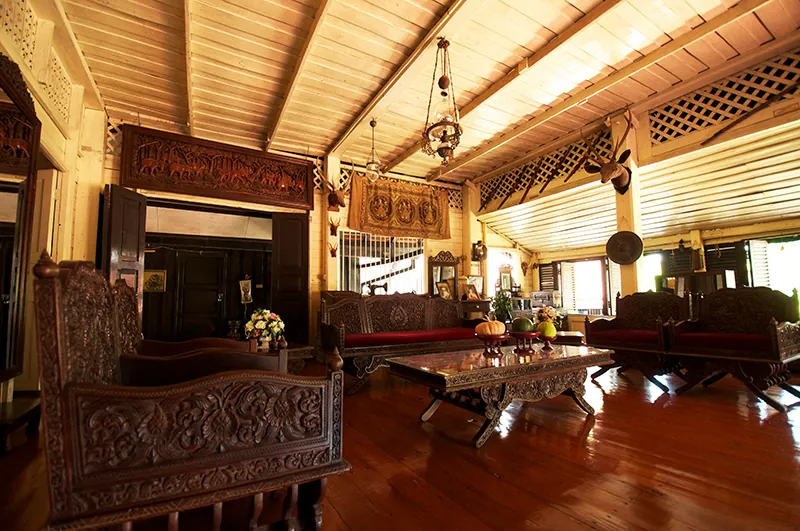
Inside the shrine hall are three teak lak mueang posts, each raised in a different era of the city’s history. The oldest was brought from Wat Pong Sanuk and dates to around 1857, under the rule of Chao Woraya Nangsri; a second pillar followed in 1873; a third, moved here from the old Ratwong Market site, was set up in 1886. Local belief holds that a guardian spirit, Chao Pho Lak Mueang, resides at the tip of each post, watching over the city and warding off threats to it. Alongside the pillars sits Luang Pho Dam, a dark-toned Buddha image the city regards as a protective icon in its own right. In 2025, the municipality struck a commemorative coin in his name to help fund repairs to the mondop pavilion housing the shrine.
Insider Tip: Pair the visit with the Lampang Museum right in front of the shrine: the old provincial hall building holds exhibits on the city’s history, and the combination makes for an easy half-hour to an hour of quiet sightseeing that most itineraries skip entirely.
The atmosphere here is closer to a civic shrine than a tourist temple: locals stop to pay respects on their way past, incense smoke drifts from a handful of burners near the pillars, and there’s rarely more than a few other visitors at once. It’s a good counterpoint to Lampang’s Buddhist wats: same devotional weight, different tradition, and a direct link to the physical founding of the city rather than a monastery’s history.
Watch out: There’s no dedicated car park at the shrine itself. Street parking nearby or arriving on foot from the old town is the practical option.
Modest dress (shoulders and knees covered) is appropriate, as at any Thai religious site, though this is a working civic shrine rather than a strict tourist temple, so the dress code is observed more loosely in practice. Bring a few baht for the donation box if you’d like to contribute to the pillar hall’s upkeep, though nothing is asked of visitors beyond signing in.
- Entry: Free. Sign the guestbook at the gate
- What’s inside: Three teak city pillars (1857, 1873, 1886) and the Luang Pho Dam Buddha image
- Hours: Informal; follows the adjacent Lampang Museum’s Tuesday-Sunday schedule (closed Monday)
- Location: Hua Wiang, in front of the old provincial hall (now Lampang Museum)
- Nearby: Ban Sao Nak, Kat Kong Ta, and Nakhon Lampang Railway Station are all a short ride away in the same district
For anyone building a walking loop of old Lampang, the shrine slots in naturally alongside Ban Sao Nak’s teak mansion and the old market street at Kat Kong Ta, all within a few minutes of each other by bicycle or tuk-tuk.
Location & Directions
Mueang Lampang, Lampang
Lampang, Thailand
Show your taxi or Grab driver
ศาลเจ้าพ่อหลักเมือง
Frequently Asked Questions
Is this a Chinese temple?
What exactly is inside?
Is there an entrance fee?
What are the opening hours?
Where is it in relation to central Lampang?
Spotted something out of date or incorrect? Let us know
Popular tours in Lampang

Stay Near Shrine of God of Lampang
Live prices for places closest to Shrine of God of Lampang: tap a pin to compare.