
Somdej Phra Naresuan Shrine
ศาลสมเด็จพระนเรศวรมหาราช
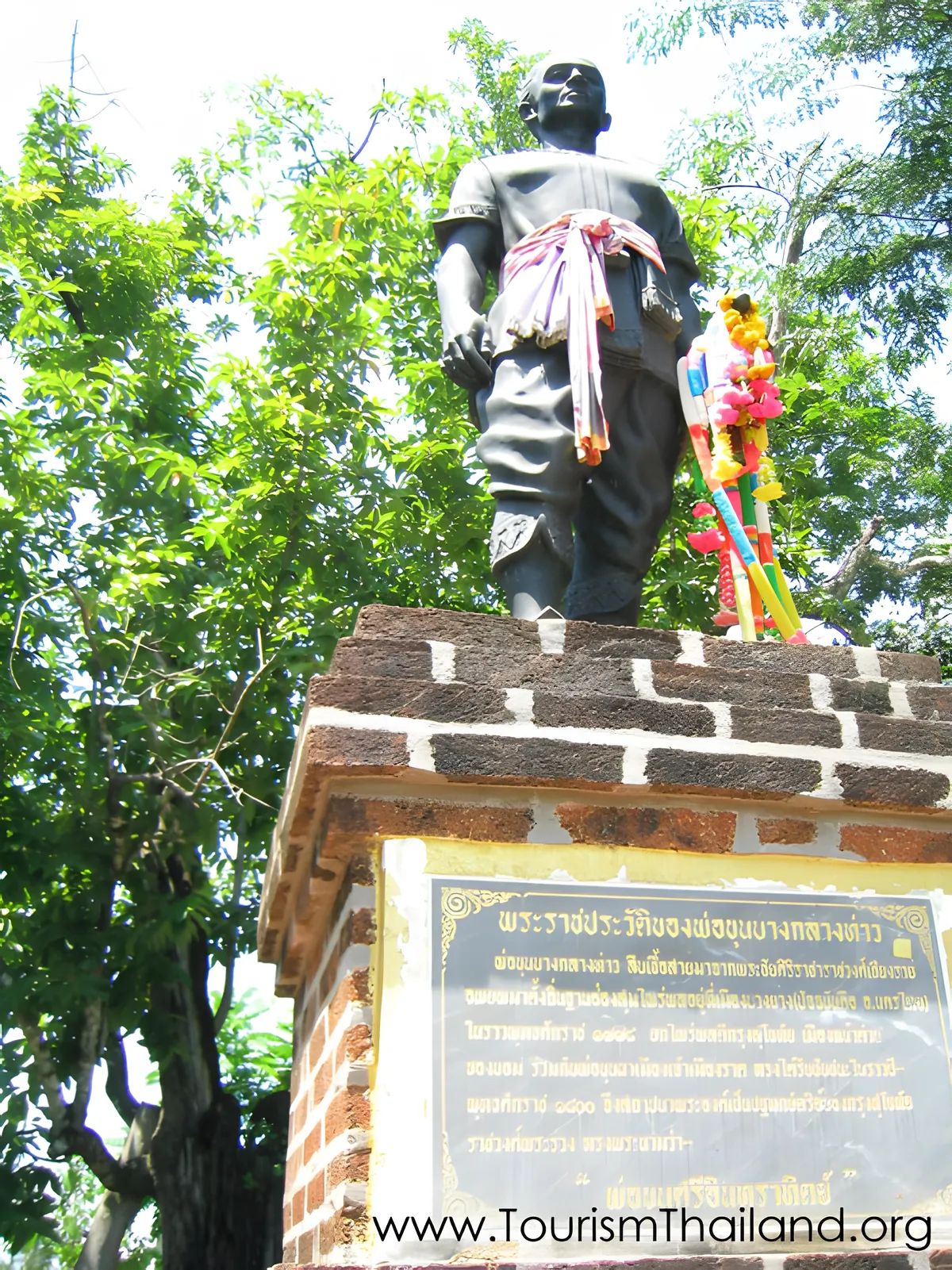
A seated bronze statue of King Naresuan the Great watches over Wang Chan Road in Phitsanulok, one hand extended in the gesture linked to his 1584 declaration of independence from Burma. The shrine sits on the grounds of Chan Palace, the excavated site believed to be Naresuan’s childhood home, making this less a standalone monument than a companion piece to the palace ruins next door. Entry is free, and it’s open daily from 07:00 to 17:00.
Unlike the equestrian bronze figures that dominate other Naresuan monuments around Thailand (the horseback statue in Ayutthaya, the sword-raised figure in Nakhon Pathom), this one is seated, cast by the Fine Arts Department in a pose tied directly to a documented historical act rather than a battlefield scene. The gesture recalls the water libation Naresuan poured at Muang Khaeng to formally sever Ayutthaya’s tributary status to Burma, a moment Thai schoolchildren learn as the start of the kingdom’s independence. Locals bring incense, garlands, and small offerings to the base, and an annual ceremony on 25 January draws a steadier crowd, the same date now marked nationally as Royal Thai Armed Forces Day, commemorating Naresuan’s 1593 victory in single elephant combat over the Burmese crown prince.
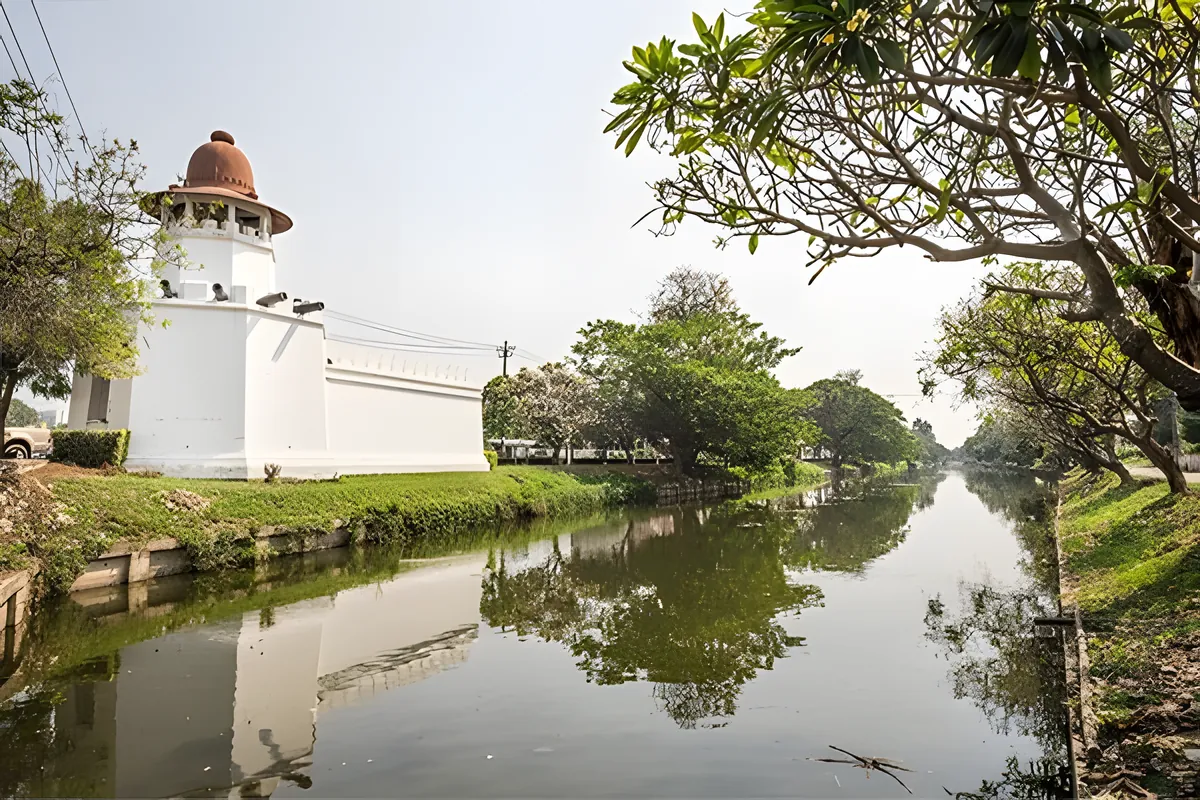
The setting is understated: a modest pavilion rather than a sprawling temple complex, set among the trees and open lawns of the Chan Palace grounds near the Nan River. Weekday mornings are quiet enough to hear birdsong over the traffic on Wang Chan Road; Thai visitors tend to arrive in the late afternoon after work, and school groups pass through on heritage-education trips tied to the adjacent palace site.
Insider Tip: Walk the Chan Palace foundations first, then finish at the shrine: the excavated brick platforms give context to who Naresuan was before you’re standing in front of his statue.
- Entry: Free
- Hours: Daily 07:00-17:00
- Location: Wang Chan Road, Nai Mueang subdistrict, Mueang Phitsanulok
- On-site: Seated bronze statue of King Naresuan, incense and offering area
- Nearby: Chan Palace historical grounds (same site), Phitsanulok city centre
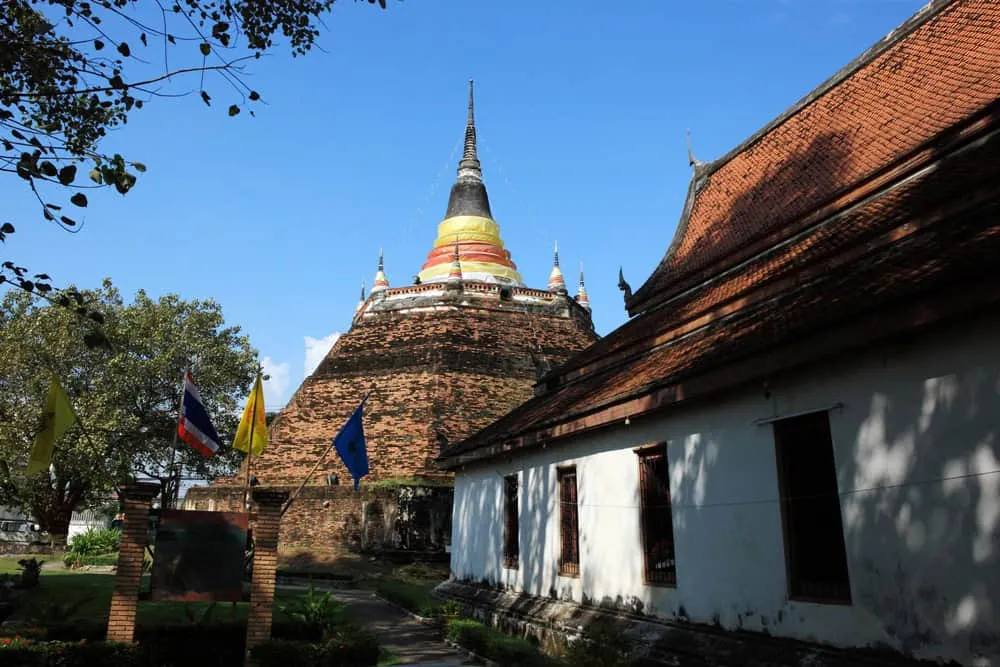
Dress respectfully: covered shoulders and knees are appropriate even though this is an open-air shrine rather than an active temple. There’s no strict dress enforcement, but Thai visitors treat the statue with the same decorum as a Buddha image. Parking is available along Wang Chan Road and in the Chan Palace grounds; the shrine is an easy walk or short tuk-tuk ride from Phitsanulok’s Naresuan Road hotel strip. Combine the visit with Phitsanulok’s City Pillar Shrine or Wat Ratchaburana, both a few minutes away, for a half-day loop through the old town’s royal and religious history.
Location & Directions
Wang Chan Road
Phitsanulok, Thailand
Show your taxi or Grab driver
ศาลสมเด็จพระนเรศวรมหาราช
Frequently Asked Questions
Is this the same King Naresuan monument as the ones in Ayutthaya or Nakhon Pathom?
Why is the statue seated rather than on horseback?
Is there an entry fee?
What is the connection to Chan Palace next door?
Is there a specific day locals visit for merit-making?
Spotted something out of date or incorrect? Let us know
Stay Near Somdej Phra Naresuan Shrine
Live prices for places closest to Somdej Phra Naresuan Shrine: tap a pin to compare.