


Phitsanulok
พิษณุโลก
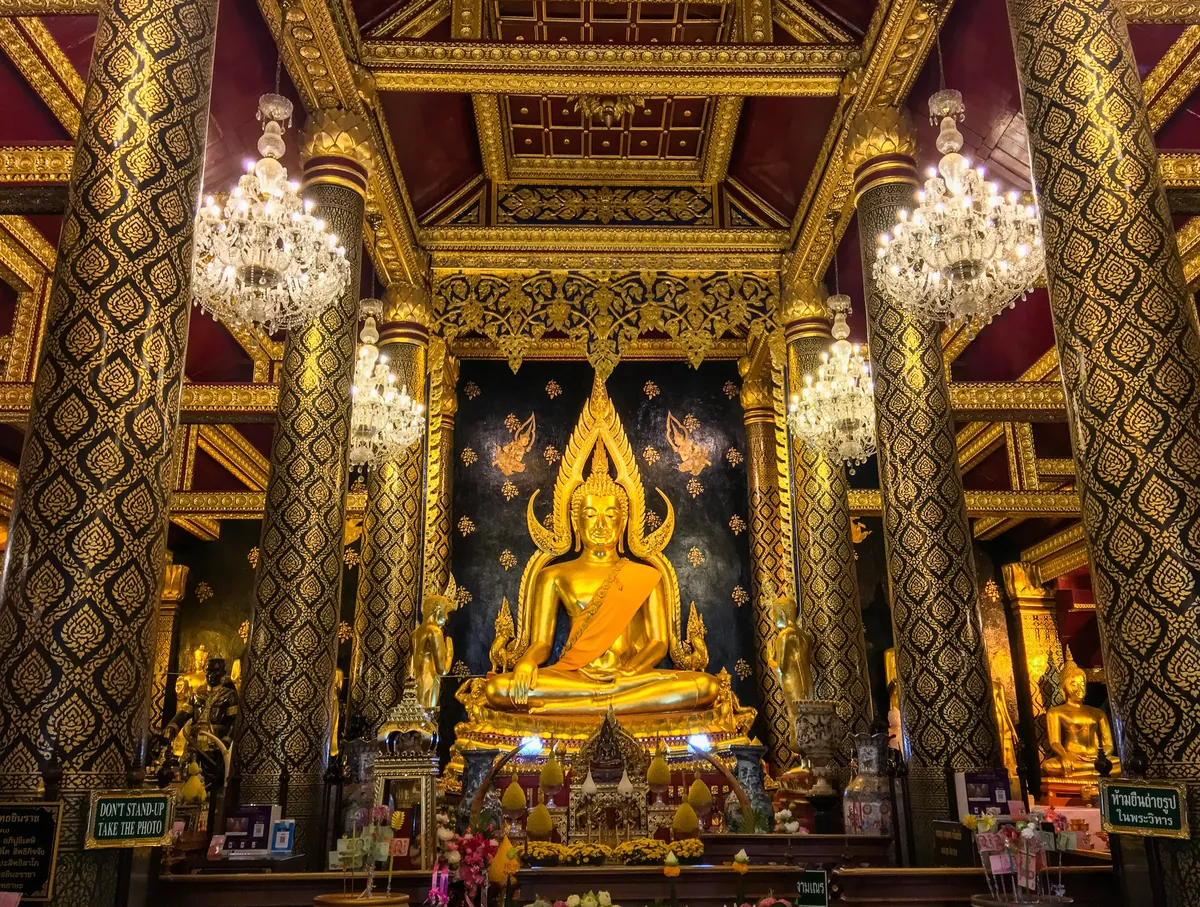
Home to the revered Phra Phuttha Chinnarat bronze Buddha and a riverside gateway to Sukhothai.
- Best time
- November to February
- How long
- 1–3 days
- From Bangkok
- 4–6 hrs by train; fastest express ~4h 20m
- Getting around
- Tuk-tuk, songthaew or bicycle in town; hire a car for the parks
Updated June 2026
Plan your trip
Recommended by us

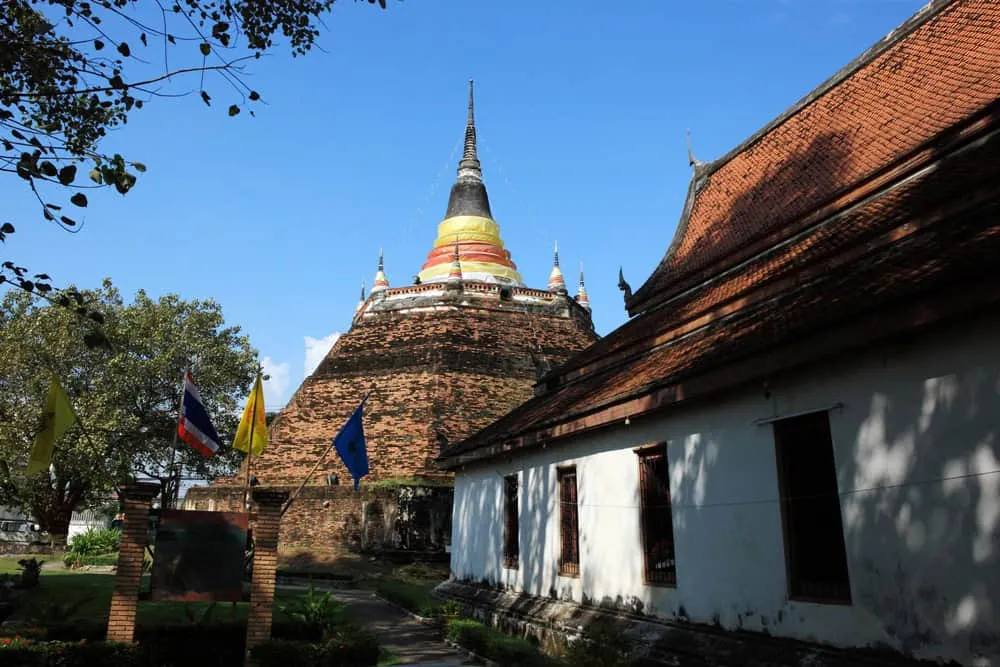
Wat Ratchaburana
An Ayutthaya-era temple in the heart of the city, less crowded than Wat Phra Si Rattana Mahathat next door. The brick prang and carved stone lintels are some of the finer work of the period still standing in the north.

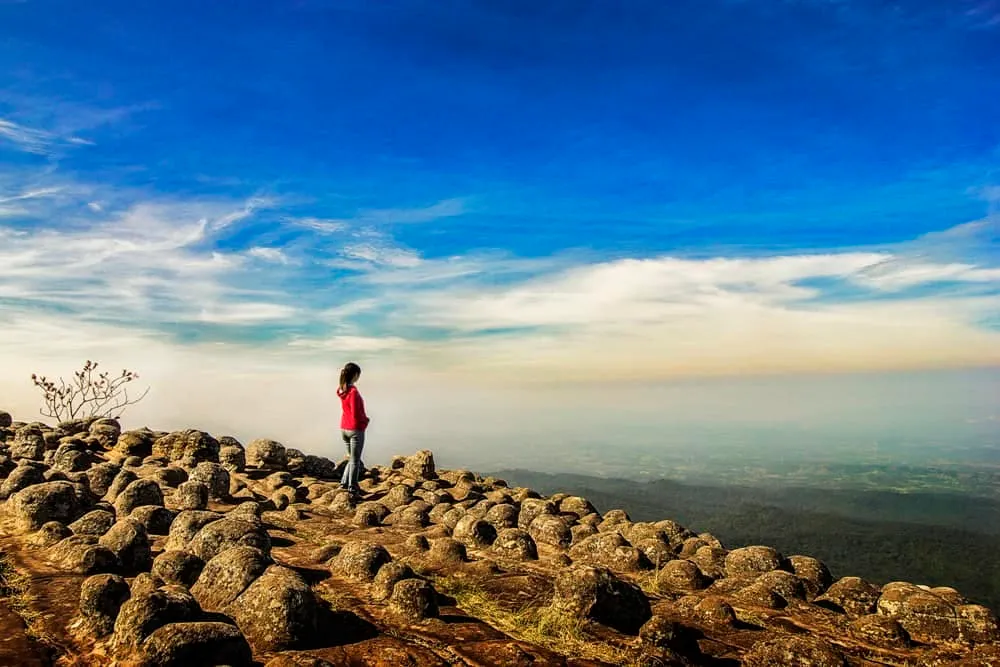
Phu Hin Rong Kla National Park
The former Communist Party of Thailand highland stronghold, now a national park with pine forests, waterfalls, and well-preserved CPT relics. The mix of history and landscape is unlike anywhere else in Thailand.

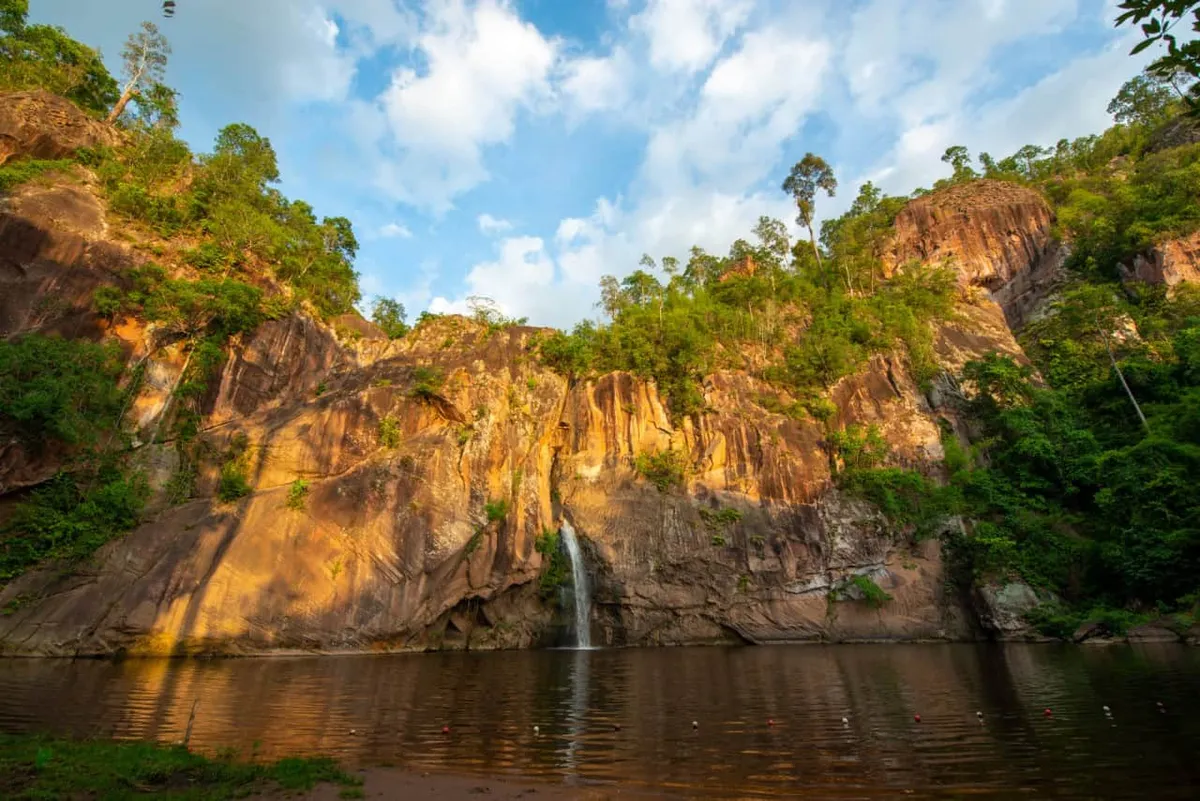
Namtok Chat Trakan National Park
A park centred on a long tiered waterfall on the Nan River, good for swimming at the base pools between July and October when the flow is strong. Two hours north of the city.

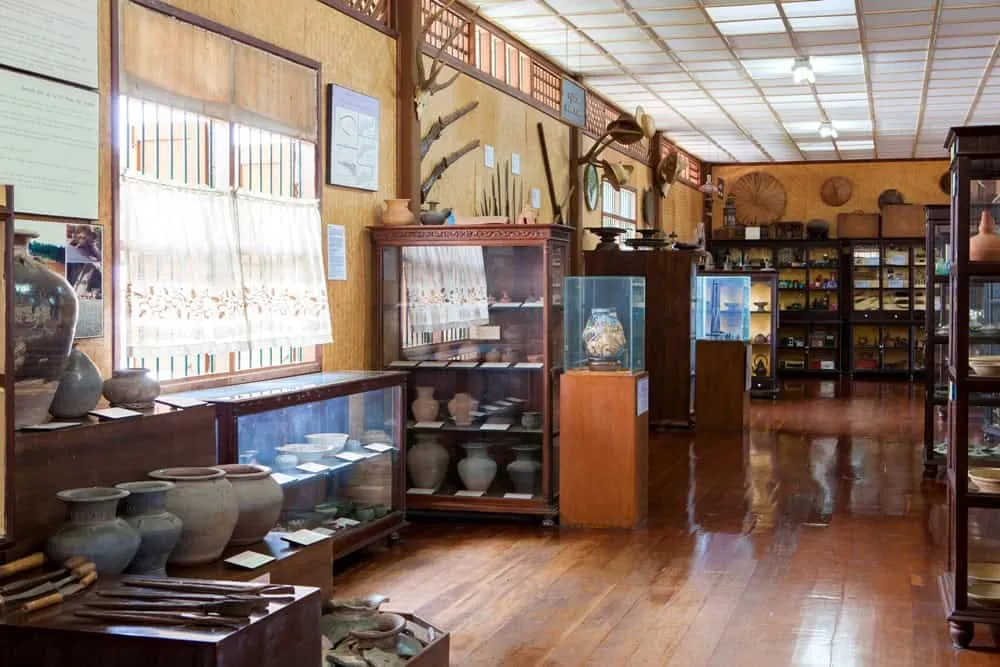
Sgt. Maj. Thawee Folk Museum
A folk museum in the city with one of the best collections of traditional Thai tools, weapons, and household objects in the north. Small, well-curated, and usually very quiet.
Get to Phitsanulok
Around 6 hours by overnight train from Bangkok, or 55 minutes by flight: the city has an airport with multiple daily services from Don Mueang.

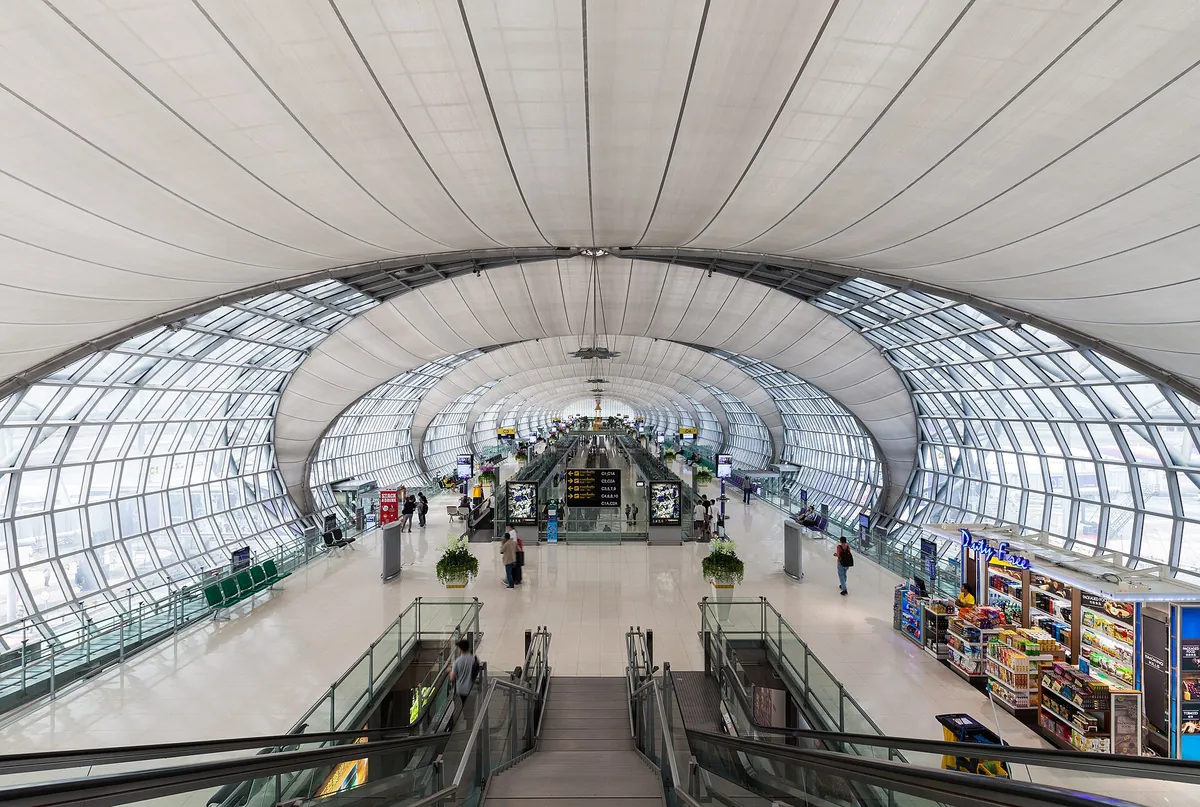
eSIM for Thailand
Land with data already working and skip the airport SIM queue. We tested six plans. Code THAIHOLIDAY saves 10%.

Travel insurance
Trekking in Phu Hin Rong Kla and the highland parks warrants proper cover. Sort it before you go and check the hiking and medical-evacuation terms.
Wats, shrines & spiritual sites
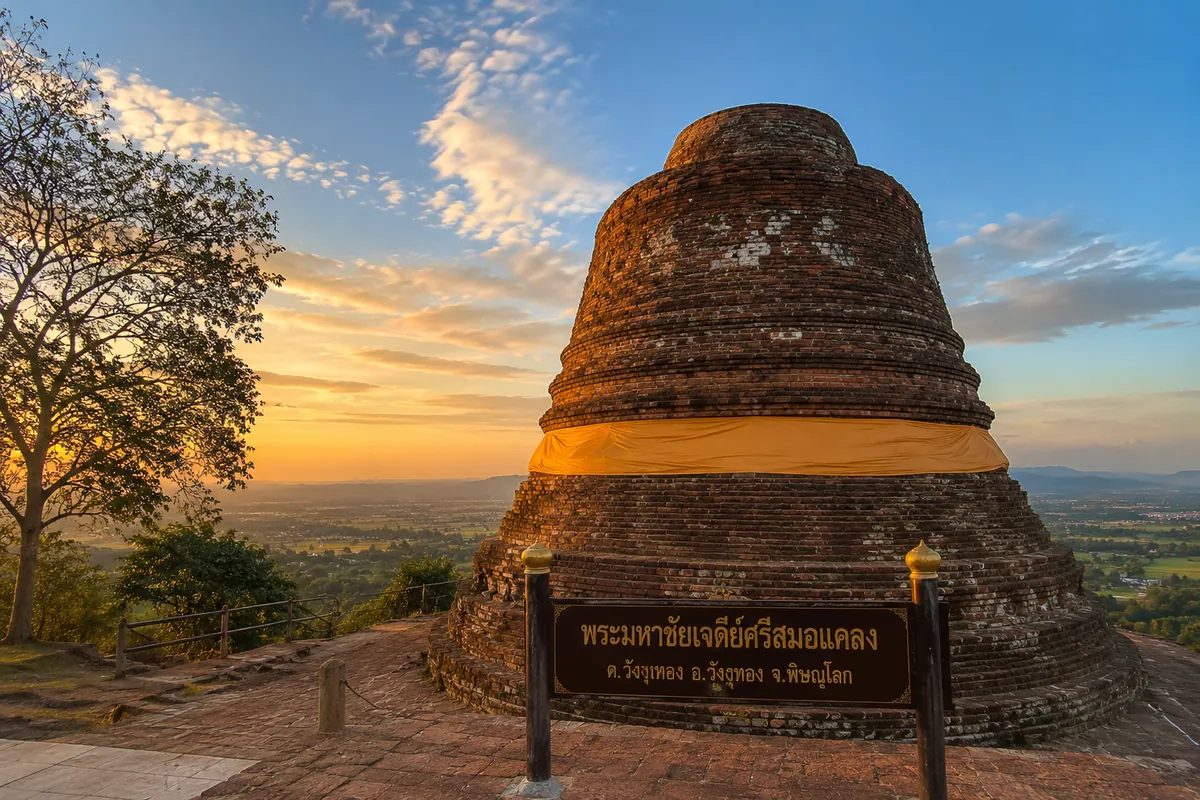
Temples in Phitsanulok






Waterfalls, peaks, caves & parks
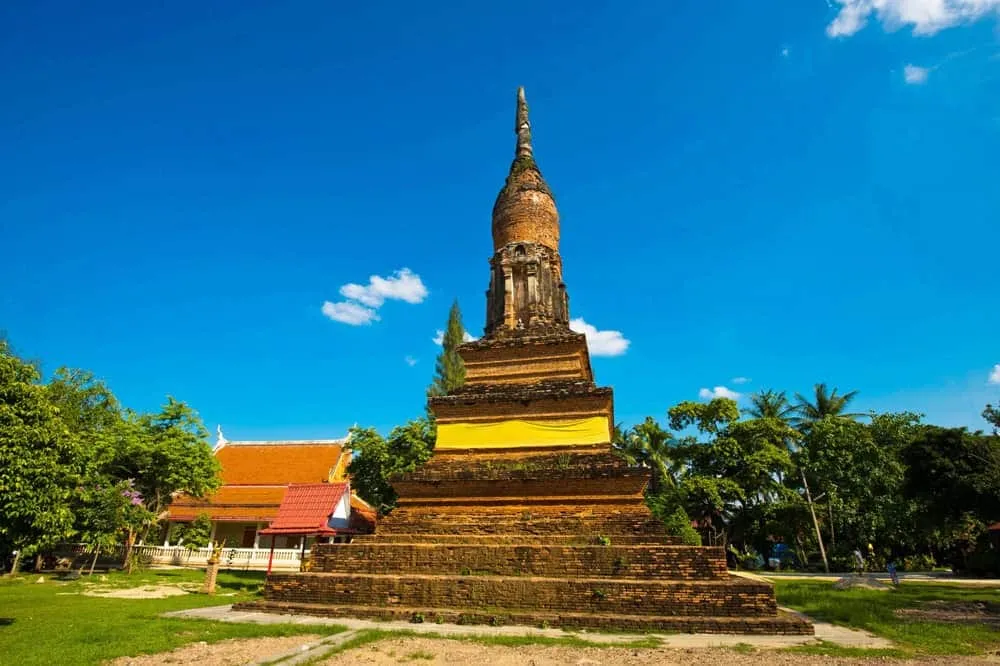
Nature & outdoors around Phitsanulok

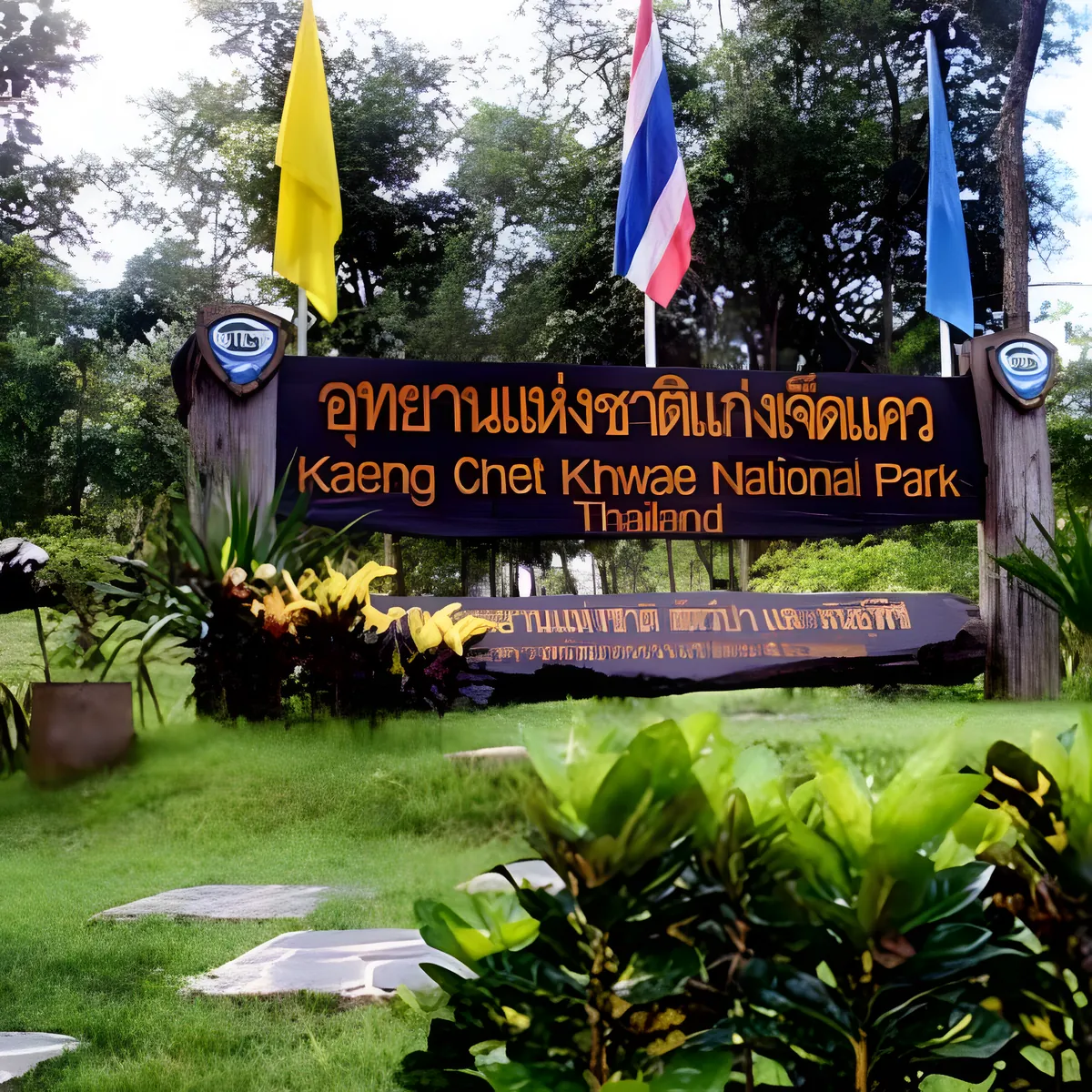
Kaeng Chet Khwae National Park
อุทยานแห่งชาติแก่งเจ็ดแคว

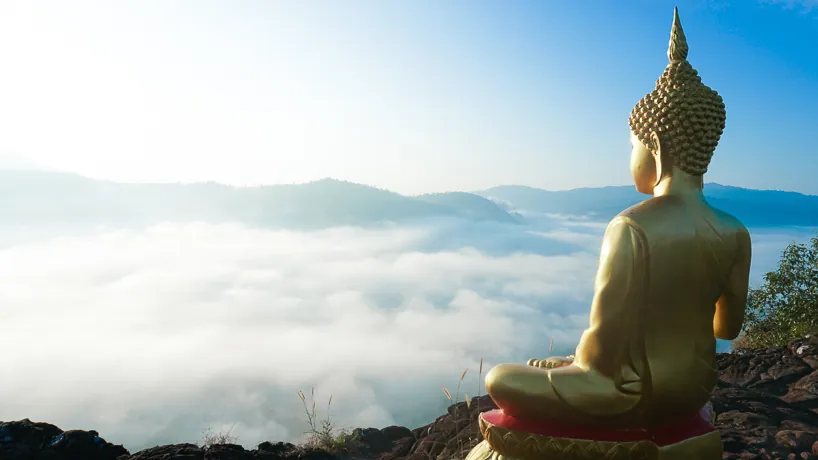
Khao Pok Lon
เขาโปกโล้น

Kwai Noi Bum Rung Dan Dams
เขื่อนแควน้อยบำรุงแดน

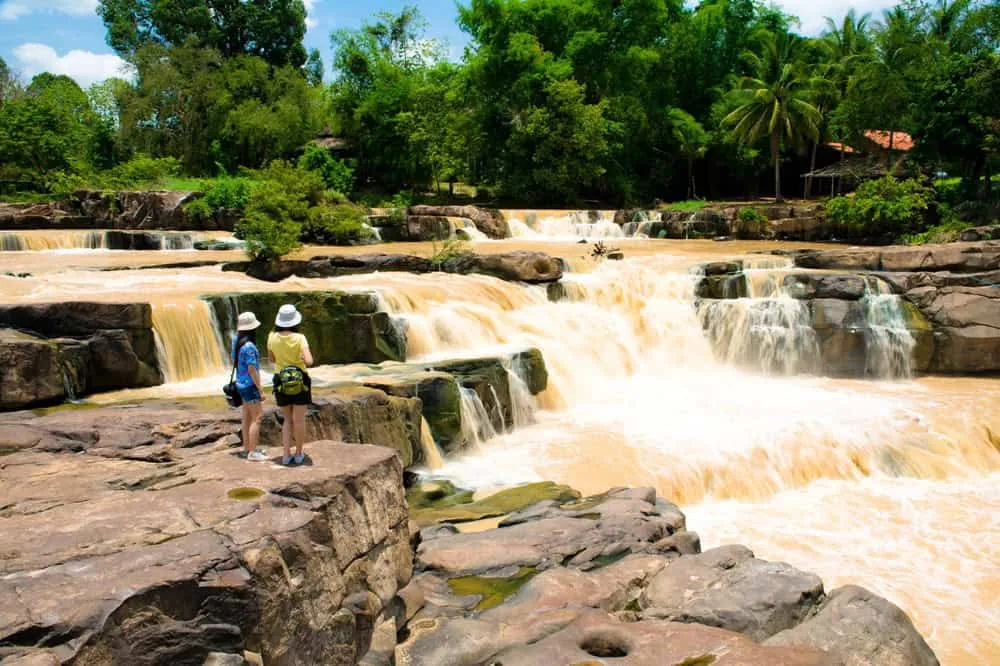
Namtok Kaeng Song
น้ำตกแก่งซอง

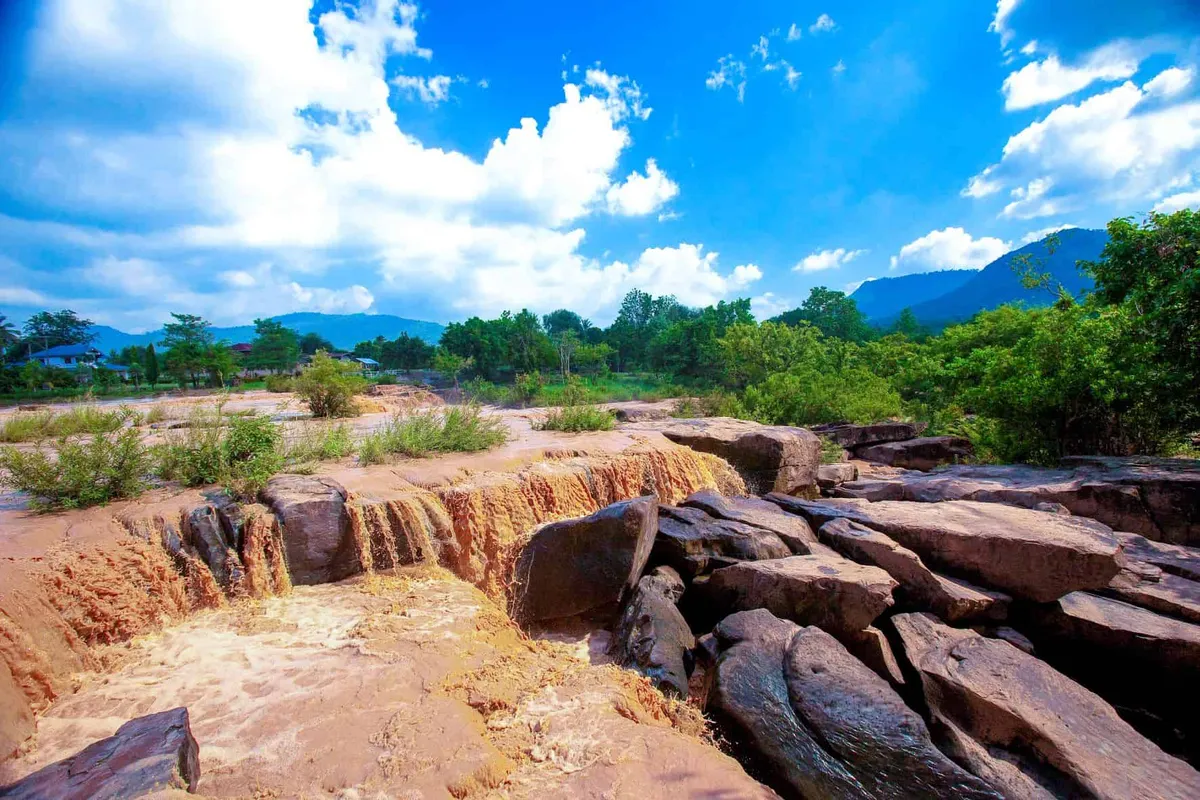
Namtok Poi And Khao Krayang Forest Plantation
น้ำตกปอยและสวนป่าเขากระยาง

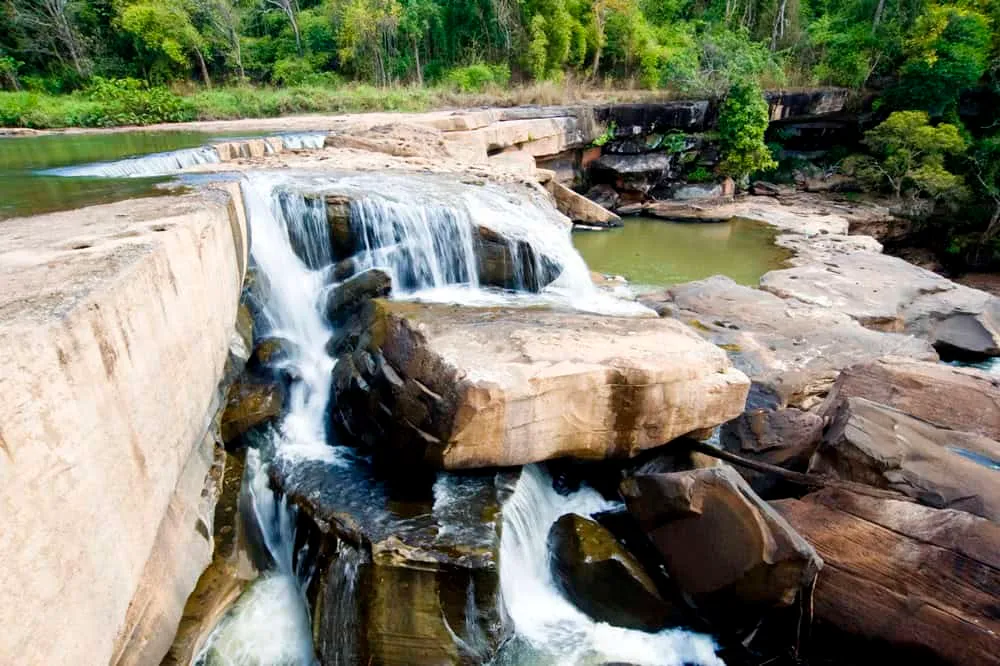
Namtok Kaeng Sopha
น้ำตกแก่งโสภา

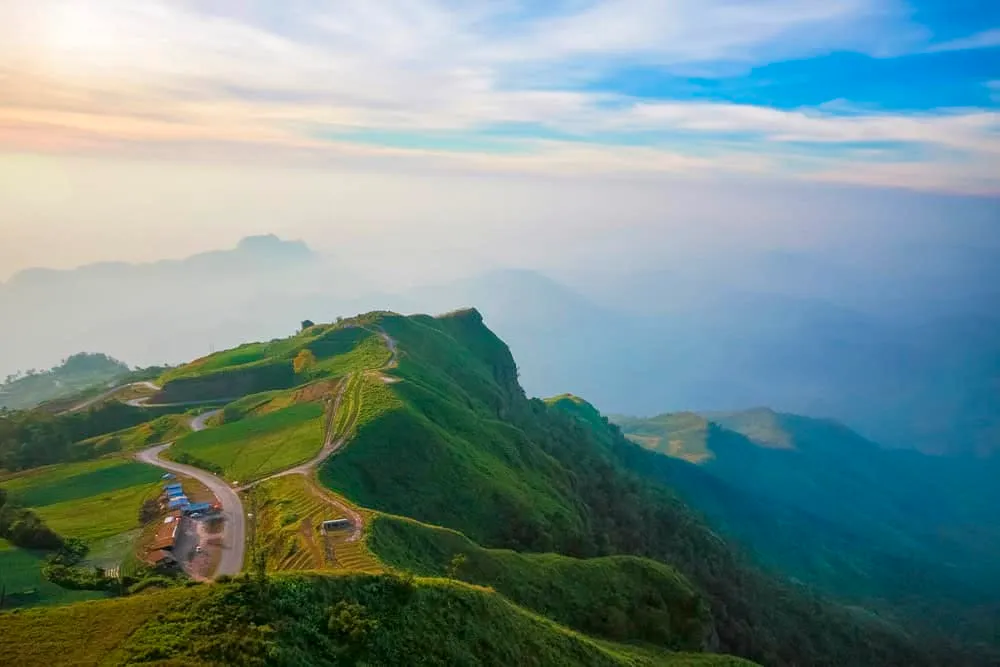
Phu Phaeng Ma
ภูแผงม้า

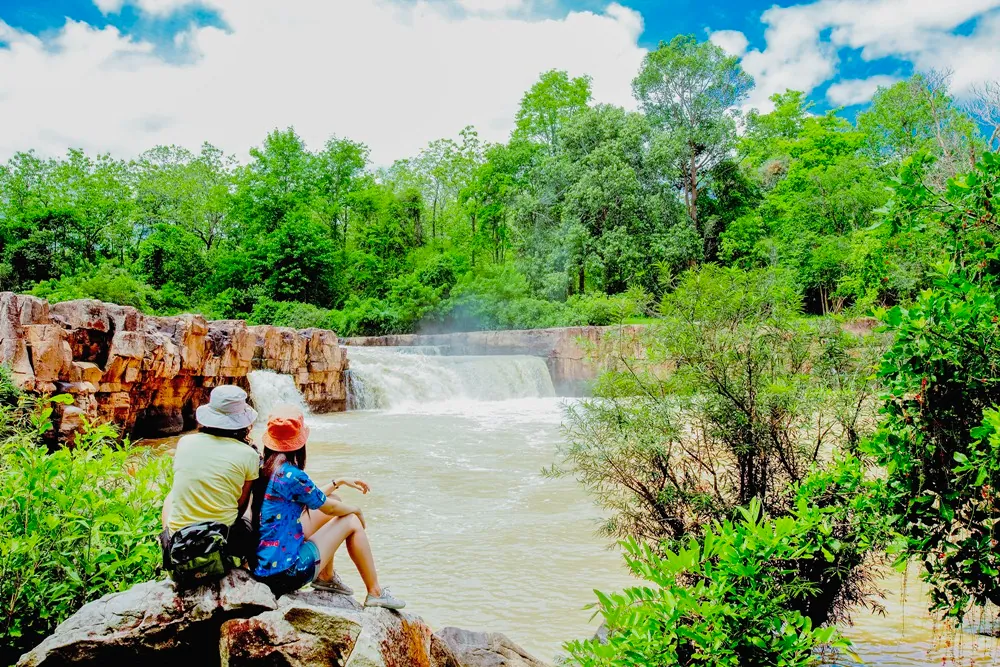
Sakunothayan Arboretum
น้ำตกวังนกแอ่น (สวนรุกชาติสกุโณทยาน)

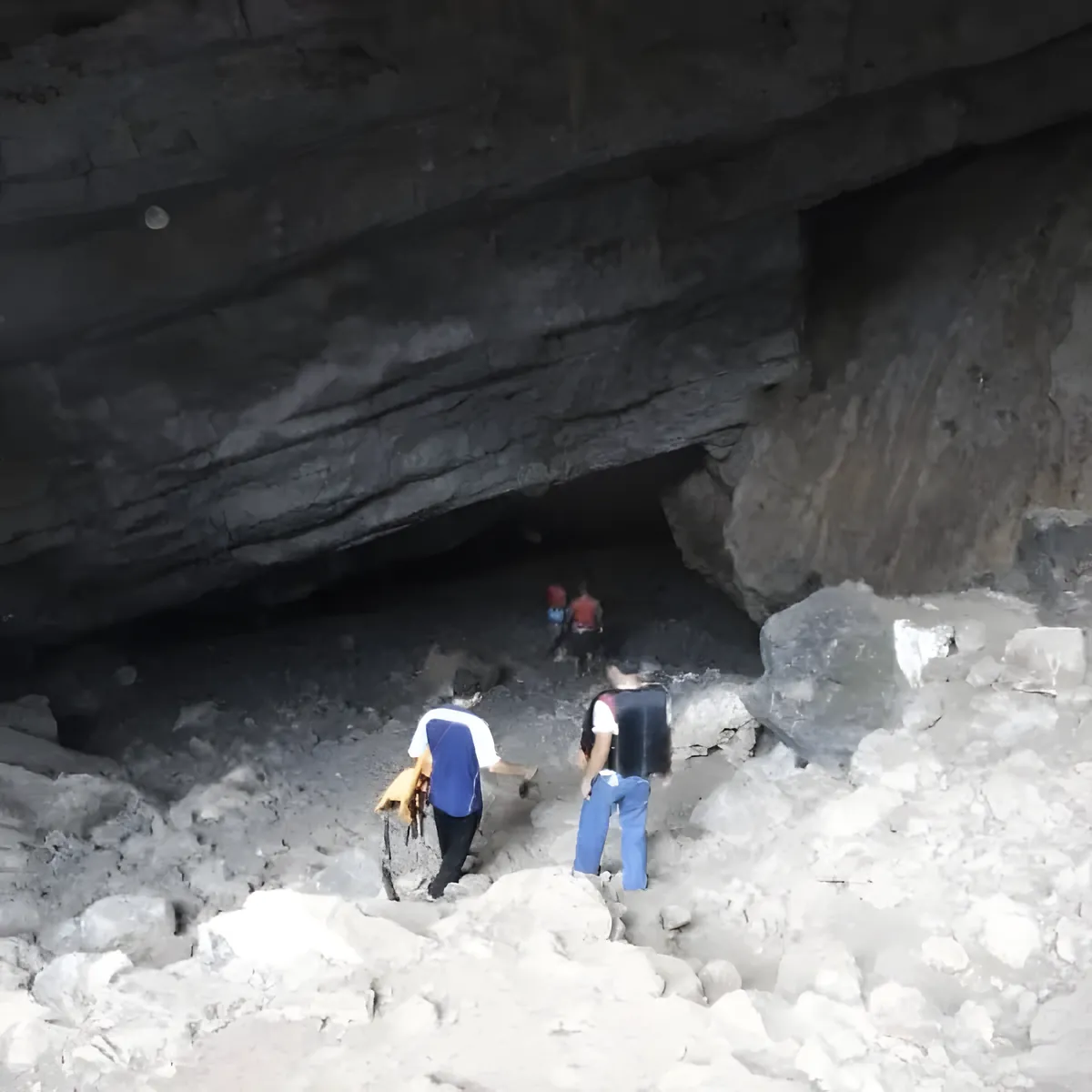
Star and Moon Cave
ถ้ำเดือนถ้ำดาว

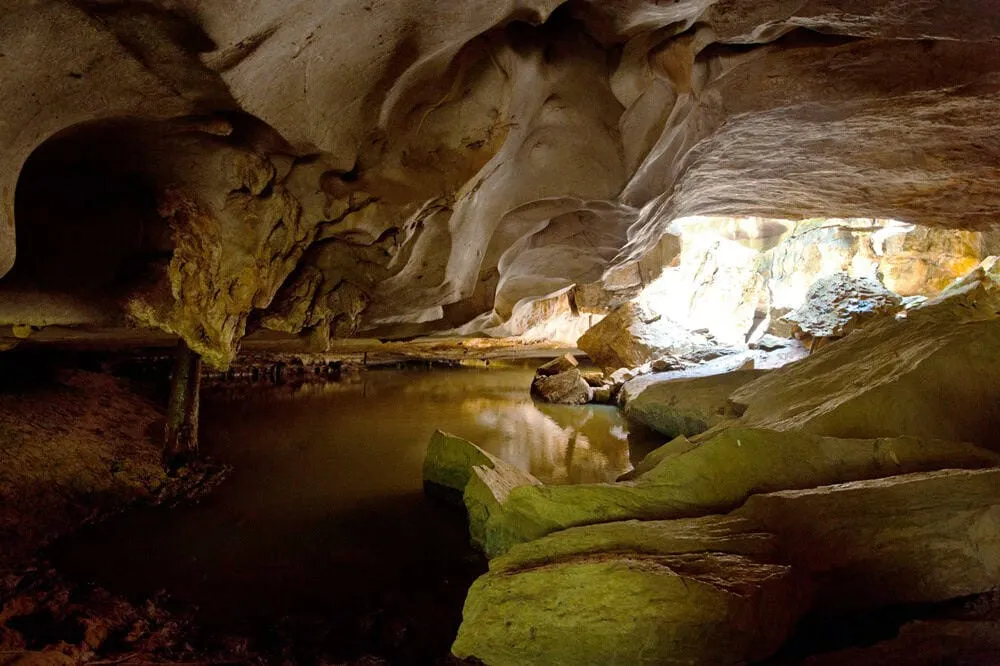
Tham Pha Tha Phon Non-Hunting Area
เขตห้ามล่าสัตว์ป่าถ้ำผาท่าพล

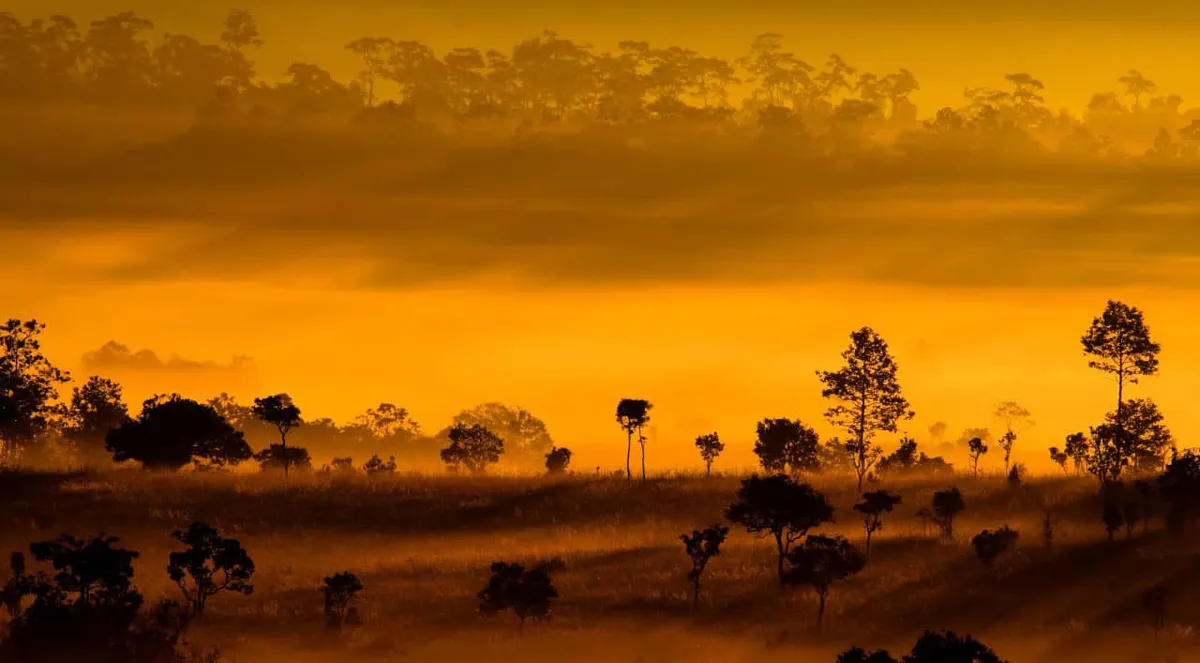
Thung Salaeng Luang National Park
อุทยานแห่งชาติทุ่งแสลงหลวง
Museums, history & heritage
Museums & culture in Phitsanulok

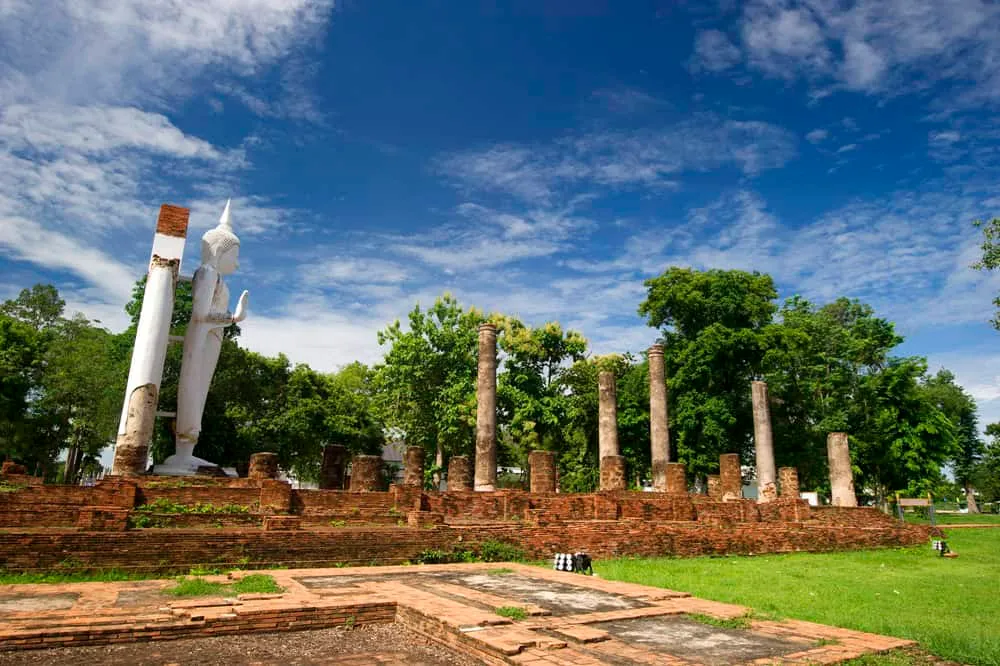
Chan Palace
พระราชวังจันทน์

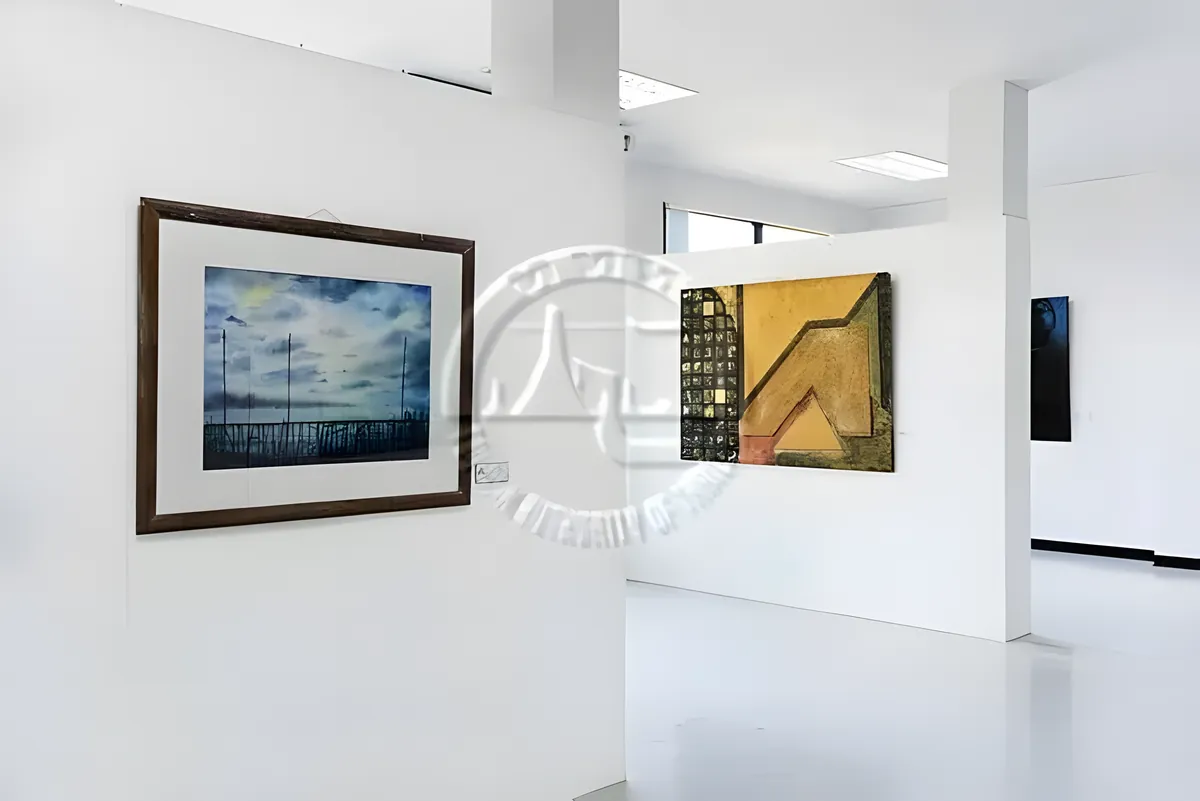
Naresuan University Arts Gallery
หอศิลปและวัฒนธรรมมหาวิทยาลัยนเรศวร

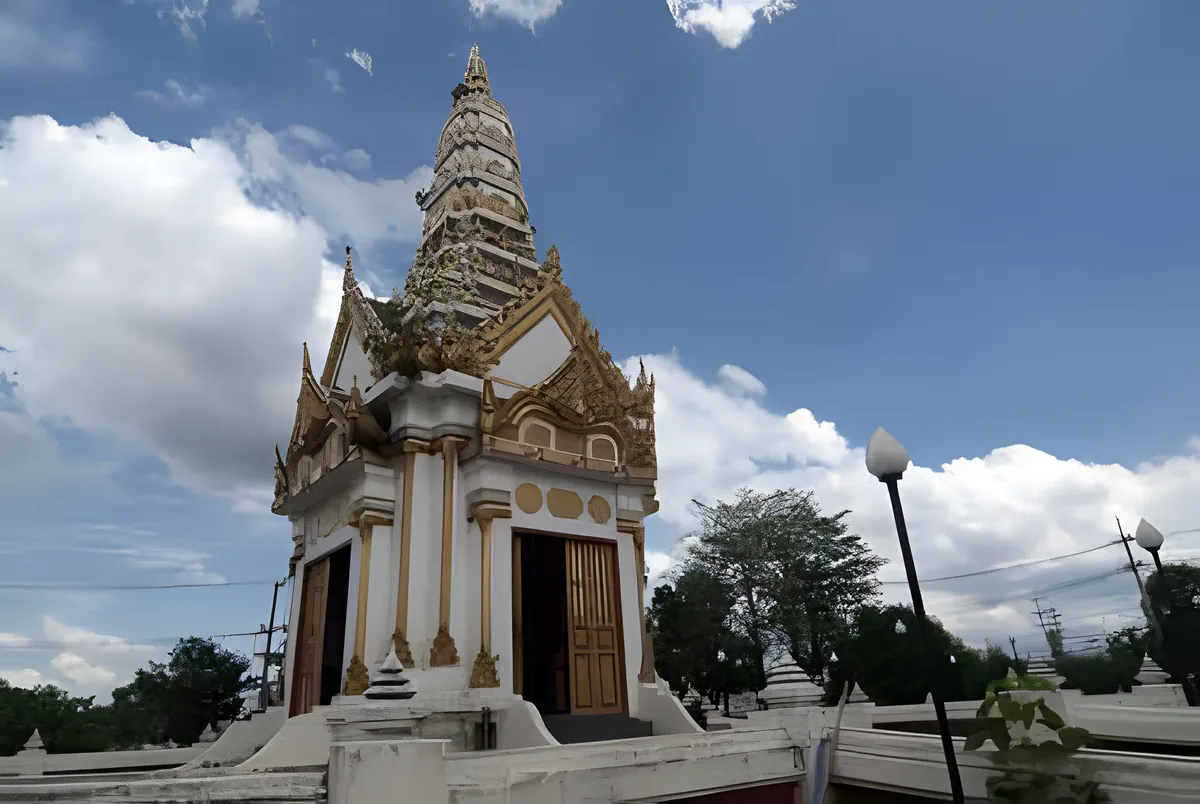
Phitsanulok City Pillar
เสาหลักเมืองพิษณุโลก

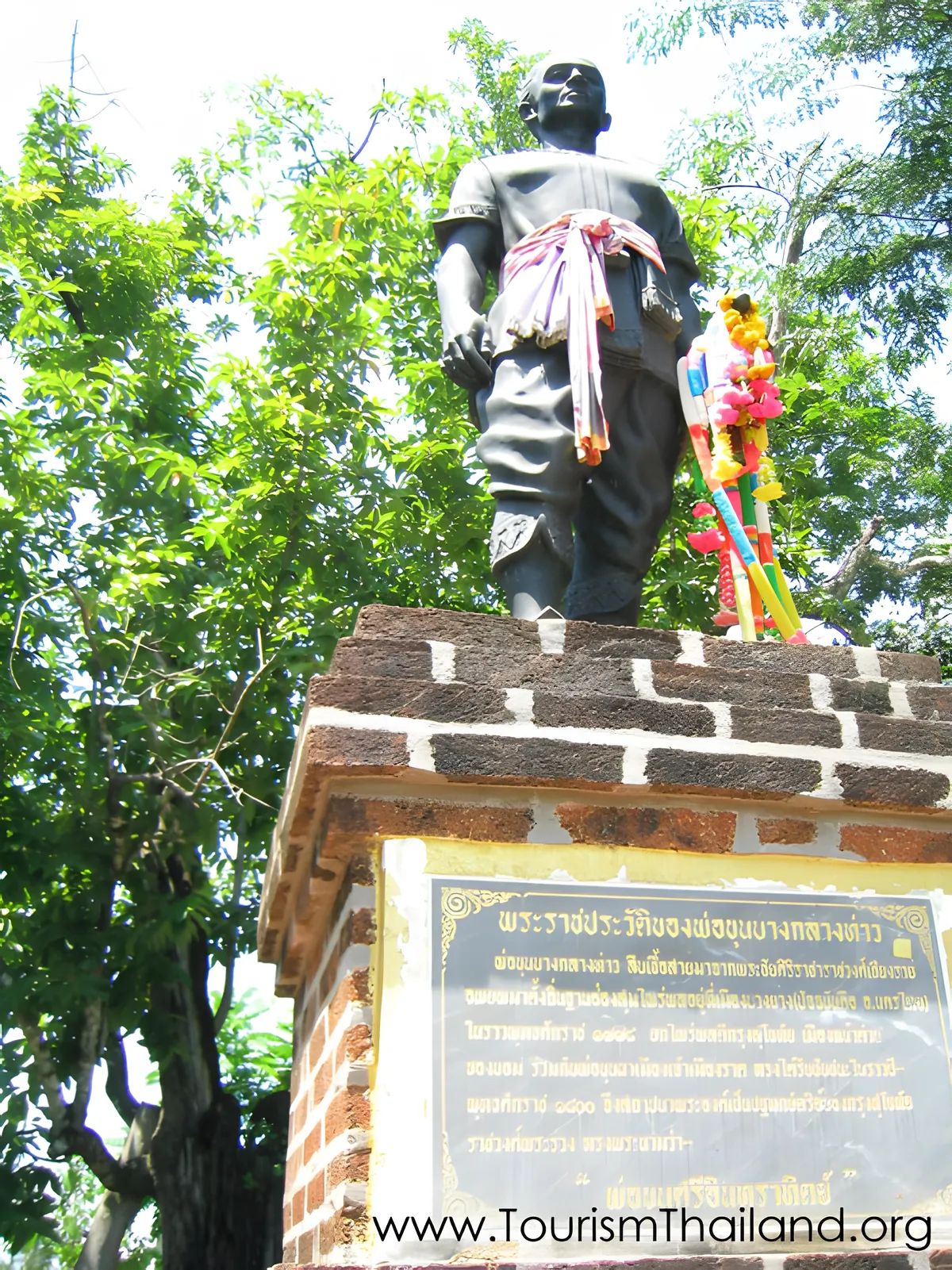
Pho Khun Bang Klang Thao Monument
อนุสาวรีย์พ่อขุนบางกลางท่าว

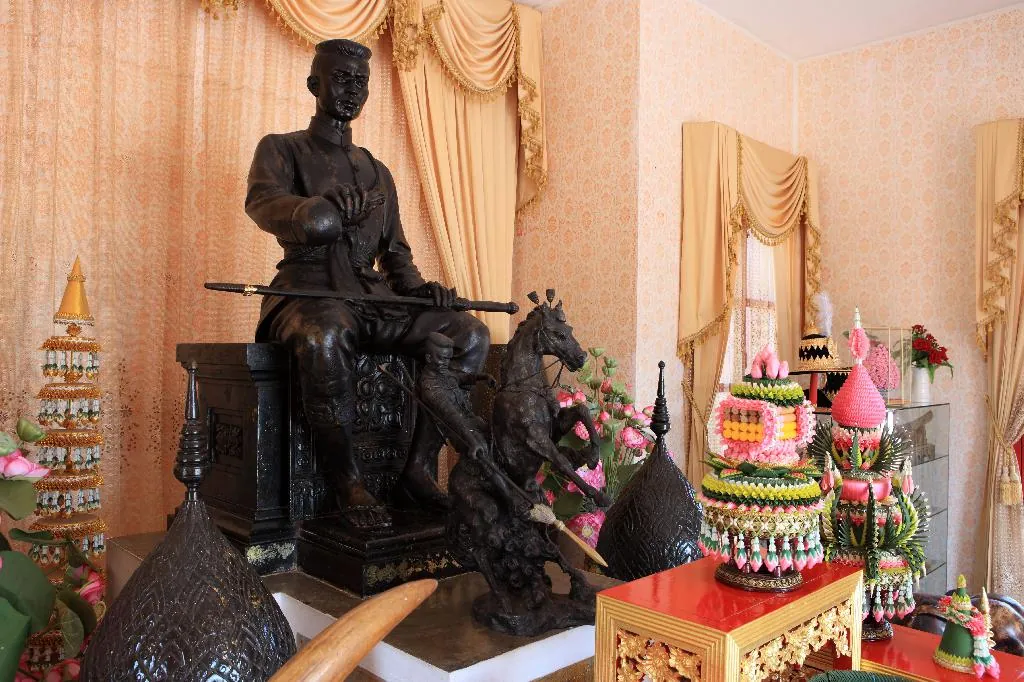
Somdej Phra Naresuan Shrine
ศาลสมเด็จพระนเรศวรมหาราช

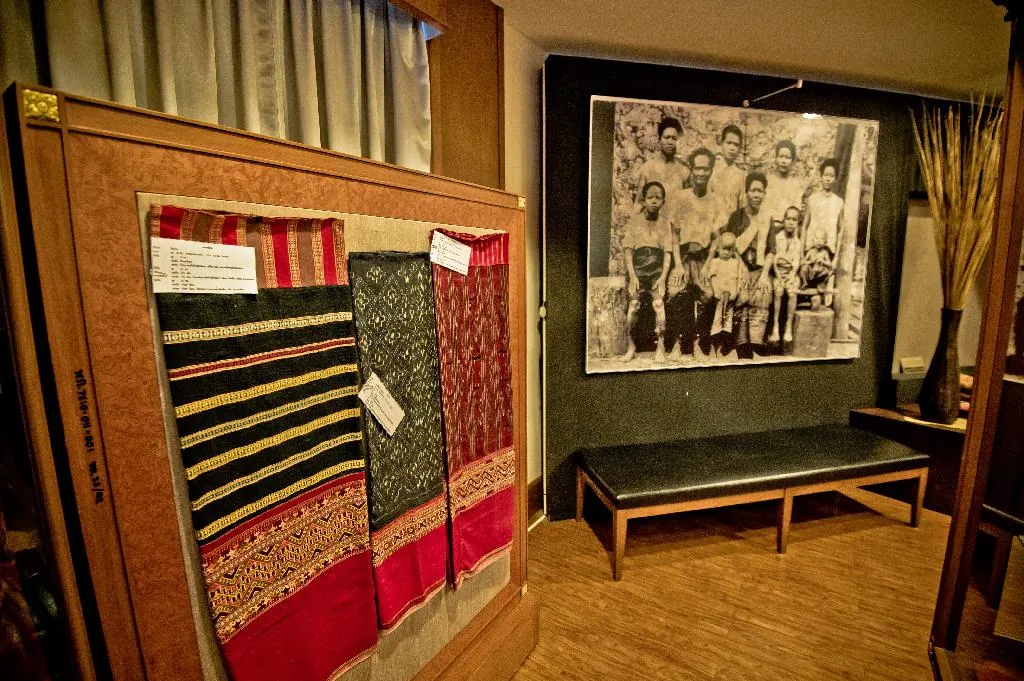
Textile Museum At Naresuan University
พิพิธภัณฑ์ผ้า มหาวิทยาลัยนเรศวร

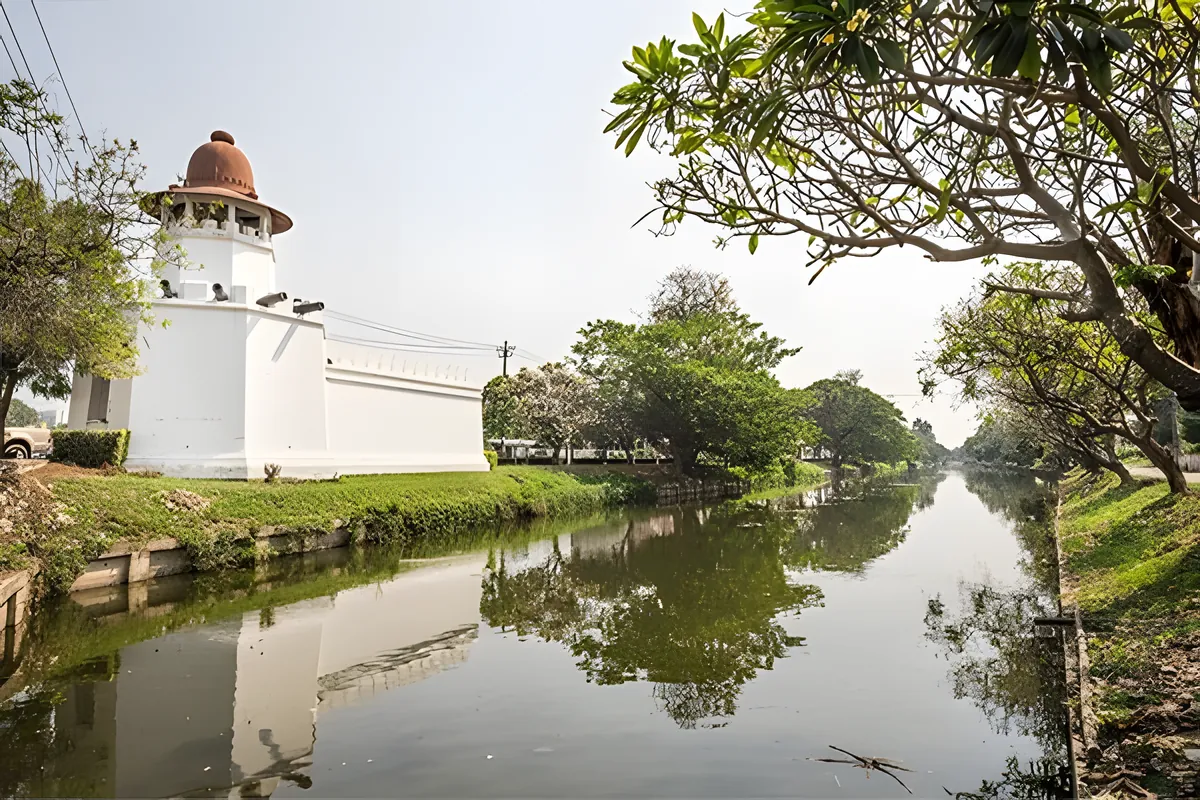
Town Wall And Moat
กำแพงเมืองคูเมือง
Things to do on the map
Tap a pin for details. 30 places in Phitsanulok plotted.
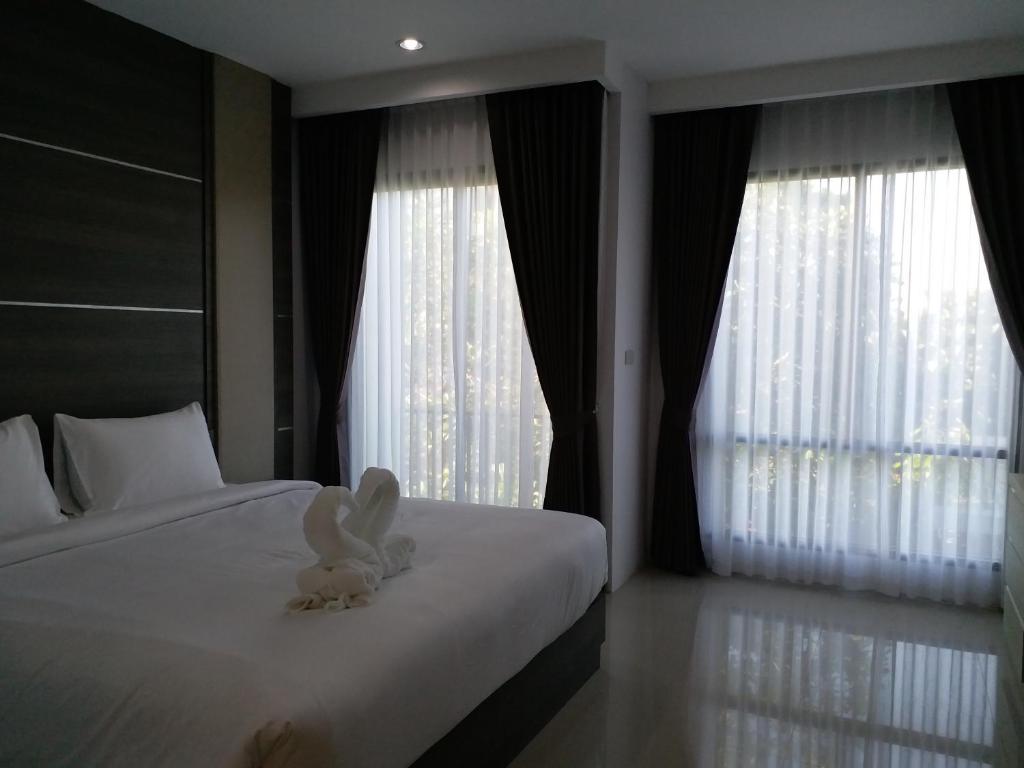
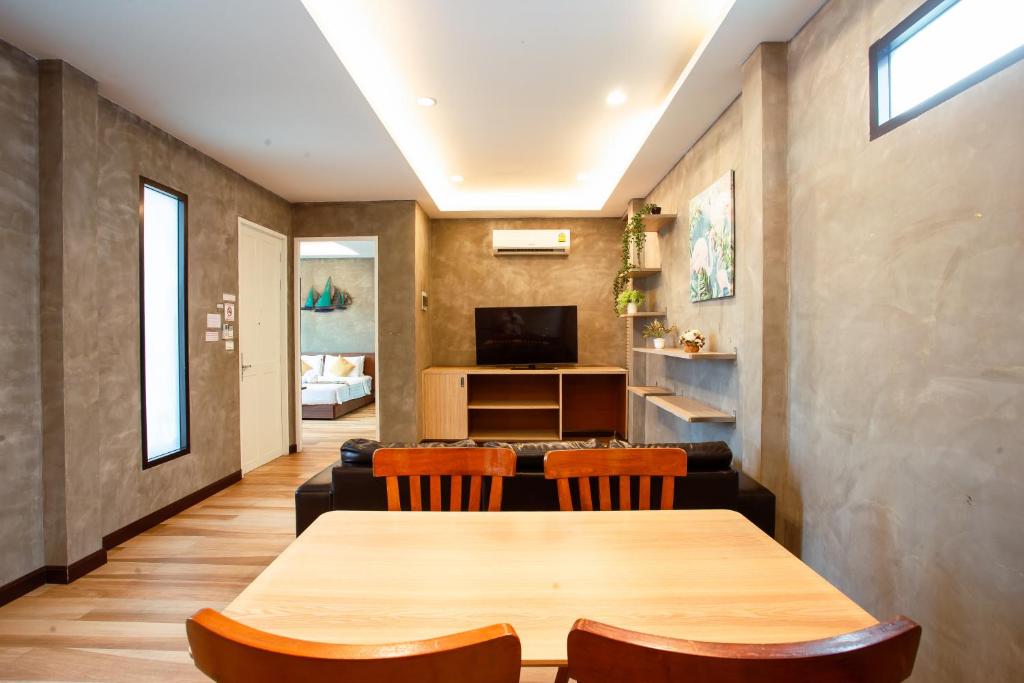
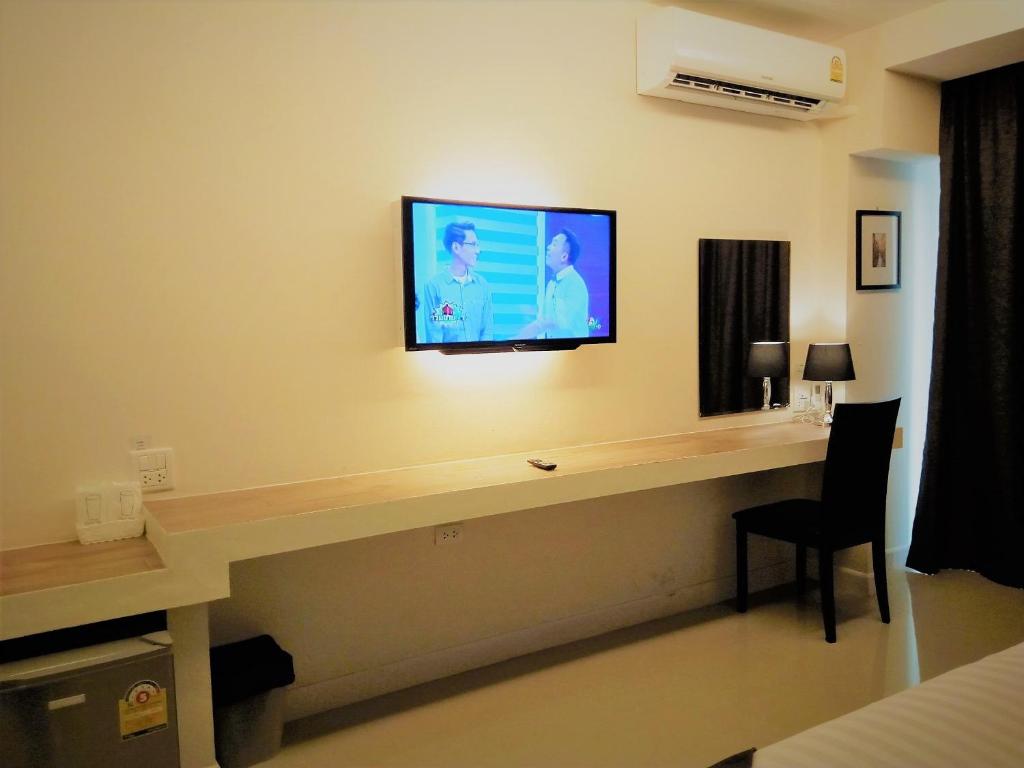
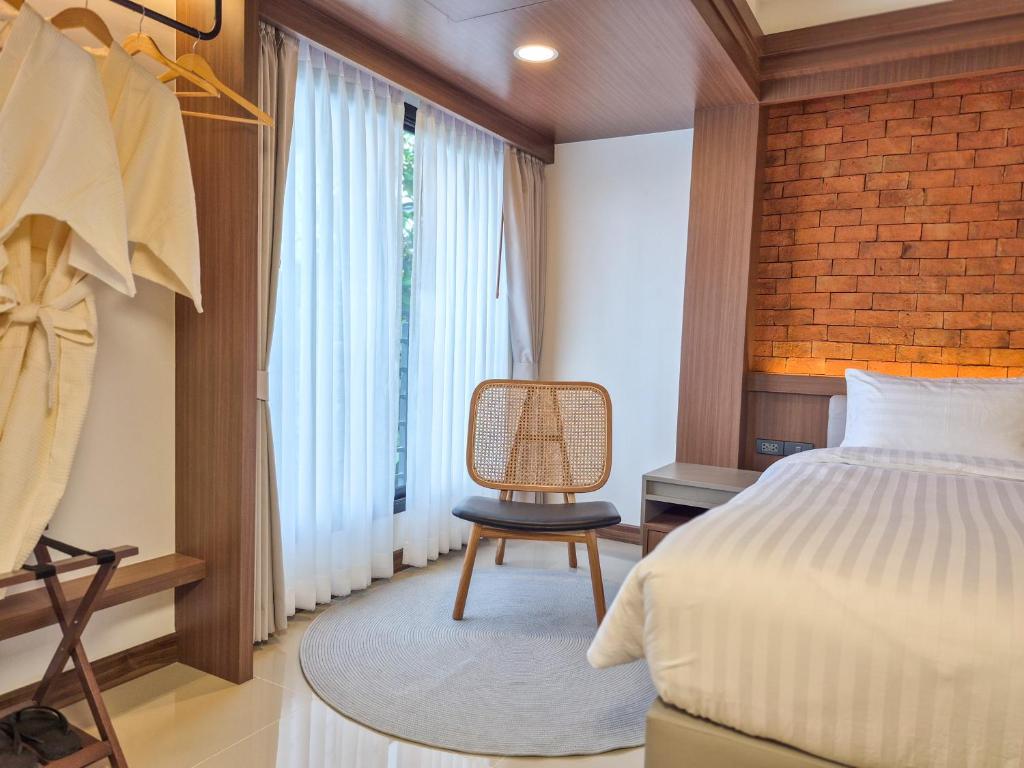
Where to stay in Phitsanulok
When to go
Nov–Feb The coolest, clearest months, comfortable for meditation, temple visits, and cycling around the countryside. Nights can be genuinely cool in December and January.
Mar–Apr Heat and smoke from agricultural burning make outdoor activity uncomfortable. Retreat centres continue their indoor programmes, but air quality can be poor.
Jun–Oct The rainy season brings afternoon downpours but retreat programmes run unchanged. Quieter and cheaper than the cool season; the Nan River and surrounding rice fields look their best.
About Phitsanulok
Last updated June 2026
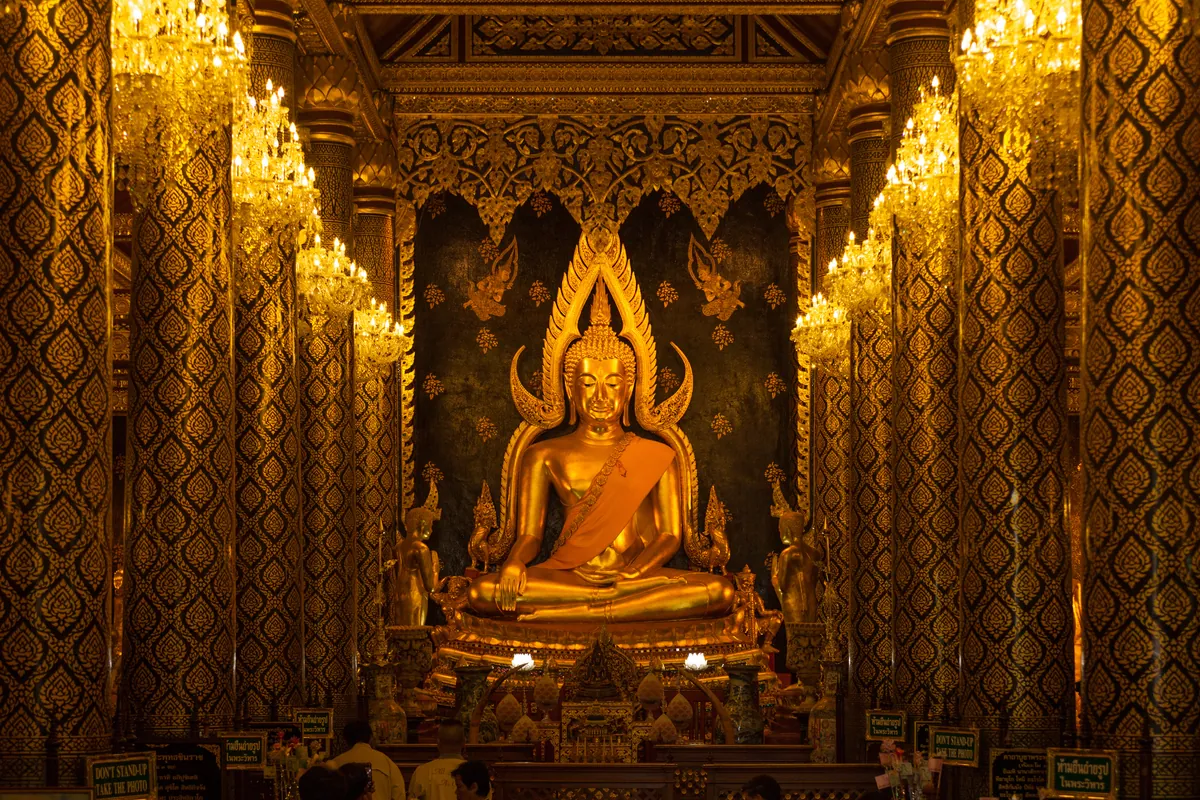
Phitsanulok is a river city on the Nan, about 377 km north of Bangkok, and the best base in Thailand’s lower north for temples, mountain parks and the old capital of Sukhothai. It is the birthplace of King Naresuan the Great, and its biggest draw is the Phra Buddha Chinnarat, a Buddha image housed at Wat Phra Si Rattana Mahathat that Thais rank among the most revered in the country. Most travellers stop one or two nights between Bangkok and Chiang Mai, and the ones who stay longer use it as a hub for Sukhothai and the Phetchabun Mountains.
Top Things to Do
Wat Phra Si Rattana Mahathat. Known simply as Wat Yai, this riverside temple was founded in 1357 and holds the Phra Buddha Chinnarat in its main viharn. Arrive early and the hall is quiet apart from locals making merit. Dress with shoulders and knees covered. See Wat Phra Si Rattana Mahathat (Wat Yai) for hours and the adjoining museum.
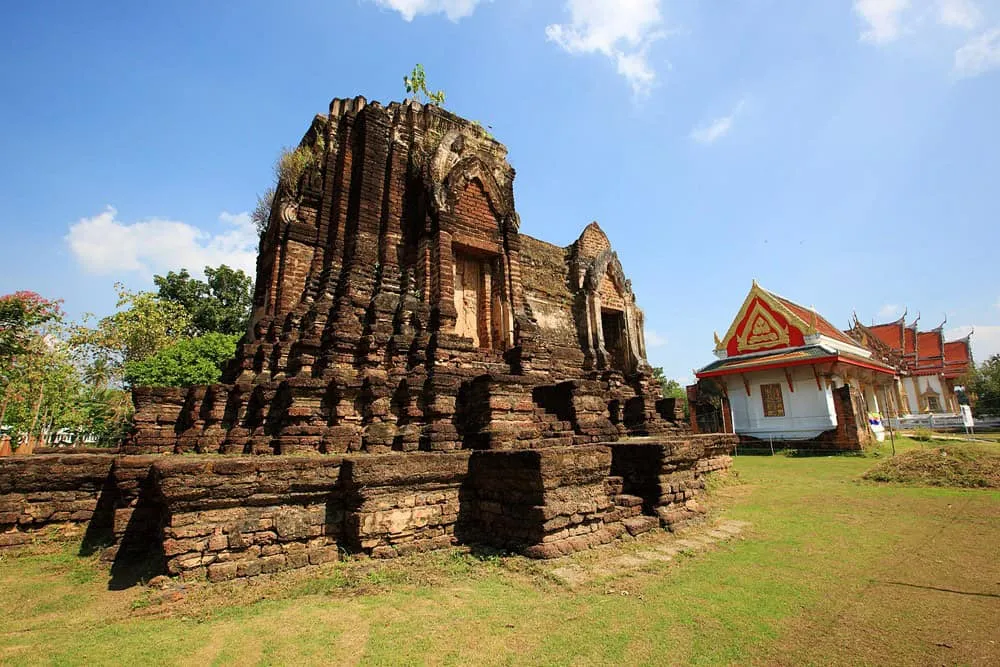
Wat Chula Manee. On the east bank of the Nan, this is the oldest standing temple in the province, with a weathered Khmer-style laterite prang beside a working modern viharn. It pairs well with Chan Palace, where Naresuan was born, and Somdej Phra Naresuan Shrine. Full details are on the Wat Chulamani page.
Sergeant Major Thawee Folk Museum. A private collection of rural Thai tools, textiles and household objects across five traditional buildings, with Thai and English labels. A bronze Buddha foundry stands almost opposite, so most people see both. Details are at Sgt. Maj. Thawee Folk Museum.
The Nan river and night bazaar. Houseboats line the river, and the Phitsanulok night bazaar runs along the Nan riverbank in the evening with clothes, snacks and grilled food. Go hungry and walk it end to end.
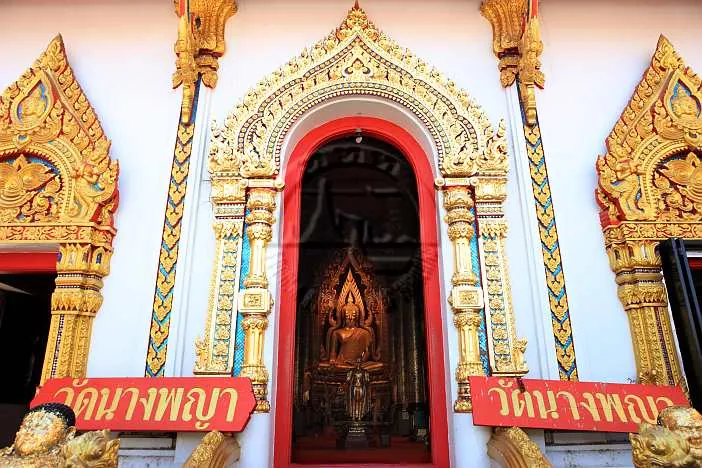
More temples and sights. Wat Nang Phaya, Wat Ratchaburana and the Town Wall and Moat fill an easy half day on a bicycle or by tuk-tuk.
National parks and waterfalls
Phu Hin Rong Kla National Park sits about 80 km east of the city in the Phetchabun Mountains. Between 1968 and 1972 it was a base for communist insurgents fighting the Thai army, and the old camp sites, cliff viewpoints and the broken rock field of Lan Hin Taek are the reasons to go. The park is noticeably cooler than the city.
Thung Salaeng Luang National Park covers about 1,262 square km across Phitsanulok and Phetchabun, with a grassland plateau of roughly 10 square km. Namtok Kaeng Sopha, a tiered waterfall on the Wang Thong River, lies off Highway 12 and is the easiest of the parks’ sights to reach.
Insider Tip: Phu Hin Rong Kla and Thung Salaeng Luang are too far apart to do well on the same day. Pick one, start by 8:00, and keep the other for a second morning.
Day trip to Sukhothai
Sukhothai Historical Park is about 60 km west of Phitsanulok. A car takes roughly 50 minutes and buses about 1.5 hours. The park closes at 18:00, so leave in the morning and hire a bicycle or tuk-tuk inside. See the Sukhothai guide for the full picture.
Where to Stay
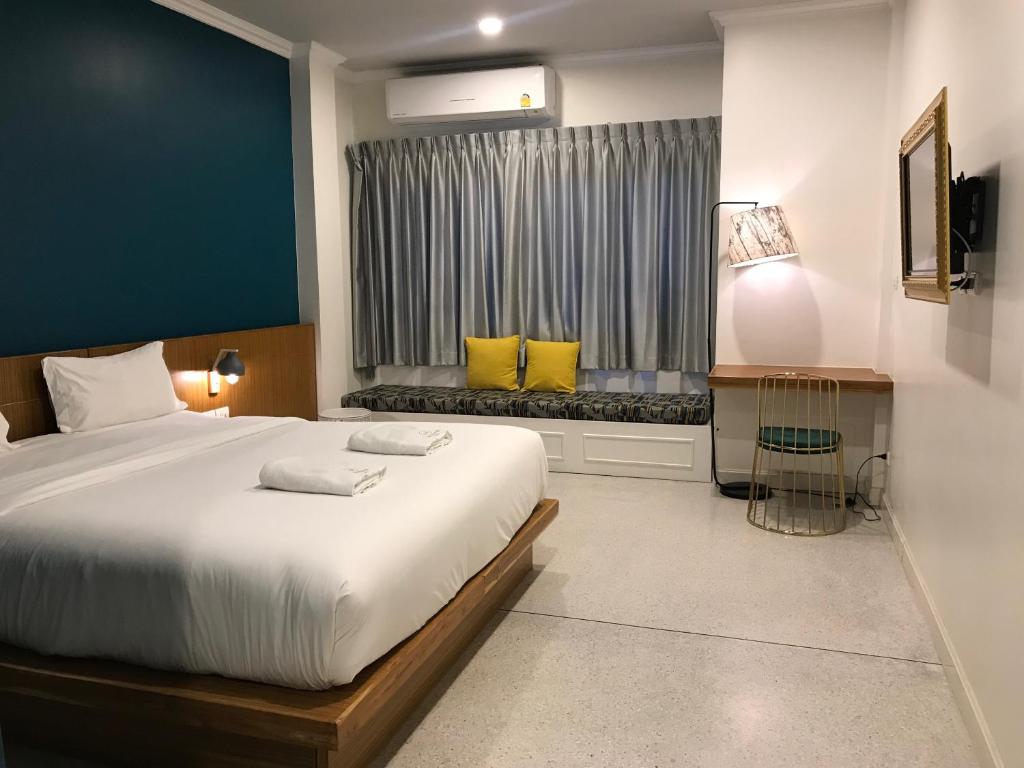
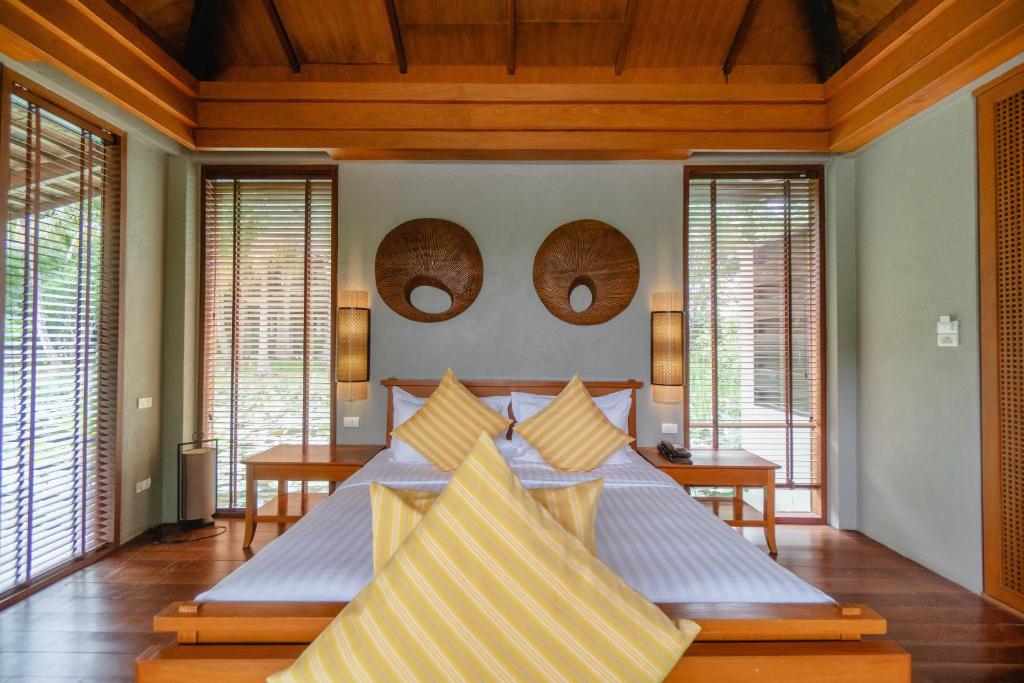
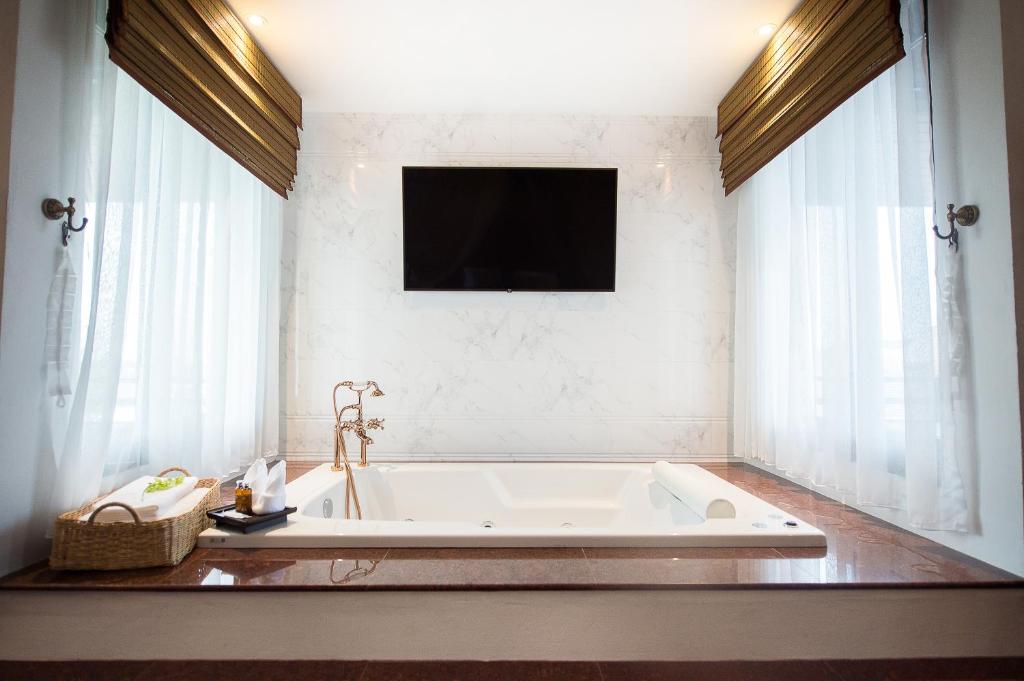
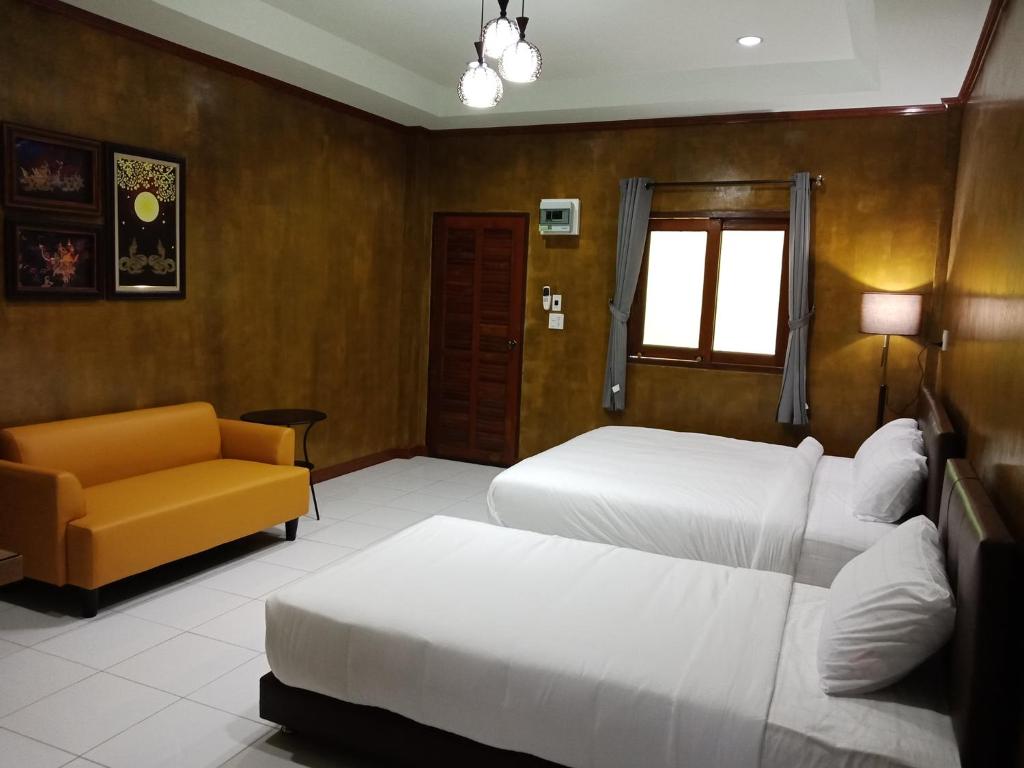
Hotels and guesthouses cluster near the railway station, the Nan riverfront and Wat Yai. The riverfront is the pleasant choice for evening walks, while the station area suits early trains and onward buses. Check current options on Booking.com or Agoda.
Getting There
Phitsanulok sits on the Northern Line between Bangkok and Chiang Mai. Trains from Bangkok take roughly 4 to 6 hours depending on the service, and the fastest express takes around 4 hours 20 minutes. The city also has an airport with several daily flights to Bangkok, and buses link it to Bangkok, Chiang Mai, Sukhothai and the surrounding provinces.
Within the city, tuk-tuks, songthaews (shared pickup trucks) and bicycles cover the central sights. For the national parks, rent a car or hire a driver for the day, since public transport out to them is limited.
Best Time to Visit
November to February is the most comfortable period: dry, clear and cooler, with nights that can feel genuinely cool in December and January, and Phu Hin Rong Kla cooler still. March and April are very hot and can be smoky from agricultural burning, which makes the parks less appealing. June to October is the rainy season. Showers usually come in the afternoon and the countryside turns green.
Retreats
Phitsanulok also has a small retreat scene, with 7 centres offering meditation and wellness programmes. If that is your reason for coming, contact the centre first to confirm English-language instruction and whether day programmes are offered.
Practical Tips
ATMs are easy to find in the city centre, but carry cash for the parks, temple donations and market stalls. Temples require covered shoulders and knees. Evenings by the river are the best time to eat, and the night bazaar is the simplest way to sample local street food.