
Tham Pha Tha Phon Non-Hunting Area
เขตห้ามล่าสัตว์ป่าถ้ำผาท่าพล
Tham Pha Tha Phon Non-Hunting Area protects a roughly 1,775-rai limestone hill in Noen Maprang district riddled with at least 11 caves, some holding 360-million-year-old marine fossils from when this stretch of Phitsanulok sat under a Paleozoic sea. It is not a wildlife rescue centre — the “wildlife” in its name refers to a Department of National Parks non-hunting designation, not a facility with enclosures. Its best-known resident is the Assamese macaque, a monkey rare enough elsewhere in Thailand that this may be the easiest place in the country to see one in the wild. Entry is free.
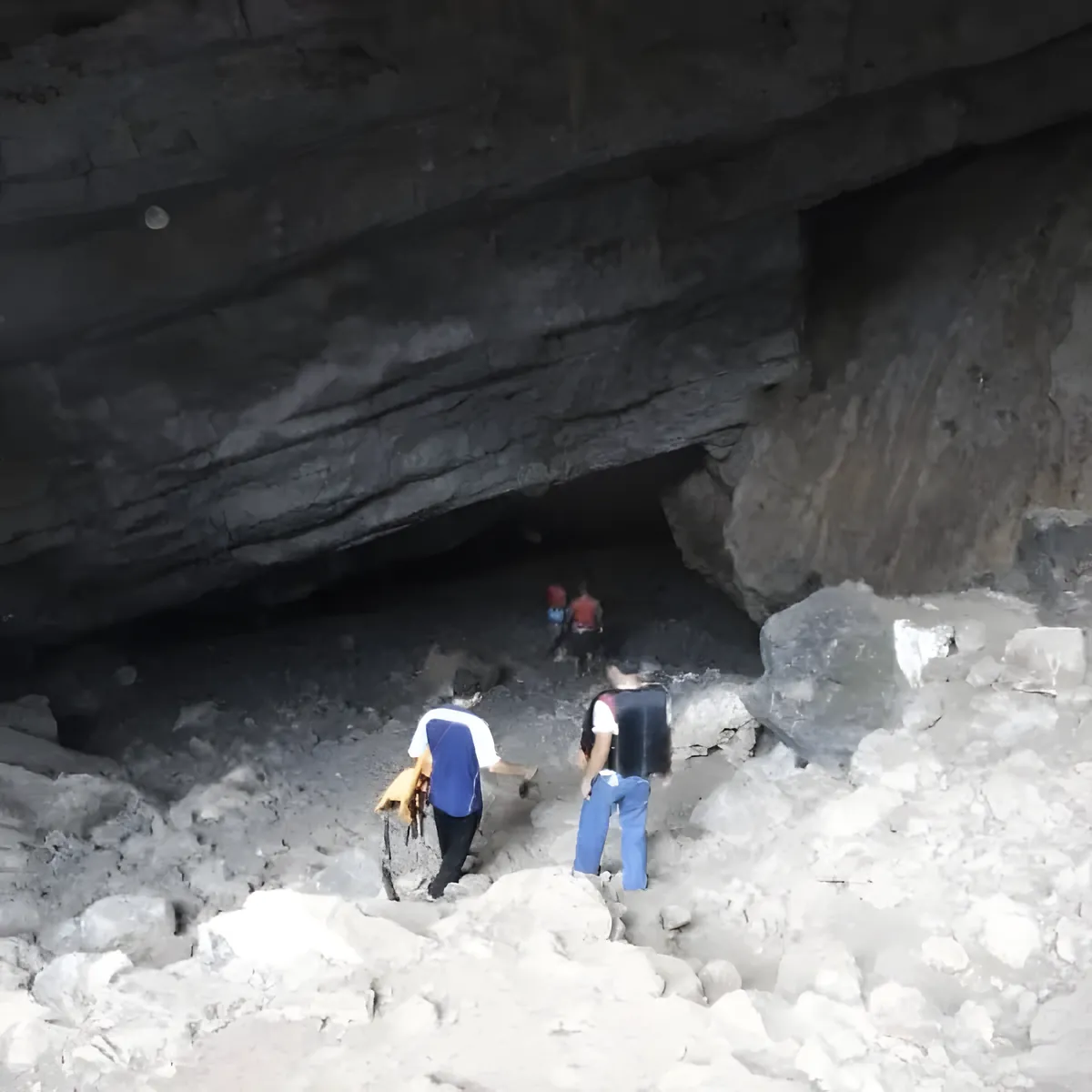
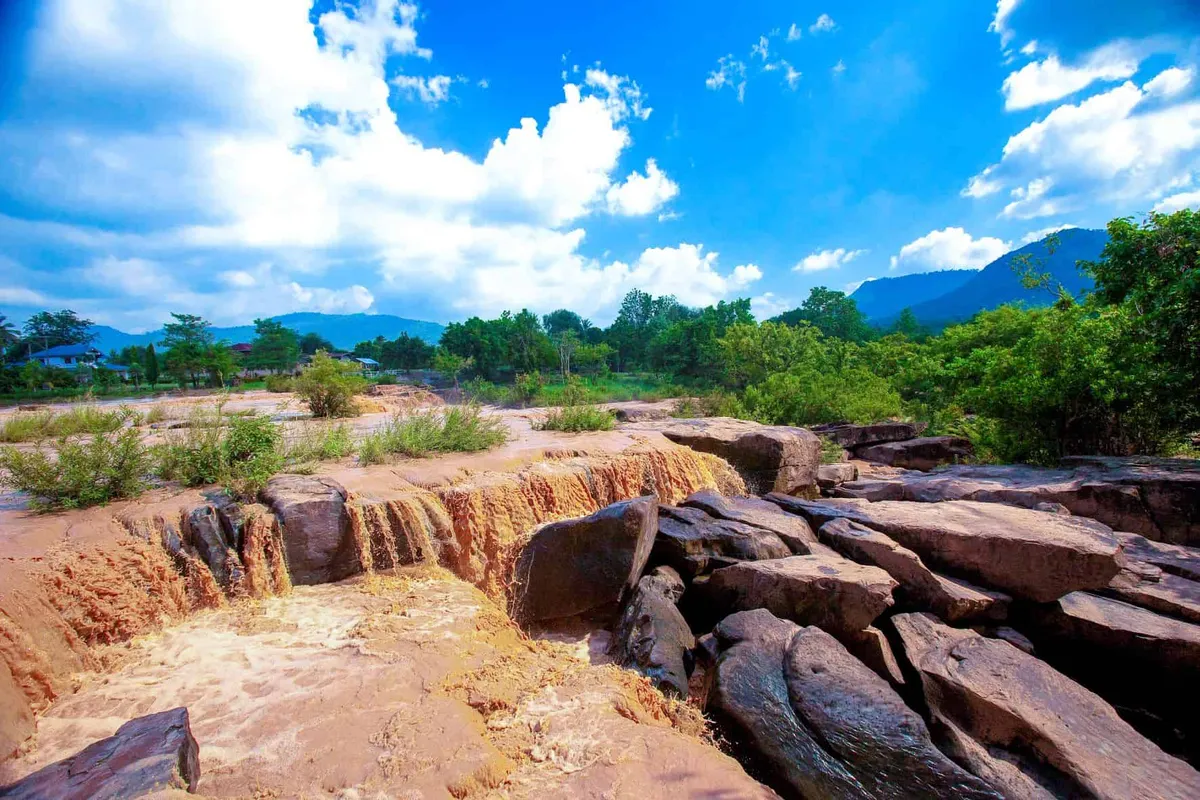
Four caves draw most visitors. Tham Ruea, the longest at around 1,400 metres, takes its name from a boat-shaped pattern worn into its ceiling by repeated flooding — two streams run through it, and high water can close it during the rainy season. Tham Naresuan, named for the king who is said to have passed through the area, runs about 364 metres through a tighter, lower-oxygen passage; visitor groups are typically capped at around ten people, and some sections require crawling. Tham Pha Daeng shelters two of the reserve’s bat species and has turned up prehistoric pottery and stone flakes in archaeological surveys. Tham Lot is the most straightforward of the four — a walkable tunnel cave with a year-round stream, a small monastery inside, and troops of macaques around its entrances.
Wildlife here is wild, not managed. Assamese macaques are often visible near the site office, climbing trees and cliff faces rather than sitting in an enclosure. Bats emerge from the caves in large numbers around sunset, and the reserve is also home to snakes, including king cobras — reason enough to stay on marked paths and never explore a cave alone.
No fixed opening hours are officially published, so plan for a daylight visit and bring your own flashlight, since the caves have no lighting. Group visits to the caves are best arranged ahead of time through the site office rather than turning up unannounced. There’s no public transport out here — the reserve sits roughly 85km from Phitsanulok city, and the last stretch of road is partly unpaved, tricky in a saloon car during the rains. Pair it with Star and Moon Cave, another Noen Maprang cave attraction nearby, within Phitsanulok province.
Insider Tip: Tham Ruea is easiest to explore in the dry season, when water levels inside drop — high water from the rains can close it off entirely.
Watch out: Tham Naresuan involves crawling through a low, oxygen-limited passage with groups capped around ten people. Skip it if you’re claustrophobic, and don’t attempt any of these caves solo.
- Area: About 1,775 rai (284 hectares) of protected limestone hill
- Caves: 11+, including Tham Ruea (~1,400m) and Tham Naresuan (~364m)
- Wildlife: Assamese macaques, insectivorous bats, cave-dwelling snakes
- Entry: Free
- Bring: A flashlight — most caves are unlit
Location & Directions
Mu 6
Phitsanulok, Thailand
Show your taxi or Grab driver
เขตห้ามล่าสัตว์ป่าถ้ำผาท่าพล
Frequently Asked Questions
Is this a wildlife rescue centre or zoo
Is it free to visit
What are the opening hours
What caves can I visit here
How do I get there from Phitsanulok city
Spotted something out of date or incorrect? Let us know
Stay Near Tham Pha Tha Phon Non-Hunting Area
Compare places to stay in Phitsanulok, or open the map for options closest to the attraction.