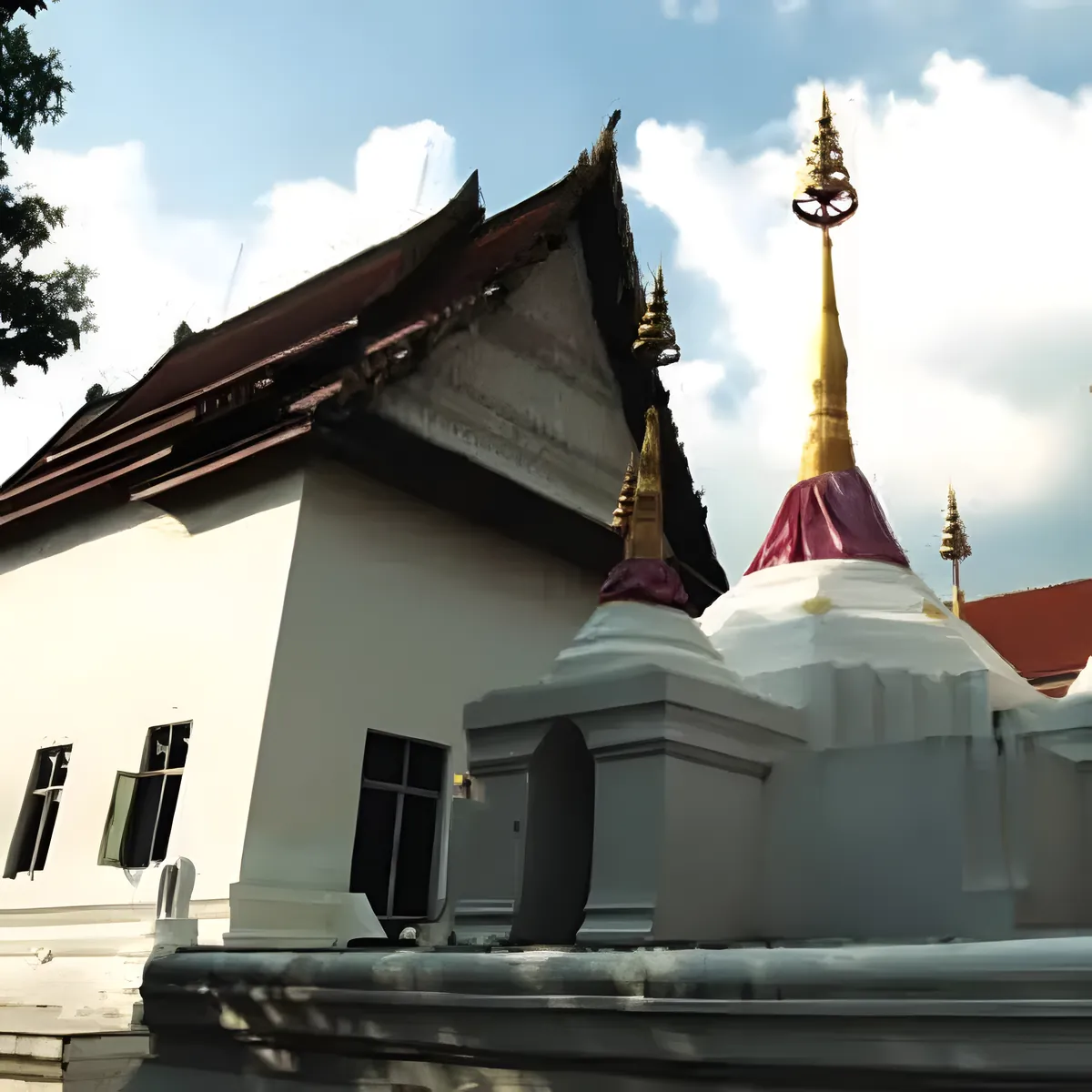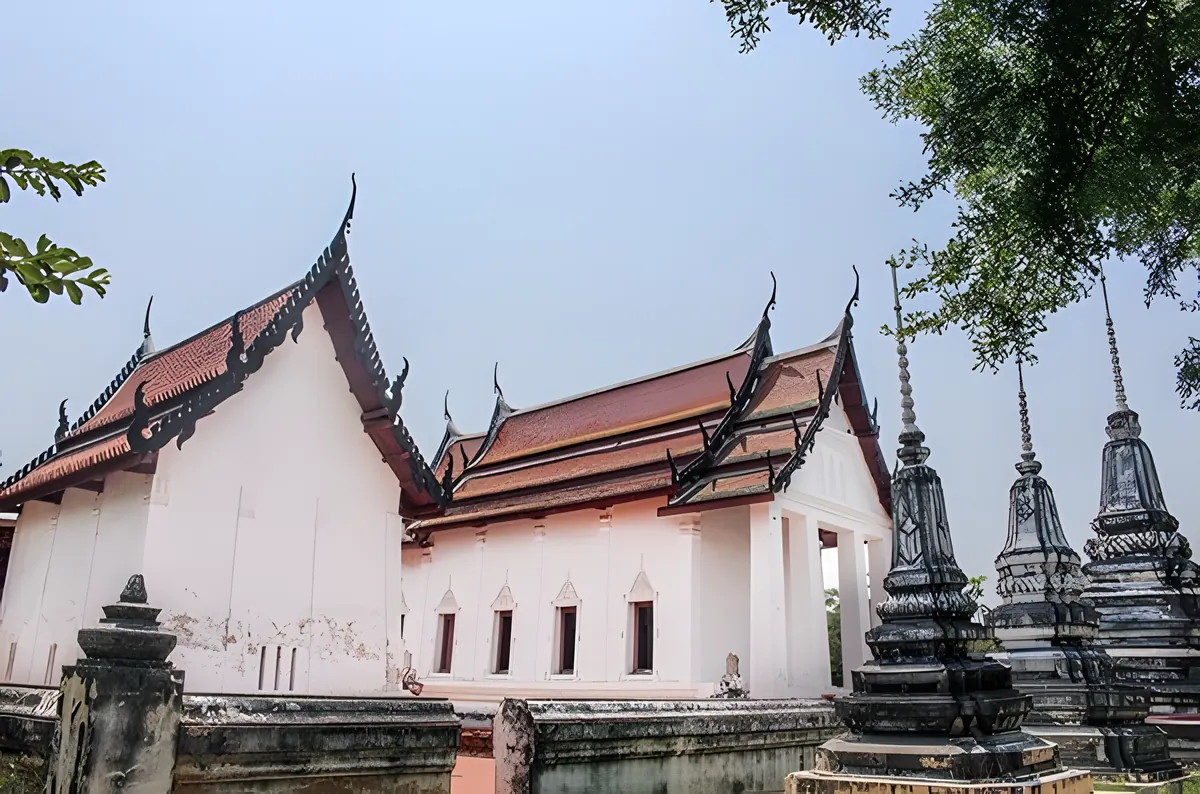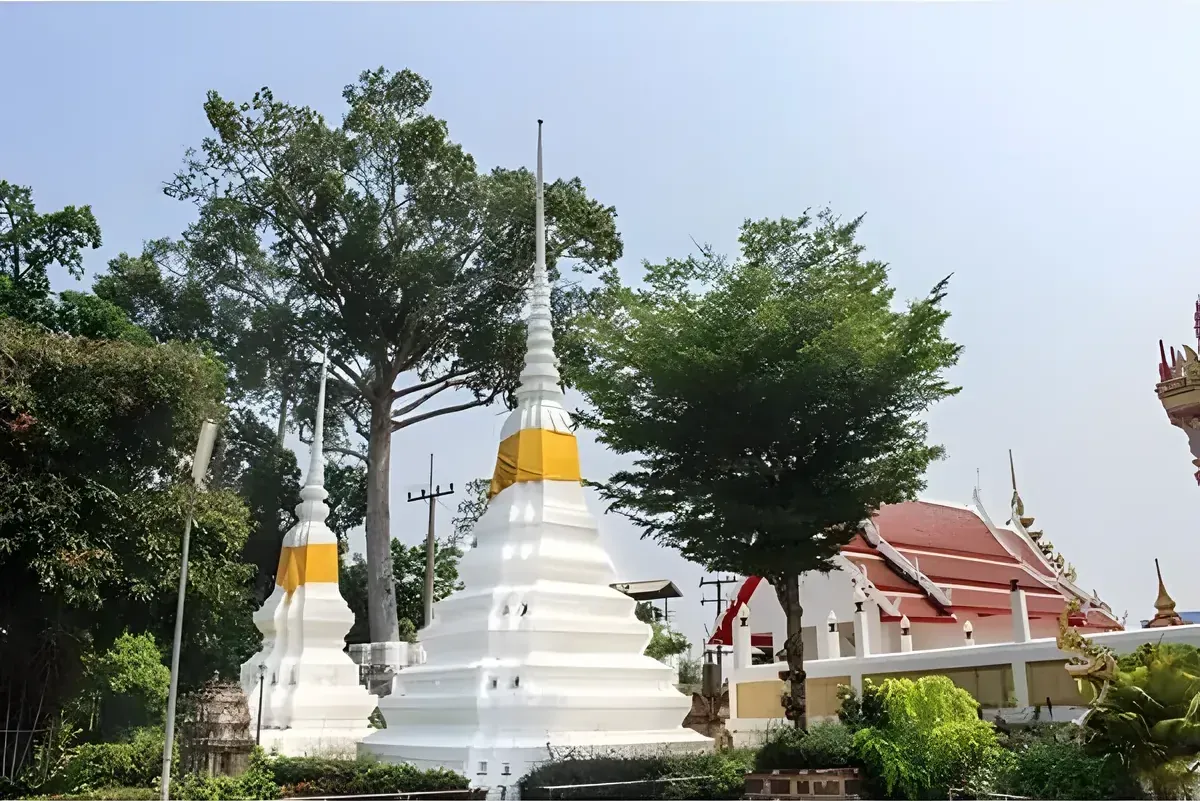




Wat Bot occupies the east bank of the Chao Phraya River in Ban Klang, Pathum Thani, a temple founded in 1621 by Mon families who had fled the fall of Hongsawadi (Hanthawaddy, in present-day Myanmar). They named it Wat Soi Nang Hong after the village they’d left, and raised a hong — a mythical swan, symbol of the old Mon capital — as a pillar marker on the grounds. Entry is free, and the grounds are open daily from 07:00 to 17:00.
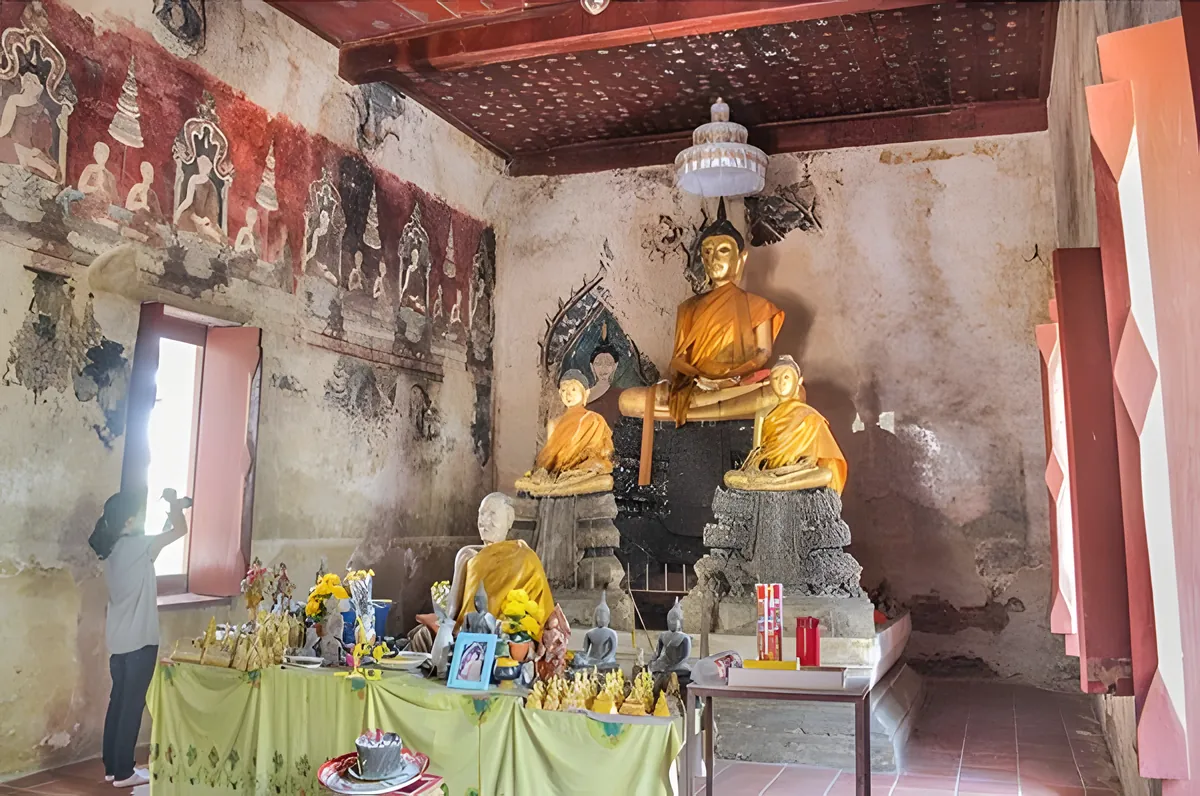
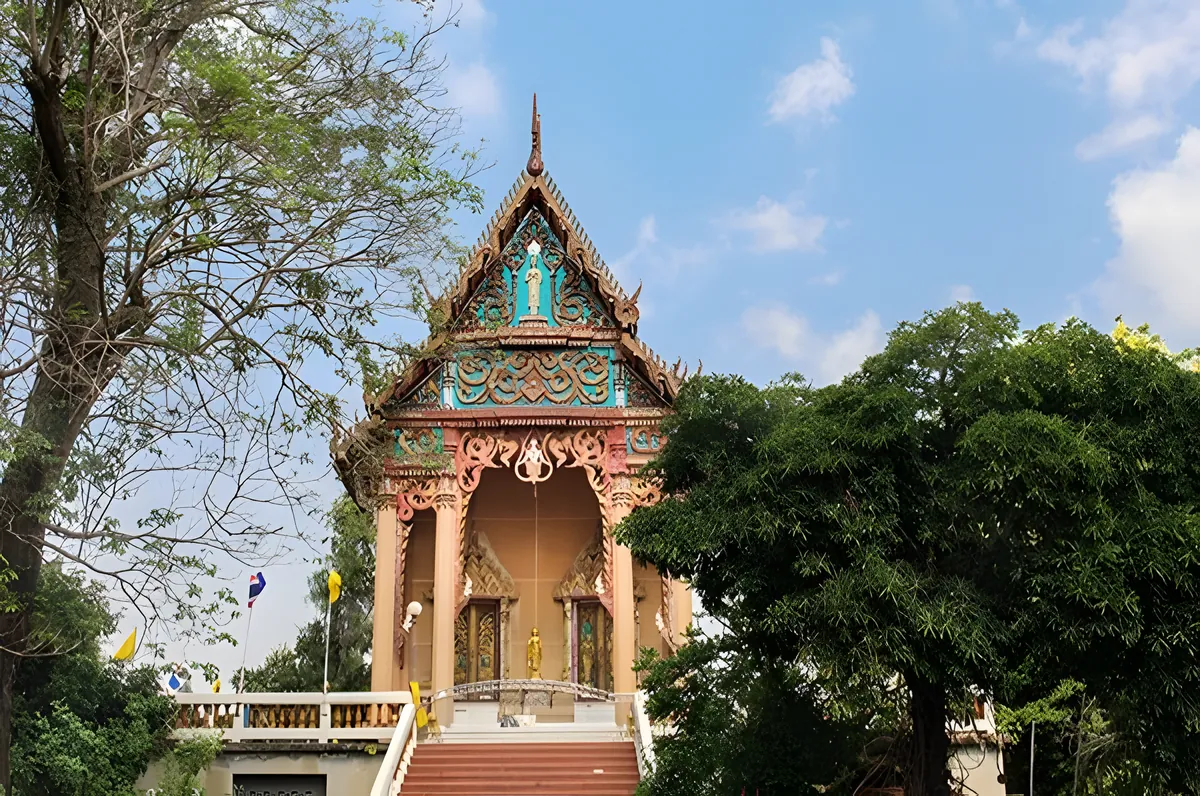
The temple’s real draw for Thai visitors is Luang Pu Thian, the monk who led Wat Bot for six decades. Born in 1876 in neighbouring Sam Khok district, he ordained at 21 in 1896, was made abbot in 1905, and was elevated to the royal clerical title Phra Khru Bowon Thammakit in 1938. He died in 1966 at 89, after 70 years in robes — a tenure locals still talk about. His amulets, cast during his lifetime and after, are traded and sought out by collectors well beyond Pathum Thani. The old ubosot where he presided is more than a century old, its teak frame darkened by decades of incense smoke and gold-leaf offerings pressed onto the door frames.
Morning is when Wat Bot feels most alive: monks make their alms rounds through Ban Klang’s lanes before returning to chant inside the ordination hall, and locals arrive with garlands, candles, and gold leaf to pay respects at the memorial hall built for Luang Pu Thian. Weekday afternoons run near-silent — a couple of resident monks sweeping the courtyard, the occasional slap of a long-tail boat passing on the river. Wan phra (Buddhist holy days) and weekends bring more visitors, almost all Thai families rather than foreign tour groups, which keeps the pace unhurried even when the car park fills up.
Pathum Thani’s east-bank temples get a fraction of the visitors that Bangkok’s riverside wats do, and Wat Bot is a good example of why that’s worth correcting: it’s a working parish temple with a genuine local following rather than a stop built for tour buses, so there’s no entry gate, no souvenir stalls, and no fixed route through the grounds. That also means fewer amenities — bring water, since there’s no on-site shop, and don’t expect English signage beyond the temple’s name at the entrance.
Insider Tip: Ask a temple volunteer to point you to the Luang Pu Thian memorial hall — it’s a separate, smaller building from the main ubosot and easy to walk past without noticing. Wat Bot sits off the main riverside road on the Chao Phraya’s east side; there’s no direct bus route to the gate, so a car or motorbike taxi from Pathum Thani town centre is the practical way in.
- Founded: 1621, originally named Wat Soi Nang Hong
- Entry fee: Free
- Hours: Daily 07:00-17:00
- Notable monk: Luang Pu Thian (1876-1966), abbot from 1905
- Location: Ban Klang, Mueang Pathum Thani, on the Chao Phraya’s east bank
Location & Directions
96 Moo 5
Pathum Thani, Thailand
Show your taxi or Grab driver
วัดโบสถ์
Within Walking Distance



Frequently Asked Questions
Is Wat Bot free to visit?
Who was Luang Pu Thian?
What was Wat Bot's original name?
How do I get to Wat Bot from central Pathum Thani?
What should I wear to visit?
Spotted something out of date or incorrect? Let us know
Stay Near Wat Bot
Compare places to stay in Pathum Thani, or open the map for options closest to the attraction.