




Wat Chedi Hoi
วัดเจดีย์หอย
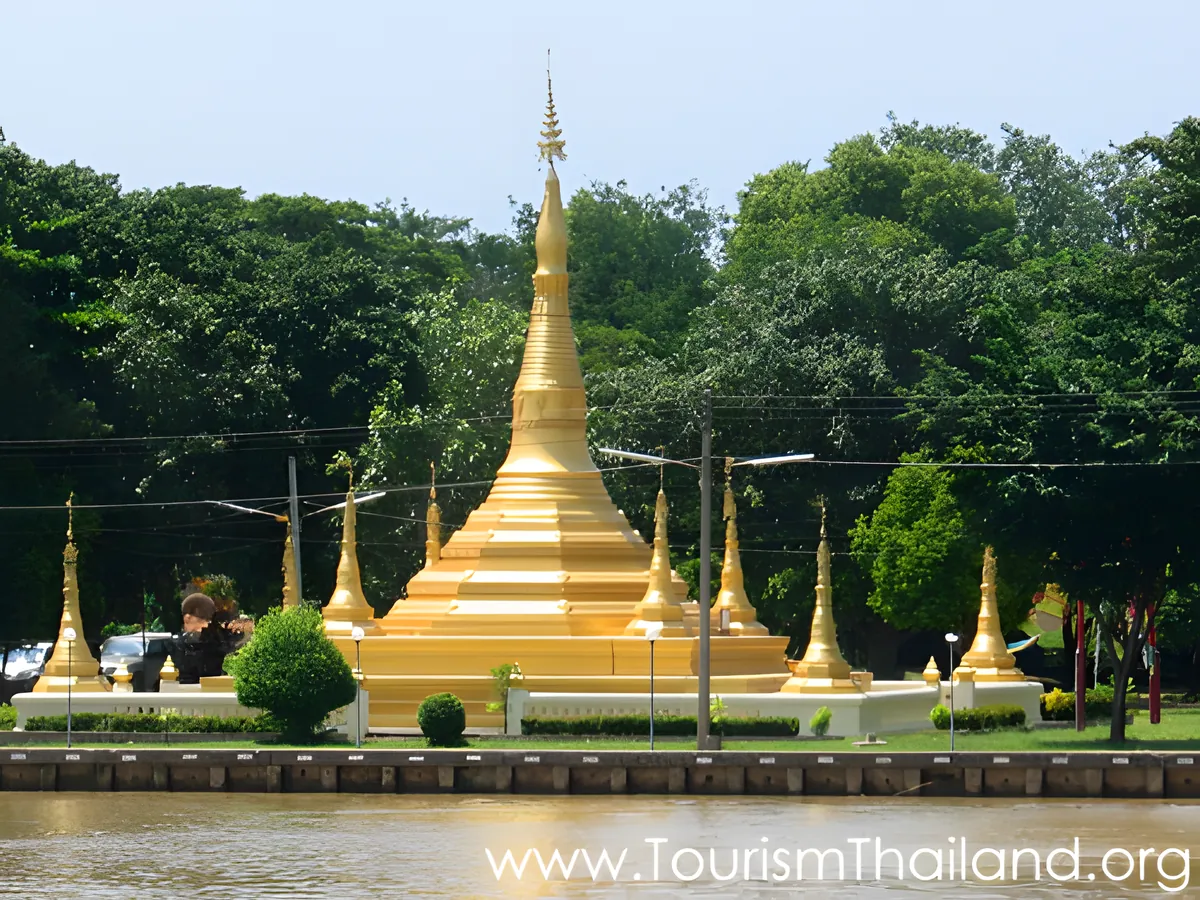
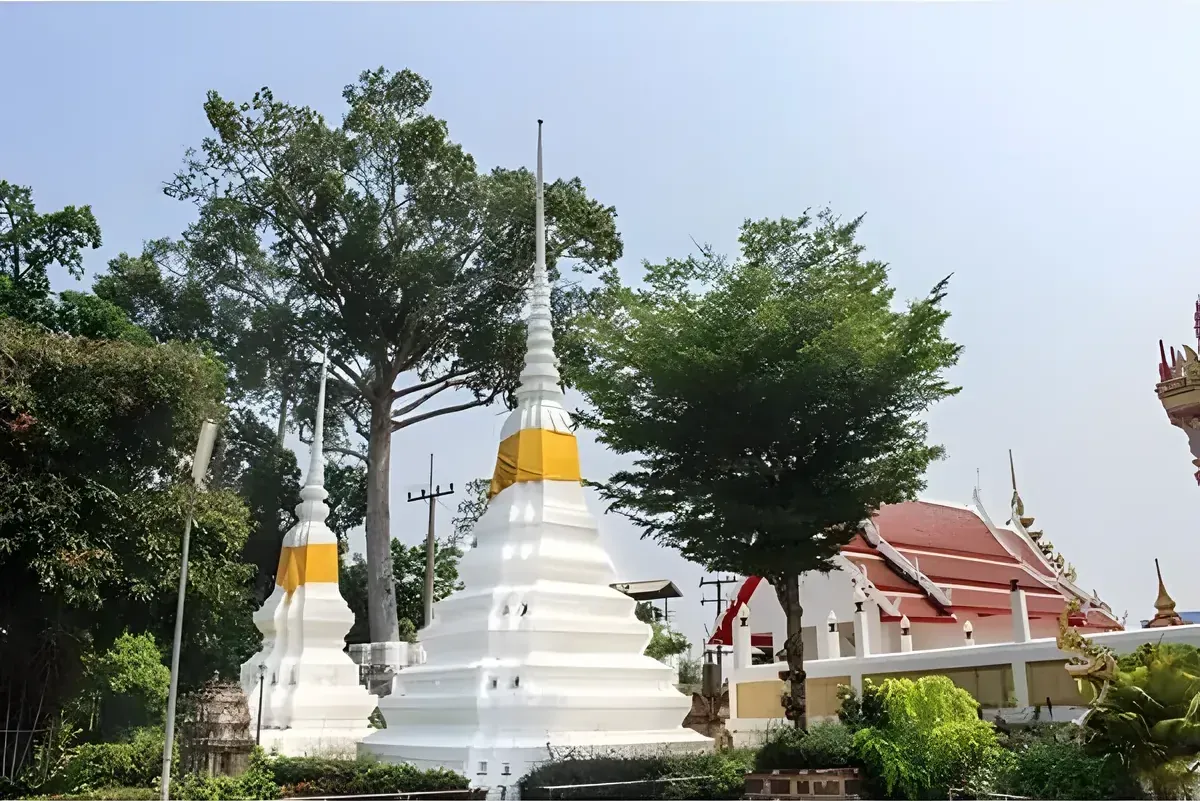
Wat Chedi Hoi’s stupa is built from millions of fossilised oyster shell fragments, unearthed on this site in Pathum Thani’s Lat Lum Kaeo district when the temple’s founders began digging its foundations. The shells date to when this stretch of the province lay under an ancient sea, and the resulting chedi — layered with shell fragments rather than plain stucco — is the reason people drive out from Bangkok for what would otherwise be an ordinary neighbourhood temple.
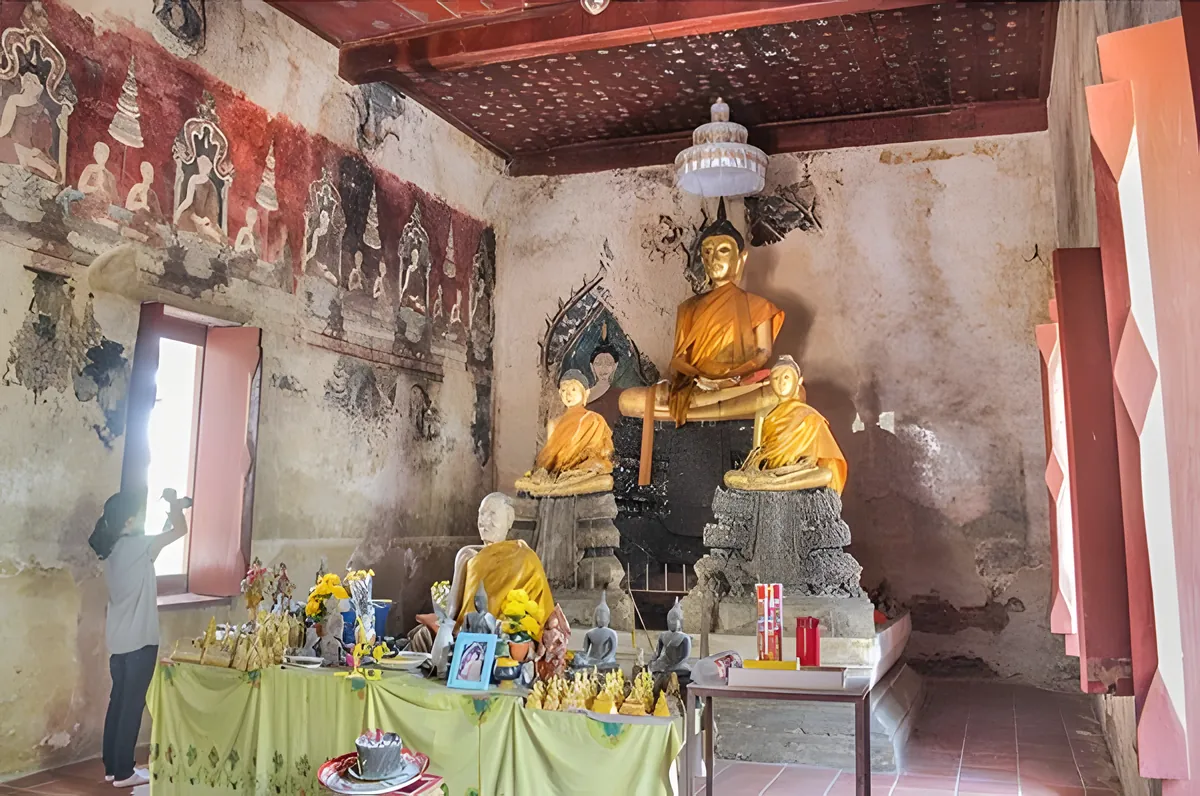
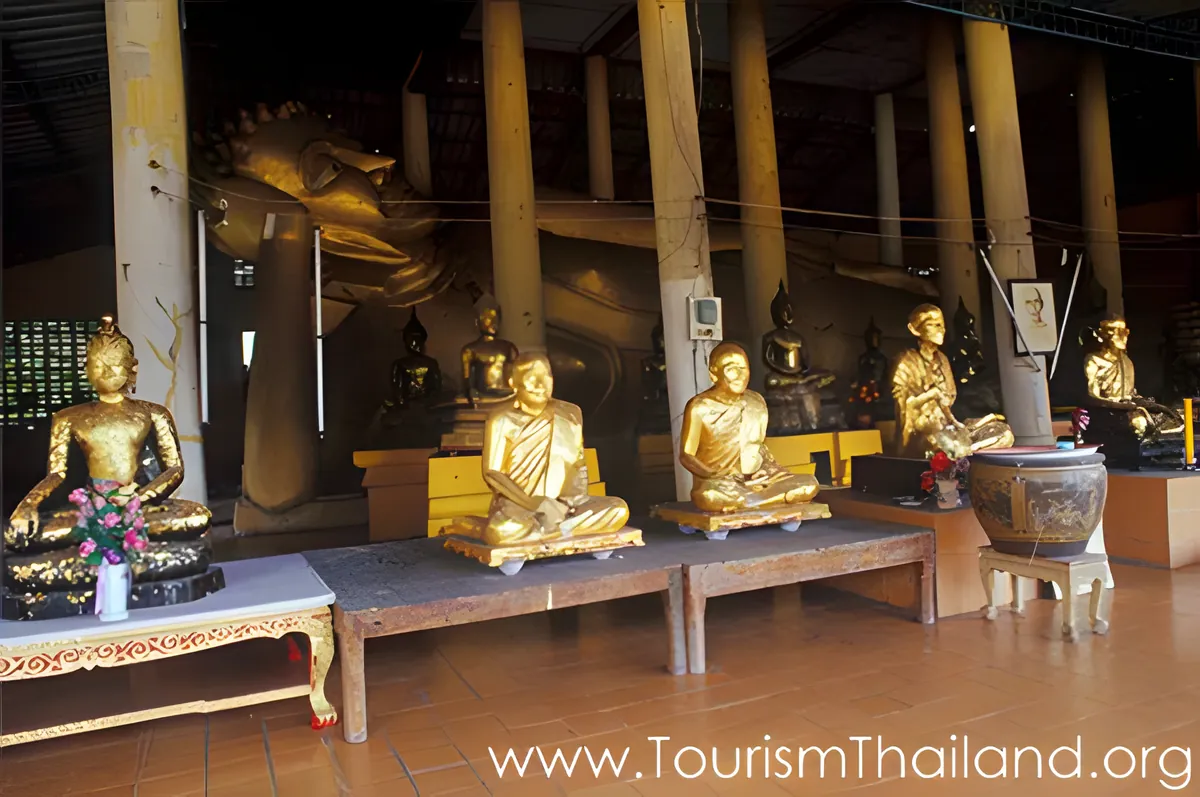
Workers uncovered the fossil beds accidentally during early construction, and the temple’s founders had the excavated shells built directly into the new chedi rather than discarded — a literal record of the ancient seabed pressed into a Buddhist monument. A small museum on the grounds displays more of the finds alongside Buddha images, antique household items, and what’s billed locally as the world’s largest giant clam shell, brought to the temple from Ranong province. Local tradition holds that the site once formed part of an ancient settlement lost to the sea millions of years ago — a belief tied to the founding abbot’s own account rather than anything confirmed by archaeological survey, but it’s part of what people come to hear about as much as the shells themselves.
The pairing of prehistoric material and active Buddhist worship gives the place an odd, split character — incense and chanting alongside display cases of fossils, with as many visitors examining the shell patterns as making merit. Mornings are quieter and cooler for looking closely at the fossil texture in the chedi’s surface; the museum building offers shade if you’re visiting around midday.
Entry is free, and the temple is open daily from 08:00 to 17:00. It’s roughly 30 km north of central Bangkok via the Pathum Thani-Bang Len road, easiest reached by car or taxi since there’s no direct public transport link from central Pathum Thani town. Dress modestly, as at any working temple.
Insider Tip: Ask at the museum building rather than at the main chedi if you want the fossil story explained — the temple keeps informal signage, and the caretakers are usually happy to point out specific shell types in the chedi’s surface.
- Entry: Free
- Hours: Daily 08:00–17:00
- Highlight: Chedi built from millions of fossilised oyster shell fragments unearthed on-site
- On-site museum: Buddha images, antiques, and a giant clam shell brought from Ranong
- Location: Lat Lum Kaeo district, ~30 km north of central Bangkok
Pathum Thani’s National Geological Museum, over in Khlong Luang district, makes a fitting pairing for anyone drawn to the fossil angle here — it’s a separate trip across the province rather than a nearby stop, but worth knowing about if geology is the draw.
Location & Directions
73 Moo 4 Pathum Thani-Bang Len Road
Pathum Thani, Thailand
Show your taxi or Grab driver
วัดเจดีย์หอย
Frequently Asked Questions
Is Wat Chedi Hoi actually built from real shells?
How old are the shell fossils?
Is there an entry fee?
How do I get there from Bangkok?
What else is there to see besides the chedi?
Spotted something out of date or incorrect? Let us know
Stay Near Wat Chedi Hoi
Live prices for places closest to Wat Chedi Hoi — tap a pin to compare.