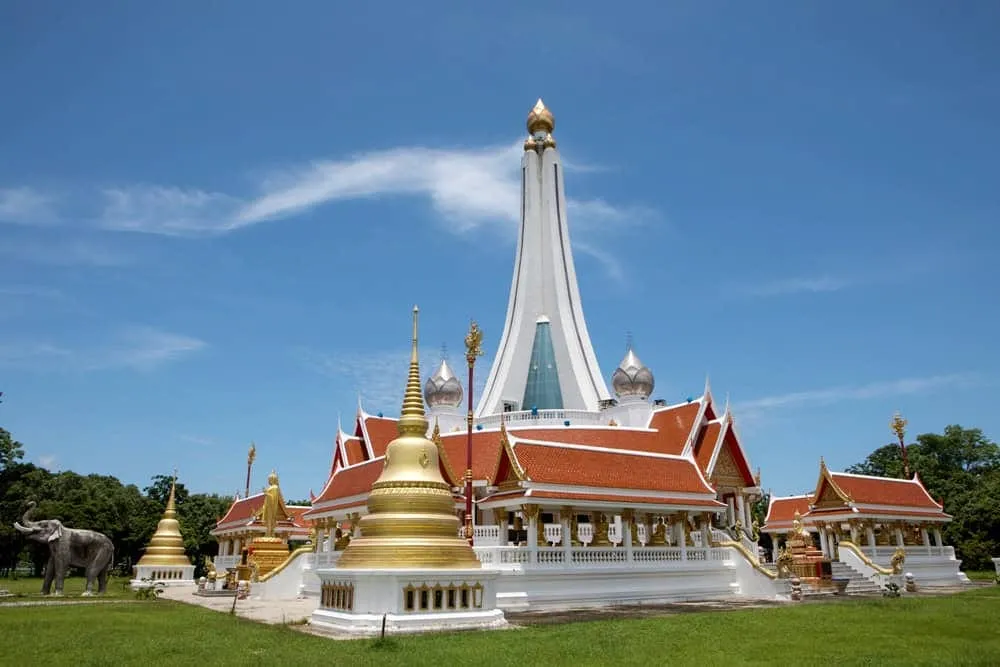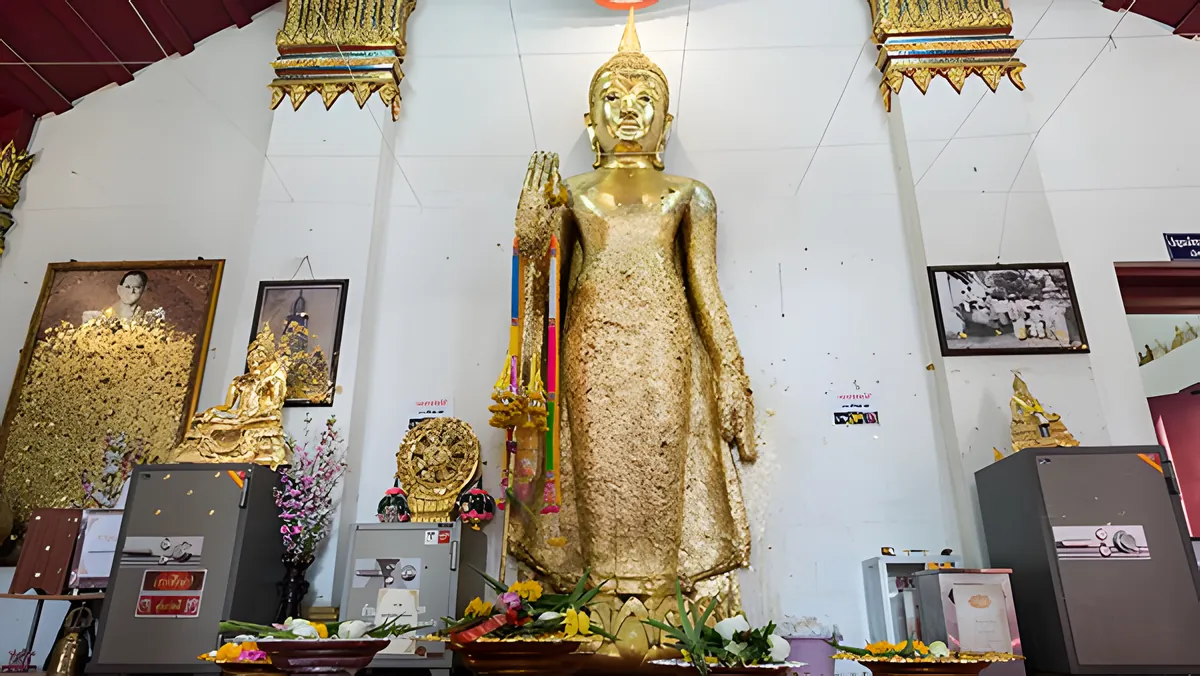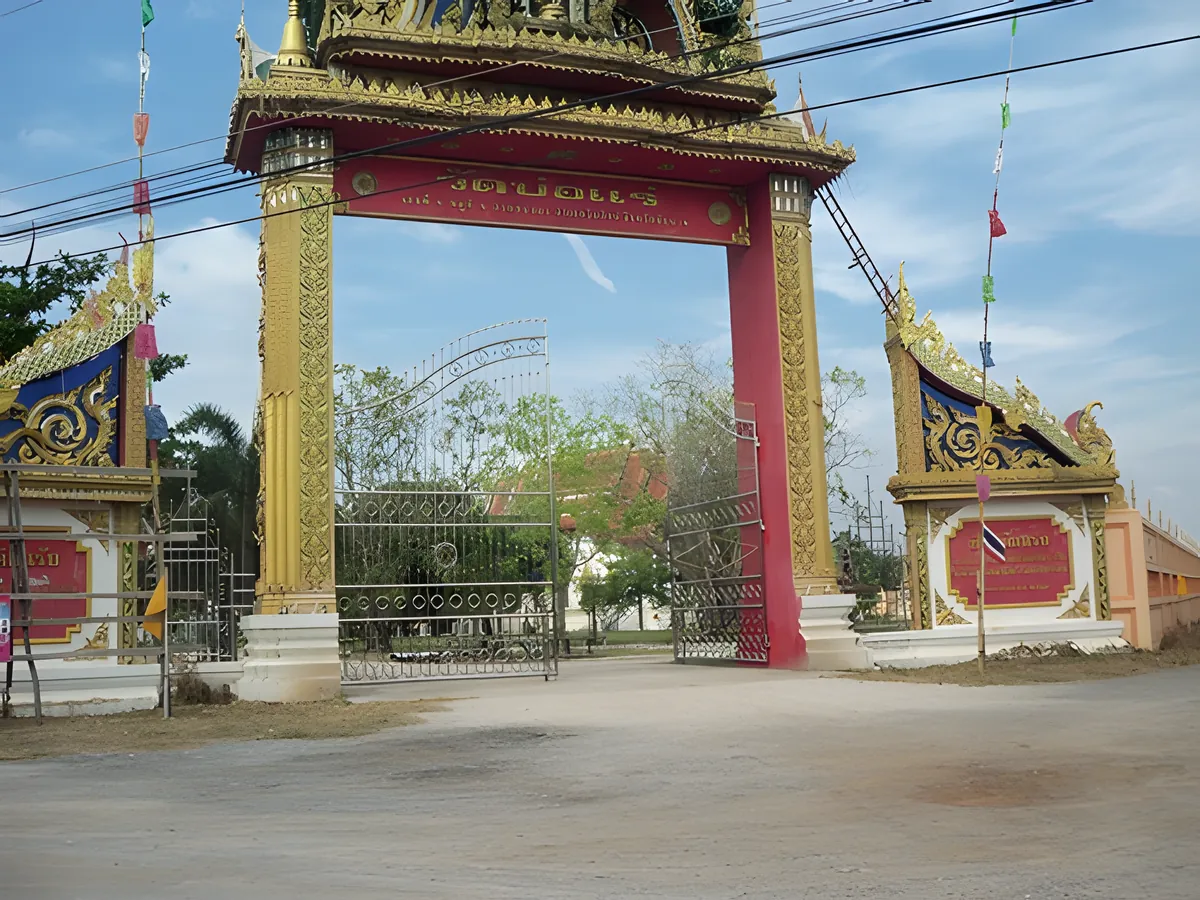






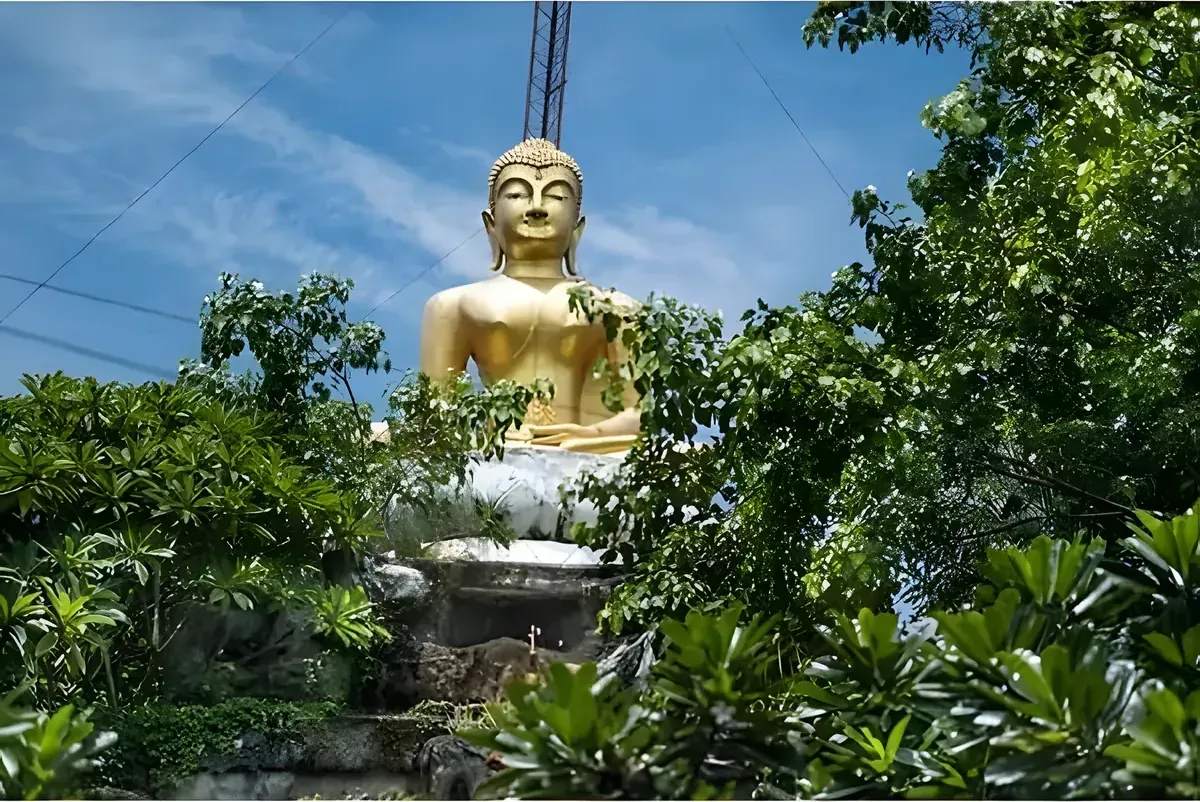
Wat Singh Satit takes its name from what this stretch of Chainat looked like before it was a district seat: forest thick enough that lions (“singh”) reportedly lived here. The temple was founded in 1832 and received its formal ordination-hall consecration (Wisungkamsima) around 1843, making it a genuine 19th-century Mahanikaya community temple rather than a modern rebuild dressed up as historic.
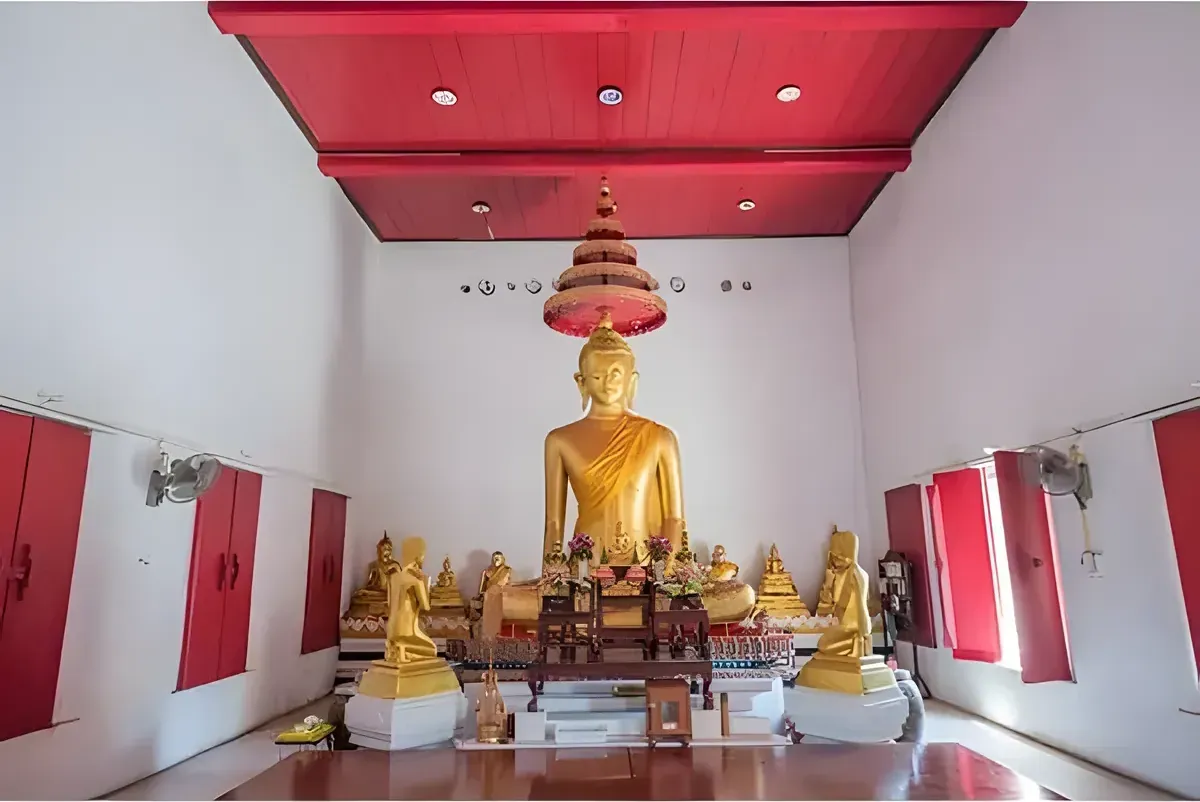
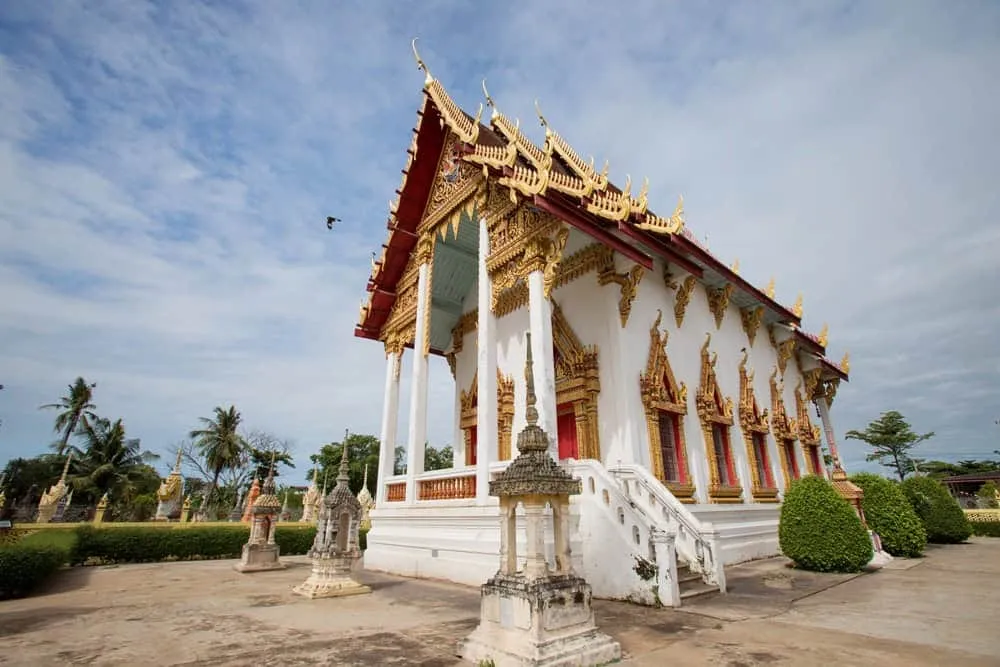
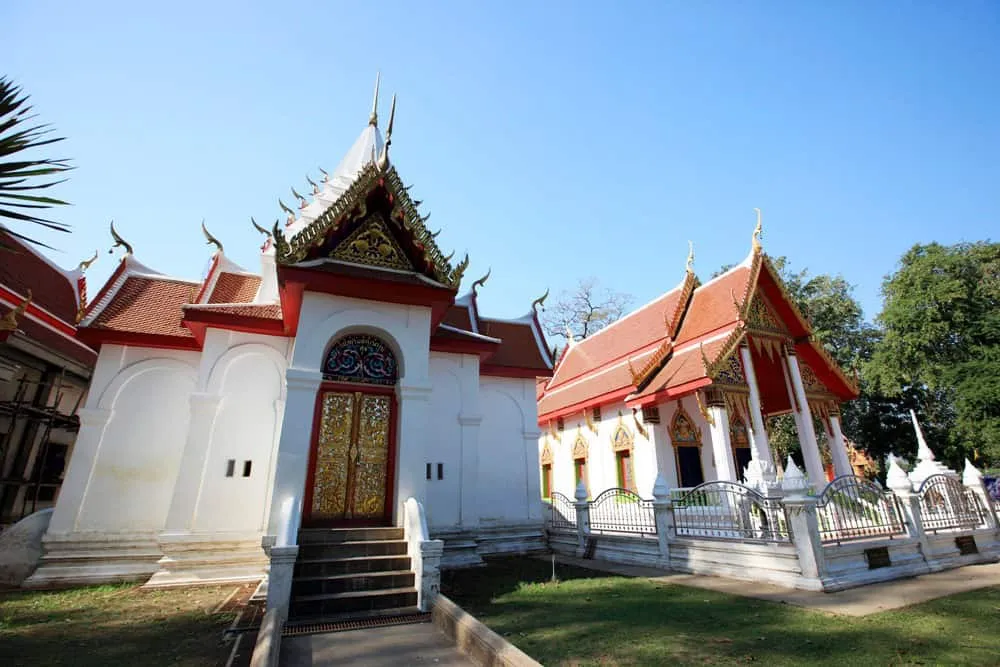
The current ordination hall dates to 1931 and is finished with mosaic glass-tile walls that catch the light — a decorative technique more associated with Central Thai temple restorations of that era than with any specific regional style. A separate chanting hall followed in 1932, and the main assembly hall (sala kanparian), used for sermons and communal gatherings, was completed in 1939. Nine wooden kuti still house the resident monks. The temple compound covers around 35 rai, with an adjoining cemetery plot several times that size — practical land-use details that show this is very much a functioning parish temple, not a curated tourist site.
- Entry: Free
- Founded: 1832; ordination hall consecrated around 1843
- Ordination hall: Built 1931, glass-mosaic wall decoration
- Sect: Mahanikaya (community temple)
- On site: Government primary school, nine monks’ quarters
Insider Tip: Wat Sing district is also home to the Wasan Crocodile Farm — an easy pairing if you’re passing through this part of Chainat and want more than a temple stop.
A Buddhist scripture school has operated here since 1914, and a government primary school shares the grounds today — so expect the ordinary rhythm of a working temple, with monks, students, and locals passing through rather than tour groups. It’s a modest, functional site rather than a landmark, worth a stop if you’re already in Wat Sing district rather than a destination in its own right.
Dress modestly — covered shoulders and knees — and remove your shoes before entering the ordination or chanting halls. There’s no fixed visiting-hours signage, so early morning or late afternoon, outside of school hours, is the quieter time to look around.
Location & Directions
Wat Sing, Chainat
Chainat, Thailand
Show your taxi or Grab driver
วัดสิงห์สถิตย์
Within Walking Distance





Frequently Asked Questions
Why is it called Wat Singh Satit?
How old is Wat Singh Satit?
Is Wat Singh Satit free to visit?
What is there to see at the temple?
Where is Wat Singh Satit, and is it near other Chainat attractions?
Spotted something out of date or incorrect? Let us know
Stay Near Wat Singh Satit
Compare places to stay in Chainat, or open the map for options closest to the attraction.