




Elephant Kraal Pavilion
พระที่นั่งเพนียด
The Elephant Kraal Pavilion in Ayutthaya is Thailand’s last surviving royal elephant kraal, a 16th-century stockade where kings once staged wild elephant captures for the army, for trade, and for royal spectacle. Entry to the historic grounds is free. A separate commercial elephant camp operates next door offering rides and shows; we’d steer you away from that part and toward the history instead.
- Entry fee: Free for the historic kraal and pavilion grounds
- Hours: Roughly 08:00-16:00 daily
- Built: 16th century, under King Maha Thammaracha; moved to this site under King Maha Chakkraphat
- Last used: 1903, a staged demonstration for King Chulalongkorn’s guests
- Note: An adjacent, separately run elephant camp offers paid rides and shows, not part of the free historic site, and not something we recommend
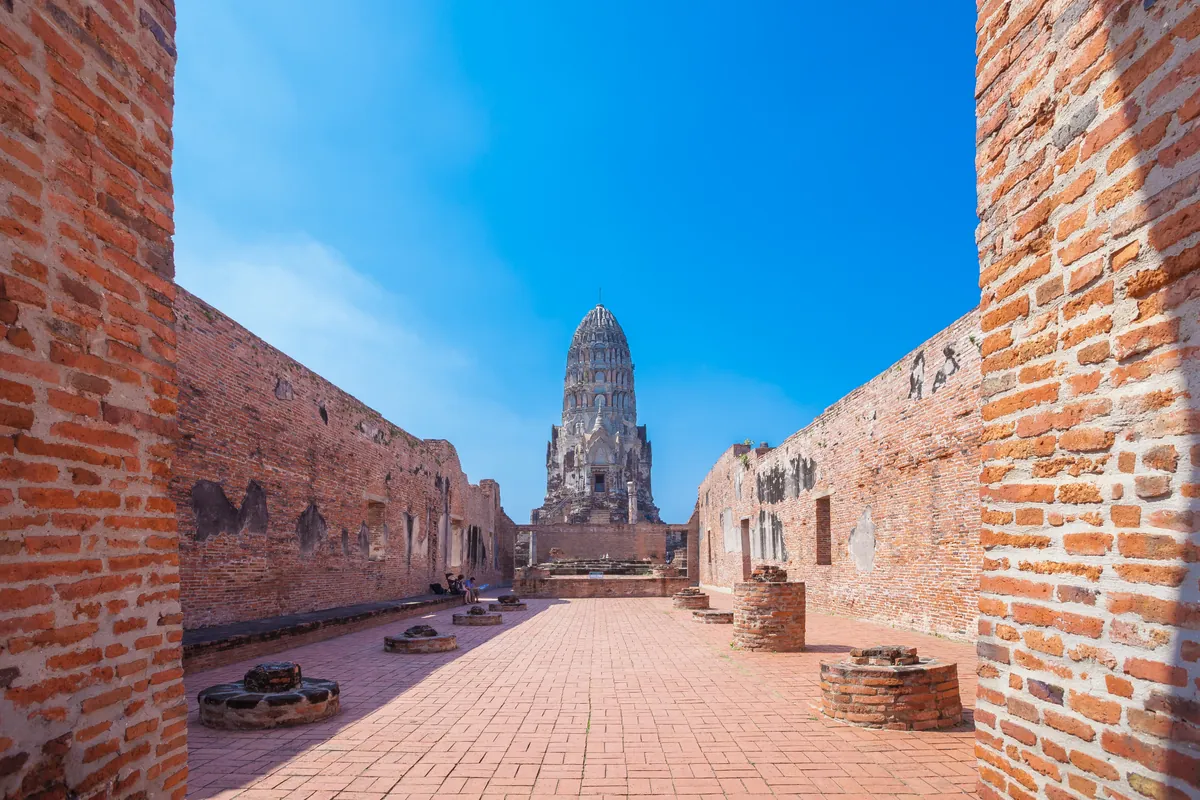
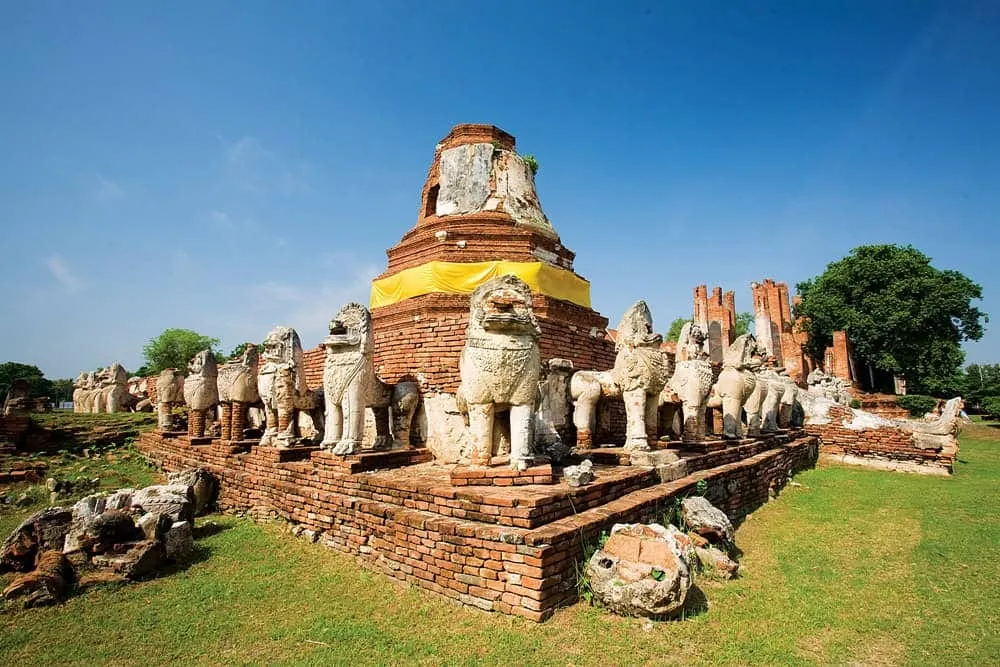
What survives is genuinely rare: a semicircular log fence enclosing the capture ground, and Phra Thinang Phanniat, the raised wooden pavilion where the king and court watched mahouts drive wild elephants in from the forest to be selected and trained. A shrine to Ganesha, drawing on both Brahmanist and animist tradition, still sits at the centre of the enclosure, a reminder that elephant capture here was treated as much as ritual as logistics. For a kingdom that used elephants for warfare, transport, and diplomatic gifts to India and Persia, this was a working piece of state infrastructure, not a curiosity.
The last capture happened in 1903, staged for visiting dignitaries rather than out of military need. By then Ayutthaya’s role as capital was centuries in the past, and the kraal had become ceremonial. That’s roughly where the historically interesting part of this site ends and where a separate, present-day elephant camp begins. The camp next door offers rides, feeding sessions and shows for a fee; it has no connection to the heritage structure beyond sharing the location.
Watch out: Riding elephants and elephant shows are widely criticised by welfare organisations: the training used to make elephants safe to ride or perform typically involves methods that cause lasting physical and psychological harm. If elephants are part of why you’re visiting Ayutthaya, an observation-only sanctuary where elephants aren’t ridden is the better choice, and there are several within reach of the city.
Insider Tip: Visit the kraal itself in the early morning before the heat sets in: the wooden pavilion offers little shade, and the site is more atmospheric with fewer visitors around.
The kraal sits a few kilometres northeast of central Ayutthaya, reachable by taxi, tuk-tuk or a longer ride if you’re touring the historical park by bicycle. It pairs well with the Japanese Village site nearby. Most visitors fold it into a half-day loop of Ayutthaya’s outlying historical sites rather than a trip on its own.
Location & Directions
74/1 Moo 3, Highway 3060
Ayutthaya, Thailand
Show your taxi or Grab driver
พระที่นั่งเพนียด
Frequently Asked Questions
What is the Elephant Kraal Pavilion?
Is it free to visit?
Can I ride an elephant here?
When was the kraal last used?
How do I get there from central Ayutthaya?
Spotted something out of date or incorrect? Let us know
Popular tours in Ayutthaya




Stay Near Elephant Kraal Pavilion
Live prices for places closest to Elephant Kraal Pavilion: tap a pin to compare.