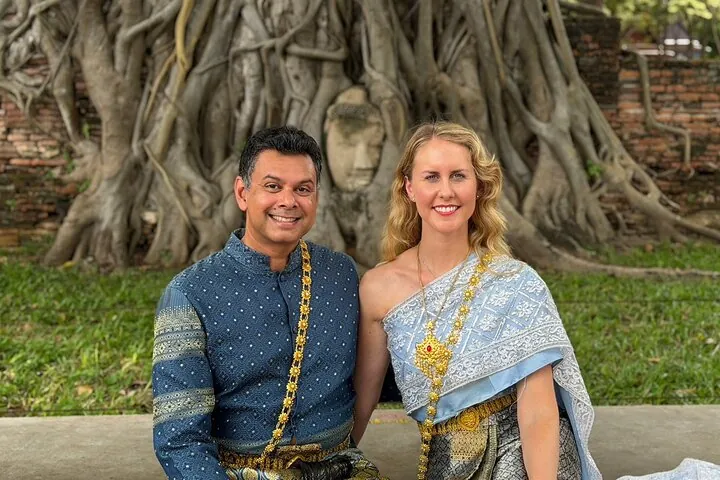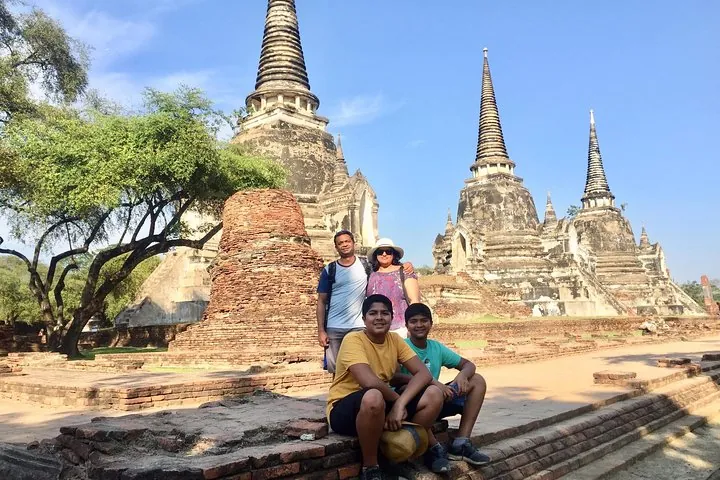
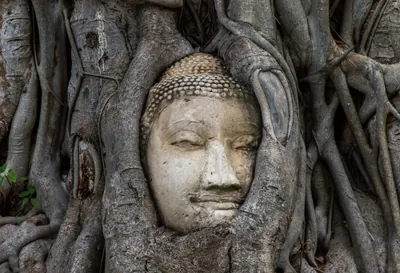


Ayutthaya was the capital of Siam for four centuries until it fell in 1767. Its brick temples, prang and Buddha head held in the roots of a sacred fig tree form part of a UNESCO World Heritage site north of Bangkok. The old town sits on an island ringed by three rivers and can be explored by bicycle, tuk-tuk or a combination of both.
Quick answer
Start with Wat Mahathat if it matches your route, then compare Wat Chaiwatthanaram and Wat Phra Si Sanphet by season, travel time, and crowd level. Use this as a shortlist, not a fixed itinerary; skip anything that adds a long transfer for a small payoff.
| Best for | Pick | Why it belongs | Main tradeoff |
|---|---|---|---|
| Best first pick | Wat Mahathat | Strongest planning anchor | Check travel time, season, and opening days before you commit |
| Best alternative | Wat Chaiwatthanaram | Good second option when it fits your route | Check travel time, season, and opening days before you commit |
| Best different pace | Wat Phra Si Sanphet | Different pace from the obvious pick | Check travel time, season, and opening days before you commit |
| Good fit when nearby | Wat Ratchaburana | Worth adding when nearby | Check travel time, season, and opening days before you commit |
| Good fit when nearby | Bang Pa-In Palace | Worth adding when nearby | Check travel time, season, and opening days before you commit |
How we picked these stops
The stops are drawn from the sights this guide covers in full, ordered by what shapes an Ayutthaya day: how the ruins cluster for cycling, entry fees, shade and heat timing, and which sites reward a sunset return. Ticket details change — check current combined-ticket options at the first booth you pass.
Wat Mahathat
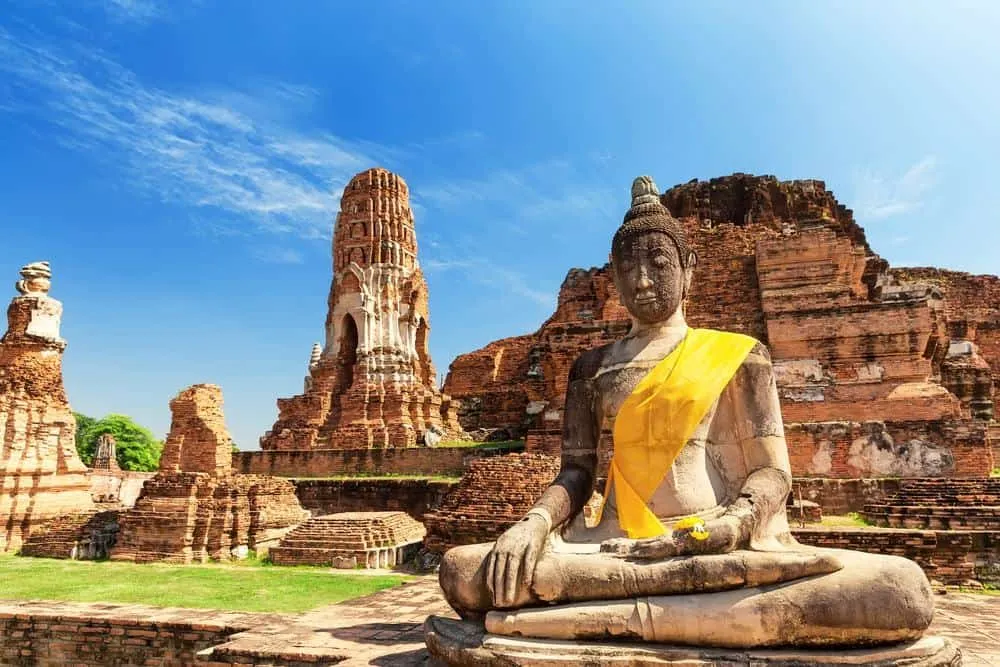
One of Ayutthaya’s best-known sights is the sandstone Buddha head held in the roots of a Bodhi, or sacred fig, tree at Wat Mahathat. The rest of the temple contains broken prang and rows of headless Buddha statues. Crouch down to photograph the head, as signs ask visitors to keep their own head below the Buddha’s.
Wat Chaiwatthanaram
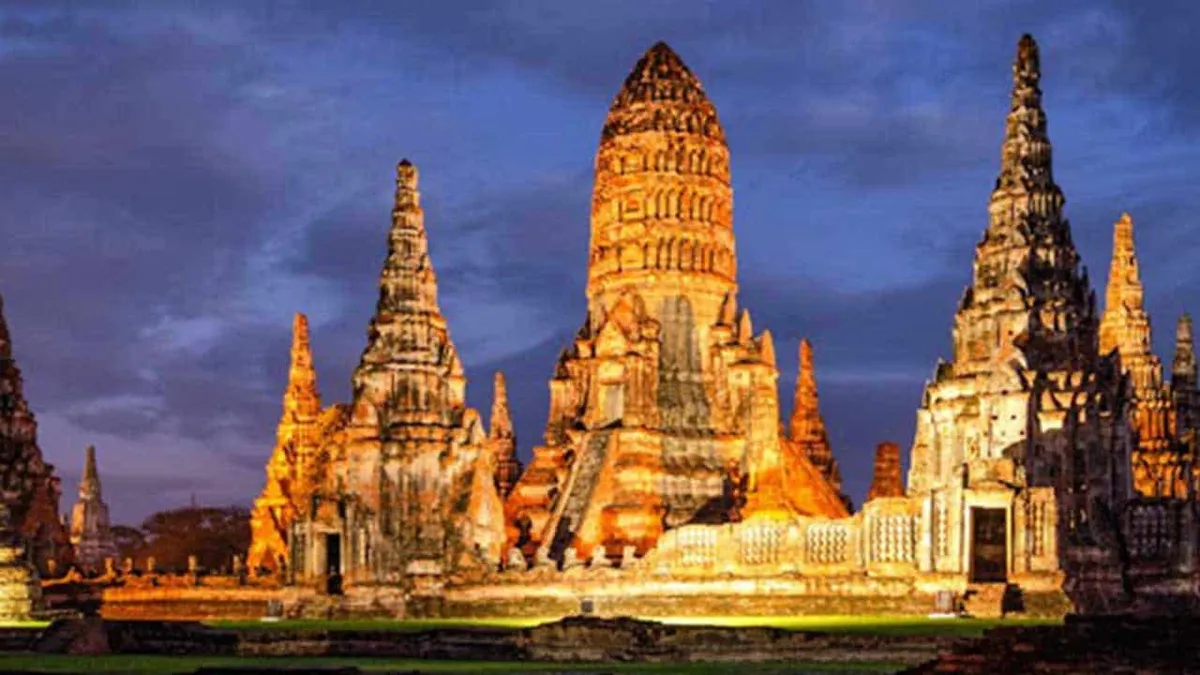
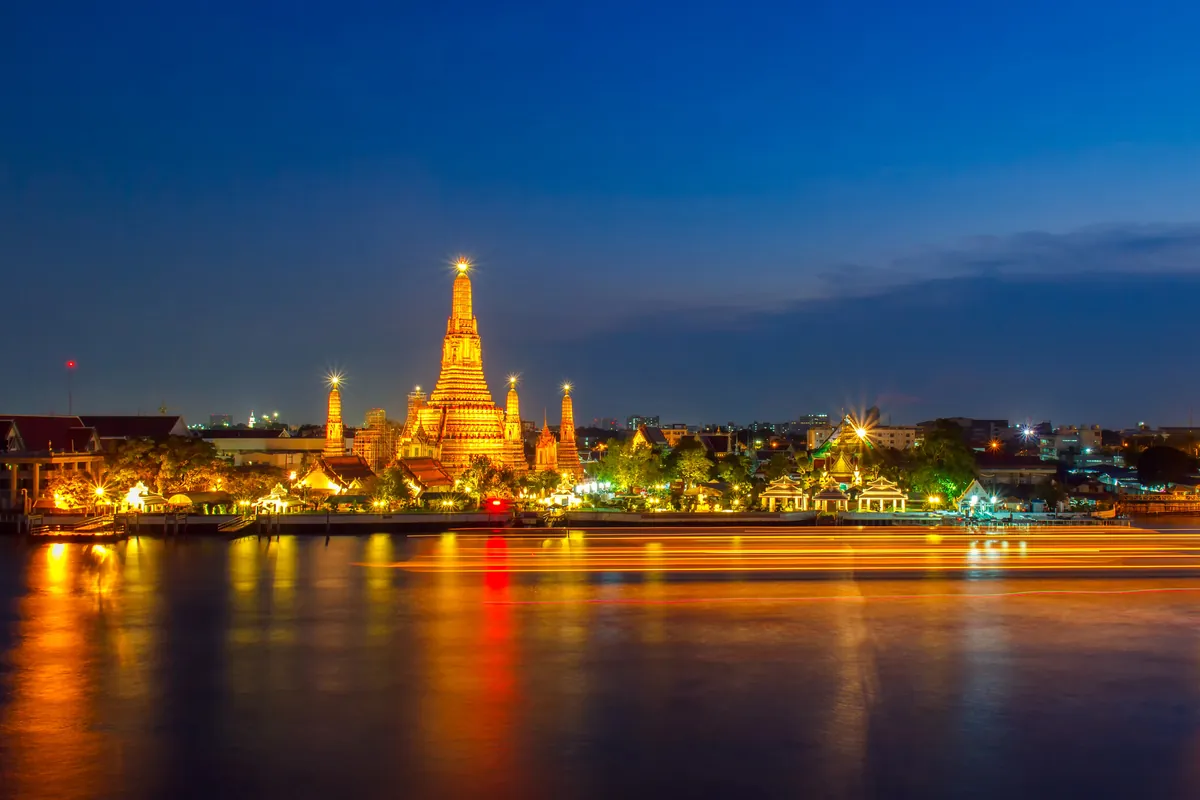
Set on the west bank of the Chao Phraya, Wat Chaiwatthanaram has a central Khmer-style prang ringed by smaller towers and was built in 1630. Standard historical-park hours end at 18:00, so plan for late-afternoon light rather than assuming the temple will remain open through sunset. Extended evening access is limited to announced programmes.
Wat Phra Si Sanphet
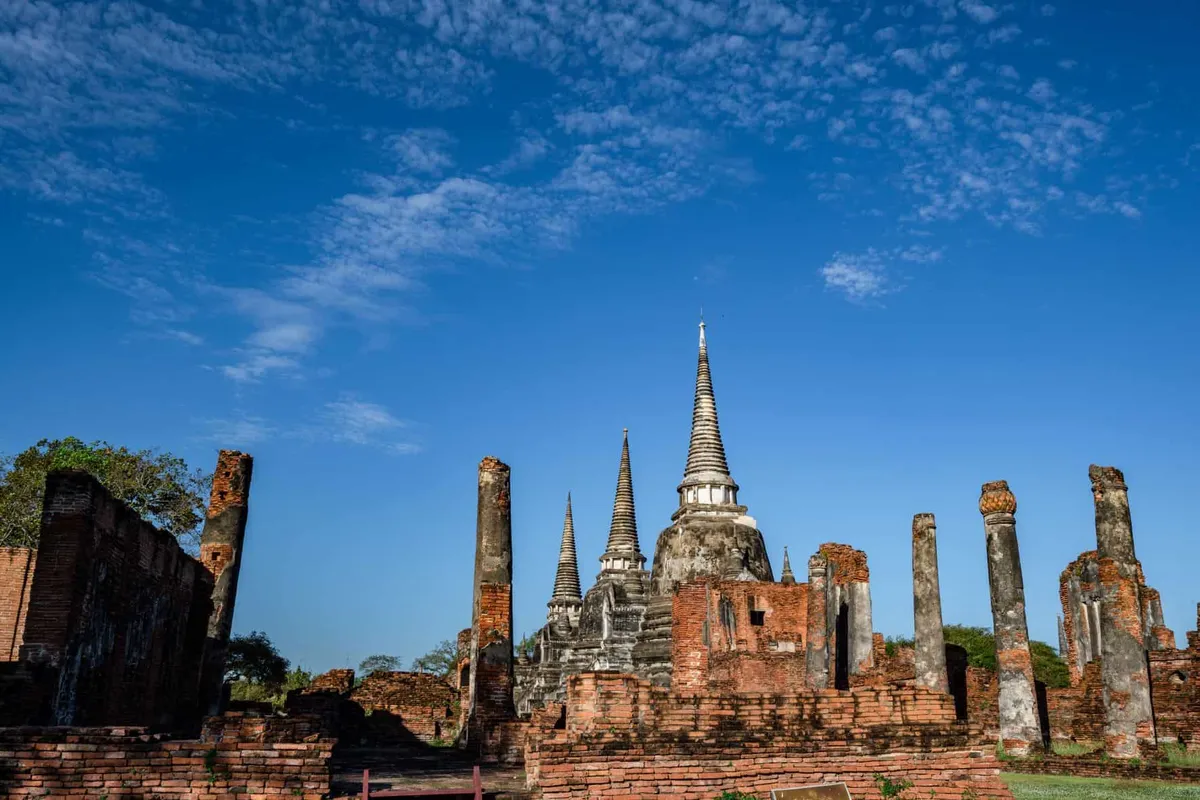
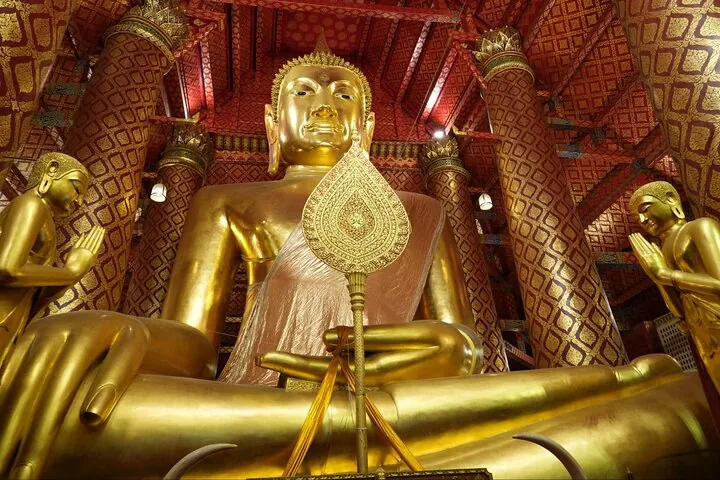
Wat Phra Si Sanphet was the principal temple of the old royal palace, and its three restored chedi once held the ashes of Ayutthaya kings. The adjoining Wihan Phra Mongkhon Bophit houses a monumental restored bronze Buddha image that was damaged during Ayutthaya’s fall. The two sites sit side by side in the historical park.
Wat Ratchaburana
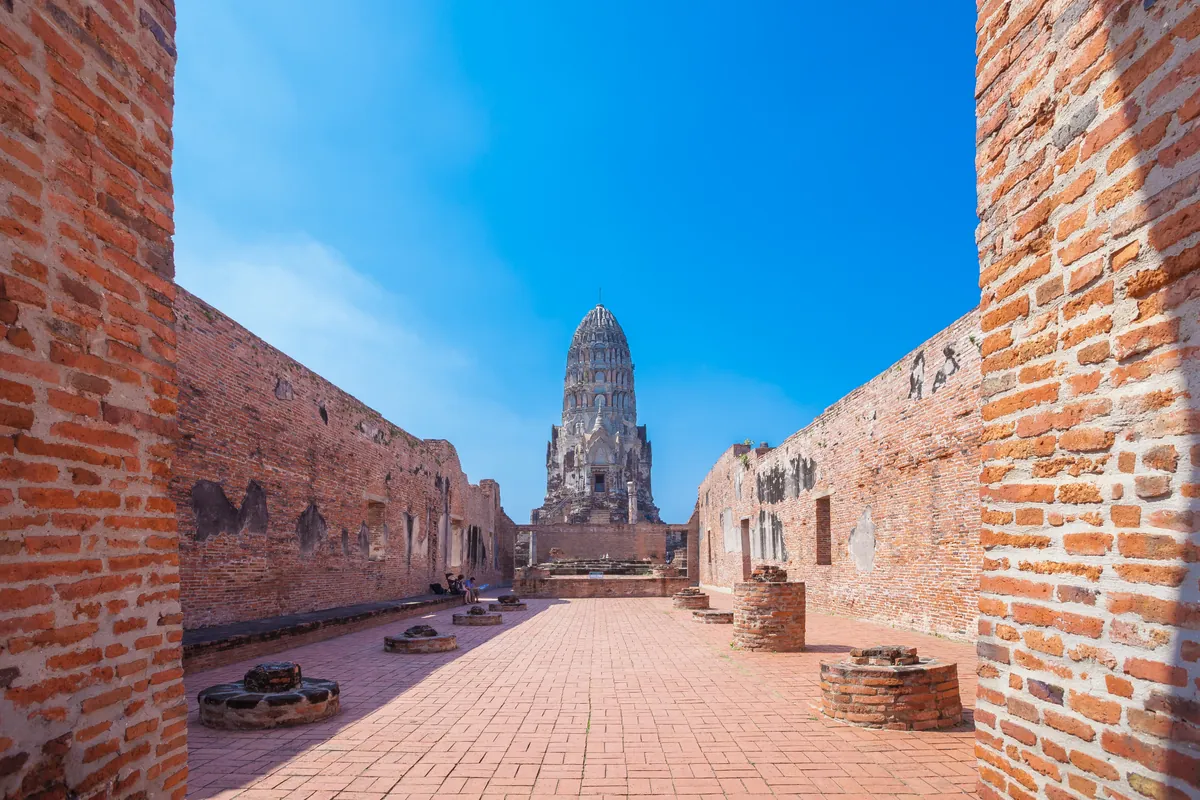
Across from Wat Mahathat, Wat Ratchaburana’s main prang and crypt are normally open to visitors, subject to on-site access controls. Recovered gold and other objects from the crypt are displayed at Chao Sam Phraya National Museum. The stairs are steep, so follow staff instructions and do not enter if access is restricted.
Bang Pa-In Palace
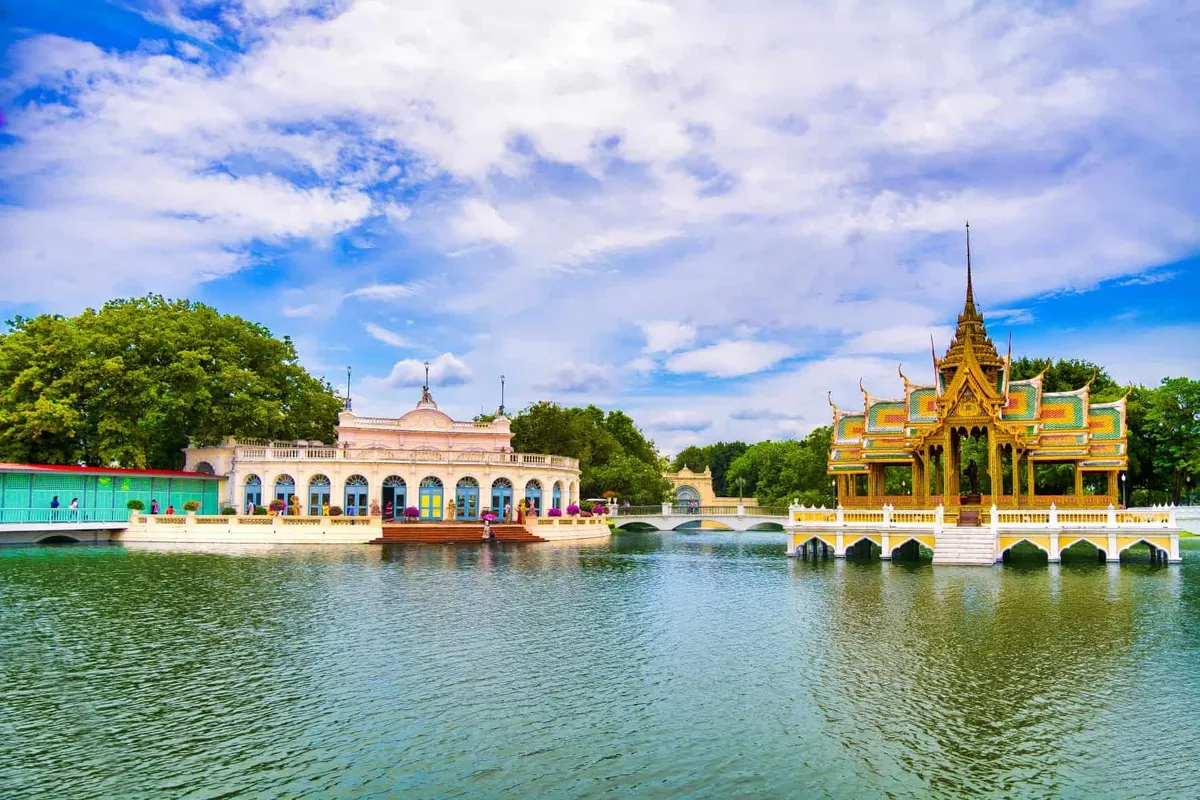
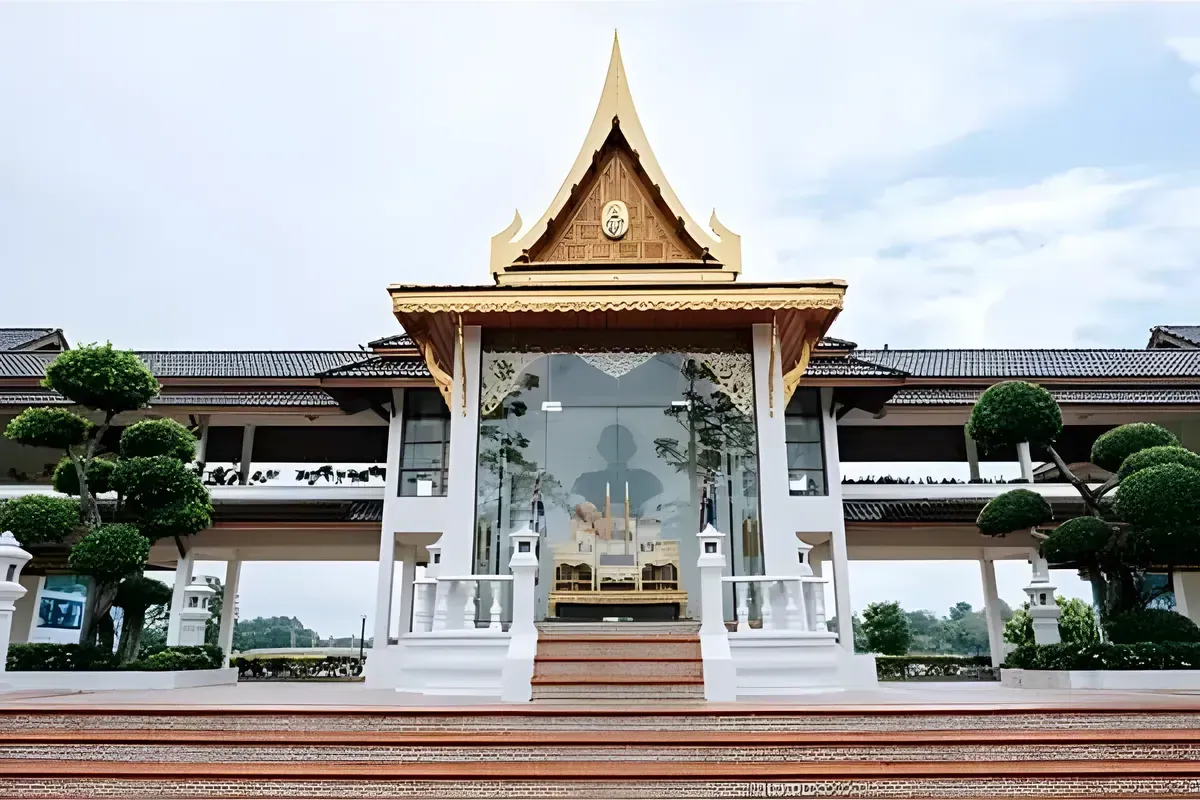
About 20 kilometres south, Bang Pa-In is the royal summer palace rebuilt by King Rama V in the 19th century — a curious, lovely mix of Thai pavilions on a lake, a Chinese-style mansion, and European facades, set in manicured gardens. It pairs naturally with the temples on a full day from Bangkok, and is calm and green when the historical park gets hot.
Stay for the night market and the river
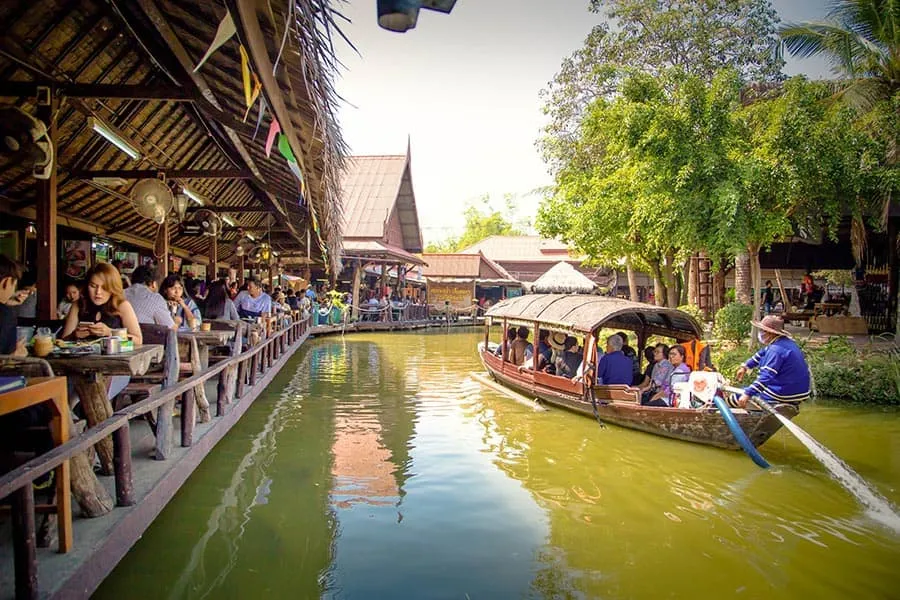
Staying overnight gives you more time to explore outside the midday heat. Market locations, opening days and evening boat circuits can change, so confirm what is operating locally rather than building the evening around a fixed schedule.
How to choose what to do first
Choose by time of day, weather, and transport first. Thailand rewards early starts, and the best-looking stop on a map can be the wrong one if it puts you in midday heat or cross-town traffic.