



Hala Bala Wildlife Sanctuary
เขตรักษาพันธุ์สัตว์ป่าฮาลา-บาลา
Hala-Bala Wildlife Sanctuary protects around 627 square kilometres of rainforest across the Sankalakiri range in Thailand’s far south, split between the Bala forest in Narathiwat’s Waeng district and the Hala forest over the provincial line in Yala. It’s known as one of the richest birding sites in the country — nine of Thailand’s 12 hornbill species have been recorded here. Entry to the Bala side is free.
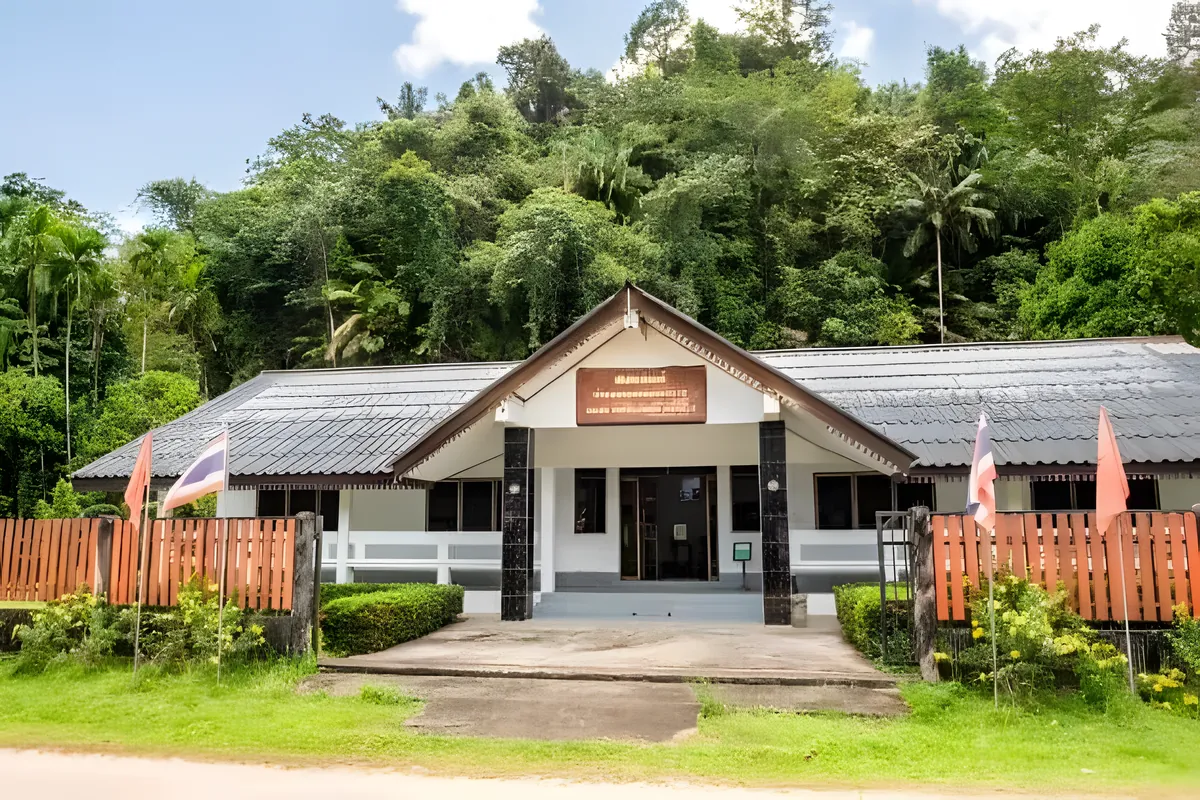
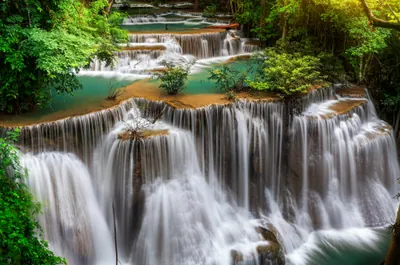
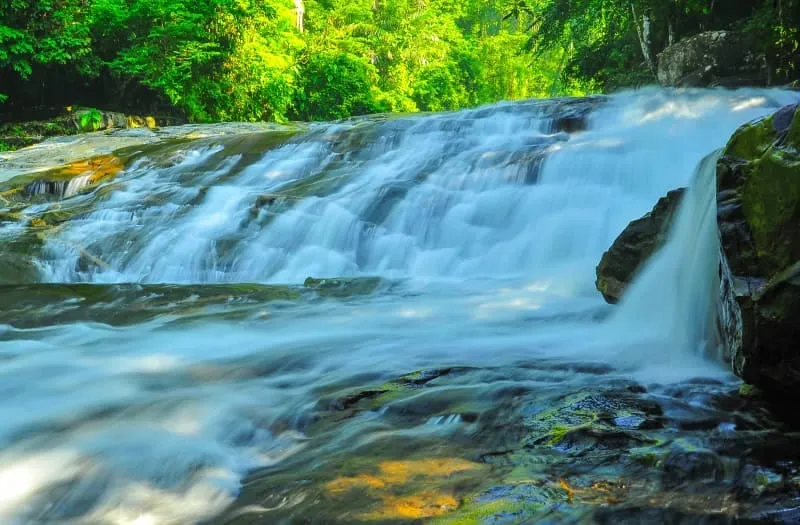
Highway 4062 runs along the sanctuary’s southern edge, from the visitor centre out to Phu Khao Thong roughly 16 km away, past marked stops including the Two Lands Sea of Mist viewpoint, a raised wildlife-viewing pavilion overlooking a forested valley, a giant Kaphong tree near the sanctuary office, and a run of waterfalls — Sri Thaksin, Namtok Sirindhorn, Sai Rung and Bala — that string out along the road. Blyth’s river frog, the largest frog in Thailand, and rare gibbon species live in the forest here, alongside the hornbills that draw most visitors.
This is a wildlife sanctuary, not a national park, and the distinction matters for how you visit. Driving the Bala-side road doesn’t require paperwork, but walking off it to study the forest or look for birds needs advance permission from the sanctuary office — call or write ahead rather than turning up and hoping. The Hala forest section, across the border in Yala, is largely off-limits and reached only with authorisation from the security units that control access there.
Watch out: Narathiwat is part of Thailand’s deep south, where a long-running security situation has kept a routine police and military checkpoint presence on rural roads for two decades. It’s not a reason to skip the region — checkpoints are a normal part of daily travel here — but check current conditions with a local operator before self-driving, and consider a guided day trip from Narathiwat or Sungai Kolok town instead.
Overnight stays inside the sanctuary aren’t permitted for visitors; a handful of small resorts a couple of kilometres down the road offer beds and can arrange a guide for the following day. April and May, when fig trees fruit, bring the heaviest hornbill activity — flocks gather at known feeding trees along the road.
Insider Tip: Call the sanctuary office (0 7333 6290) a few days ahead rather than the morning of your visit — staff availability for guiding is limited and bookings fill up fast during the April-May hornbill season.
- Entry fee (Bala side): Free
- Area: About 627 sq km across Narathiwat and Yala
- Hornbill species: 9 of Thailand’s 12 species recorded
- Best time for hornbills: April–May (fig-fruiting season)
- Access: Bala-side road open without a permit; nature study and the Hala side require advance permission
Location & Directions
Ban Bala, Mu 5
Narathiwat, Thailand
Show your taxi or Grab driver
เขตรักษาพันธุ์สัตว์ป่าฮาลา-บาลา
Within Walking Distance

Frequently Asked Questions
Do I need a permit to visit Hala-Bala Wildlife Sanctuary?
Can I stay overnight inside the sanctuary?
How many hornbill species live at Hala-Bala?
Is it safe to visit Narathiwat and Hala-Bala?
What's the difference between the Hala forest and the Bala forest?
Spotted something out of date or incorrect? Let us know
Stay Near Hala Bala Wildlife Sanctuary
Compare places to stay in Narathiwat, or open the map for options closest to the attraction.