
Chao Mae Tomo Shrine
ศาลเจ้าแม่โต๊ะโมะ
Chao Mae Tomo Shrine honours a Chinese-Thai sea goddess — also called Chao Mae Machu or Chao Mae Thapthim — at a site on Charoen Khet Road in Su-ngai Kolok, the border town at the southern tip of Narathiwat province. Entry is free, open daily 6am–6pm.
The shrine’s origin traces to a gold mine at Khao Tomo in Sukhirin district, where local villagers first raised a modest shrine to the goddess. It was formally re-established in its current Su-ngai Kolok location on 15 January 1952, and the name stuck even after the original site was renamed Phu Khao Thong subdistrict. Inside, the goddess is enshrined alongside smaller altars typical of a Chinese-Thai community temple — incense coils hanging from the ceiling, red lanterns, and offering tables usually stacked with fruit and joss sticks left by local traders.
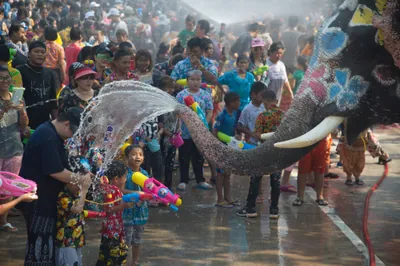
The shrine matters most during its annual festival in the third month of the Chinese lunar calendar, usually April. Insider Tip: this is when Chao Mae Tomo comes alive — a parade carries the goddess’s image through town, accompanied by lion dancers, an Engor procession, long-drum troupes, and a fire-walking ceremony that draws devotees from across the causeway in Rantau Panjang, Malaysia. Outside festival dates, it’s a quiet working shrine with a steady trickle of local worshippers rather than a tourist site.
Watch out: Su-ngai Kolok sits in Narathiwat, one of Thailand’s deep-south provinces where the UK FCDO, US State Department, and most Western foreign ministries advise against all but essential travel because of a long-running separatist insurgency. The shrine and town function normally day to day and haven’t been a target themselves, but security conditions in the border districts can shift quickly, and standard travel insurance is often invalidated if you travel against your government’s advisory. Check current guidance and your policy terms before visiting, and see the full Narathiwat safety briefing for the practical detail.
Dress modestly — shoulders and knees covered — and remove your shoes before stepping into the shrine hall. Keep your voice down, and avoid pointing your feet toward the deity statues, standard etiquette at any Thai or Chinese shrine. If you’re already in town, the Su-ngai Kolok Checkpoint border crossing into Malaysia is a five-minute walk away and worth combining with a shrine visit.
- Entry fee: Free
- Hours: Daily 06:00–18:00
- Best time: Third month of the Chinese lunar calendar (~April) for the festival
- Location: Charoen Khet Road, Su-ngai Kolok, Narathiwat
- Safety: Deep-south travel advisory in effect — check current guidance before visiting
Location & Directions
Charoen Khet Road
Narathiwat, Thailand
Show your taxi or Grab driver
ศาลเจ้าแม่โต๊ะโมะ
Frequently Asked Questions
Is Chao Mae Tomo Shrine free to visit?
Who is Chao Mae Tomo?
When is the shrine's main festival?
Is it safe to visit Su-ngai Kolok?
What's the dress code at the shrine?
Spotted something out of date or incorrect? Let us know
Stay Near Chao Mae Tomo Shrine
Live prices for places closest to Chao Mae Tomo Shrine — tap a pin to compare.