








Narathiwat
นราธิวาส
A Gulf coast province on the Malaysian border with royal palaces, ancient mosques, one of Southeast Asia's last intact lowland rainforests, and a living tradition of painted kolae fishing boats.
Recommended by us

Ao Manao-Khao Tanyong NP
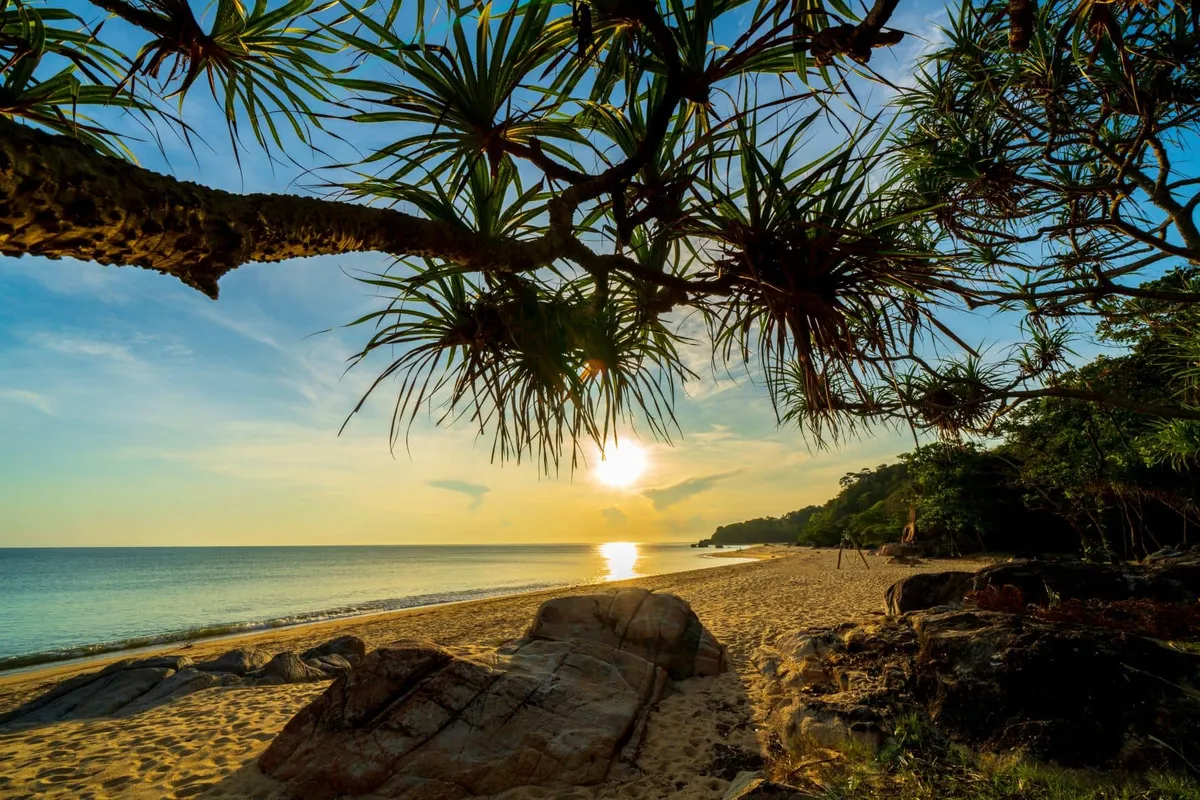
A rarely visited park combining a quiet bay beach with lowland rainforest trails — one of the few intact coastal forest remnants in the deep south.

Hala Bala Wildlife Sanctuary
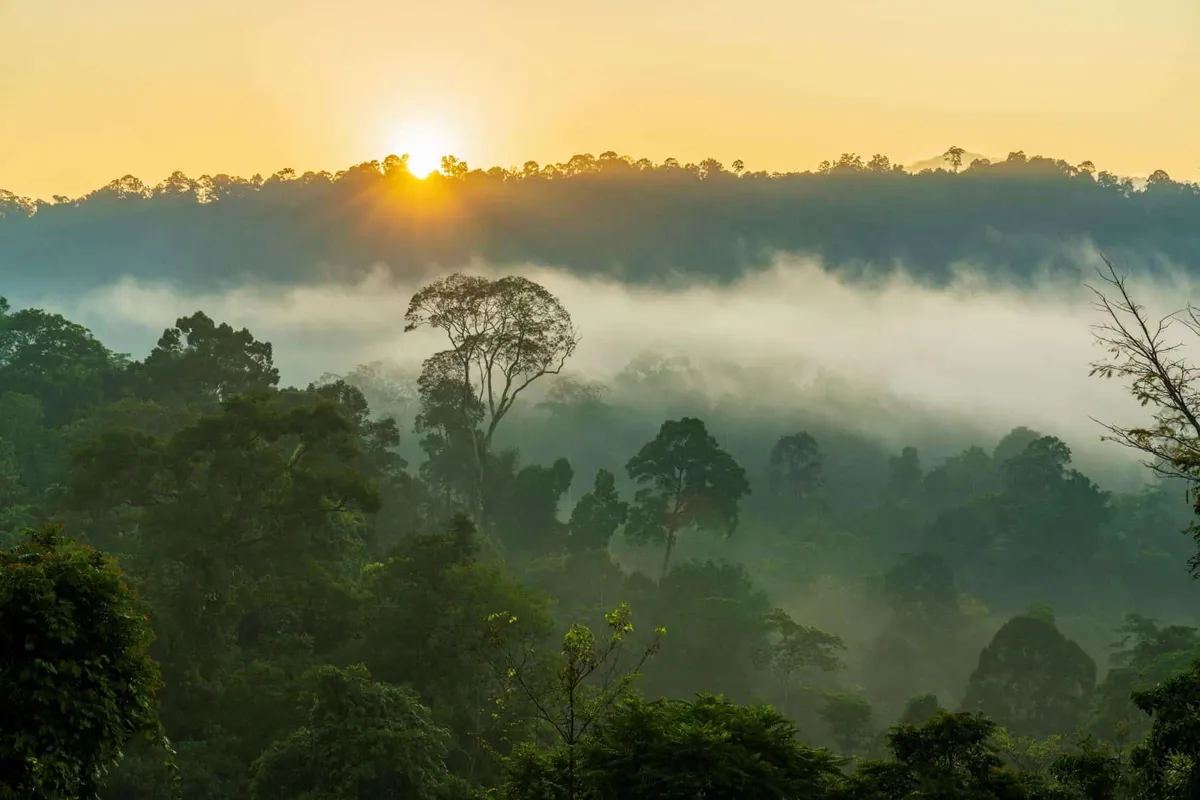
Part of the largest continuous lowland rainforest remaining in Southeast Asia, spanning into Malaysia. Serious birdwatchers come for hornbills and rarities not found further north.
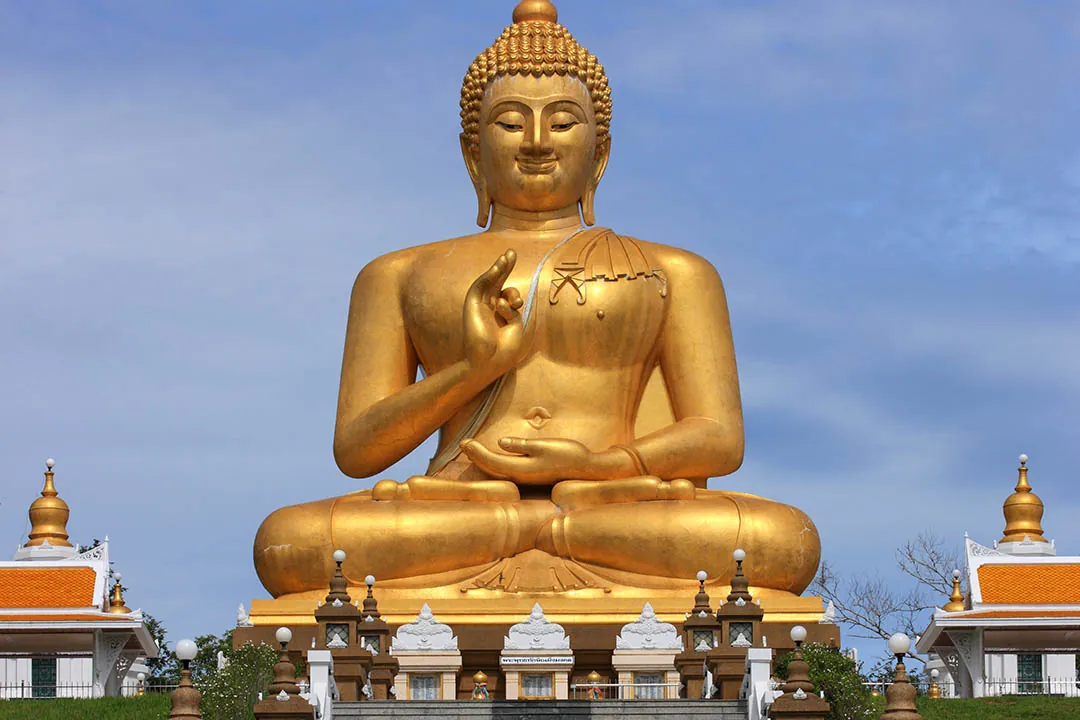
Khao Kong Buddhist Park
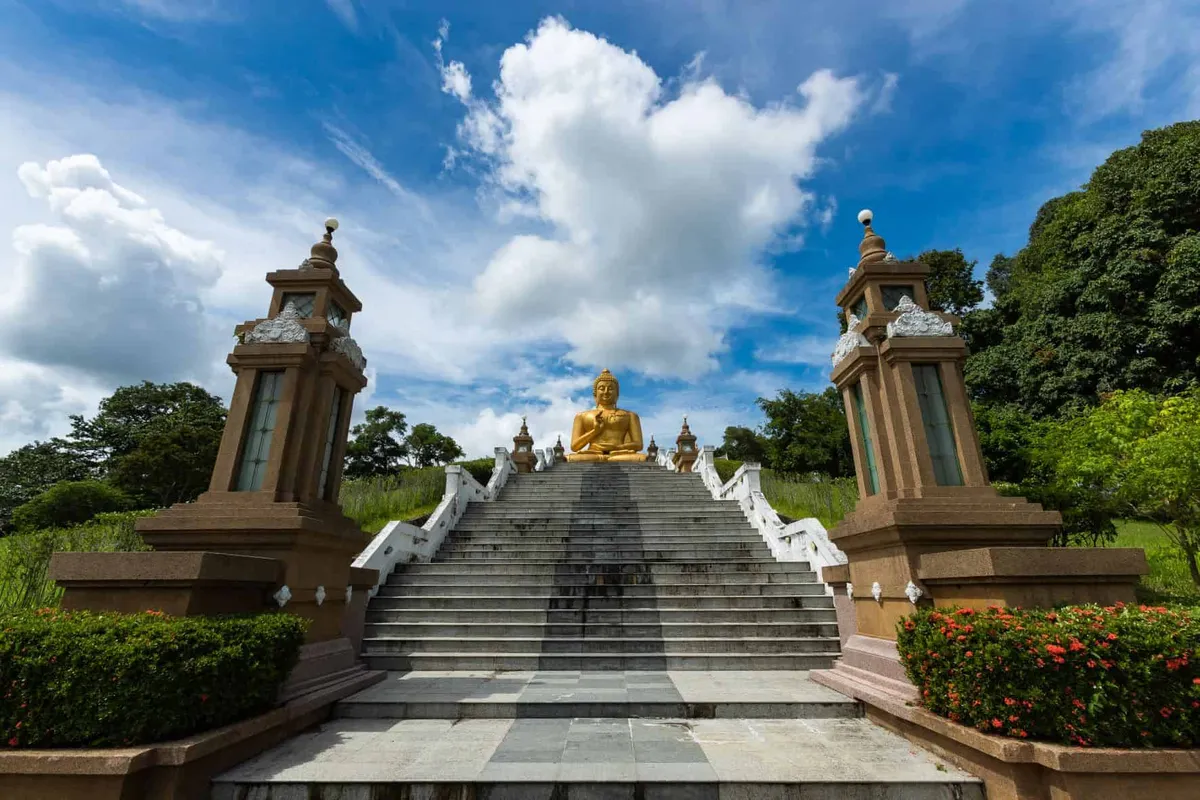
A large hilltop Buddha image overlooking the province — the site gives context for the town's Buddhist-Muslim mix and has good elevated views.
Get to Narathiwat
Narathiwat airport has direct flights from Bangkok; the overnight train from Hua Lamphong to Su-ngai Kolok is an alternative if you want to travel by rail through the south.

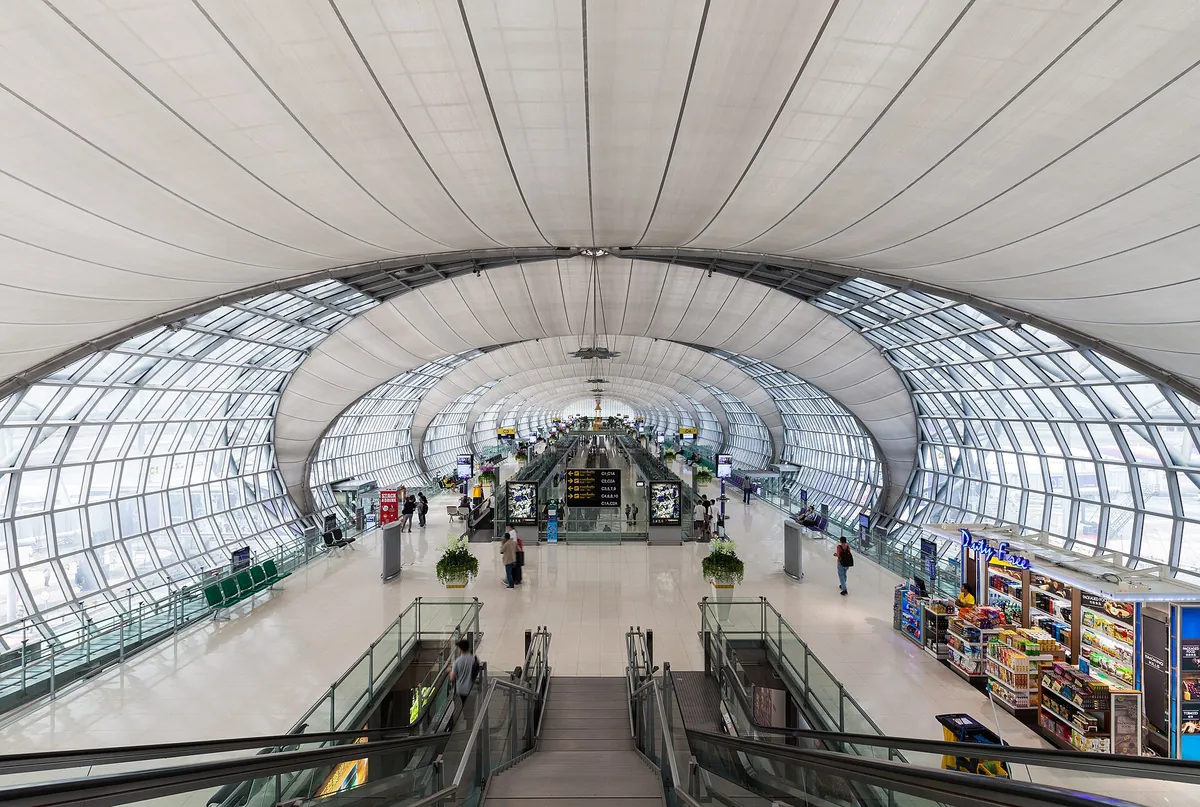
eSIM for Thailand
Land with data already working and skip the airport SIM queue. We tested six plans — code THAIHOLIDAY saves 10%.

Travel insurance
Sort cover before visiting the deep south — travel insurance for this region requires a standard policy with medical and evacuation cover; check the FCO advice before you go.
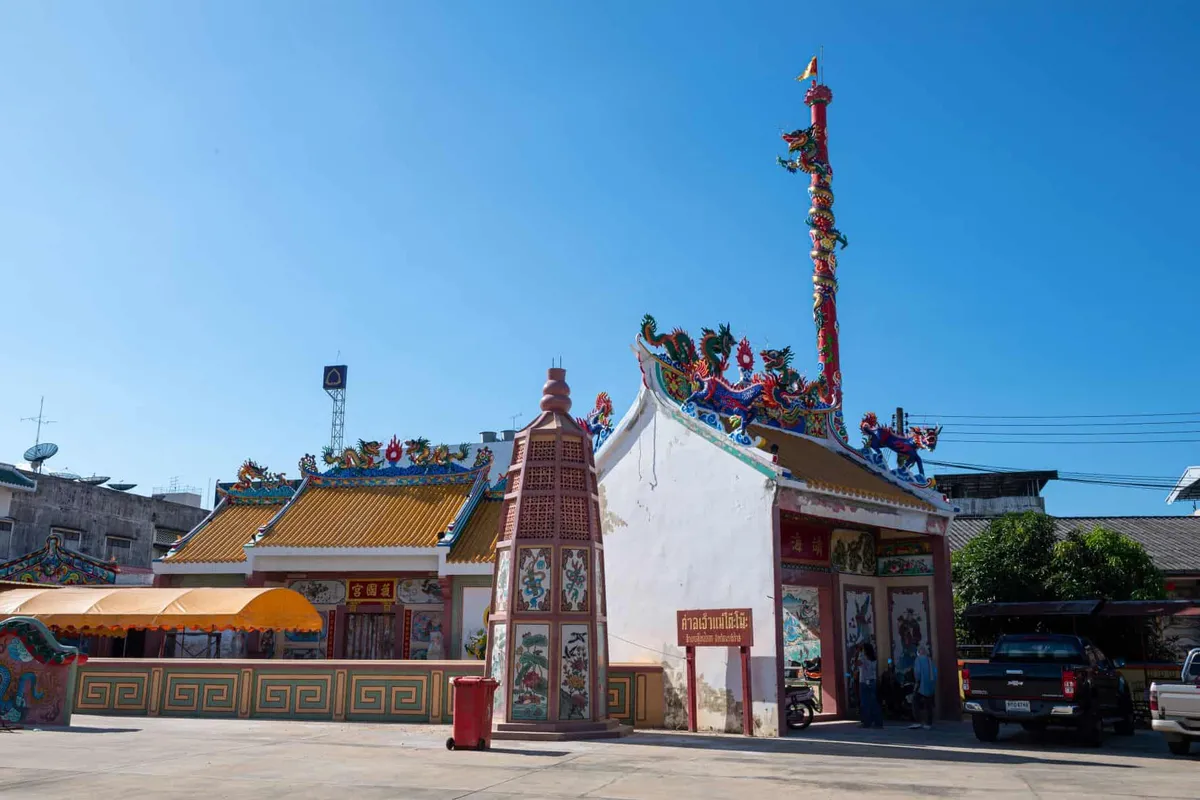
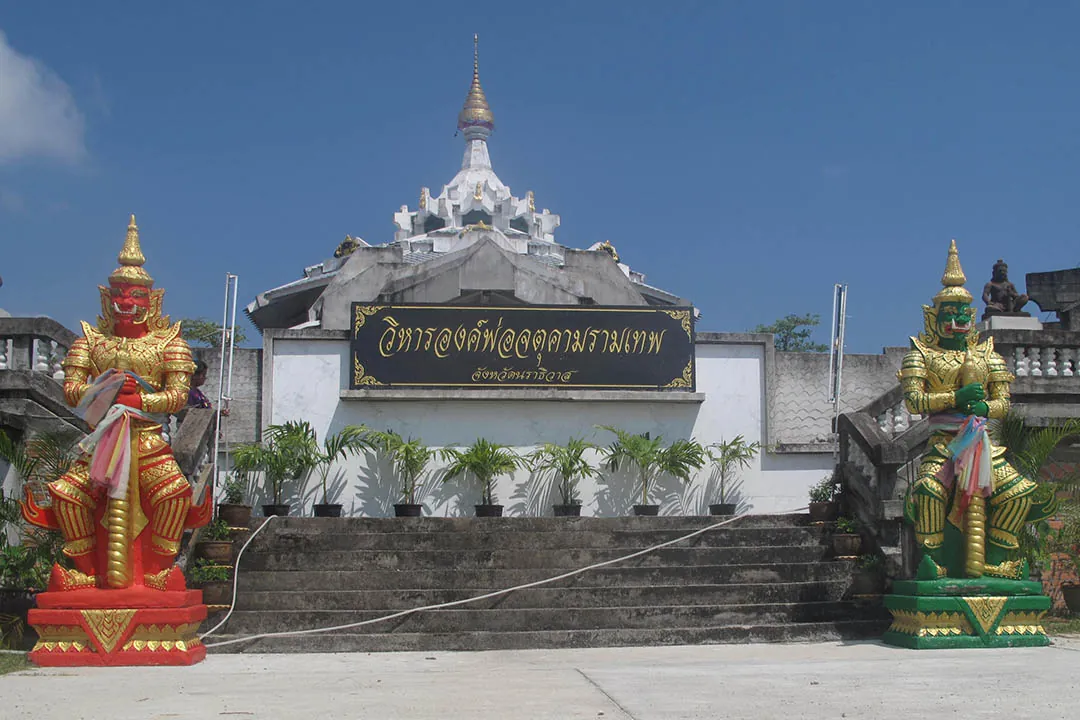
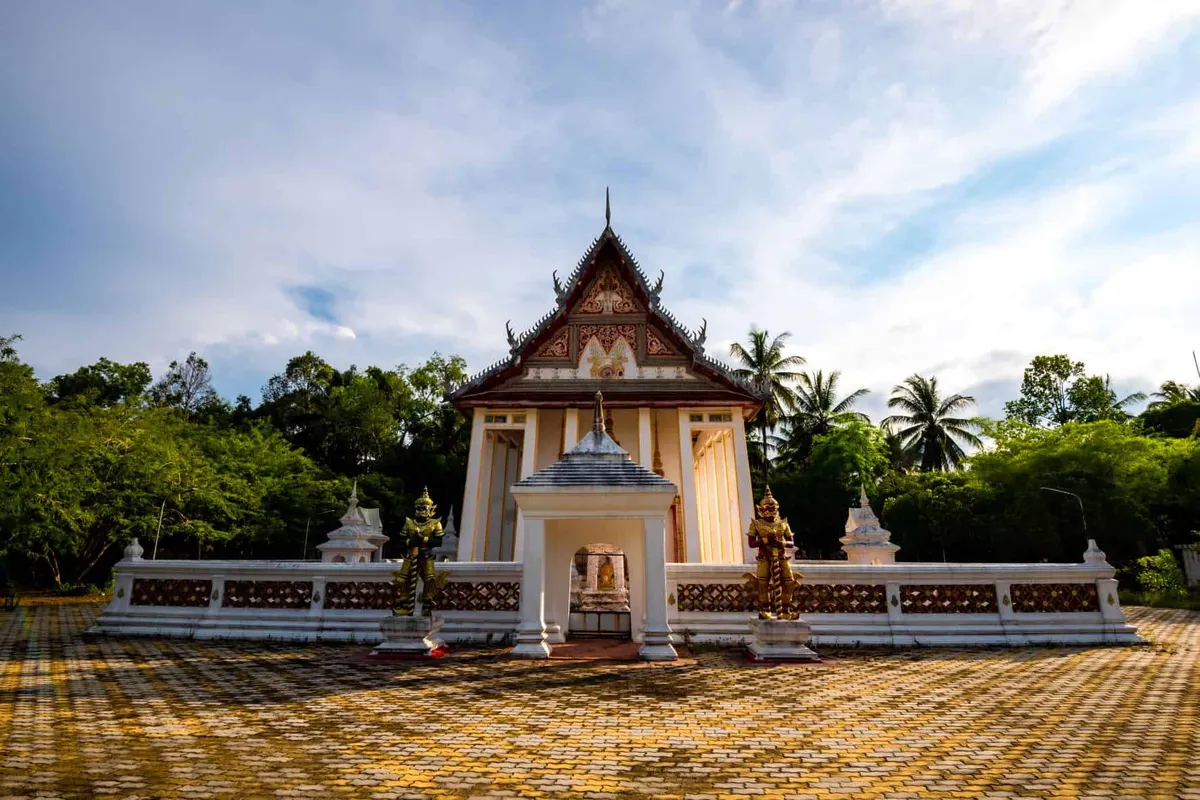
Wats, shrines & spiritual sites
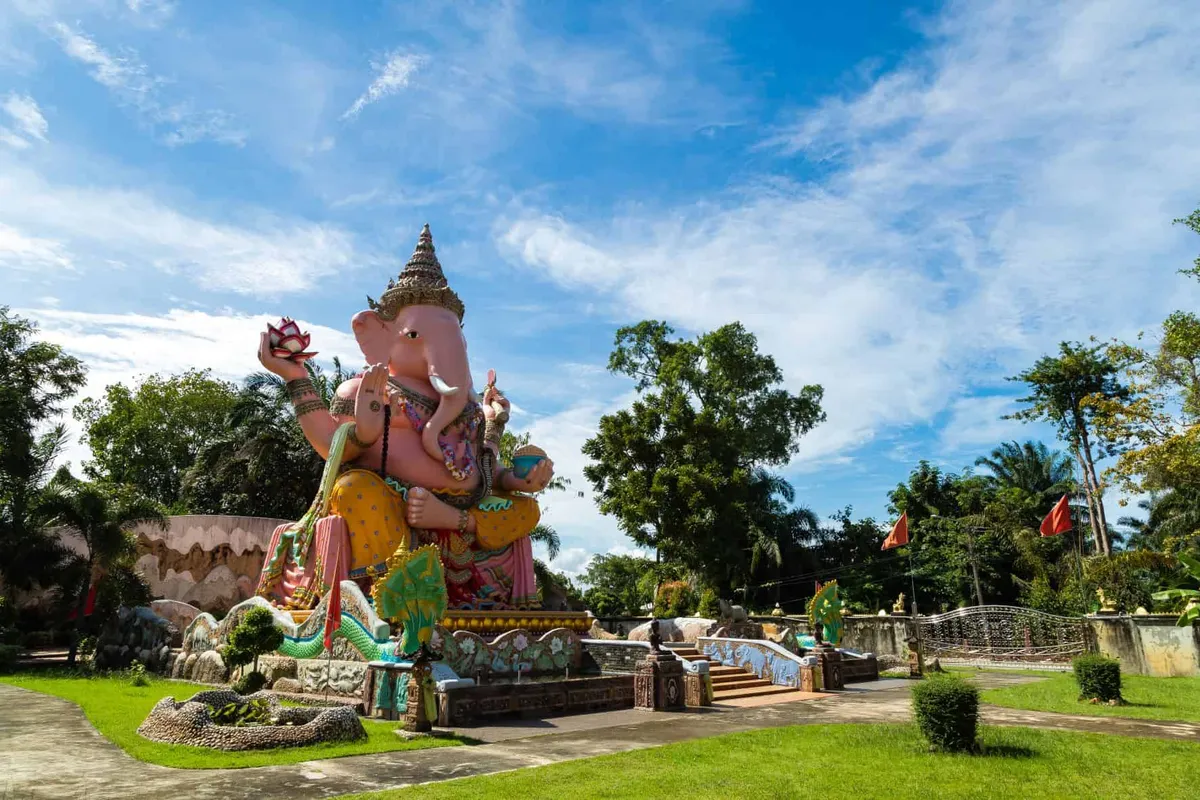
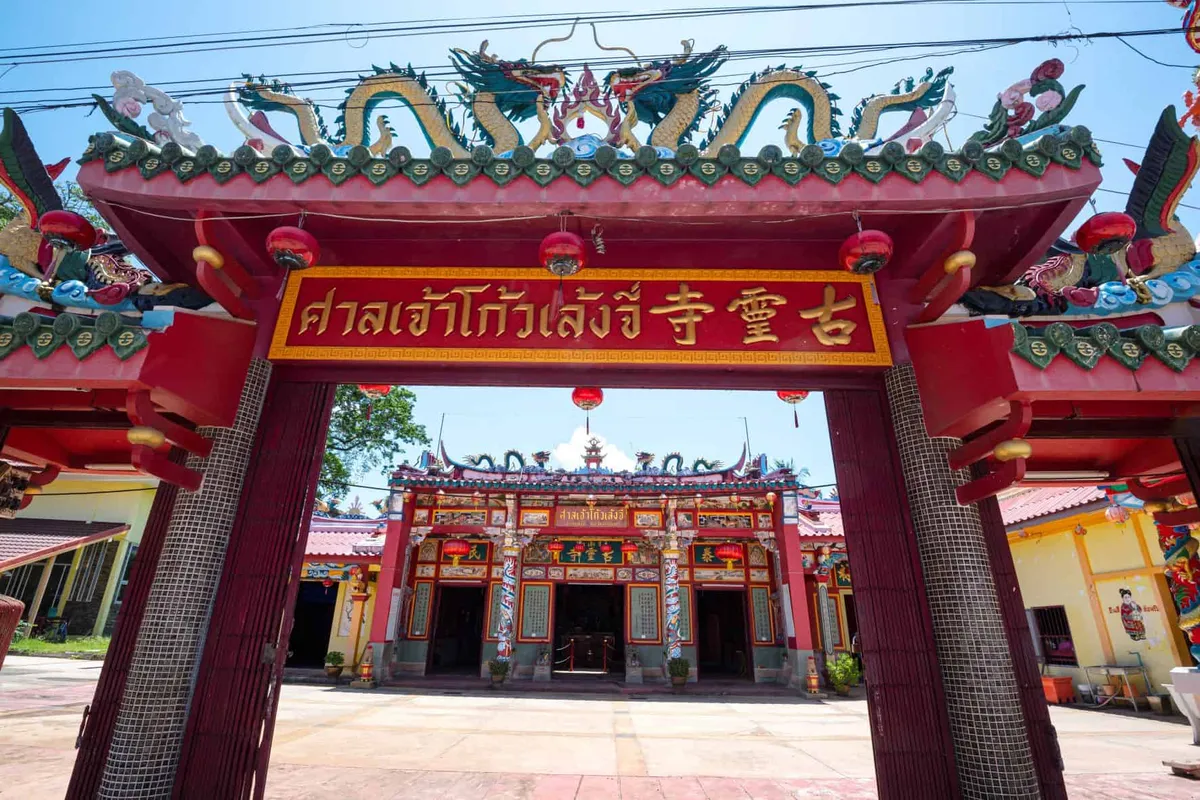
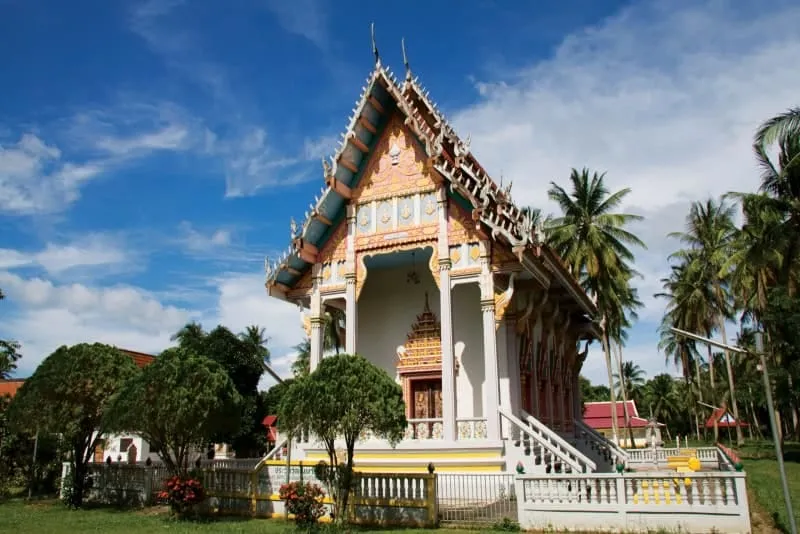
Temples in Narathiwat







Sand, snorkelling & island-hopping
Beaches & islands in Narathiwat




Waterfalls, peaks, caves & parks
Nature & outdoors around Narathiwat




Things to do on the map
Tap a pin for details — 26 places in Narathiwat plotted.
When to go
Feb–Apr The relative dry season — the best window for visiting. Rainfall is lightest in February through April. Heat is constant year-round (27–33°C), but humidity dips slightly and skies clear more often during these months.
May–Aug Transitional period with increasing rainfall. The province receives over 2,100 mm of rain annually and there is no true dry season — showers can arrive at any time. Interior forest roads to Hala-Bala may be difficult after sustained rain.
Sep–Jan Northeast monsoon drives the wettest period — October through January. November and December are particularly heavy (December averages around 380 mm). Flooding is possible in low-lying areas. The royal family typically visits Thaksin Ratchaniwet Palace October to December.
About Narathiwat
Last updated September 2026
Overview
Narathiwat is Thailand’s southernmost Gulf coast province, sharing a long land border with Malaysia’s Kelantan state to the south and flanked by Yala and Pattani to the west and north. The provincial capital, Narathiwat town, sits 1,141 kilometres south of Bangkok on the banks of the Bang Nara River where it meets the Gulf. Around 82% of the population is Muslim and approximately 80% are ethnic Malay — culturally and linguistically this is closer to Kelantan than to Bangkok, and the Malay language, Jawi script, and traditions of the Patani world are woven into everyday life.
Before anything else: Narathiwat is subject to an active travel advisory from the UK FCDO (last updated June 2026), the US State Department, the Government of Canada, and most Western foreign ministries, all of which advise against all but essential travel. The province is one of four deep-south provinces affected by a long-running separatist insurgency. Attacks — primarily shootings, bombings, and arson directed at military, police, and government targets — have continued for over two decades. See the Safety section below for the practical implications.
With that stated plainly, the province has genuine things to see. A royal summer palace on the beach, the oldest wooden mosque in Thailand, one of Southeast Asia’s most important lowland rainforest sanctuaries, a distinctive fishing-boat painting tradition, and a stretch of palm-fringed Gulf coast that sees virtually no foreign visitors.
Safety
The FCDO advises against all but essential travel to Narathiwat, Pattani, and Yala provinces, citing regular attacks by separatist insurgents. Martial law provisions and heavily enhanced security measures are in place. Incidents include shootings, bombings, and arson and are typically directed at security forces and government infrastructure, but civilians have been killed and injured. Narathiwat recorded a disproportionate share of incidents in recent years.
Practical consequences for visitors:
- Travel insurance: Most standard policies are invalidated when you travel against your government’s official advice. This means no coverage for medical evacuation, hospitalisation, or trip cancellation if an incident occurs. Check your policy terms explicitly before travel.
- Checkpoints: Military and police checkpoints are common on main roads throughout the province. Carry your passport at all times.
- Movement: Security conditions vary by district and can change quickly. Su-ngai Kolok in particular warrants extra caution as a border town. Consult your embassy’s current advisory, not older travel-guide copy.
- Insurance and registration: If you proceed despite the advisory, register with your embassy and ensure your insurer has explicitly agreed to cover travel to this area.
None of this is written to sensationalise — it is the factual position of multiple governments as of mid-2026.
Top Things to Do
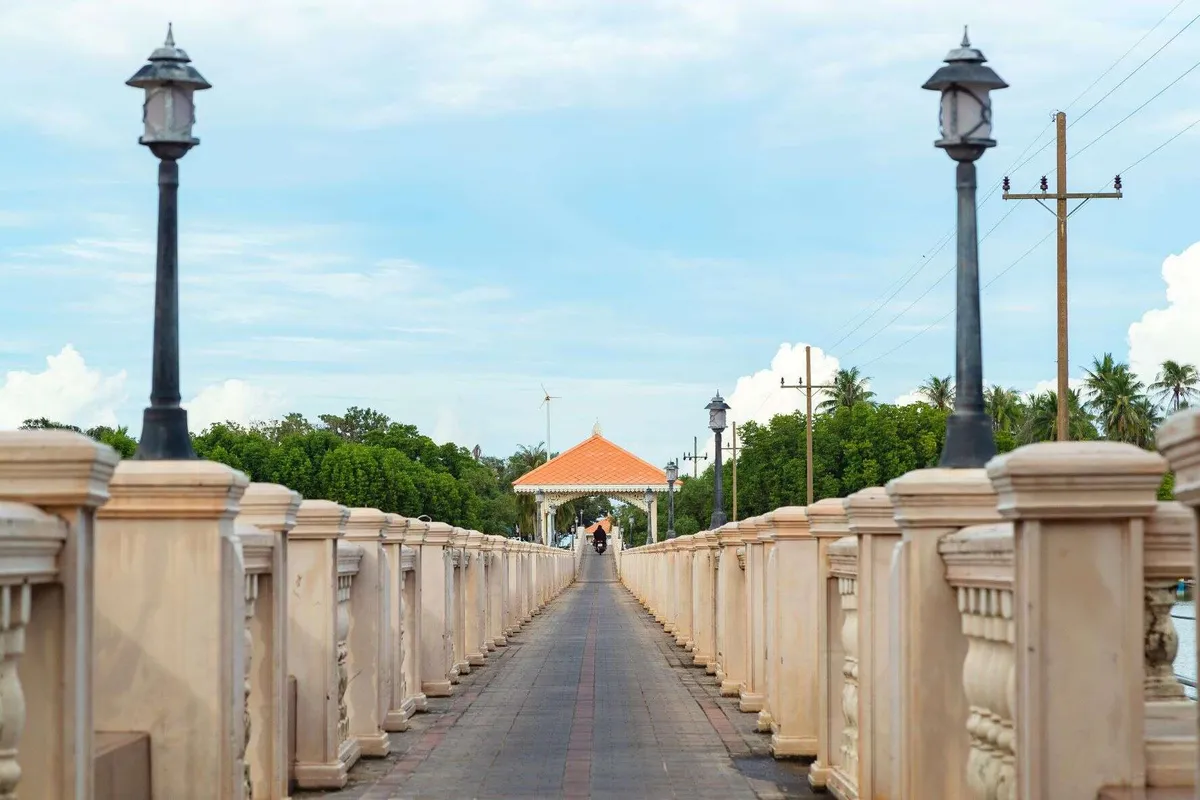
Thaksin Ratchaniwet Palace is the province’s best-known landmark and the southernmost of Thailand’s royal residences. King Bhumibol Adulyadej commissioned it in 1973 on a 480,000-square-metre coastal site on Tanyong Mat Mountain, 8 kilometres south of town on Highway 4084. The compound sits where the mountain meets the sea and overlooks Ao Manao bay. When the royal family is not in residence (they typically stay October to December), the grounds are open daily from 08:30 to 16:30. A craft centre on the grounds demonstrates and sells local pottery and ceramics.
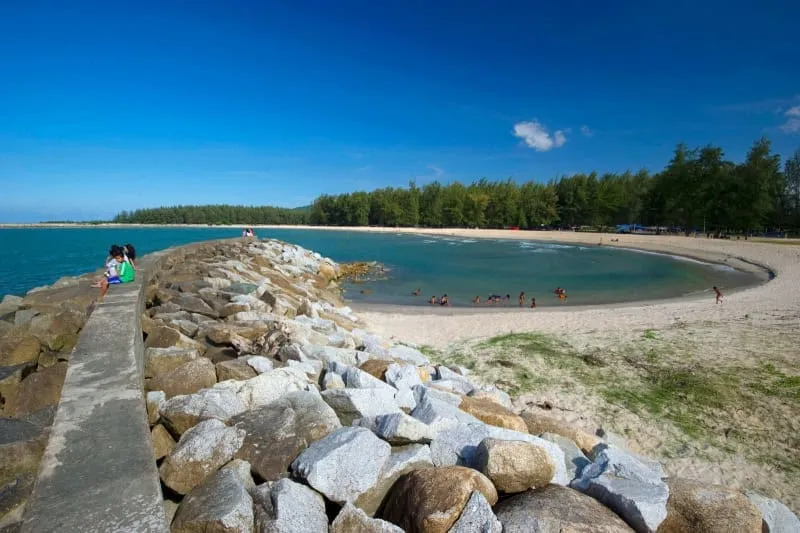
Ao Manao-Khao Tanyong National Park directly adjoins the palace grounds to the north. This is not the more famous Ao Manao beach in Prachuap Khiri Khan province — that is a different place, roughly 800 kilometres up the coast. The Narathiwat park covers about 37 square kilometres of coastal forest and beach, with a 4-kilometre beach at Manao Bay backed by casuarina pines, rocky outcrops, and patches of dense forest. Macaques, smooth-coated otters, herons, kingfishers, and white-bellied sea eagles are regularly seen here. A nature trail runs through the beach forest.
Phra Phutthathaksin Ming Mongkhon (Khao Kong Buddhist Park) in Lumphoo sub-district is home to the largest outdoor seated Buddha in southern Thailand — a golden image constructed between 1966 and 1969, sitting cross-legged on an elevated platform on a hill outside town. It is a working place of Buddhist worship and the view across the surrounding countryside from the hill is clear on a fine morning.
Wadi Al-Hussein Mosque (Talo Mano Mosque) in Bacho district is Thailand’s oldest surviving wooden mosque, built in 1634 to serve a newly settled Muslim community. The structure is constructed from merbau and belian (ironwood) timber — the joinery uses wedge fittings rather than nails — and its architecture blends Malay, Chinese, and Thai elements into a low, elegant building that has stood for nearly four centuries without major structural change. The mosque remains an active place of worship. Visit respectfully, cover appropriately, and check locally whether non-Muslim visitors are welcome at a given time.
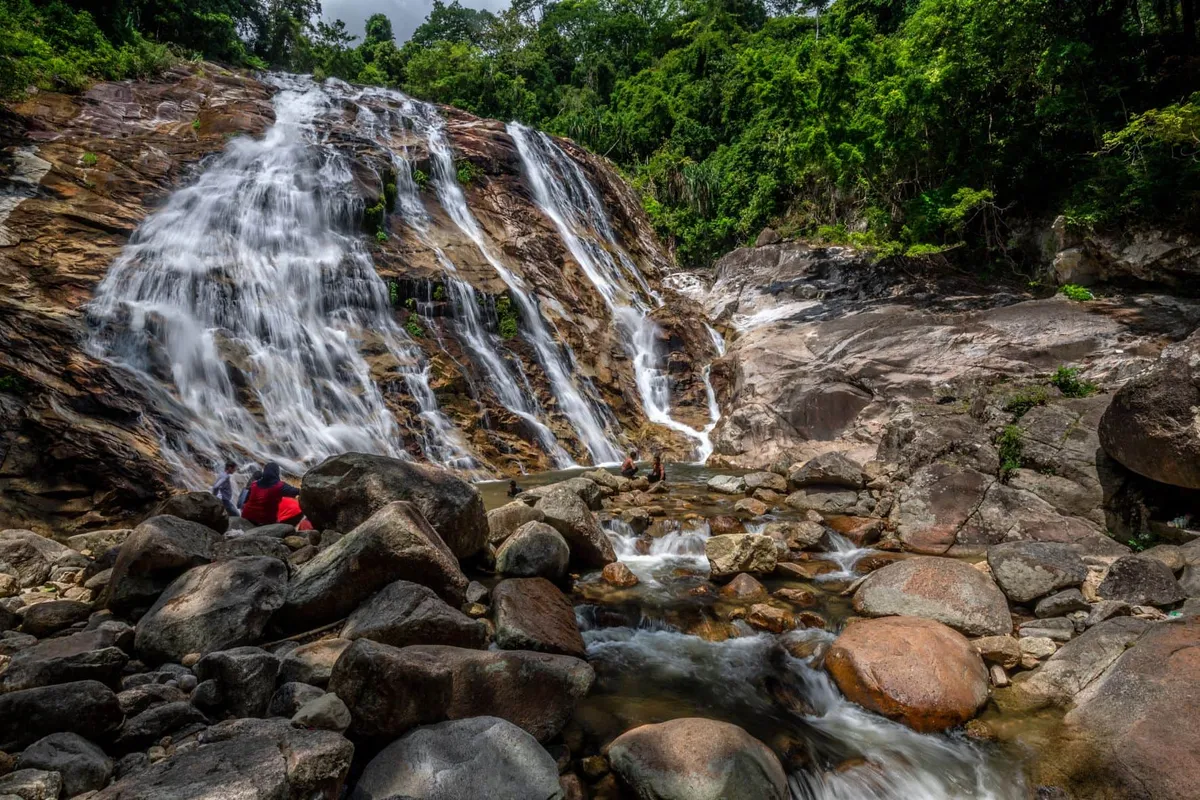
Hala-Bala Wildlife Sanctuary straddles the Narathiwat-Yala border along the Sankalakhiri mountain range and into Malaysia. Established in 1996, it covers around 627 square kilometres of continuous lowland and montane tropical rainforest — sometimes called the “Amazon of ASEAN” for its density and biological completeness. The Bala sector alone supports seven species of hornbill, a concentration found nowhere else in Thailand: Helmeted, Rhinoceros, Great, Plain-pouched, Wrinkled, White-crowned, and Black Hornbill. The sanctuary also holds gaurs, tapirs, and Sundaic forest bird species that have been eliminated from most of the peninsula by habitat loss. Access requires your own transport and an early start from Narathiwat town; the roads into the sanctuary can be impassable after heavy rain.
Hat Narathat is the town beach — a 5-kilometre strip of sand about 1.5 kilometres from the town centre, fronted by casuarina pines and a row of seafood restaurants. The mouth of the Bang Nara River marks the northern end of the beach, where kolae fishing boats are moored and the annual kolae boat races take place. It is a functional local beach rather than a resort, popular with Thai families on Friday afternoons and weekends.
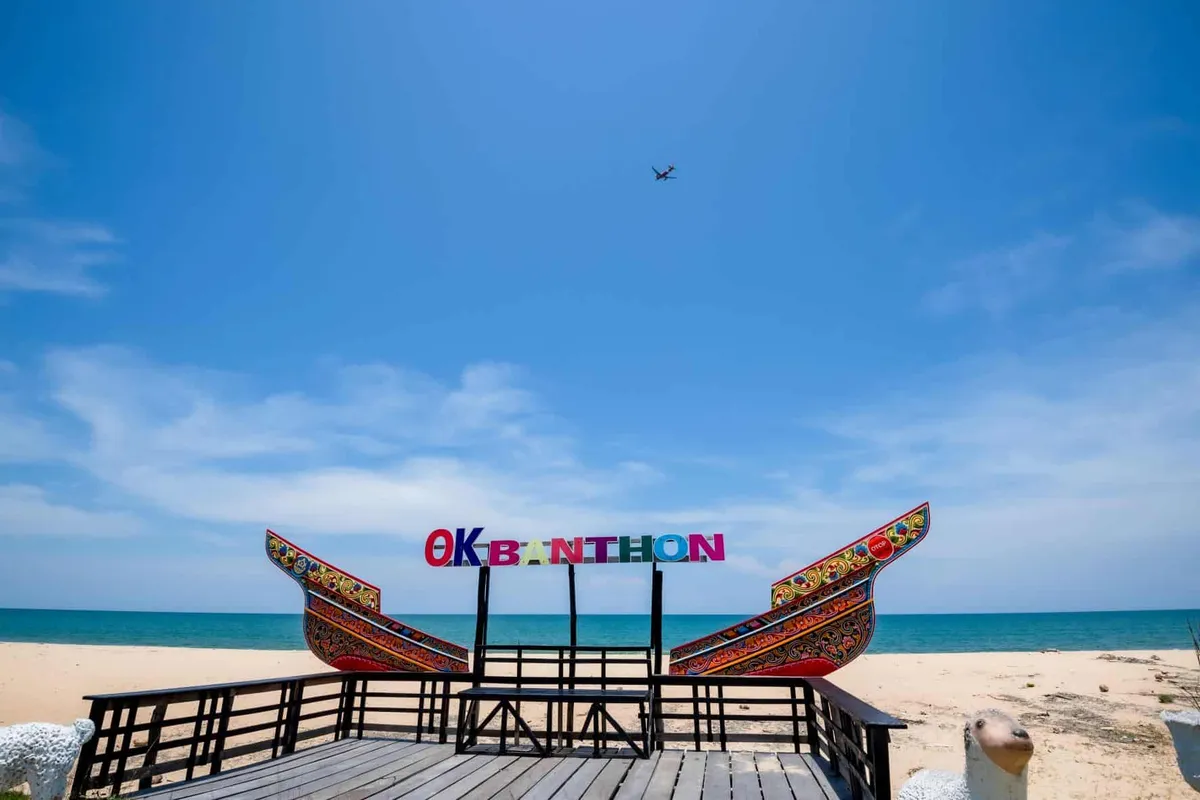
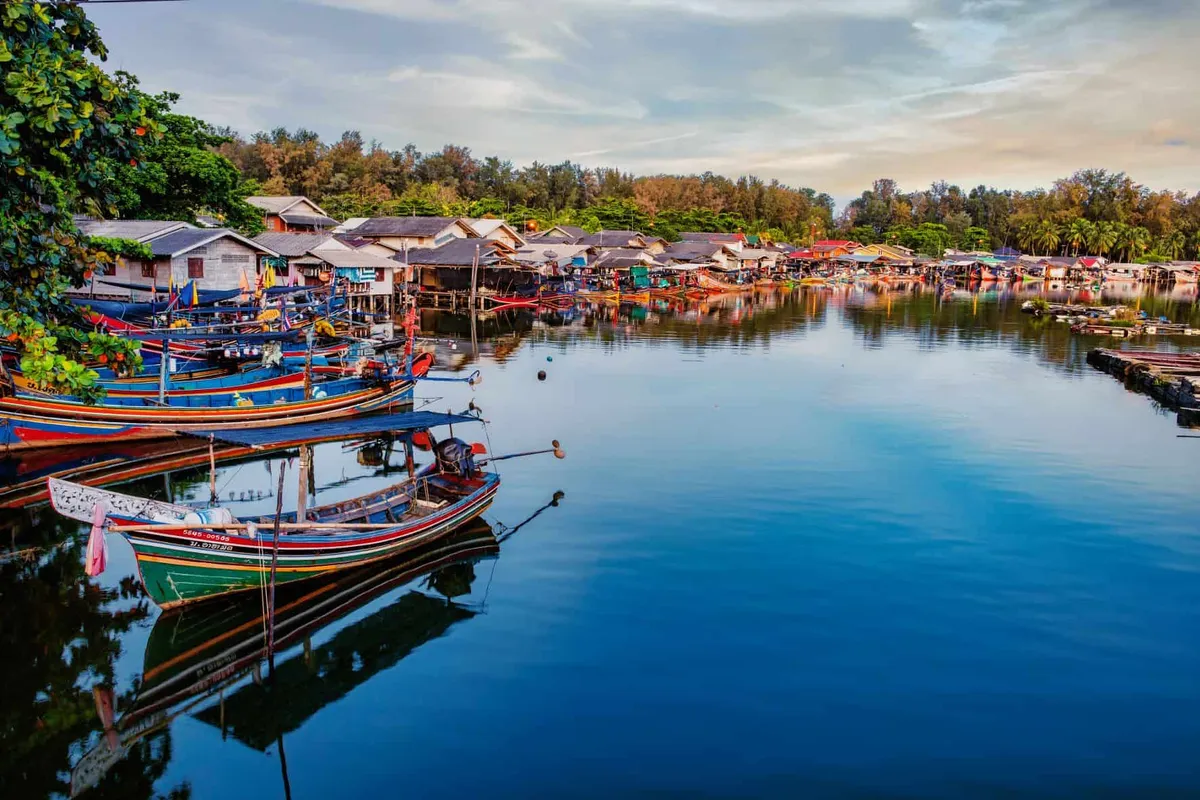
Kolae boat culture is one of the distinctive craft traditions of the deep south. Kolae are painted wooden fishing boats, 6 to 12 metres long, used throughout the Gulf coast from Narathiwat into Kelantan. The hulls carry intricate painted decoration: floral motifs, flame-like kanok patterns, and Javanese Yawo designs in red, yellow, green, and blue — no human or animal figures appear, in accordance with Islamic artistic principles. The boats are built from takhian sai wood and last up to 30 years of working use. Ban Ton village near Narathiwat is one of the centres of boat-painting tradition; you can watch craftspeople at work and see completed boats on the beach at Hat Narathat and at the Bang Nara estuary.
Su-ngai Kolok is the main overland border crossing to Malaysia, connecting to Rantau Panjang in Kelantan across a bridge over the Kolok River. The border is open 07:00 to 19:00 and is one of the busiest overland crossings in southern Thailand. It is also the southern terminus of the Thai rail network, though there is no cross-border train service despite a physical rail bridge existing across the river. Travellers heading to Kota Bharu and the east coast of Malaysia route through here. The town itself is primarily a transit and trading hub.
Where to Stay
Narathiwat town has a modest range of hotels and guesthouses at local price points — clean, functional, and affordable. There are no international chain properties and nothing that would be described as resort accommodation. Su-ngai Kolok, as a border town, has more hotels than its size would suggest given the transit trade; quality is variable. Both towns have ATMs.
Most visitors with a specific purpose in the province (research, work, journalism, royalist pilgrimage to the palace) stay in town and use their own or hired transport for day trips to the palace, Hala-Bala, and the mosque.
Getting There
By air: Thai AirAsia operates daily flights from Don Mueang Airport (DMK) in Bangkok to Narathiwat Airport (NAW), taking approximately 1 hour 30 minutes. This is the most practical option from Bangkok given the distances involved.
By train: The State Railway of Thailand runs overnight sleeper services from Krung Thep Aphiwat Central Terminal to Tanyongmat station (the station serving Narathiwat town), a journey of approximately 19 hours. Su-ngai Kolok at the Malaysian border is the southern terminus of the line. The FCDO also advises against all but essential travel on the Hat Yai–Padang Besar railway line, which runs through the affected provinces.
By bus: Long-distance buses from Bangkok’s Southern Bus Terminal require a change at Hat Yai, adding time; the total journey is roughly 19 to 20 hours.
Within the province, there is no reliable public transport for sights outside town. A hired driver or rental vehicle is the practical approach for Thaksin Ratchaniwet Palace, Khao Kong, Hala-Bala, and the mosque at Bacho.
Best Time to Visit
Narathiwat has a tropical rainforest climate with over 2,100 mm of annual rainfall distributed across all 12 months — there is no dry season in the sense familiar to visitors from northern or central Thailand. February through April is the relative dry period and the best window for a visit: rain is less frequent, humidity is marginally lower, and the roads into Hala-Bala are more likely to be passable.
October through January is the wettest period, driven by the northeast monsoon off the Gulf of Thailand. November and December are particularly heavy — December can exceed 380 mm for the month, with rain on more than 20 days. This period also coincides with the royal family’s annual stay at Thaksin Ratchaniwet Palace, when public access to the palace grounds is restricted.
The province does not experience the smoke haze from burning-season fires that affects northern Thailand in February through April — there is no equivalent seasonal agriculture burning pattern here.
Frequently Asked Questions about Narathiwat
Is it safe to travel to Narathiwat?
How do I get to Narathiwat from Bangkok?
What is the best time of year to visit Narathiwat?
How long do you need in Narathiwat?
What language and currency are used in Narathiwat?
Spotted something out of date or incorrect? Let us know
Plan your
Narathiwat trip