





Khun Phawo National Park
อุทยานแห่งชาติขุนพะวอ
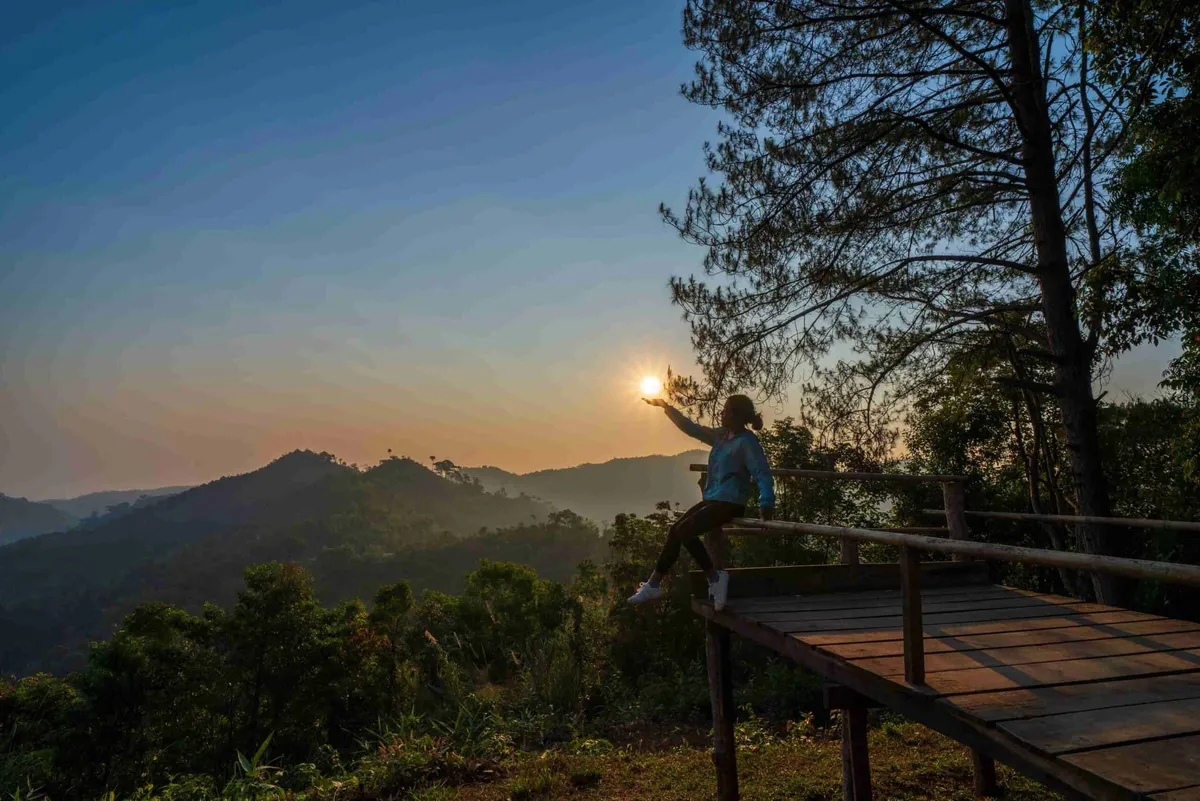
Khun Phawo National Park covers about 396 square kilometres of forested mountains straddling Mae Ramat and Mae Sot districts near the Thai-Myanmar border — Thailand’s 115th national park, and one of the least-visited in the west. DNP entry runs 200 THB for foreign adults (100 THB children), 40 THB for Thai adults (20 THB children), plus a 30 THB per-vehicle charge. It’s not free, despite what some listings claim.
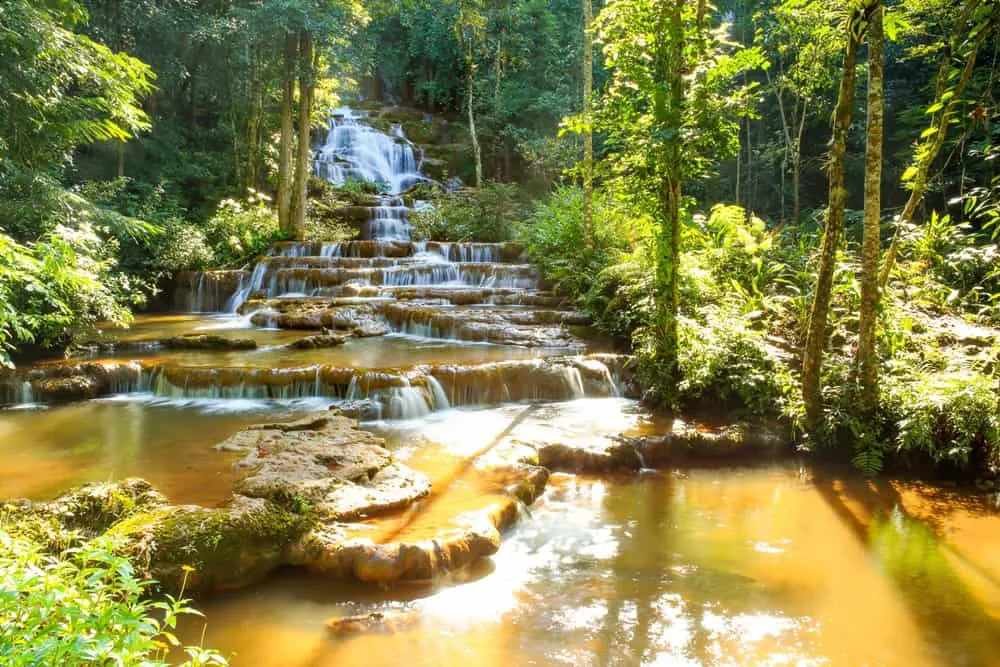
The park’s headline waterfall, Khun Phawo (also called Huay Pong), drops roughly 90 metres and flows year-round. Reaching it means a 2.8 km trek from the headquarters — manageable, and doubles as a nature trail through several forest types, from bamboo stands to stretches of teak that filter the light overhead. Two other falls reward visitors willing to go further: Huay Krathing, about 15 km from headquarters, and Pa Mak Waterfall, 40 km out, which has a cave beneath it and trails still being developed for general access — treat that one as an adventure-trek destination, not a casual add-on.
Bird activity is the park’s other draw. Hornbills and kingfishers are the regulars reported along the Khun Phawo trail, particularly in early morning before the heat builds. The forest cover is dense enough that wildlife sightings depend on quiet movement and patience rather than luck alone — this isn’t a park with habituated animals near a car park.
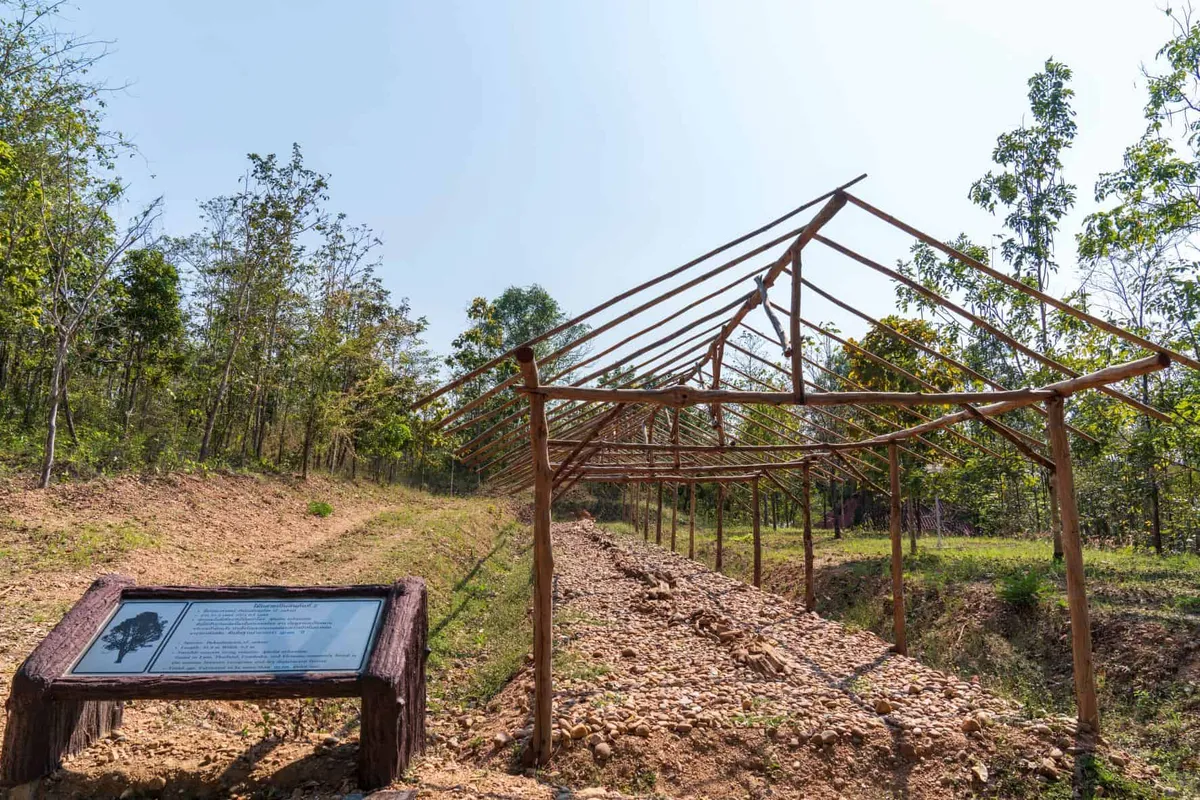
Facilities are minimal: a headquarters building at the park entrance, basic camping ground, and the trail network itself. There’s no visitor centre with exhibits, no restaurant, and mobile signal drops out on the approach roads. Bring your own water, food and insect repellent — the nearest reliable supply point is Mae Ramat town, roughly 16 km away via Highway 1175.
November through February gives the most comfortable trekking conditions — cooler air (temperatures can drop into single digits at night) and drier trails. The park sits under Andaman monsoon influence, so outside that window afternoon rain is routine and some trail sections turn to mud.
Insider Tip: Call the park office (0 5557 7447) before setting out for Pa Mak Waterfall specifically — the trail there is described as still under development, and conditions change season to season.
Watch out: This is genuinely remote parkland near an international border. Don’t rely on phone signal past the headquarters, and let someone know your planned route if you’re doing the longer treks.
For other parks and sights in Tak province’s border belt, see King Taksin the Great National Park and Mae Moei National Park.
- Entry fee: 200/100 THB (foreign adult/child), 40/20 THB (Thai adult/child), +30 THB/vehicle
- Size: ~396 sq km (247,957 rai), Thailand’s 115th national park
- Main waterfall: Khun Phawo/Huay Pong, ~90m, 2.8 km trek from HQ
- Best season: November-February (drier, cooler)
- Getting there: ~16 km from Mae Ramat town via Highway 1175
Location & Directions
Mae Ramat, Tak
Tak, Thailand
Show your taxi or Grab driver
อุทยานแห่งชาติขุนพะวอ
Frequently Asked Questions
Is Khun Phawo National Park really free to enter?
How big is Khun Phawo National Park?
What's the main waterfall and how do I reach it?
Are there other waterfalls worth the extra distance?
When is the best time to visit?
Spotted something out of date or incorrect? Let us know
Stay Near Khun Phawo National Park
Live prices for places closest to Khun Phawo National Park — tap a pin to compare.