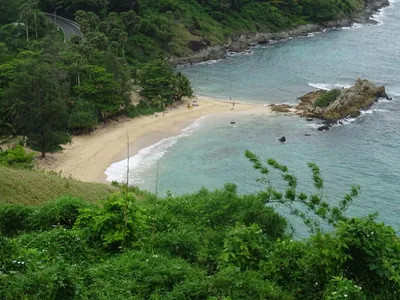




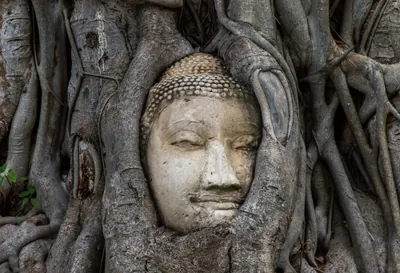

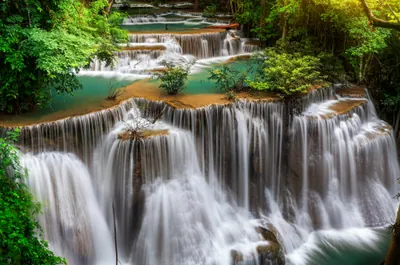


DepositPhotos (standard license)
Tak
ตาก
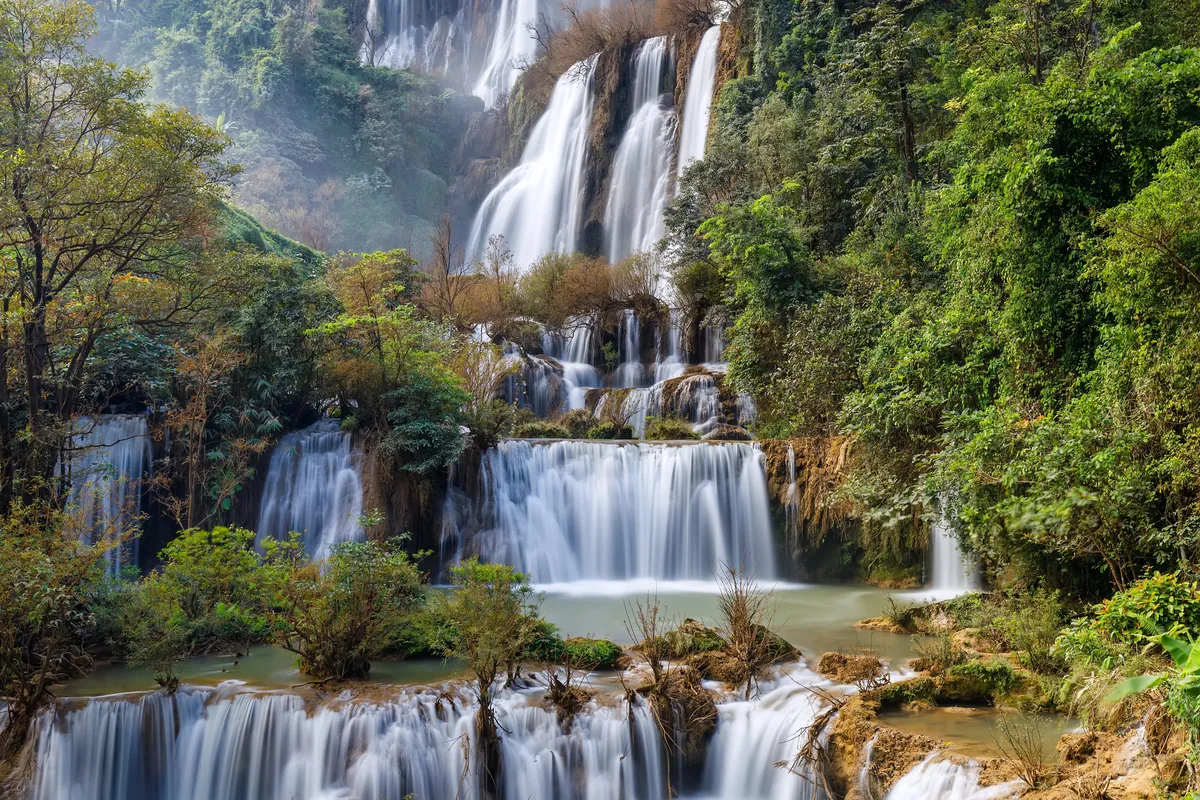
Border province home to Umphang's majestic Thi Lo Su Waterfall, Thailand's largest and most spectacular cascade.
Recommended by us

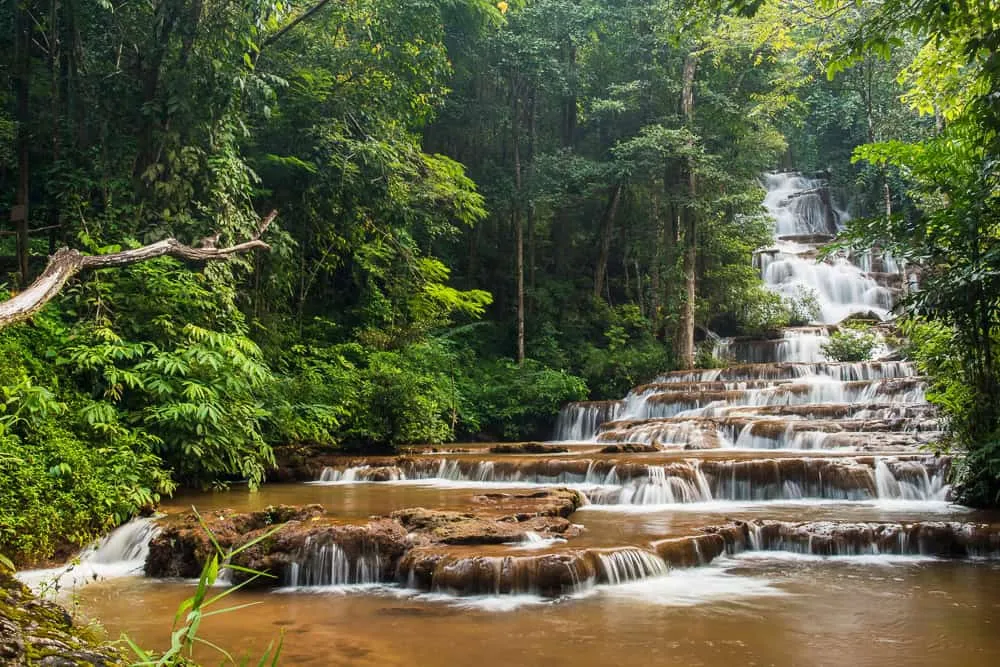
Namtok Pha Charoen
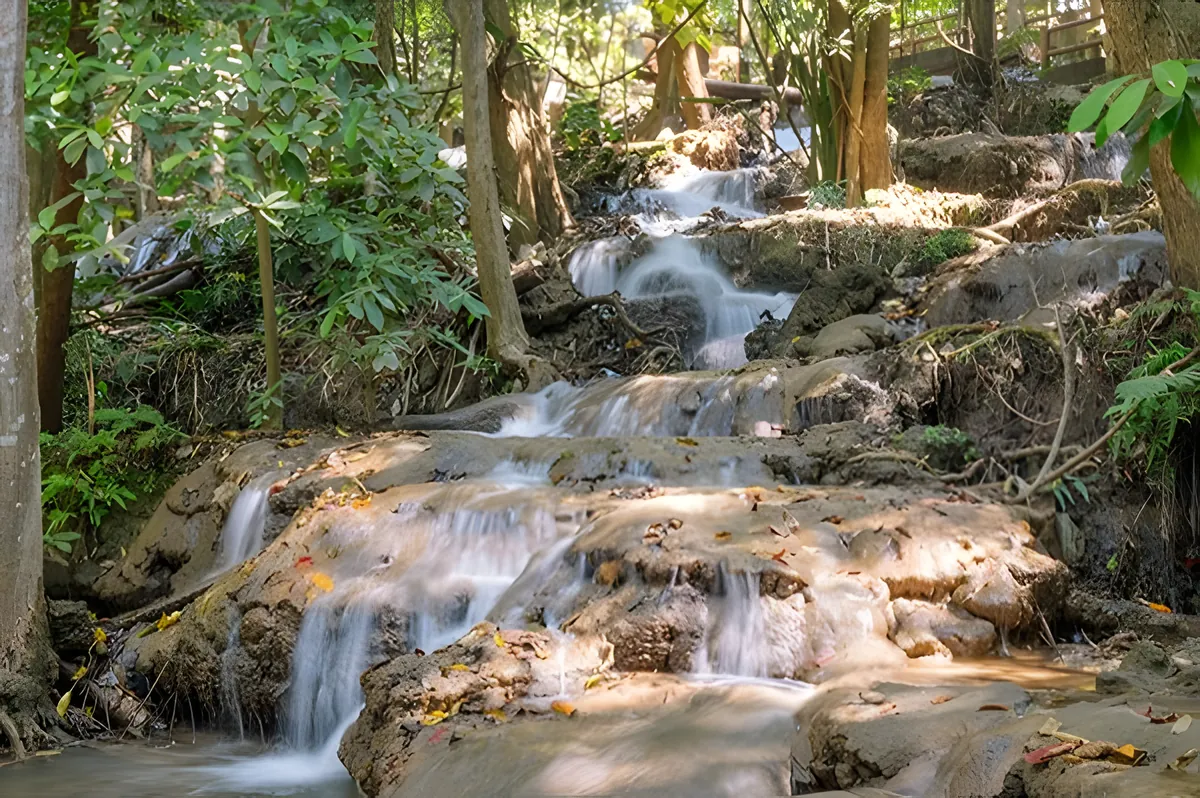
One of the most accessible multi-tier falls in the western hills — wide, forested, and rarely crowded. Best after the rains when the tiers are running full.

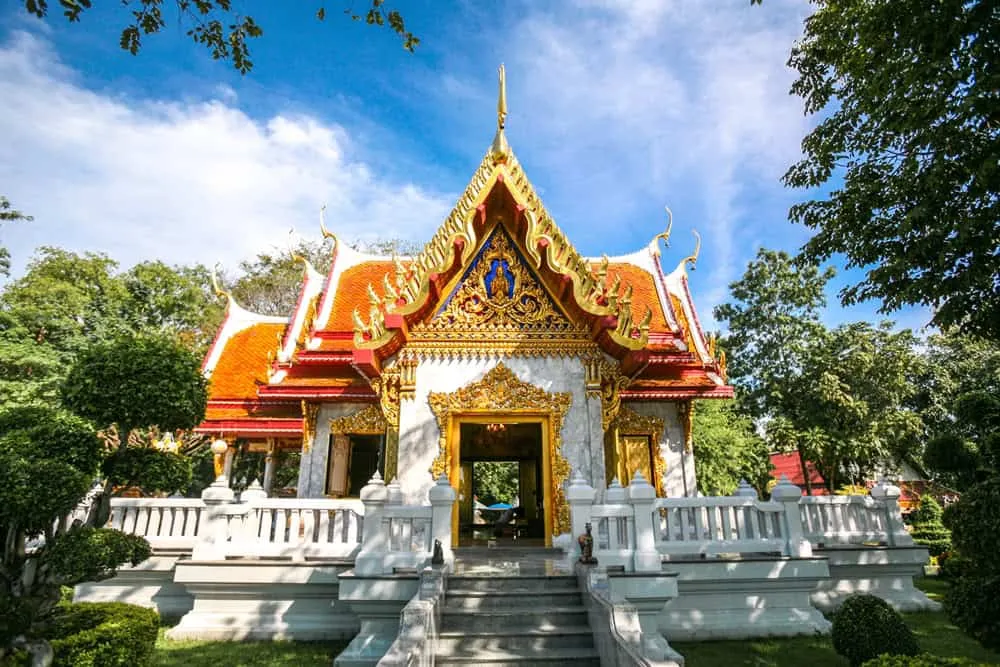
King Taksin the Great Shrine
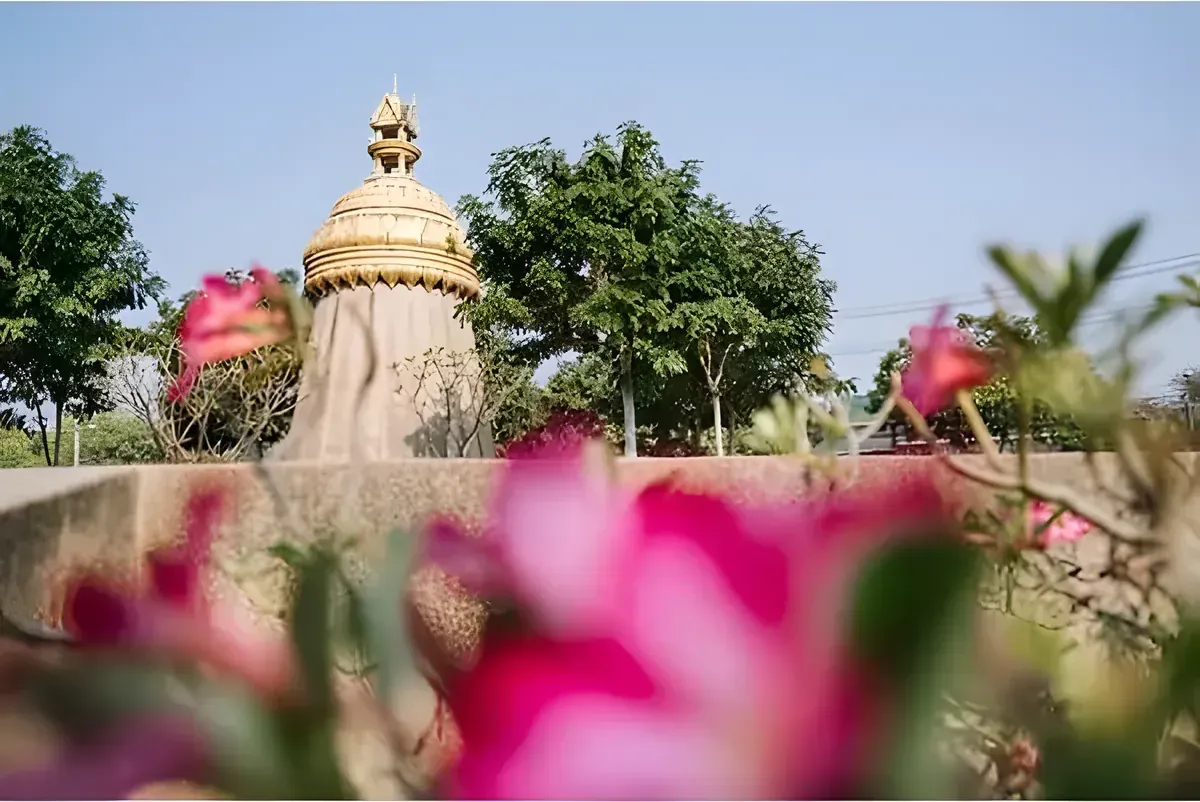
Tak's defining landmark — the shrine of the king who governed Tak, took his name from it, and later reunified Thailand after the fall of Ayutthaya. Worth an hour and a bit of context before you arrive.

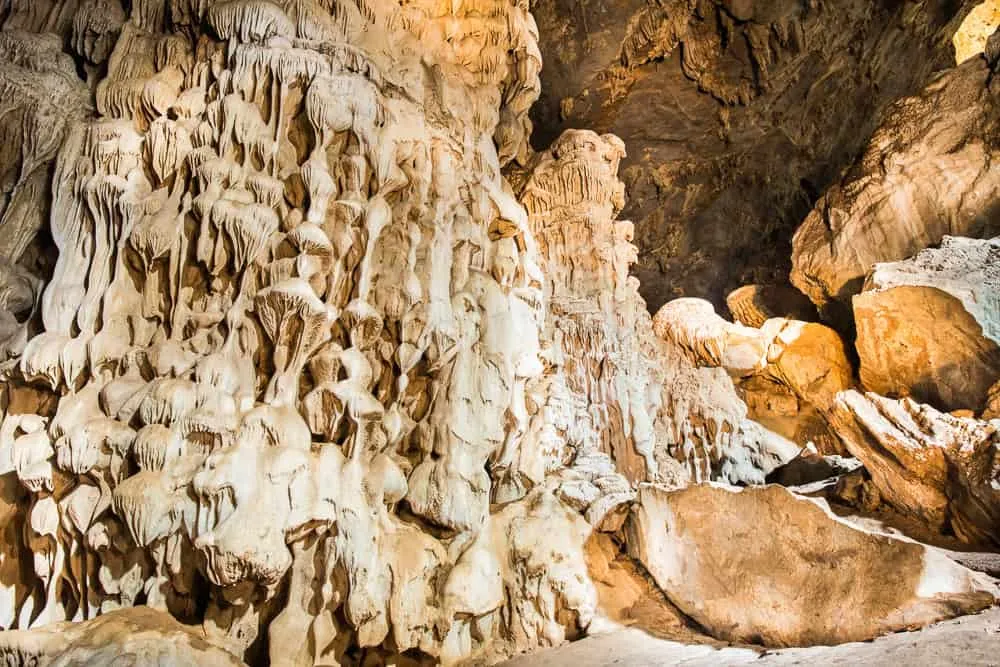
Mae Usu Cave
A river cave near Umphang where a subterranean stream runs through limestone chambers. Bring a torch and expect wet feet — that's part of it.

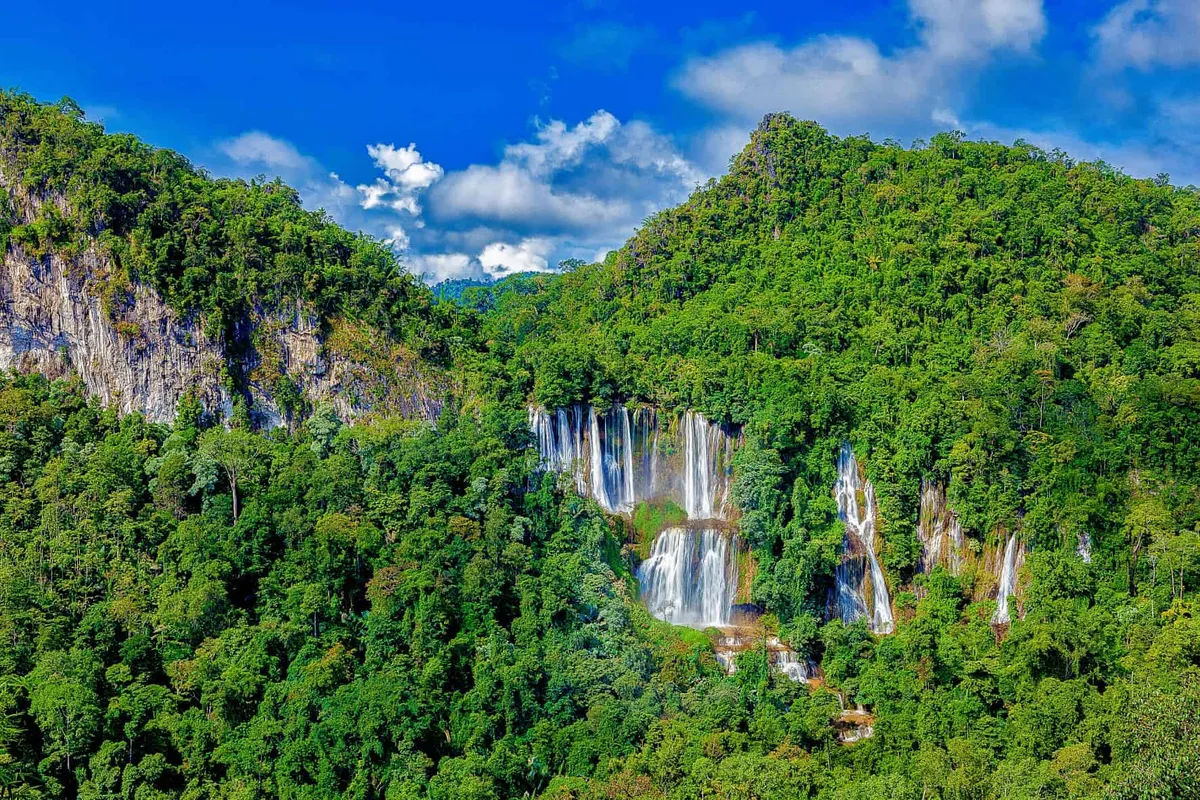
Umphang Wildlife Sanctuary
Part of the UNESCO Western Forest Complex — one of the largest intact forest blocks left in mainland Southeast Asia. You need a guide to go deep; the ranger station can arrange one.

Get to Tak
Buses from Bangkok's Mo Chit terminal take around 6–7 hours; the town is a common overnight stop on the way to Mae Sot or Umphang.

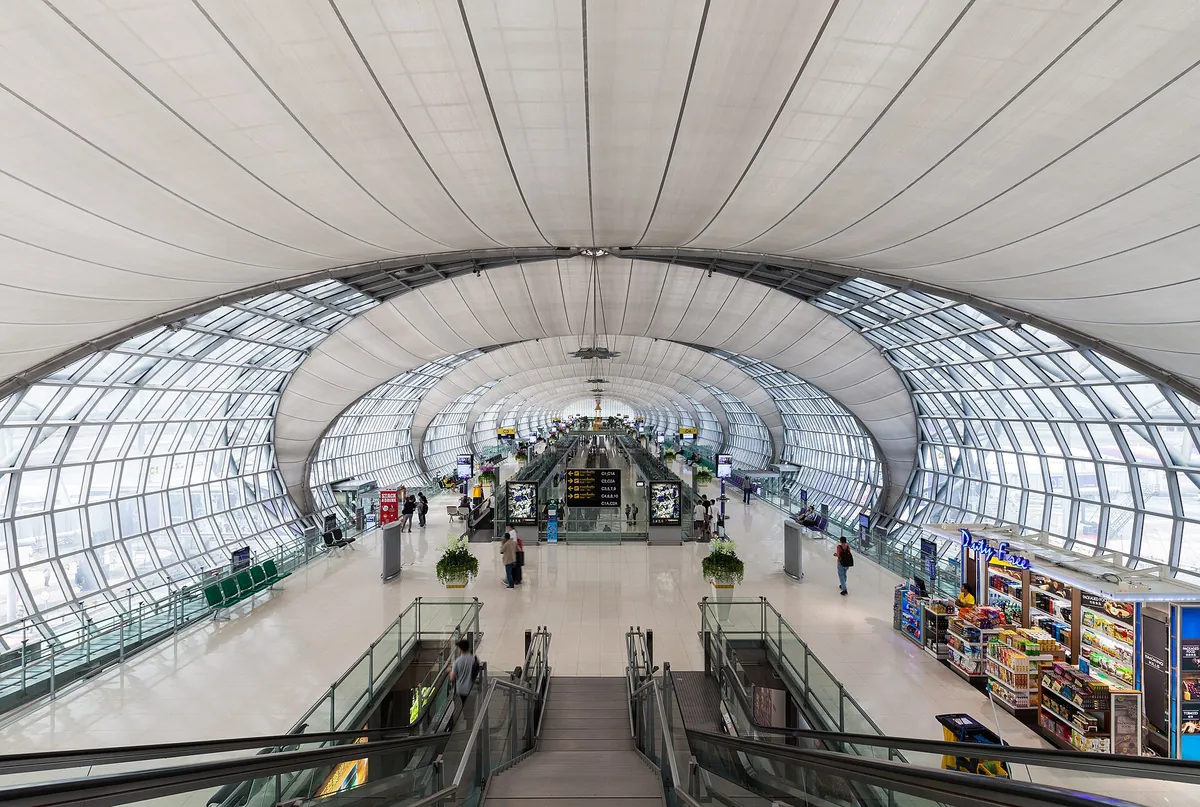
eSIM for Thailand
Land with data already working and skip the airport SIM queue. We tested six plans — code THAIHOLIDAY saves 10%.

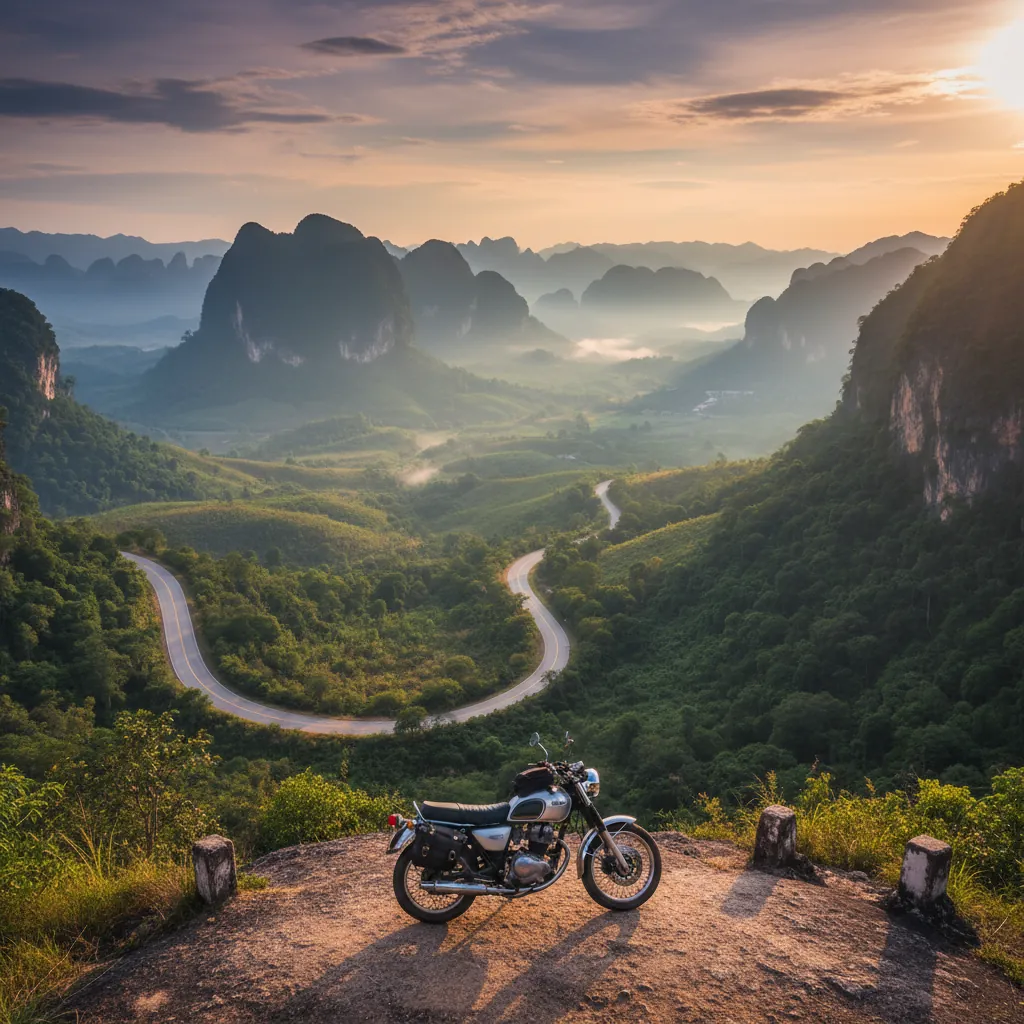
Travel insurance
Jungle trails and river caves around Umphang are remote — sort cover before you go, and check that trekking and motorbike riding are included.
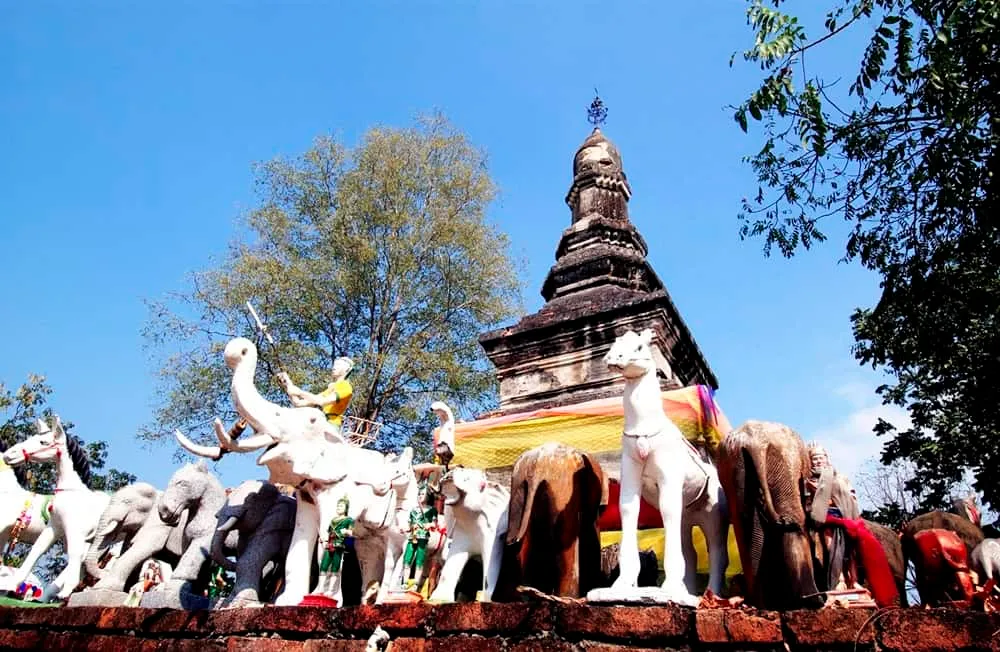
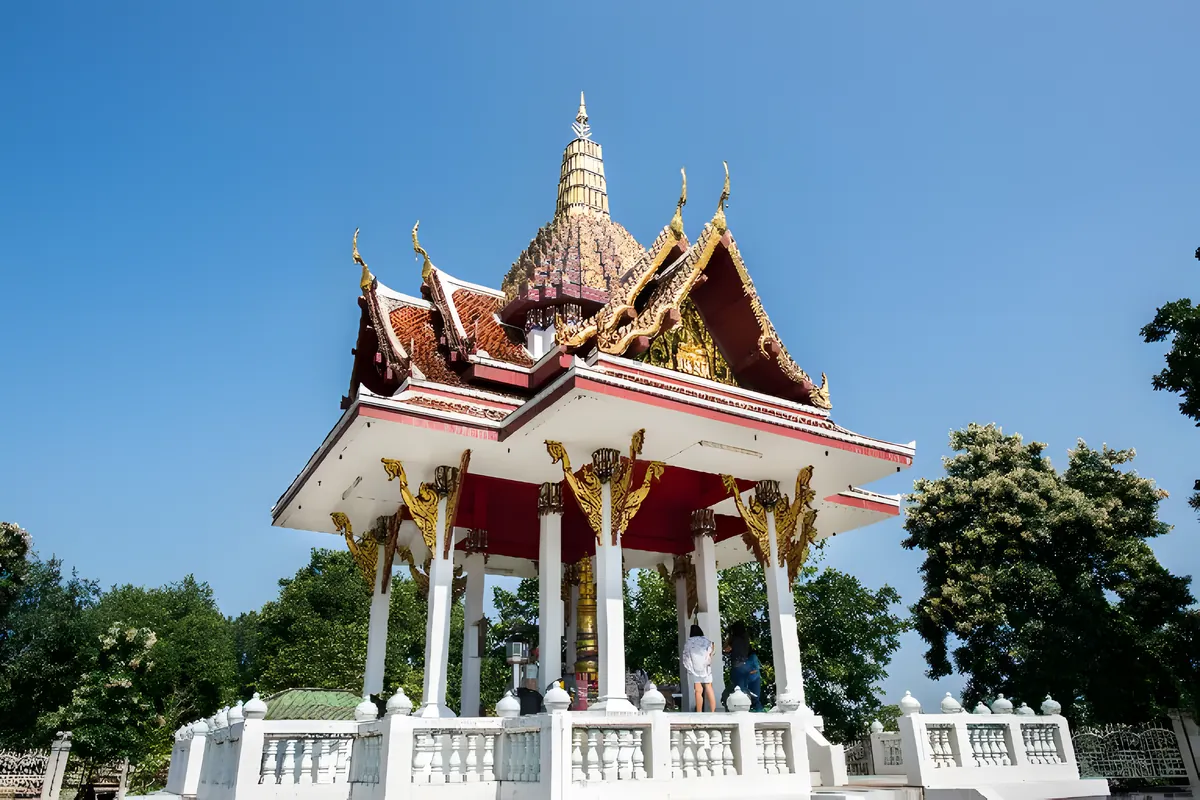
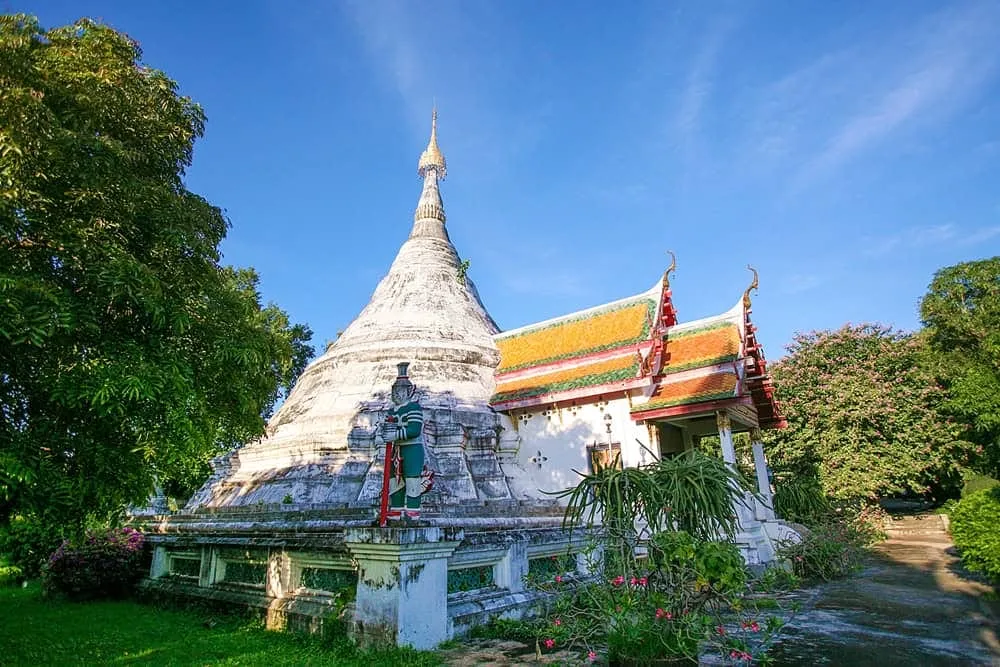
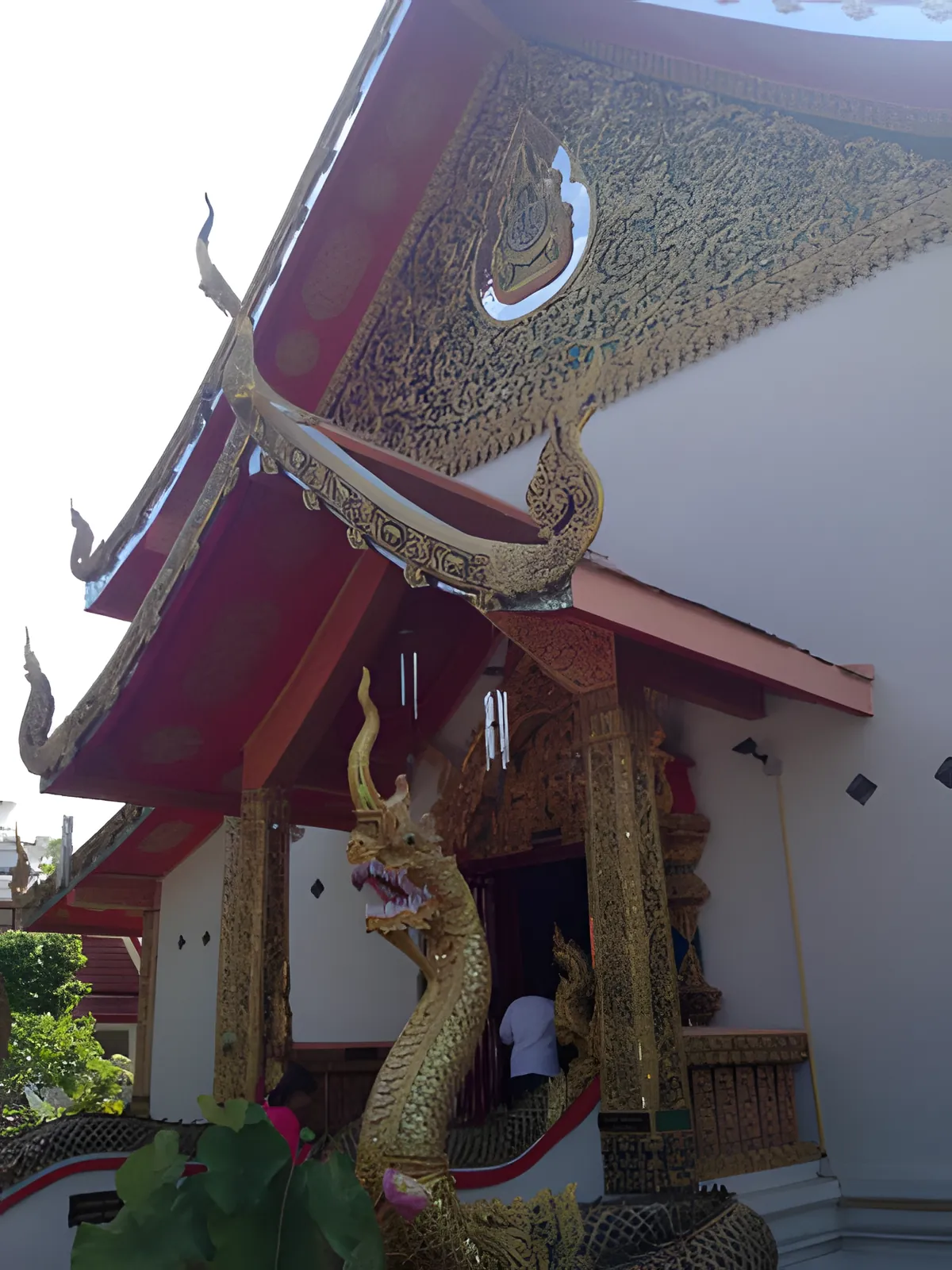
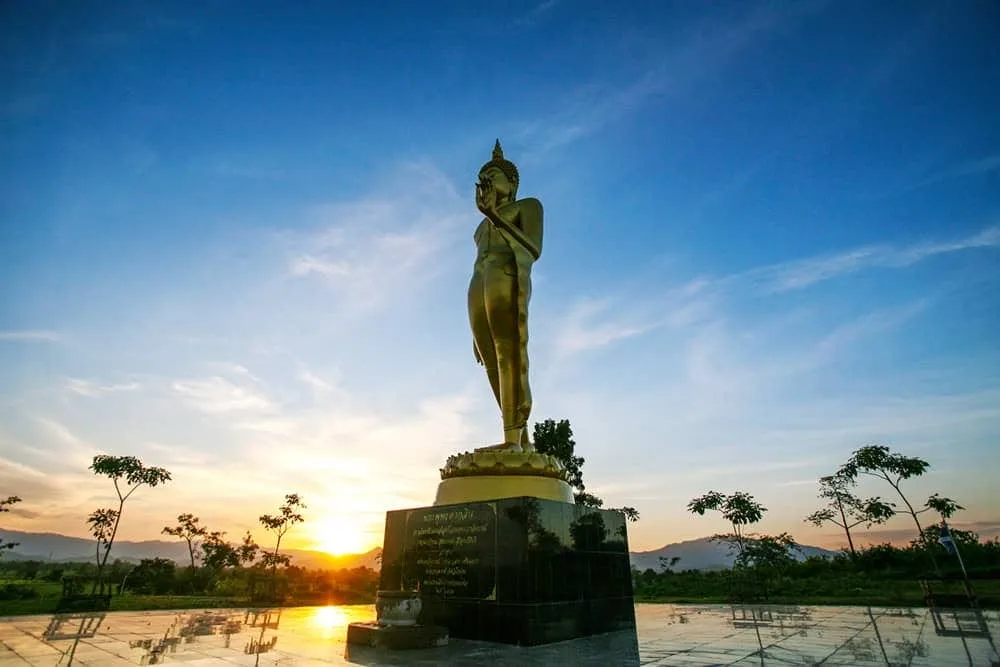
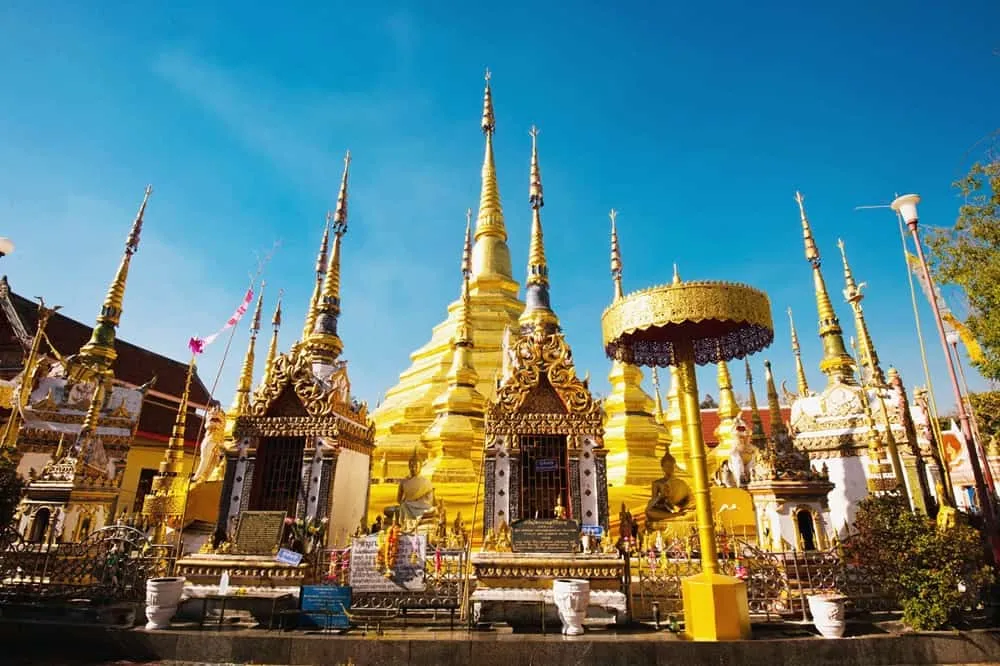
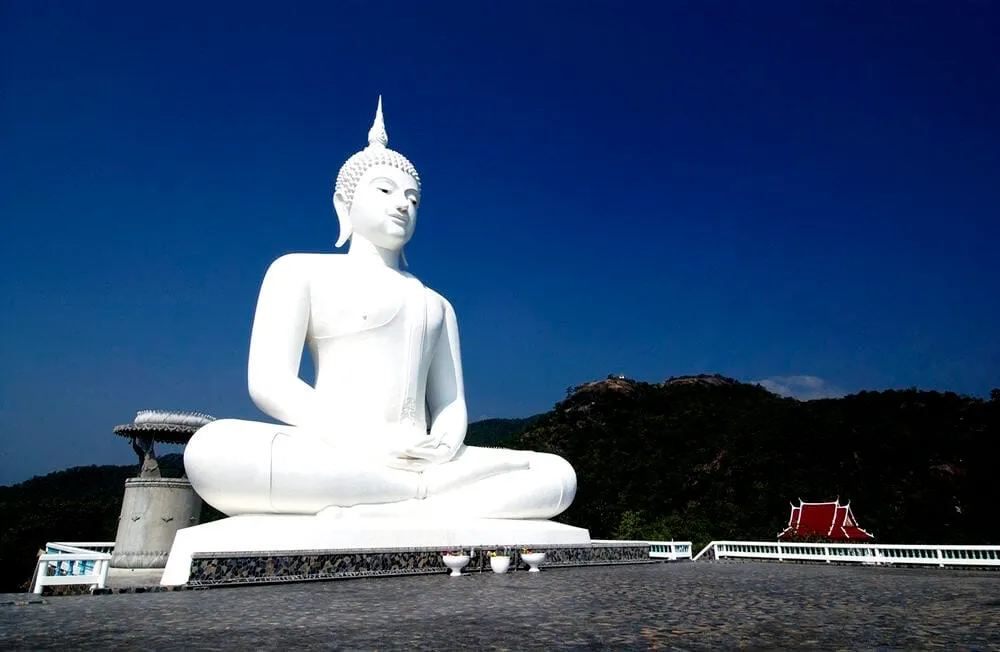
Wats, shrines & spiritual sites
Temples in Tak


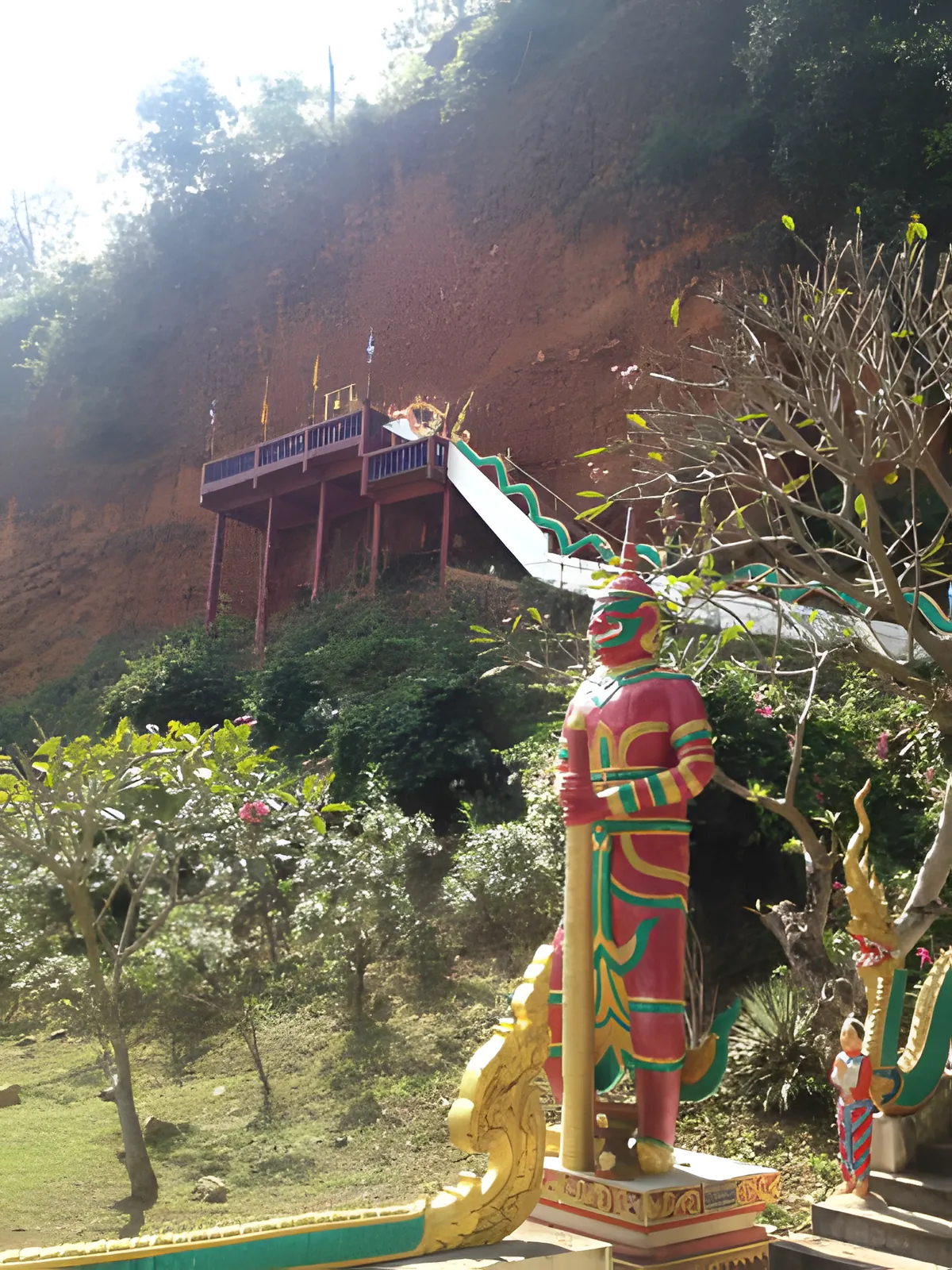





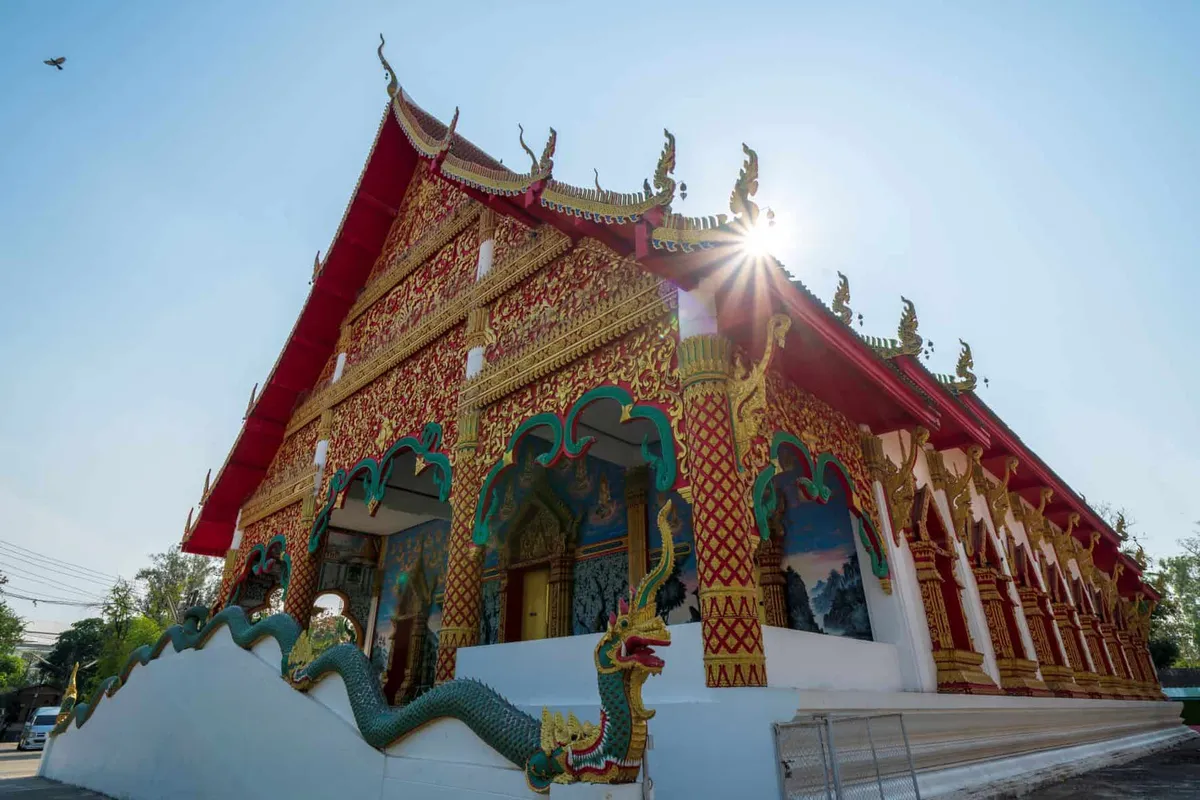

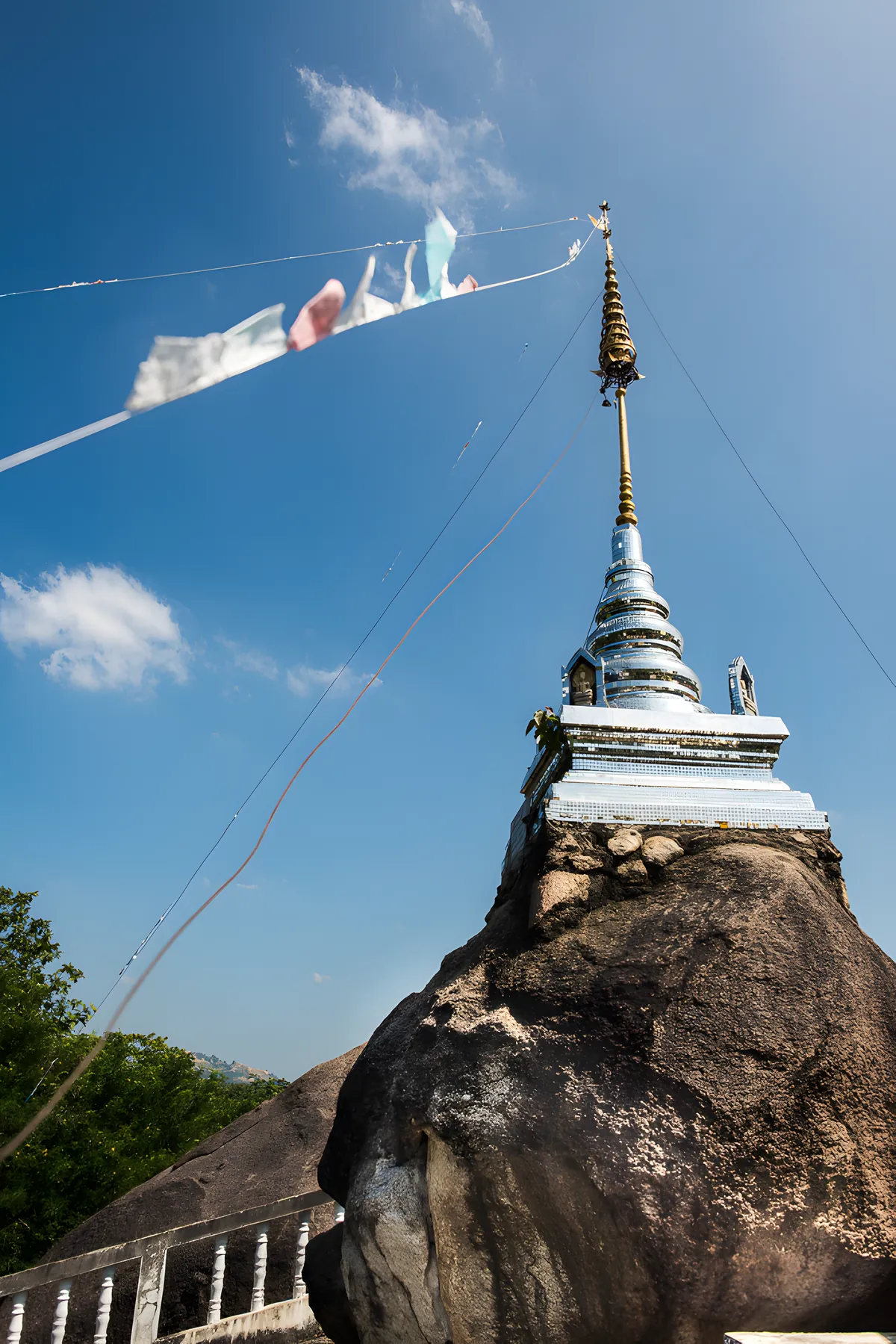

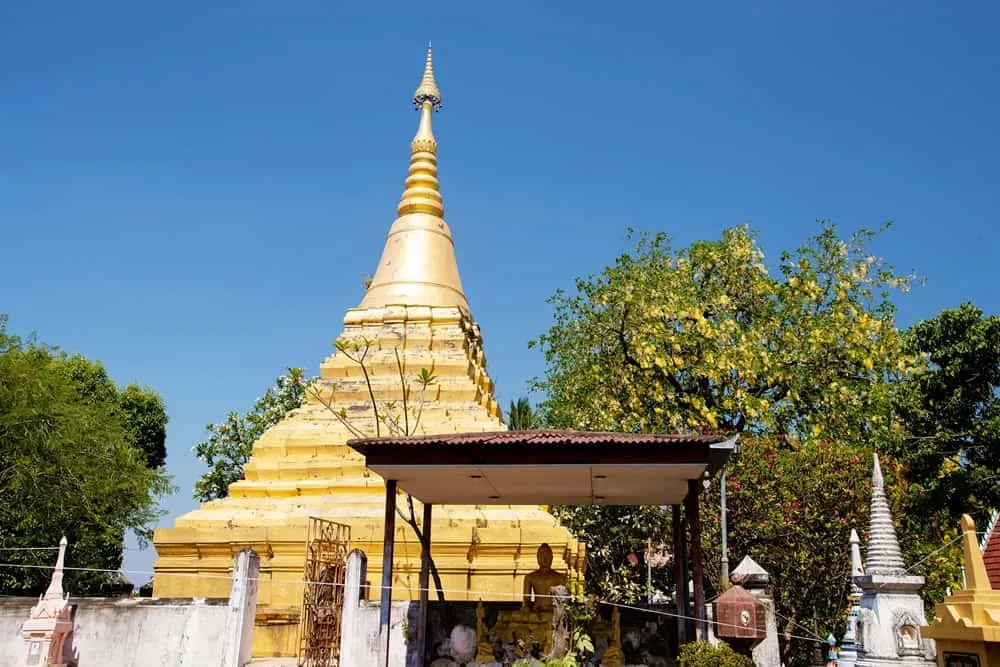

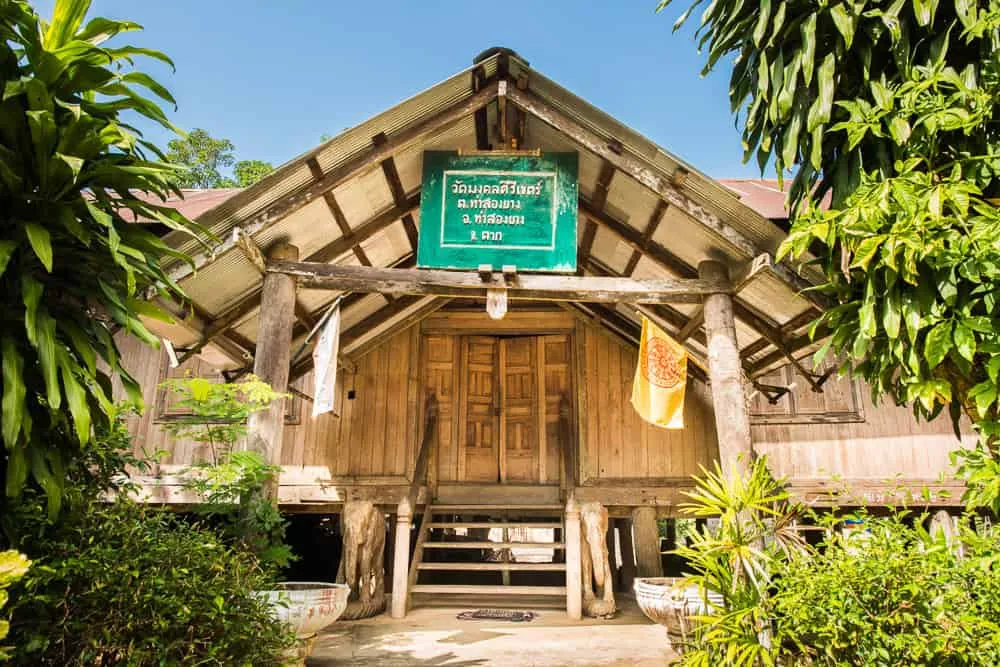


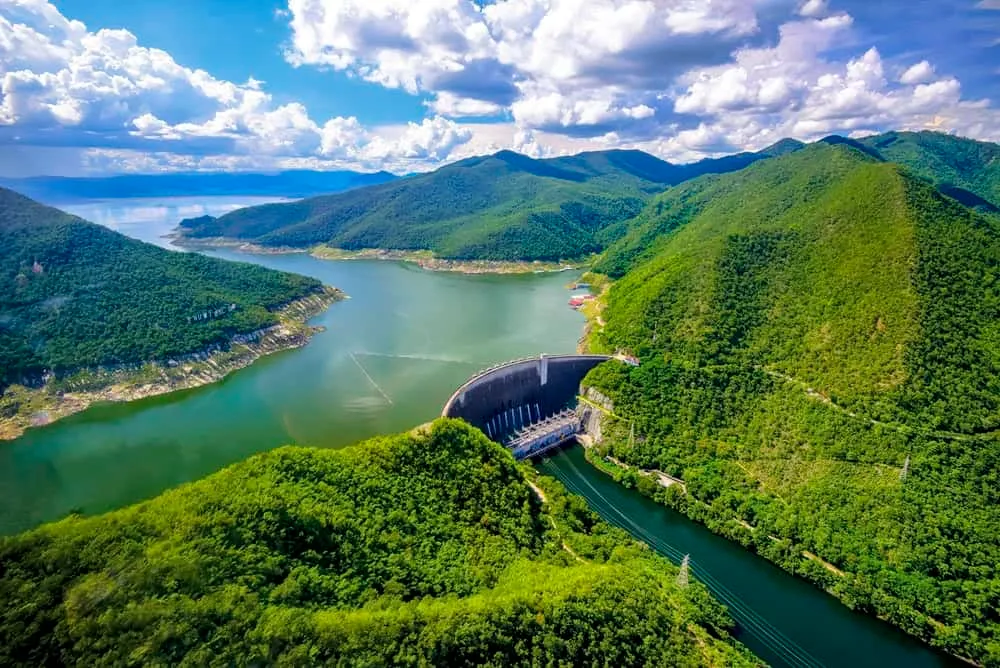
Waterfalls, peaks, caves & parks
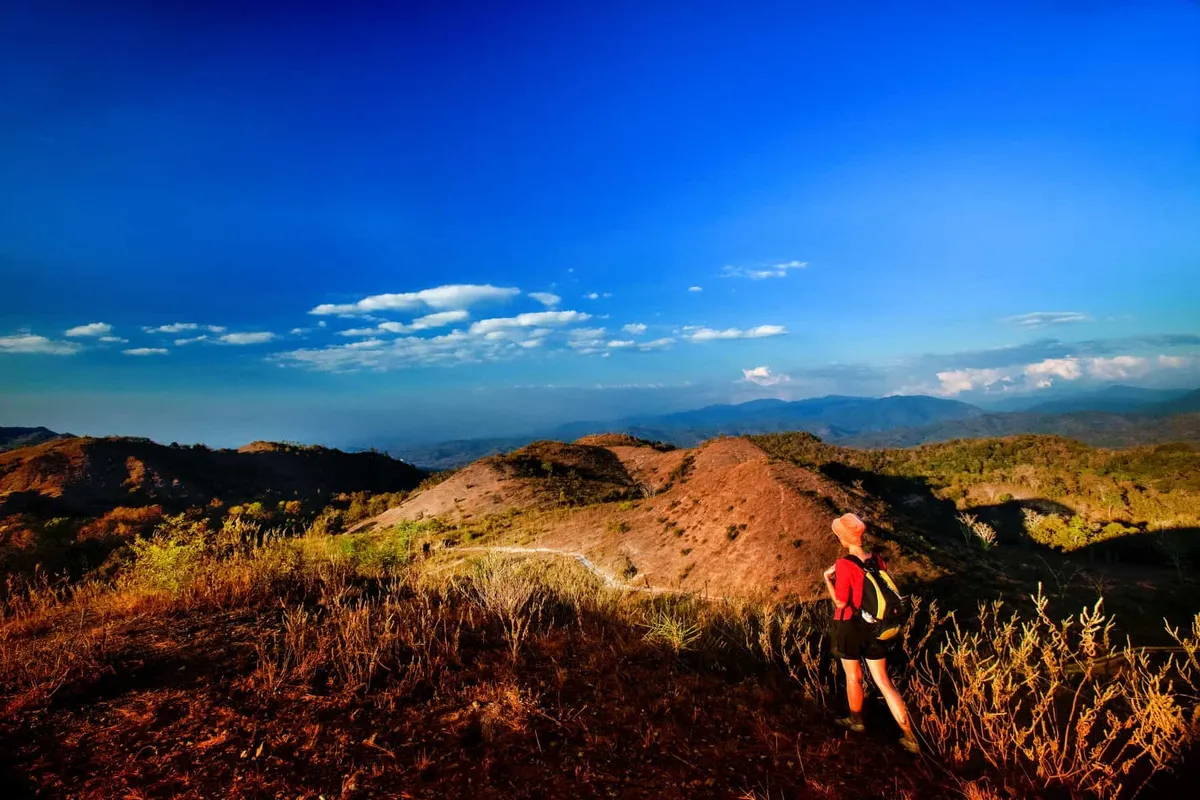
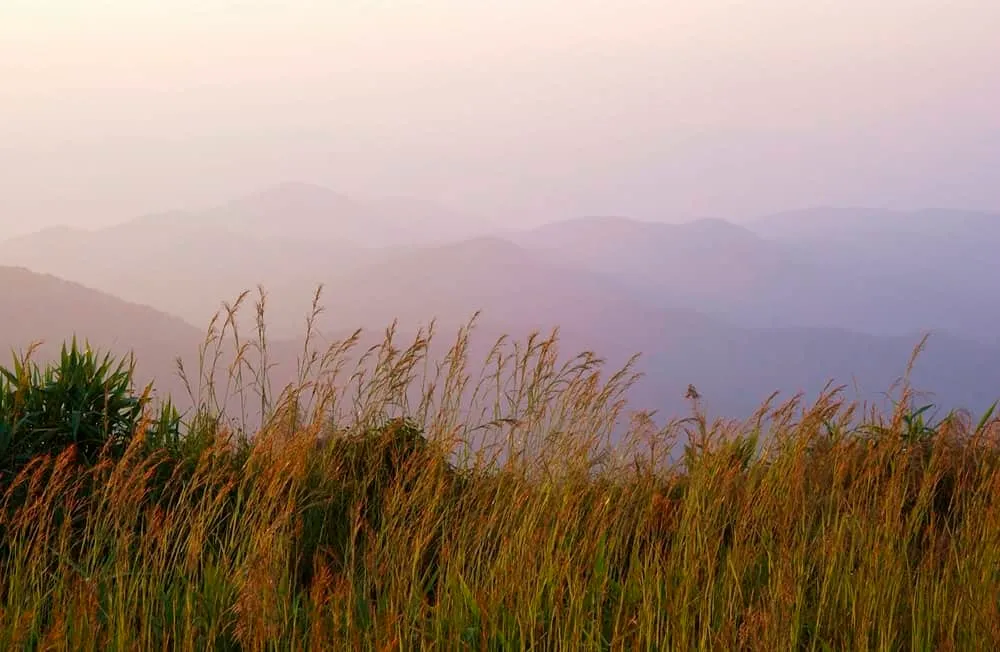
Nature & outdoors around Tak

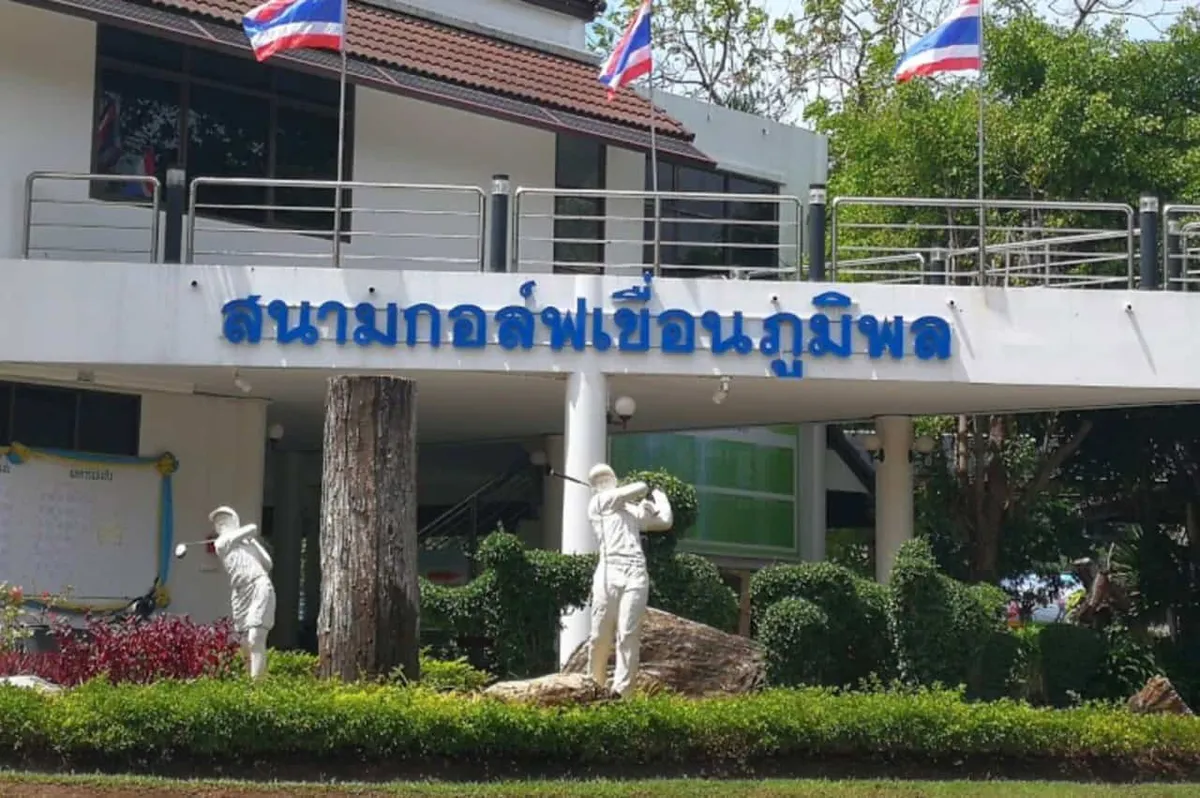






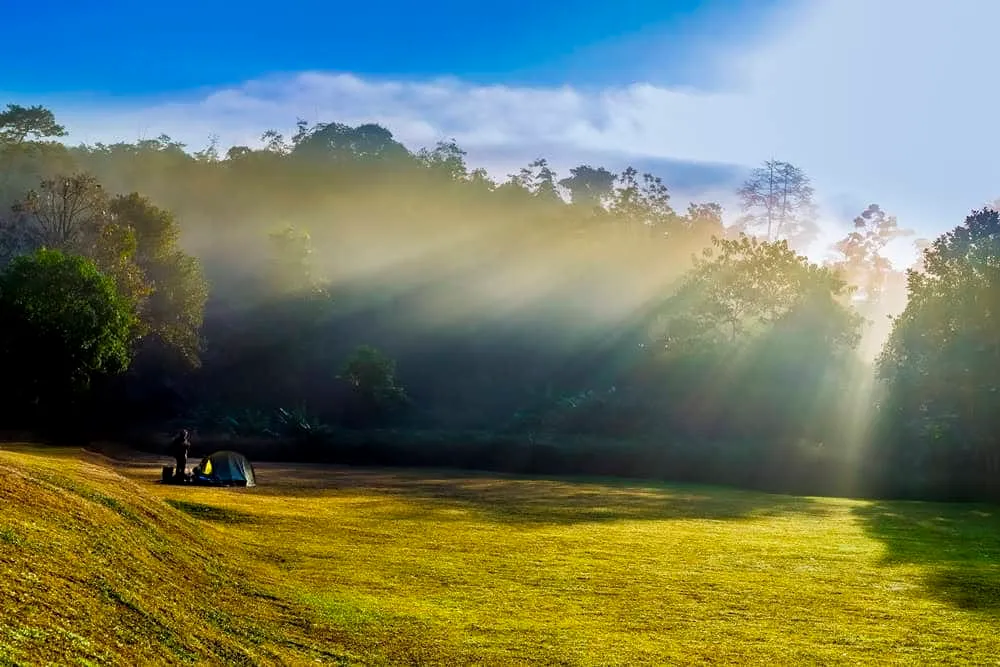

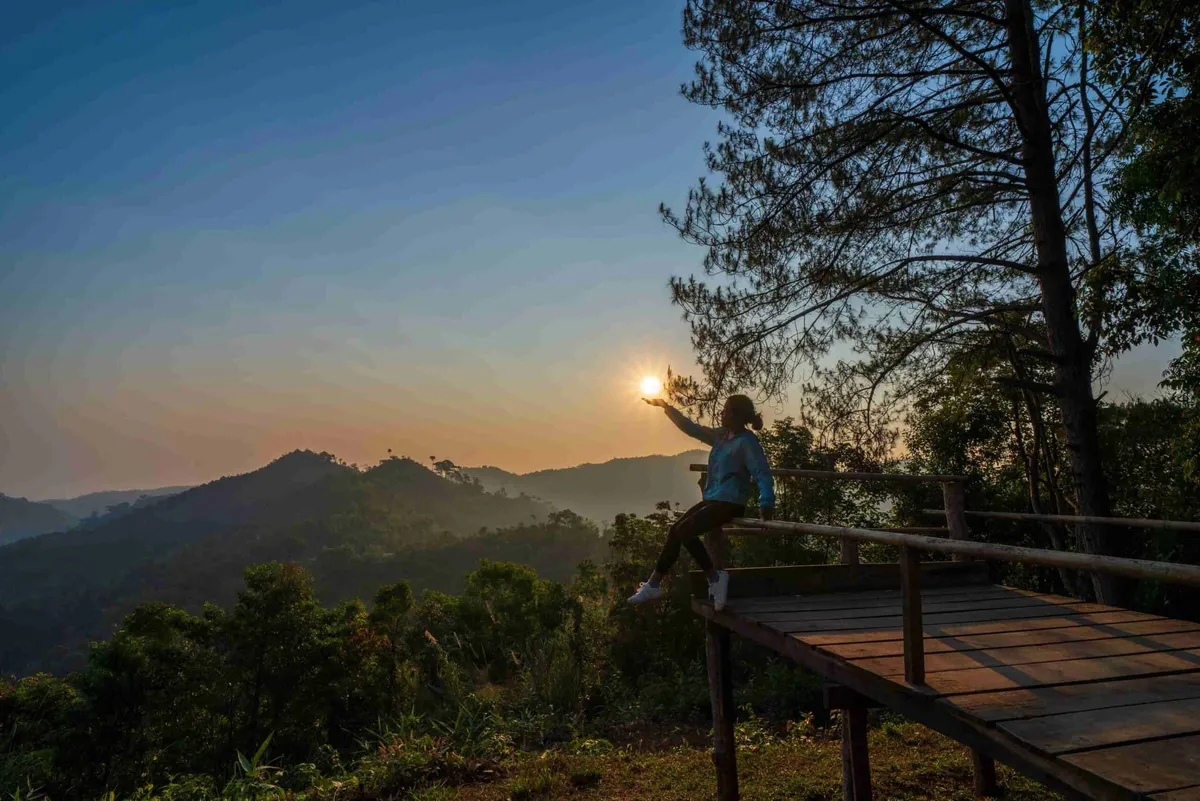

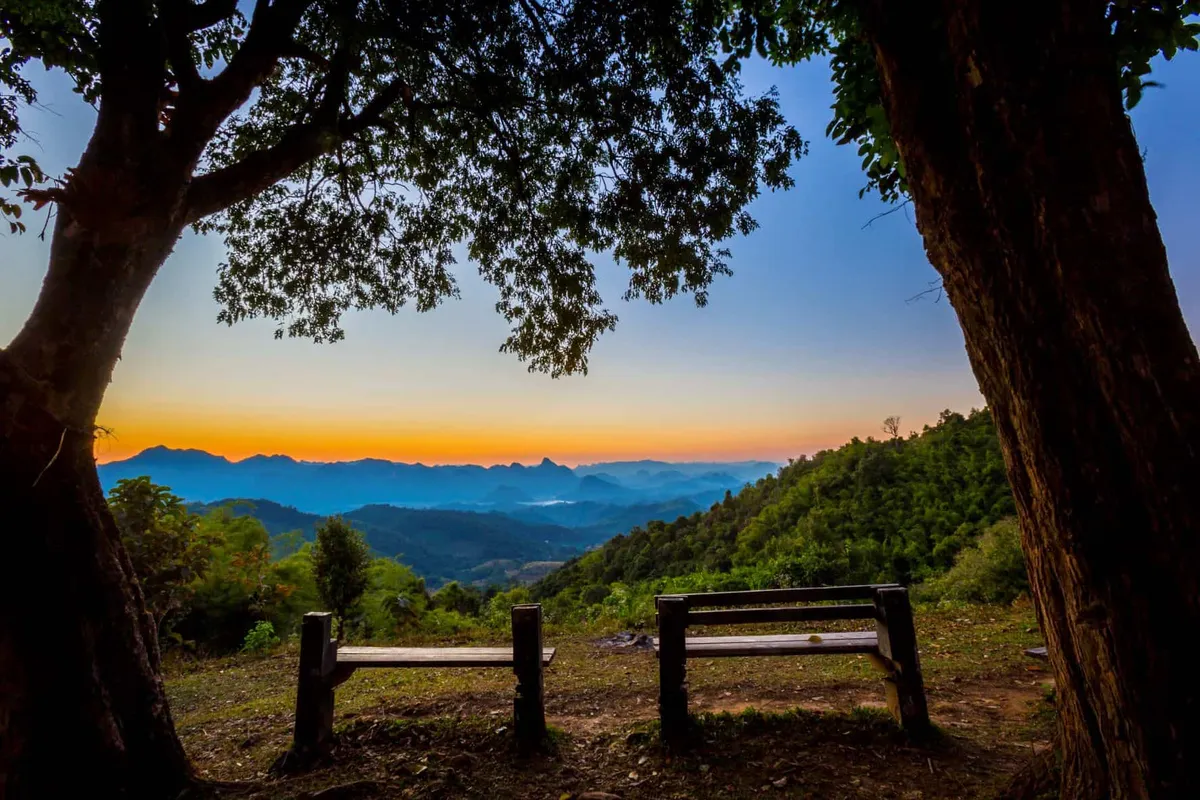

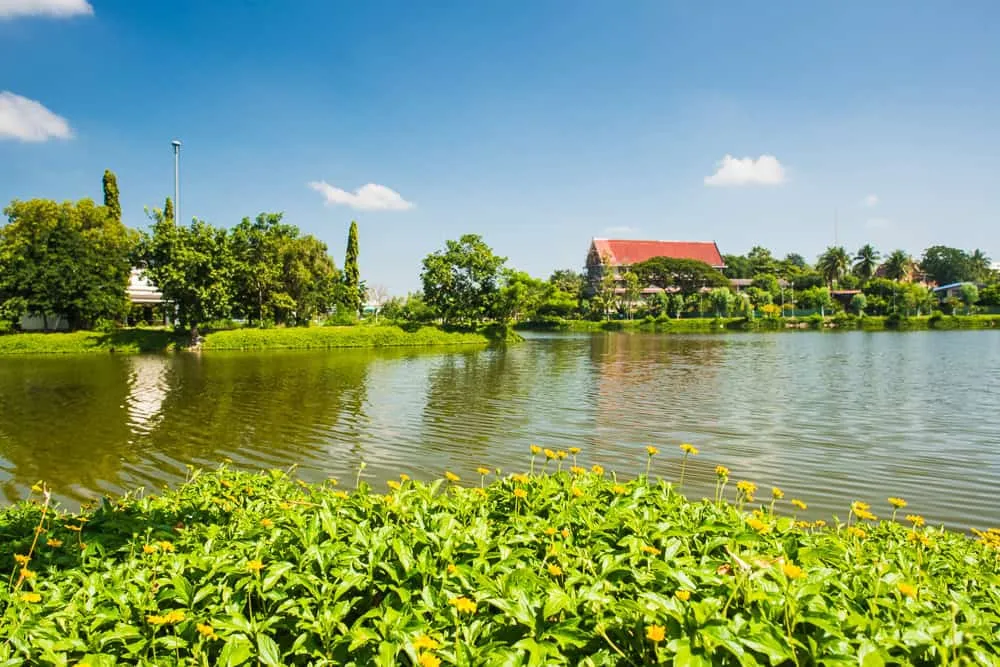


Museums, history & heritage
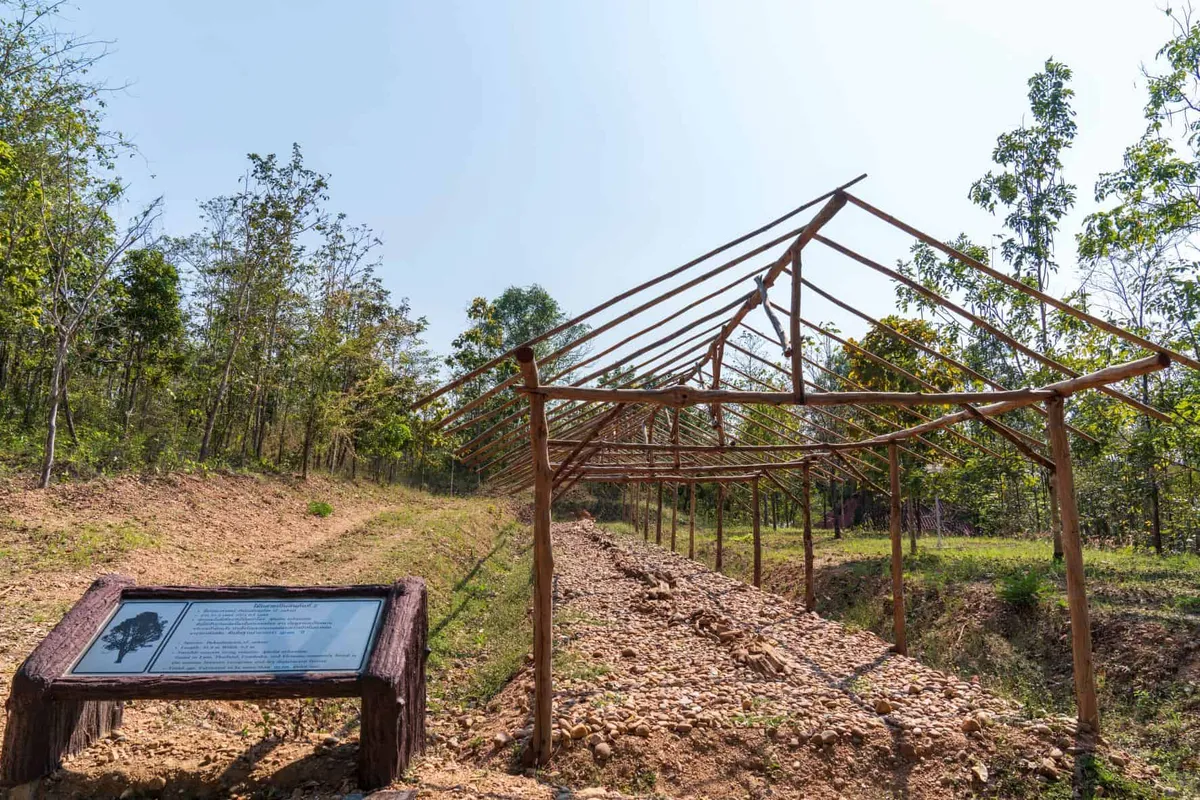
Museums & culture in Tak



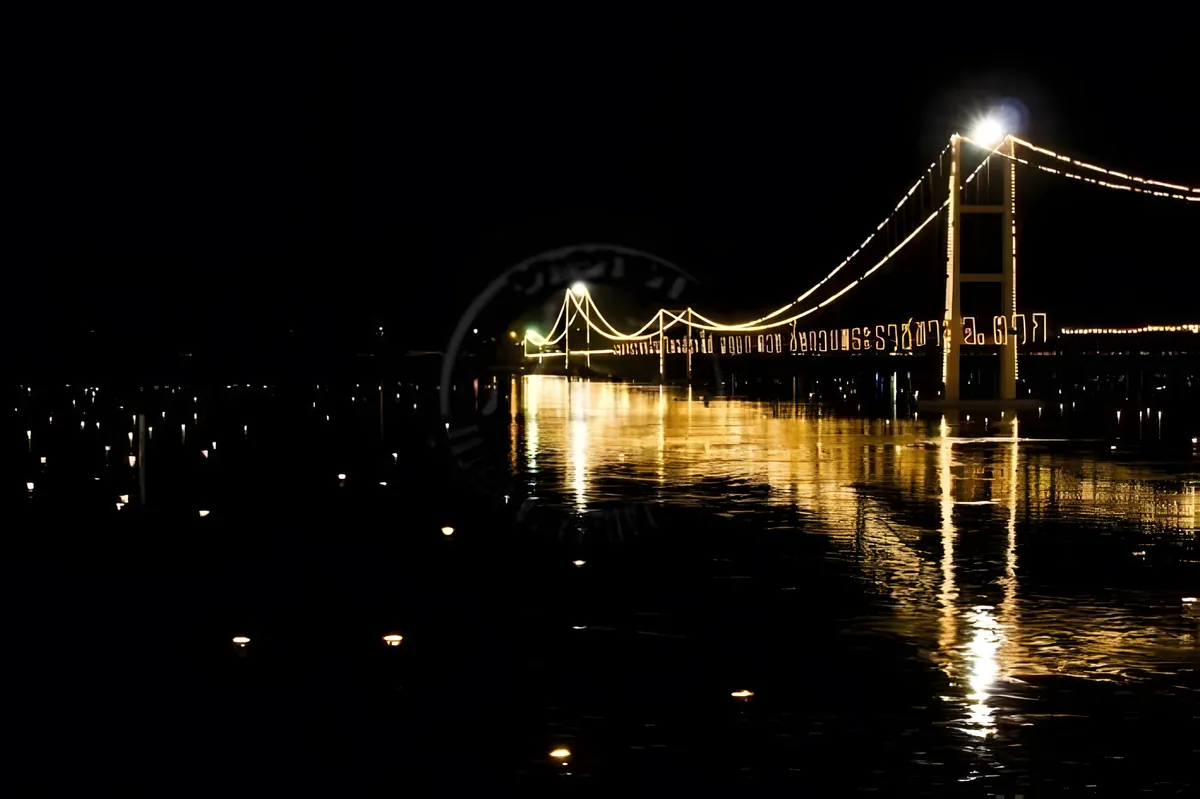


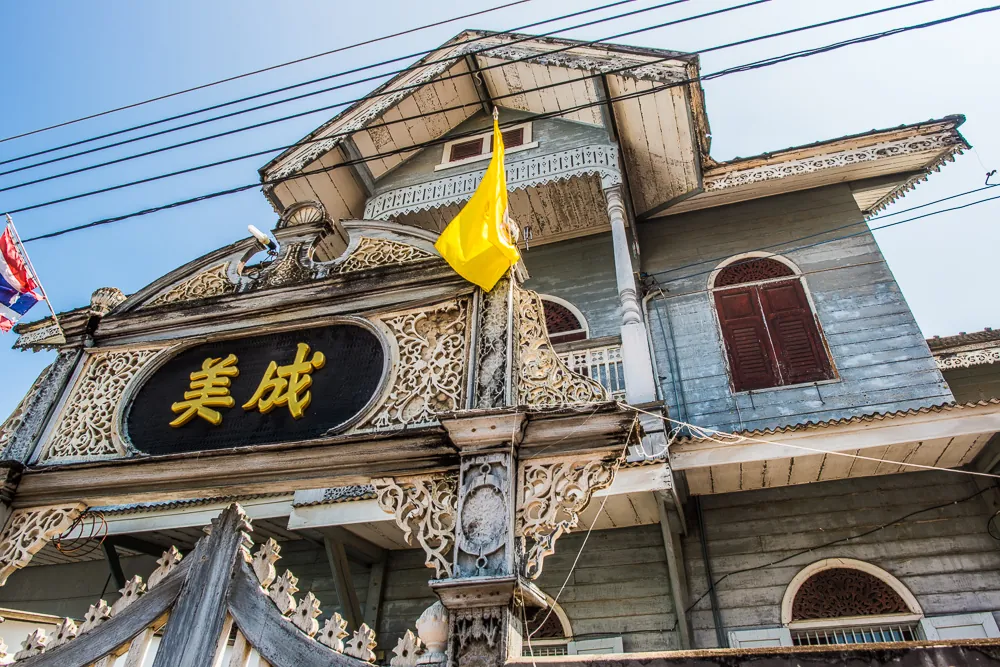

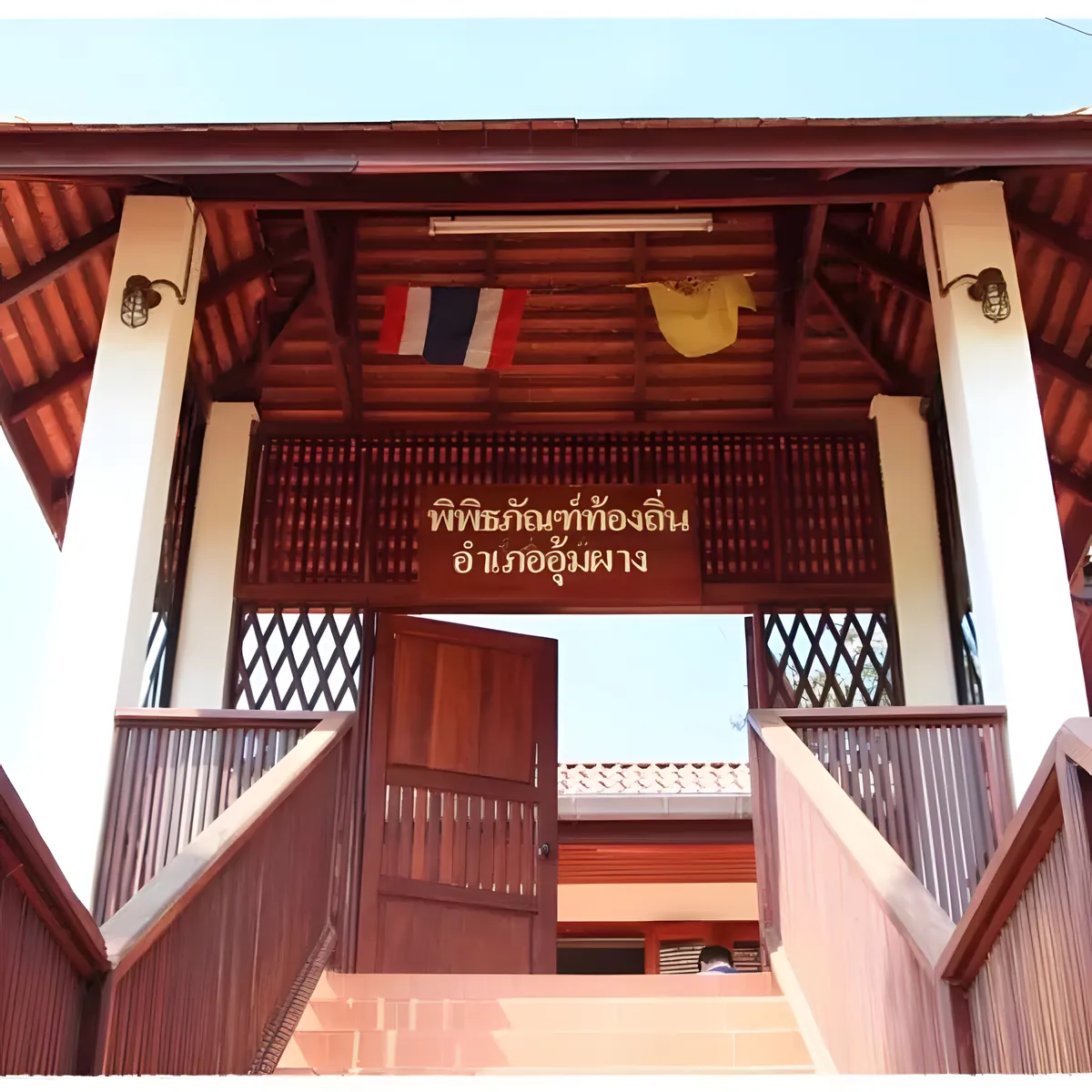

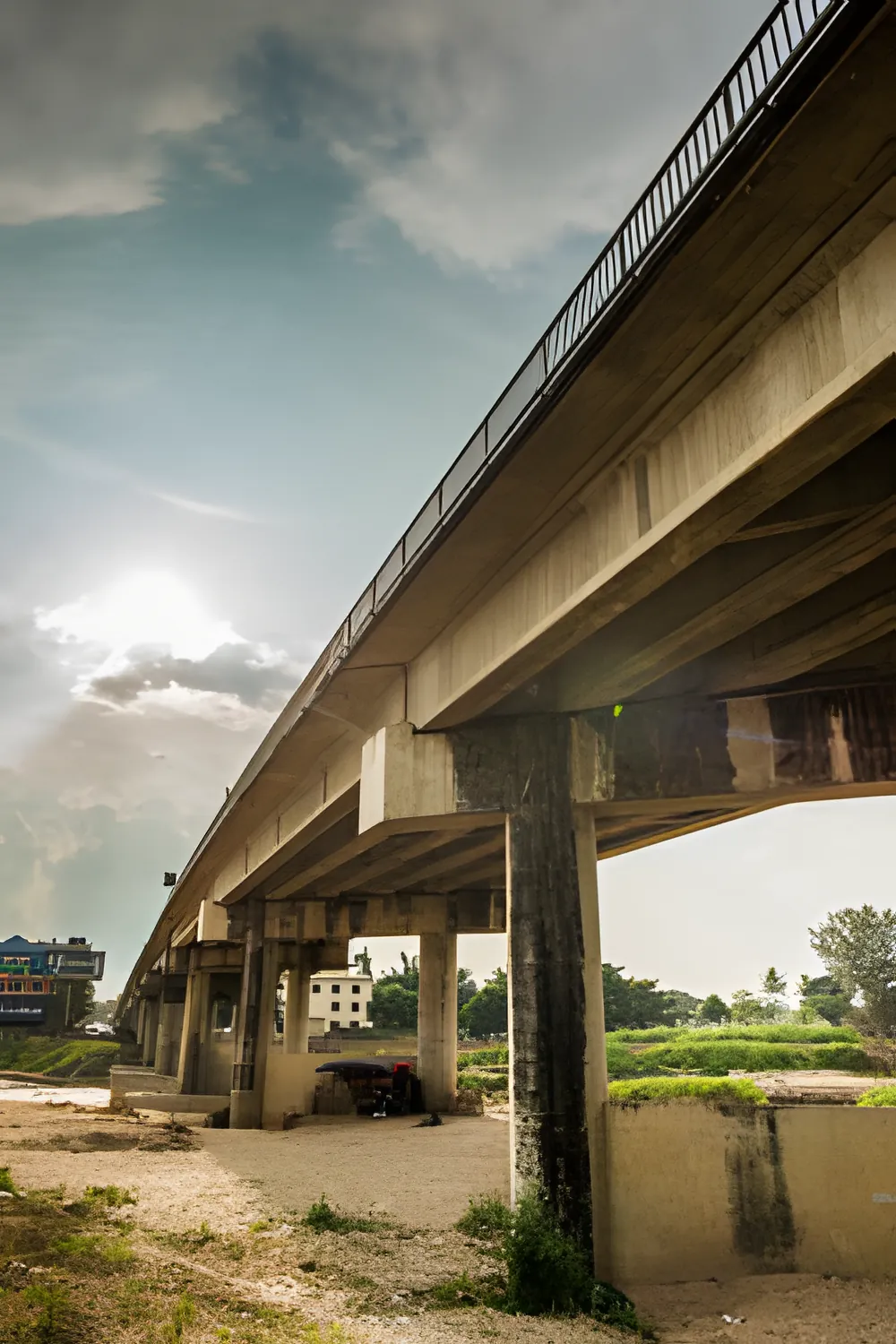
Things to do on the map
Tap a pin for details — 40 places in Tak plotted.
Within Tak
Also in Mae Sot

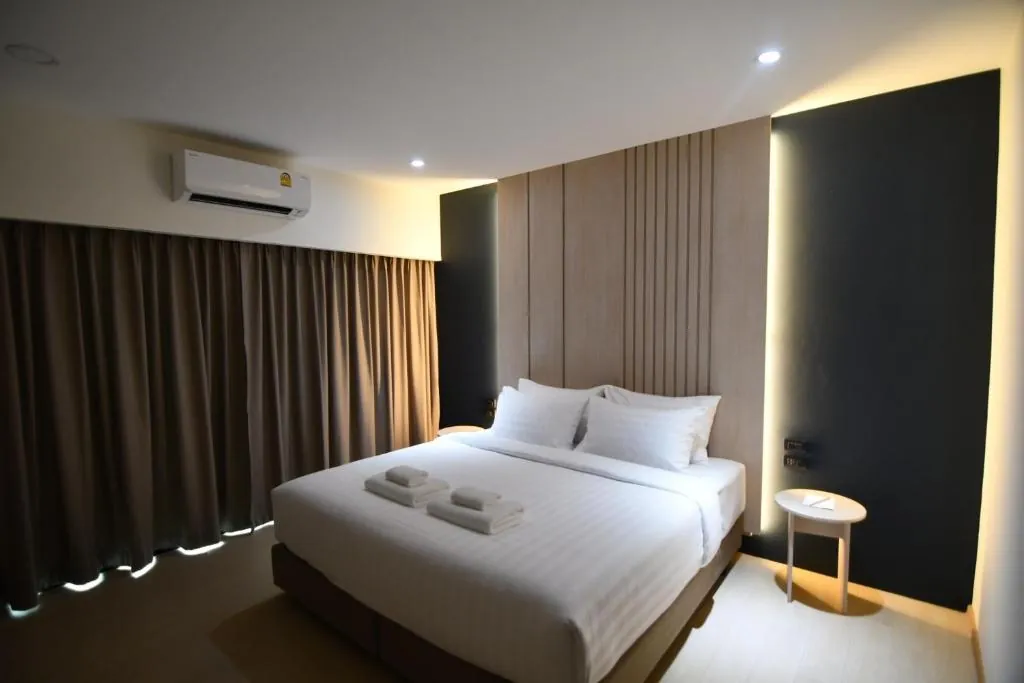

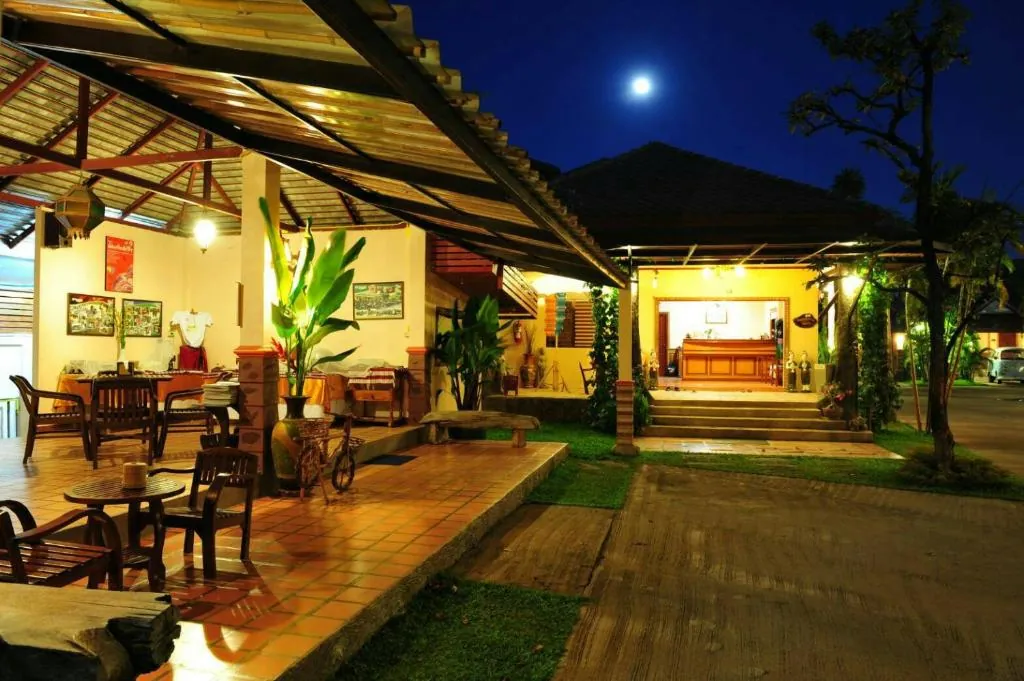

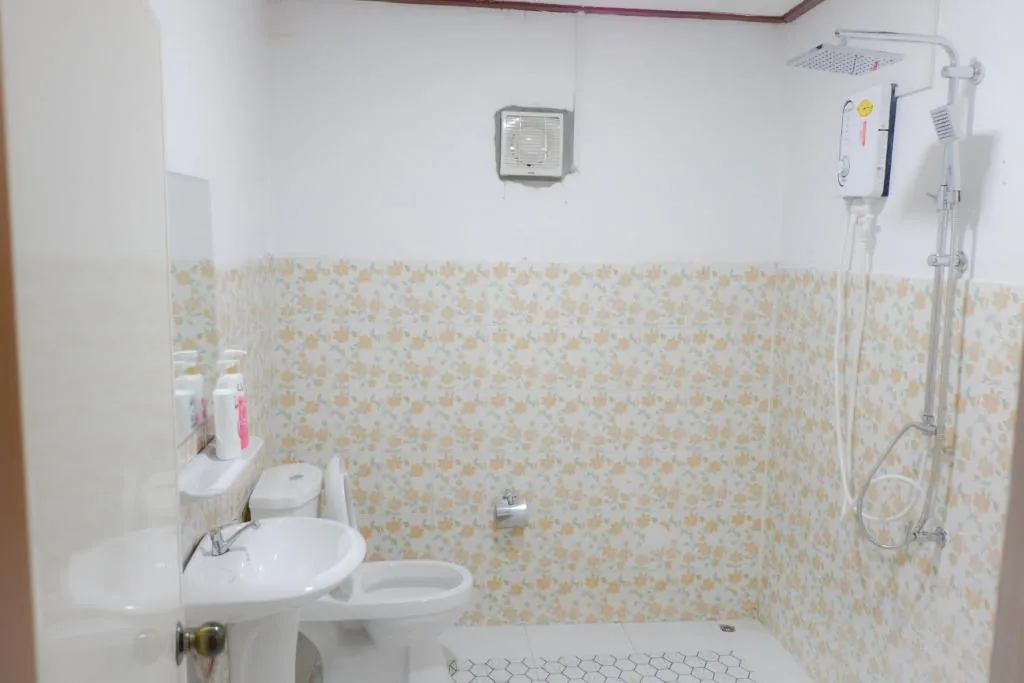

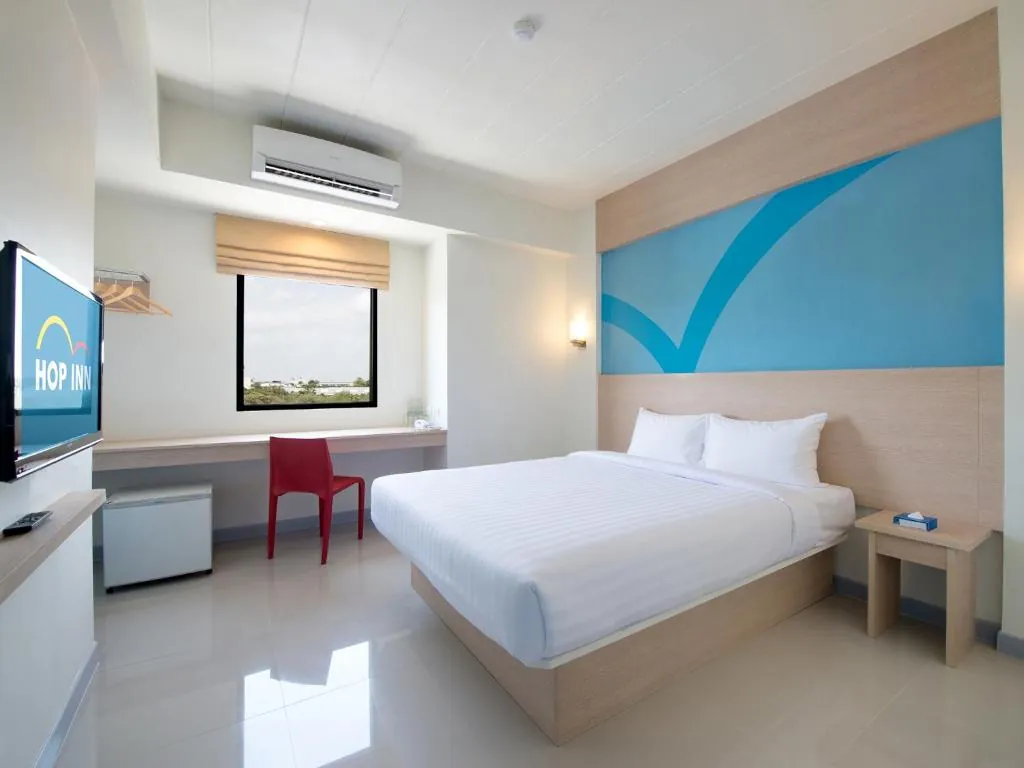

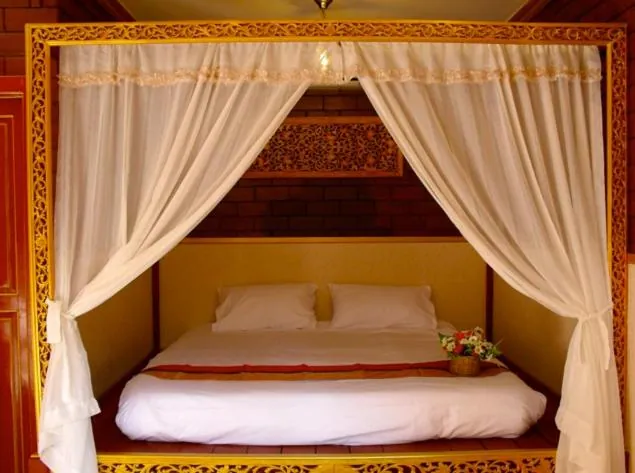





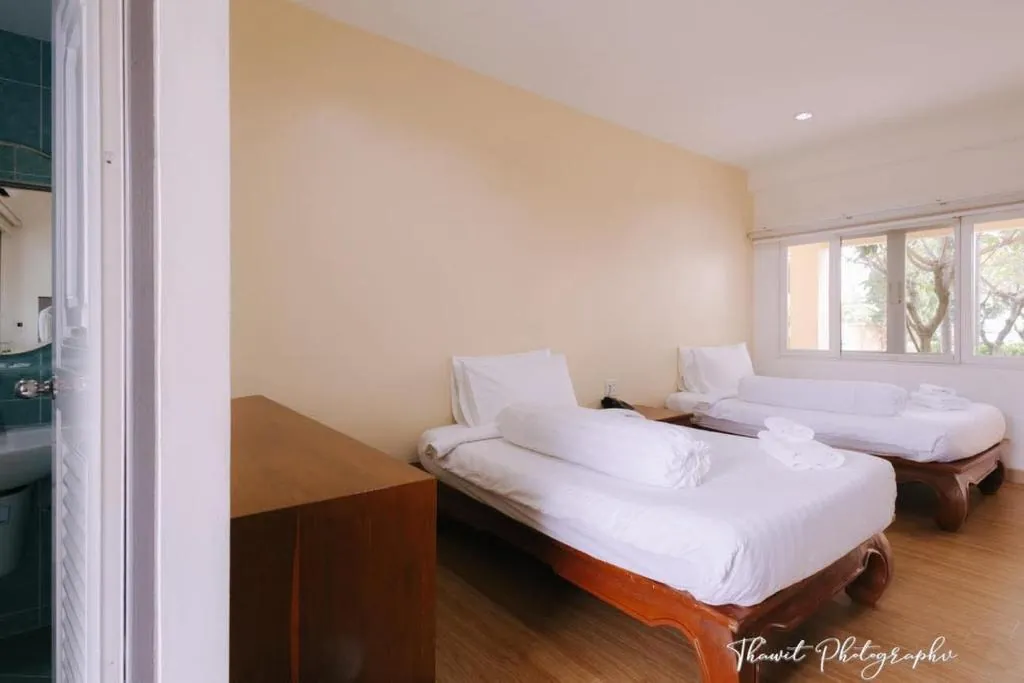

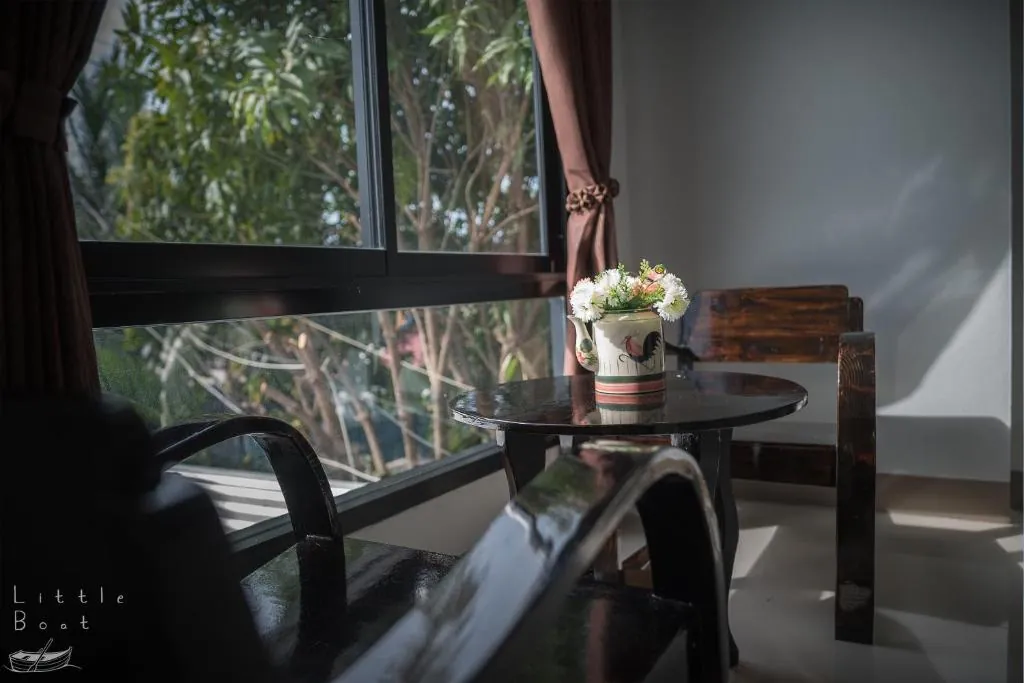



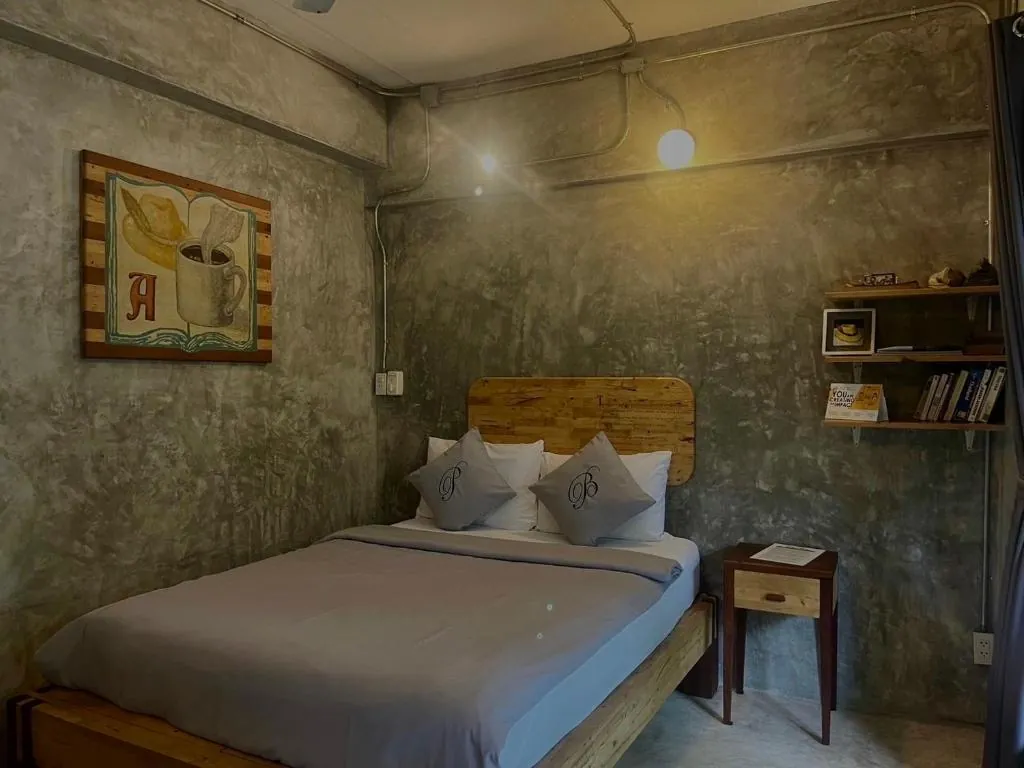

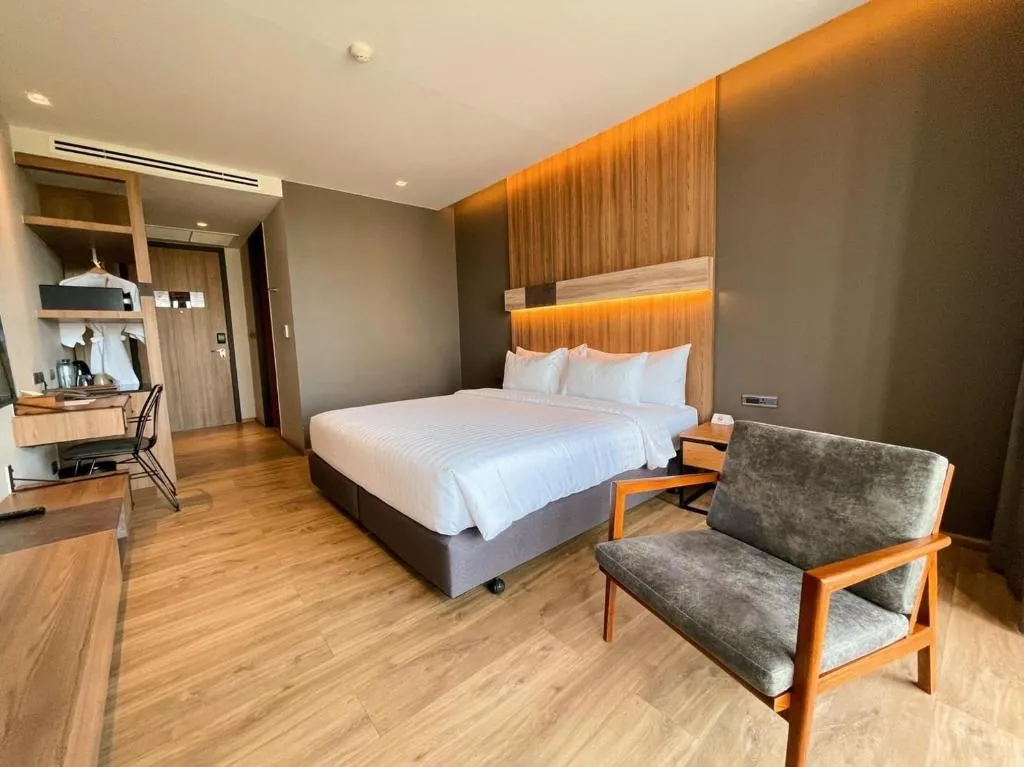
Browse Stays in Tak
Counts include stays tagged to Tak and sub-areas (Mae Sot)— open a sub-area hub for inventory scoped to that place only.
When to go
Nov–Feb Cool, dry and clear — the easiest time to trek to Thi Lo Su and visit hill tribe villages. Mornings can be cold in Umphang, so pack a layer.
Mar–Apr Agricultural burning across northern Thailand fills the valleys with haze. Heat builds quickly; outdoor treks become uncomfortable and visibility is poor.
May Smoke clears and the first rains arrive, cooling things down before the wet season sets in properly. Roads are passable and trails are less crowded, though short showers are likely.
Jun–Oct Rain brings Thi Lo Su to full dramatic power, but trails turn muddy and remote roads to Umphang can close. August to October gives the most spectacular waterfall flow if you can handle the conditions.
From the blog
Tak guides & reading

Explore around Tak

About Tak
Last updated September 2026
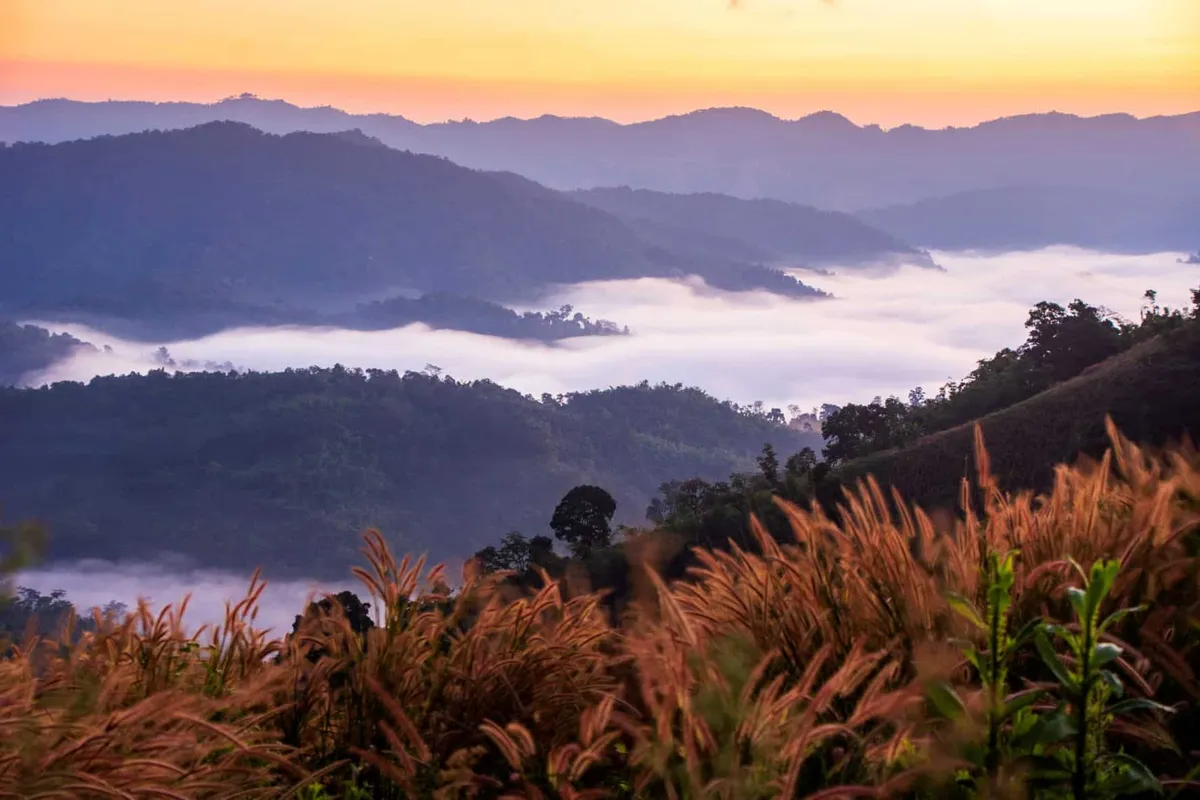
Tak province stands as one of Thailand’s most underrated destinations, set in western/northern Thailand on the Myanmar border. This is where serious nature lovers come to escape the crowds and experience authentic wilderness. The star attraction is the magnificent Thi Lo Su Waterfall in Umphang — Thailand’s largest and most spectacular cascade that requires a proper adventure to reach. If you’re the type who prefers trekking through untouched forests over poolside cocktails, Tak delivers exactly what you’re looking for. The province attracts adventurous travelers seeking genuine cultural encounters with hill tribes, natural hot springs, and some of the country’s most unspoiled national parks.
Top Things to Do
Tak’s attractions focus heavily on natural wonders and authentic cultural experiences. The province’s two national parks offer excellent trekking opportunities through dense forests and mountainous terrain, perfect for spotting wildlife and reaching remote waterfalls.
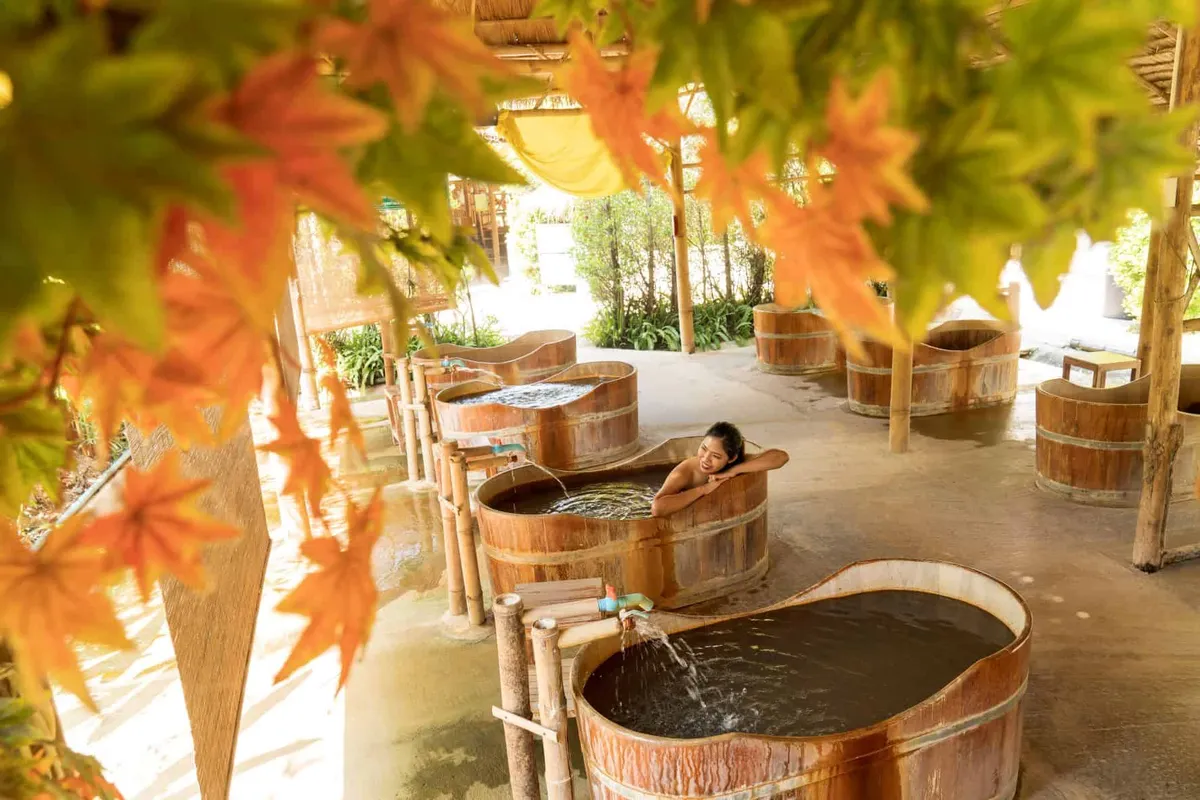
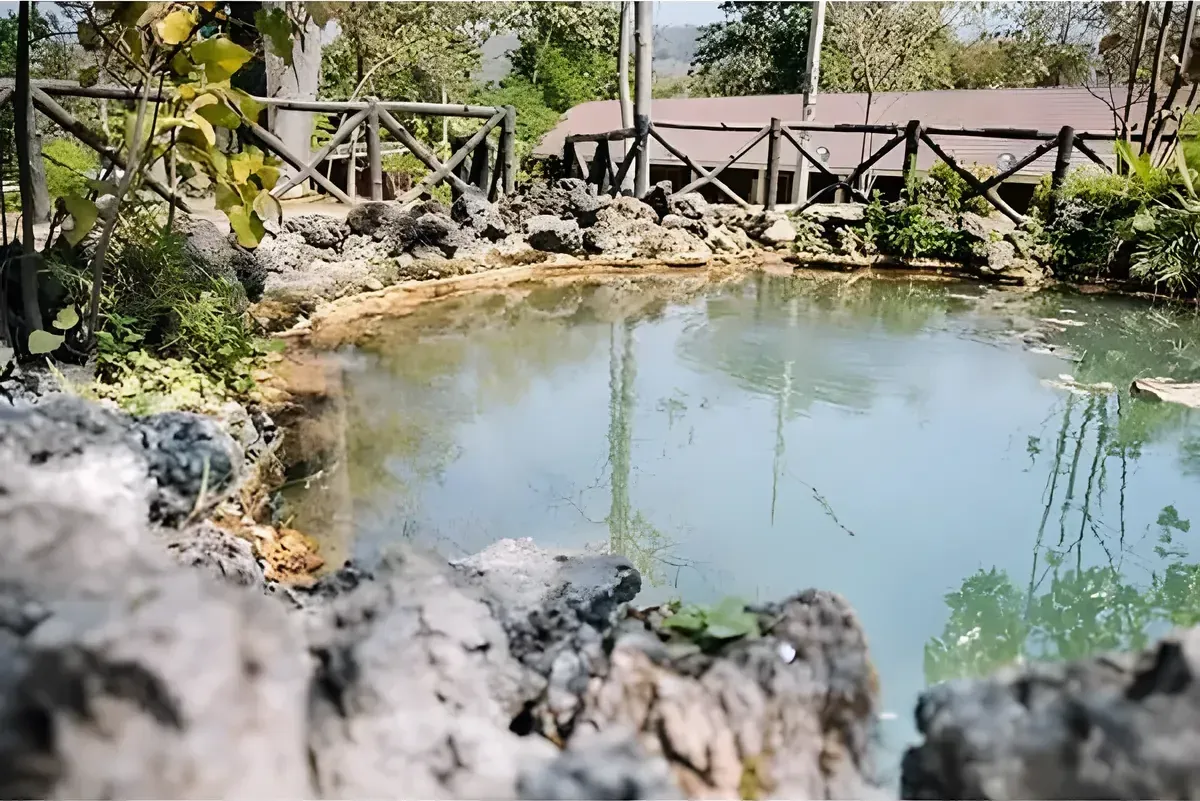
For relaxation after all that hiking, you’ll find 2 hot springs where locals have been soaking for generations — these aren’t fancy resort spas but authentic thermal pools surrounded by jungle. The single spa facility provides more polished wellness experiences if you prefer professional treatments.
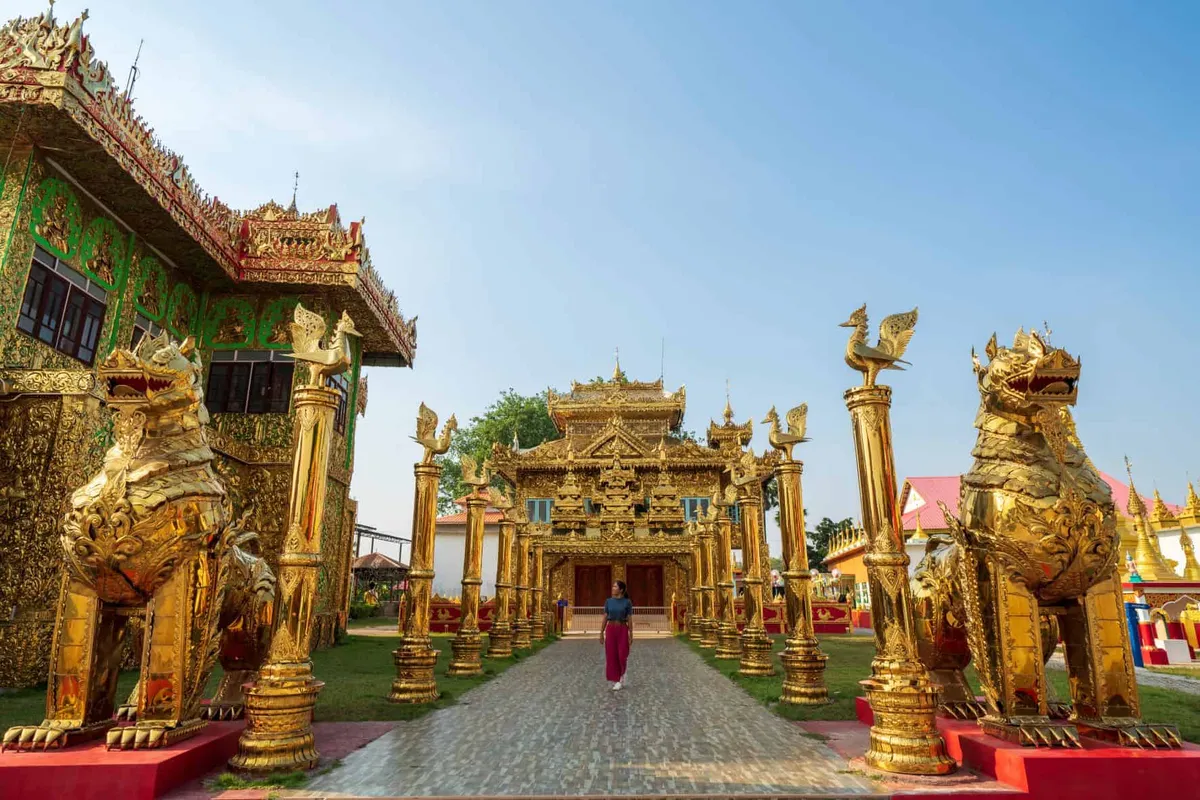
Cultural enthusiasts can visit local villages and hill tribes to learn about traditional ways of life that have remained largely unchanged for centuries. The local markets give you a taste of authentic provincial Thailand, selling everything from fresh produce to handmade crafts.
Don’t miss the lakes and reservoirs, which offer peaceful settings for picnics and photography, especially during the cooler months when the landscape is lush and green.
Where to Stay
Since specific accommodation data isn’t available for Tak, expect basic but comfortable guesthouses and mid-range hotels rather than luxury resorts. Most visitors stay in Tak town itself or near Umphang for waterfall access. Budget travelers will find simple guesthouses starting around 400-600 baht per night, while mid-range hotels with air conditioning and hot water typically cost 800-1,500 baht. Some national park areas offer basic bungalows for those wanting to stay closer to nature. Book ahead during peak season (November-February) as options are limited compared to major tourist destinations.
Getting There
Tak lies about 420 kilometers northwest of Bangkok along Highway 1. The most practical approach is flying into Bangkok’s airports, then taking a bus from Bangkok’s Northern Bus Terminal — the journey takes about 6-7 hours. Several bus companies run daily services to Tak town.
If you’re already in Northern Thailand, buses connect Tak with Chiang Mai, Sukhothai, and other regional centers. For reaching Umphang and the waterfall, you’ll need to take another bus or hire local transport from Tak town — it’s an additional 2-3 hour journey on winding mountain roads.
Renting a car gives you flexibility to explore the national parks and remote areas at your own pace.
Best Time to Visit
Tak’s western/northern location means November through February offers the most comfortable weather, with cool mornings and pleasant daytime temperatures perfect for trekking. March to May gets quite hot, making outdoor activities challenging during midday.
The rainy season runs June through October, but this actually makes waterfalls more spectacular — just be prepared for muddy trails and potential road closures to remote areas. If seeing Thi Lo Su at full power is your priority, late rainy season (August-October) provides the most dramatic water flow.
Practical Tips
ATMs are available in Tak town but limited in remote areas like Umphang, so carry cash for rural excursions. English isn’t widely spoken outside tourist-focused businesses — basic Thai phrases help enormously.
Local songthaews and motorcycle taxis handle short-distance transport within towns. For national parks and waterfalls, organized tours or rented vehicles work best since public transport is minimal. Wear proper hiking boots for waterfall treks and bring rain gear regardless of season.
Insider Tip: The journey to Thi Lo Su Waterfall involves a challenging trek that can take 6-8 hours roundtrip depending on conditions. Local guides are essential and can be arranged through guesthouses in Umphang. Start early morning to avoid afternoon heat and allow plenty of time — this isn’t a casual day trip but a proper adventure that rewards the effort.
Frequently Asked Questions about Tak
How difficult is reaching Thi Lo Su Waterfall?
Are the hot springs developed tourist attractions?
Can I visit hill tribe villages independently?
What's the accommodation situation in remote areas?
Is Tak suitable for families with young children?
Spotted something out of date or incorrect? Let us know
Plan your
Tak trip