




National Museum of Nan
พิพิธภัณฑสถานแห่งชาติน่าน
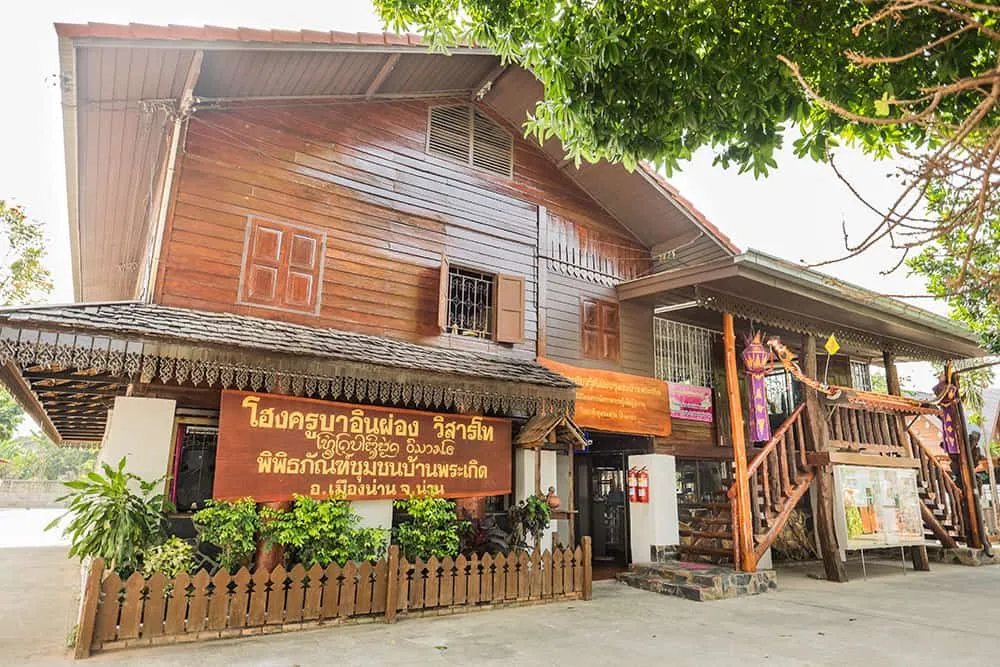
The National Museum of Nan occupies the former Ho Kham — the residence and workplace of Nan’s ruling viceroys — on Pha Kong Road in the old town, directly opposite Wat Phra That Chang Kham and a short walk from Wat Phumin. Entry costs 100 THB for foreign visitors and 20 THB for Thai nationals, Wednesday to Sunday, 09:00 to 16:00; it’s closed Monday, Tuesday, and public holidays.
The building itself tells part of the story before you reach the exhibits. Constructed in the reign of King Rama V, it mixes European architectural details fashionable in Bangkok at the time with Lanna-Nan craftsmanship — tall windows, deep eaves, and an airy layout built for a tropical climate rather than a European one. It served as the viceroy’s residence and administrative seat, then became the provincial hall after a 1932 restoration, before the Fine Arts Department converted it into a national museum in 1974.
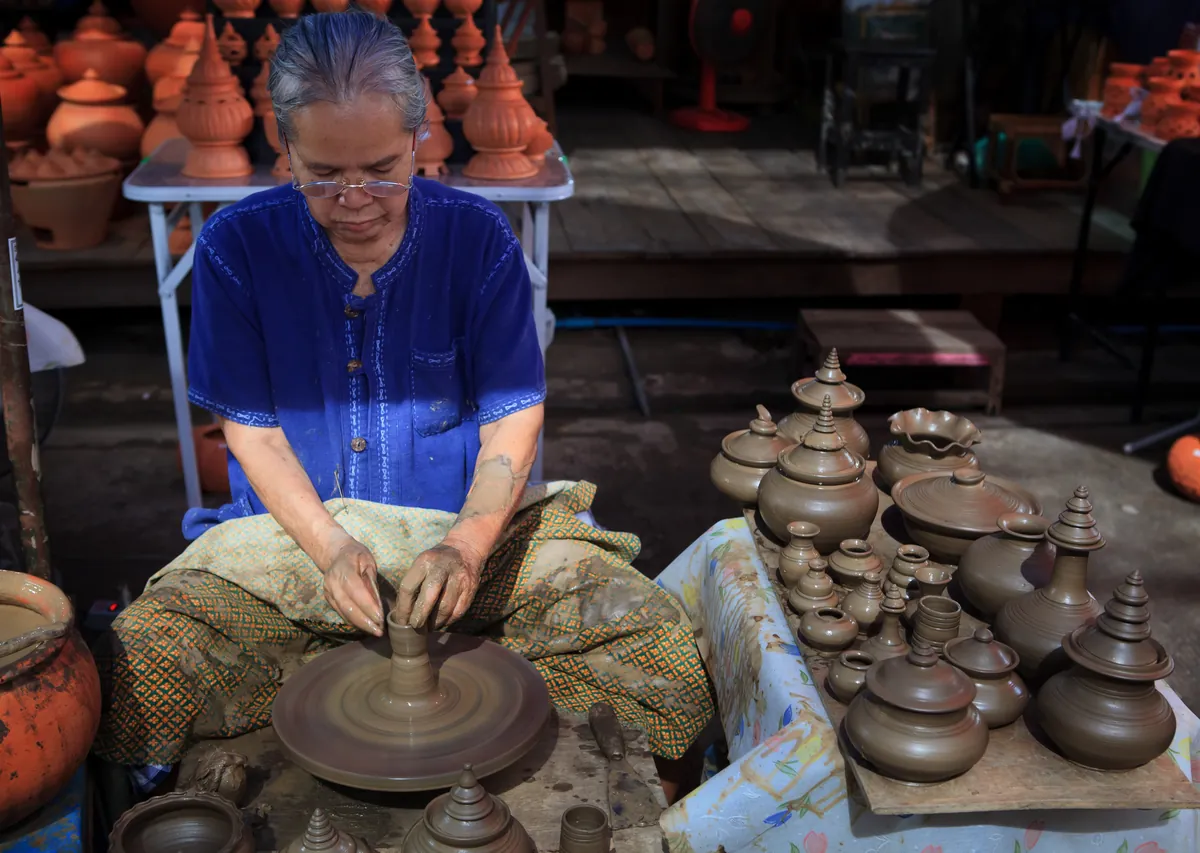
Exhibits run across two floors. Downstairs covers the everyday and ceremonial life of Nan’s ethnic communities — Tai Lue textile traditions, the Life Prolonging Ceremony, and the region’s longboat racing culture, still an active annual event on the Nan River. Upstairs holds the province’s archaeological and royal collection: Bo Suak earthenware dating to around the 21st Buddhist century, a Lanna-Burmese Buddha image in the subduing-Mara posture, and a silver betel-nut tray that belonged to Nan’s last royal governor.
The museum’s best-known piece sits apart from the rest: a black elephant tusk, 94 cm long and 18 kg, obtained during the reign of Phraya Kan Mueang, the fifth ruler of Nan. Its dark colouring rather than any carving is what makes it unusual, and it carries genuine spiritual weight locally — Nan residents still regard it as one of the province’s protective relics rather than simply an antique on display.
Insider Tip: Pair the visit with Wat Phumin and Wat Hua Khuang — all three sit within a five-minute walk of each other in Nan’s old town, making a compact half-day loop that covers the province’s best-known temple murals alongside its royal history.
- Entry fee: 100 THB (foreigners), 20 THB (Thai nationals)
- Hours: Wednesday–Sunday, 09:00–16:00 (closed Mon, Tue, public holidays)
- Location: Pha Kong Road, opposite Wat Phra That Chang Kham
- Signature exhibit: Black elephant tusk relic, 94 cm / 18 kg
- Nearby: Wat Phumin and Wat Hua Khuang, both a short walk away
The museum sits at the centre of Nan old town’s temple cluster — combine it with Wat Phumin for its famous “whispering” mural and Wat Hua Khuang for its Lanna wood carving and working monastery grounds.
Location & Directions
Pha Kong Road
Nan, Thailand
Show your taxi or Grab driver
พิพิธภัณฑสถานแห่งชาติน่าน
Frequently Asked Questions
What is the black ivory at the National Museum of Nan?
What are the National Museum of Nan's opening hours and entry fee?
What was the museum building originally used for?
Is the National Museum of Nan near Wat Phumin?
What else is on display besides the black ivory?
Spotted something out of date or incorrect? Let us know
Stay Near National Museum of Nan
Live prices for places closest to National Museum of Nan — tap a pin to compare.