






Bo Suak Ancient Porcelain and Kiln Site
แหล่งเตาเผาและเครื่องเคลือบบ้านบ่อสวก
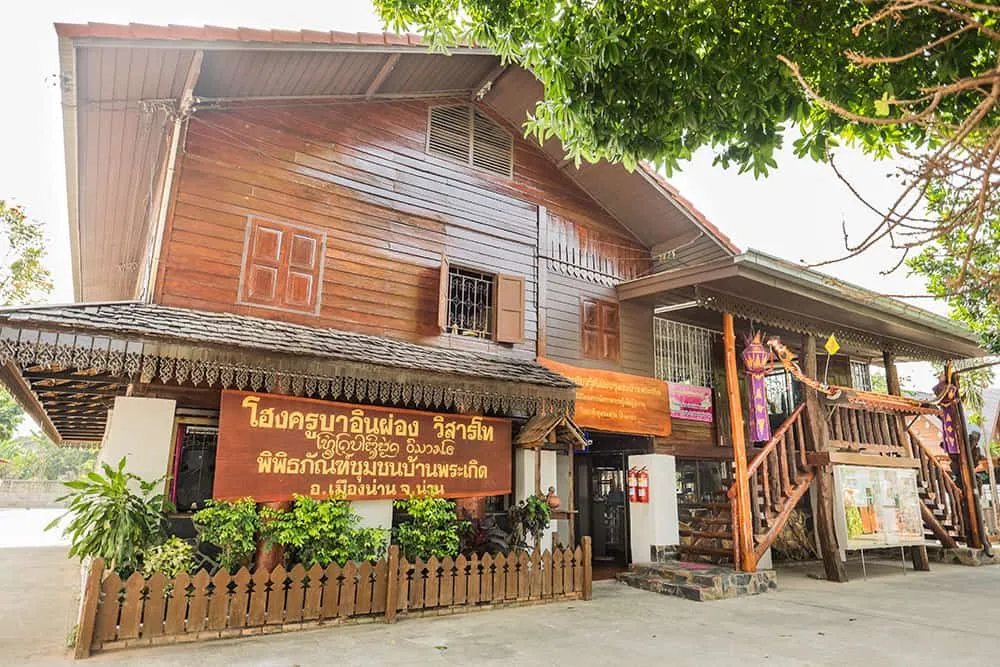
Bo Suak is an excavated ceramics kiln site, not a living pottery village, a distinction worth knowing before you drive out, since the name suggests craftspeople at work. Two ancient kilns have been restored and permanently roofed over for viewing, alongside a small on-site exhibition of shards and vessels housed beneath a residence known locally as Heuan Baan Suak Saen Chuen, about 17 km from Nan town. Entry is free, daily 09:00-17:00.
The Fine Arts Department has surveyed the site since 1984, and the kilns show two distinct production phases: an earlier run from the 13th to 15th centuries firing without saggars, and a later 16th-17th century phase that used clay saggars (protective boxes) to shield vessels during firing. That saggar technique hasn’t been documented at Thailand’s more famous central kiln sites, Sukhothai and Si Satchanalai, which makes Bo Suak a genuinely distinct chapter of Lanna-era ceramic history rather than a footnote to them. Villagers here fired green-glazed and unglazed wares, including jars, bowls, and plates, for regional trade.
Watch out: There’s no potter’s wheel turning and no demonstration to watch. This is excavated ground under cover, not a craft workshop. If you want to see contemporary Thai pottery being made, this isn’t that stop; if you want to see how 700-year-old kiln technology actually worked, it delivers.
Insider Tip: Pair the visit with the National Museum of Nan in town, which holds more complete Bo Suak pieces and gives better context for the fragments you’ll see on-site. For a look at the craft as it’s still practiced today, the living Bo Suak pottery community nearby has working potters and hands-on workshops. This excavation site itself has no demonstrations.
Cooler months, November to February, make for the most comfortable walking conditions since most of the site is outdoors with limited shade. A car gives more flexibility than relying on Nan town transport for the rural drive out. Bring sun protection and comfortable shoes.
- Entry fee: Free
- Hours: Daily 09:00-17:00
- What’s here: Two restored, roofed kilns plus a shard/artefact exhibition, not a working craft village
- Firing period: 13th-17th century; saggar technique from the 16th-17th century phase
- Distance from Nan town: About 17 km
Location & Directions
8 Moo 10, Pang Kha-Nam Pua Road
Nan, Thailand
Show your taxi or Grab driver
แหล่งเตาเผาและเครื่องเคลือบบ้านบ่อสวก
Frequently Asked Questions
Is Bo Suak a working pottery village or an archaeological site?
What makes the Bo Suak kilns archaeologically significant?
Is entry free?
How far is Bo Suak from Nan town?
Where else can I see Bo Suak ceramics?
Spotted something out of date or incorrect? Let us know
Stay Near Bo Suak Ancient Porcelain and Kiln Site
Live prices for places closest to Bo Suak Ancient Porcelain and Kiln Site: tap a pin to compare.