


Phra That Si Mongkhon
พระธาตุศรีมงคล
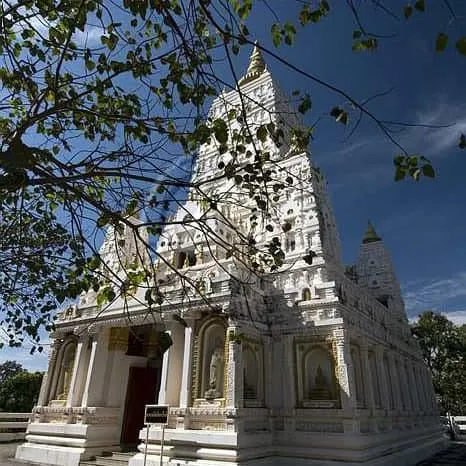
Phra That Si Mongkhon is a brick-and-plaster Buddhist stupa in Waritchaphum district, about 65 km from Sakon Nakhon town. Entry is free and it’s open daily from roughly 06:00 to 18:00. The chedi encases an older, damaged laterite stupa that villagers stumbled on while clearing forest for farmland around 1902.
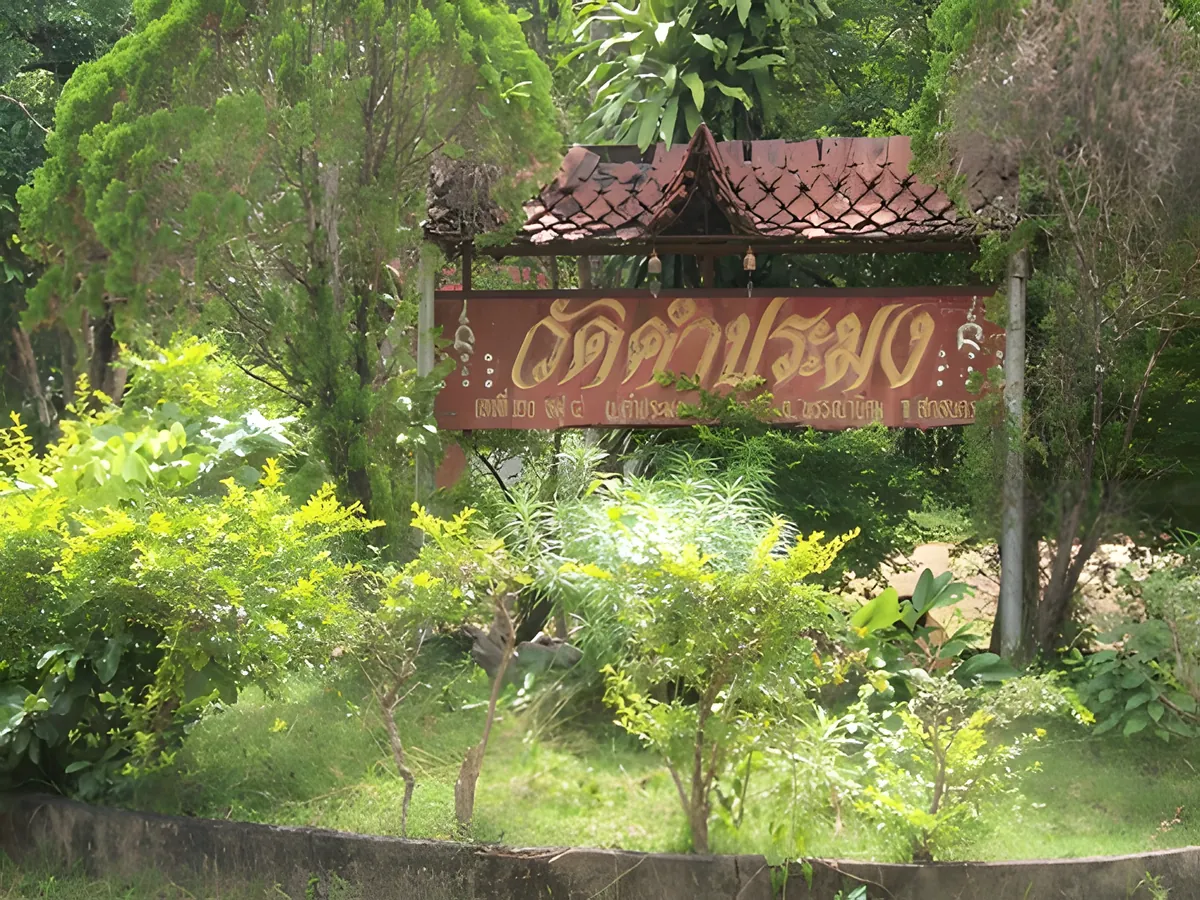
That backstory is on record at Wat That Si Mongkhon, the temple built around the ruin. A group of settlers from the old Wari Chaphum area — Wiang Kae Homwong, Luang Suwannarat, and several others named in the temple’s own history — were hacking through scrub when they hit the buried remains of a stupa. They called in the senior monk from the district to look at it. He judged the spot auspicious (“mongkhon” means auspicious or blessed), so the village that grew up around it took the name Ban That (“Stupa Village”), and the recovered structure became Phra That Si Mongkhon. Nobody recorded when the original stupa was actually built; local tradition ties it loosely to the Lan Xang kingdom centred on Vientiane, and some accounts claim it was raised as a pair with another stupa, Phra That Dong Chiang Khruea, about 500 metres to the north — but neither claim has a firm date attached.
What stands today is a square-based chedi that tapers to a slender spire, its outer shell built over the surviving laterite core. Around the base, terracotta relief panels depict episodes from the Buddha’s life — the same technique used on the base decoration, distinct from the plain brick walls above. Gold and bronze Buddha images recovered during restoration are kept inside the stupa. The compound around it is small: a handful of secondary shrines, shade trees, and a bot used for daily merit-making. There’s no admission gate and no gift shop — this is a working neighbourhood temple, not a curated heritage site.
Insider Tip: Visit in the early morning before the heat sets in — Isan mornings in the cool season (November–February) are the most comfortable time to walk the grounds, and you’ll likely see locals arriving to make merit before work.
Watch out: There’s no public transport running directly to the temple. If you don’t have your own car or motorbike, arrange a ride from Waritchaphum town or ask at your Sakon Nakhon accommodation about hiring a driver for the day — this stupa works best as part of a wider loop through Waritchaphum district rather than a standalone trip.
- Entry fee: Free
- Hours: Daily, approximately 06:00-18:00
- Distance: About 65 km from Sakon Nakhon town; roughly 200 m from Waritchaphum district office
- Dress code: Covered shoulders and knees — it’s an active place of worship
- Getting there: Own vehicle recommended; no direct public transport to the site
Combine the visit with Wat Phra That Choeng Chum in Sakon Nakhon town, the province’s most important pilgrimage temple, or Phra That Phu Phek, another Khmer-influenced hilltop stupa nearby. Both sit within easy reach of Sakon Nakhon, the provincial hub for this corner of Isan.
Location & Directions
Mu 3
Sakon Nakhon, Thailand
Show your taxi or Grab driver
พระธาตุศรีมงคล
Frequently Asked Questions
Is Phra That Si Mongkhon free to visit?
How old is the stupa?
How far is it from Sakon Nakhon town?
What's inside the chedi?
What should I wear?
Spotted something out of date or incorrect? Let us know
Stay Near Phra That Si Mongkhon
Live prices for places closest to Phra That Si Mongkhon — tap a pin to compare.