


Sakon Nakhon
สกลนคร
Isan's spiritual heartland — a forest-monk tradition that shaped Thai Buddhism, Khmer stone ruins, the country's largest natural lake, and GI-protected natural indigo cloth.
Recommended by us
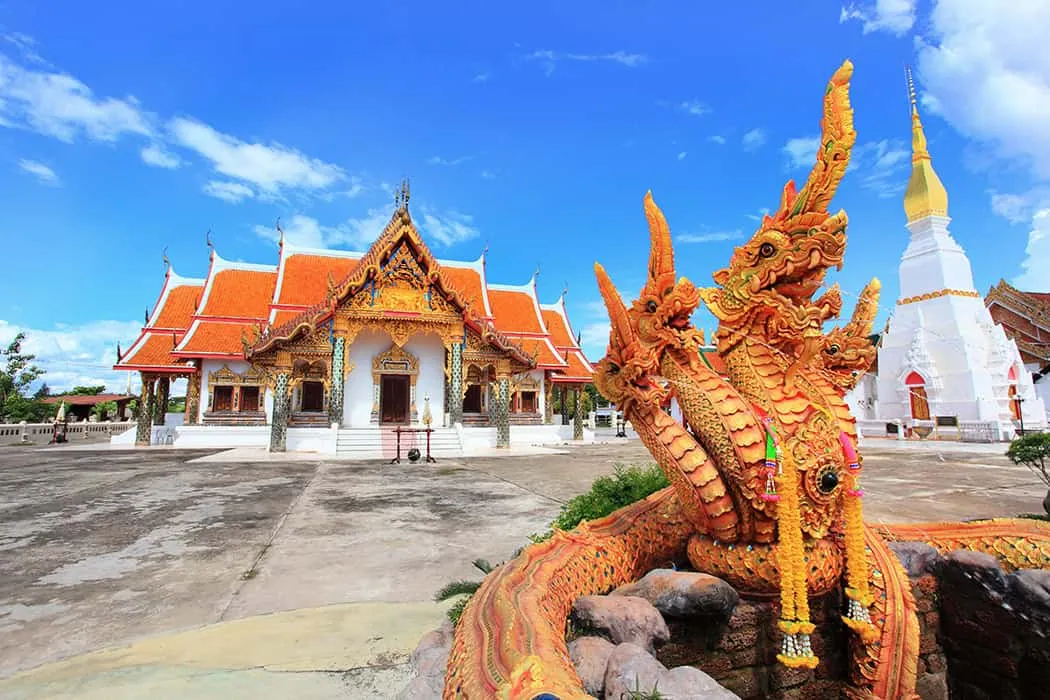
Wat Phra That Choeng Chum
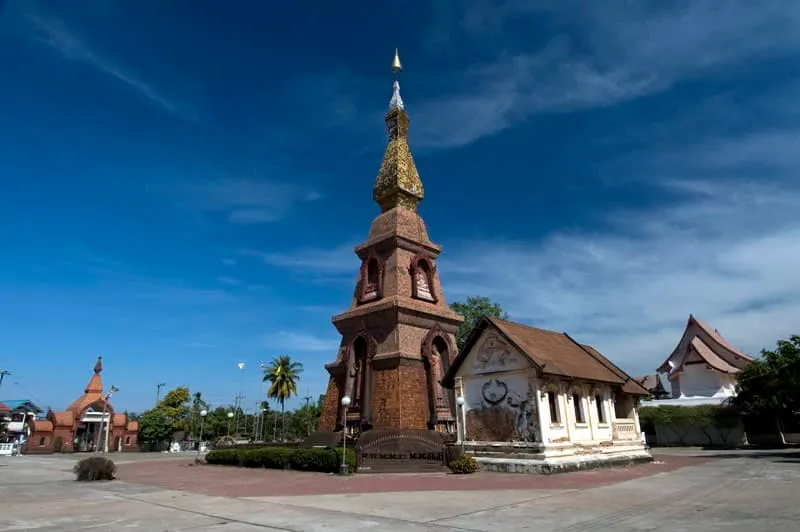
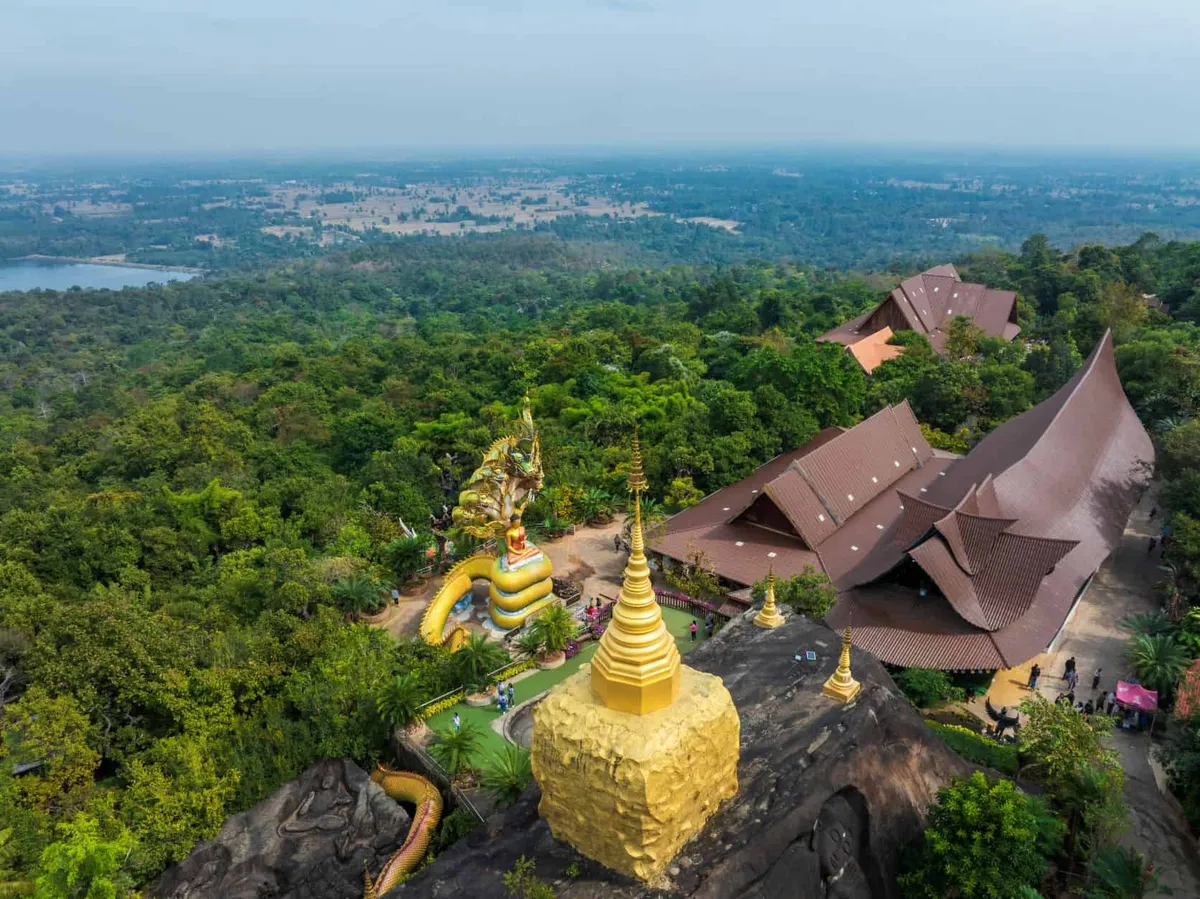
Sakon Nakhon's most revered temple — a Khmer-era prang wrapped in a Lao-style chedi, standing at the edge of Nong Han lake. Active pilgrimage site; dress modestly and go early.

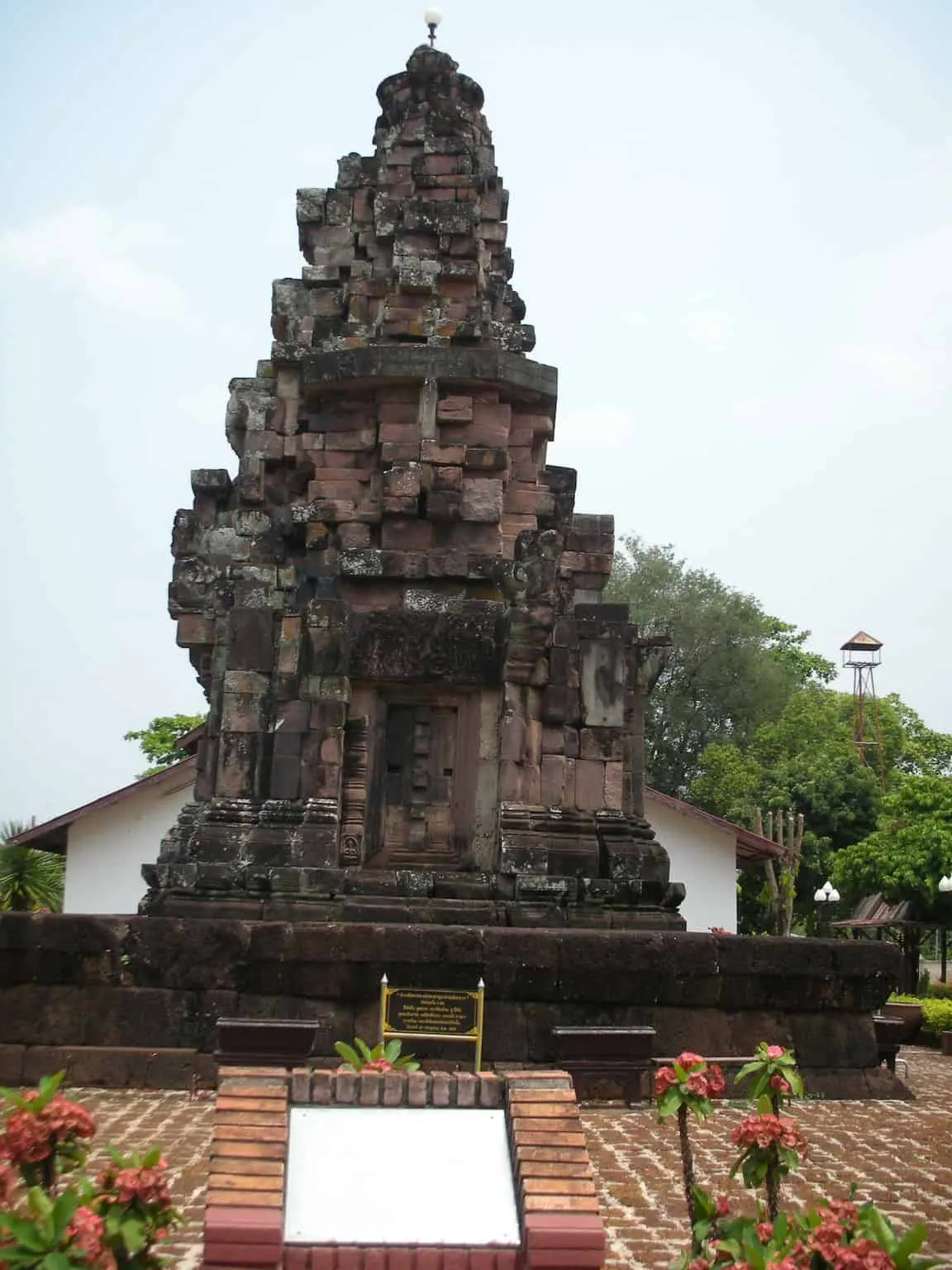
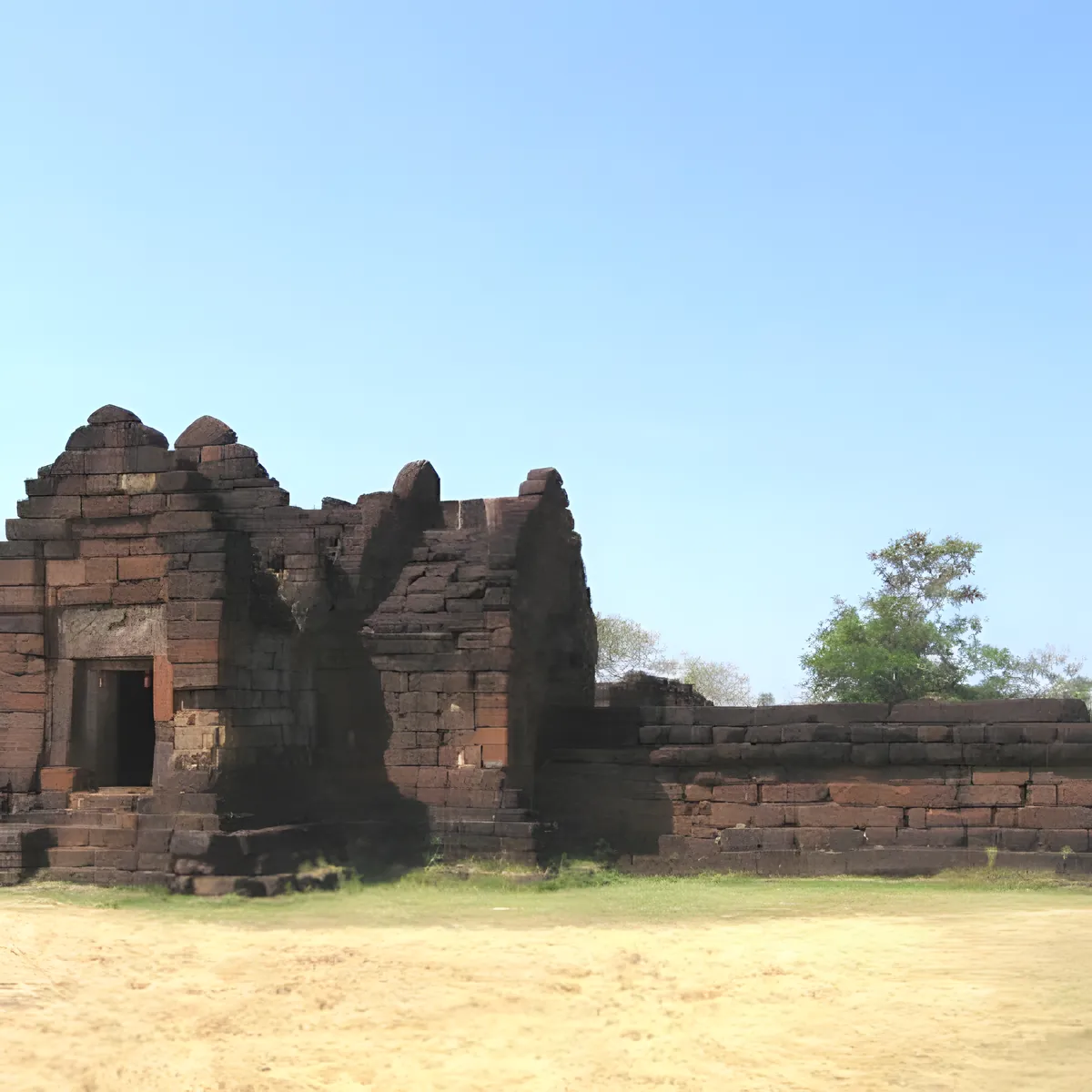
Phra That Narai Cheng Weng
An 11th-century Khmer sanctuary a few kilometres outside town, built in red laterite. One of the most intact Khmer monuments in Isan — far quieter than Phimai.

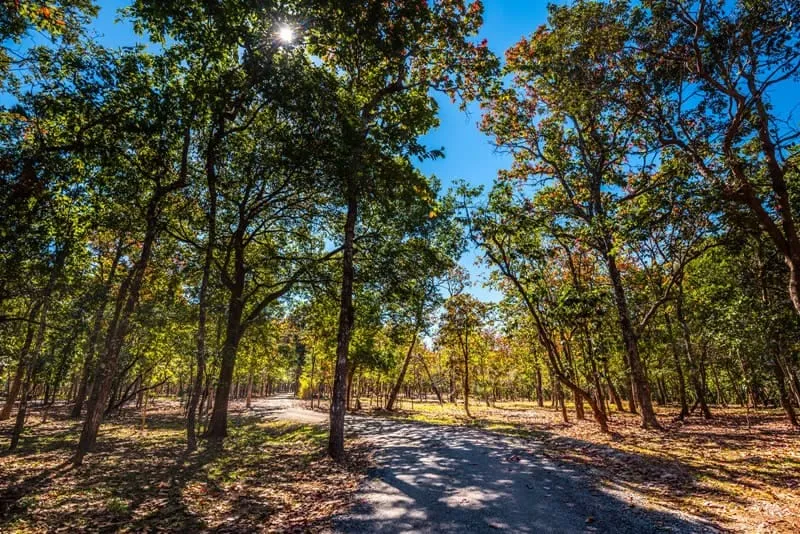
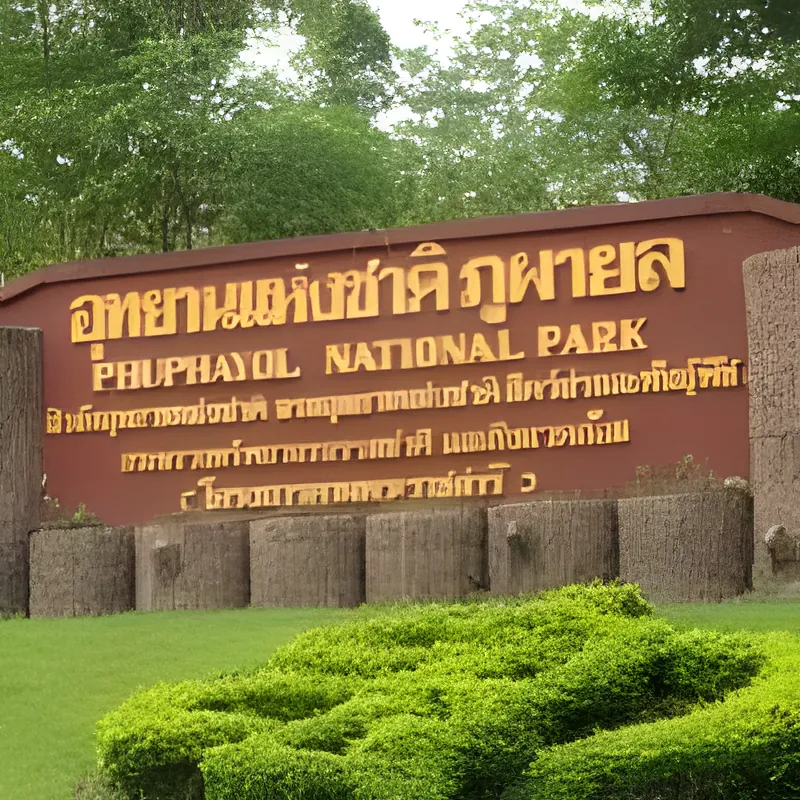
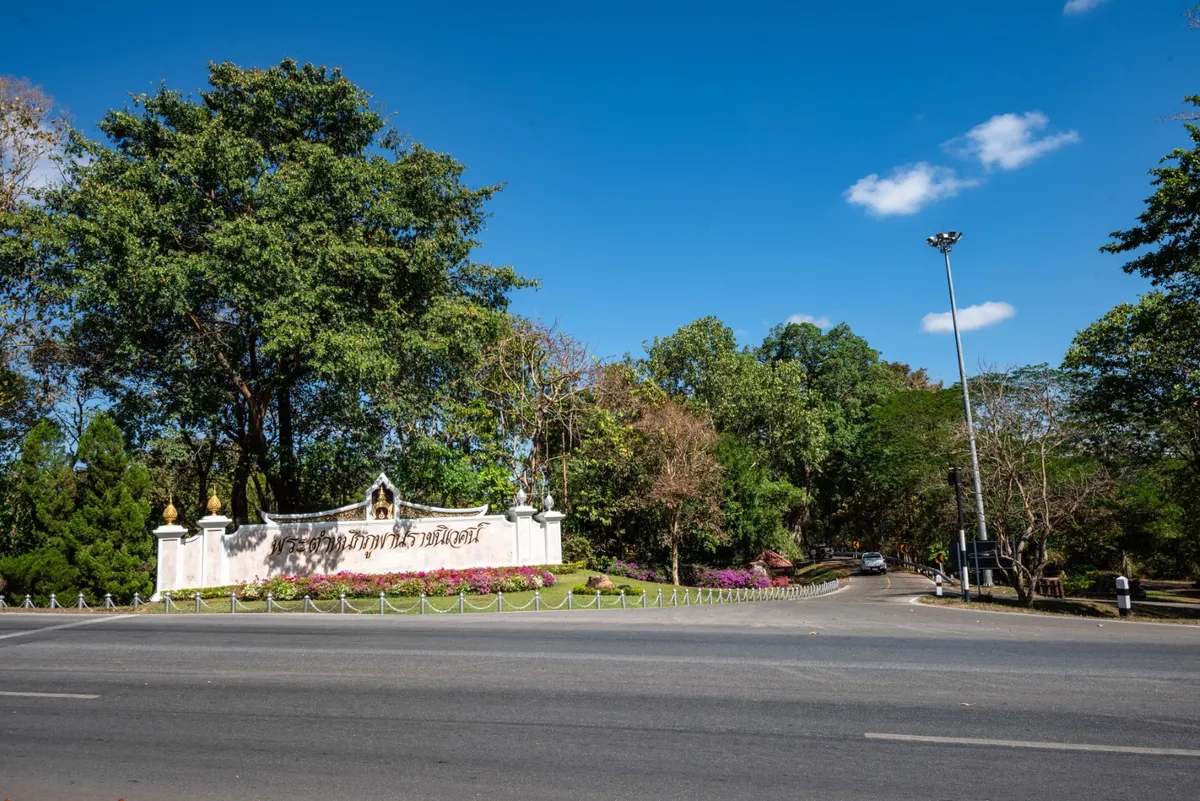
Phu Phan National Park
Forested hills that served as a resistance base in WWII and during the cold-war insurgency. The park has waterfalls, wildlife, and the nearby Phu Phan Ratchaniwet royal palace in the same range.

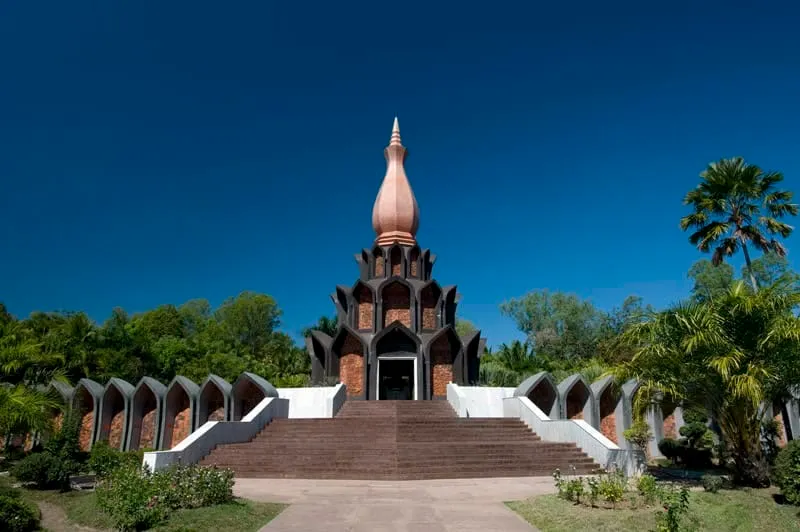
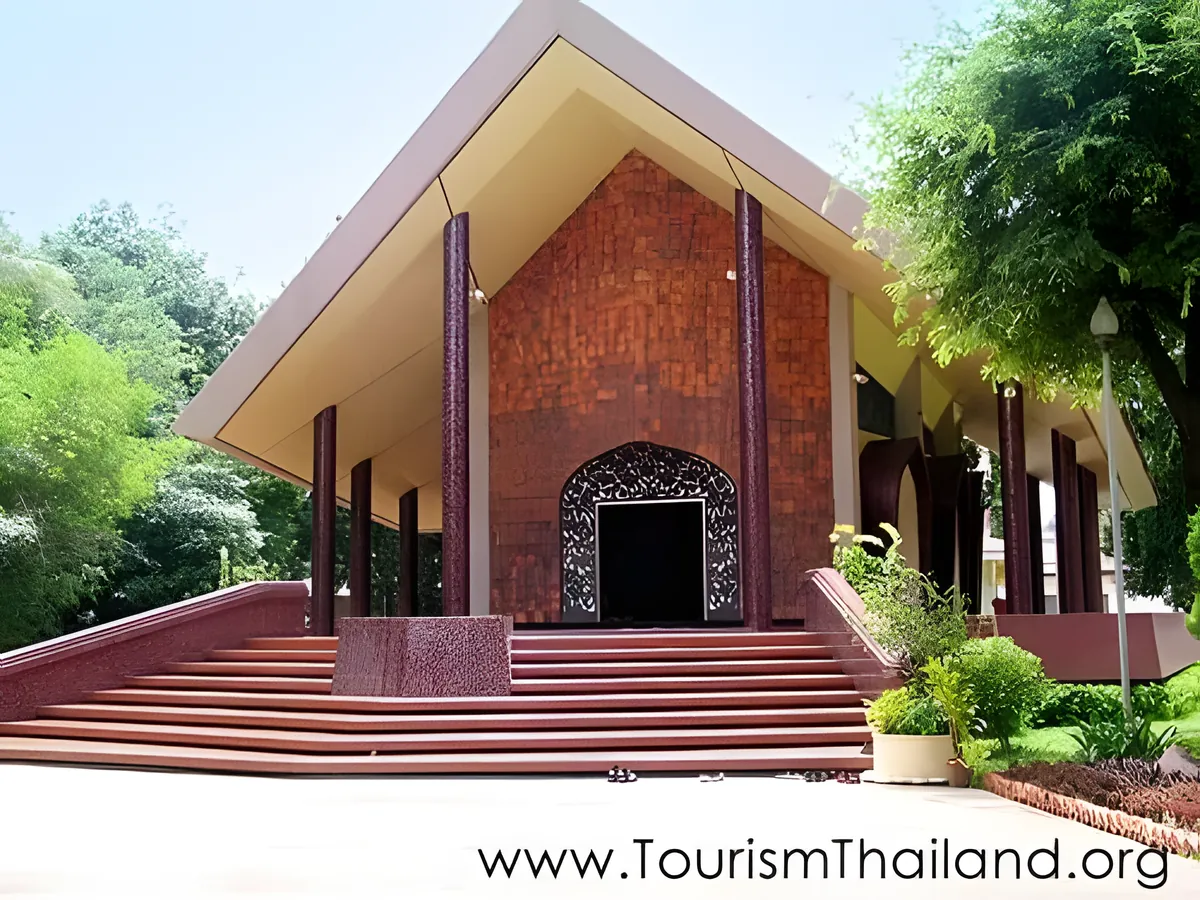
Achan Fan Archaro Museum
A small museum dedicated to one of Thailand's most revered forest monks — a major pilgrimage point for Thai Buddhists. The atmosphere is more monastery than museum; visit with quiet.

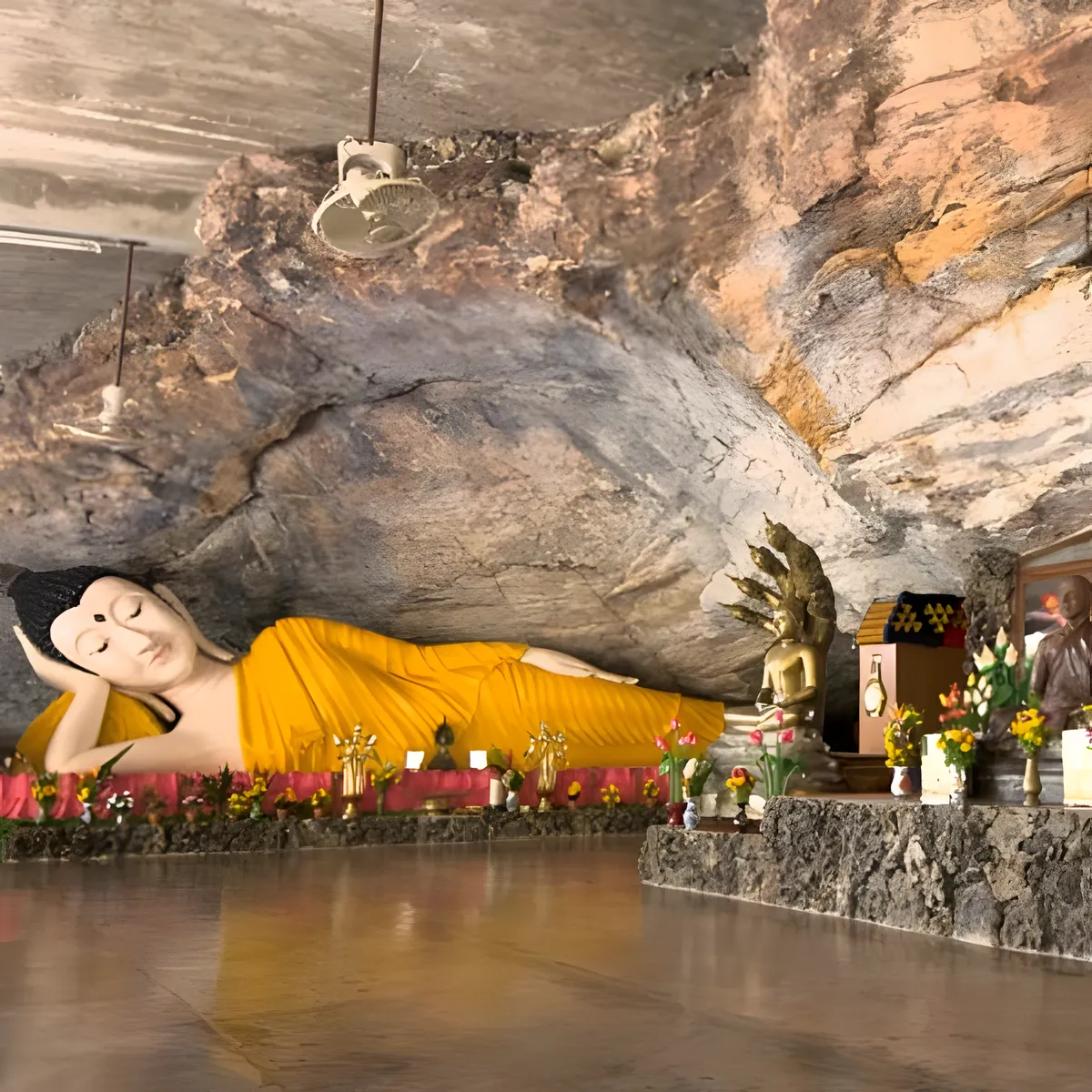
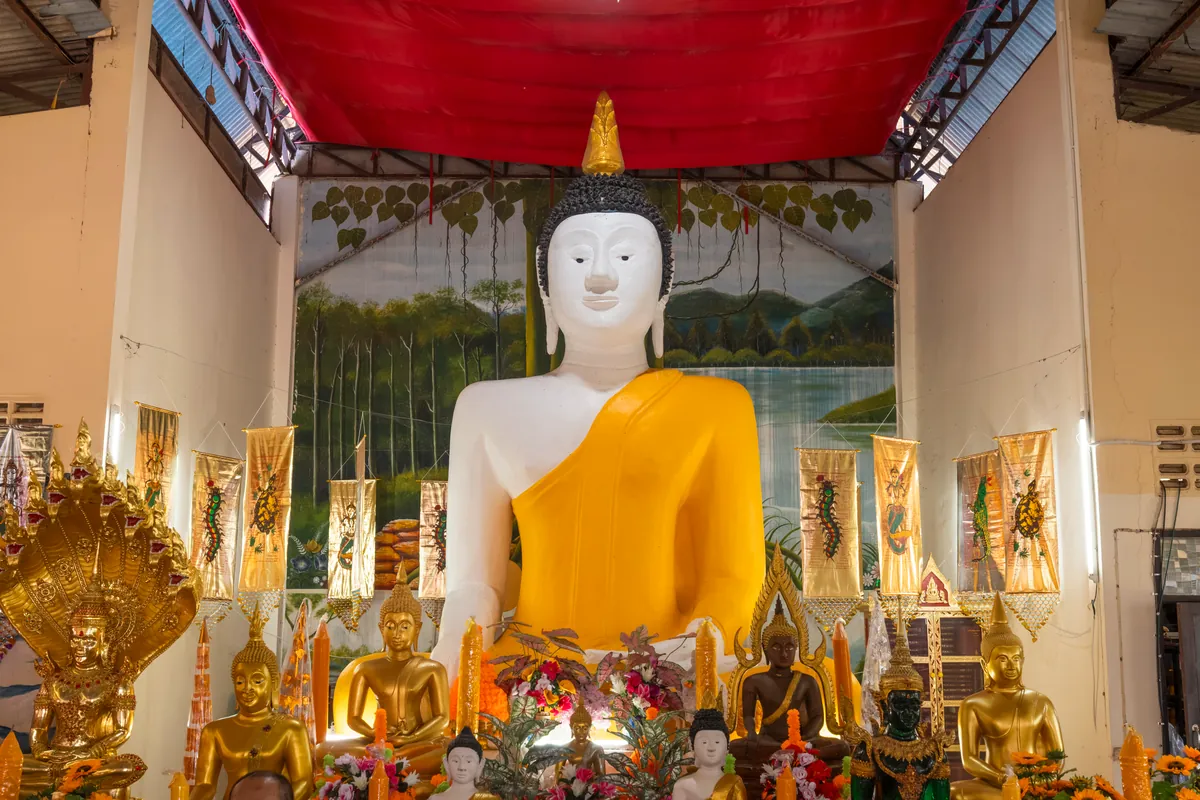
Phu Pha Thong Cave
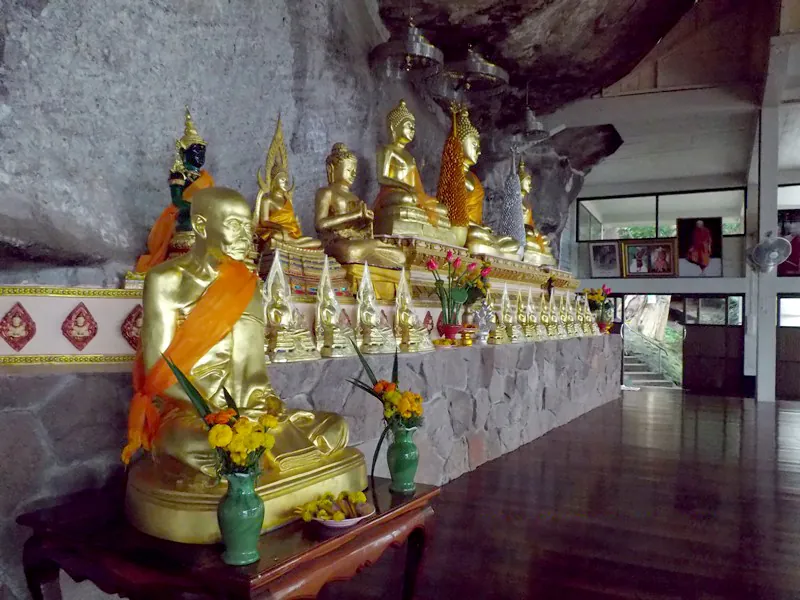
A cliff-face cave temple with a reclining Buddha inside a dramatic limestone outcrop — the monks' cells cut into the rock face are visible on the approach path.
Get to Sakon Nakhon
Nok Air and Air Asia fly Bangkok Don Mueang to Sakon Nakhon in under two hours — flying beats the 10-hour bus for this one.

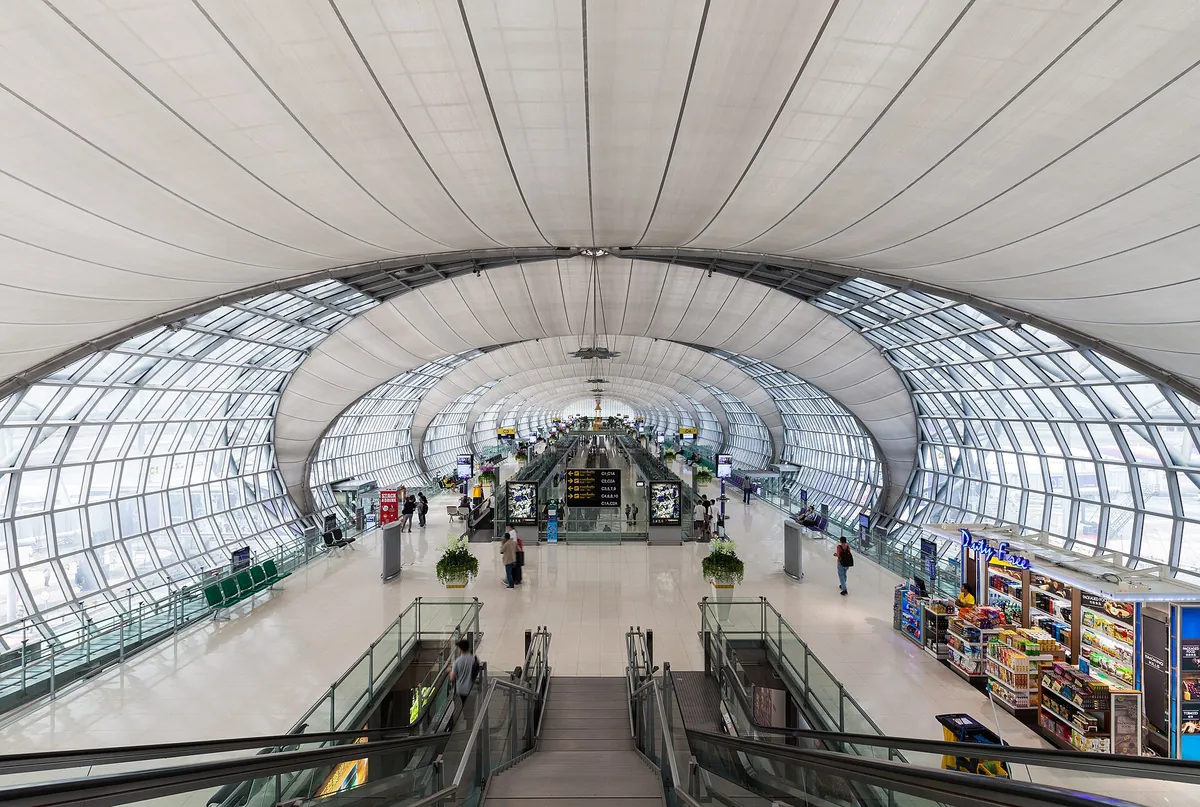
eSIM for Thailand
Land with data already working and skip the airport SIM queue. We tested six plans — code THAIHOLIDAY saves 10%.

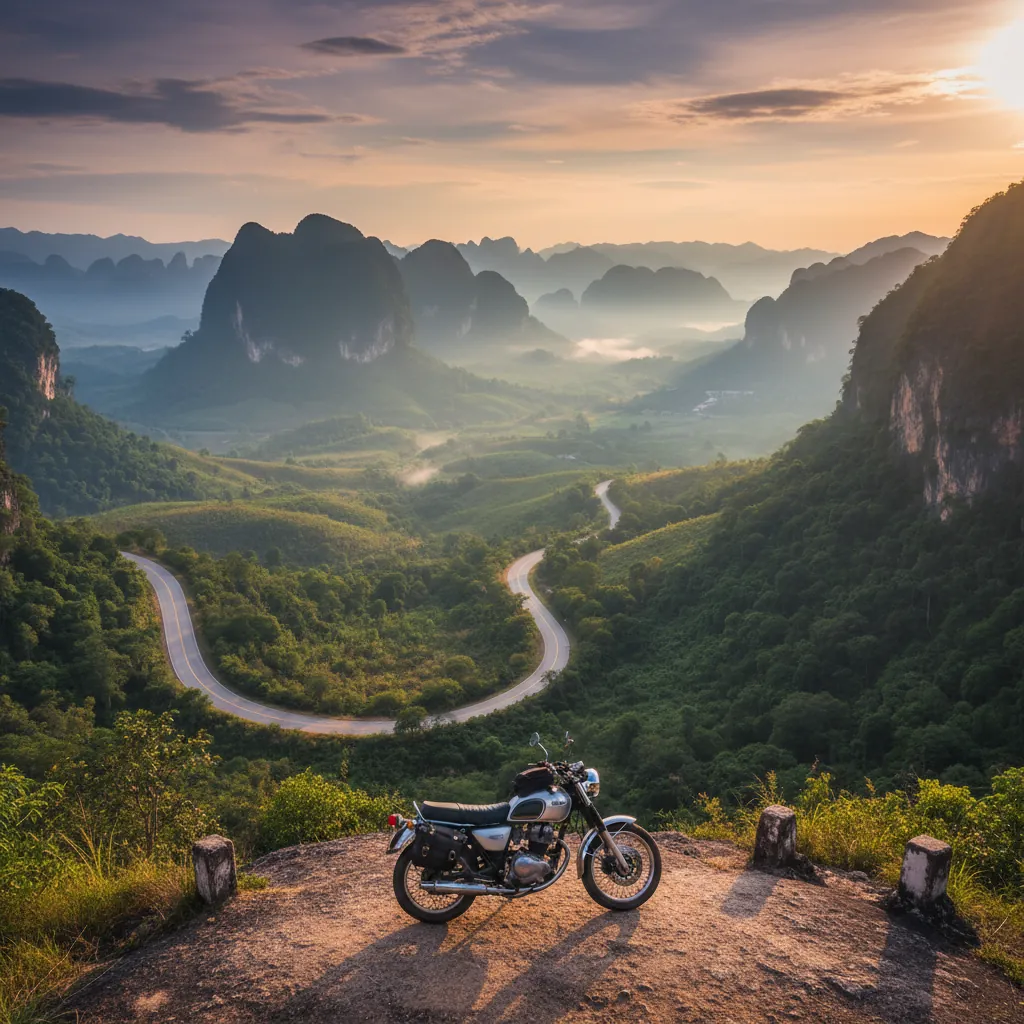
Travel insurance
Motorbike is the practical way to reach the forest temples and national park — sort cover before you go and check the motorbike clause.
Wats, shrines & spiritual sites
Temples in Sakon Nakhon







Waterfalls, peaks, caves & parks
Nature & outdoors around Sakon Nakhon









Museums, history & heritage
Museums & culture in Sakon Nakhon










Things to do on the map
Tap a pin for details — 34 places in Sakon Nakhon plotted.
When to go
Nov–Feb The dry cool season is the most comfortable window. December and January nights can drop to 11–12°C — genuinely cold by Thai standards and a reminder that Sakon Nakhon holds Thailand's all-time lowland temperature record (-1.4°C in 1974). Clear skies, low humidity, good conditions for temple visits and the Phu Phan mountains.
Mar–May Hot season pushes past 35°C by April. Viable for visits but start early at outdoor sites. The rains usually break in May, bringing green landscapes but also muddy tracks in Phu Phan National Park.
May–Sep Monsoon season, with August the wettest month (average 344 mm). Nong Han lake fills fully and the countryside turns intensely green. Phu Phan roads can be slippery; most temple sites remain accessible. The Wax Castle Festival falls in early-to-mid October, set by the lunar calendar at Ok Phansa (end of Buddhist Lent).
Oct Rains begin to ease through October. The Wax Castle Festival and longboat races on Nong Han — one of Thailand's most elaborate provincial festivals — fall in early-to-mid October, set by the lunar calendar at Ok Phansa.
About Sakon Nakhon
Last updated September 2026
Overview
Sakon Nakhon sits on the flat plain south-west of Nong Han — Isan’s largest natural lake — at around 175 metres elevation in the upper northeast. It is not a tourist-circuit province in the way that Chiang Mai or Krabi are, which is half the point. What draws the people who do make the trip is a convergence of things you will not find together anywhere else in Thailand: the forest-monk tradition that shaped Theravada practice across Southeast Asia, a well-preserved Khmer stone sanctuary, a natural lake bigger than most Thai cities, GI-protected indigo craft, and one of the country’s most elaborate provincial festivals.
The province is the spiritual homeland of the Thai Forest Tradition. Ajahn Mun Bhuridatto (1870–1949), credited alongside his teacher Ajahn Sao with founding the tradition, spent his final years here and died at Wat Pa Sutthawat in the city. His pupil Ajahn Fan Acharo also lived and taught in Sakon Nakhon. Both have museums in the province drawing serious dharma practitioners from across Thailand and abroad — an unusual thing for a provincial town to have at all.
Sakon Nakhon also records some of the coldest temperatures of any lowland location in Thailand. In January 1974 the city logged -1.4°C, a national record for the lowlands. Even in a typical cool season, December and January nights can fall to 11–12°C. For travellers used to Thailand being uniformly hot, this is genuinely surprising.
Top Things to Do
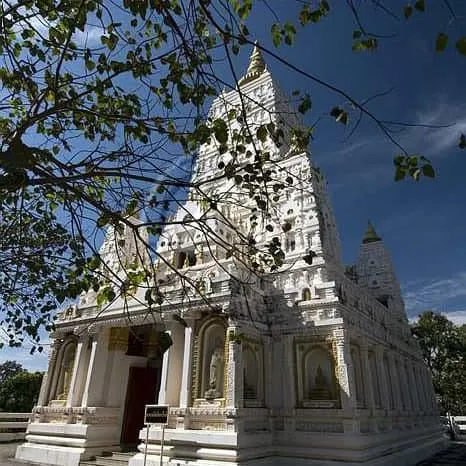
Wat Phra That Choeng Chum is the most important Buddhist site in the province. The slender Lao-style chedi rises 24 metres from a broad base that covers the spot where four fully enlightened Buddhas — including Shakyamuni — are said to have left footprints. A smaller Khmer stone prang built around the 10th century stands within the same compound, predating the later chedi. The temple is active and draws Thai pilgrims throughout the year; the atmosphere is devotional rather than touristic.
Phra That Narai Cheng Weng is a Khmer sandstone prasat built in the Baphuon style in the 11th century, likely under Udayadityavarman II (r. 1050–1066). The roughly 12-metre spire rises from a laterite base in a temple courtyard on the eastern side of town. The carvings are well-preserved: the western lintel shows Krishna subduing the naga Kaliya; the northern lintel has Krishna battling a lion; the northern pediment shows a reclining Vishnu (Phra Narai), which gives the sanctuary its name. It sees almost no foreign visitors and is free to enter.
The forest-monk museums are a reason in themselves to come. The Phra Archan Man Phurithatto Museum at Wat Pa Sutthawat houses Ajahn Mun’s ashes, robes, alms bowl, and dharma texts in a building with elaborate tiled bas-relief murals. A few kilometres away, the Ajahn Fan Acharo Museum at Wat Pa Ban Nong Phue is smaller but equally compelling, dedicated to one of Ajahn Mun’s most celebrated students. Neither site is crowded, and both are approached through quiet forest monastery grounds.
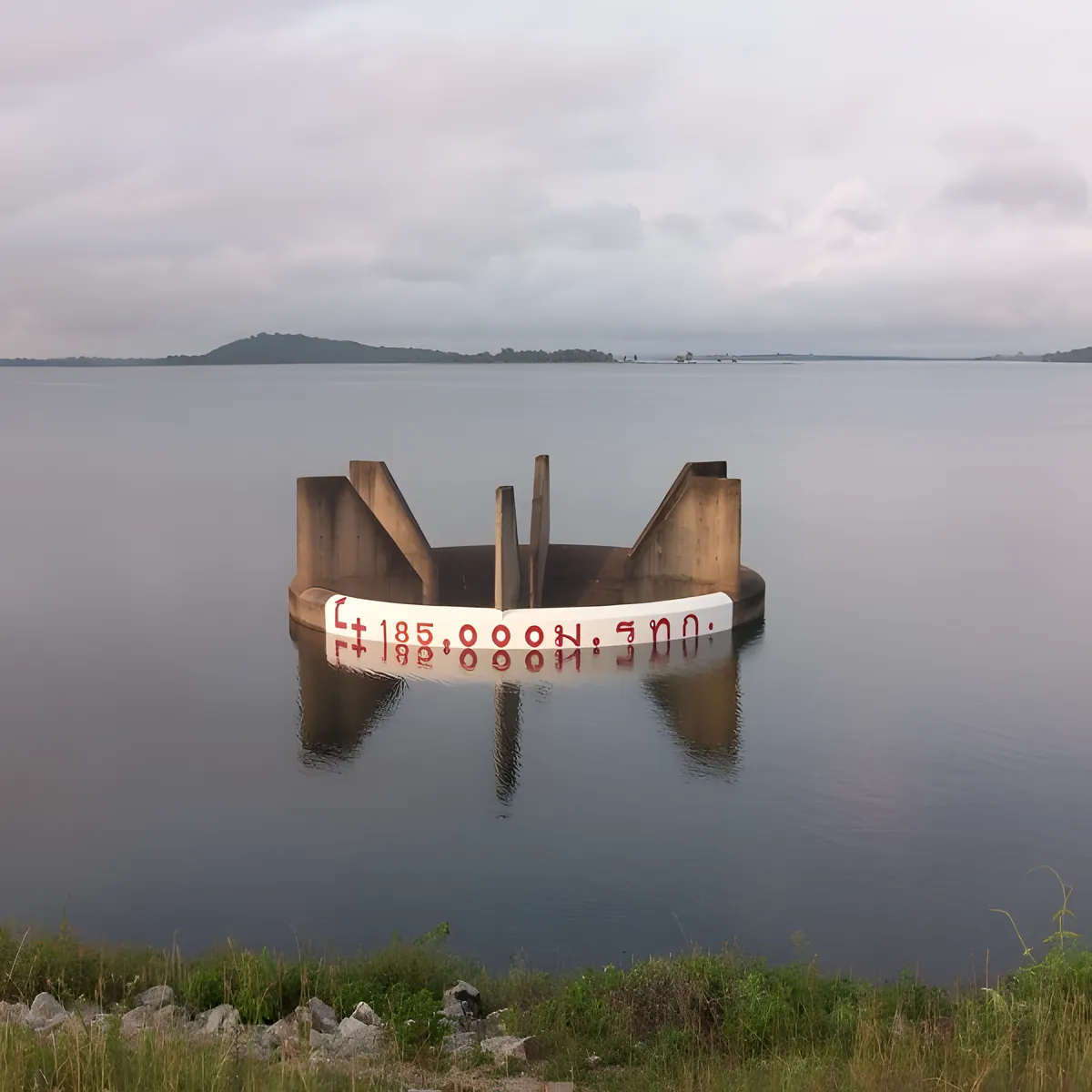
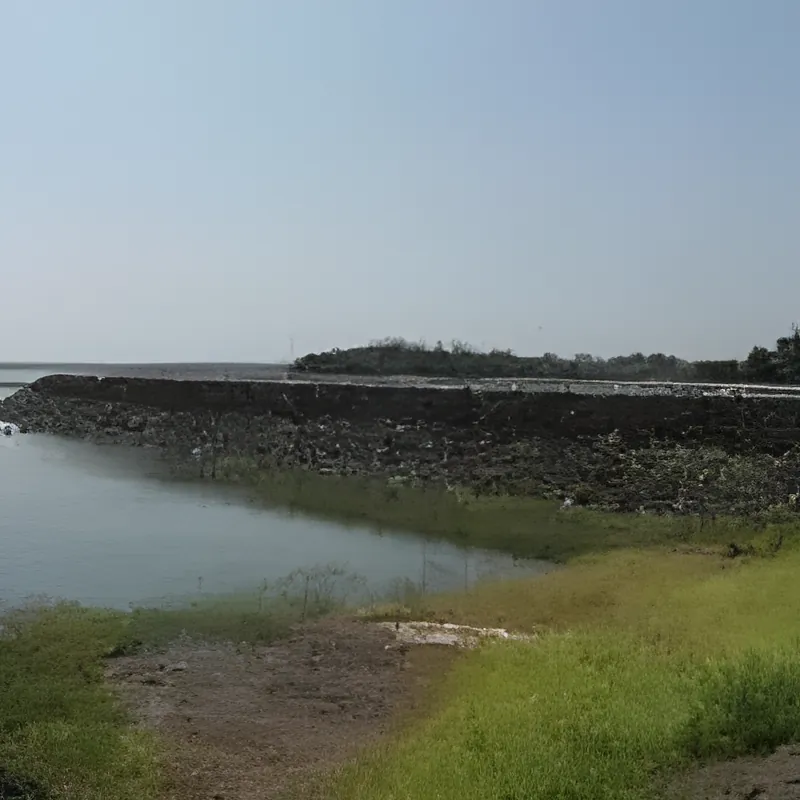
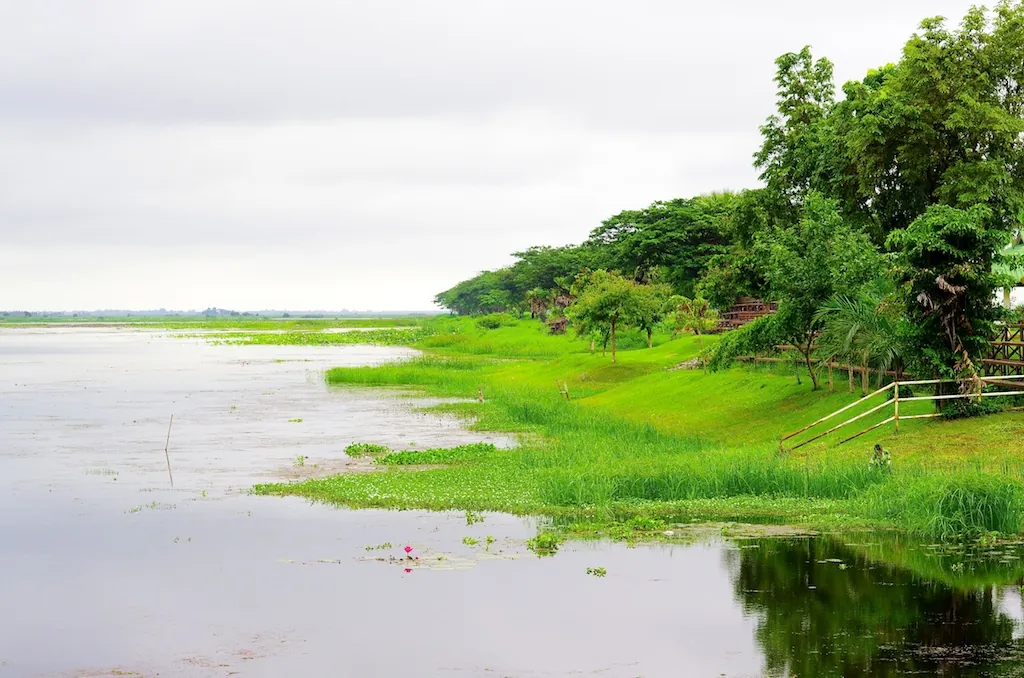
Nong Han stretches over 120 square kilometres to the north and east of the city — the largest natural lake in Isan. Longtail boats can be hired for a circuit of the lake’s small islands, including Ko Don Sawan, where a ruined temple sits among bird-filled trees. Early mornings the lake surface is often covered with lotus flowers. The lakefront road through town is a pleasant walk at dawn or dusk.
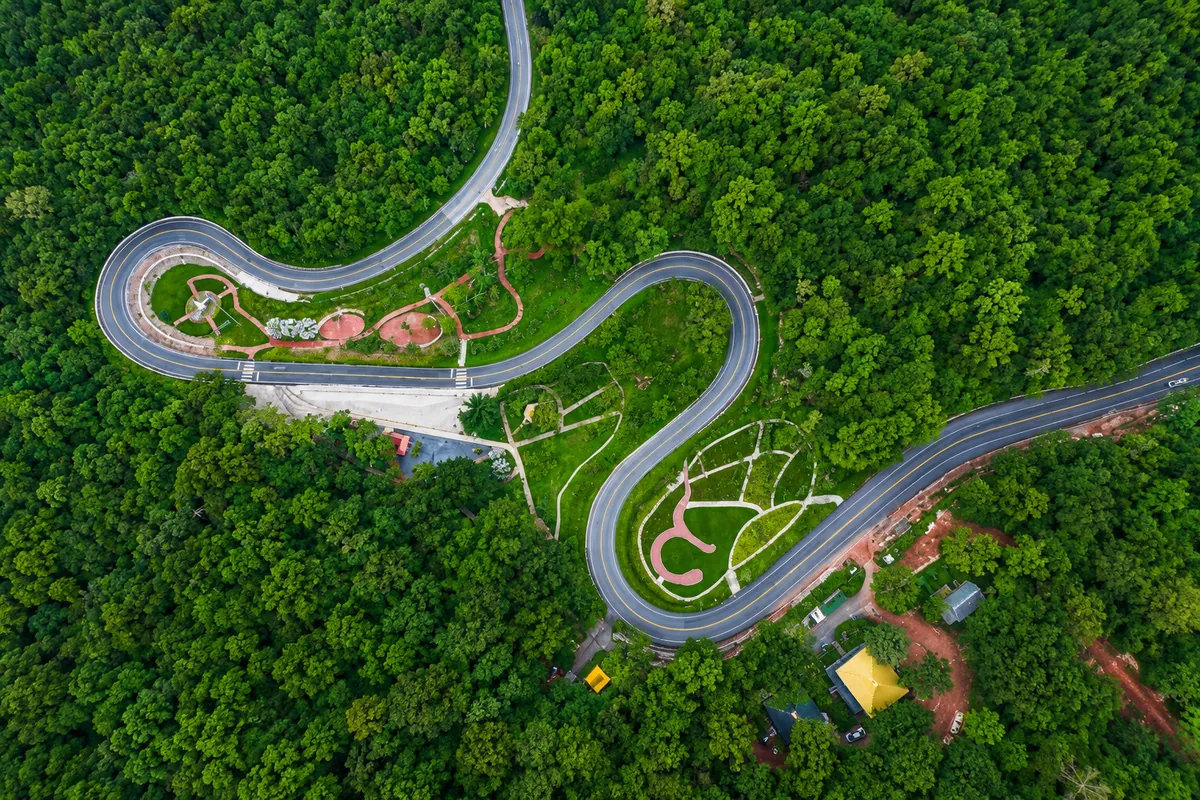
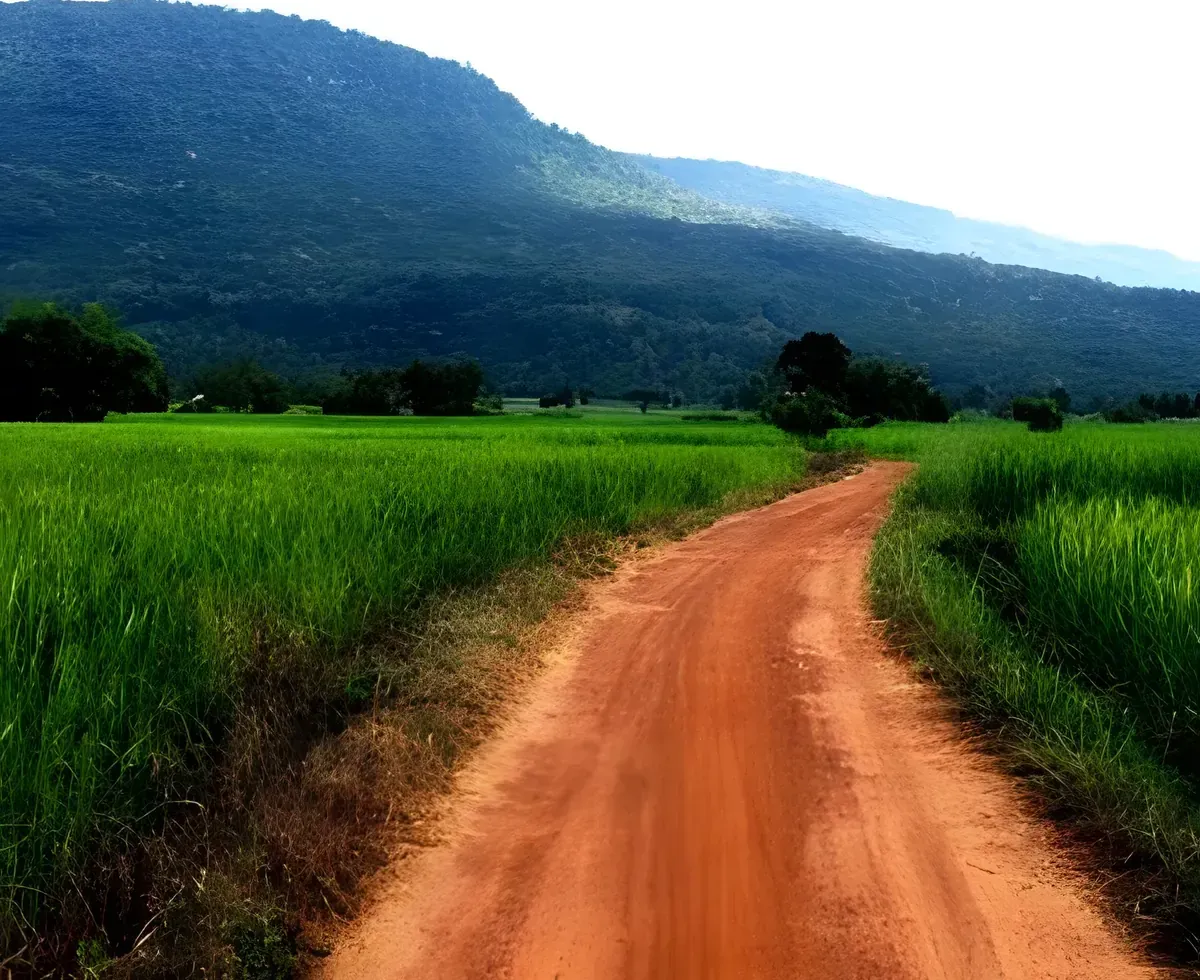
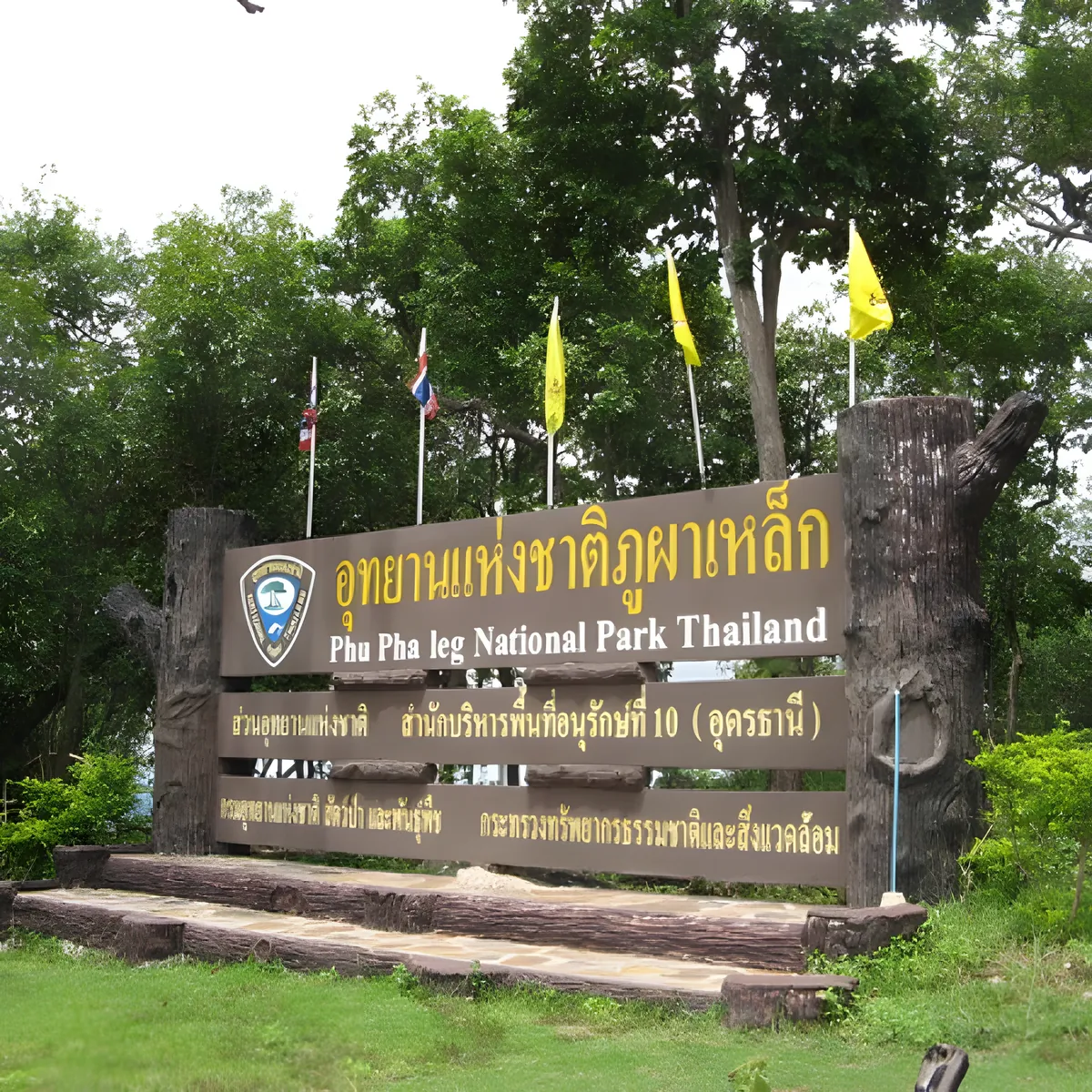
Phu Phan Ratchaniwet Palace sits in the Phu Phan mountains, 13 kilometres from the district office on the Sakon Nakhon–Kalasin road. Established in the 1970s as the royal family’s northeastern retreat, King Bhumibol and Queen Sirikit based many of their development projects in the region from here — many royal development initiatives were launched from the palace, covering agriculture, water management, and craft preservation. When not in use by the royal family, the palace grounds are open to the public. The surrounding Phu Phan National Park has good forest walks and cooler temperatures than the plain below.
Kram indigo cloth is the craft Sakon Nakhon is nationally known for. The Songkhram River basin supports natural cultivation of the khram plant (Indigofera tinctoria), and the cold-fermentation dyeing technique practised here produces a deep, long-lasting blue unlike anything achieved with synthetic dye. The cloth has both a Thai Geographical Indication and recognition from the World Crafts Council as a World Craft City speciality. Ban Kut Na Kham and the Ban Na Kham area are among the villages where you can watch the process and buy direct from weavers. Prices are a fraction of what Bangkok craft shops charge.
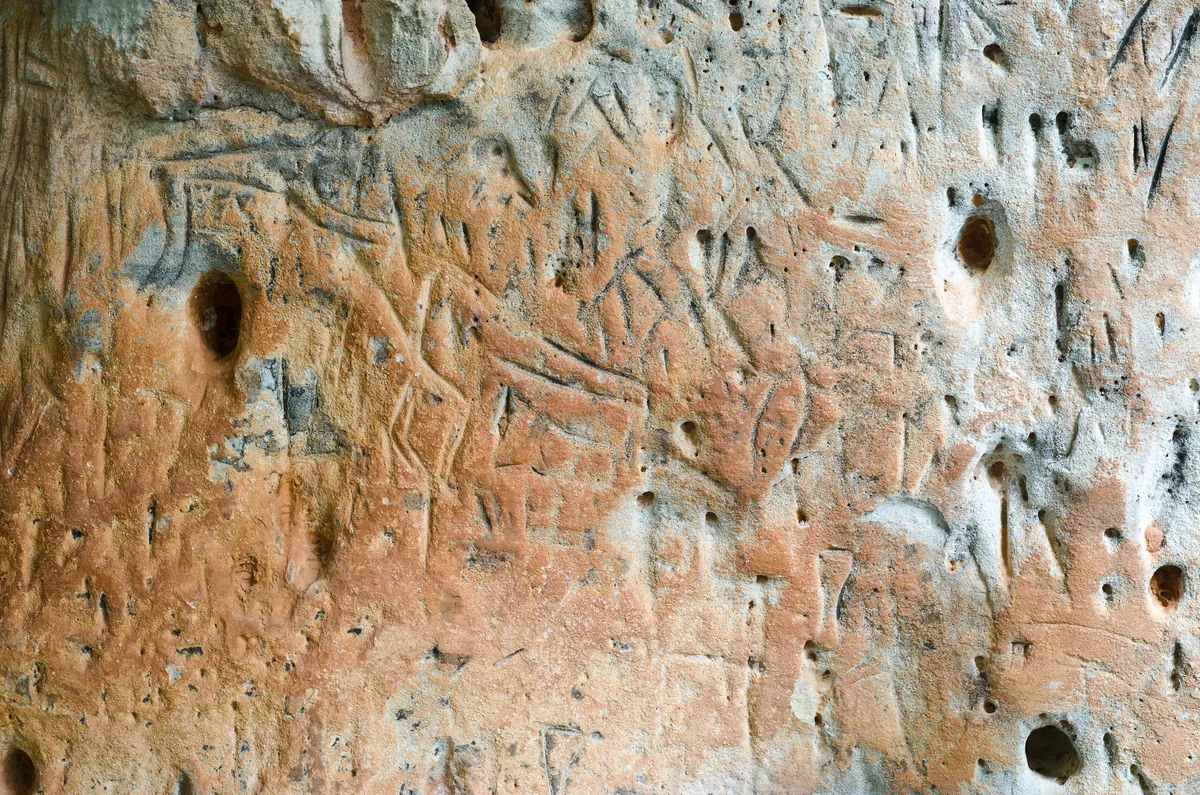
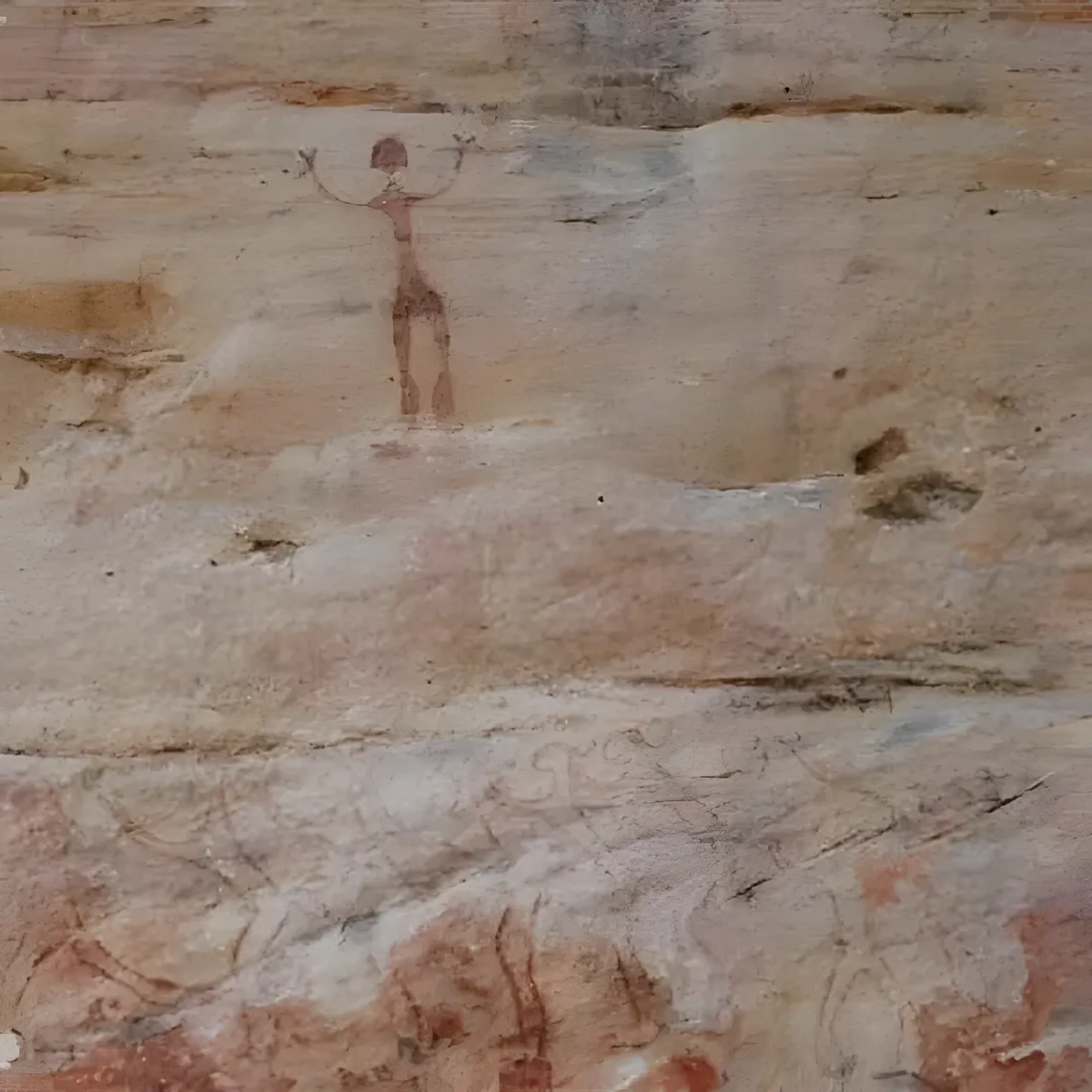
Phu Pha Yon National Park in the south of the province contains rock paintings estimated at around 3,000 years old at the Phu Pha Yon cliff face — geometric marks and human figures left by prehistoric inhabitants of the Mekong basin. The park itself covers sandstone terrain with waterfalls and viewpoints.
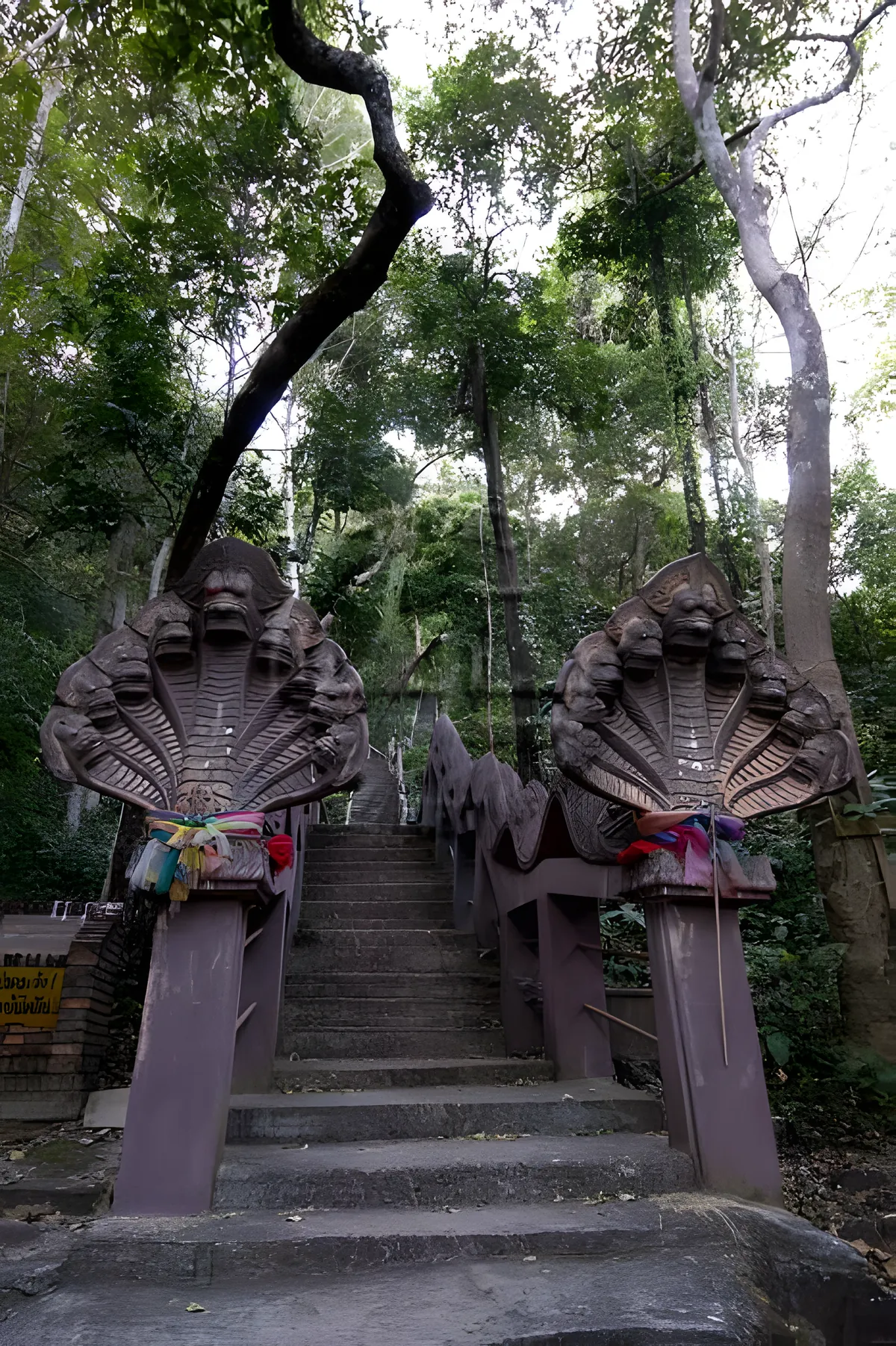
Wat Tham Pha Daen and Wat Tham Kham are cliff-face forest temples in the Phu Phan range where Ajahn Mun’s tradition of cave-and-forest retreat is still practised. The setting — steep limestone, deep shade, small shrines cut into rock — makes the ascent worthwhile even without the religious context.
Where to Stay
The city has a range of mid-range hotels and guesthouses, with the best clustered around the lake and the central temple area. The Room Boutique Hotel and Chokdee Place regularly review well on Agoda and Booking.com. There are no international luxury chains, but the local hotels are clean and comfortable, and the city is compact enough that you can reach the main sights from anywhere in the centre. Visiting during the Wax Castle Festival requires early booking — the town fills up completely.
Getting There
Sakon Nakhon Airport (SNO) is served by Nok Air and Thai AirAsia from Don Mueang, with the flight taking 1 hour 10 minutes. This is by far the most practical option from Bangkok. Overnight buses from Mo Chit or Ekkamai take around 10–11 hours and cost a fraction of the airfare — fine for those with time or a high tolerance for bus sleep. There is no rail connection; Udon Thani, about 160 kilometres to the west, is the nearest train station, from where you would need to continue by bus or shared taxi.
Within the province, you need your own transport or a hired driver for anything beyond the city centre. Most guesthouses can arrange drivers at reasonable day-rate prices, and motorcycle hire is available in town for those who want to explore at their own pace.
Best Time to Visit
Sakon Nakhon follows the Isan monsoon pattern: wet from May to October, with August the heaviest month (344 mm average). The cool dry season runs November to February and is the most comfortable time to visit — with the caveat that December and January nights genuinely require a jacket. March and April are hot but viable for determined visitors.
The exception to the simple Nov–Feb preference is the Wax Castle Festival in early October. If the festival is your reason to come, expect the rains to have mostly eased by then, though you may catch a shower. The longboat races on Nong Han add a second reason to be there that week. Outside of the festival, October through November is when the lake is fullest and the rice fields at their greenest, making it one of the more photogenic times despite the shoulder status.
Frequently Asked Questions about Sakon Nakhon
How do I get to Sakon Nakhon from Bangkok?
What is the best time of year to visit Sakon Nakhon?
How long do you need in Sakon Nakhon?
How do you get around Sakon Nakhon province?
What is the Wax Castle Festival?
Spotted something out of date or incorrect? Let us know
Plan your
Sakon Nakhon trip