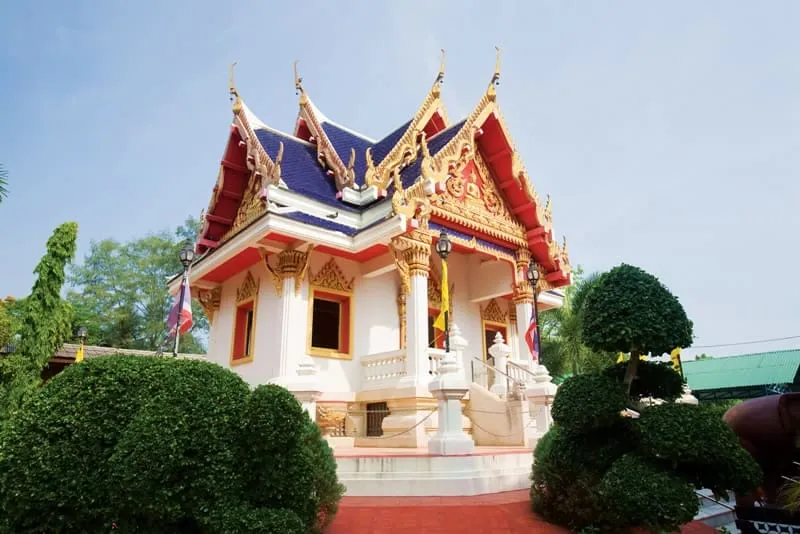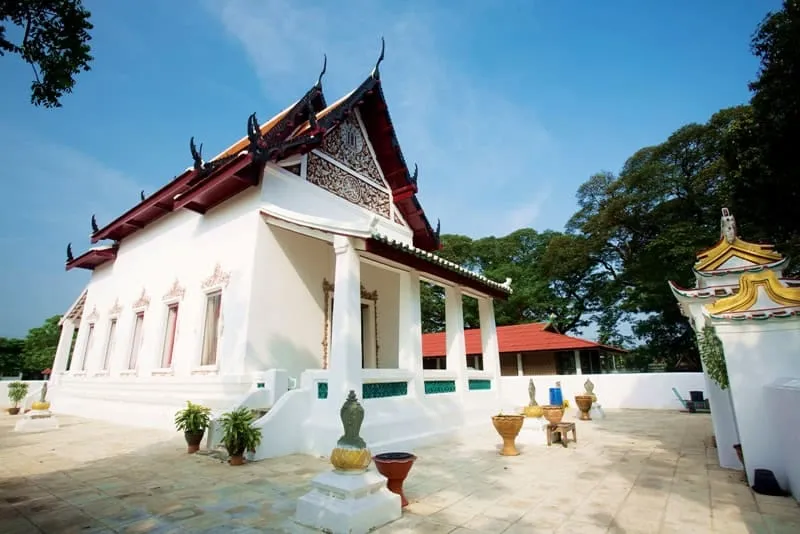
Tham Krabok Monastery is best known internationally for its Buddhist drug rehabilitation programme, running since 1959 and credited with treating more than 100,000 heroin and opioid patients through herbal-induced vomiting, a sworn vow never to use again, and daily meditation. It sits inside limestone hills in Phra Phutthabat district, Saraburi, about 90 minutes north of Bangkok — and it’s a working treatment centre first, a tourist attraction a distant second.
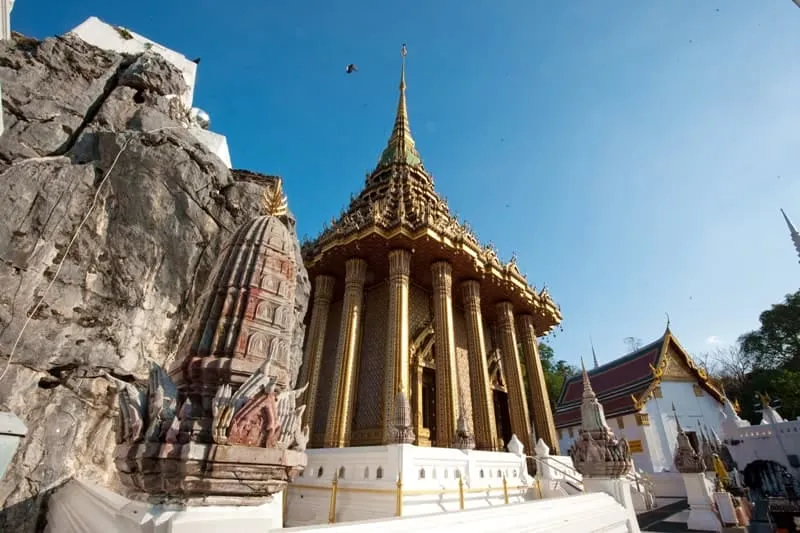
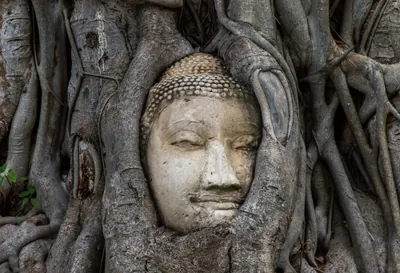
The name means “bamboo cave,” after the limestone caverns cut into the hillside where monks have meditated for generations. The temple’s best-known image is a large Buddha figure carved into black lava rock set against the mountainside — the photo most visitors leave with. Beyond the caves and shrine buildings, the grounds hold a lesser-known chapter of Cold War history: from the mid-1970s, thousands of Hmong refugees who had fled Laos after the Vietnam War sheltered here, some for decades. Most were resettled to the United States by 2005; a handful of Hmong families remain on site today.
Watch out: This isn’t a photo-op temple. The rehabilitation compound is closed to everyone except patients and the family members escorting them, and photographing patients or treatment areas is not appropriate. Stick to the public shrine buildings and caves, and ask a monk or staff member before photographing anything you’re unsure about.
The atmosphere reflects the monastery’s dual purpose — the quiet of a working temple layered with the seriousness of a medical facility. You’ll see monks going about their usual routines alongside patients partway through recovery, working in the gardens or on maintenance around the grounds. It’s a more sober, contemplative visit than the average Thai temple stop, and worth going into with that expectation rather than looking for a typical “temple experience.”
Insider Tip: Pair the visit with Wat Phra Phutthabat Ratchaworamahawihan, the famous Buddha’s Footprint temple a few kilometres away in the same district — most day-trippers from Bangkok combine the two. Phra Thamnak Than Kasem, also in Phra Phutthabat, is a quieter add-on if you have the extra hour.
- Entry: Free (donation-based)
- Admin office hours: Daily 10:00–16:00; closed to new patient intake late March–~1 May each year
- Getting there: ~90 minutes north of Bangkok via the Phahonyothin route into Phra Phutthabat district, Saraburi
- Dress code: Covered shoulders and knees; quiet, respectful behaviour
- On site: Limestone caves, a black lava-rock Buddha image, active herbal-medicine rehabilitation programme
Getting here is straightforward by car — follow the Phahonyothin highway and turn off into Phra Phutthabat district, where signage points the way to the temple. Public transport options are limited, so a car or organised tour is the practical choice. Whatever else you take from the visit, the monastery’s real story is less about caves and Buddha images than the tens of thousands of people who came here at their lowest point and left clean.
Location & Directions
Phra Phutthabat, Saraburi
Saraburi, Thailand
Show your taxi or Grab driver
สำนักสงฆ์ถ้ำกระบอก
Frequently Asked Questions
Can tourists actually visit Tham Krabok Monastery?
Is the drug rehabilitation programme still running?
What is the Hmong refugee history here?
Is there an entrance fee?
What's the dress code?
Spotted something out of date or incorrect? Let us know
Stay Near Tham Krabok Monastery
Compare places to stay in Saraburi, or open the map for options closest to the attraction.