

Saraburi
สระบุรี
Sacred pilgrimage temple, sunflower-carpeted hills, seven-tiered waterfalls, and a dairy-and-vineyard corridor on the edge of the Khao Yai uplands — all within two hours of Bangkok.
Recommended by us

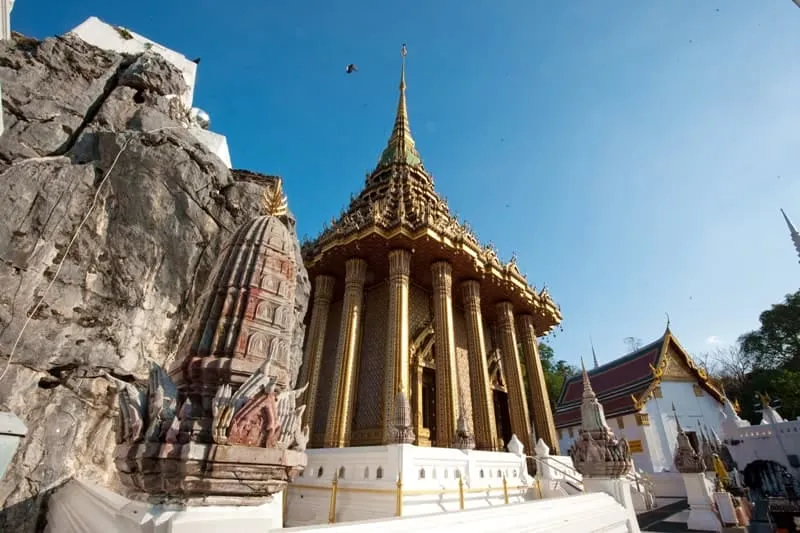
Wat Phra Phutthabat
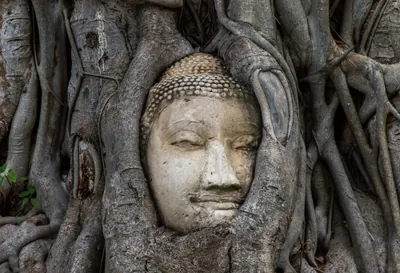
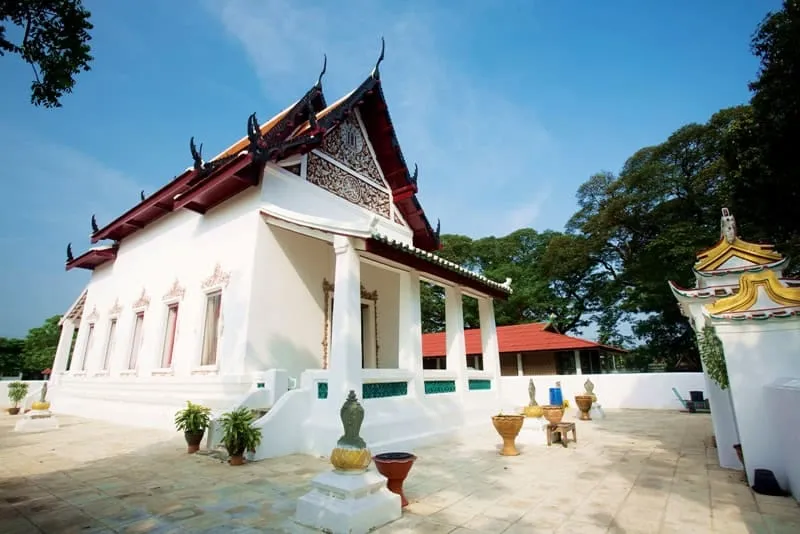
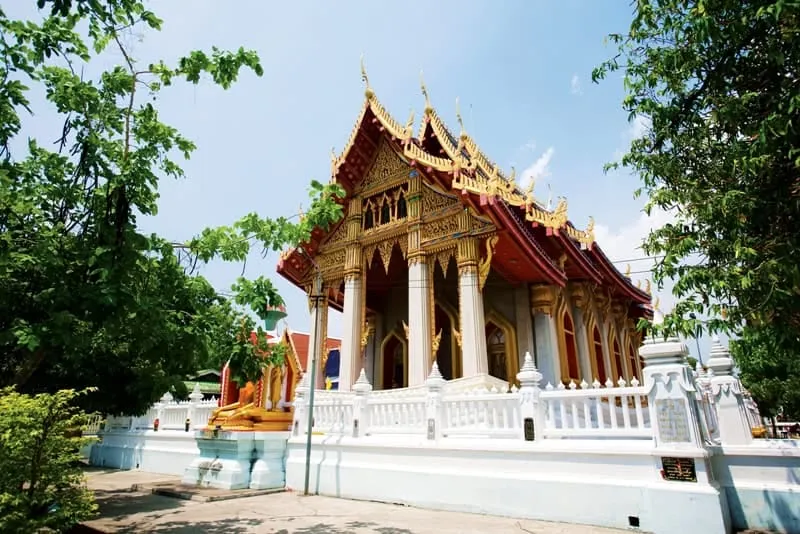
Saraburi's most sacred site — a footprint of the Buddha enshrined inside an elaborate mondop, drawing pilgrims from across Thailand. Major festivals in January–February and March–April fill the grounds; come off-peak for quiet.

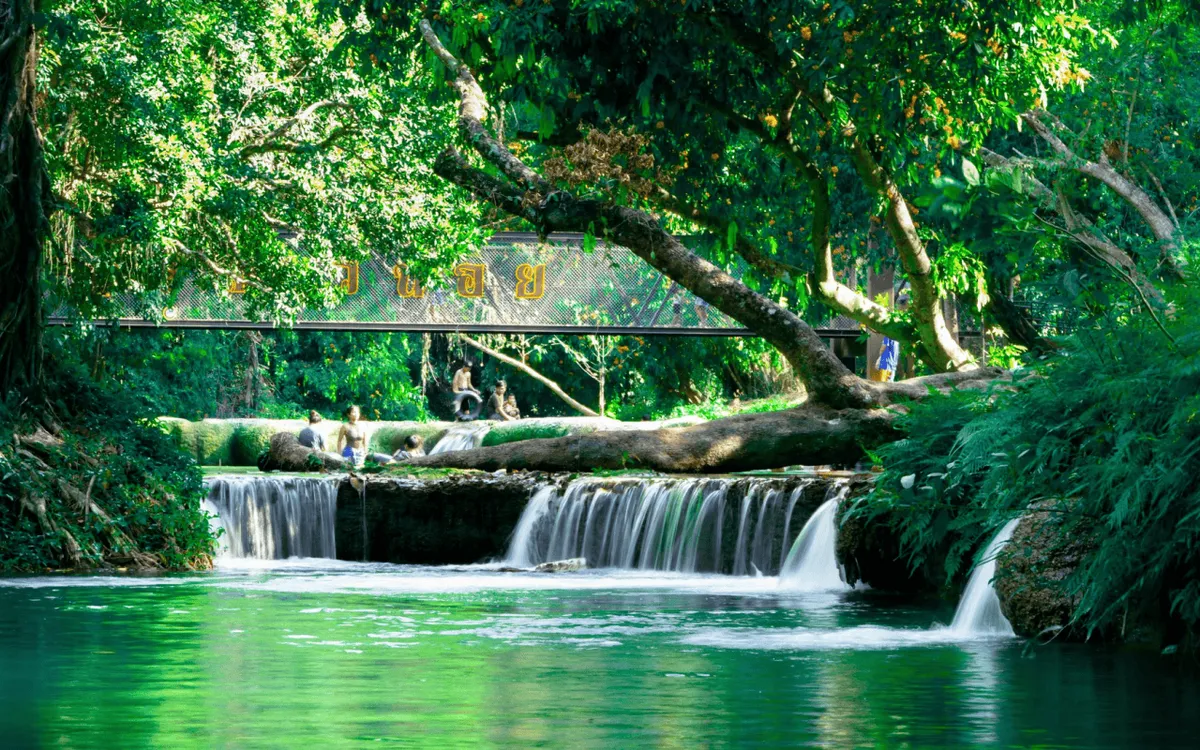
Namtok Chet Sao Noi National Park
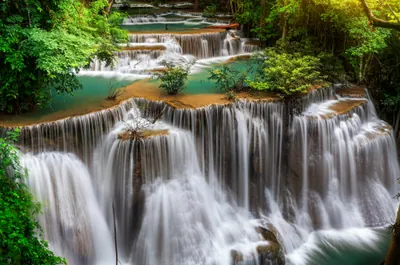
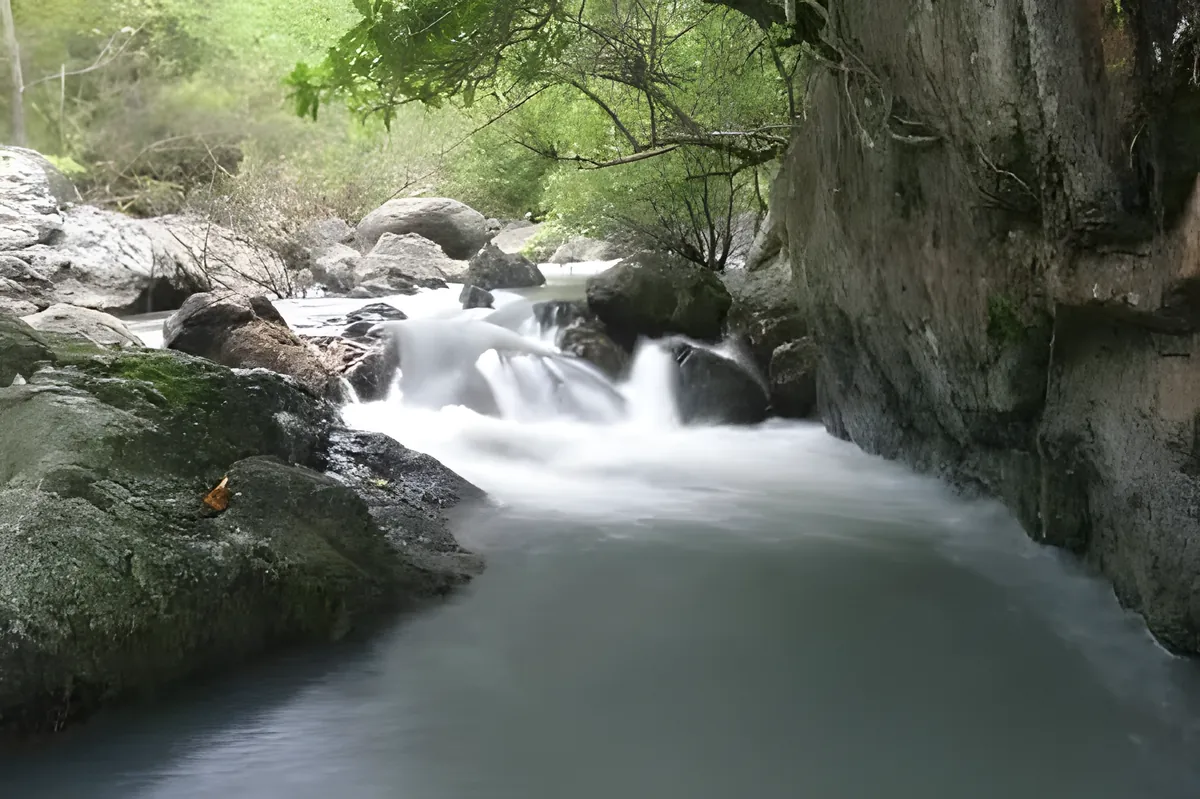
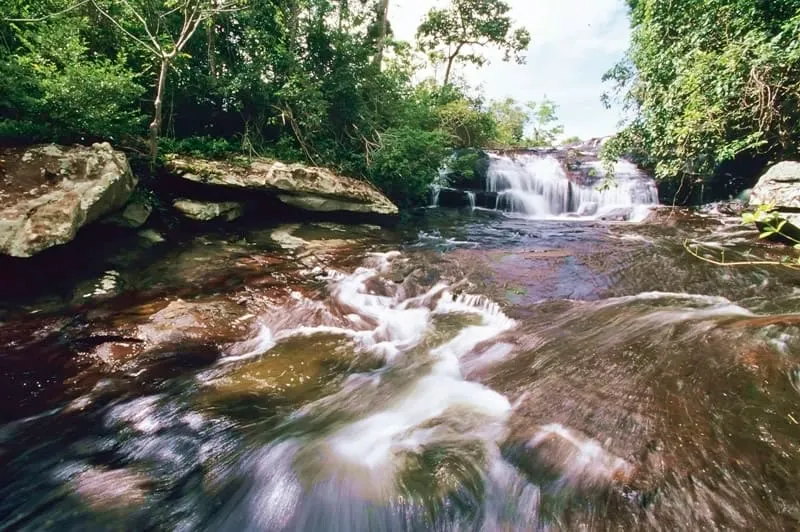
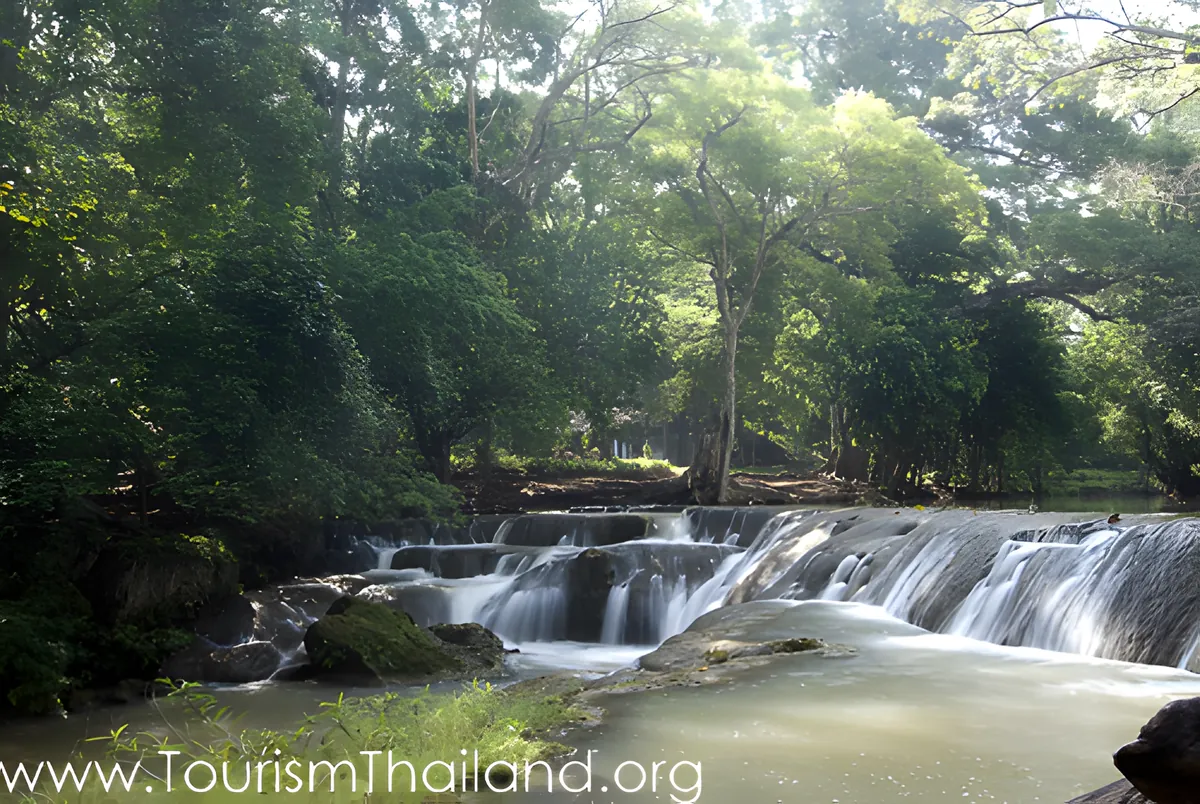
Seven tiers of waterfall inside a national park about an hour from Saraburi town — the middle tiers are the most accessible and the upper pools are good for a swim. Weekdays are almost empty.
Sunflower Fields
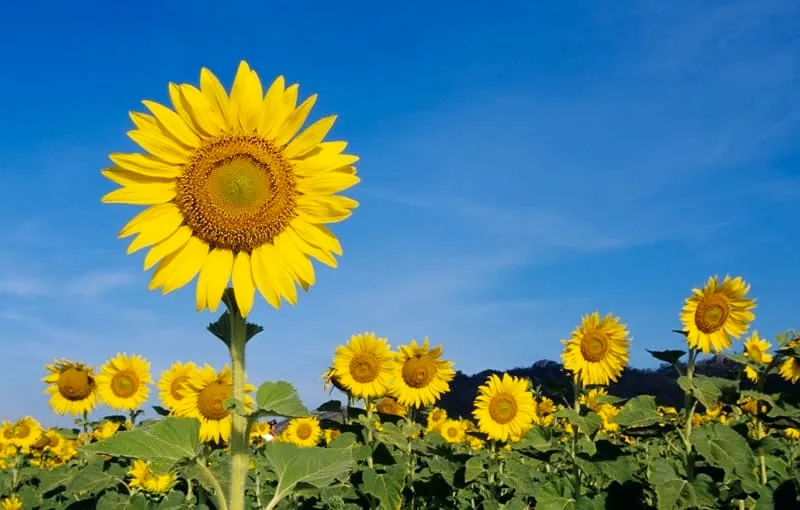
Vast sunflower fields bloom across the hills around Khao Yai from late October to December — a short drive from Saraburi town and very popular with Thai day-trippers. Go at sunrise before the coaches arrive.

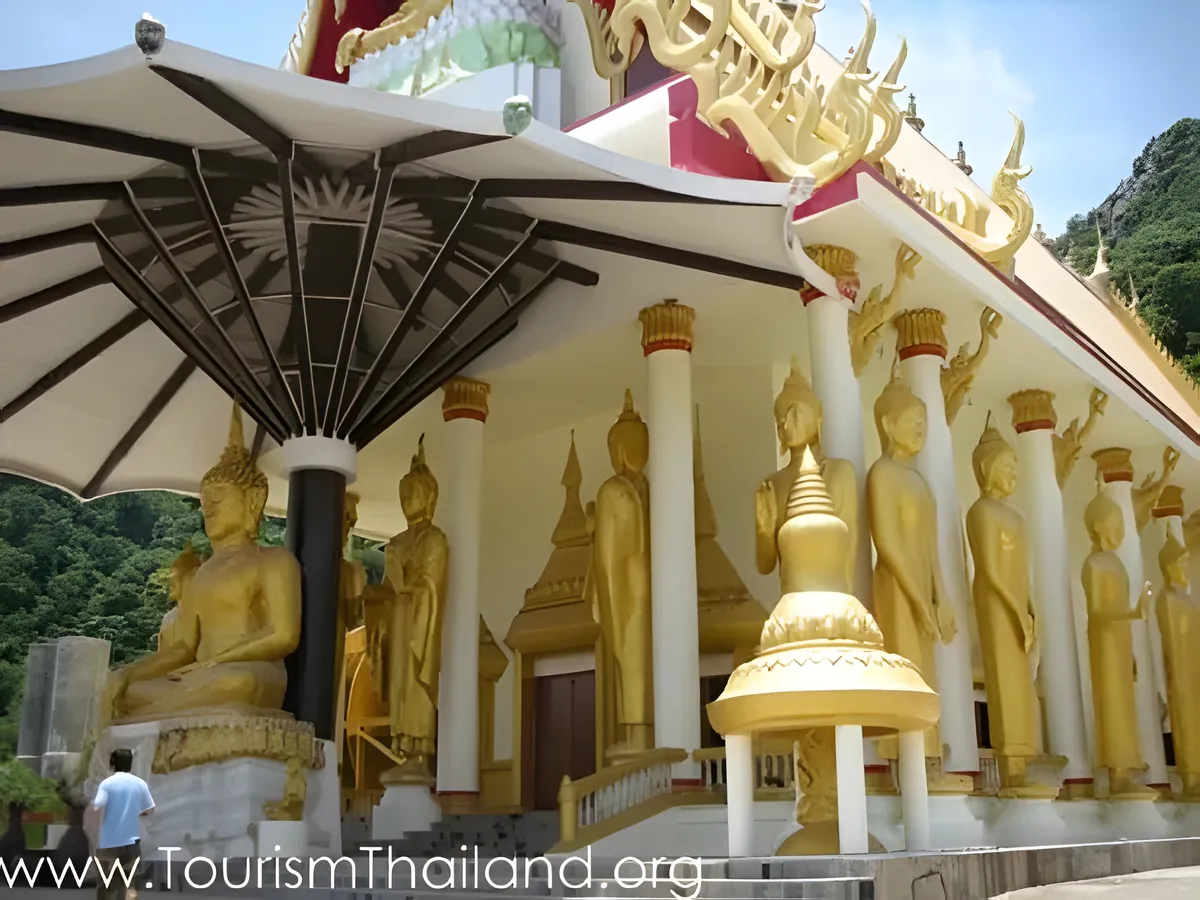
Tham Krabok Monastery
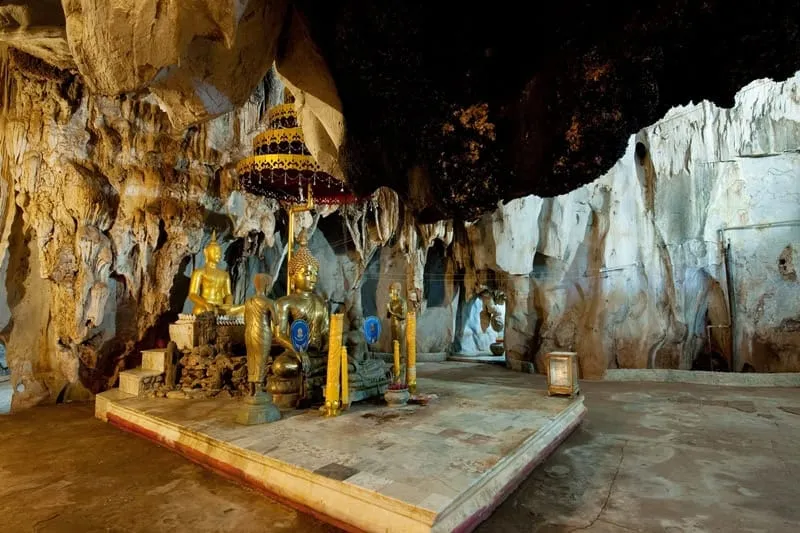
A forest monastery in a limestone ravine, historically known for its herbal addiction detox programme. The cave shrines and jungle setting make it worth a visit even if the treatment centre is no longer active.

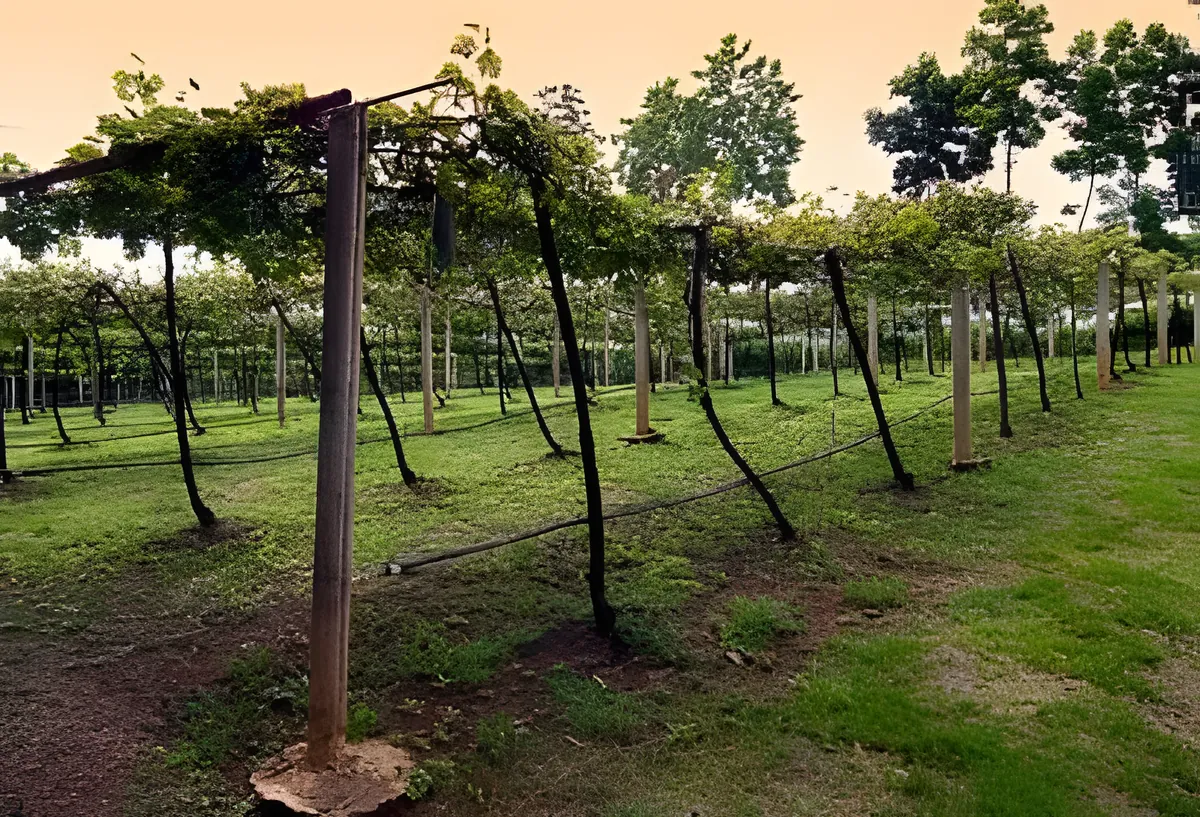
Khun Malee vineyard
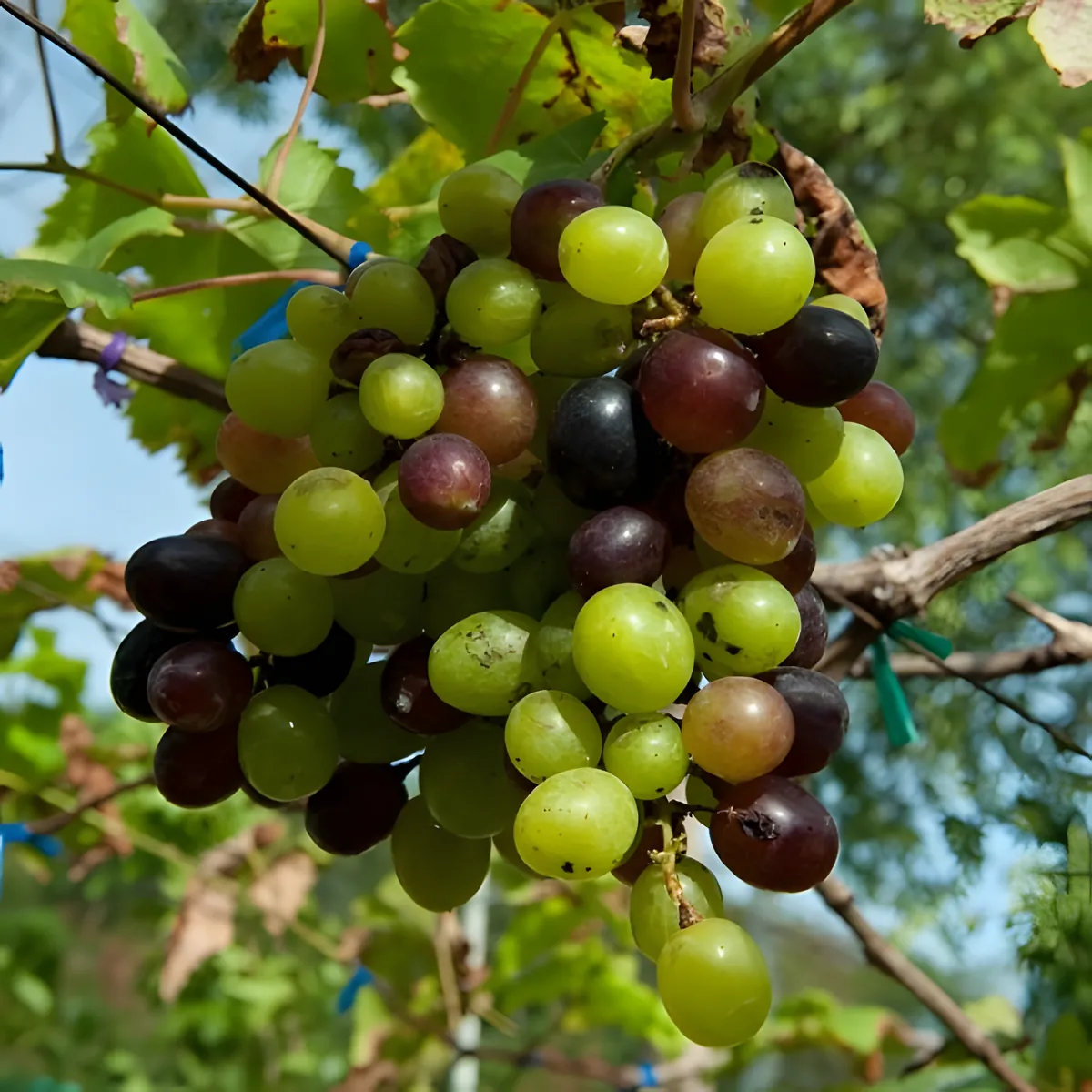
One of the upland vineyards in the Muak Lek corridor — grapes grow here in the cooler elevation, and you can taste the wine on-site. A low-key half-day stop if you're driving between Bangkok and Khao Yai.
Get to Saraburi
Buses from Bangkok's Mo Chit terminal reach Saraburi in under two hours — most sights are then a short drive or hire car from town.

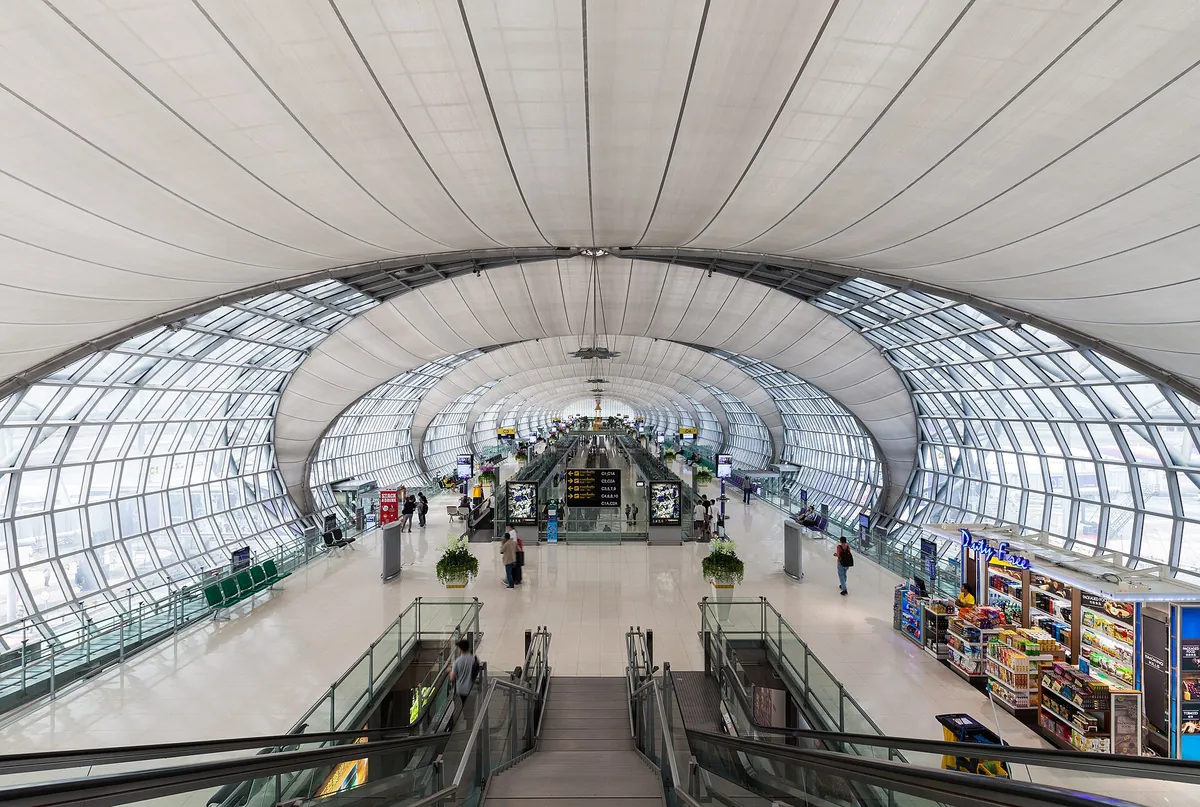
eSIM for Thailand
Land with data already working and skip the airport SIM queue. We tested six plans — code THAIHOLIDAY saves 10%.

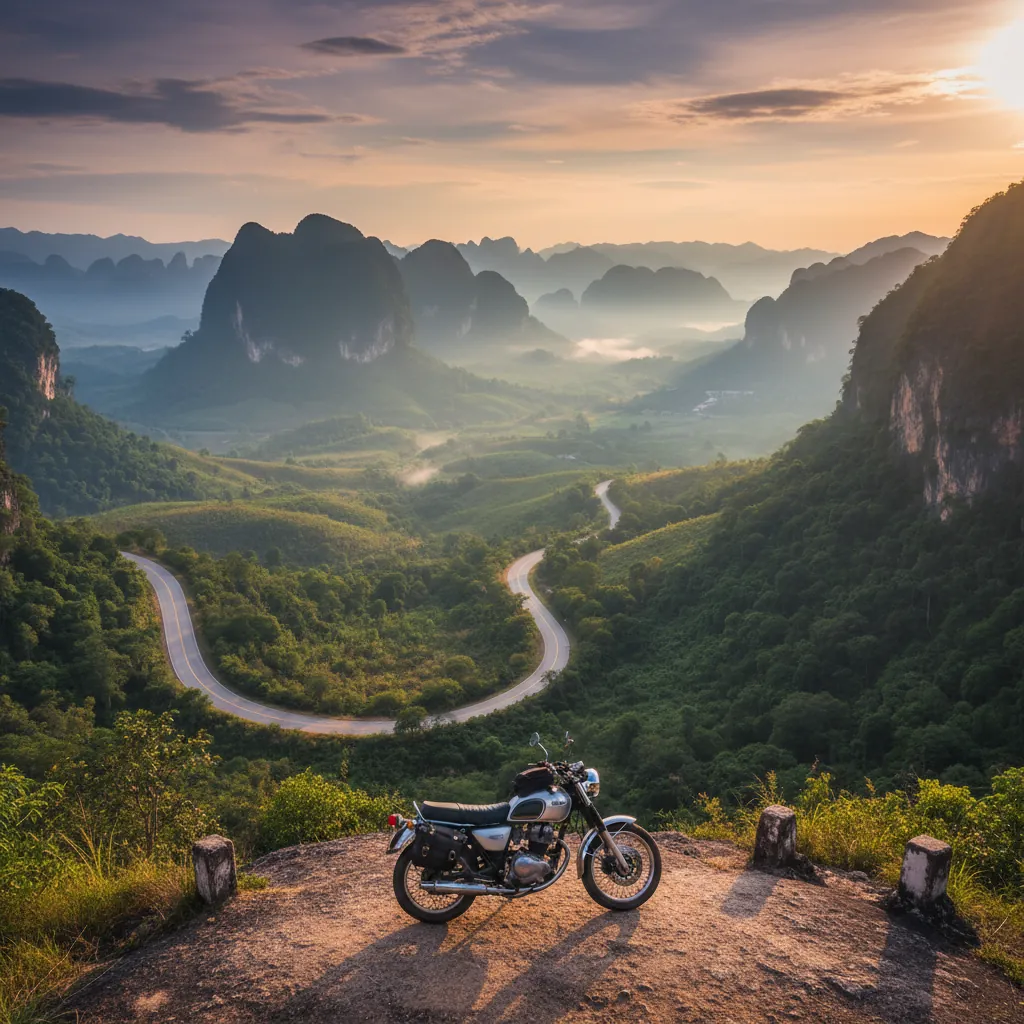
Travel insurance
Hiking to the waterfalls and trekking around Khao Yai National Park nearby — sort cover before you go and check that trekking is included.
Wats, shrines & spiritual sites
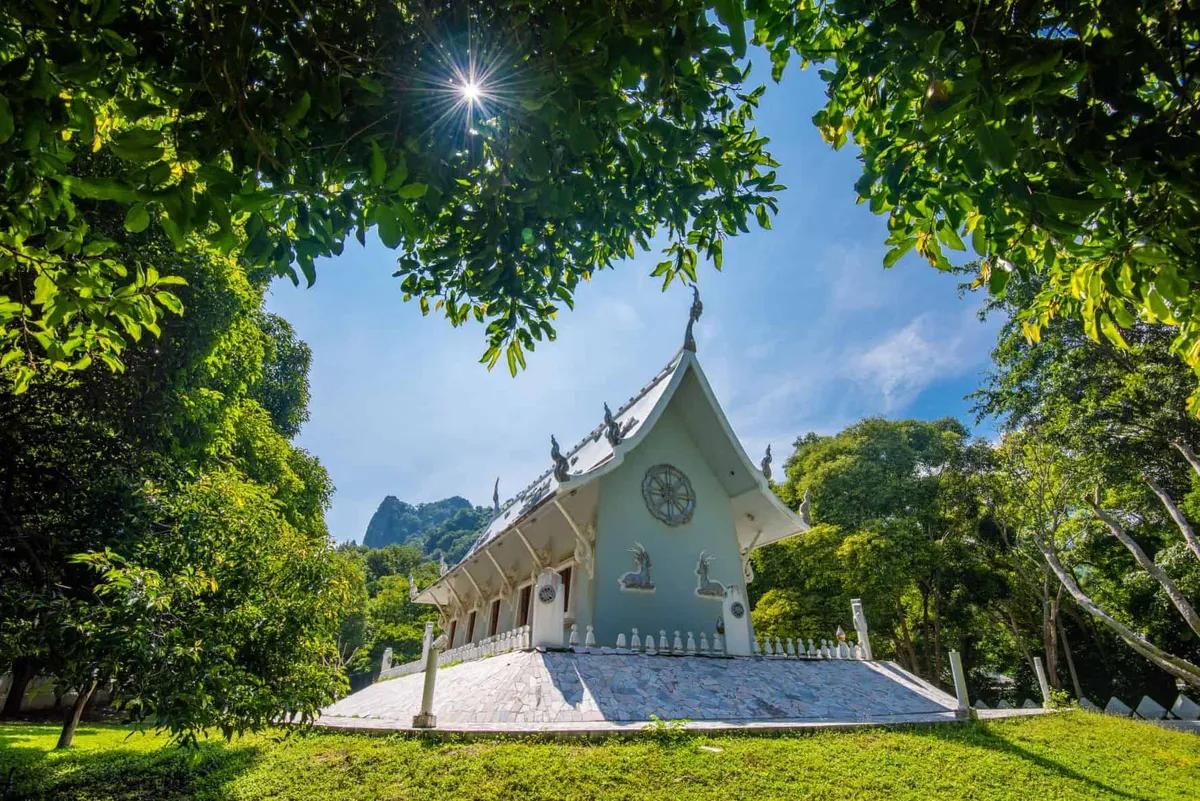
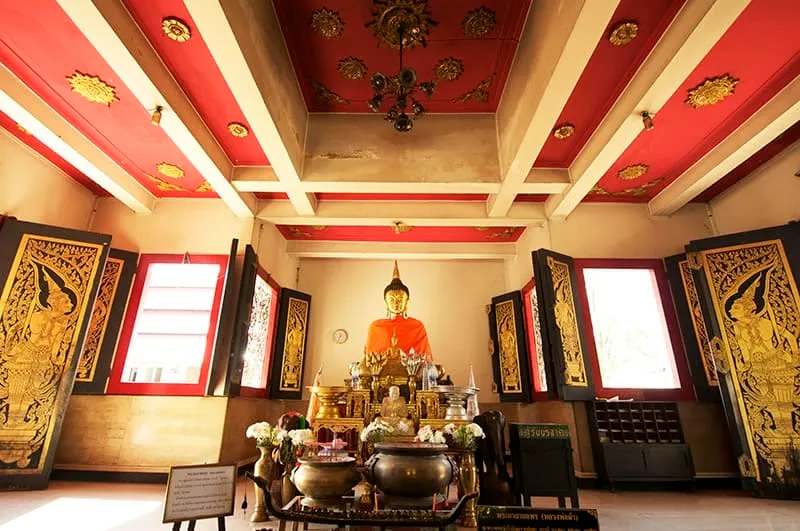
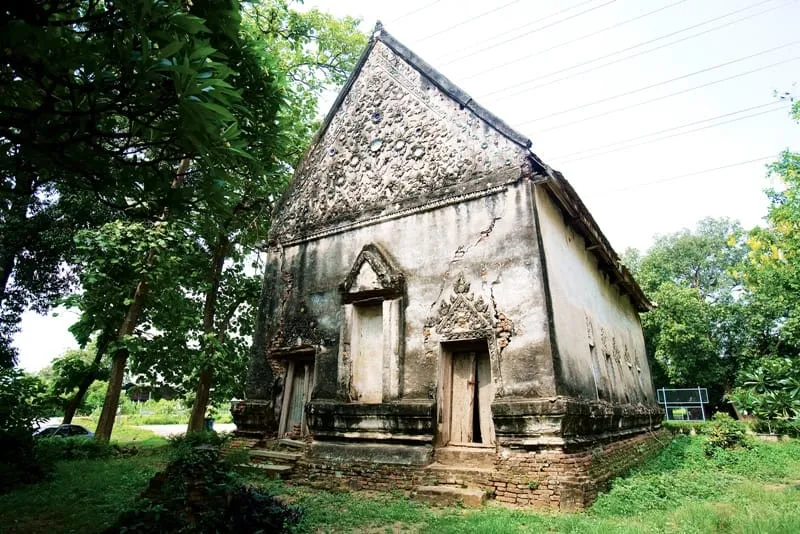
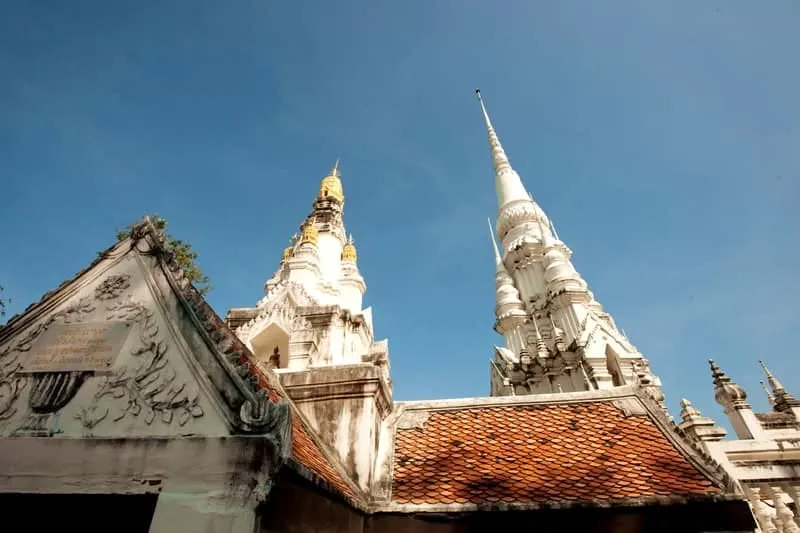
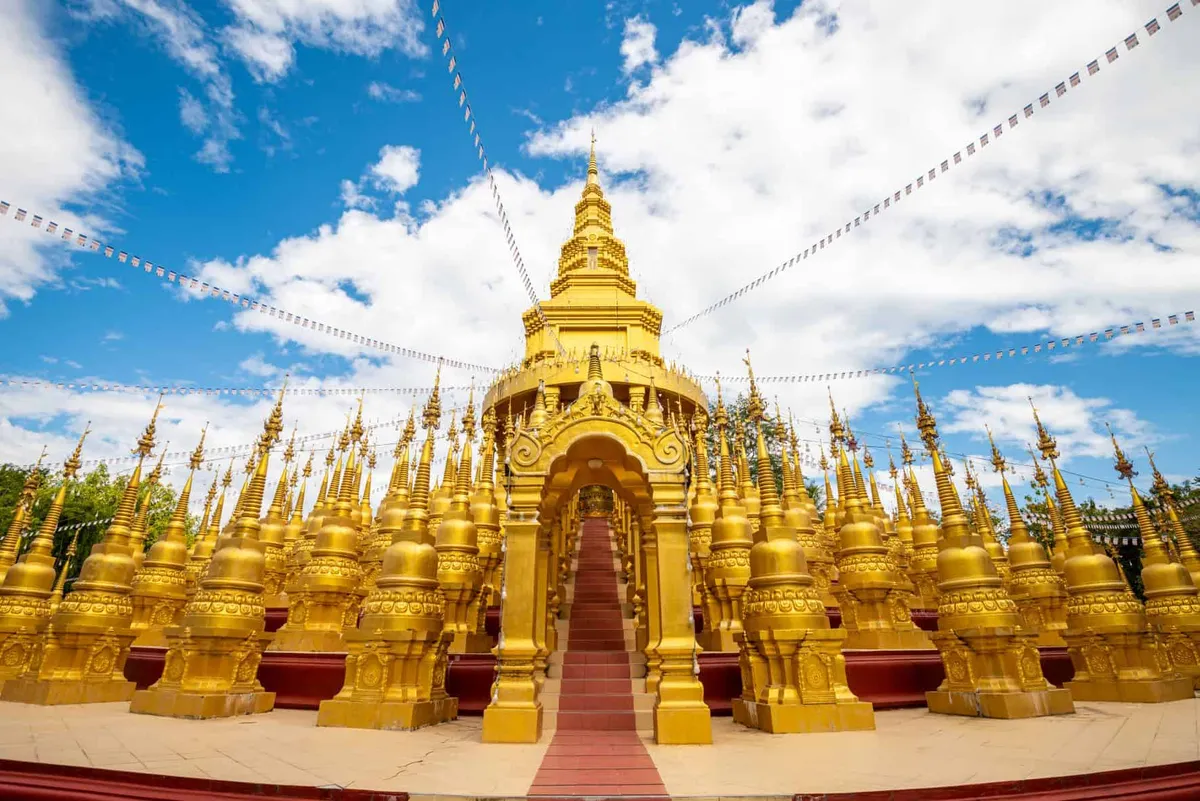
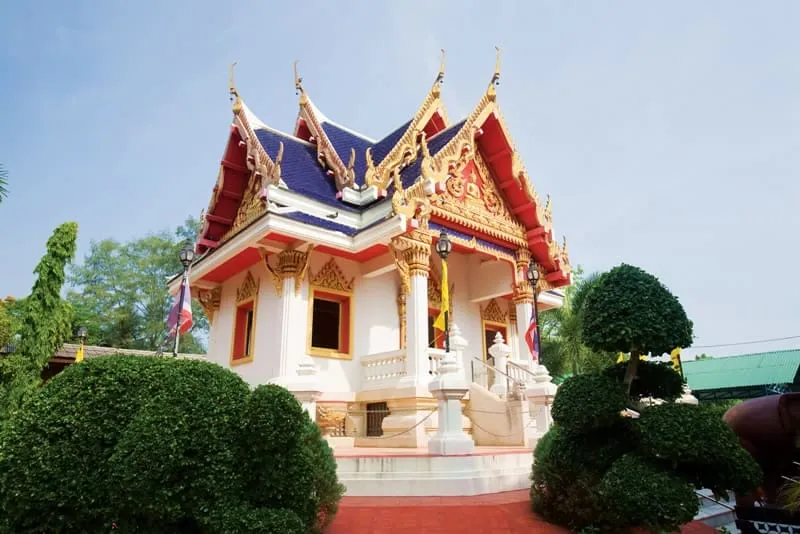
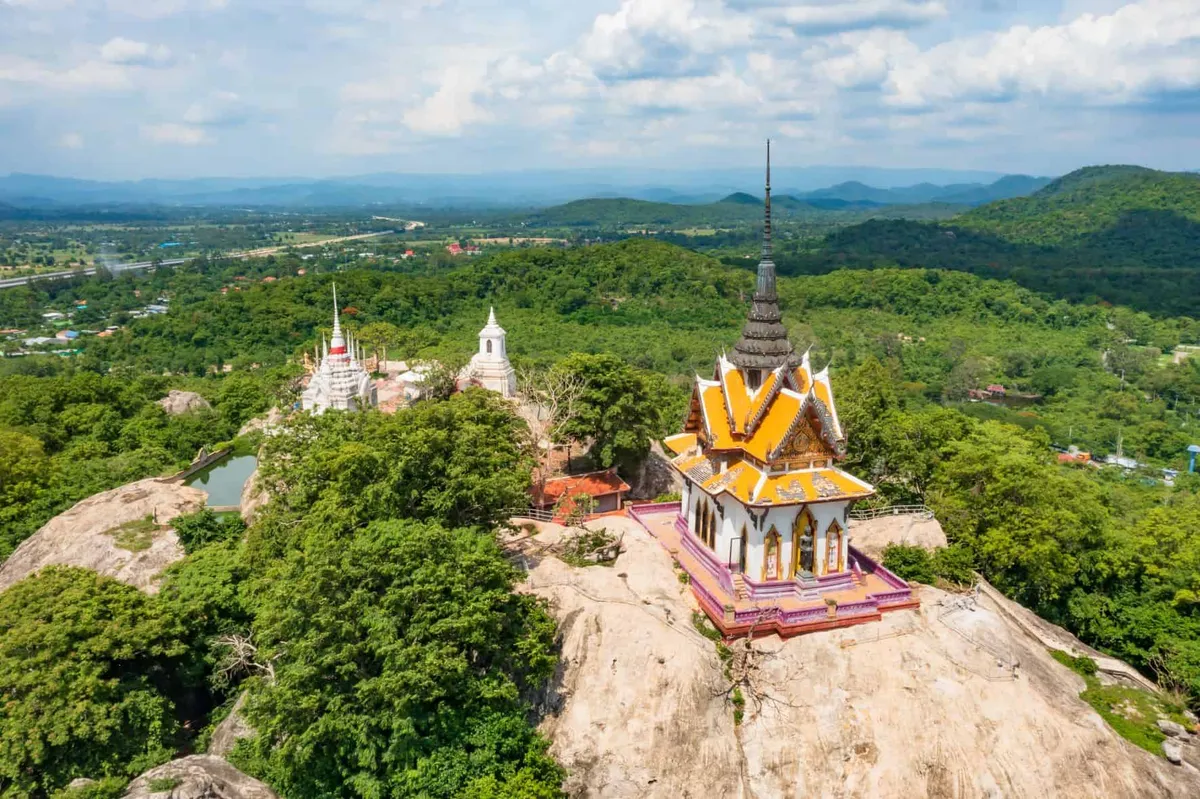
Temples in Saraburi












Waterfalls, peaks, caves & parks
Nature & outdoors around Saraburi






Museums, history & heritage
Museums & culture in Saraburi







Crafts, communities & farms
Villages & countryside around Saraburi




Things to do on the map
Tap a pin for details — 34 places in Saraburi plotted.
Where to stay in Saraburi


When to go
Nov–Feb The cool dry season is the best all-round window — comfortable temperatures for temple touring, waterfalls are full, and November through January is peak sunflower season with the hillside fields in the Muak Lek area at their most striking.
Mar–Apr Hot before the rains, with April pushing past 35°C on the central plains. Wat Phra Phutthabat is still very much worth visiting but start early — the mondop over the footprint gets airless by late morning.
May–Oct Central-plains monsoon with the heaviest rain in August and September. The Chet Sao Noi waterfall runs at its most powerful but trails at both national parks can be slippery. Saraburi's temple and cave sites remain accessible year-round.
About Saraburi
Last updated September 2026
Overview
Saraburi sits on the upper central plains about 115 kilometres northeast of Bangkok, on the highway corridor that leads toward Korat and the Isan plateau. Flat rice-farming land defines the province’s southern half; its northern third rises toward the Khao Yai uplands and the edge of the Dongrak range, where the climate is noticeably cooler and the agriculture shifts to vineyards, dairy farming, and hill-country horticulture.
The province was formally established around 1549 during the reign of King Maha Chakkraphat of Ayutthaya, assembled from parts of Lopburi and Nakhon Nayok as a military mobilisation zone. The name derives from the Thai words for swamp (sa) and town (buri), a reference to the wetland at its founding site. That origin sits in slight contrast to the province’s modern reputation — it is now best known for a sacred hilltop temple, seasonal sunflower fields that draw weekend day-trippers from Bangkok, and a stretch of highland near Muak Lek that could reasonably be called Thailand’s most accessible cool-season agritourism corridor.
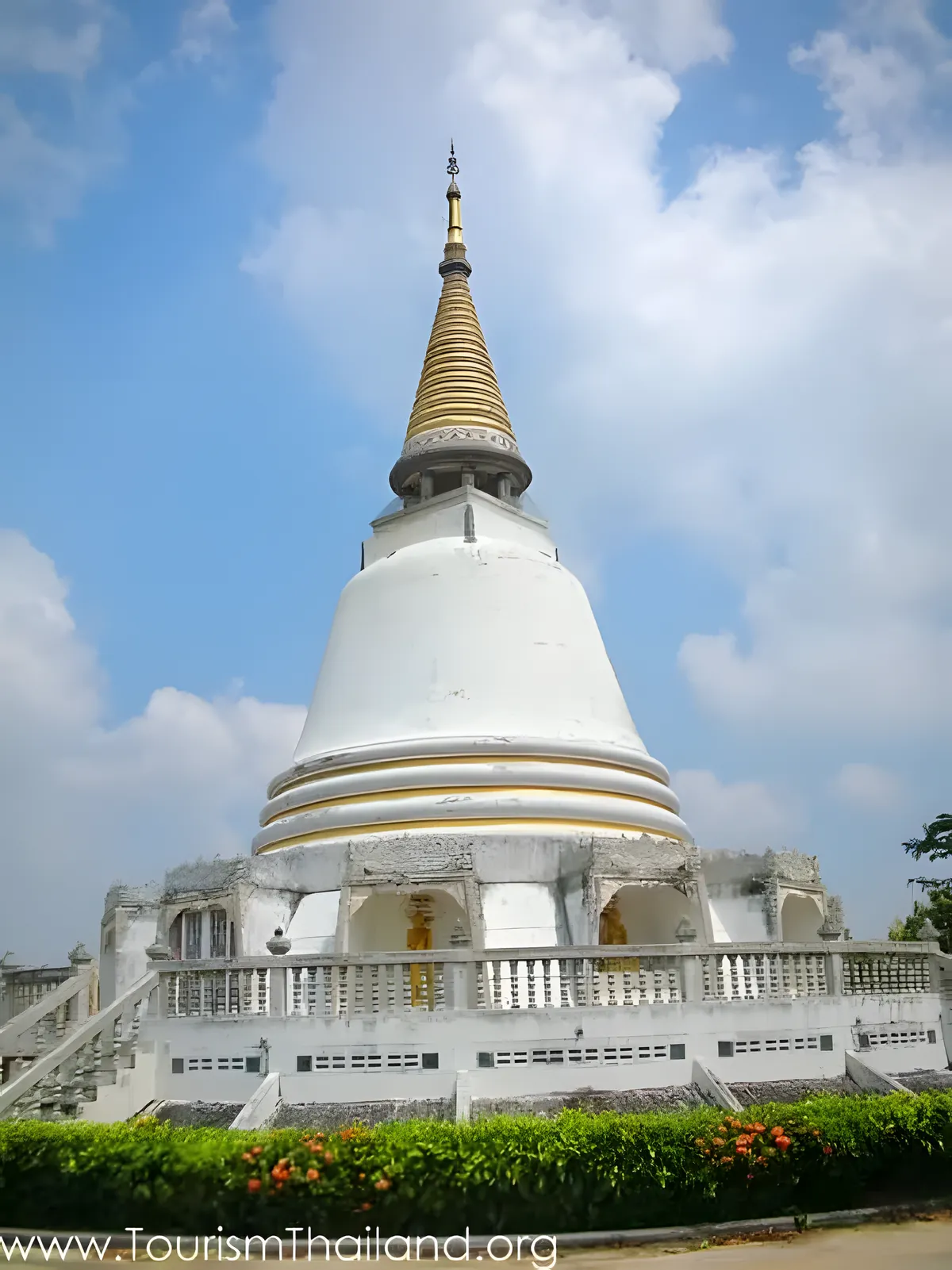
Wat Phra Phutthabat is the centrepiece and the reason most foreign visitors make the journey. The temple enshrines a natural depression in the bedrock that has been venerated as the footprint of the Buddha for four centuries, and its annual pilgrimage festivals rank among the largest religious gatherings in central Thailand.
Top Things to Do
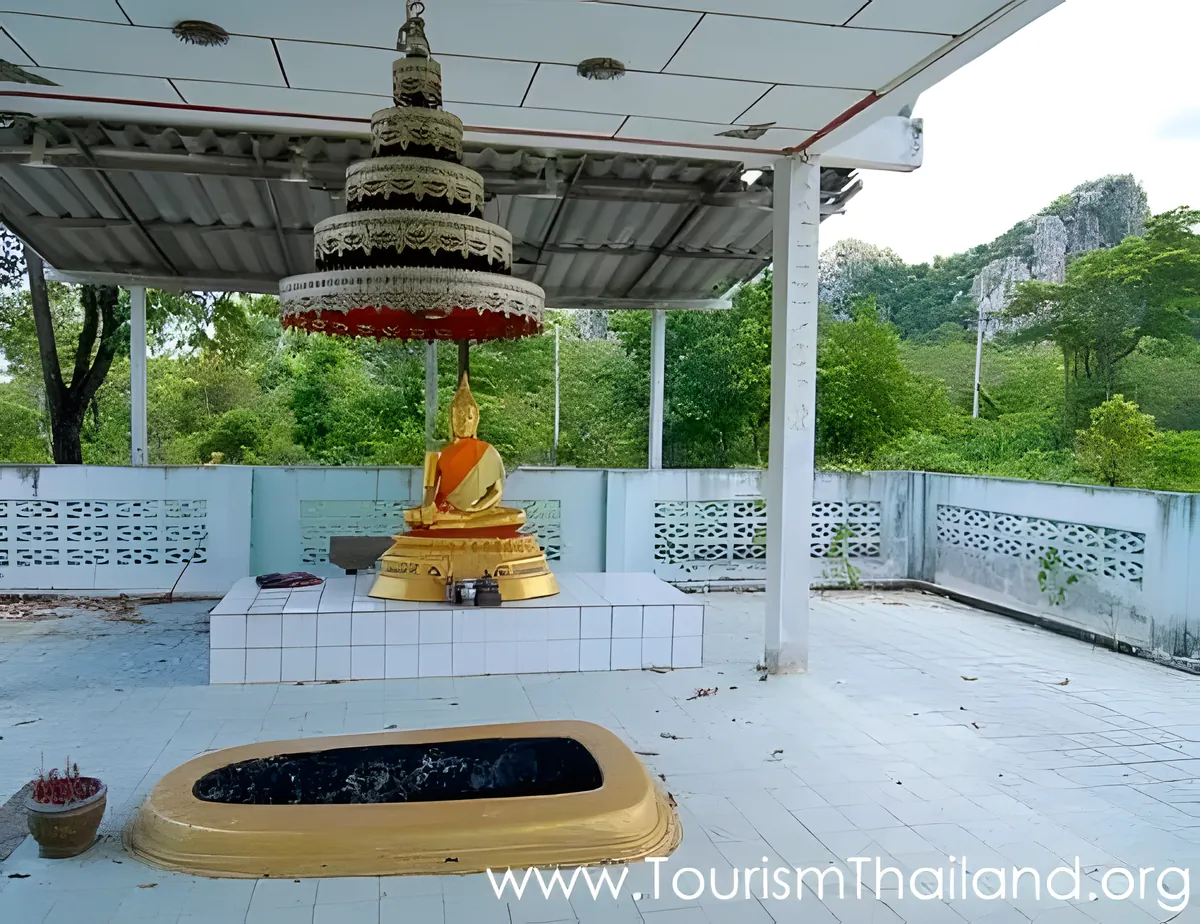
Wat Phra Phutthabat is the province’s defining attraction and one of the holiest sites in Thai Buddhism. The temple was established in 1624 by King Songtham of Ayutthaya after a deer hunter named Phran Bun discovered a large depression in the rock on Suwanbanpot Hill and identified it as a Buddha footprint. A gilded mondop (shrine pavilion) now covers the footprint, and the surrounding complex includes ordination halls, chedis, and extensive grounds decorated with votive offerings. The Holy Footprint Festival runs twice annually — in the lunar months of February and March — and brings hundreds of thousands of pilgrims, making those weeks the most atmospheric time to visit. Entry is free; dress modestly with covered shoulders and legs.
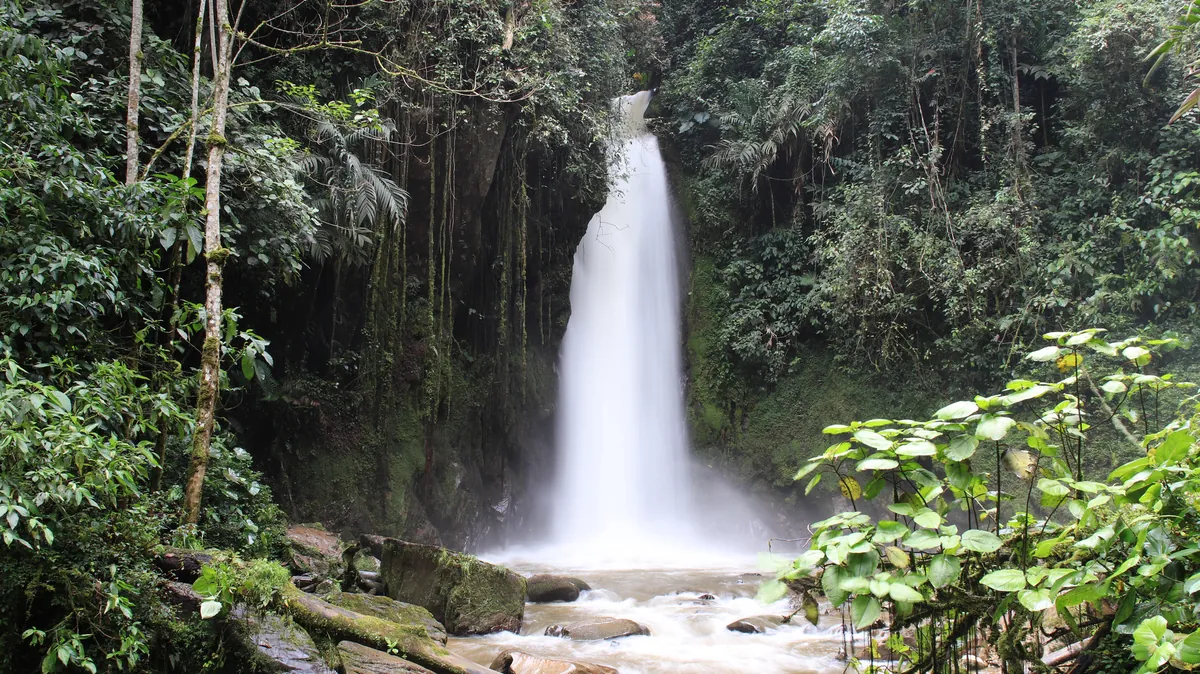
Namtok Chet Sao Noi National Park is a roughly 40 km² protected area in Muak Lek district centred on a seven-tiered waterfall. Each tier drops about four metres into a wide plunge pool that is open for swimming, and the surrounding forest is accessible on a nearly 2 km circular trail along both banks. The name translates as “seven little girls waterfall.” Water levels are highest from October to January; November through April is the recommended visiting window. Entrance fees apply (100 THB adults, 50 THB children as of 2026).
Khao Sam Lan National Park and Wat Phra Phutthachai sit about 6 km south of Saraburi town. The park covers 45 km² of forest and waterfall terrain; the adjacent Wat Phra Phutthachai is built into the hillside at the base of Pathawi mountain, where a silhouette of the Buddha was found on the cliff face. The temple’s grounds include a large golden reclining Buddha and a cave shrine. This is a good half-day combination for anyone based in Saraburi town.
Muak Lek vineyards occupy the cooler hillsides of northern Saraburi near the boundary with Nakhon Ratchasima. Three vineyards open to visitors — Prapassara Vineyard, Khun Malee Vineyard, and Amphoe Muak Lek Grape Garden — grow seedless table grapes and tropical wine grapes. Visits typically include the growing plots, a tasting of fresh grapes, grape juice, and wine, and direct sales. The cool-season months (November to February) are the most pleasant for a vineyard visit and coincide with harvest on some varieties.
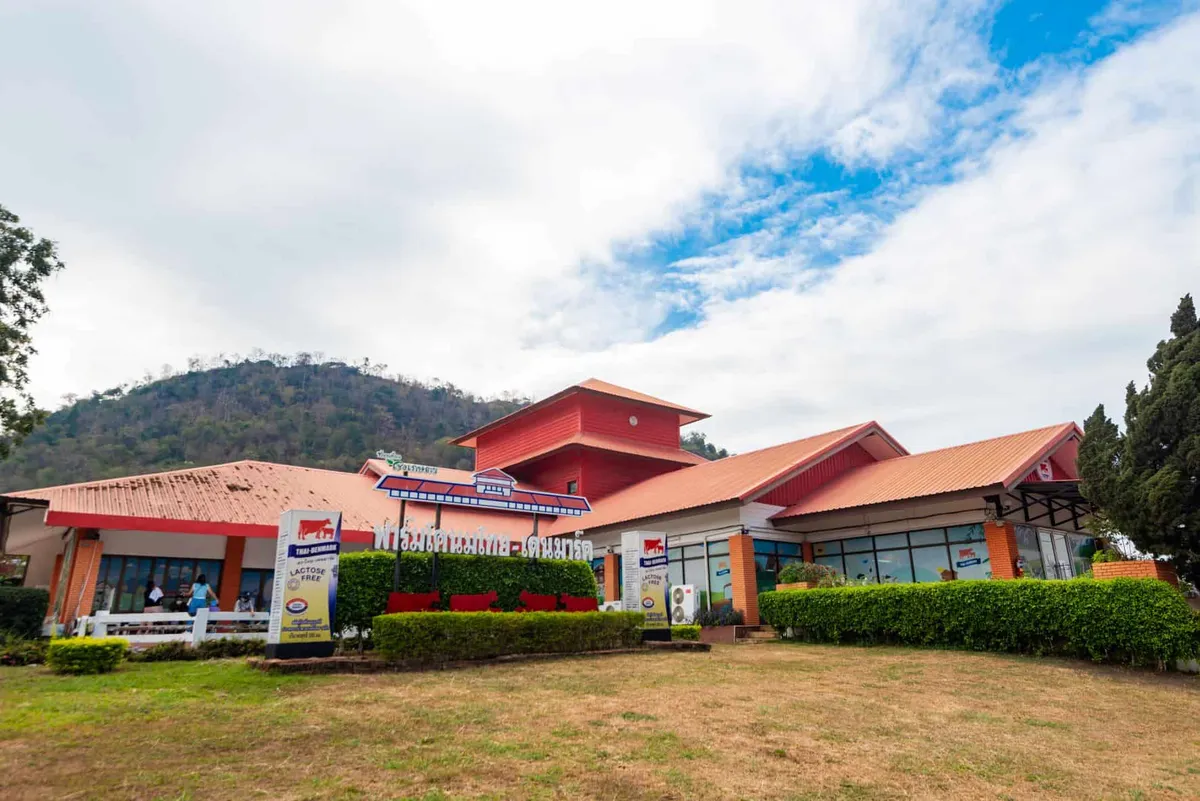
The Dairy Farming Promotion Organisation of Thailand in Muak Lek was established in the early 1960s as Thailand’s first dairy farm and processing facility, set up in partnership with Denmark. Today it operates as a visitor attraction spanning 2,700 rai (roughly 4.3 km²) on both sides of the Mittraphap road. One-hour and 2.5-hour tours take visitors through the milking facilities, calf-feeding areas, and milk processing plant. It is straightforward family tourism, and the fresh milk sold at the farm café is worth stopping for.
Sunflower fields are a seasonal highlight that turns Saraburi into a weekend destination for Bangkok residents from November through January. The main concentration is around the Phatthana Nikhom area and the Muak Lek district hillsides. Peak bloom is typically December, when the flowers are at full height. Fields are scattered across private farmland and some charge a small entry fee; the Klang Dong corridor is a well-known cluster. Arrive early on weekends — crowds and traffic build significantly from late morning.
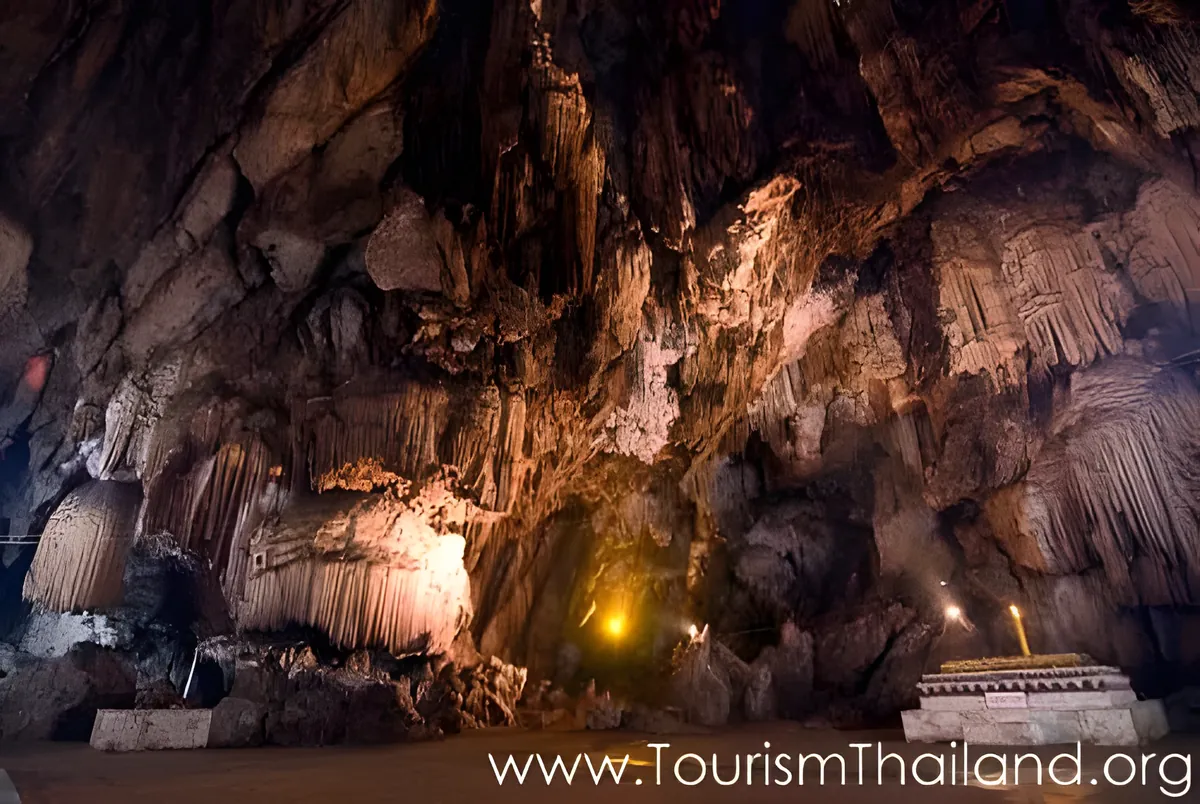
Phra Phothisat Cave and several smaller cave temples around the Phra Phutthabat district add a quieter dimension to the area around the footprint temple. The Bo Pla Cave complex (Phrathat Charoen Dham) also draws merit-making visitors. These sites see very few foreign tourists and give a sense of the local Buddhist landscape beyond the headline attraction.
Where to Stay
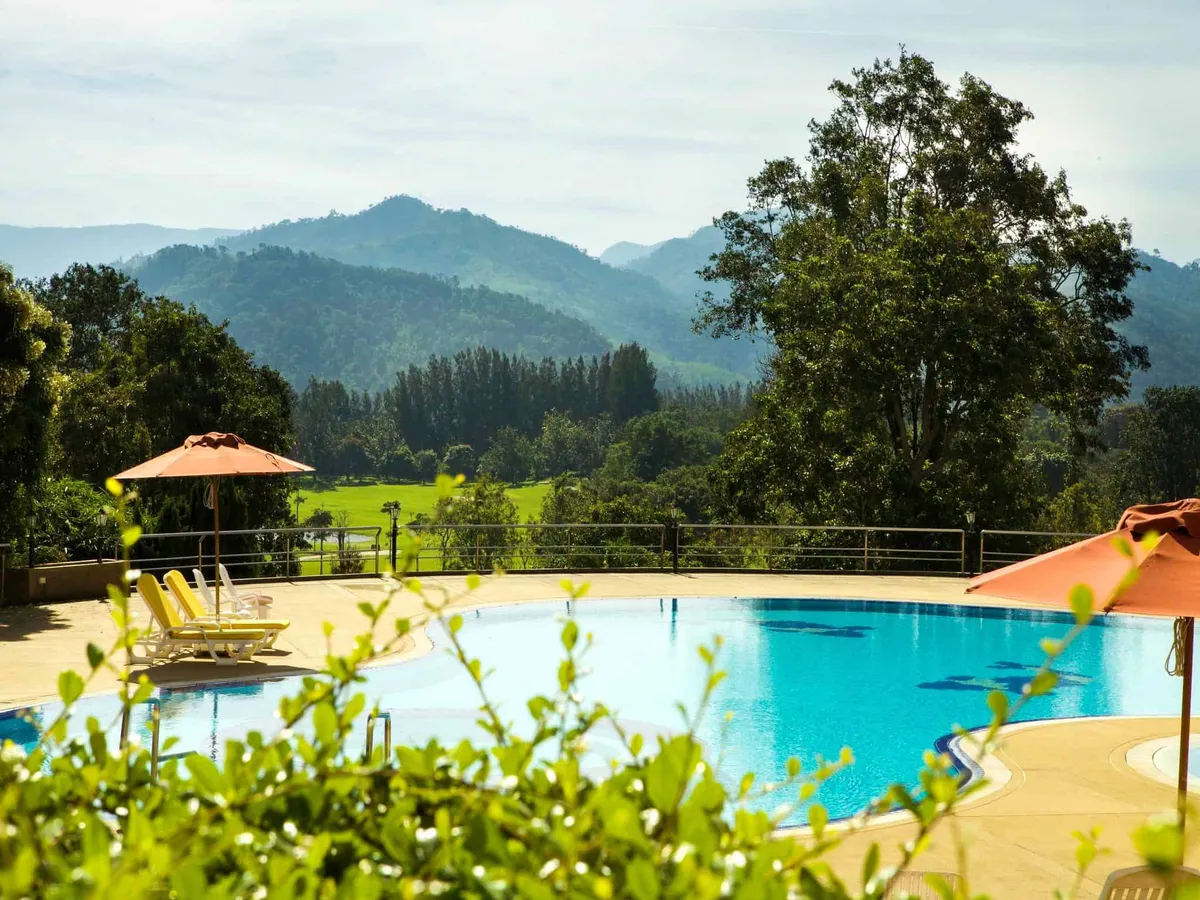
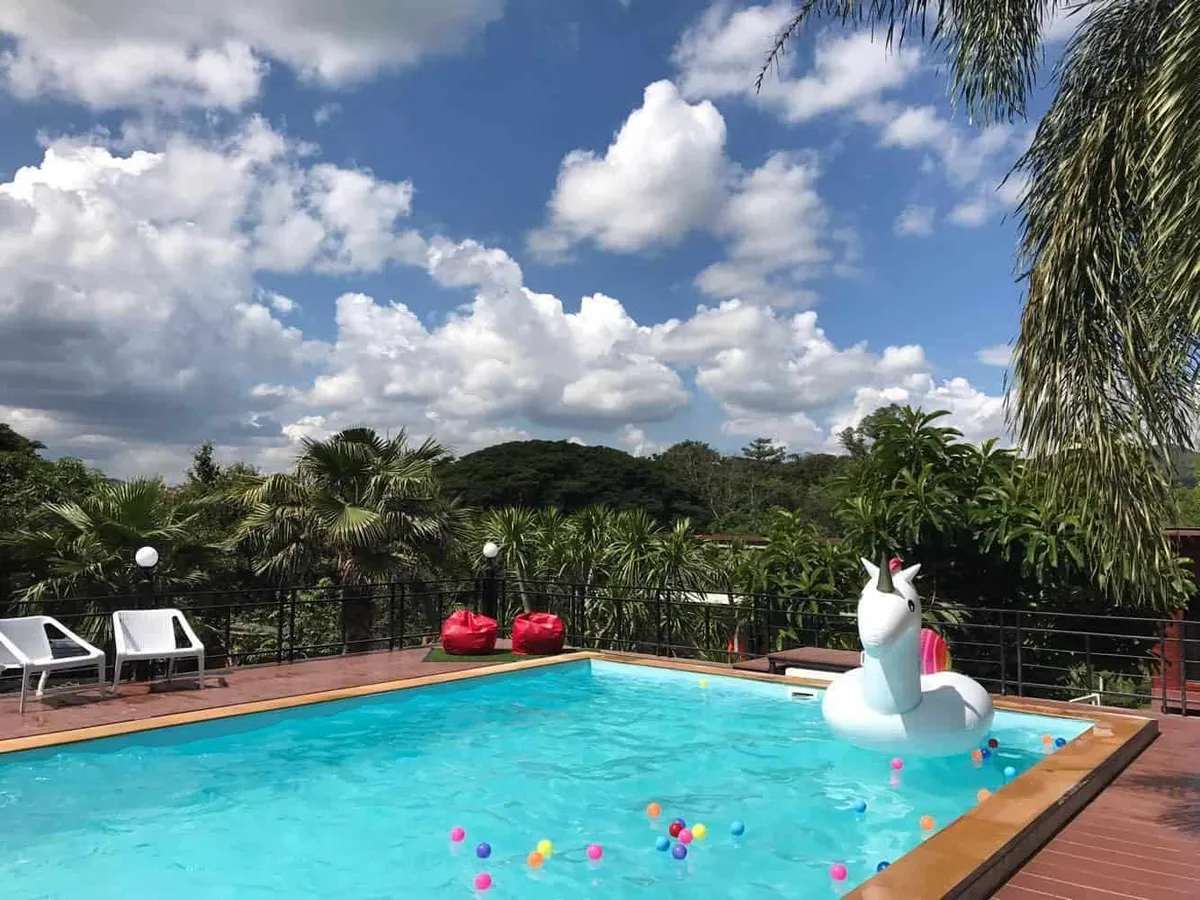
Saraburi town has a functional range of business hotels and mid-range guesthouses, with the Hop Inn being a reliable budget-to-mid option well-reviewed on Booking.com. The Soul Resort and similar properties north of town near Muak Lek are better positioned for waterfall and vineyard visits, with some offering mountain views and pools. Sir James Resort and Tongta Homestay (both in the local content pool) cater to families and couples wanting a green setting outside the urban area.
There are no international luxury chains in the province. Most visitors doing a single long day trip stay in Bangkok or Khao Yai, but a Saraburi overnight makes genuinely good sense for the sunflower season — the fields are best in early-morning light before crowds arrive.
Getting There
From Bangkok, Highway 1 (Phahon Yothin Road) runs directly northeast to Saraburi — roughly 115 km and 1.5 hours in normal traffic. The expressway north (Kaset–Nawamin and then Highway 1) is the fastest city exit. Trains from Krung Thep Aphiwat Central Terminal on the northeastern line reach Saraburi station in about 1 hour 45 minutes; the station is close to the town centre. Buses from Mo Chit Northern Bus Terminal (Bangkok) take two to two and a half hours.
From Saraburi town, Wat Phra Phutthabat is 28 km to the north and is served by local songthaews from the bus terminal. For Muak Lek, the Chet Sao Noi waterfall, and the vineyards — a further 50+ km north — your own transport or a hired car is effectively required.
Best Time to Visit
Saraburi follows the central-plains seasonal pattern: a wet monsoon from May to October with peak rain in August and September, followed by a cool dry season from November to February, then a hot dry spell in March and April before the next rains.
November to February is the province’s best season on every count — comfortable temperatures, full waterfall flow from the retreating monsoon, and the sunflower bloom from November through January. The Holy Footprint Festival in February and March adds pilgrimage energy to the region around Wat Phra Phutthabat. If you are timing a visit around the festival, book accommodation early — hotels within 30 km of the temple fill significantly during the two festival windows.
The wet season presents no access problem for temples and cave sites, which are open year-round. Waterfall trails at Chet Sao Noi can be slippery during the rainy months and water levels can be very high in September. March and April are workable but hot; an early start (before 9am) makes outdoor sites considerably more bearable.
Frequently Asked Questions about Saraburi
How do I get to Saraburi from Bangkok?
What is the best time of year to visit Saraburi?
How long do you need in Saraburi?
How do I get around Saraburi province?
What is the Holy Footprint Festival at Wat Phra Phutthabat?
Spotted something out of date or incorrect? Let us know
Plan your
Saraburi trip