


Thao Suranari Monument
อนุสาวรีย์ท้าวสุรนารี
The Thao Suranari Monument stands on a traffic island where Ratchadamnoen Road meets Chumphon Road, at the old west gate of Korat’s city walls. Unveiled in 1934, it commemorates Khun Ying Mo — later given the title Thao Suranari by King Rama III — for her role in the 1826 uprising against occupying Lao forces. It’s free to visit and effectively open around the clock, and it draws a constant stream of local devotees rather than only tour groups, which makes it as much a living shrine as a historic landmark.
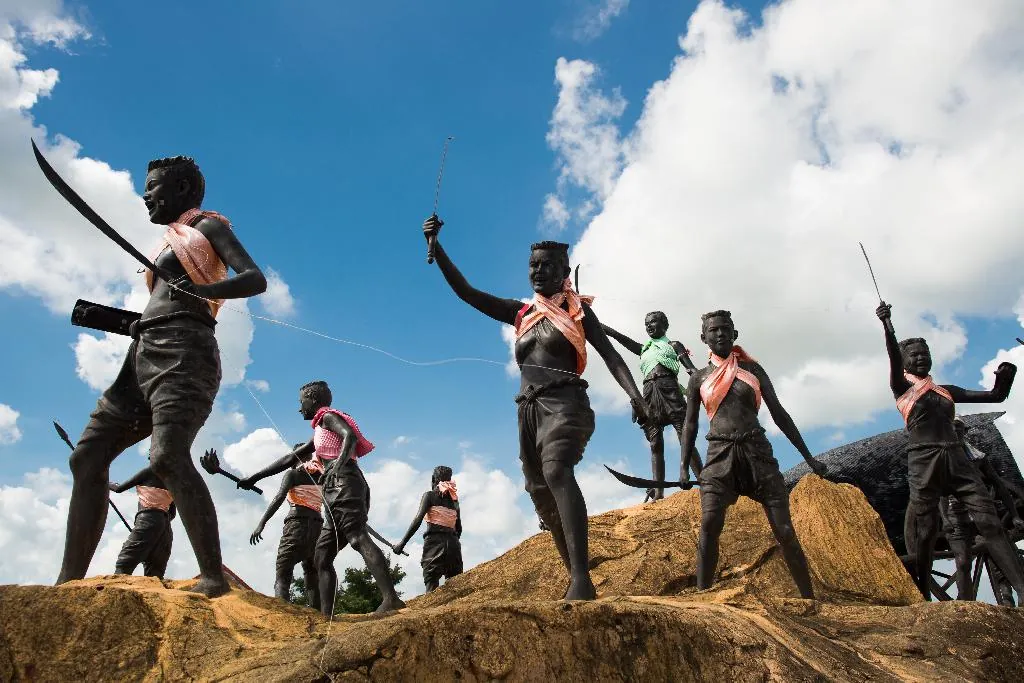
The story, as it’s popularly told: in April 1826, King Anouvong’s army from Vientiane occupied Nakhon Ratchasima and began forcibly relocating residents north. Mo, the deputy governor’s wife, was among those captured. She is credited with stalling the march at Thung Samrit outside the city, buying time for the captives to arm themselves with whatever they could seize and overpower their guards, turning back the retreating Lao column. For this, Rama III granted her the honorific title Thao Suranari.
Watch out for the historical asterisk: the version above is the popular account, but it isn’t uncontested. The fullest written chronicle of the episode was compiled and published decades after the events, and the story’s prominence in Thai national memory grew substantially in the 1930s, when Field Marshal Plaek Phibunsongkhram’s nationalist government promoted regional heroines — Mo among them — to build a unified Thai identity. Serious historians accept the broad outline (a Lao retreat from Korat in 1826, Mo’s existence and status) while treating the specific heroic details, and how much of them are later embellishment, as an open historiographical question rather than settled fact. It’s worth knowing this going in — Thai guides and plaques present the story as straightforward history, and raising the nuance is a minor cultural tightrope best done with curiosity rather than correction.
Whatever the historical texture, the veneration is not manufactured for tourists. The black-lacquered bronze statue — 185 cm tall, 325 kg, depicting Mo in royal dress with a sword tip resting on the ground — is garlanded with fresh flowers most days, and it’s common to see families paying respects with incense, or hiring a small troupe of traditional dancers as a merit offering at the base. Her ashes are said to be enshrined within the monument itself. It was the first monument in Thailand raised to honour a commoner woman, and it remains Korat’s most recognisable civic landmark — locals refer to her simply as “Ya Mo,” and the city’s identity leans on her story more than any other single figure.
Insider Tip: visit early morning or early evening, when the monument is at its most active with local worshippers rather than midday heat and traffic — it also makes for the most genuine sense of what the site actually means to Korat residents, beyond the history plaque.
- Entry fee: Free, open 24 hours
- Unveiled: 1934, commemorating events of 1826
- Statue: Black-lacquered bronze, 185 cm tall, 325 kg
- Location: Junction of Ratchadamnoen and Chumphon roads, old west gate of Korat’s city walls
- Annual festival: Roughly 23 March-3 April
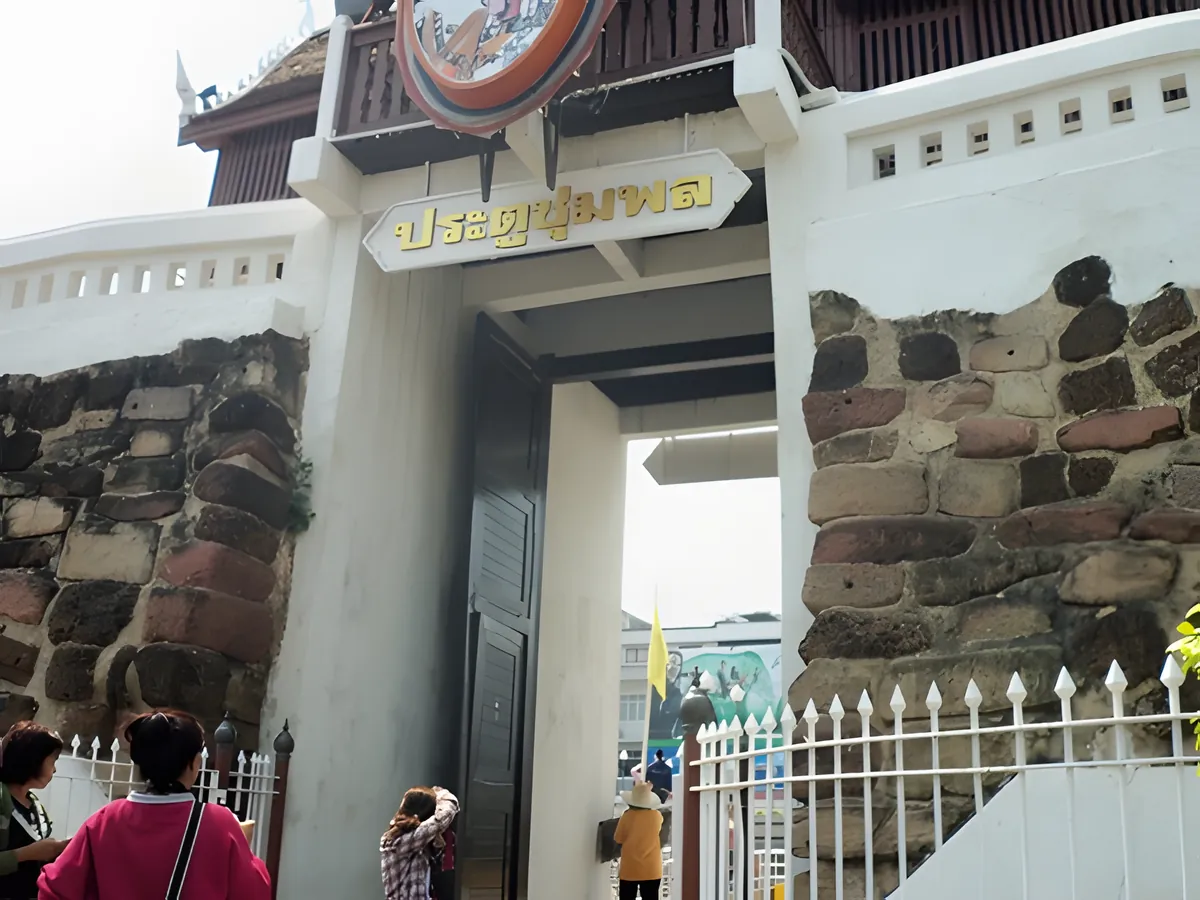
Right behind the monument stands Pratu Chumphon, the restored city gate that gives the junction its name. For more of Korat’s history, Nakhon Ratchasima City Museum and the ancient Khmer complex at Phimai Historical Park both sit within the Korat area.
Location & Directions
Ratchadamnoen Road
Korat (Nakhon Ratchasima), Thailand
Show your taxi or Grab driver
อนุสาวรีย์ท้าวสุรนารี
Within Walking Distance




Frequently Asked Questions
Who was Thao Suranari?
Is the Thao Suranari story historically accurate?
Is the monument free to visit?
Why do people leave offerings at the statue?
When is the Thao Suranari festival?
Spotted something out of date or incorrect? Let us know
Stay Near Thao Suranari Monument
Compare places to stay in Korat (Nakhon Ratchasima), or open the map for options closest to the attraction.