




Ban Lung Pradu Samakki Silk Village
หมู่บ้านปลูกหม่อนเลี้ยงไหมบ้านหลุ่งประดู่สามัคคี
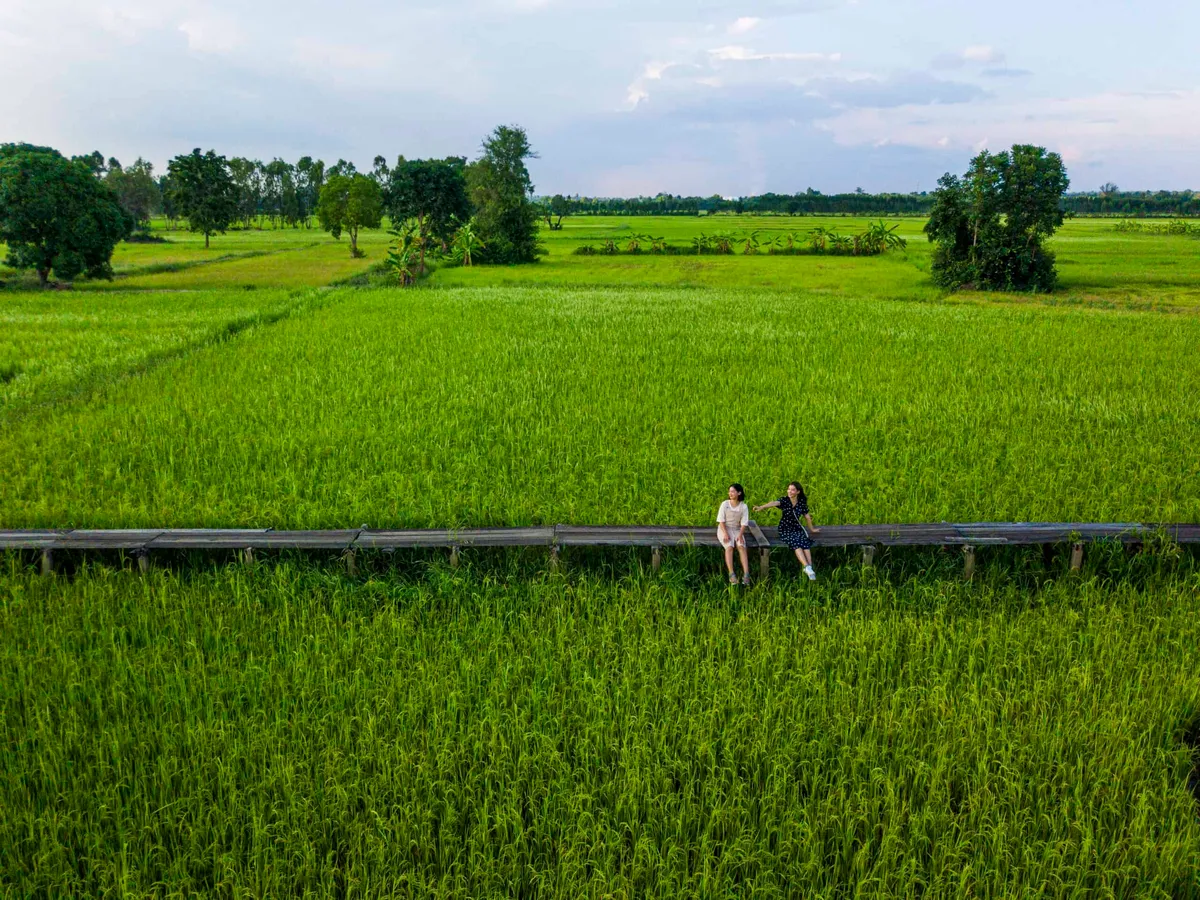
Ban Lung Pradu Samakki is a working mulberry-and-silk village in Huai Thalaeng district, run as community-based tourism rather than a commercial attraction: there’s no ticket booth, and visits are typically arranged in advance through the local weaving group rather than by dropping in unannounced. Entry itself is free.
The village covers the full silk-production cycle on one site: mulberry groves feed the silkworms, and the Thai Silk Lung Pradu Group (กลุ่มไหมไทยหลุ่งประดู่) handles everything from reeling cocoons into thread through to natural and chemical dyeing and weaving on traditional looms. Visitors can watch each stage and see the group’s signature patterns taking shape: shoulder cloths, mudmee tie-dye weaves, checked patterns, and the distinctive “squirrel tail” (hang krarok) design specific to this part of Isan. It’s hands-on rather than a museum display; the people doing the weaving are the same ones who’ll talk you through it.
The village’s biggest event is Dok Mai Dok Ngern (“flower money”), a merit-making ceremony held every November at the local temple, where families display finished silk garments and donate cocoons as part of the offering. If your trip lines up with it, it’s a genuinely local event rather than something staged for visitors, worth checking dates ahead if silk and Isan Buddhist tradition both interest you.
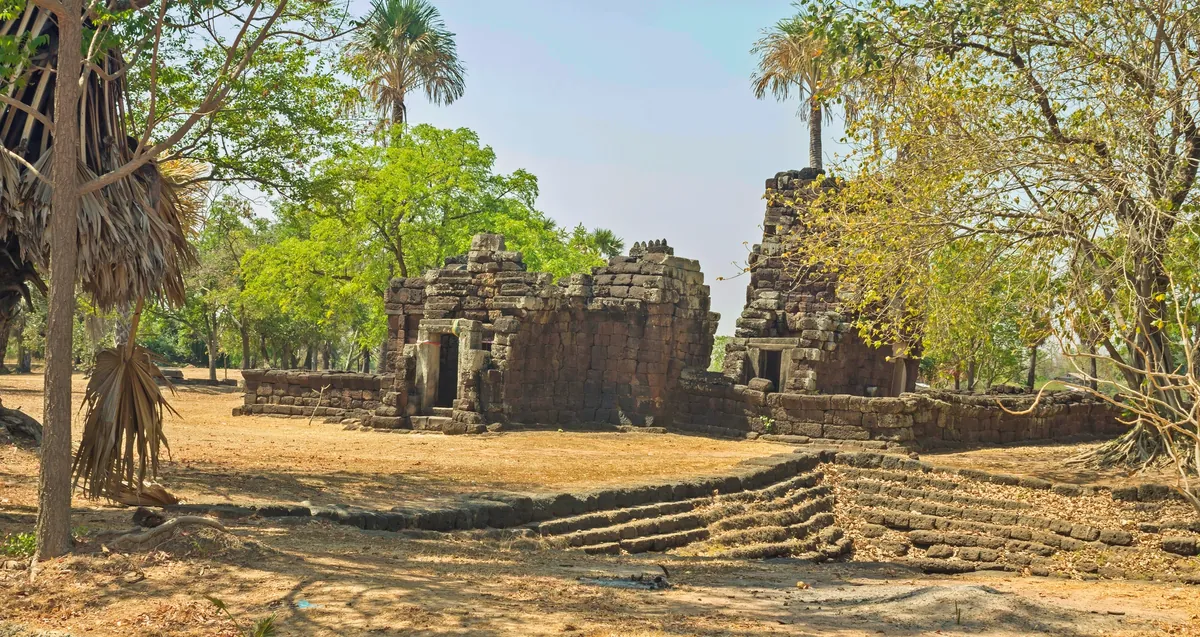
Huai Thalaeng sits in the rural eastern half of Nakhon Ratchasima province, well outside the Khao Yai region. This isn’t a stop to combine with a national-park trip, and driving here is a deliberate detour rather than a short add-on. Roads in are rural and mostly unmarked for visitors, so a Thai-speaking driver or a pre-arranged visit through the weaving group makes the trip considerably smoother than turning up cold.
Insider Tip: Contact the group ahead of a visit rather than showing up unannounced: this is a working village on village time, not a fixed-hours attraction, and a heads-up means someone will actually be free to walk you through the process.
Watch out: There’s no restaurant or shop infrastructure built for tourists here. Bring cash if you want to buy silk directly from the weavers, and don’t expect English signage.
- Entry: Free
- Hours: No fixed hours: visits are best arranged ahead through the local weaving group
- Signature products: Mudmee tie-dye silk, “squirrel tail” (hang krarok) pattern, hand-dyed shoulder cloths
- Annual event: Dok Mai Dok Ngern merit-making ceremony, every November
- Location: Moo 1, Lung Pradu subdistrict, Huai Thalaeng district, Nakhon Ratchasima
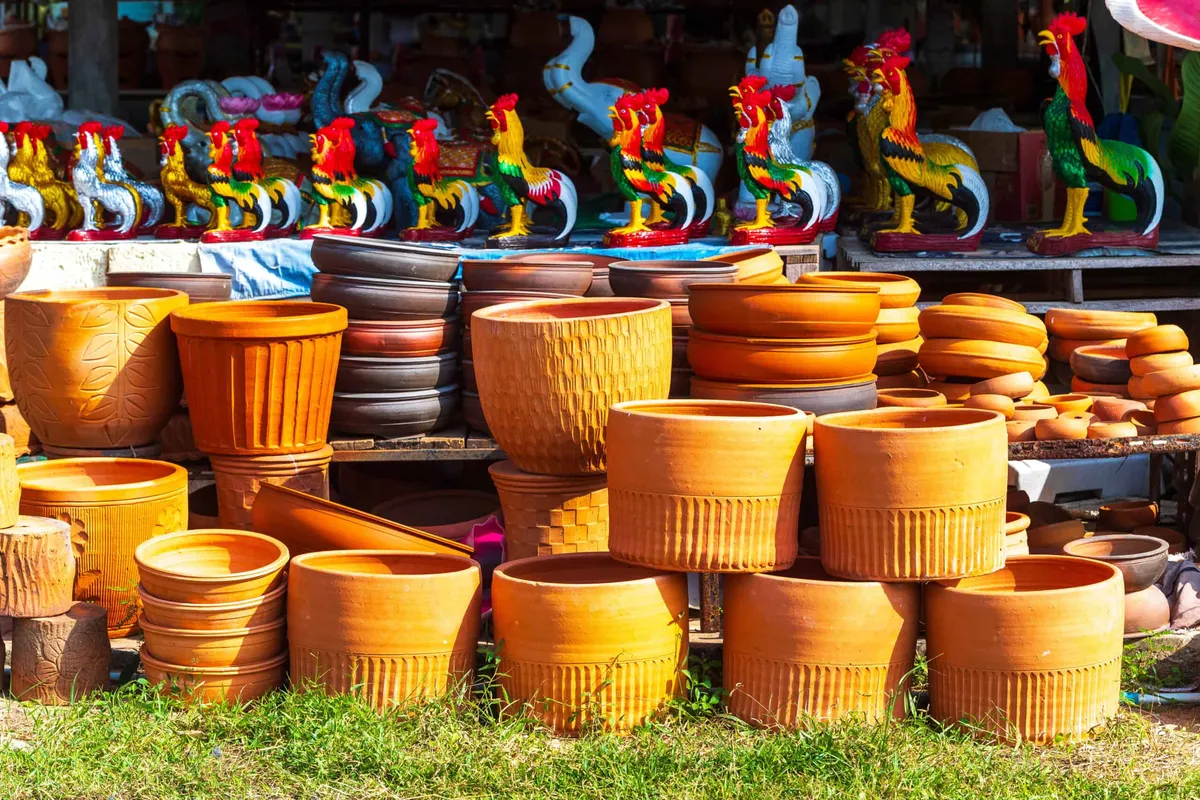
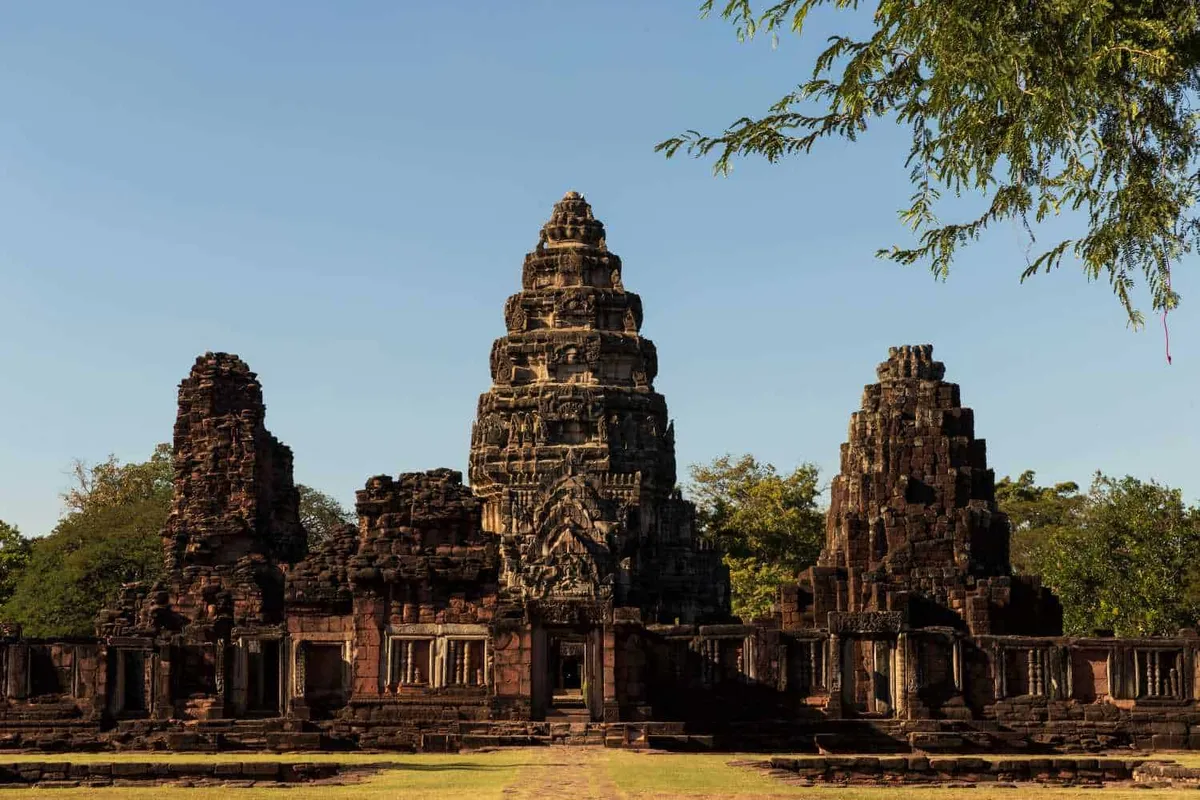
Huai Thalaeng is roughly 30km southeast of Ban Prasat Archaeological Site in neighbouring Non Sung district, and Dan Kwian Pottery Village (another Korat craft village, this one working in clay rather than silk) sits further west toward Korat city. Both make reasonable additions if you’re building an Isan crafts-and-heritage day out of Korat.
Location & Directions
Huai Thalaeng, Nakhon Ratchasima
Korat (Nakhon Ratchasima), Thailand
Show your taxi or Grab driver
หมู่บ้านปลูกหม่อนเลี้ยงไหมบ้านหลุ่งประดู่สามัคคี
Frequently Asked Questions
Is Ban Lung Pradu Samakki near Khao Yai National Park?
Do I need to book ahead?
What can I actually do there?
Is there an entrance fee?
What's the best time to visit?
Spotted something out of date or incorrect? Let us know
Stay Near Ban Lung Pradu Samakki Silk Village
Live prices for places closest to Ban Lung Pradu Samakki Silk Village: tap a pin to compare.