






Dan Kwian Pottery Village
หมู่บ้านเครื่องปั้นดินเผาด่านเกวียน
Dan Kwian’s name gives away its origin: “Dan” means a toll station or checkpoint, “Kwian” an oxcart, and the village sat at a river crossing on the old oxcart trade route linking Korat to Cambodia, on the banks of the Mun River. Pottery-making arrived later, local accounts say around the 1740s in the late Ayutthaya period, when farming communities here picked up firing techniques said to have come from Kha people of the Mekong basin. There’s no entry fee, and the village is open to wander daily, roughly 08:30-18:00.
What makes Dan Kwian’s pottery recognisable is the clay itself: high in iron, it fires to a rust-red or near-black finish without any glaze needed, an effect locals call “samrit” (bronze) colour. Early production was practical (water jars, storage vessels, mortars, tiles) before the range expanded into the decorative planters, garden urns, wind chimes, and souvenir pieces that now line the shops. The village has since been recognised as an OTOP (One Tambon One Product) craft centre, and today a strip of workshops and showrooms runs along the main road, with the larger, more tourist-facing cluster closer to the Korat side and smaller family kilns further into the village proper.
Walking through, you can watch potters throwing on manual wheels and see wood-fired kilns in action. Ask before photographing inside a workshop, since these are working businesses, not a museum display. Prices are set per piece rather than negotiated hard, and most shops will pack and ship larger items if you don’t want to carry a water jar home in your luggage. The trade has contracted in recent decades: younger generations have moved into other work, the best clay seams are more worked-over than they once were, and lighter-coloured stoneware from elsewhere has eaten into local sales. What’s left is smaller than Dan Kwian’s mid-20th-century peak but still a working craft village, not a recreated one.
Insider Tip: the workshops set back from the main road tend to have lower prices and let you watch the full process (throwing, trimming, and loading the kiln) rather than just browsing a finished-goods showroom. Watch out: shops are cash-friendly more than card-friendly, and bargaining is muted here compared with typical Thai markets. Prices are close to fixed.
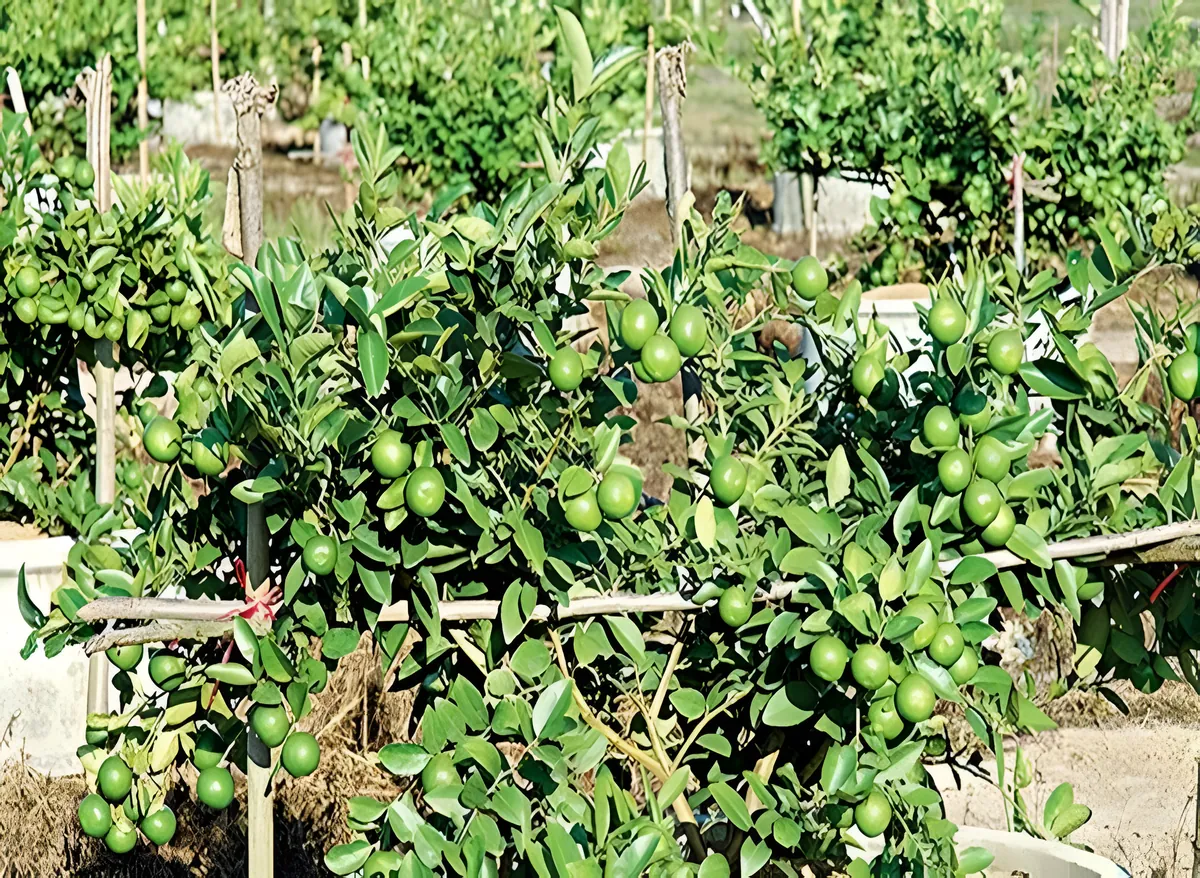
The village is on Mu 7, Dan Kwian subdistrict, around 15km southeast of Nakhon Ratchasima city just off Highway 224, a 20-30 minute drive, or a songthaew from Korat’s bus terminal. The Dan Kwian Lime Grove sits in the same subdistrict, an easy add-on if you have an extra half hour.
- Entrance: Free
- Hours: Daily, approx. 08:30-18:00
- Getting there: ~15km southeast of Korat off Highway 224; songthaew or car
- Contact: 0 4433 8105
- Highlight: unglazed rust-red “samrit” clay pottery, thrown and wood-fired on site since the 1740s
Location & Directions
Mu 7
Korat (Nakhon Ratchasima), Thailand
Show your taxi or Grab driver
หมู่บ้านเครื่องปั้นดินเผาด่านเกวียน
Frequently Asked Questions
Is there an entrance fee for Dan Kwian Pottery Village?
Why is Dan Kwian pottery a distinctive colour?
How old is the pottery tradition in Dan Kwian?
What does the name "Dan Kwian" mean?
What can I buy in Dan Kwian?
How far is Dan Kwian from Nakhon Ratchasima (Korat) city?
Spotted something out of date or incorrect? Let us know
Stay Near Dan Kwian Pottery Village
Live prices for places closest to Dan Kwian Pottery Village: tap a pin to compare.