Ubon Ratchathani National Museum
พิพิธภัณฑสถานแห่งชาติ อุบลราชธานี
The Ubon Ratchathani National Museum occupies a 1918 former city hall in the centre of Ubon Ratchathani town, and holds the province’s most significant archaeological finds, including a 9th-century sandstone Ardhanarishvara, one of only two seated examples of the Shiva-Uma composite figure found anywhere in Thailand. It’s open Wednesday to Sunday, 09:00-16:00, and closed Monday and Tuesday. Entry is 120 THB for foreigners and 20 THB for Thai nationals.
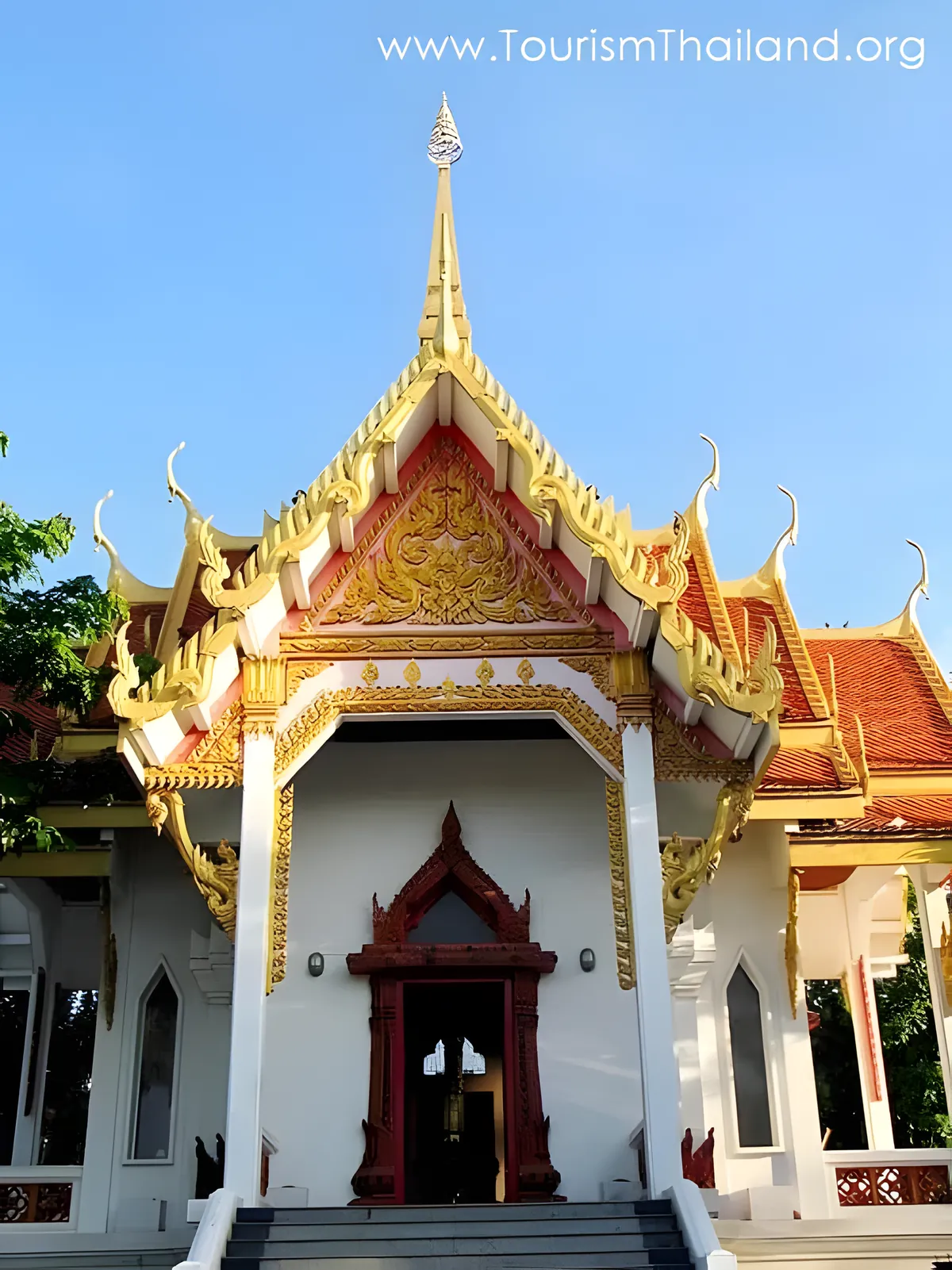
The building predates the museum by seven decades. Built in 1918 during the reign of King Rama VI as the provincial city hall, on land donated by Lady Chiangkham Chumphon Na Ayutthaya, it’s a low, rectangular structure in a Thai-European eclectic style, with carved floral panels and a garuda figure over the entrance. The provincial administration handed the building to the Fine Arts Department in 1983; it opened as a national museum in 1989, with Princess Maha Chakri Sirindhorn attending the ceremony, and was registered as a protected ancient monument in 2001.
Inside, the galleries move from prehistory through to living Isan culture. The archaeology rooms hold pottery, bronzework, and stone tools recovered from settlements across the province (some pieces contemporary with the Ban Chiang culture further north) alongside Dvaravati and Khmer-period stone and bronze sculpture. The Ardhanarishvara anchors this section: seated, one half male and one half female, carved from sandstone roughly thirteen Buddhist centuries ago. Two carved lintels excavated from Prasat Ban Ben in 1990 (one depicting Indra riding the three-headed elephant Erawan, the other the Nine Celestial Guardians) are held here rather than on-site at the ruin itself. The ethnography galleries cover Isan textiles, farming and fishing tools, and the province’s Lao-influenced festival culture, with bilingual Thai-English labelling throughout.
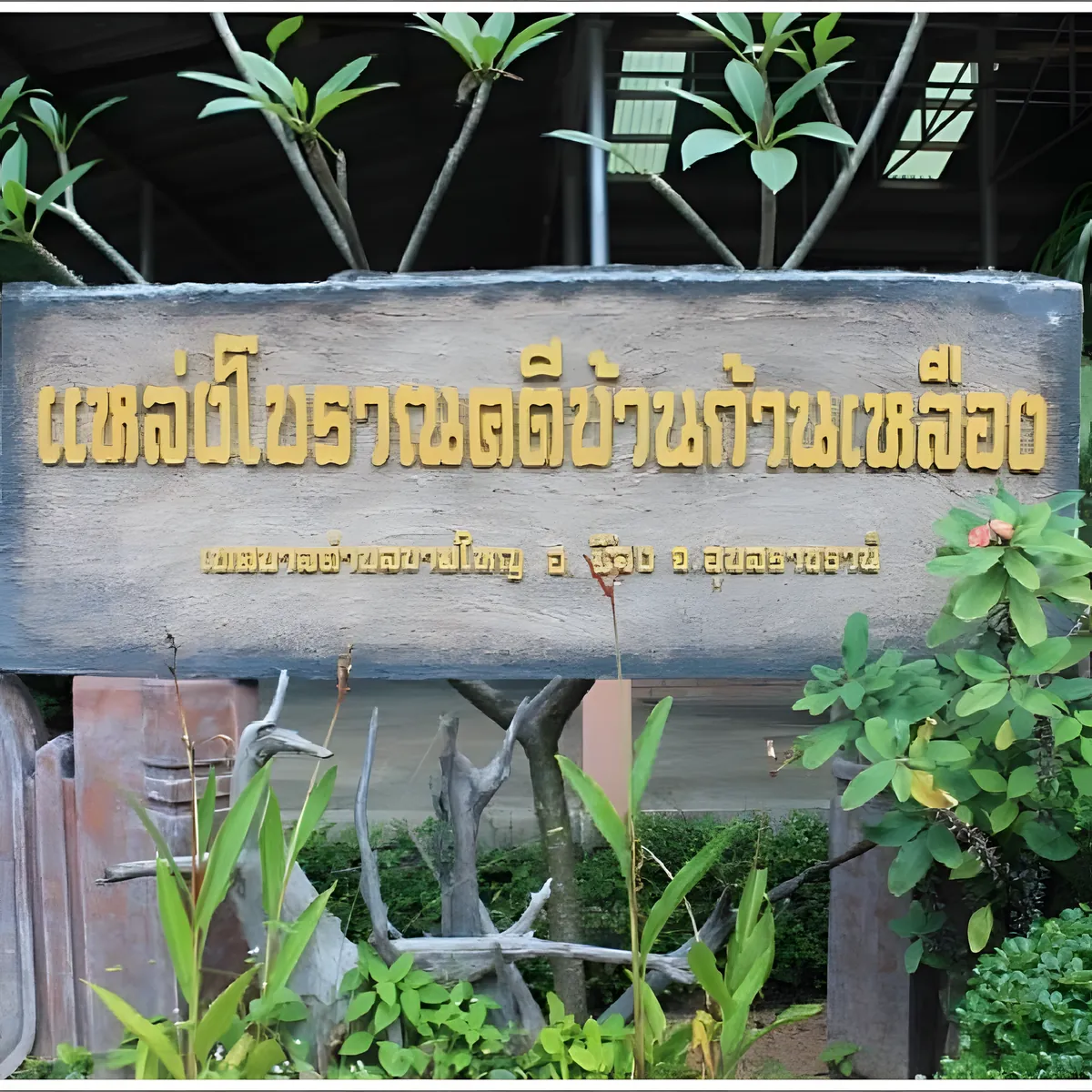
Insider Tip: Visit Prasat Ban Ben’s brick ruin (or Ban Kan Lueang Archaeological Site) either before or after the museum. The lintels and finds make far more sense once you’ve seen where they came from, and vice versa.
Watch out: The museum keeps limited days: Monday and Tuesday closures catch travellers who assume a daily schedule, so check your itinerary against the Wednesday-Sunday window before planning a visit around it.
- Hours: Wednesday-Sunday, 09:00-16:00 (closed Monday, Tuesday)
- Entry: 120 THB foreigners, 20 THB Thai nationals
- Building: Former provincial city hall, built 1918, museum since 1989
- Centrepiece: 9th-century sandstone Ardhanarishvara, one of two seated examples in Thailand
- Also holds: The carved lintels excavated from Prasat Ban Ben in 1990
The museum sits in central Ubon Ratchathani town and is easily reached by tuk-tuk or taxi from anywhere in the city. Pair it with Prasat Ban Ben, roughly 63 km away, for the fuller archaeological picture, or the Ubon Ratchathani hub for the rest of the province’s temples and river viewpoints.
Location & Directions
Mueang Ubon Ratchathani, Ubon Ratchathani
Ubon Ratchathani, Thailand
Show your taxi or Grab driver
พิพิธภัณฑสถานแห่งชาติ อุบลราชธานี
Frequently Asked Questions
What is the Ubon Ratchathani National Museum's most important piece?
What are the opening hours and entry fee?
Is the museum building itself historic?
Are the Prasat Ban Ben lintels on display here?
How long should I plan for a visit?
Spotted something out of date or incorrect? Let us know
Stay Near Ubon Ratchathani National Museum
Live prices for places closest to Ubon Ratchathani National Museum: tap a pin to compare.