




Ban Kan Lueang Archaeological Site
แหล่งโบราณคดีบ้านก้านเหลือง
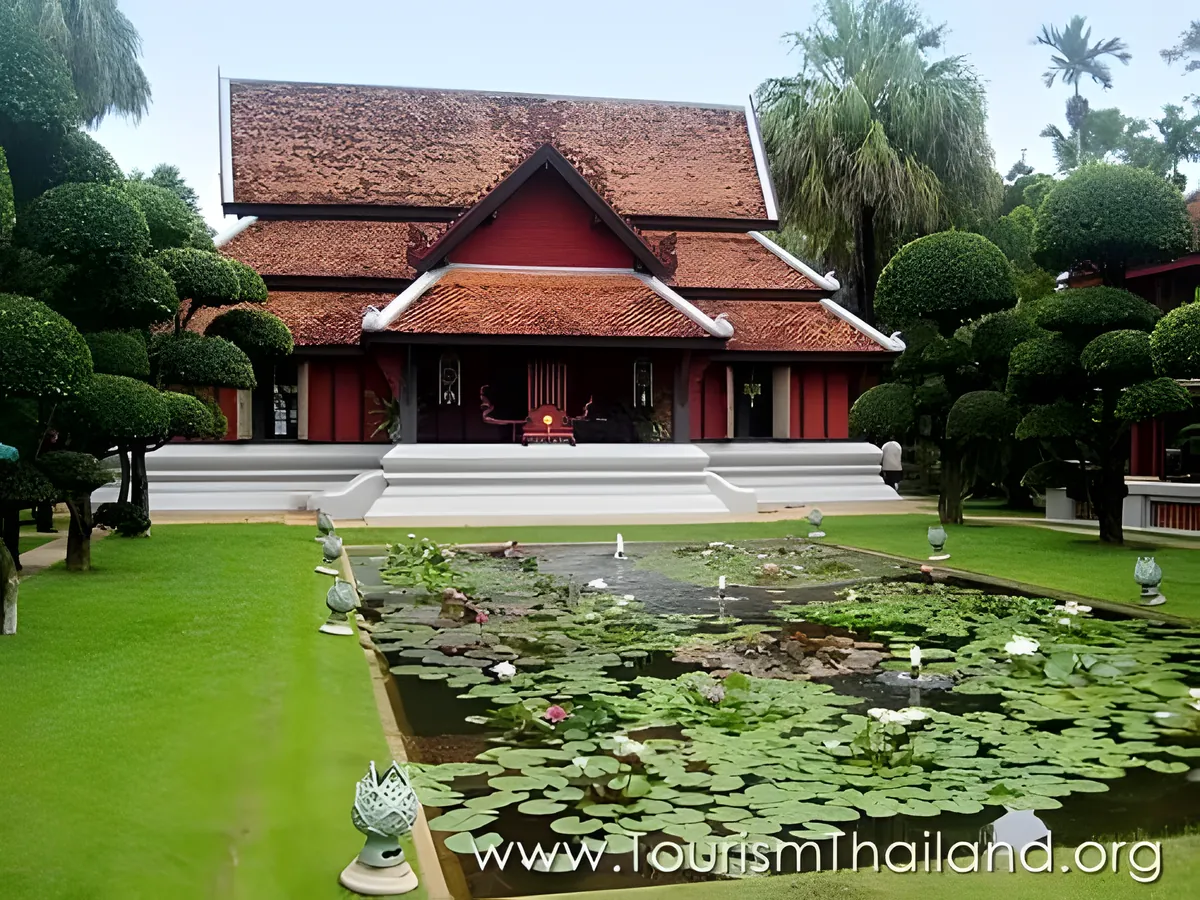
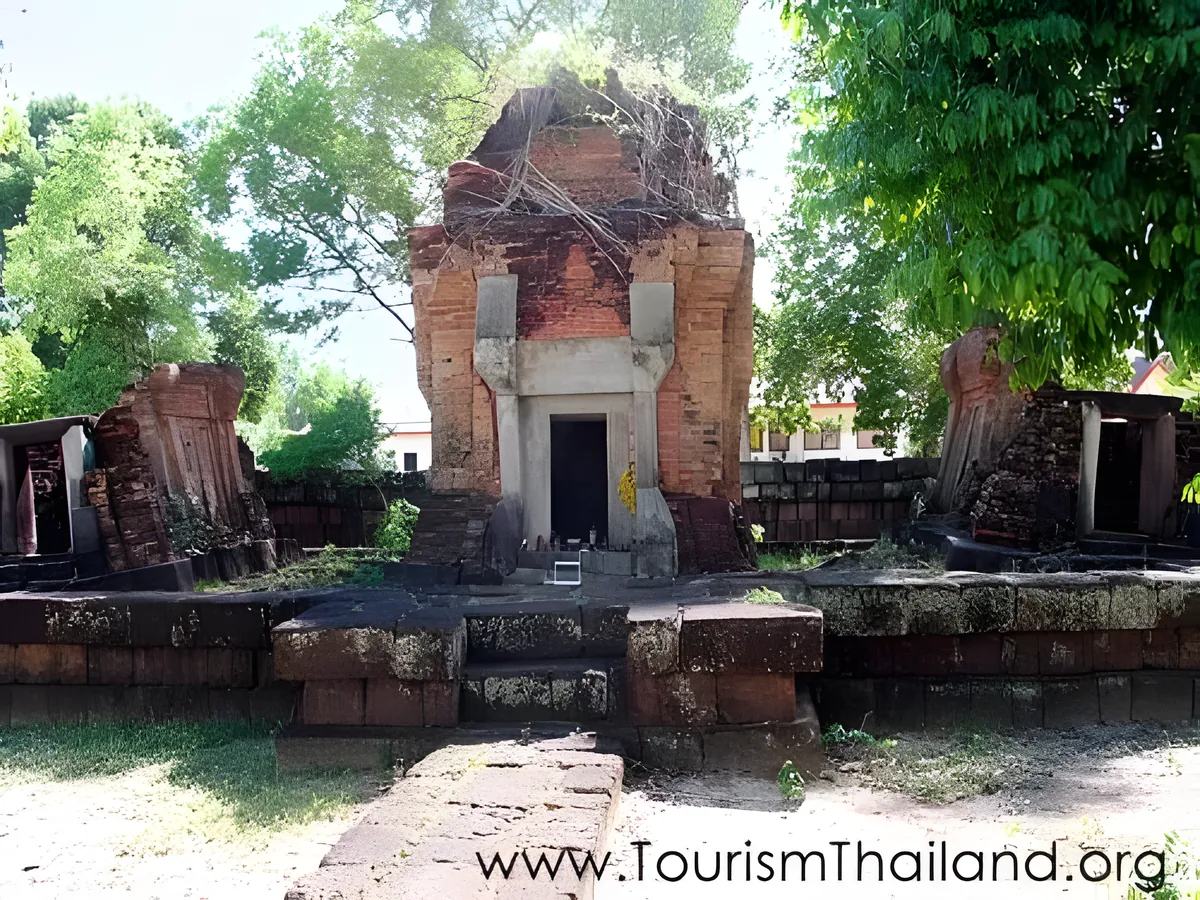
Ban Kan Lueang Archaeological Site sits on the grounds of Wat Ban Kan Lueang in Tambon Kham Yai, north of Ubon Ratchathani city off Highway 231. The site covers roughly 3 sq km and was excavated by the Thai Fine Arts Department starting in 1996; its oldest cultural layer dates to the late prehistoric or Iron Age, roughly 2,500–2,800 years ago, making it one of the more significant prehistoric finds in the Mun-Chi River basin of Northeast Thailand.
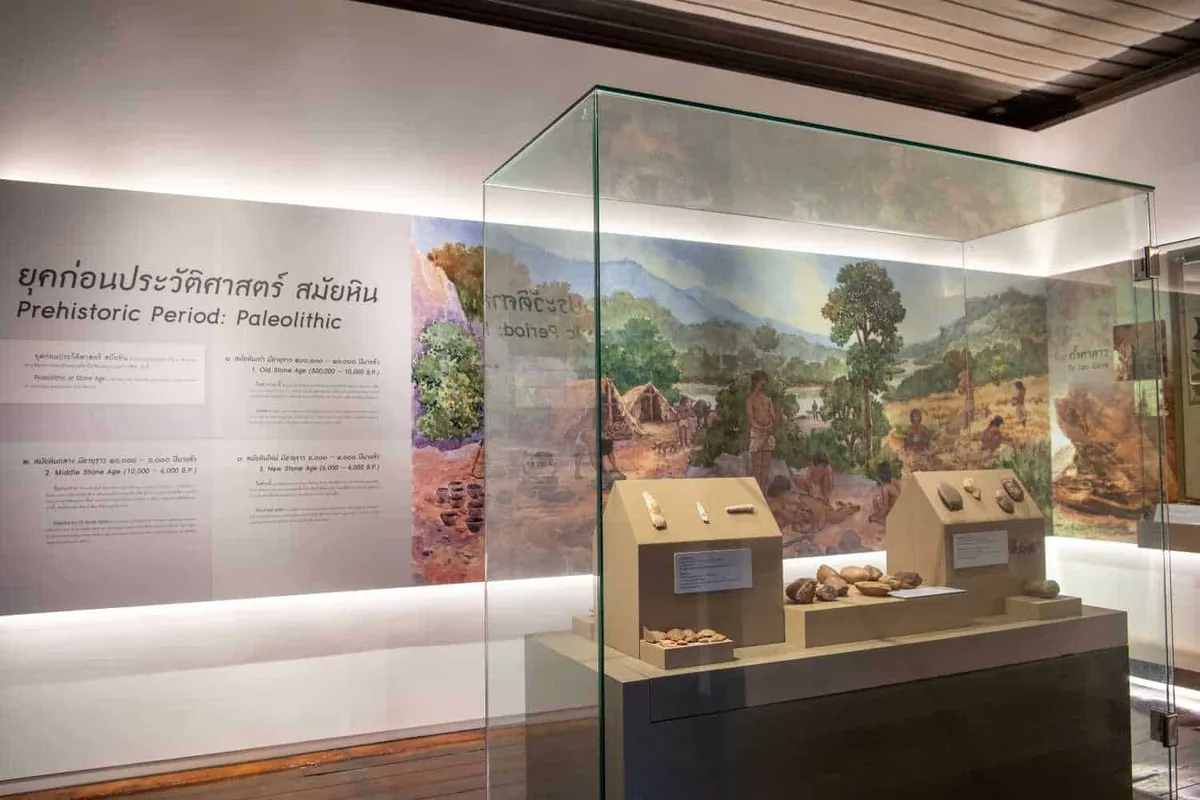
Excavation uncovered secondary burial practices typical of the region’s late prehistoric communities: the bones of the deceased were placed inside ceramic vessels before interment. Archaeologists recovered 11 burial jars in seven distinct forms, along with bronze fragments, iron fragments, bronze bells, glass beads, fired-clay rods, rice husks and charcoal — evidence of a farming community that smelted its own iron and bronze and made its own pottery. A shelter protects the open excavation pit, letting visitors see the dig much as archaeologists left it, and a small on-site museum displays the recovered artifacts alongside explanations of the burial customs and daily life of the people who lived here.
The site is quiet even by the standards of Isan’s smaller museums — most visits run under an hour, split between the shelter over the pit and the museum cases. The temple grounds around it add a working backdrop of monks and daily temple life rather than a manicured heritage-park feel. There isn’t much English signage, so a guided visit or some background reading beforehand helps make sense of what’s on display.
Insider Tip: The museum captions lean heavily on Thai; photograph the burial-jar display and the excavation pit itself and look up the details afterward rather than trying to read everything on site.
Watch out: This is an active temple as well as an archaeological site — dress modestly and keep noise down near the shelter, especially if a ceremony is underway at Wat Ban Kan Lueang.
Admission is free and the site is open daily, 06:00–18:00. Combine the stop with the Ubon Ratchathani National Museum in town or the Khmer ruins at Prasat Ban Ben for a half-day built around the province’s deep past.
- Entry fee: Free
- Hours: Daily 06:00–18:00
- Age: Roughly 2,500–2,800 years (Iron Age / late prehistoric)
- Highlight: 11 burial jars in seven forms, displayed with the original excavation pit
- Getting there: North of Ubon Ratchathani city off Highway 231, at Wat Ban Kan Lueang
Location & Directions
Mueang Ubon Ratchathani, Ubon Ratchathani
Ubon Ratchathani, Thailand
Show your taxi or Grab driver
แหล่งโบราณคดีบ้านก้านเหลือง
Frequently Asked Questions
How old is Ban Kan Lueang Archaeological Site?
What was found during the excavation?
Is there an entry fee?
How long does a visit take?
Where exactly is the site?
Spotted something out of date or incorrect? Let us know
Stay Near Ban Kan Lueang Archaeological Site
Live prices for places closest to Ban Kan Lueang Archaeological Site — tap a pin to compare.