

Wat Burapharam
วัดบูรพาราม
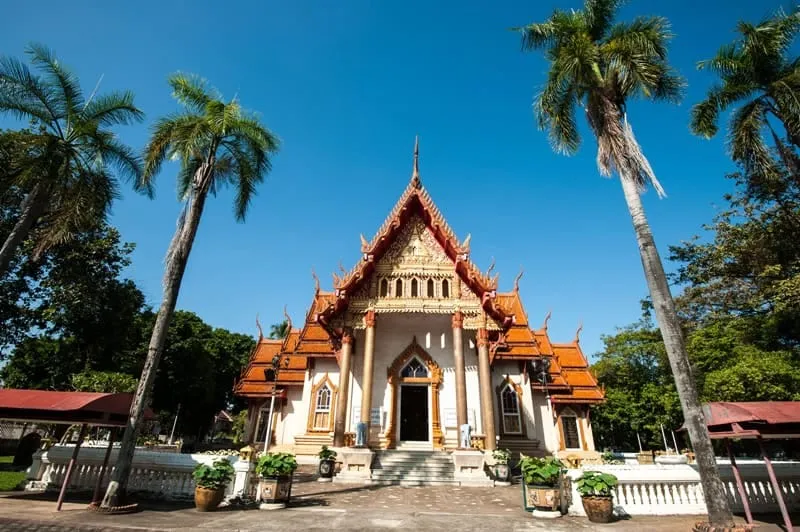
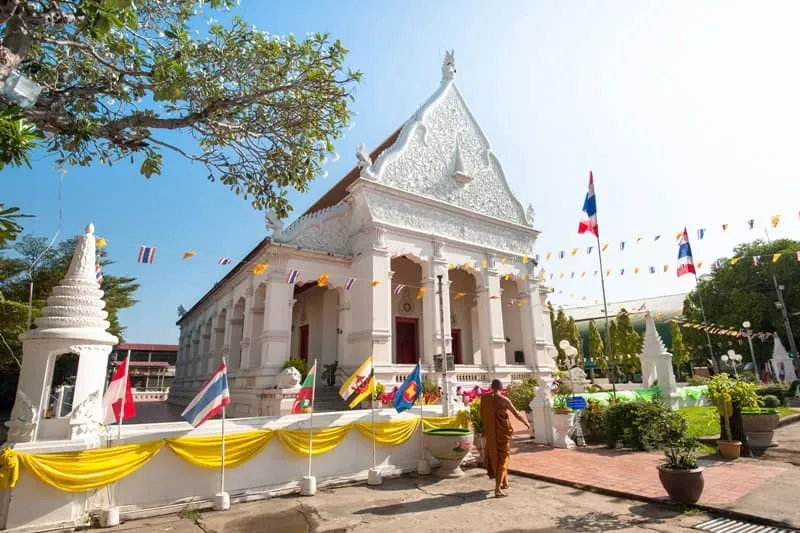
Wat Burapharam, known locally as Wat Burapha, holds an important place in the history of Theravada Buddhism in Thailand. This working monastery in Ubon Ratchathani city’s centre, on Phalorangrit Road, served as an early base for the Thai Forest Tradition (Kammatthana lineage), the movement that renewed emphasis on strict monastic discipline and intensive meditation practice in the early twentieth century. Entry is free and the grounds are open daily to respectful visitors.
The temple’s original ordination hall (sim) dates to the late 19th century, built as an offering to Luang Pu Sitha Chayaseno, a senior meditation teacher based at Wat Phra Sri Ubon Rattanaram nearby. Ajahn Mun Bhuridatta, one of the most revered meditation masters in Thai Buddhist history, used Wat Burapharam as a base between wandering retreats across the northeast from around 1915, spending Rains Retreats here later in that decade. His own teacher, Ajahn Sao Kantasilo, also stayed at the monastery; when Ajahn Sao died in 1942, his disciples brought his remains to Wat Burapharam and held the cremation here in April 1943.
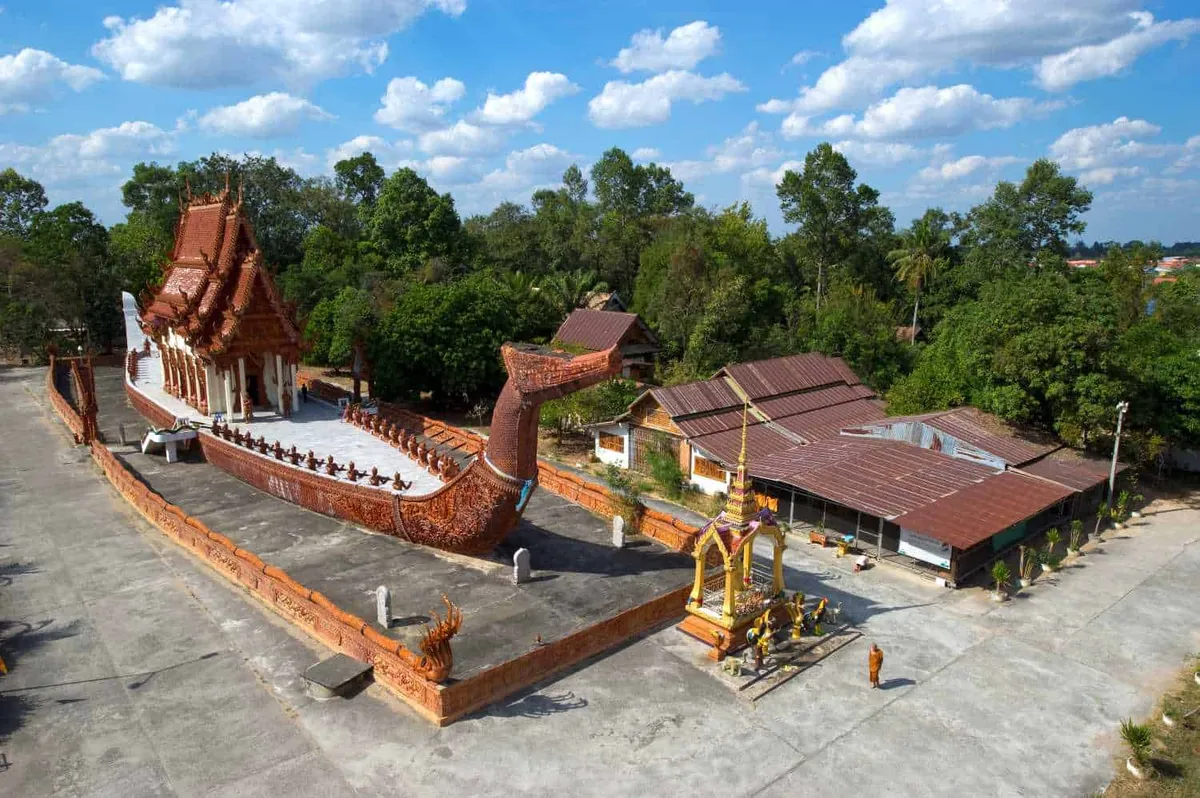
A preaching hall built on the site in 1915 later burned down. Phra Khru Amorn Wisut (Daeng Amaro) then built the larger wihaan that stands today specifically to enshrine cast, life-size images of five founding Kammatthana masters together: Luang Pu Sitha Chayaseno, Ajahn Sao Kantasilo, Ajahn Mun Bhuridatta, Phra Yanawisit (Thong Chandasiri), and Luang Pu Lee Dhammadharo, the last of whom went on to found Wat Asokaram near Bangkok. The five images sit on a raised brick altar along the back wall next to the temple’s older Buddha images. Two traditional stilted ho trai (scripture libraries) stand elsewhere in the compound, their exterior walls carved with fishbone-and-lotus patterns and window frames bearing singha-footprint motifs, recognisable examples of Isan ecclesiastical woodwork.
Insider Tip: The five-master wihaan is easy to treat as a quick photo stop, but the raised altar rewards a slower look: each cast image carries slightly different robes and hand positions reflecting each teacher’s individual iconography, not a uniform set.
Watch out: This is a working monastery, not a museum: monks live and practise on site, so keep voices low near the residential quarters and avoid entering any building where a service or almsgiving is in progress.
The temple sits a short walk or tuk-tuk ride from central Ubon Ratchathani and pairs easily with a wider look at the town’s temple cluster, or a longer trip to the forest-tradition monasteries the lineage produced: Wat Nong Pa Phong, founded by Ajahn Chah outside town, and Wat Pa Nanachat, the English-speaking international forest monastery further out. Dress modestly and remove your shoes before entering the sim or wihaan.
- Entry: Free, working monastery open daily
- Location: Phalorangrit Road, central Ubon Ratchathani
- Significance: Early base of the Thai Forest Tradition (Kammatthana lineage)
- Wihaan: Houses cast images of five founding forest masters, including Ajahn Mun and Ajahn Sao
- Dress code: Covered shoulders/knees, shoes off inside buildings
Location & Directions
Mueang Ubon Ratchathani, Ubon Ratchathani
Ubon Ratchathani, Thailand
Show your taxi or Grab driver
วัดบูรพาราม
Frequently Asked Questions
Is Wat Burapharam free to visit?
Why is Wat Burapharam significant to the Thai Forest Tradition?
What's inside the wihaan?
Where exactly is the temple?
What should I wear?
Spotted something out of date or incorrect? Let us know
Stay Near Wat Burapharam
Live prices for places closest to Wat Burapharam: tap a pin to compare.