





Wat Chon Thara Singhe stands on the bank of the Tak Bai River in Chehe Subdistrict, in Tak Bai — the southernmost district of Narathiwat province, on the Malaysian border. Phra Khru Opas Phutthakhun, known locally as Luang Pho Phut, founded the temple in 1860, in the closing years of King Rama IV’s reign, on land granted by the ruler of Kelantan; Tak Bai then sat within Kelantan’s sphere, a Malay state under British influence.
The temple’s formal name came later, given by Tak Bai’s first district officer in honour of the founder — chon thara (“by the water”) plus singhe, a nod to Luang Pho Phut’s lion-like reputation. It’s better known locally as Wat Phithak Phaen Din Thai, “the temple that protects Thai land,” a name earned during the Anglo-Siamese boundary negotiations of 1909. Siam argued that the temple’s Buddhist heritage and architecture proved the district belonged to Siamese, not Malay, territory. Britain accepted the reasoning, and the new border followed the Kolok River well south of Tak Bai — the reason this town, and this temple, ended up in Thailand rather than British Malaya.
- Founded: 1860, late in King Rama IV’s reign
- Also known as: Wat Phithak Phaen Din Thai (“temple that protects Thai land”)
- Historical role: Cited by Siam during the 1909 Anglo-Siamese Treaty negotiations that fixed the Kolok River as the border
- Entry fee: Free
- Location: Riverside, Chehe Subdistrict, Tak Bai district
The ubosot, built under King Rama V, holds murals by a monk from Songkhla depicting the Buddha’s life alongside everyday scenes from the period — a survival that’s rare for a temple this close to the border. The principal Buddha image inside is gilded, with a red-tinted mouth and black hair, set on a 1.5-metre busabok throne whose style points to a Mon-trained sculptor. A separate wihan holds a reclining Buddha image, its walls lined with Sangkhalok stoneware.
A community-based tourism group has since formed around the temple, running visits that pair the history here with the wider Tak Bai riverside — a low-key alternative to seeing the temple on its own. It’s a working temple rather than a museum piece, so expect an active monastic community alongside the historic buildings, and time a visit around that rather than around the murals alone.
Insider Tip: The wide terrace along the riverbank in front of the temple is a quiet spot to sit for ten minutes before or after a visit — locals use it in the early evening as the light drops.
Dress modestly and take your shoes off before entering either hall. Two more stops make a short loop of Tak Bai: Koh Yao and the adjacent 100-Year Khoi Bridge, both a short drive along the river.
Location & Directions
Located in Chehe Subdistrict on the bank of the Tak Bai River
Narathiwat, Thailand
Show your taxi or Grab driver
วัดชลธาราสิงเห
Frequently Asked Questions
Why is Wat Chon Thara Singhe called "the temple that protects Thai land"?
How old is Wat Chon Thara Singhe?
Is there an entry fee?
What are the opening hours?
Is it safe to visit Tak Bai and Narathiwat's border districts?
Spotted something out of date or incorrect? Let us know
Stay Near Wat Chon Thara Singhe
Live prices for places closest to Wat Chon Thara Singhe — tap a pin to compare.
More Places to Visit in Narathiwat

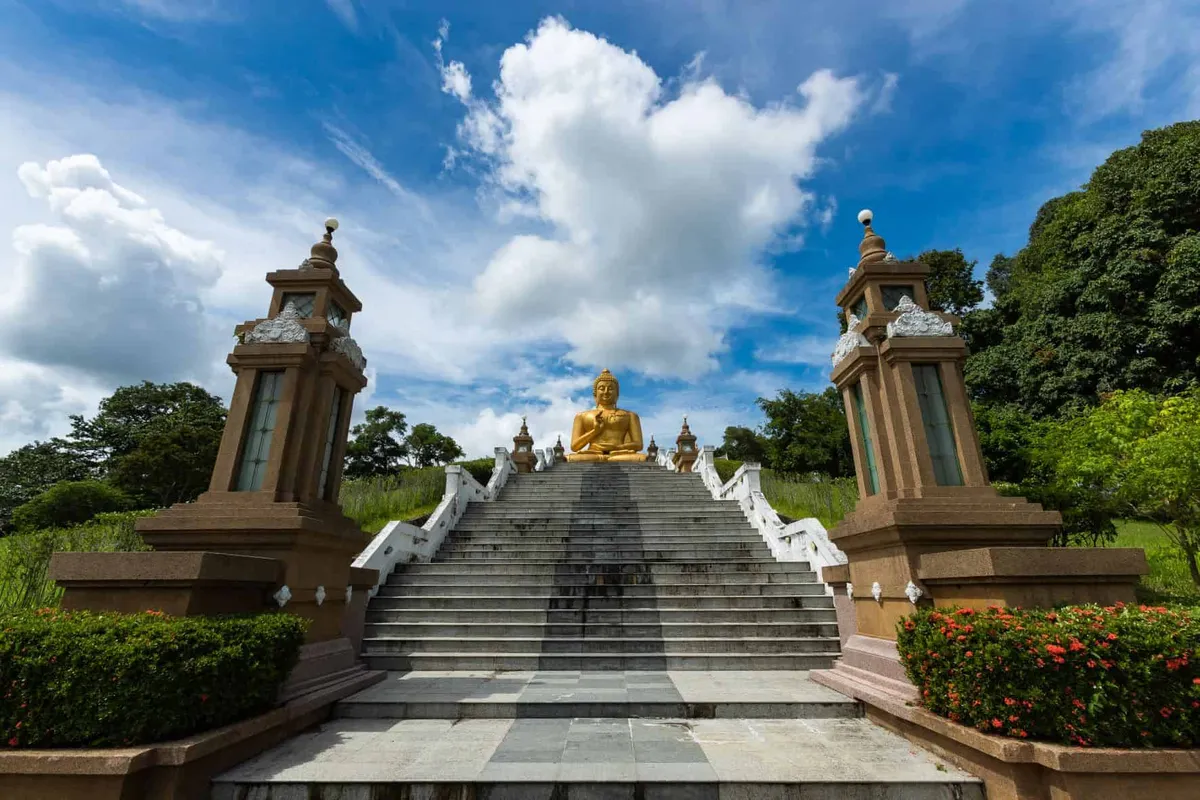
Phra Phutthathaksin Ming Mongkhon (Khao Kong Buddhist Park)
พระพุทธทักษิณมิ่งมงคล (พุทธอุทยานเขากง)

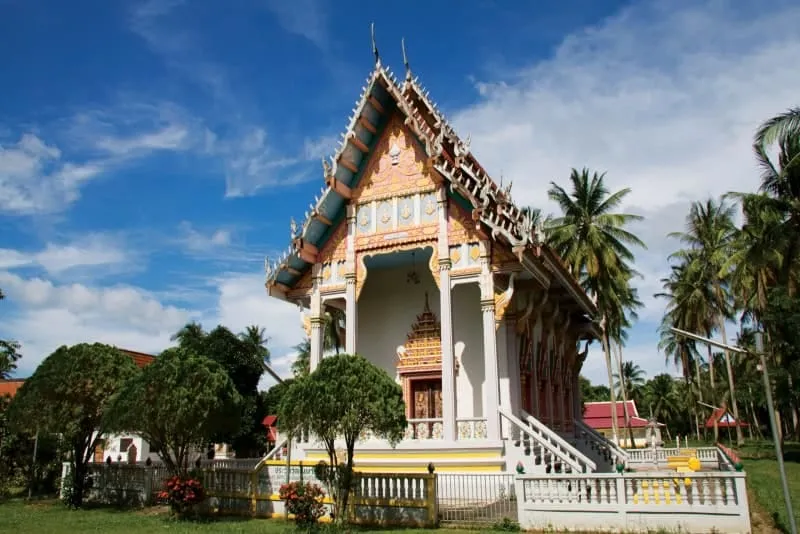
Luang Pho Daeng of Wat Choeng Khao
หลวงพ่อแดงวัดเชิงเขา

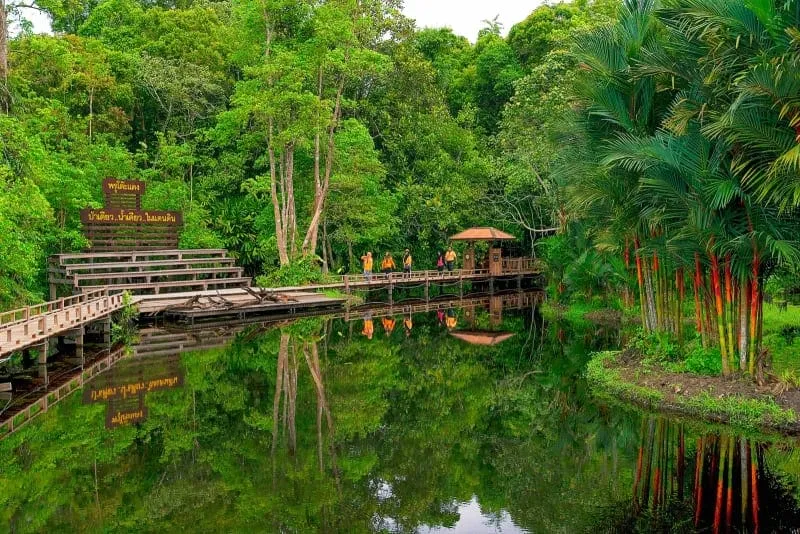
Sirindhorn Peat Swamp Forest Nature Research and Study Centre
ศูนย์วิจัยและศึกษาธรรมชาติป่าพรุสิรินธร (ป่าพรุโต๊ะแดง)

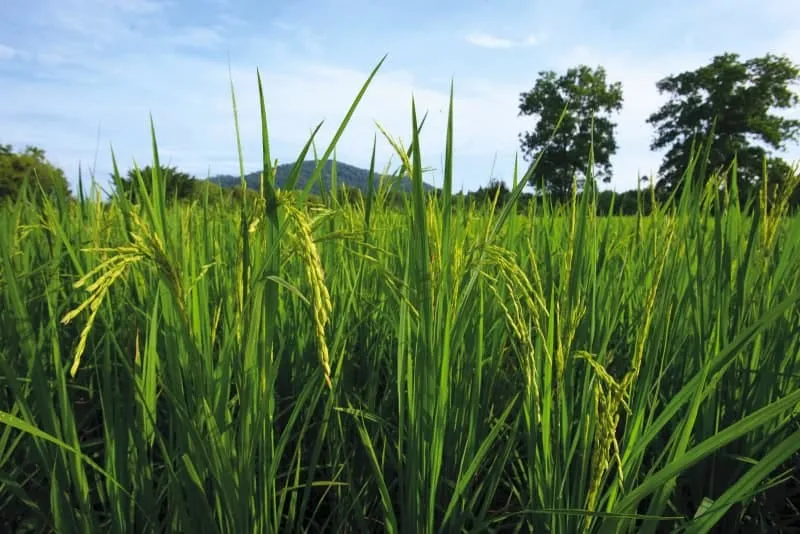
Pikun Thong Royal Development Study Center
ศูนย์ศึกษาการพัฒนาพิกุลทอง อันเนื่องมาจากพระราชดำริ