




Wat Nang Phaya Ancient Remains
โบราณสถานวัดนางพญา
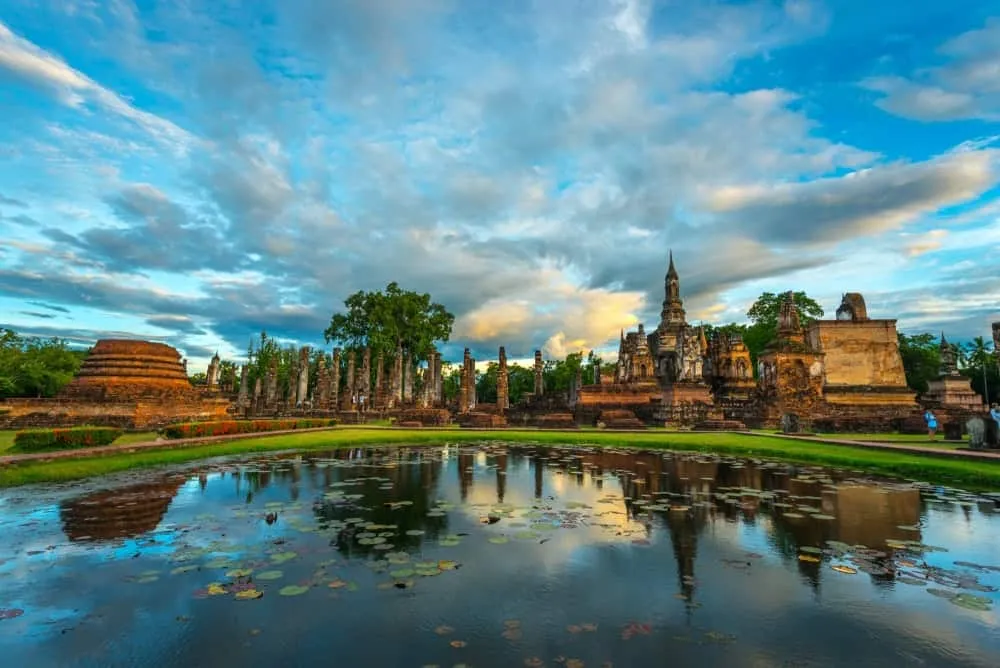
Wat Nang Phaya’s ruined viharn holds some of the best-preserved stucco reliefs from 15th-century Thailand — floral and geometric patterns pressed into plaster on the exterior walls, still legible after nearly six centuries. It’s inside Si Satchanalai Historical Park, part of Sukhothai province, and included in the park’s 200 THB foreigner ticket (20 THB for Thai nationals).
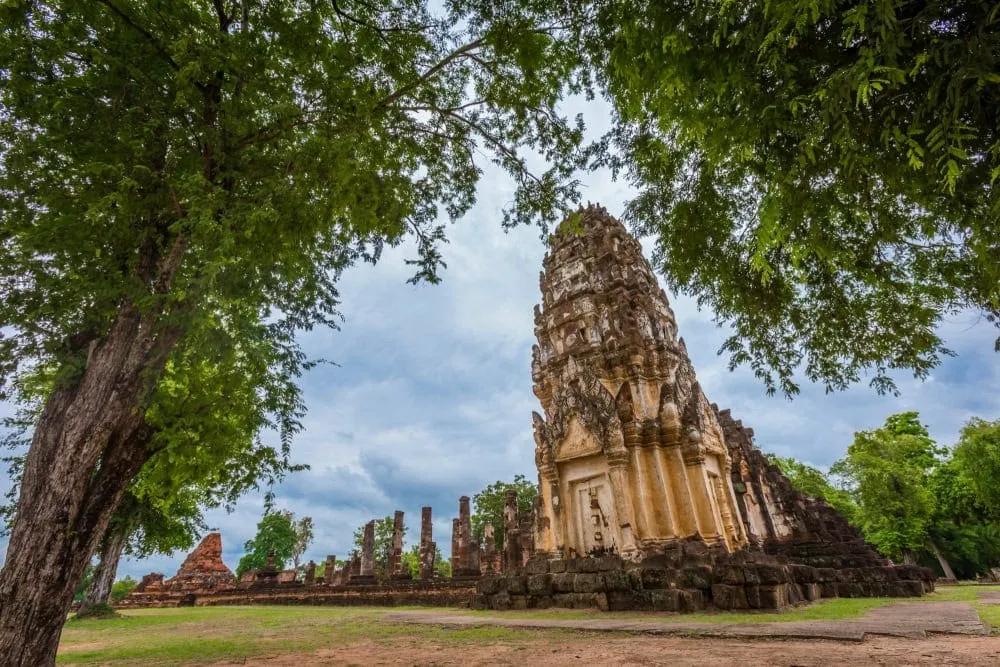
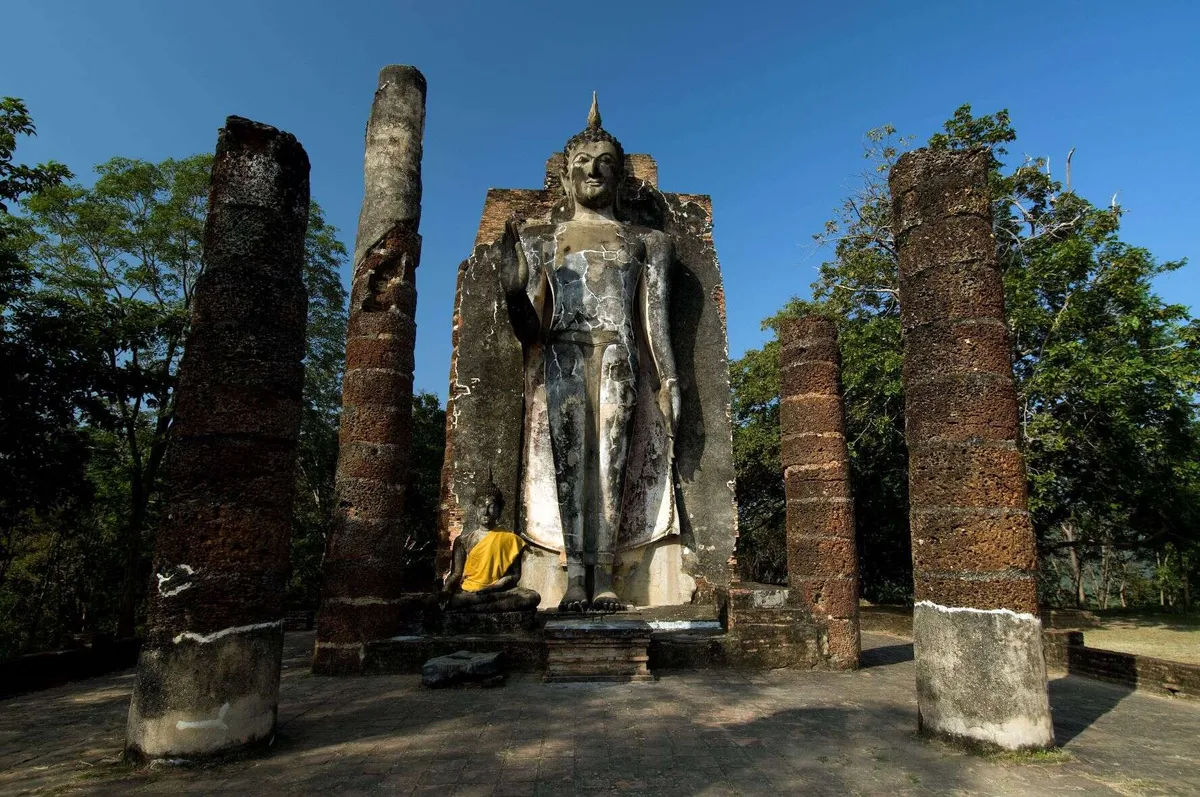
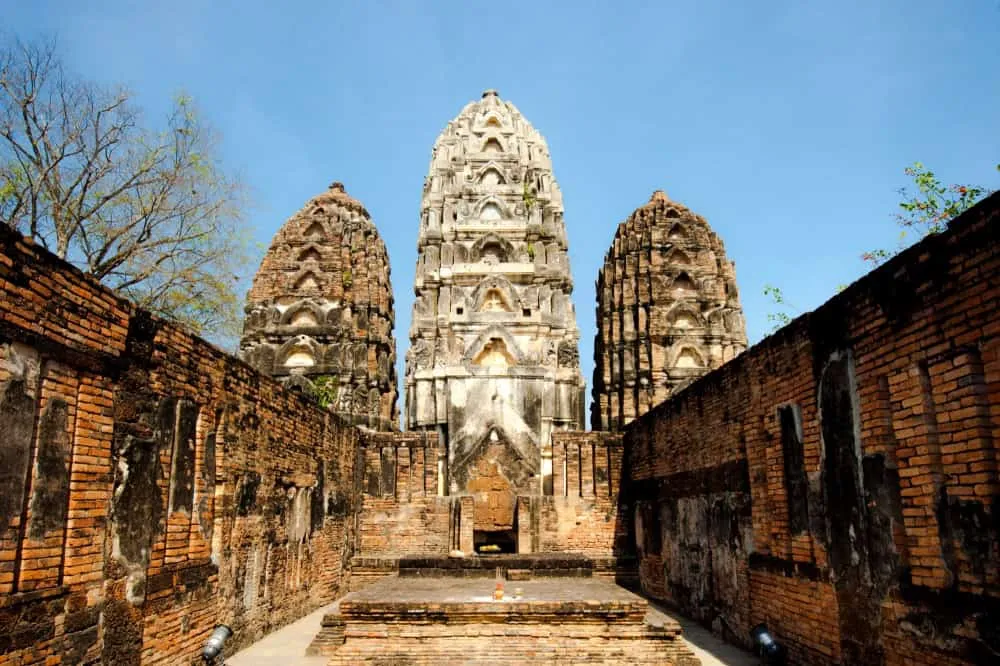
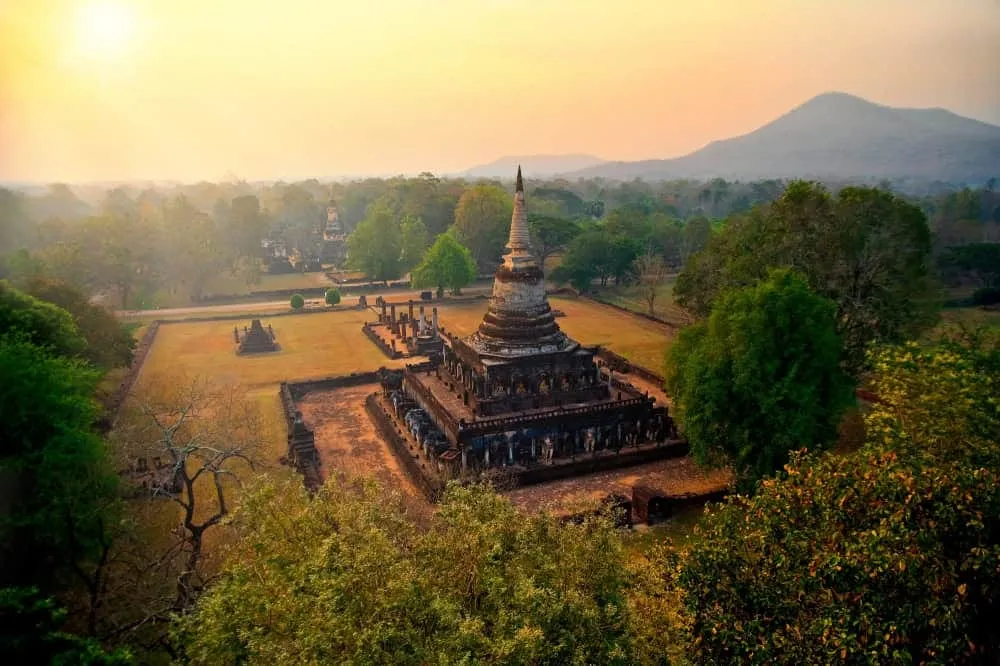
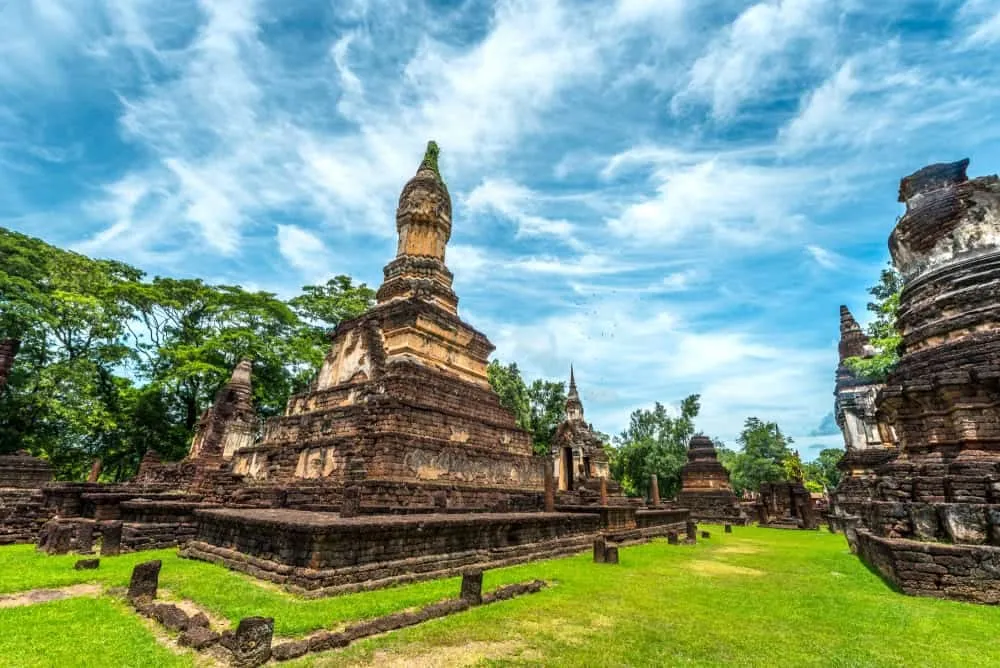
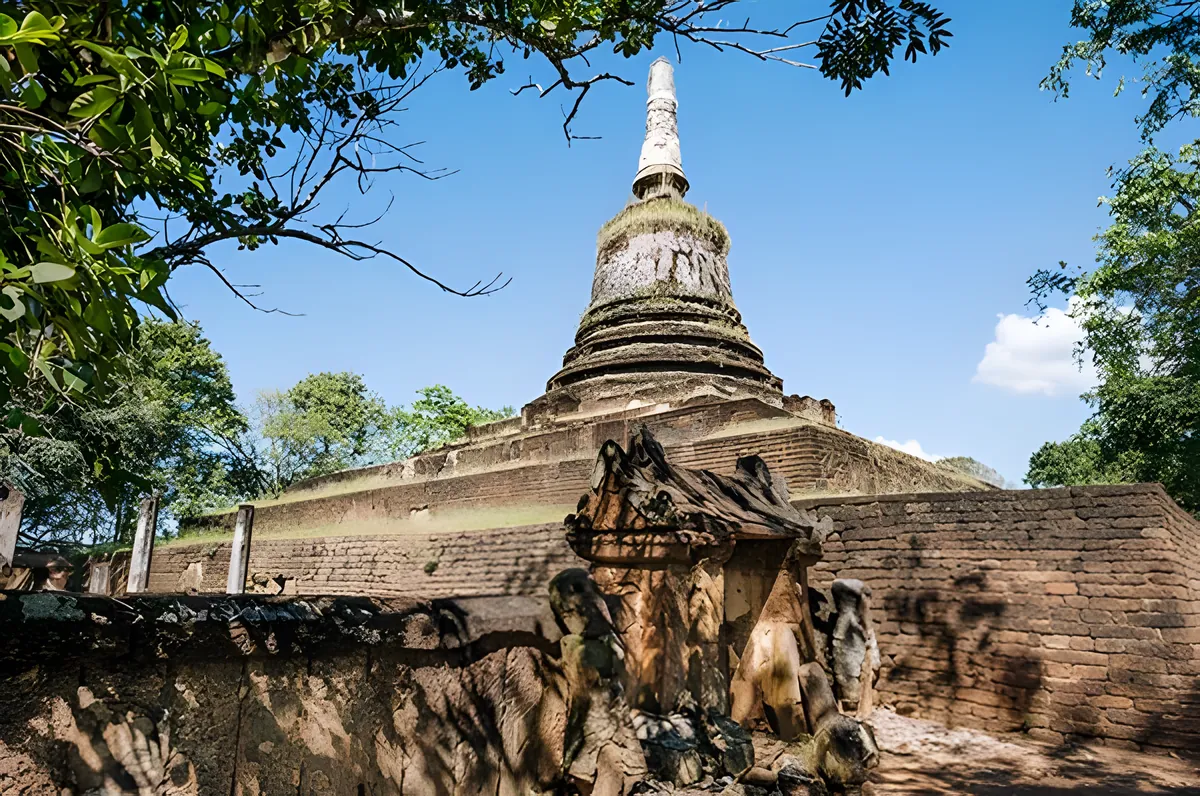
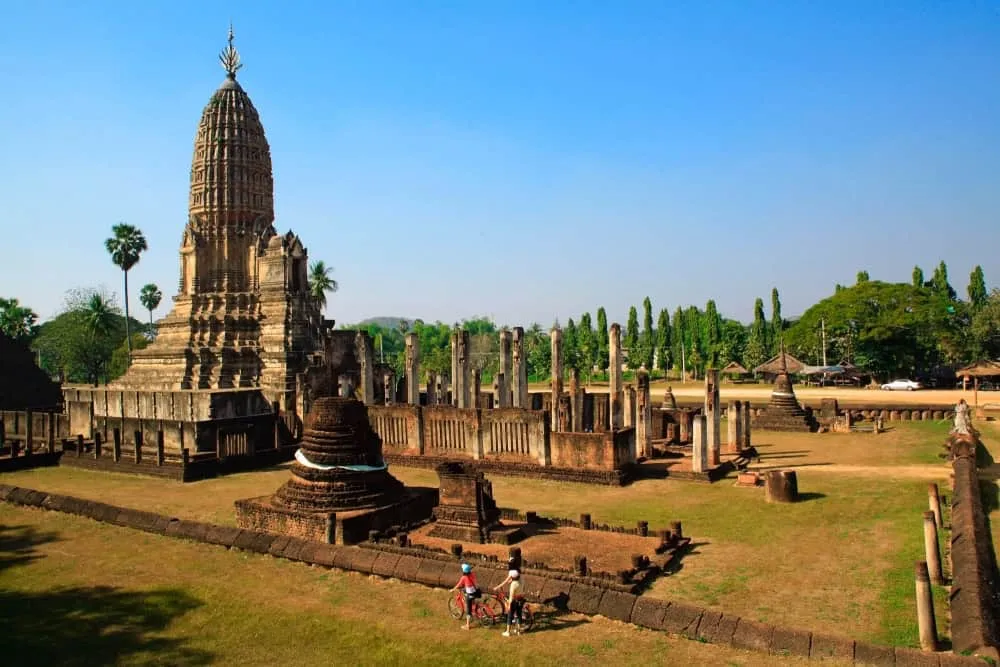
The temple dates to the early Ayutthaya period, built when Si Satchanalai was known as Sawankhalok, and its remaining structure includes a principal chedi, a viharn, an ordination hall, and two subordinate chedis — modest by comparison with the ceremonial temples elsewhere in the park. What survived is the reason it’s worth the stop: the stucco decoration on the viharn’s walls, floral motifs carved into plaster with a level of detail closer to wood carving than typical temple stucco work. A section of the west wall now sits under a protective modern roof to shield the reliefs from monsoon weather, and the quality of what’s left outpaces most contemporary temple stuccowork elsewhere in the country, where weathering and neglect erased similar decorative programs long ago.
Insider Tip: Bring a zoom lens or get close to the sheltered west wall section — the detail in the floral stucco work doesn’t read from a distance the way the temple’s overall silhouette does.
The name “Nang Phaya” — Queen Temple — comes with a local legend crediting its construction to a princess, though nothing in the archaeological record confirms who actually built it or exactly when. What’s certain is that it’s had less restoration attention than the park’s headline ruins, so moss, lichen, and encroaching tree roots give it a rougher, more overgrown character. That works in its favor for anyone tired of crowds: this is one of Si Satchanalai’s quieter corners, and it’s common to have the site to yourself outside weekends.
Watch out: there’s little shade around the ruins and no facilities on-site — bring water and sun protection, and expect uneven ground underfoot.
The remains sit inside the central zone of Si Satchanalai Historical Park, open daily 08:30–16:30, and are easy to reach by bicycle or motorbike alongside the park’s other ruins. Modest dress is customary but not strictly enforced here the way it is at active temples, since this is an archaeological site rather than a working monastery.
- Entry: 200 THB (foreigners) / 20 THB (Thai nationals) — Si Satchanalai central zone ticket
- Hours: Daily 08:30–16:30
- Built: 15th century, early Ayutthaya period (when Si Satchanalai was Sawankhalok)
- Highlight: Exceptionally preserved stucco floral reliefs on the viharn walls
- Not to confuse with: Phitsanulok’s separate Wat Nang Phaya, ~90 km away
Nearby in the same central zone, Wat Chedi Chet Thaeo and Wat Khao Suwan Khiri are an easy add-on, and the Si Satchanalai Historical Park page covers the wider site and its ticket zones.
Location & Directions
Si Satchanalai, Sukhothai
Sukhothai, Thailand
Show your taxi or Grab driver
โบราณสถานวัดนางพญา
Within Walking Distance




Frequently Asked Questions
Is this the same Wat Nang Phaya as the one in Phitsanulok?
How much does it cost to visit?
What's the main thing to see here?
Why is it called "Queen Temple"?
Is it worth visiting if I've already seen Sukhothai's main historical park?
Spotted something out of date or incorrect? Let us know
Stay Near Wat Nang Phaya Ancient Remains
Compare places to stay in Sukhothai, or open the map for options closest to the attraction.