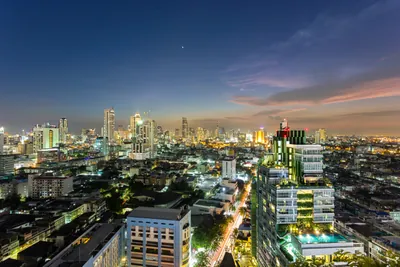





Wat Ratchaburana (Bangkok)
วัดราชบูรณะราชวรวิหาร (วัดเลียบ)
Wat Ratchaburana, usually just called Wat Liap by Bangkok locals, sits at 119 Chakphet Road in Bangkok’s Phra Nakhon district, right at the foot of Memorial Bridge (Saphan Phut). It’s easy to confuse with two other temples of the same name: the famous Ayutthaya prang-and-crypt site north of Bangkok, and an older Ayutthaya-period temple in Phitsanulok. This one is the Bangkok temple.
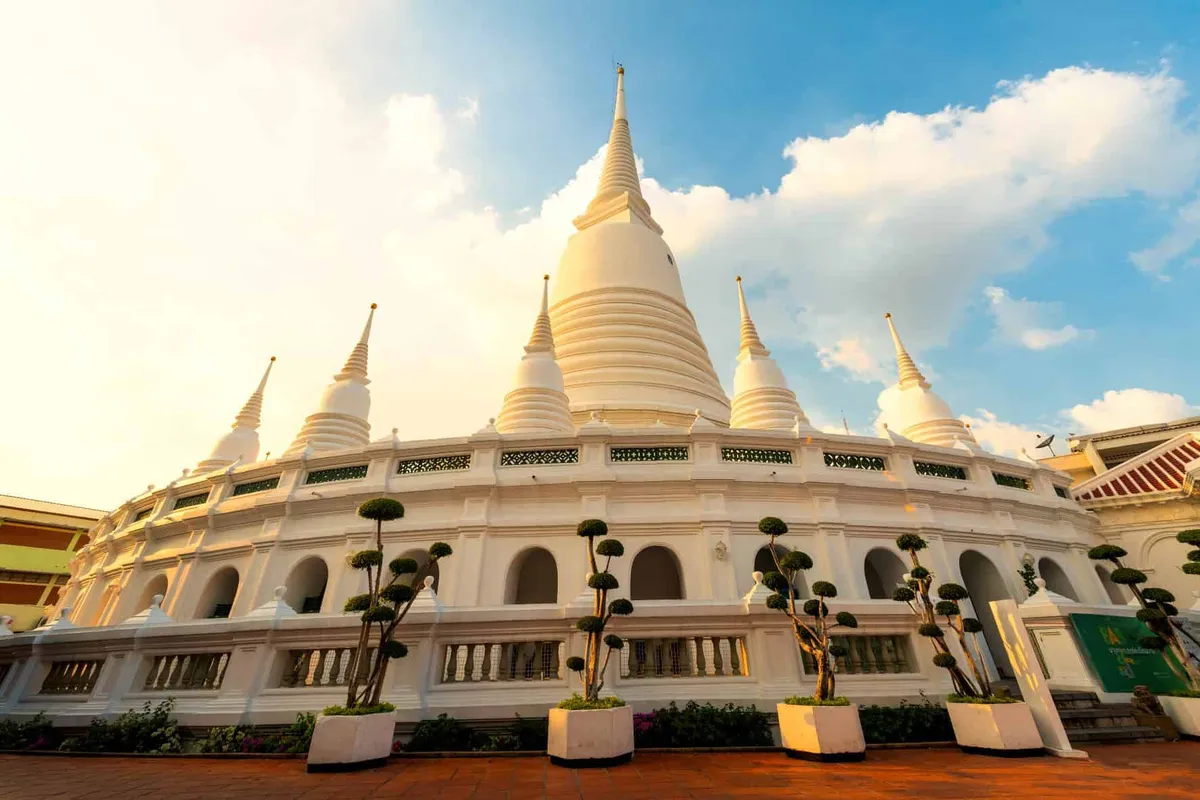
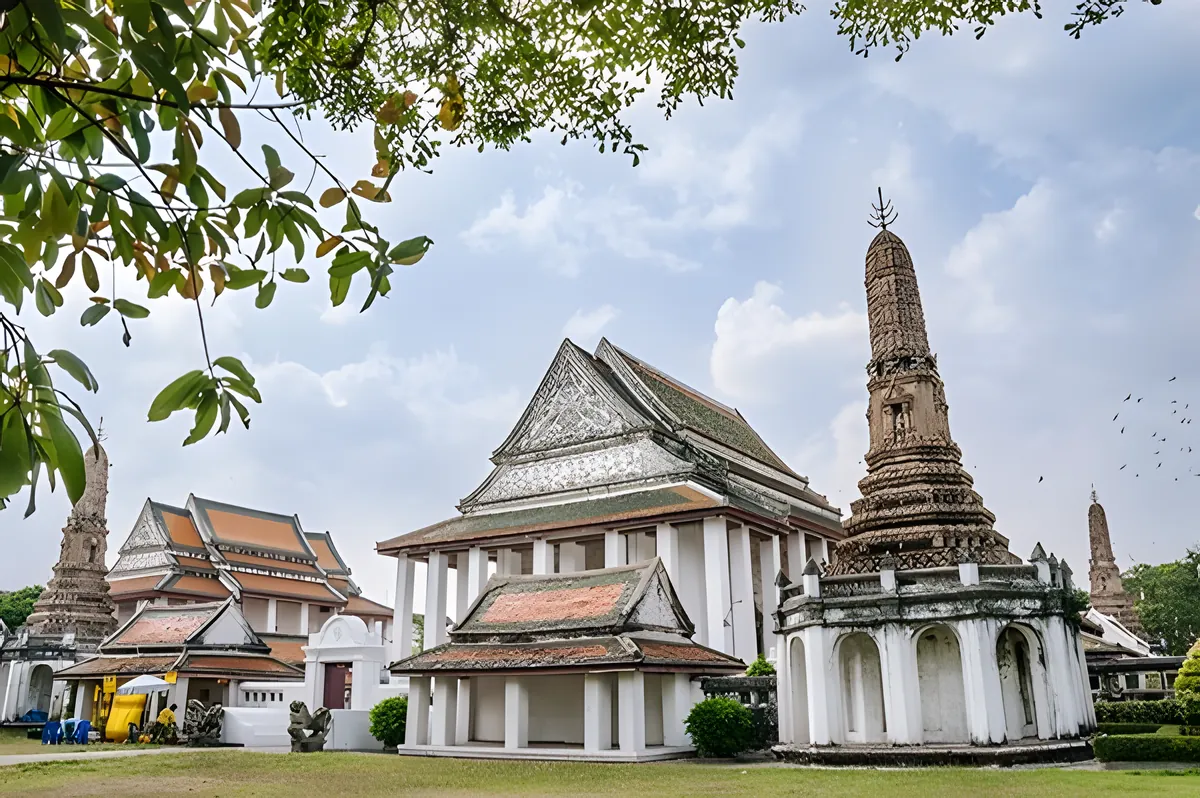
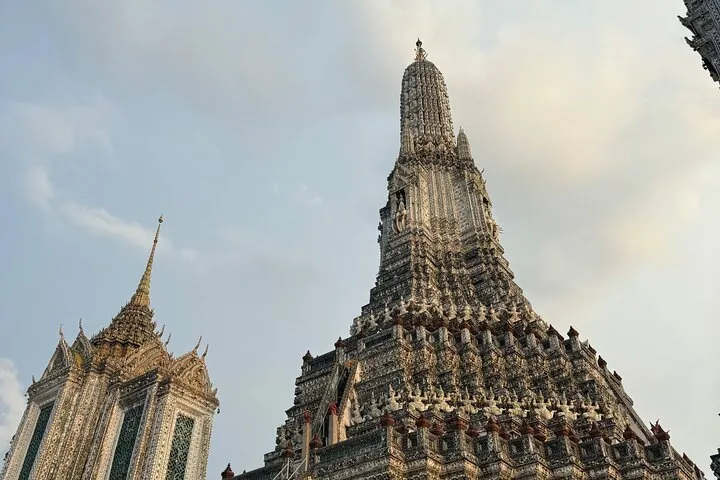
A wealthy Chinese merchant named Liap founded the site in the late Ayutthaya period, which is where the local name Wat Liap comes from. It served as a residence for senior monks through the Thonburi period, then sat in disrepair until 1793, early in Rama I’s reign, when the king’s nephew Prince Krom Luang Thepharirak restored it with royal backing. Rama I raised it to royal-temple status and renamed it Wat Ratchaburana. Rama II later added 162 Buddha images and a vihara to house them, and the temple’s signature Khmer-style prang was built during Rama III’s reign.
The temple took serious damage in Allied bombing raids on Bangkok in 1945 and was struck off the official temple register as a result, a rare instance of a Bangkok temple being administratively “delisted.” Abbot Phra Khun Charawat and local residents rebuilt it in the years after, and it was restored to the register. The prang itself was restored again in 1962 and in 2007. Inside the ubosot, the murals are the work of Khrua In Khong, a 19th-century monk-artist known for bringing Western-style perspective and shading into Thai temple painting during Rama IV’s reign, a distinctive, less crowded stop compared to the murals at Bangkok’s bigger-name temples.
Insider Tip: Pair the visit with Pak Khlong Talat, Bangkok’s flower and produce market, a short walk along the river. The combination of quiet temple grounds and a working wholesale market gives a more local slice of old Phra Nakhon than the main tourist temple circuit.
Watch out: There’s no dedicated visitor centre or English signage explaining the WWII history. Most of that context won’t be obvious on-site unless you already know to look for it.
- Also known as: Wat Liap, after its Chinese-merchant founder
- Founded: Late Ayutthaya period; restored and renamed under Rama I in 1793
- Landmark feature: Khmer-style prang (Rama III era, restored 1962 and 2007)
- Notable art: Ubosot murals by Khrua In Khong (Rama IV era)
- Entry: Free, typically open daily 08:00–17:00
The temple is a short taxi or tuk-tuk ride from Bangkok’s Rattanakosin sightseeing area, and walkable from Pak Khlong Talat and the Memorial Bridge riverside. Dress modestly with covered shoulders and knees, remove shoes before entering the ubosot, and avoid pointing your feet toward the Buddha images.
Location & Directions
119 Chakphet Road
Bangkok, Thailand
Show your taxi or Grab driver
วัดราชบูรณะราชวรวิหาร (วัดเลียบ)
Frequently Asked Questions
Is this the same Wat Ratchaburana as the famous one in Ayutthaya?
Why is it also called Wat Liap?
When did it get its current name?
What happened to it during World War II?
What's the main thing to see?
Spotted something out of date or incorrect? Let us know
Popular tours in Bangkok




Stay Near Wat Ratchaburana (Bangkok)
Live prices for places closest to Wat Ratchaburana (Bangkok): tap a pin to compare.