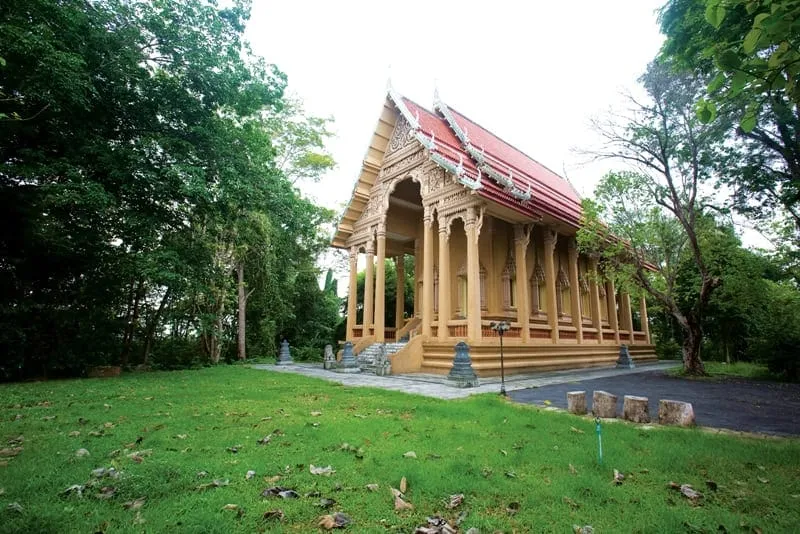






Wat Saphan Hin is a small working village temple in Trat’s Laem Klat subdistrict, about 30km south of Trat town on the Trat–Khlong Yai road. It shares its name — and nothing else — with the far more visited Wat Sa Phan Hin inside Sukhothai Historical Park, over 700km to the northwest; this is a modest local temple, not a hilltop monument with a giant standing Buddha.
The name comes from a natural stone ridge that once crossed a nearby canal like a bridge, giving both the surrounding village (Ban Saphan Hin) and the temple their name. According to temple records, the site’s history goes back further than the current building: a temple called Wat Hin Ngam (“Beautiful Stone Temple”) stood here in the late Ayutthaya period, around 1688 under King Narai, in territory that today lies across the border in Cambodia near the Khlong Kaen river. It fell into disrepair during 18th-century fighting along the Cambodian frontier under King Taksin and stood abandoned for decades. Under King Rama V’s administration, the Trat governor was ordered to rebuild the temple within Thai territory, on the site of the stone-bridge village — which is how the present Wat Saphan Hin came to carry the name.
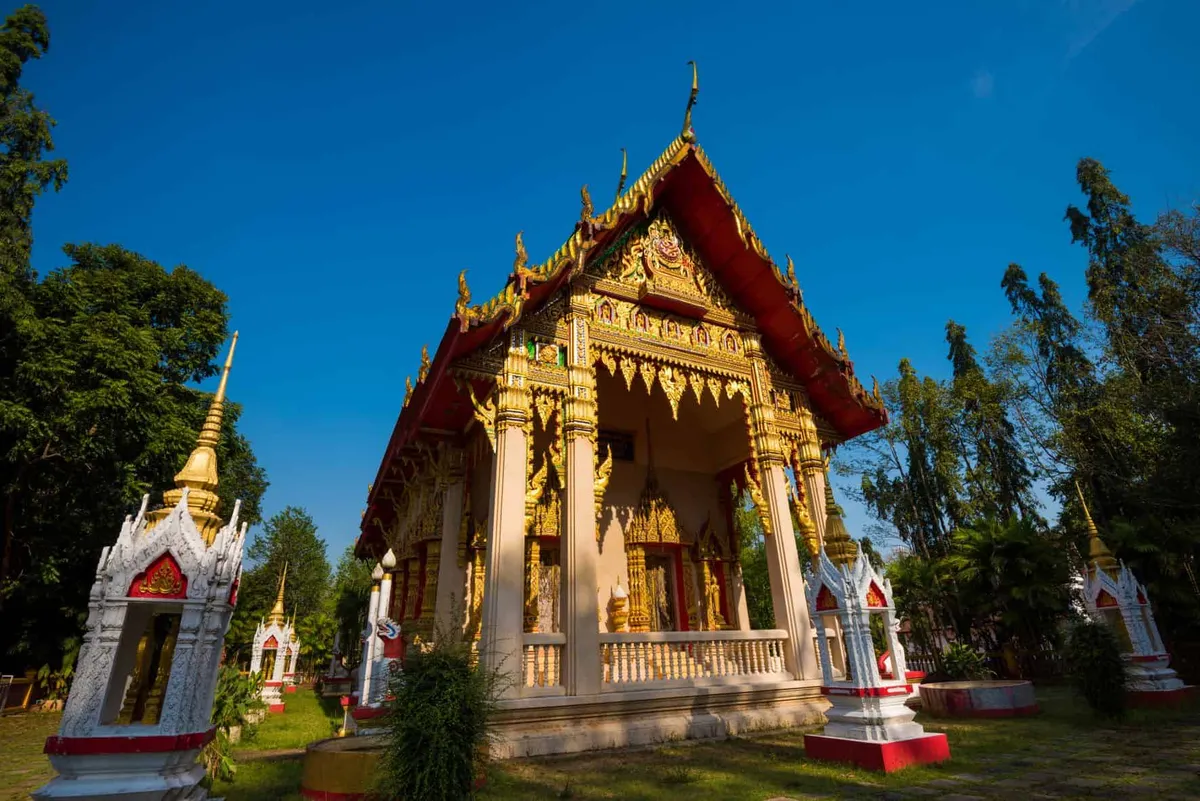
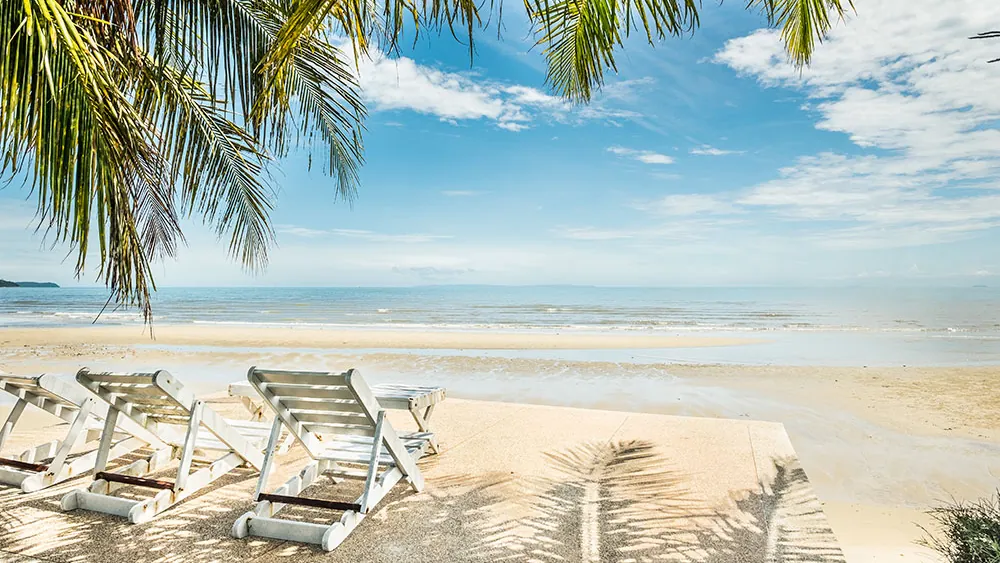
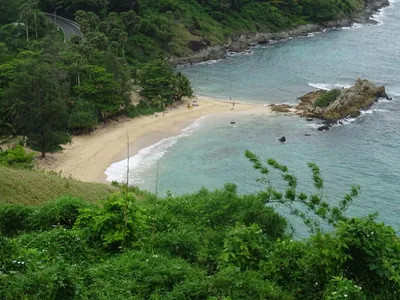
Today the temple centres on a modest ordination hall (ubosot) holding a bronze Buddha image, with a small resident community of monks who observe the usual round of morning and evening chanting. It functions as an ordinary neighbourhood temple rather than a tourist site: locals drop in to make merit, robe-offering ceremonies (kathin) run each October–November after the rains retreat, and there’s no ticket booth or fixed visiting hours to plan around. The setting is quiet countryside close to the coast — Laem Klat’s beach, known for calm, shallow water and views across to Ko Mai Si, Ko Kradat and Ko Mak, sits a short drive further along the same road.
Insider Tip: Treat this as a five-minute stop on the way to or from Laem Klat beach rather than a standalone destination — there’s little signage in English, and the temple’s real interest is the border history behind the name rather than standout architecture.
Watch out: This stretch of the Trat–Khlong Yai road has limited public transport; you’ll need your own car or motorbike, or a pre-arranged driver, to reach the temple and continue on to the beach.
- Entry fee: Free
- Location: Ban Saphan Hin, Tambon Laem Klat, Mueang Trat — about 30km south of Trat town
- Origin: Traced to a temple built c. 1688 across the modern Cambodian border; rebuilt on the current site under King Rama V
- Not to be confused with: Wat Sa Phan Hin in Sukhothai Historical Park, a separate and much larger hilltop temple
- Nearby: Laem Klat beach, a short drive further south
Dress modestly — covered shoulders and knees — and remove shoes before entering the ordination hall. Photography is fine outside prayer times; keep it low-key during any active ceremony.
Location & Directions
9 Moo 5 Ban Saphan Hin, Sukhumvit Road
Trat, Thailand
Show your taxi or Grab driver
วัดสะพานหิน
Frequently Asked Questions
Is this the same Wat Saphan Hin as the famous hilltop temple in Sukhothai?
Why is it called the "Stone Bridge Temple"?
How old is Wat Saphan Hin?
Is there an entrance fee?
What else is worth combining with a visit?
Spotted something out of date or incorrect? Let us know
Popular tours in Trat

Stay Near Wat Saphan Hin
Compare places to stay in Trat, or open the map for options closest to the attraction.